Hidden places near Saiyad-ul-ajaib
Saiyad-ul-ajaib in South Delhi sits close to centuries of layered heritage and quiet green retreats. This guide covers peaceful monuments, historic stepwells, temples, and cultural spots located within a short drive of the area. It is well suited for history enthusiasts, walkers, and travellers seeking calm corners across the capital.
Historical retreats near Saiyad-ul-ajaib
Saiyad-ul-ajaib is positioned right beside some of Delhi's most significant historical enclaves. Just about a kilometre away sits Ahinsa Sthal, an expansive Jain monument established on a rocky knoll in Mehrauli. Featuring a prominent seated stone statue of Lord Mahavira enclosed by manicured gardens, it offers a peaceful pause overlooking the surrounding heritage landscape.
A short distance further, roughly four kilometres from Saiyad-ul-ajaib, lies Bagh-I-Alam Ka Gumbad Delhi within the leafy grounds of Deer Park in Hauz Khas. This fifteenth-century tomb from the Lodi era showcases classic medieval masonry and remaining decorative tilework, drawing morning walkers and architecture enthusiasts. Nearby in Mehrauli, the Mehrauli Archaeological Park Walk guides visitors through centuries of architectural history across leafy trails, where medieval arches and ruins stand alongside quiet woodland. Within this same park, Rajon Ki Baoli presents a striking sixteenth-century stepwell, where multi-tiered arched colonnades descend into a cool subterranean pool.
Sacred and contemplative sanctuaries
Those interested in spiritual heritage will find diverse places of worship near Saiyad-ul-ajaib. Shri Yogmaya Temple, Mehrauli, located around two kilometres away, is an ancient shrine dedicated to Krishna's sister and plays a central part in the historic Phool Walon Ki Sair festival. Nearby on Anuvrat Marg, the Cambodian Monastery New Delhi provides an unexpected glimpse into Southeast Asian Buddhist design, featuring quiet prayer halls and manicured greenery that create a calm environment for contemplation.
Towards Hauz Khas, Shri Jagannatha Temple, Hauz khas displays intricate Kalinga-style temple architecture, constructed by Delhi's Odia community as a spiritual gathering place. Further into central Delhi, around thirteen kilometres from Saiyad-ul-ajaib near Gole Market, Lord Shiva Temple stands as an established neighbourhood shrine where city dwellers and travellers pause for prayer amidst the urban flow. Another ancient site is Sri Kilkari Baba Bhaironath Ji Pandav Kalin Mandir near Pragati Maidan, deeply rooted in local traditions.
Distinctive city spots and dining pauses
Beyond historic stone monuments, the region around Saiyad-ul-ajaib encompasses modern infrastructure and quiet waterfronts. The Metro Museum, located right inside the Patel Chowk Metro Station concourse, chronicles the engineering and rapid development of Delhi's urban rail network through scale models and operational archives. For an early-morning excursion, Yamuna Ghat no 24 along the river near Kashmere Gate attracts photographers and birdwatchers hoping to watch the sunrise as migratory birds skim the water.
When planning a pause between explorations, dining venues in the area offer verdant environments. Kakapo in the Ambwatta One complex sits near the Qutab Minar in Mehrauli, offering meals paired with views of medieval architecture. Near Chanakyapuri, Fig at Malcha provides an airy café setting in a tree-lined diplomatic quarter, while Forest Table is located within the lush garden grounds of Teen Murti Bhavan in central New Delhi.
Ideal time to visit and travel tips
Exploring South Delhi's outdoor ruins and monuments is most pleasant during the cooler months from October to March. Temperatures during this period allow for unhurried walking across expansive sites such as the Mehrauli Archaeological Park Walk or Deer Park. If travelling during late spring or summer, plan outdoor visits for early morning, particularly for riverside walks at Yamuna Ghat no 24 or open-air sites like Ahinsa Sthal.
Getting around the area is straightforward thanks to Delhi's connectivity. Several destinations are closely linked by the Delhi Metro, including the Metro Museum directly at Patel Chowk and Mehrauli Archaeological Park Walk right across from the Qutub Minar station. Local auto-rickshaws and app-based cabs handle short trips from Saiyad-ul-ajaib to Mehrauli monuments easily. Remember to wear supportive shoes for uneven stone steps at Rajon Ki Baoli and dirt tracks in the parks.
Where to stay
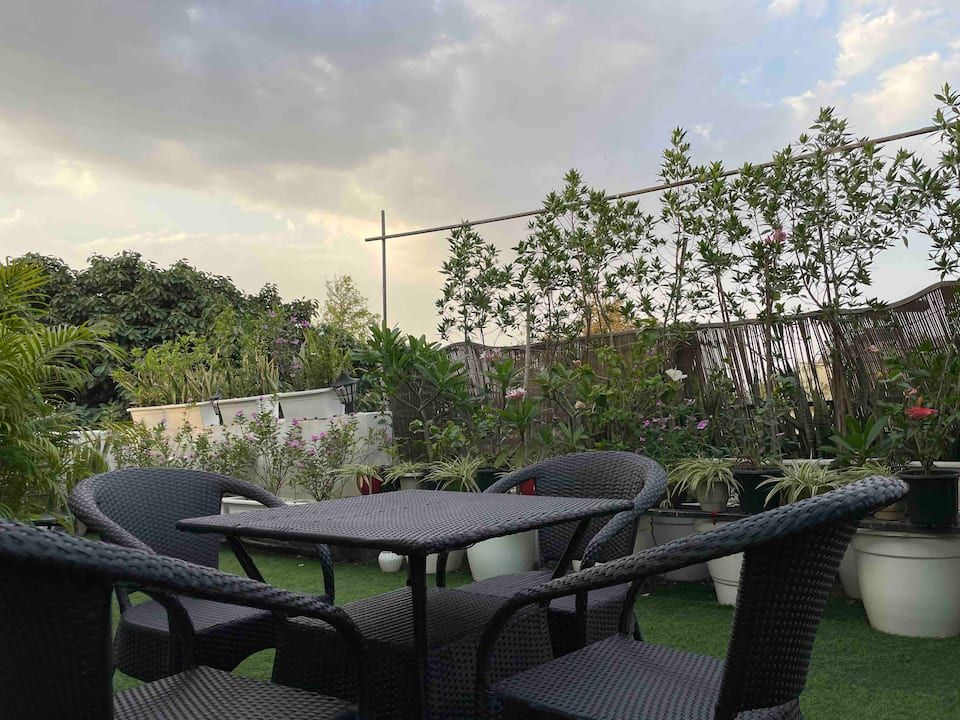
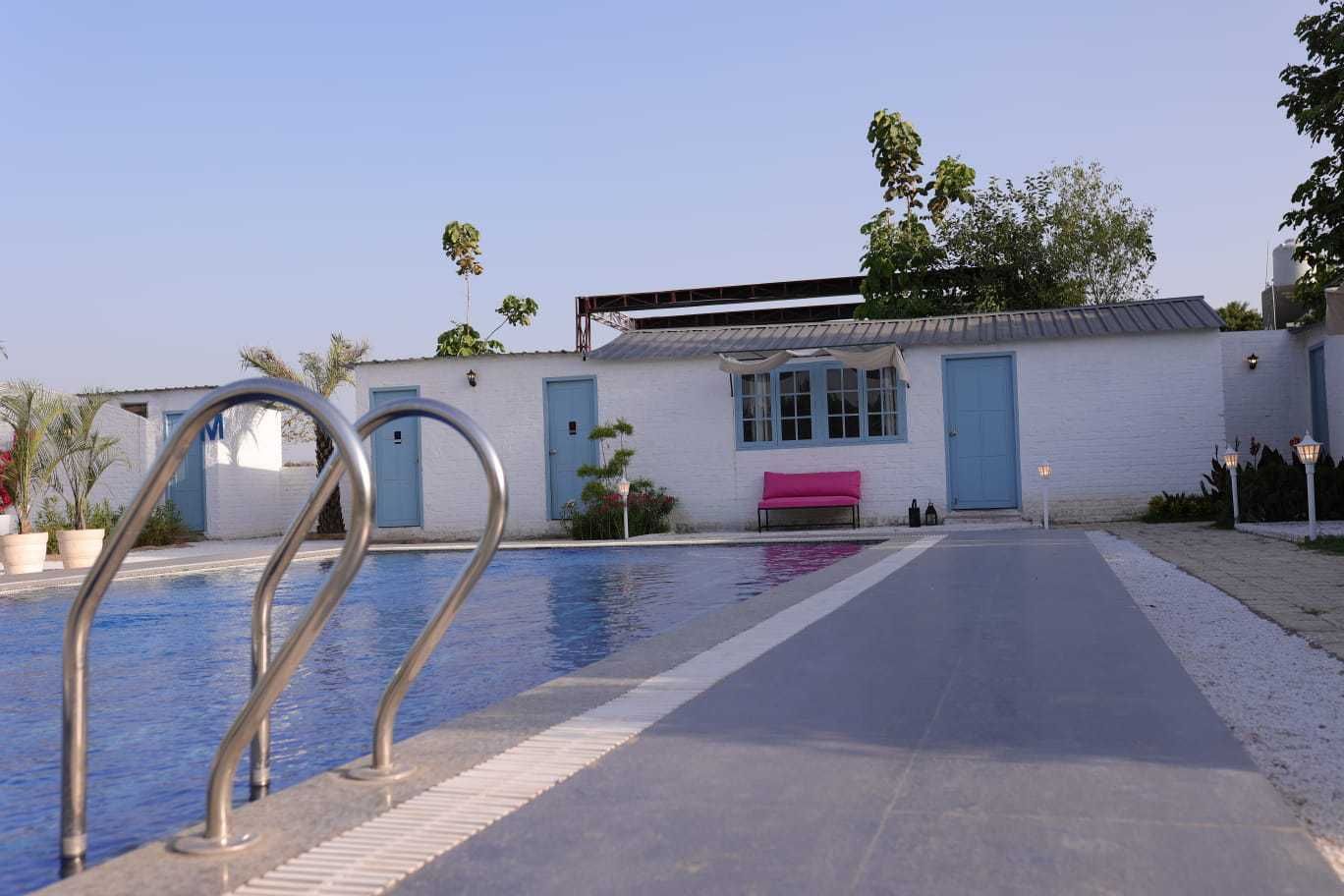
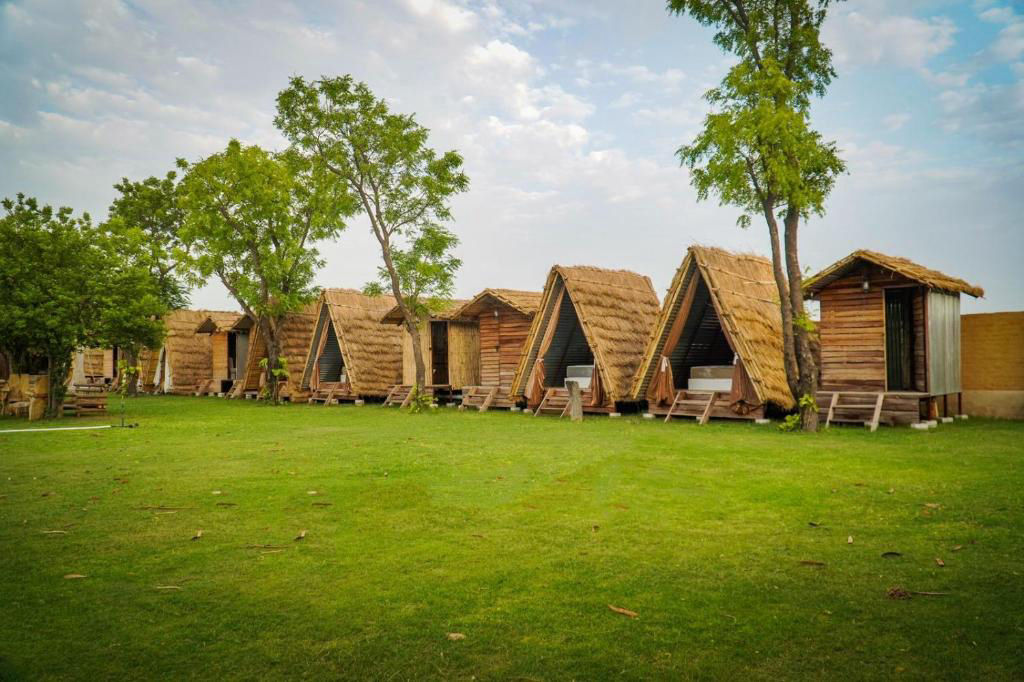
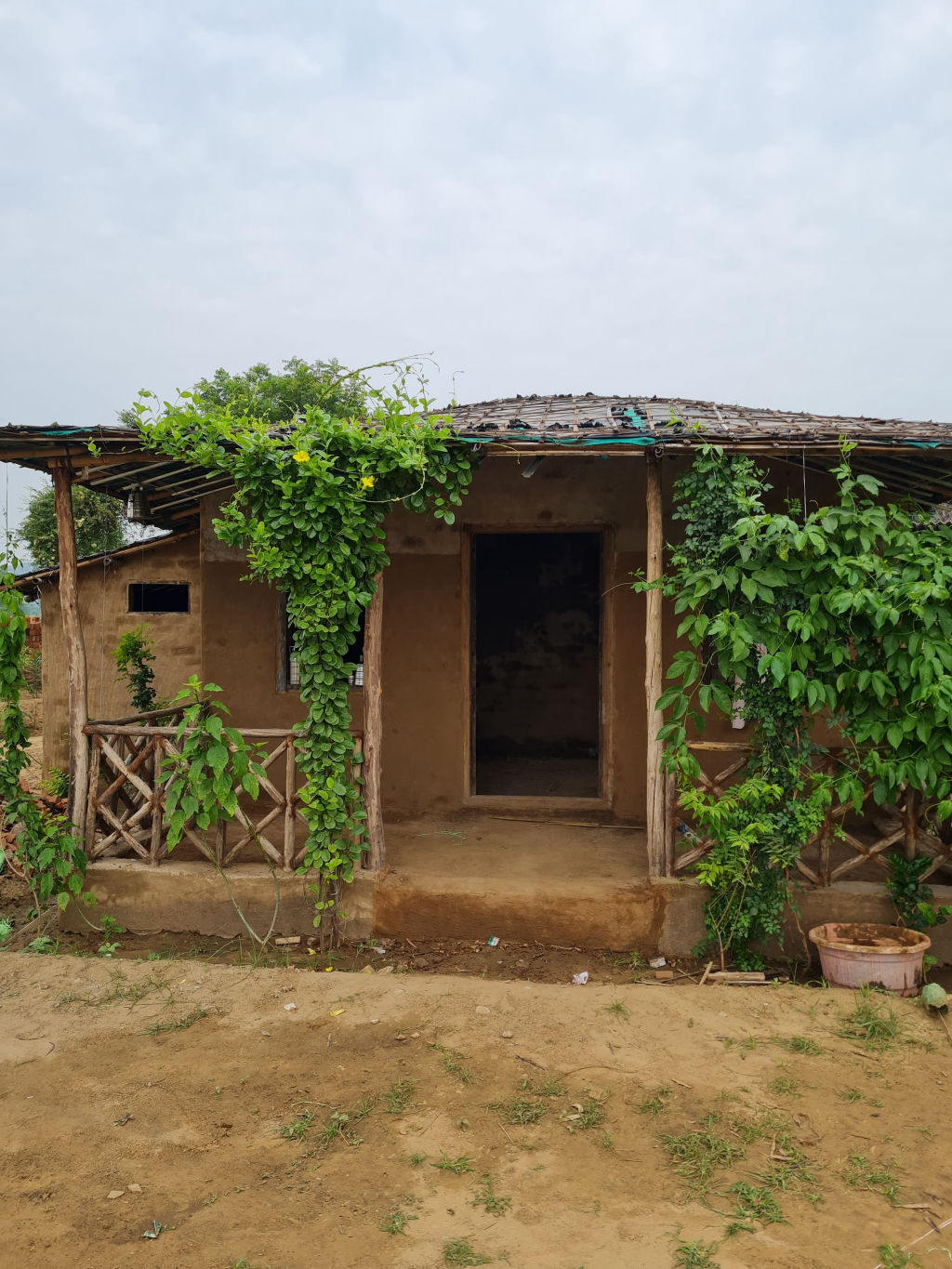
If you are planning an extended trip to explore South Delhi's historical quarters and quieter pockets, comfortable homestays, urban retreats, and peaceful stays can be found on HireACamp. Opting for independent accommodations nearby provides a restful base close to nature and heritage trails without being trapped in noisy commercial zones.
Written with AI from creators' posts and map data. Check prices and timings locally before you go.
14 places · 15 creator recommendations · Updated today
Ranked by how many independent creators recommend each place, not by who paid. The list updates itself as new posts come in.


Frequently asked questions
What are some notable historical monuments near Saiyad-ul-ajaib?
Ahinsa Sthal, Bagh-I-Alam Ka Gumbad Delhi, and Rajon Ki Baoli are notable historical sites located within a few kilometres of Saiyad-ul-ajaib. Each offers a glimpse into Delhi's medieval past within quiet, green surrounds.
Which places near Saiyad-ul-ajaib are suited for morning walks?
Mehrauli Archaeological Park Walk and the grounds surrounding Bagh-I-Alam Ka Gumbad Delhi in Deer Park are well suited for morning walks. Yamuna Ghat no 24 is another rewarding destination for early-morning visits to see sunrise and birds over the river.
How can travellers reach the Mehrauli Archaeological Park Walk from Saiyad-ul-ajaib?
The park is located approximately two kilometres from Saiyad-ul-ajaib and sits directly opposite the Qutub Minar Metro Station. Visitors can easily reach it via a short auto-rickshaw ride, cab, or metro journey.
What is the best time of year to explore outdoor sites around Saiyad-ul-ajaib?
The winter months between October and March offer mild temperatures, making it comfortable to spend hours exploring open-air stepwells, tombs, and heritage forest trails.
Stays near Saiyad-ul-ajaib
Make a trip of it