
Sri Darbar Sahib Tarn Taran
Gurudwara near Tarn Taran, Punjab
1 post
Guide from 1 post by 1 creator
@iamadinaad
300 m from Tarn Taran
The nearest town, for stays, food and fuel.
Sri Darbar Sahib Tarn Taran is a revered historic Gurudwara situated in the heart of Tarn Taran Sahib in Punjab. Founded in 1590 by the fifth Sikh Guru, Guru Arjan Dev Ji, the shrine is renowned for housing one of the largest sarovars across all Sikh pilgrimage sites. Travellers and devotees visit to experience its deep spiritual calm, magnificent Sikh architecture, and tradition of selfless service.
Getting there
By road
- From Tarn TaranNearest town1 min · 300 m
- From Tarn Taran Sahib2 min · 400 m
- From Amritsar40 min · 25 km
- From Ludhiana2 hr 40 min · 144 km
By train, bus or air
- Amritsar Bus StationNearest bus stand36 min · 22 km
- Sri Guru Ram Dass Jee International AirportNearest airport56 min · 33 km
Typical drive times without traffic. Stations and airports from OLA Maps; distances and typical drive times from OLA Maps and OpenStreetMap (© OpenStreetMap contributors); notes from creators' Reels.
About Sri Darbar Sahib Tarn Taran
Written with AI from creators' posts and map data. Check prices and timings locally before you go.
History and significance of Sri Darbar Sahib Tarn Taran
Sri Darbar Sahib Tarn Taran holds a central place in the spiritual and cultural history of the Majha region of Punjab. The foundation of the town and the Gurudwara was laid in the late sixteenth century by Guru Arjan Dev Ji. The name Tarn Taran roughly translates to a boat that carries people across the ocean of worldly existence, signifying the spiritual salvation and peace offered to all who arrive here.
Historically, the complex became an important sanctuary of healing. Guru Arjan Dev Ji established a home and shelter for people suffering from leprosy near the sarovar, turning the town into a place of compassion and rehabilitation during an era when leprosy patients faced intense societal ostracisation. Over centuries, the shrine was supported and renovated by key figures in Sikh history, including Maharaja Ranjit Singh, who contributed gold leaf work to the dome and embellished its marble walkways.
Architecture and the sacred sarovar
The focal point of Sri Darbar Sahib Tarn Taran is its expansive rectangular sarovar, widely regarded as the largest water pool associated with any Gurudwara. The water reflects the white and gold facade of the central shrine, creating a serene atmosphere that invites quiet contemplation. Encircling the sarovar is a wide marble parikrama walkway where pilgrims walk barefoot while listening to continuous Gurbani kirtan.
The central sanctuary exhibits traditional Sikh architecture, characterized by intricate floral frescoes, fluted domes, decorative arches, and reflective gold foil adorning the upper storey and dome. Connected to the main bank by a marble causeway, the inner sanctum houses the Guru Granth Sahib. Along one corner of the sarovar stands a grand three-storeyed historic tower, commissioned by Kanwar Nau Nihal Singh, offering an elevated perspective over the sprawling waters and the surrounding complex.
Read more
Visiting the shrine and community traditions
A visit to Sri Darbar Sahib Tarn Taran offers insight into the core tenets of Sikhism, especially seva and langar. The langar hall operates throughout the day, serving hot, simple, and wholesome vegetarian meals to visitors from every walk of life without distinction of faith, caste, or background. Sitting in rows on the floor to partake in the meal is an integral part of the Gurudwara experience.
Visitors often spend their time taking a quiet stroll along the parikrama, sitting beside the water, or participating in voluntary service. Activities such as washing dishes, preparing chapatis in the community kitchen, or helping keep the premises clean are welcomingly taken up by devotees. On the occasion of Amavasya, the new moon day, the shrine attracts thousands of pilgrims from across Punjab, who gather to take a holy dip in the sarovar and attend day-long religious congregations.
Best time to visit Tarn Taran Sahib
The ideal time to visit Tarn Taran Sahib is during the autumn, winter, and early spring months, spanning from October to March. During this period, the climate in Punjab is pleasant and cool, with daytime temperatures comfortable for walking barefoot on the open marble parikrama. Winter mornings can be chilly and misty, adding an ethereal mood to the sun rising over the vast sarovar.
Summers, from April to June, can be intensely hot across the plains, with temperatures frequently climbing above forty degrees Celsius. Walking along the stone pathways under the midday sun during summer can become challenging, making early morning or late evening visits more practical. The monsoon months between July and September bring humidity and rain showers, which can make temple courtyards slippery but leave the regional countryside lush and green.
How to reach Sri Darbar Sahib Tarn Taran
Sri Darbar Sahib Tarn Taran is conveniently accessible by road from several major cities in Punjab and northern India. Located around twenty-five kilometres south of Amritsar, the drive usually takes roughly forty minutes under normal conditions. This close proximity makes it an easy day excursion or detour for anyone visiting Amritsar.
Travellers driving from Ludhiana cover approximately one hundred and forty-four kilometres, a journey that typically takes about two hours and forty minutes. From Chandigarh, the distance is around two hundred and thirty kilometres, requiring about four hours of driving. For those travelling by road from New Delhi, the distance is roughly four hundred and sixty-three kilometres, which typically takes around seven hours and ten minutes along national highways. Regular local buses and private taxis ply frequently between Amritsar and Tarn Taran throughout the day.
Etiquette and tips for your visit
When visiting Sri Darbar Sahib Tarn Taran, modest dress is expected of all visitors. Ensure that your shoulders and legs are covered. Before entering the sanctum or stepping onto the parikrama, remove your shoes and socks and deposit them at the shoe storage counter near the entrance. Both men and women must cover their heads using a scarf, dupatta, or rumal, which are readily available outside the entrance gates if you do not carry one.
Wash your hands and step through the small shallow footbath at the entrance before proceeding onto the parikrama. Photography inside the inner prayer hall is restricted to preserve the sanctity of worship, so always follow posted signboards and staff instructions. Maintain a low speaking volume within the complex, avoid consuming tobacco or alcohol anywhere nearby, and take your time absorbing the peaceful rhythm of the prayers.
Places to visit around Tarn Taran
Because Tarn Taran Sahib lies just south of Amritsar, visitors can easily combine their pilgrimage with several historic and cultural landmarks nearby. Sri Harmandir Sahib, widely known as the Golden Temple, and the historic plaza of Heritage Street are roughly nineteen to twenty kilometres away. Next to them lies Jallianwala Bagh, a poignant memorial of India's independence movement.
Other notable attractions within an easy drive include the Partition Museum, Gobindgarh Fort, and Shri Durgiana Mandir in Amritsar. Further west towards the international border, roughly thirty-seven kilometres away, travellers can witness the evening beating retreat ceremony at the Attari-Wagah Border. Combining these sites provides a deep and rounded understanding of the historical, architectural, and spiritual legacy of Punjab.
Where to stay
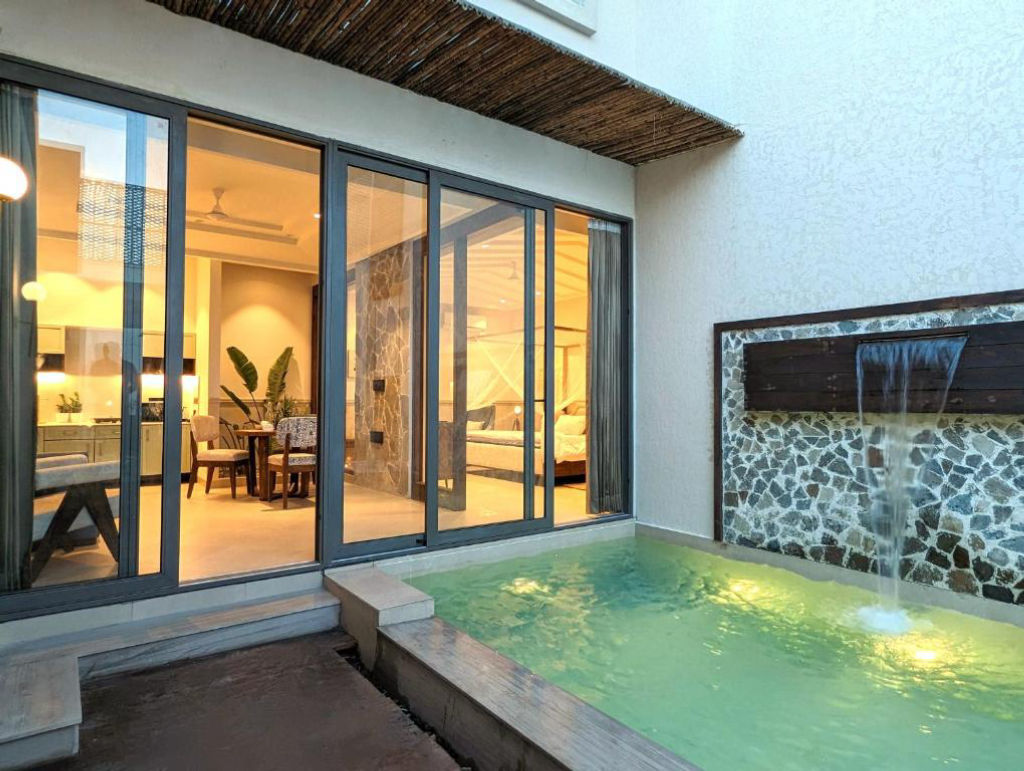
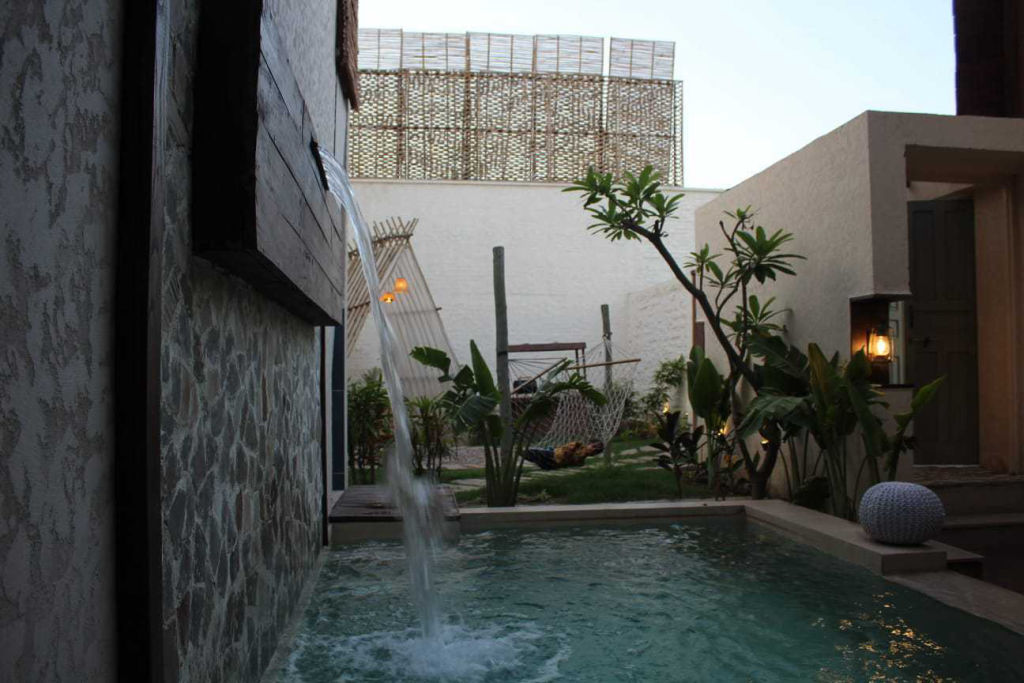
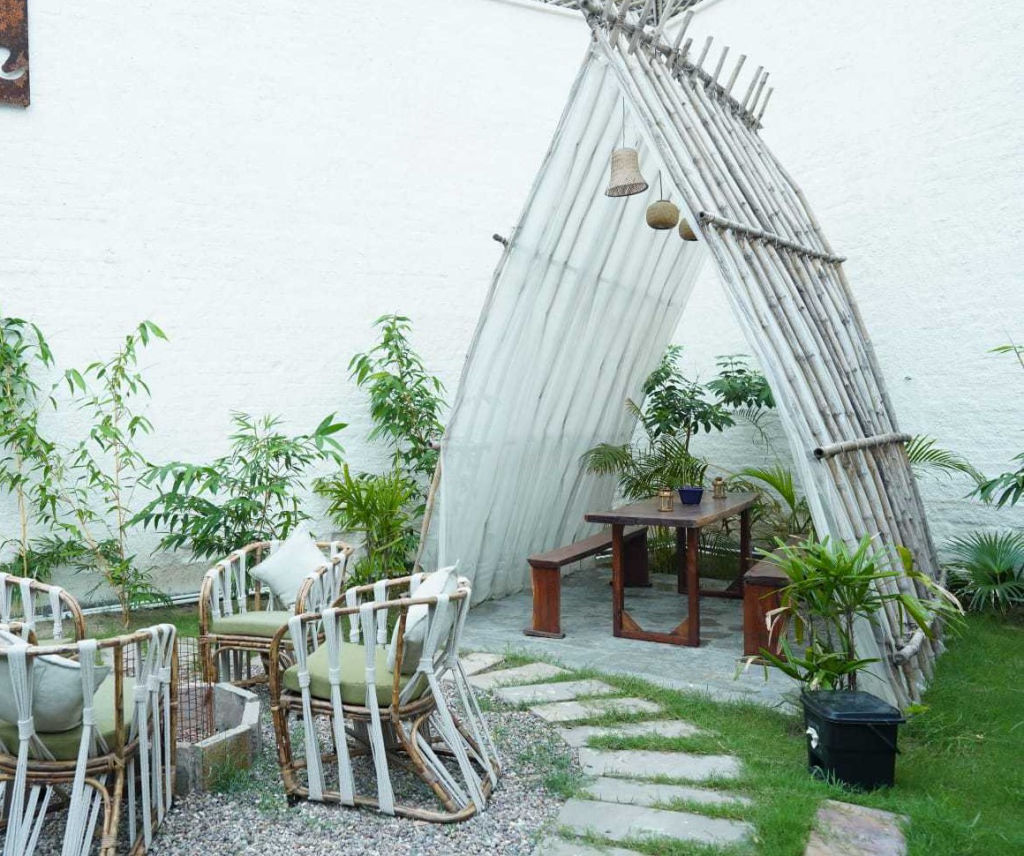
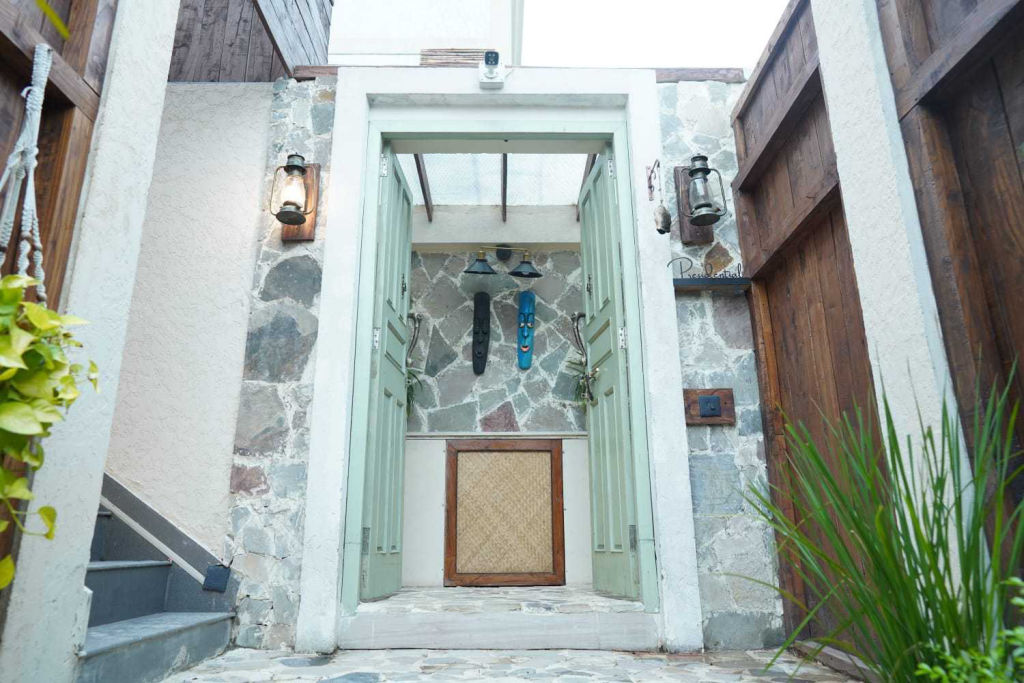
Travellers visiting Sri Darbar Sahib Tarn Taran can explore a variety of accommodations across the district and surrounding countryside. Whether you prefer peaceful farmstays in rural Punjab, quiet homestays, or camping getaways close to nature, great options nearby can be discovered and booked on HireACamp. Staying locally allows you to reach the shrine early in the morning before crowds gather, enjoying the quiet dawn atmosphere around the sarovar.
Frequently asked questions
What is Sri Darbar Sahib Tarn Taran famous for?
Sri Darbar Sahib Tarn Taran is renowned for its grand Sikh architecture and for possessing one of the largest sarovars, or sacred water tanks, among all Sikh shrines worldwide.
How far is Sri Darbar Sahib Tarn Taran from Amritsar?
The Gurudwara is approximately twenty-five kilometres from Amritsar, and the road journey typically takes around forty minutes in normal traffic conditions.
Is there a dress code for visiting the Gurudwara?
Yes, visitors should dress modestly with arms and legs covered. You must also remove your footwear and cover your head with a scarf or rumal before entering the complex.
Can visitors eat at the Gurudwara?
Yes, the langar hall serves simple vegetarian meals to all visitors throughout the day, following the Sikh tradition of community kitchen and equality.
What is the best time of year to visit?
The cooler months from October to March offer the most pleasant weather for walking barefoot around the outdoor marble parikrama.
Where you'll be
Old City, Tarn Taran Sahib, Punjab 143401 · 4 stays nearby shown with prices
As seen on Instagram
The posts this guide is built from
Stays near Sri Darbar Sahib Tarn Taran
Book a place to stay close by
More places near Sri Darbar Sahib Tarn Taran
Within 20 km


Lists for this area
Ranked by how many creators recommend each place


Built from 1 Instagram post by 1 creator. Every tip links back to the post it came from, and where creators disagree we show both sides.






