Temples near Mussoorie
This guide highlights revered temples near Mussoorie, ranging from sacred riverside cave shrines and ancient hilltop sanctuaries to tranquil forest hermitages across the Garhwal hills and Doon Valley. It is crafted for pilgrims, culture enthusiasts, and day hikers who want to pair spiritual journeys with the natural quiet of Uttarakhand.
Top temple destinations around Mussoorie
The hills and valleys surrounding Mussoorie are dotted with ancient places of worship that hold deep spiritual meaning for pilgrims and travellers. Tapkeshwar Mahadev Mandir, located about 11 km from Mussoorie on the outskirts of Dehradun, sits inside a natural cave where mountain water steadily drips over a sacred Shiva Lingam beside a flowing river. Devotees visit to experience the cool cave interior, pay respects at the riverside statues, and spend peaceful moments along the rocky bank.
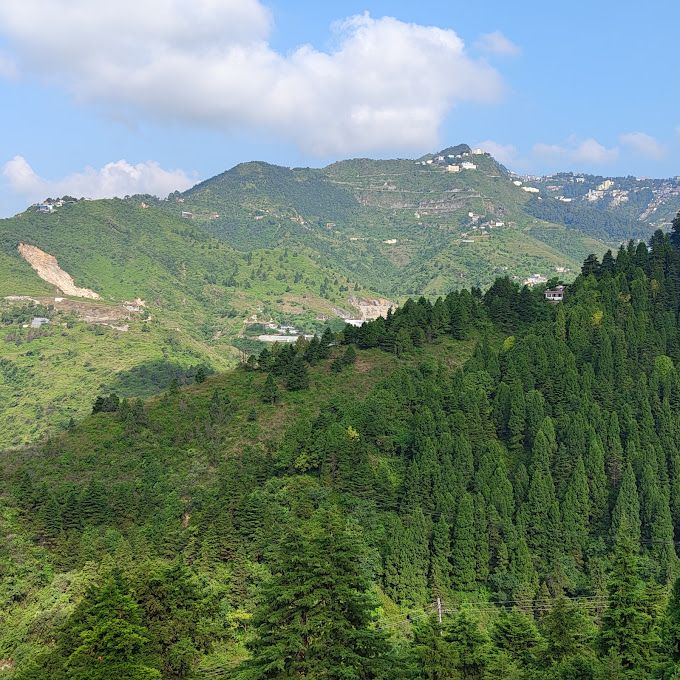
Along the high western ridgeline roughly 9 km beyond Mussoorie, Bhadraj Temple stands dedicated to Lord Balbhadra. Perched on an open mountain crest overlooking the Doon Valley and the Jaunsar Bawar region, it is reached by a scenic ridge walk and treats hikers to vast views that often rise above morning clouds. Further east near Dhanaulti, approximately 24 km from Mussoorie, Surkanda Devi Mandir crowns a peak at an altitude of nearly 2,750 metres. As an established Shakti Peetha dedicated to Goddess Parvati, the temple draws pilgrims seeking quiet devotion alongside expansive views of snow-crested Himalayan ranges. Near Moldhar, about 18 km away, Koneshwar Temple offers an intimate Shiva shrine tucked into a woodland path sheltered by mature deodar trees.
Heritage of the valleys and forests
Beyond the popular hill shrines, the broader region between the Shivalik foothills and higher Garhwal ranges features unique architectural traditions and storied lore. Shrines like Laxman Siddh Peeth and Kalu Siddh Temple represent the historic Siddh sites safeguarding the Doon Valley, nestled beneath peaceful canopies of Sal and mixed foothill forests. These sites provide a calm contrast to the high-ridge temples, welcoming travellers into quiet wooded surroundings.
Travellers interested in classical stone carving and folklore can venture toward Lakhamandal Temple near Chakrata, set above the Yamuna river valley with historic links to the Mahabharata epic and an impressive collection of carved Shivalingas. In the Jaunsar-Bawar belt, places like Botha Mahasu Devta Temple showcase indigenous Himalayan woodcraft and regional deities that form the backbone of local community traditions. Exploring these sites gives visitors a richer understanding of Uttarakhand's varied devotional landscape.
Best time to visit
The temple destinations near Mussoorie can generally be visited throughout the year, though each season brings a distinct atmosphere. Spring and summer, stretching from March through June, offer clear skies and comfortable temperatures, making high-altitude visits to Surkanda Devi Mandir and ridge walks to Bhadraj Temple especially pleasant. Valley shrines like Tapkeshwar Mahadev Mandir also provide a refreshing break from lower-elevation heat during these months.
Monsoon season from July to September turns the Garhwal hills lush green and replenishes mountain rivers, though heavy rain can make footpaths slippery and narrow mountain roads prone to minor delays. Autumn and early winter, from October through December, bring exceptionally crisp air, golden sunlight, and the sharpest panoramic views of the distant snow peaks. Mid-winter brings bitter cold and occasional snowfall to higher peaks like Dhanaulti, requiring warm clothing for those visiting hilltop sanctuaries.
Tips for your trip
Because many temples in this region require walking along stone paths, steps, or woodland trails, wearing sturdy footwear with reliable traction is essential. Mountain ridge trails such as the route to Bhadraj Temple are exposed to the sun and wind, so carrying a reusable water bottle, sun protection, and a light windbreaker will keep you prepared across changing weather conditions.
When visiting active shrines, dressing modestly and respecting local customs regarding shoe removal and photography around the sanctum ensures a courteous visit. Mountain travel times can fluctuate depending on hill traffic and road terrain, so it is wise to start journeys early in the morning and verify local conditions before setting out.
Where to stay
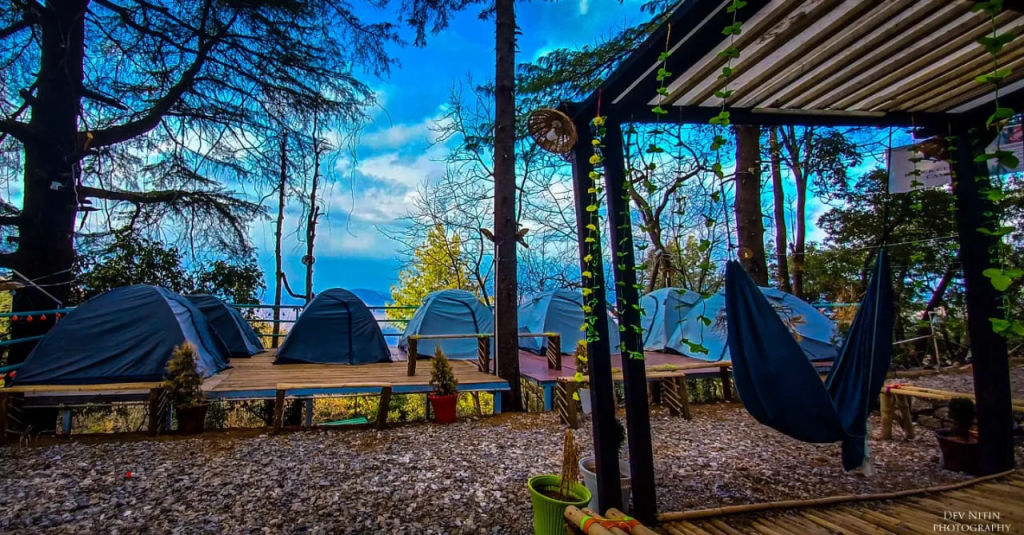
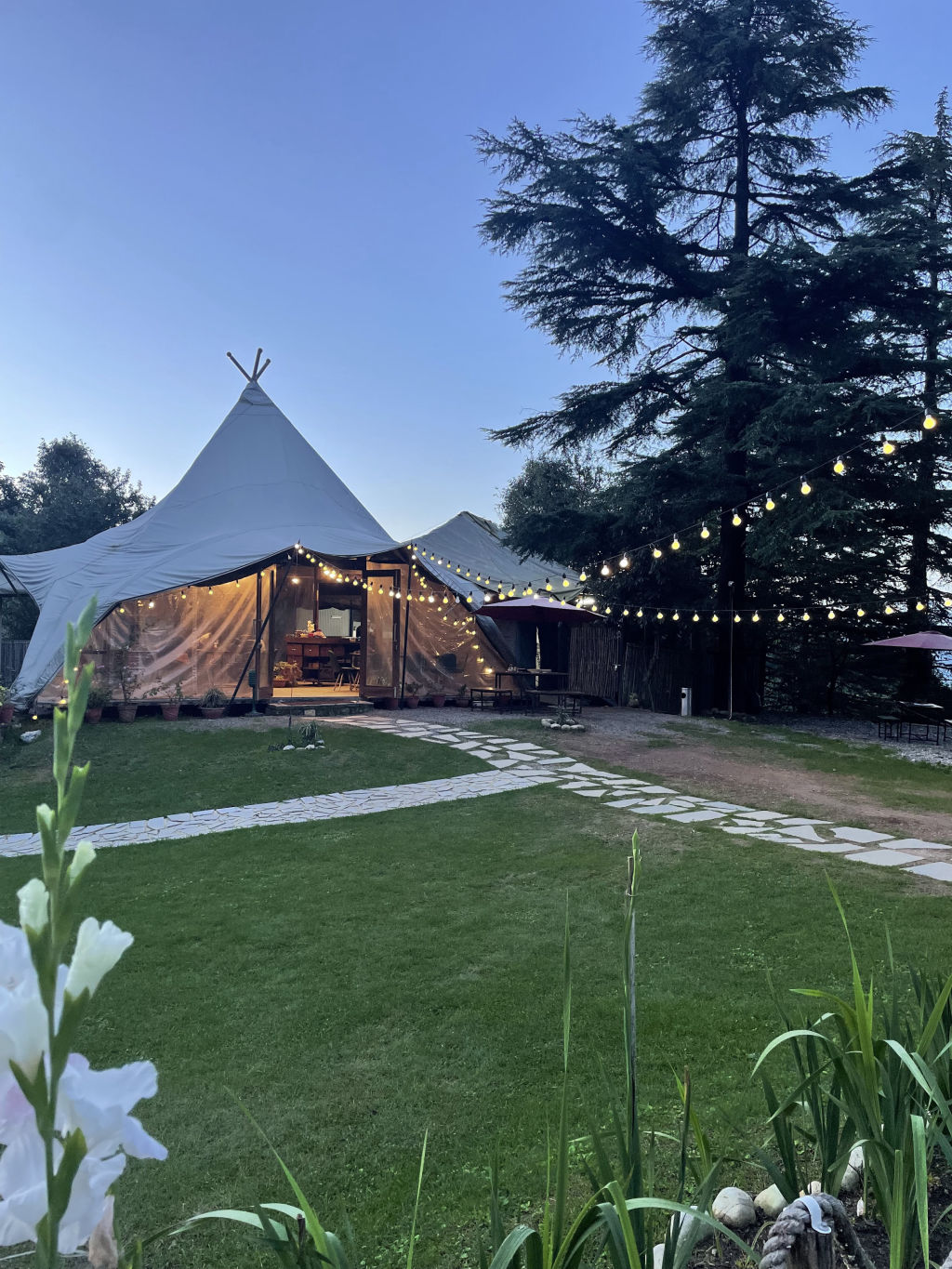
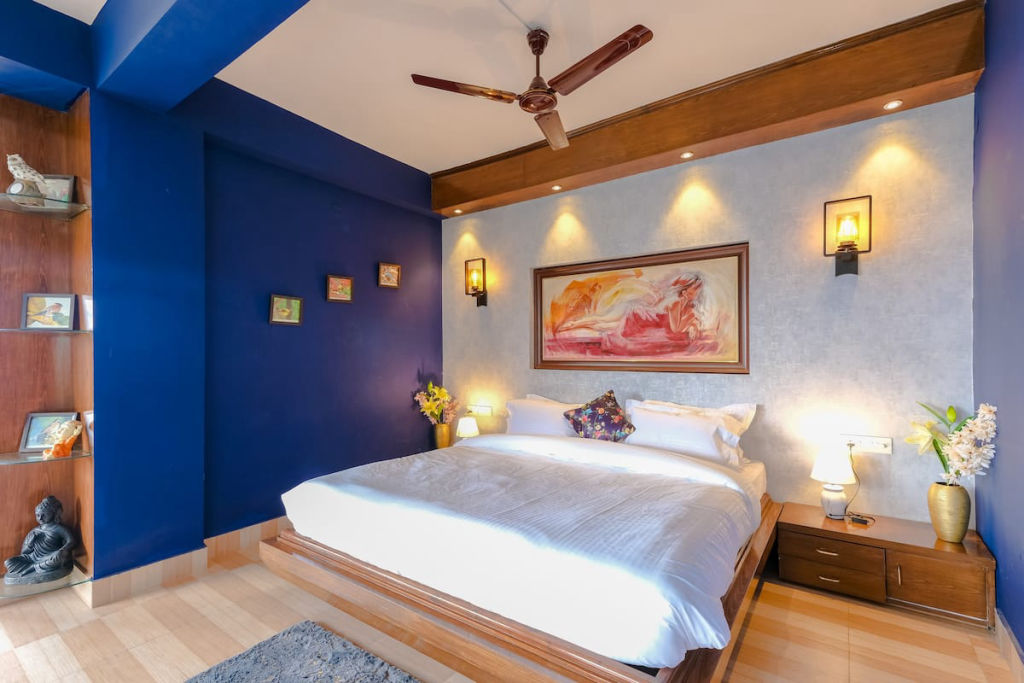
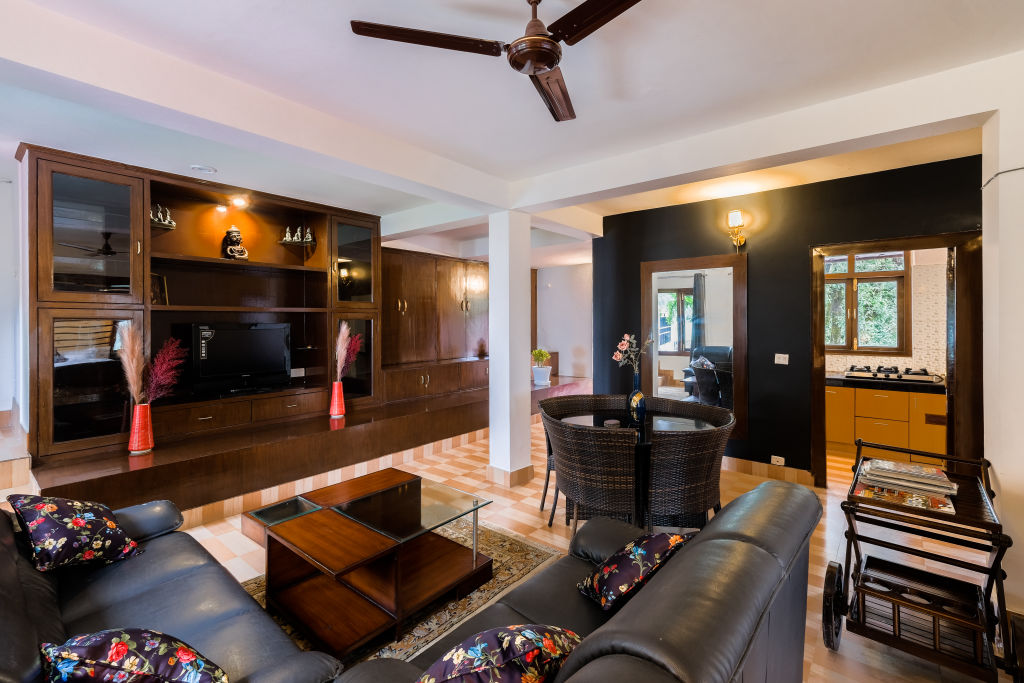
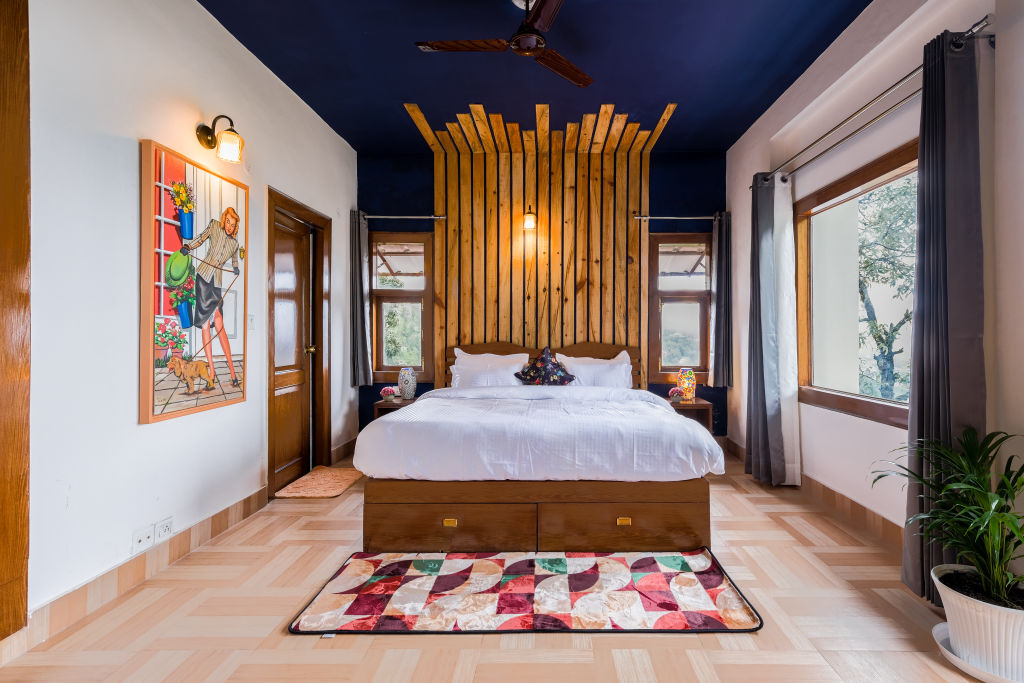
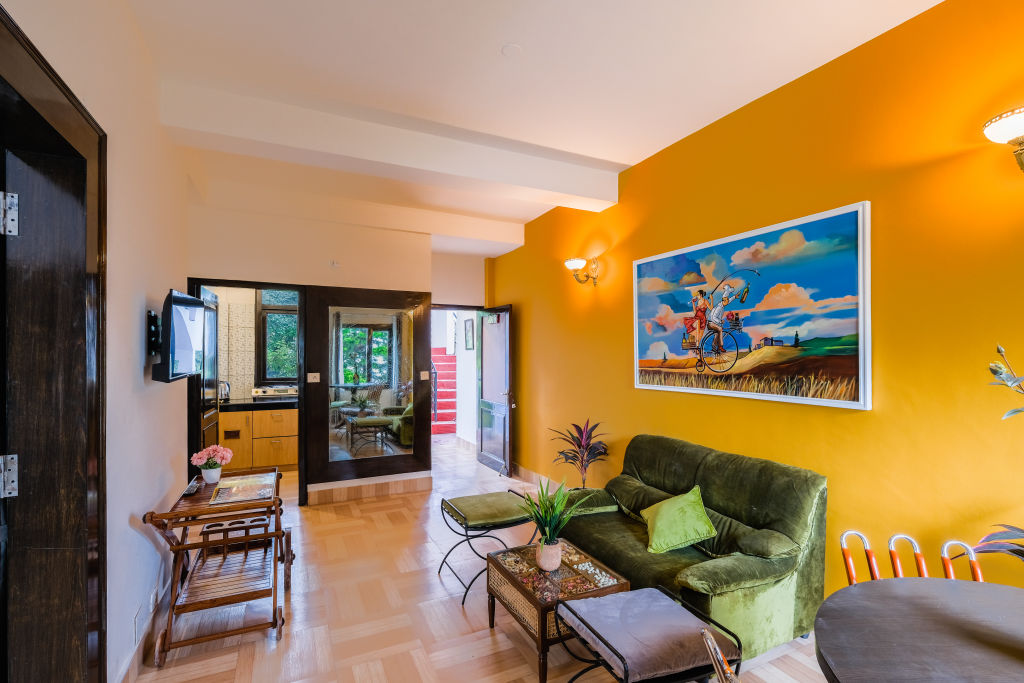
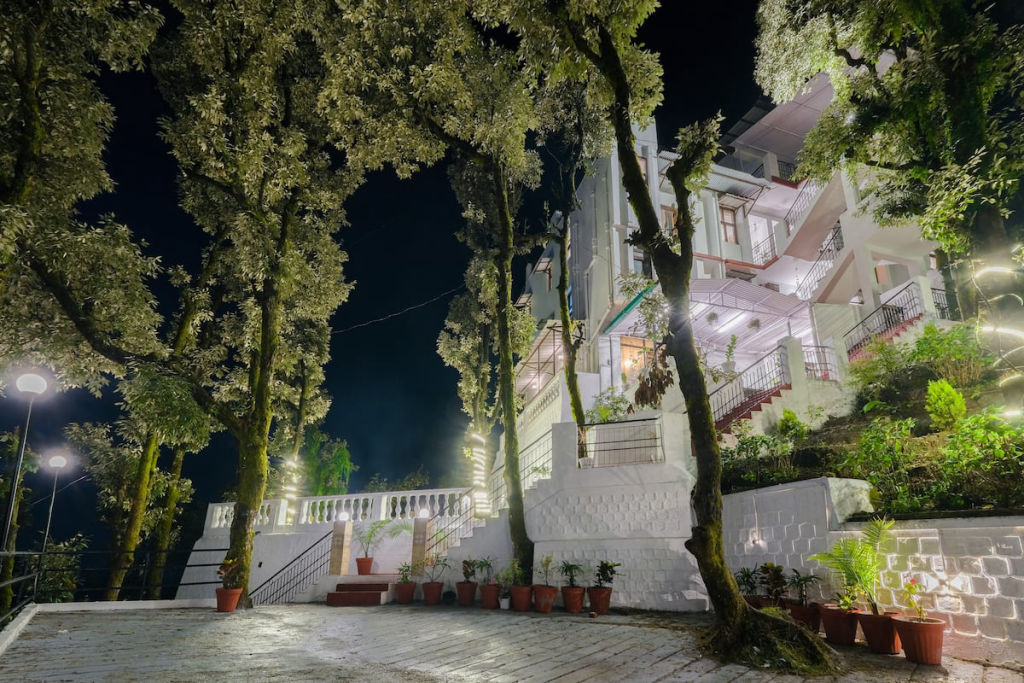
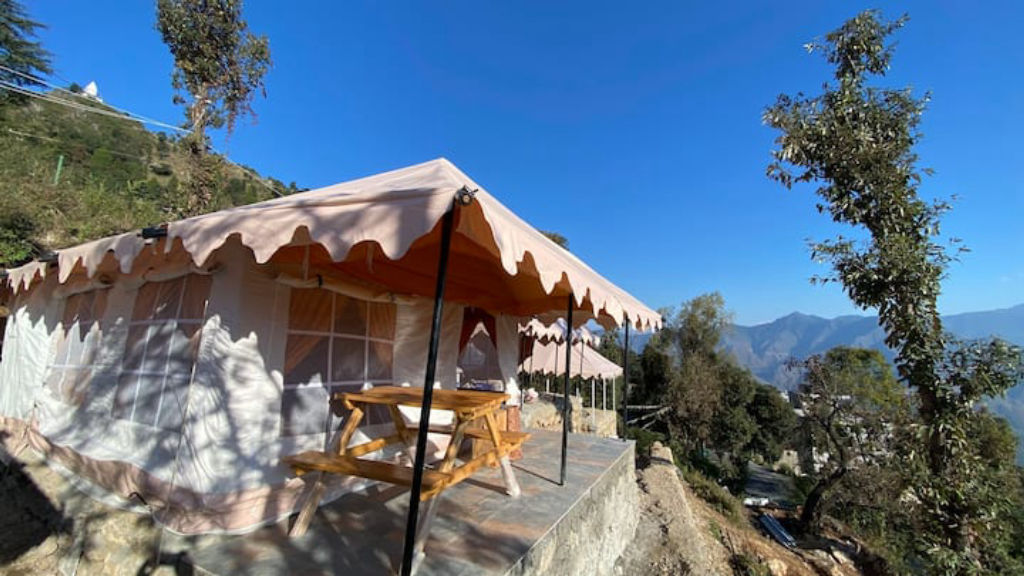
Choosing the right base allows you to balance visits to bustling shrines with restful nights in nature. You can find rustic campsites, riverside retreats, and peaceful homestays across the hills surrounding Mussoorie, Dehradun, and Dhanaulti on HireACamp. Staying near scenic villages and wooded ridges provides easy access to mountain trails and ensures your trip stays grounded in the quiet spirit of the Himalayas.
Written with AI from creators' posts and map data. Check prices and timings locally before you go.
14 places · 10 creator recommendations · Updated today
Ranked by how many independent creators recommend each place, not by who paid. The list updates itself as new posts come in.


Frequently asked questions
Which temples near Mussoorie require hiking or walking?
Bhadraj Temple involves a scenic ridge walk across grassy hills, while Surkanda Devi Mandir sits atop a mountain summit reached via an uphill paved path. Koneshwar Temple is approached through an atmospheric trail sheltered by dense deodar woodland.
What is unique about Tapkeshwar Mahadev Mandir?
Tapkeshwar Mahadev Mandir is an ancient cave temple where natural water droplets continuously fall onto a Shiva Lingam. It is set directly along a mountain riverbed on the outskirts of Dehradun, about 11 km from Mussoorie.
Can I visit Surkanda Devi Mandir during winter?
Yes, Surkanda Devi Mandir remains accessible during winter, though temperatures drop significantly and the area occasionally receives snow. Visitors should dress in warm layers and check local weather and road conditions before travelling.
Are there ancient stone temples near Mussoorie?
Lakhamandal Temple, located roughly 31 km from Mussoorie in the Jaunsar-Bawar region, is well known for its intricate ancient stone architecture and historic association with the Mahabharata.
Stays near Mussoorie
Make a trip of it