
Aga Khan Palace
Palace near Koregaon Park, Maharashtra
1 post · 199.8K views · 1 sourced tip
Guide from 1 post by 1 creator
@explorewithchirag
Hidden gem
Far fewer reviews than places like it nearby, yet creators keep finding it.
2.1 km from Koregaon Park
The nearest town, for stays, food and fuel.
Aga Khan Palace
Aga Khan Palace is a site of deep historical and memorial importance, known notably as the place where Kasturba Gandhi passed away.
Good to know
Tips from creators' posts. Each one links to its source.
Mistakes to avoid
What went wrong for others, and what to do instead
Rushing through the visit at Aga Khan Palace.
Visitors miss absorbing the deep historical and memorial significance where Kasturba Gandhi passed away.
Walk slowly through the palace grounds to take in the history.
Getting there
By road
- From Koregaon ParkNearest town11 min · 3.6 km
- From Pune24 min · 9.2 km
- From Mumbai 2 hr 45 min · 148 km
- From Nashik4 hr 45 min · 215 km
By train, bus or air
- PuneNearest railway station15 min · 5.2 km
- Swargate Bus StandNearest bus stand30 min · 11 km
- Pune International AirportNearest airport11 min · 3.6 km
Typical drive times without traffic. Stations and airports from OLA Maps; distances and typical drive times from OLA Maps and OpenStreetMap (© OpenStreetMap contributors); notes from creators' Reels.
About Aga Khan Palace
Written with AI from creators' posts and map data. Check prices and timings locally before you go.
The history and significance of Aga Khan Palace
Aga Khan Palace was constructed in 1892 by Sultan Muhammed Shah Aga Khan III. Originally built to provide employment and relief to the local population during a devastating famine in the region, the palace soon evolved into a site of profound national memory.
Following the launch of the Quit India movement in August 1942, British authorities placed Mahatma Gandhi, Kasturba Gandhi, Sarojini Naidu, and Mahadev Desai under house arrest within these walls. During their internment, both Mahadev Desai and Kasturba Gandhi breathed their last here. Their ashes are preserved in simple, dignified marble samadhis on the quiet palace grounds, turning the entire estate into a place of deep national reflection.
Architecture and palace grounds
The palace is an elegant fusion of Italian arches and classical Indian architecture, set against manicured lawns and towering heritage trees. The structure features sweeping corridors, spacious verandas, and graceful colonnades that keep the interiors cool even during warmer afternoons.
Inside, several rooms have been preserved as a museum showcasing photographs, personal effects, and everyday items associated with Mahatma Gandhi and Kasturba Gandhi during their confinement. Walking through the quiet hallways offers an intimate look at the simplicity of their lives during a turbulent era. Outside, shaded stone pathways wind through green lawns toward the memorial shrines, offering visitors a peaceful environment in the heart of urban Pune.
Read more
Things to do at Aga Khan Palace
Begin your visit by exploring the museum rooms on the ground and upper floors. The exhibits feature rare archival photographs, letters, spinning wheels, and simple garments that bring the timeline of the Indian freedom movement into clear focus. Taking the time to read the inscriptions and examine the displays gives invaluable context to the sacrifices made here.
After touring the palace interior, make your way out to the serene garden courtyard behind the main building. Pay your respects at the samadhis of Kasturba Gandhi and Mahadev Desai, as well as the memorial preserving a portion of Mahatma Gandhi's ashes. A major mistake many visitors make is rushing through the visit, treating the estate as a quick photo stop and missing out on the deep memorial atmosphere. Stroll slowly along the tree-lined paths, sit on the stone benches, and take in the solemn stillness that pervades the grounds.
Best time to visit
Pune enjoys a moderate climate compared to coastal Maharashtra, but the cooler months from October to March are by far the most comfortable for exploring the sprawling grounds of Aga Khan Palace. During this period, daytime temperatures remain pleasant, making it easy to spend hours outdoors without discomfort.
The monsoon season, extending from July to September, paints the palace lawns vibrant green and washes the stone facades clean. While frequent showers may require carrying an umbrella, the atmosphere during the rains is peaceful and quiet. Summer months from April to June bring warmer afternoon temperatures, so if you travel during this window, plan to arrive earlier in the day to avoid the midday heat.
How to reach Aga Khan Palace
Aga Khan Palace sits in Kalyani Nagar, a well-connected neighbourhood in Pune. It is roughly 9 kilometres from Pune railway station and the central hub, taking approximately 25 minutes by road depending on city traffic. Auto-rickshaws, city buses, and local cabs regularly serve the area.
Travellers arriving from Mumbai can take the Mumbai-Pune Expressway, a drive of around 148 kilometres that typically takes about 2 hours and 50 minutes under normal traffic conditions. If you are travelling south from Nashik, the 215-kilometre route via the national highway takes approximately 4 hours and 50 minutes. For those driving from Surat in Gujarat, the distance is around 413 kilometres, translating to a road journey of roughly 8 hours and 40 minutes. Pune is also served by its own domestic airport, which lies just a short drive from the palace gates.
Places to visit nearby
A visit to Aga Khan Palace fits smoothly into a broader itinerary across Pune. Approximately 6 kilometres away in the city centre stands Shaniwar Wada, the historic eighteenth-century seat of the Peshwa rulers, known for its massive stone ramparts and storied past. Nearby, travellers often visit the prominent Shrimant Dagdusheth Halwai Ganpati Mandir and the bustling heritage corridors of Mahatma Jyotiba Phule Mandai.
Those interested in local street life and casual dining can head toward Ferguson College Road, situated about 7 kilometres away. If you wish to extend your exploration beyond the city core, Sinhagad Fort lies around 26 kilometres to the southwest on an isolated cliff in the Sahyadri range. For sweeping valley viewpoints and peaceful water bodies, Dive Ghat and Mastani Lake are situated around 18 kilometres away, offering scenic outings on the urban periphery.
Tips for your visit
Because Aga Khan Palace serves as an active memorial and resting place, visitors are expected to maintain quiet and decorum throughout the premises. Dress modestly and avoid loud conversations, especially when walking near the samadhis and indoor galleries. Sturdy walking shoes are recommended, as you will cover significant ground on foot across the lawns and stone pavilions.
Give yourself at least an hour and a half to absorb the exhibits and grounds without feeling hurried. Entry regulations, photography rules, and public visiting hours can vary depending on official observances and national holidays, so check locally before you set out. Hydration is key, especially during sunny afternoons, so carry a reusable water bottle.
Where to stay near Aga Khan Palace
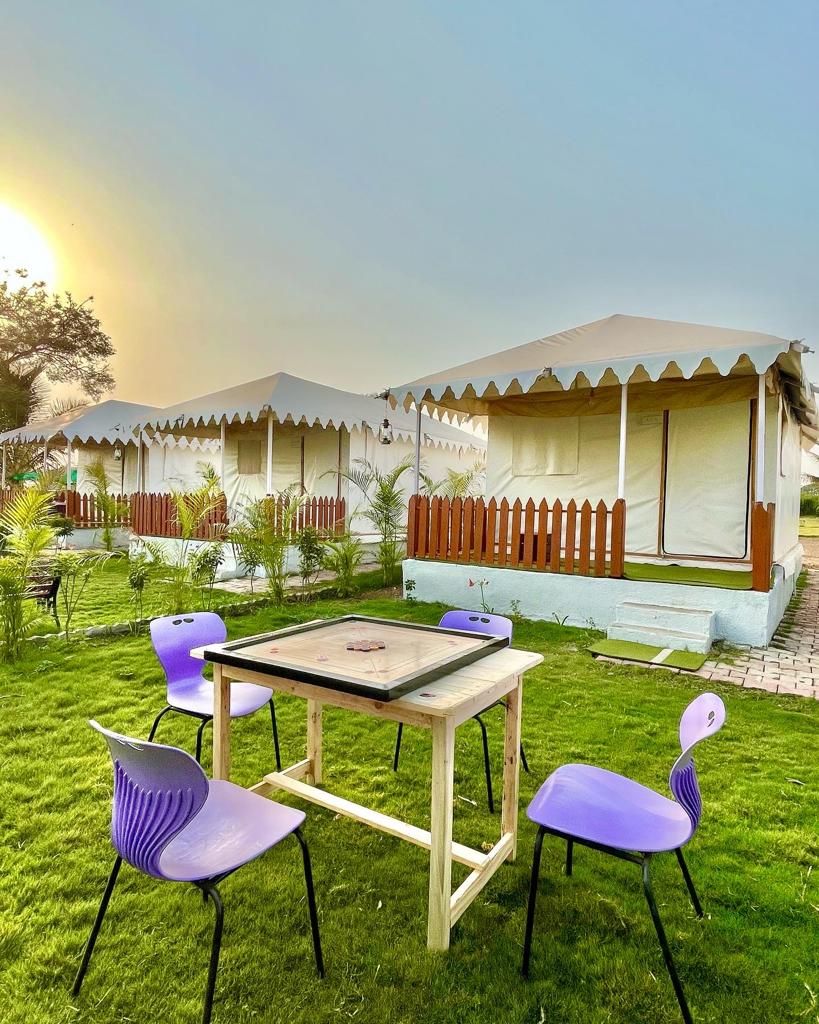
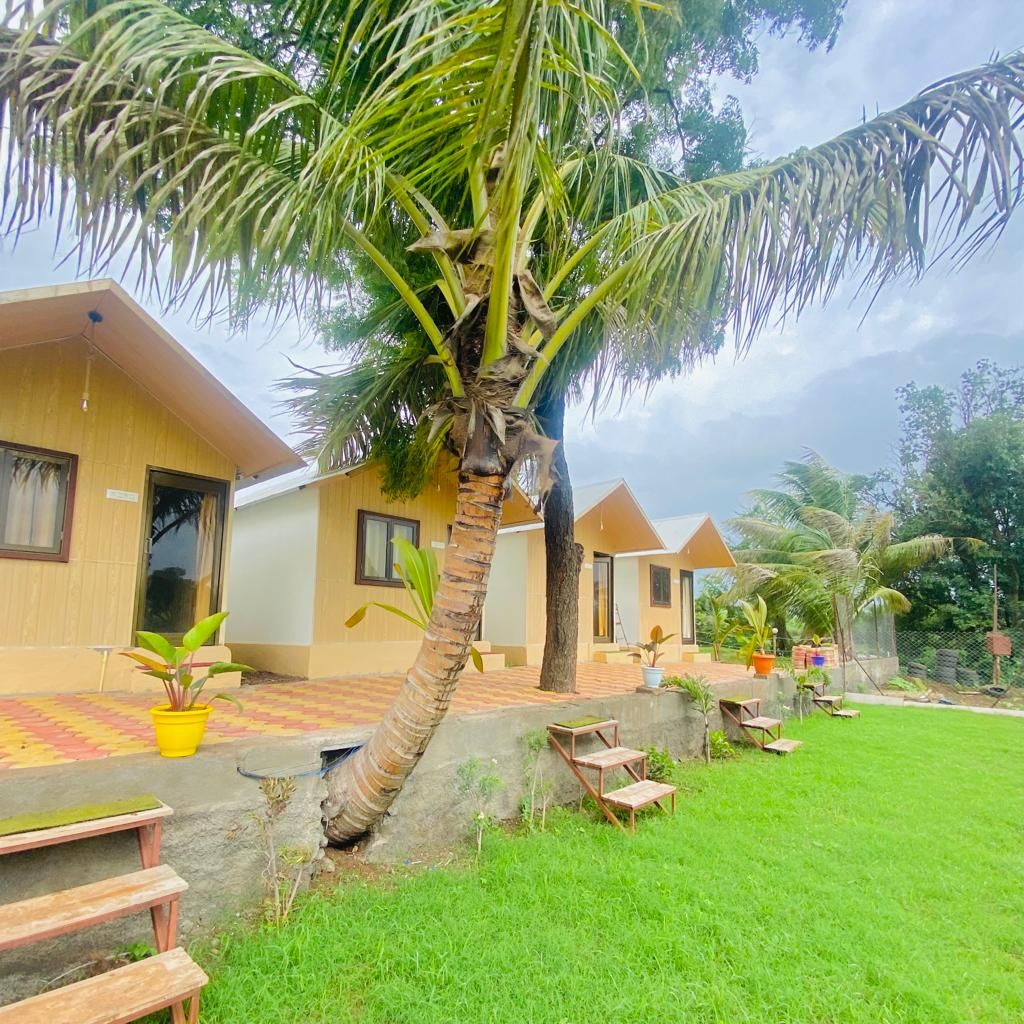
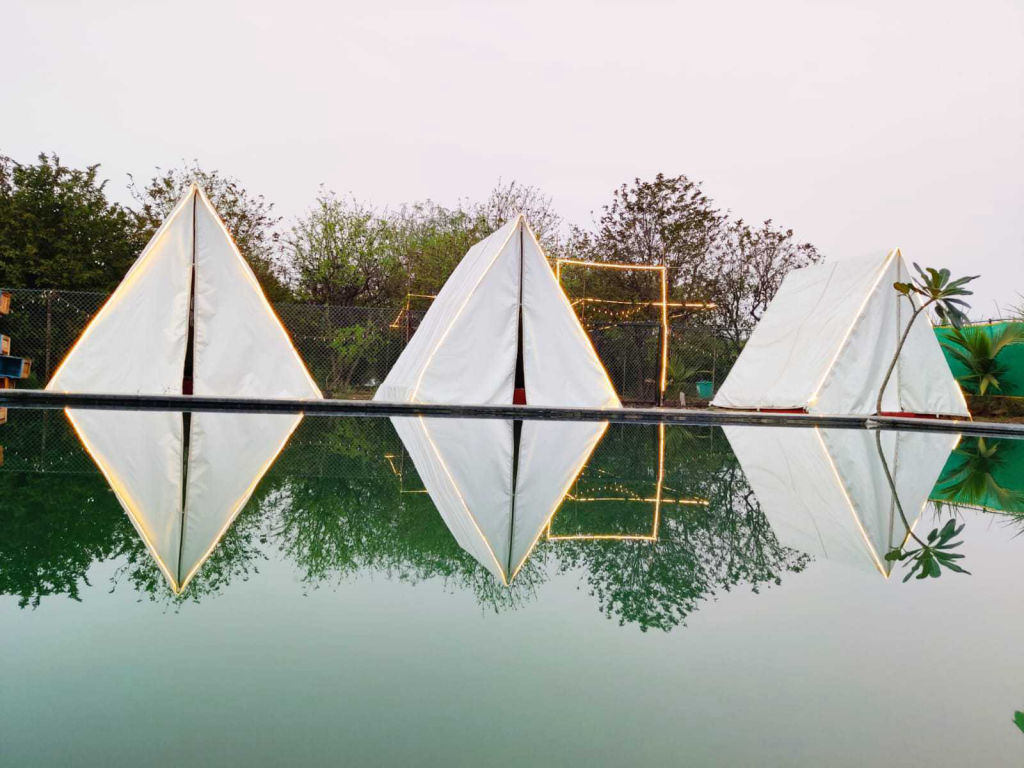
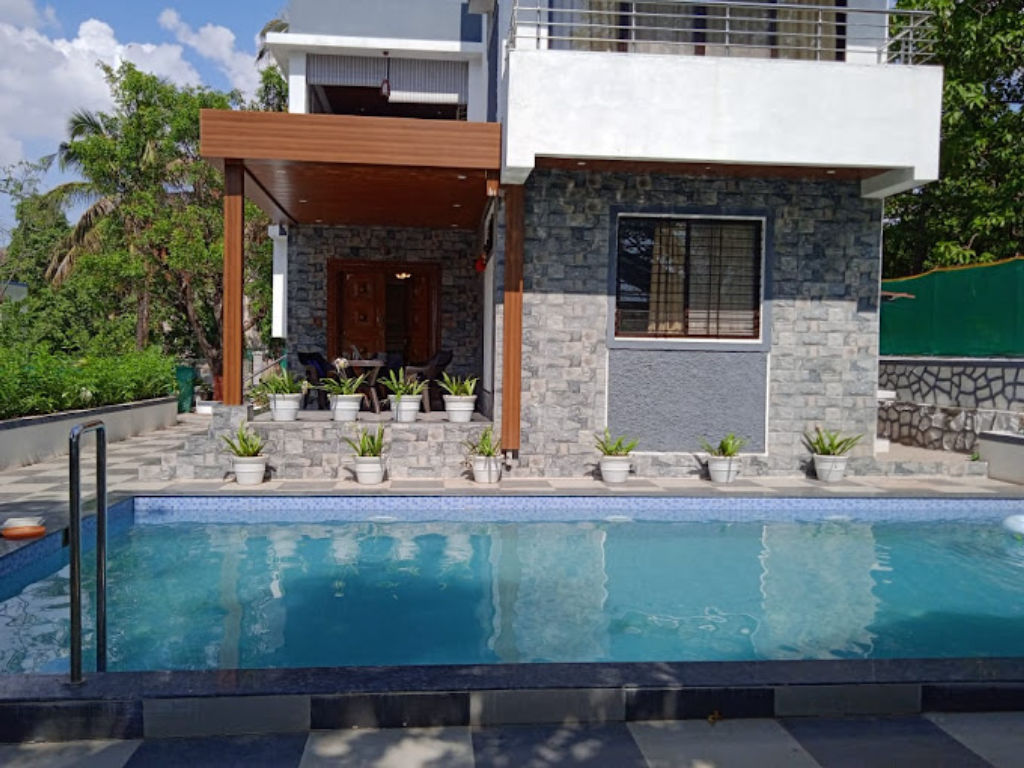
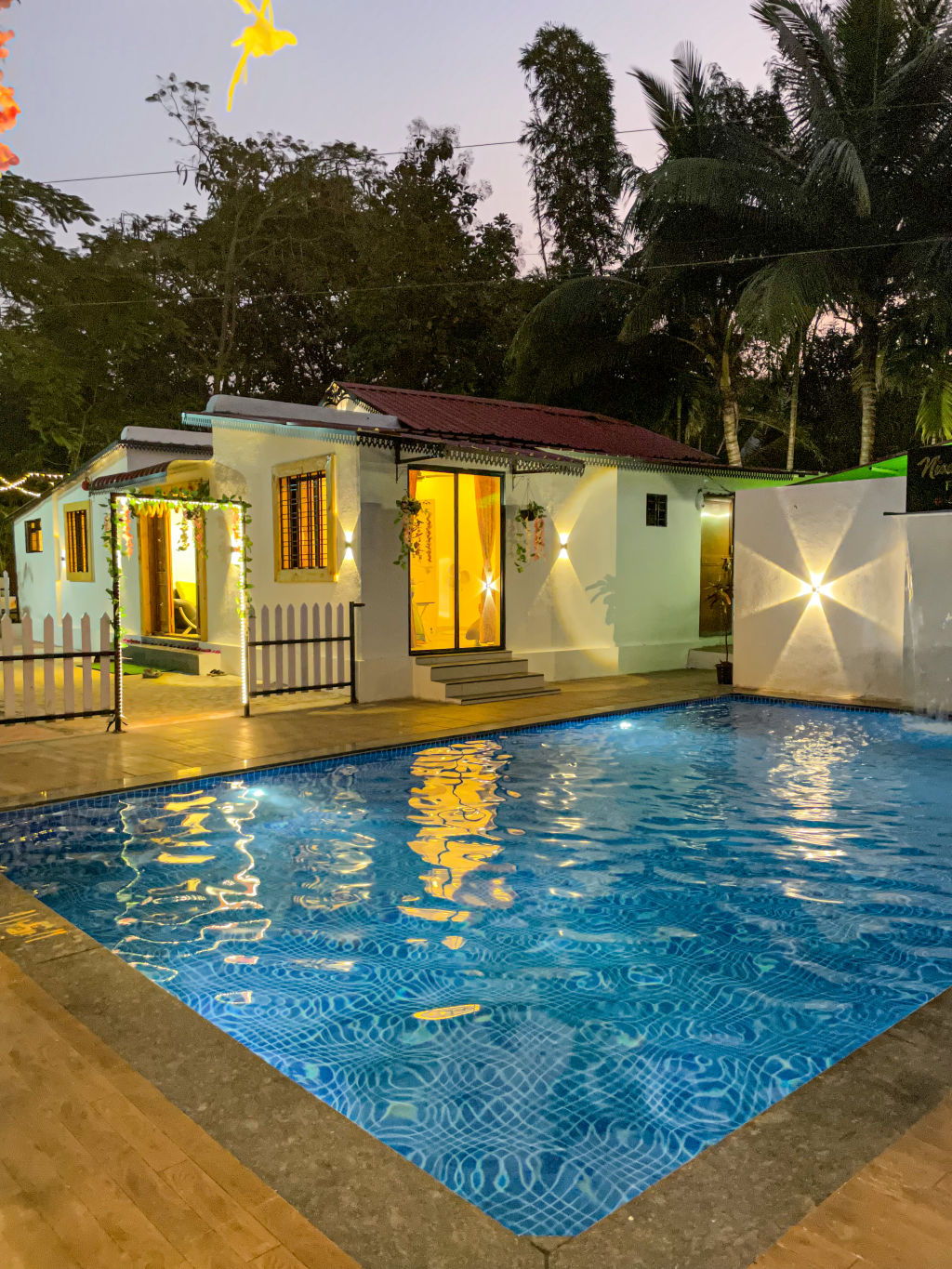
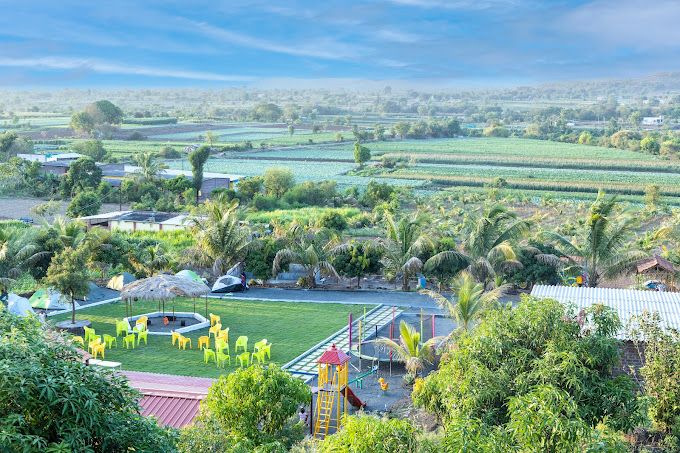
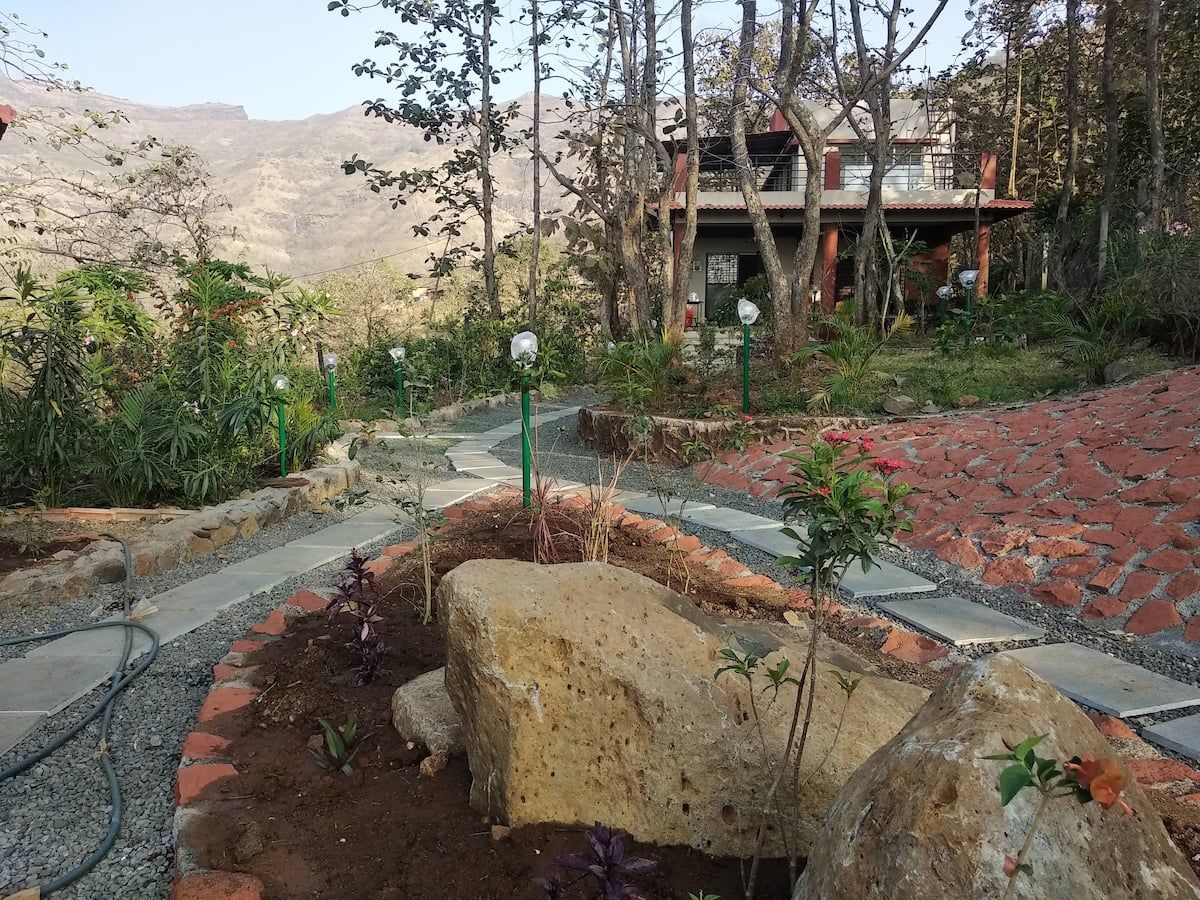
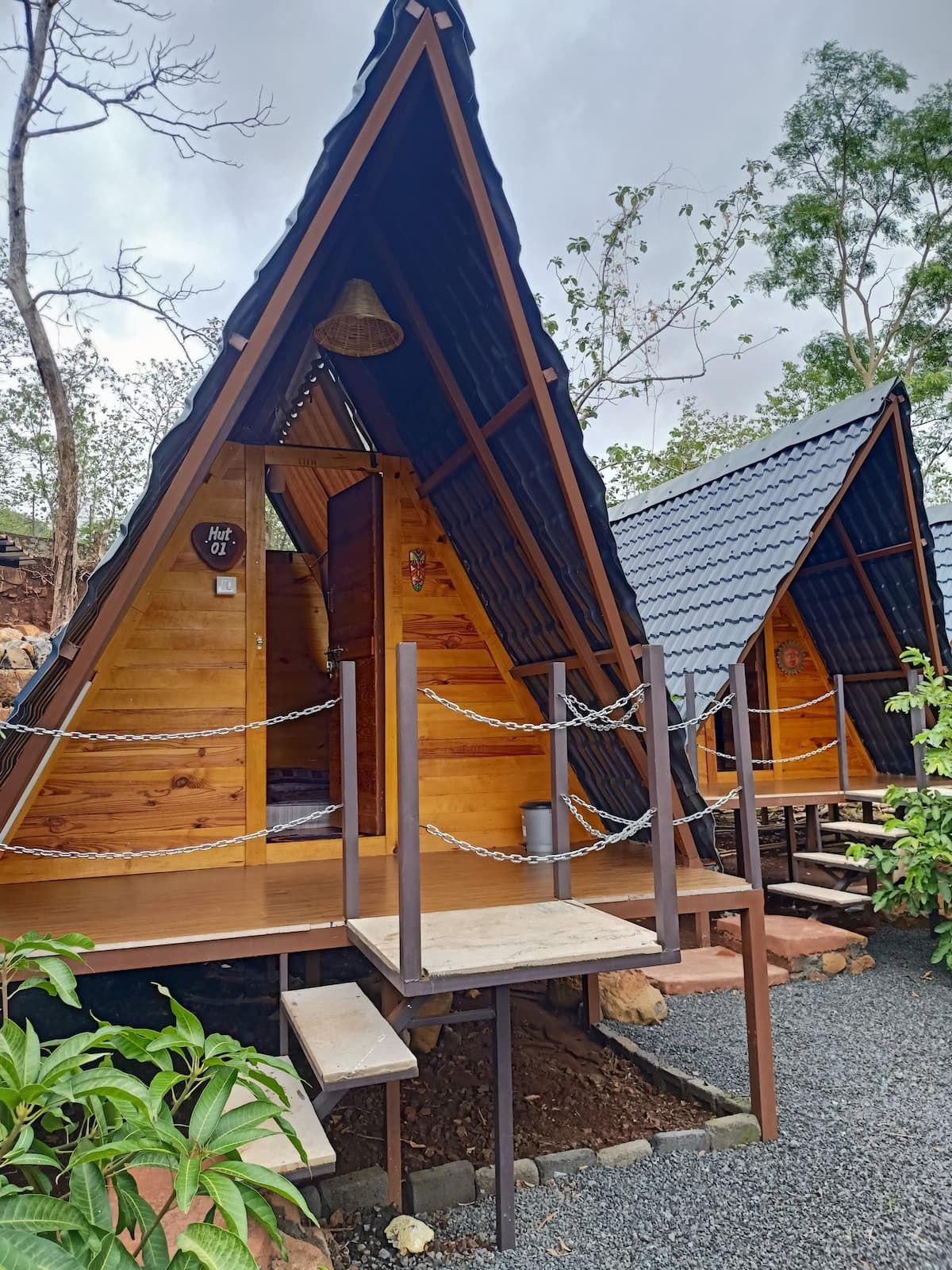
Pune offers a diverse range of accommodations suitable for every style of traveller, from central urban locations to scenic getaways in the hills surrounding the city. If you prefer tranquil surroundings outside the busy metropolitan core, you can find quiet campsites, rural retreats, and nature homestays listed on HireACamp. These stays allow you to enjoy the cultural sights of Pune by day and retreat to the green outskirts of the Western Ghats by evening.
Frequently asked questions
Why is Aga Khan Palace historically important?
The palace served as the prison where Mahatma Gandhi, Kasturba Gandhi, and Mahadev Desai were detained after the Quit India resolution in 1942. Both Kasturba Gandhi and Mahadev Desai passed away on the grounds, making it an essential memorial of India's freedom struggle.
How much time is needed to see Aga Khan Palace?
Plan to spend between an hour and a half to two hours at the site. This allows enough time to view the museum exhibits, examine the historical photographs, and walk quietly around the samadhis and garden grounds.
Can I visit Aga Khan Palace with children and elderly family members?
Yes, the palace features flat walking paths and wide open lawns that are accessible for all age groups. It serves as an educational and peaceful outing for families wishing to learn about Indian history.
Are photography and mobile phones allowed inside Aga Khan Palace?
Photography is generally permitted in the outdoor gardens, but restrictions often apply inside the memorial rooms and museum galleries. Visitors should verify current camera and mobile phone rules at the entrance.
What is the best way to get to the palace from Pune Airport or Pune Railway Station?
The palace is located in Kalyani Nagar, only a short drive from both Pune Airport and Pune Railway Station. Local auto-rickshaws, pre-paid taxis, and ride-hailing services are readily available from both transport hubs.
Where you'll be
HW32+2JM, Palace View Society, Kalyani Nagar, Pune, Maharashtra 411006 · 12 stays nearby shown with prices
As seen on Instagram
The posts this guide is built from
Stays near Aga Khan Palace
Book a place to stay close by
Often visited together
Creators who went here also showed these

More places near Aga Khan Palace
Within 20 km


Lists for this area
Ranked by how many creators recommend each place


Built from 1 Instagram post by 1 creator. Every tip links back to the post it came from, and where creators disagree we show both sides. Guide updated 23 Oct 2026.


