
Shrimant Dagdusheth Halwai Ganpati Mandir
Temple near Pune, Maharashtra
1 post · 22.5K views
Guide from 1 post by 1 creator
@masterarc_
400 m from Pune
The nearest town, for stays, food and fuel.
Shrimant Dagdusheth Halwai Ganpati Mandir is one of the most prominent and deeply revered Hindu temples located in the heart of Pune, Maharashtra. Dedicated to Lord Ganesha, the temple holds profound cultural and religious importance and attracts thousands of devotees, pilgrims, and travellers every day. Visitors come to admire the magnificent idol, experience its lively spiritual atmosphere, and witness a key landmark of Pune's historical heritage.
Getting there
By road
- From PuneNearest town3 min · 500 m
- From Mumbai 2 hr 40 min · 147 km
- From Nashik4 hr 45 min · 214 km
- From Surat8 hr 30 min · 412 km
By train, bus or air
- PuneNearest railway station10 min · 3.1 km
- Swargate Bus StandNearest bus stand13 min · 3.6 km
- Pune International AirportNearest airport31 min · 11 km
Typical drive times without traffic. Places, distances and typical drive times from OLA Maps; notes from creators' Reels.
About Shrimant Dagdusheth Halwai Ganpati Mandir
Written with AI from creators' posts and map data. Check prices and timings locally before you go.
History and significance of Dagdusheth Halwai Ganpati Mandir
The story of Shrimant Dagdusheth Halwai Ganpati Mandir is closely tied to the history of Pune in the late nineteenth century. Dagdusheth Gadve, a sweetmeat trader known as Halwai, and his wife Lakshmibai established the original temple after enduring the personal tragedy of losing their son during a plague outbreak in the city. On the advice of their spiritual guru, they commissioned and consecrated an idol of Lord Ganesha to bring peace, solace, and spiritual grounding to their lives.
Over the years, the temple became an essential pillar of the social and spiritual life of Pune. Freedom fighter Lokmanya Bal Gangadhar Tilak, a close contemporary of Dagdusheth Halwai, saw the public reverence for this deity as an inspiration to transform the private celebration of Ganeshotsav into a grand public festival. This movement unified communities across social strata during the Indian independence struggle. Today, the trust that manages the temple continues this legacy of social service through educational initiatives, healthcare support, and public welfare programs, making the temple not just a place of worship but a vital civic institution.
The temple idol and architecture
Unlike many historic temples enclosed within high stone walls and narrow corridors, Shrimant Dagdusheth Halwai Ganpati Mandir is designed to make the deity easily visible to everyone passing through the bustling streets of Budhwar Peth. The sanctum sanctorum features large glass panels that allow devotees on the street to have a clear view of Lord Ganesha even from outside the temple complex.
The idol itself is approximately seven and a half feet tall and is renowned for its serene expression and detailed craftsmanship. Adorned with precious gold ornaments and intricate jewellery offered by devotees over the decades, the idol sits grandly against an ornate silver background. The inner hall of the temple is decorated with polished marble, detailed ceiling carvings, and classical motifs, creating a tranquil environment that contrasts with the fast-paced market lanes right outside the doorstep.
Read more
Best time to visit the temple
The temple welcomes visitors throughout the year, but the atmosphere varies significantly depending on the season and religious calendar. The most vibrant time to visit is during the ten-day festival of Ganeshotsav, usually falling in August or September. During this period, the entire area around Budhwar Peth is transformed with elaborate illuminated decorations, replicas of famous monuments, and cultural performances. However, visitors should be prepared for massive crowds and long waiting lines during the festival.
For a more comfortable and contemplative visit, the winter months from October to February offer pleasant daytime temperatures in Pune. Tuesdays and monthly Angaraki Chaturthi days are particularly sacred and see elevated footfalls. Visiting early in the morning on a regular weekday provides the best opportunity to experience the temple in relative calm and attend the morning prayers without facing extensive queues.
How to reach Dagdusheth Halwai Ganpati Mandir
Shrimant Dagdusheth Halwai Ganpati Mandir is situated in the Budhwar Peth area of central Pune, making it readily accessible from all corners of the city. For travellers arriving from Pune Railway Station or the main bus stands, local buses, auto-rickshaws, and app-based taxis provide frequent connectivity into the old city area.
Travellers arriving from other major cities in western India can access Pune comfortably via well-established road networks. The drive from Mumbai covers around 147 kilometres via the Mumbai-Pune Expressway and typically takes about 2 hours and 40 minutes under traffic-free conditions. From Nashik, the route measures approximately 214 kilometres and takes roughly 4 hours and 50 minutes. Those driving from Surat will cover about 412 kilometres, requiring an estimated 8 hours and 30 minutes of travel time. Because the roads around Budhwar Peth are narrow and busy with market traffic, driving private vehicles into the inner lanes can be challenging, and using public transport or walking from nearby parking areas is often recommended.
Places to visit nearby
A visit to the temple places you in the historical heart of Pune, surrounded by landmarks within walking distance. Immediately adjacent to the temple area is Shaniwar Wada, the historic eighteenth-century seat of the Peshwa rulers of the Maratha Empire. Just a short walk away is the Mahatma Jyotiba Phule Mandai, a historic covered vegetable and fruit market housed in a magnificent colonial-era stone structure with high arches and an imposing central clock tower.
A short drive further into the city leads to the cultural and shopping quarter along Ferguson College Road, located about 2 kilometres away, which is filled with vibrant street markets and bookshops. Around 6 kilometres away lies the serene Aga Khan Palace, known for its Italianate arches and historical connection to India's freedom movement. Those interested in modern religious architecture can visit the expansive BAPS Shri Swaminarayan Temple, located about 9 kilometres away.
For travellers interested in nature and countryside landscapes, the scenic Dive Ghat viewpoint and the historic Mastani Lake lie roughly 18 to 19 kilometres southeast of the city. Further out in the Western Ghats, Mulshi Lake and the planned hill township of Lavasa, both approximately 39 kilometres away, offer expansive lakeside panoramas, forested hills, and open country air.
Tips for your visit
The temple is located in an active commercial and trading district, so preparing in advance makes for a smoother visit. Modest and respectful attire is encouraged, and footwear must be removed before entering the inner sanctum. While viewing the idol from the outer lane is quick and accessible, waiting in the inner sanctum queue can take considerable time during festive periods, so keeping drinking water handy is wise.
Photography regulations should be observed, as taking pictures inside the sanctum may be restricted or prohibited by temple authorities. Devotees often purchase offerings like fresh flowers, modaks, and coconut halves from the numerous stalls outside the entrance. If you plan to explore the surrounding old-city markets after your visit, wearing comfortable walking shoes is strongly recommended, as navigating the narrow alleys on foot is by far the easiest way to experience the area.
Where to stay
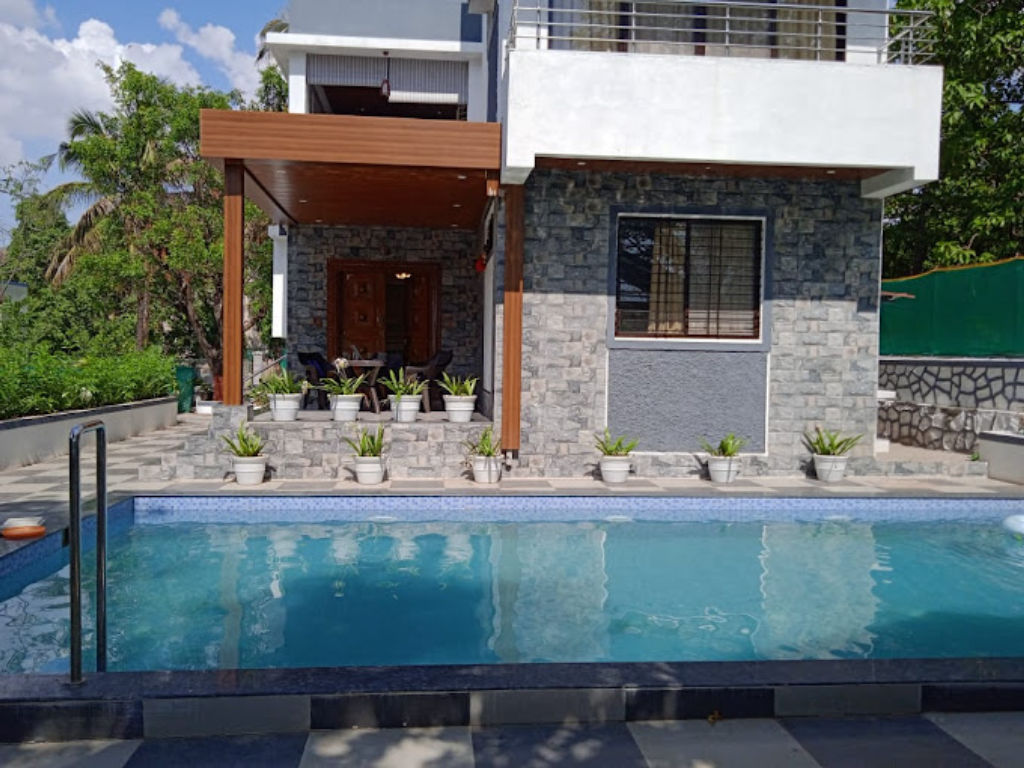
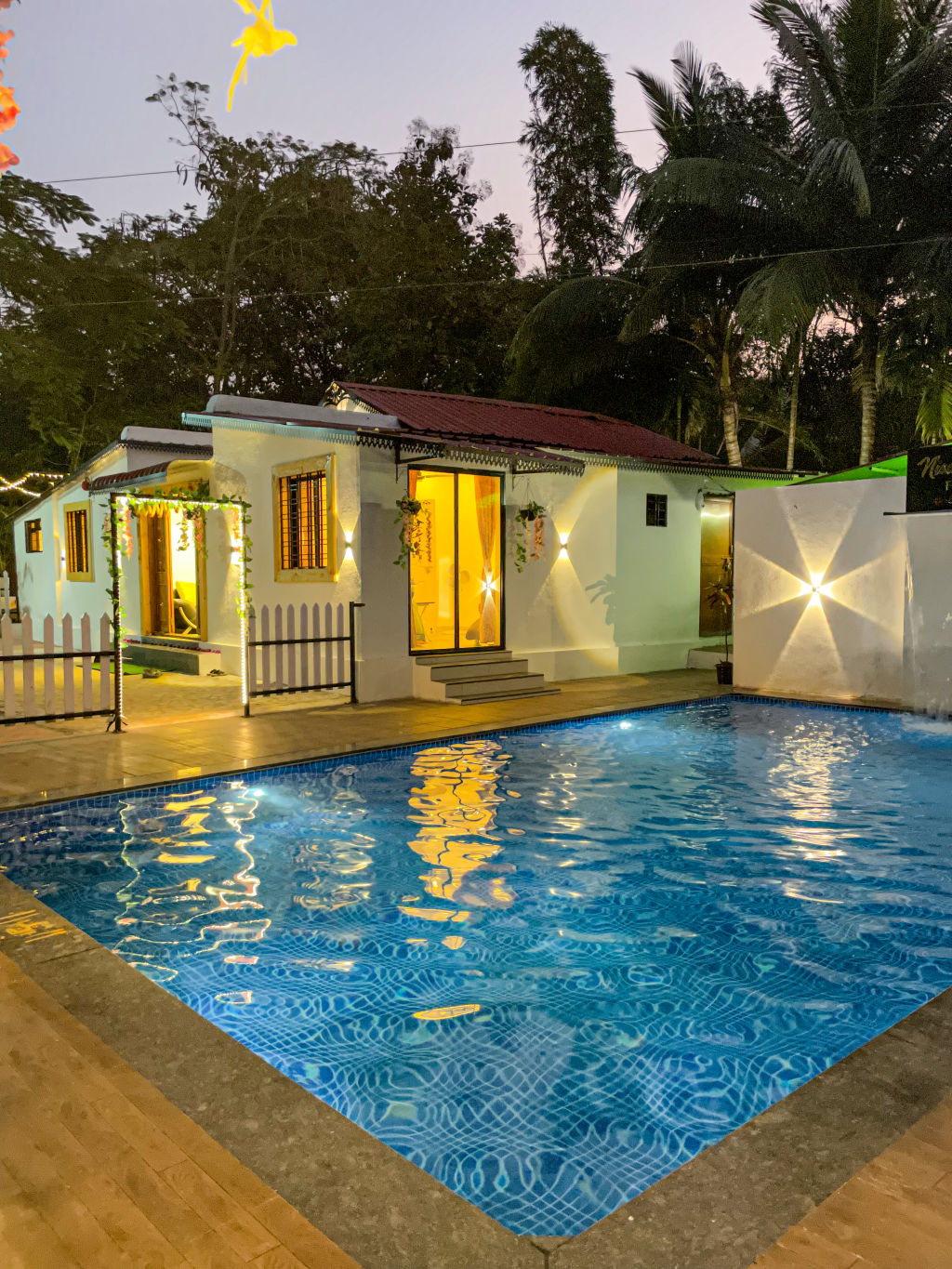
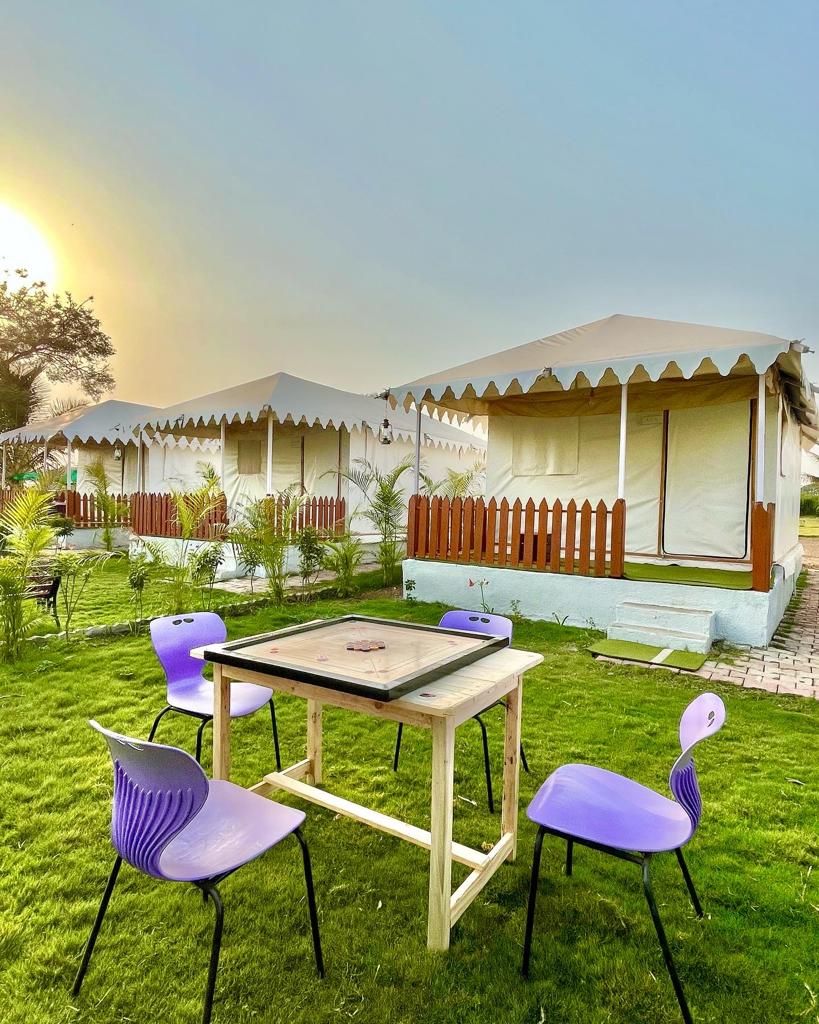
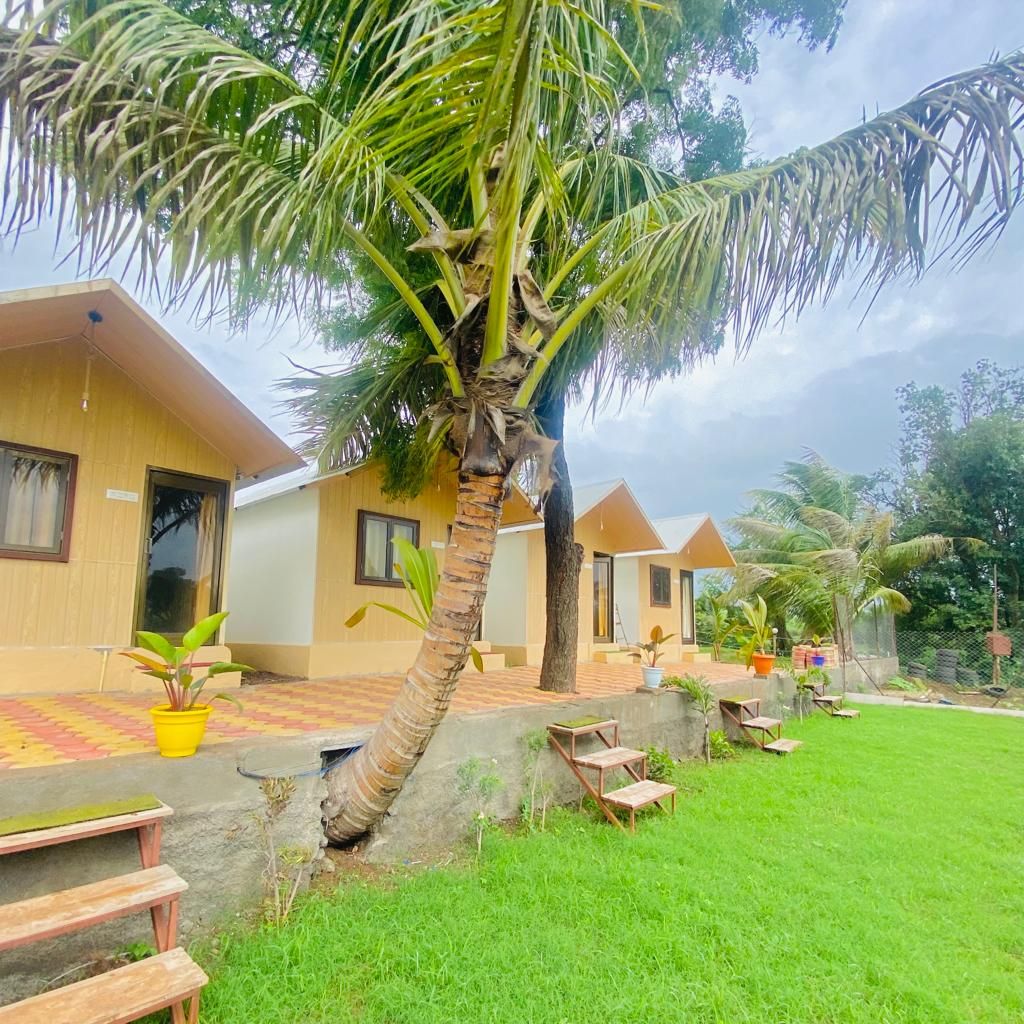
Pune offers a wide range of accommodation choices suited to different travel styles, from central city neighbourhoods close to the temple to quieter residential suburbs. Travellers looking to combine their city pilgrimage with a tranquil break in nature can choose stays in the rolling Sahyadri foothills surrounding Pune.
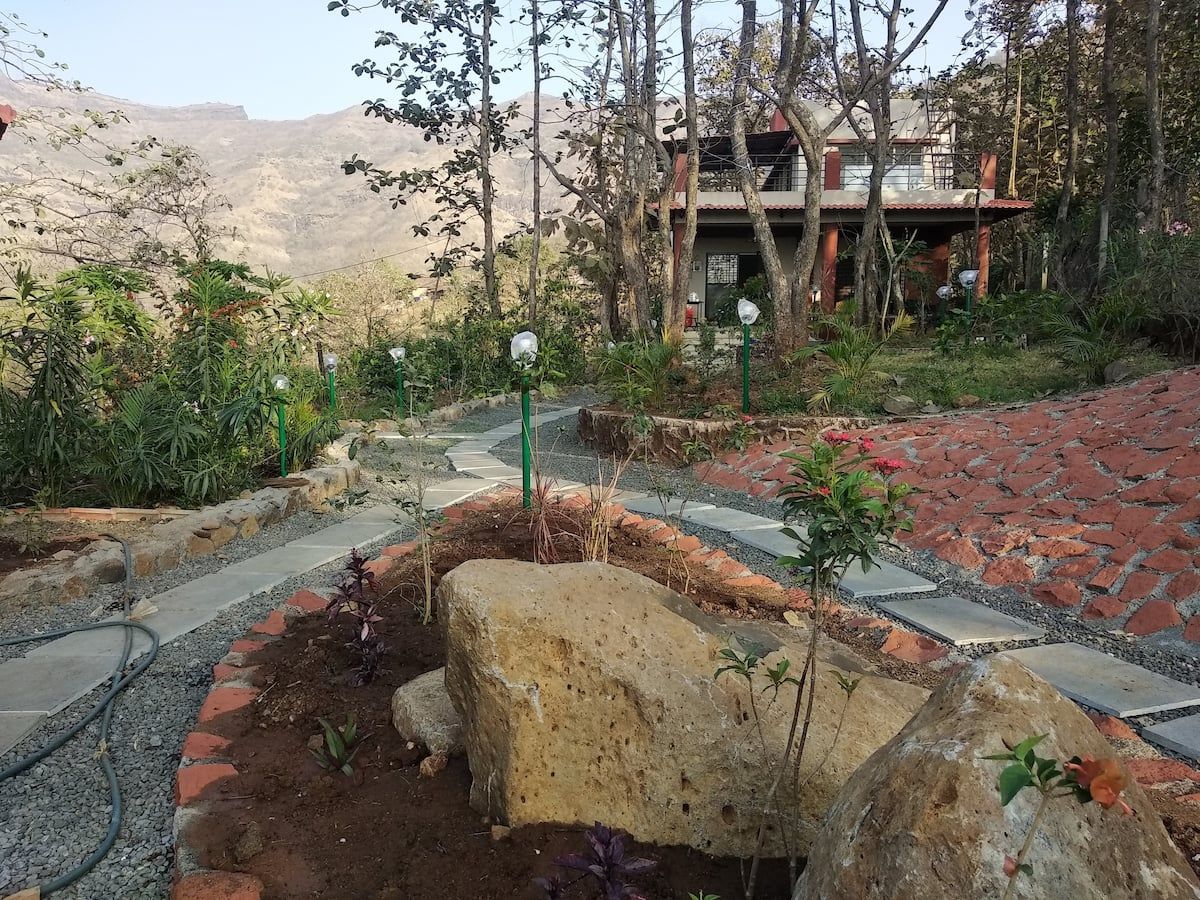
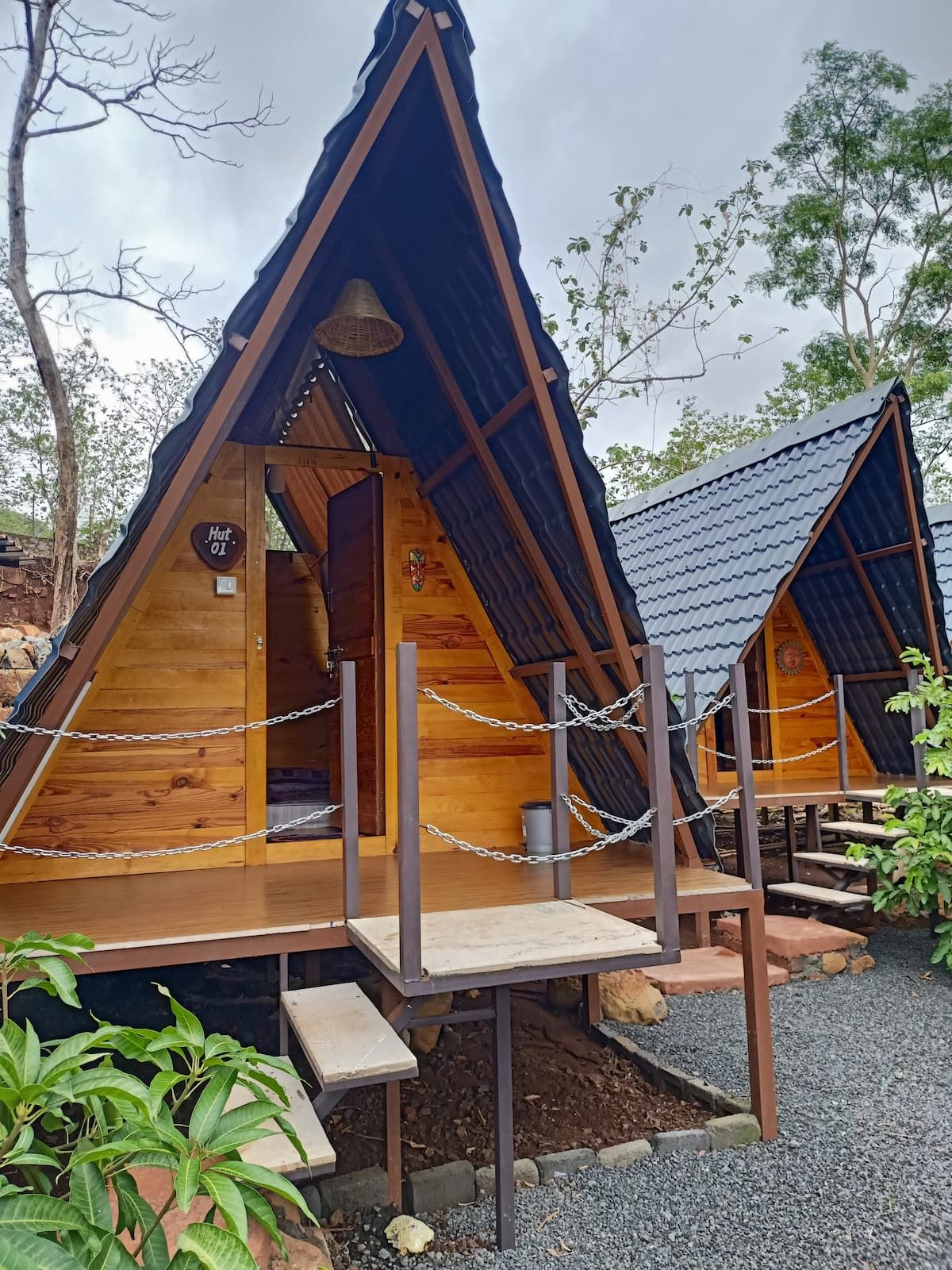
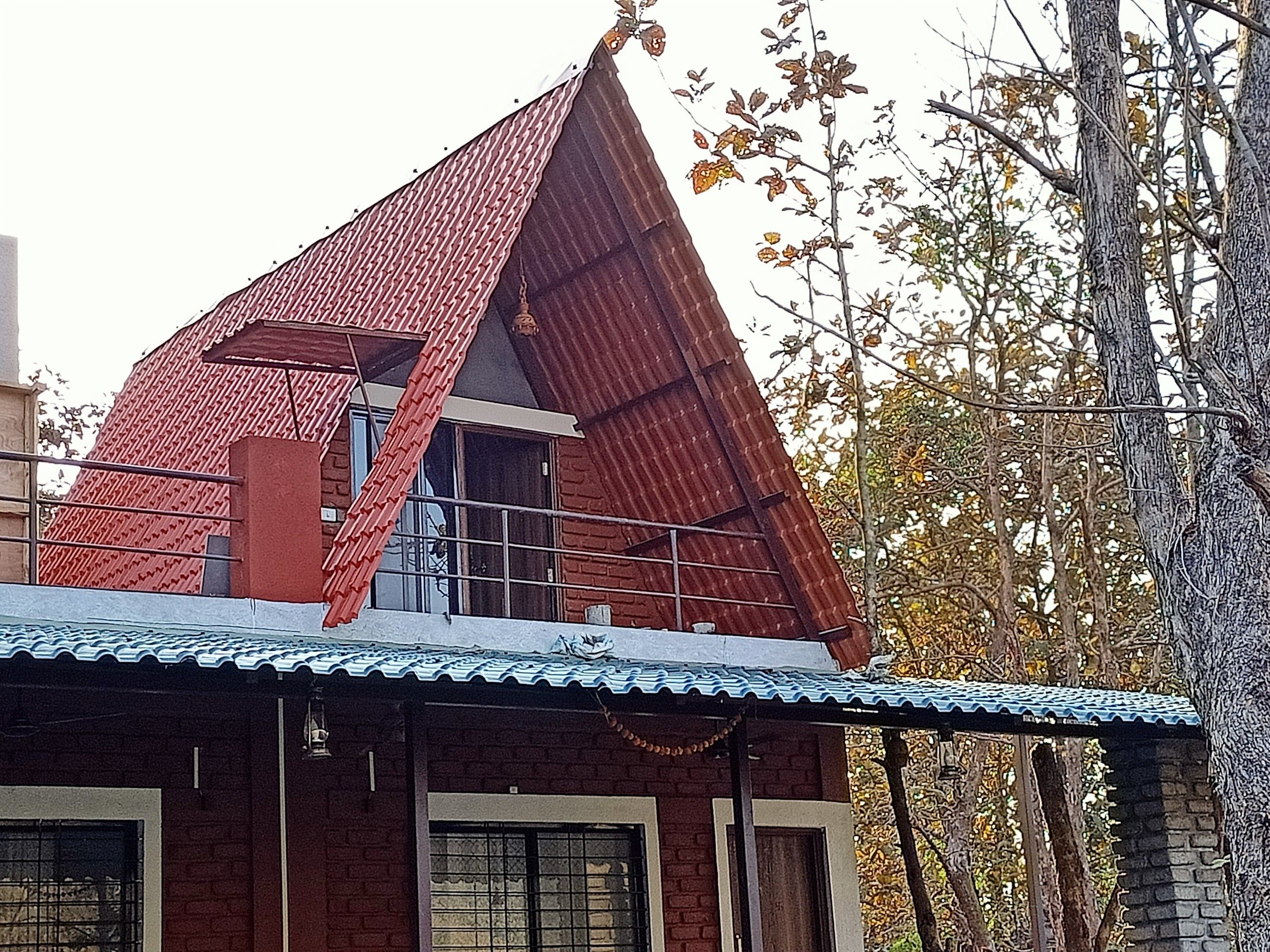
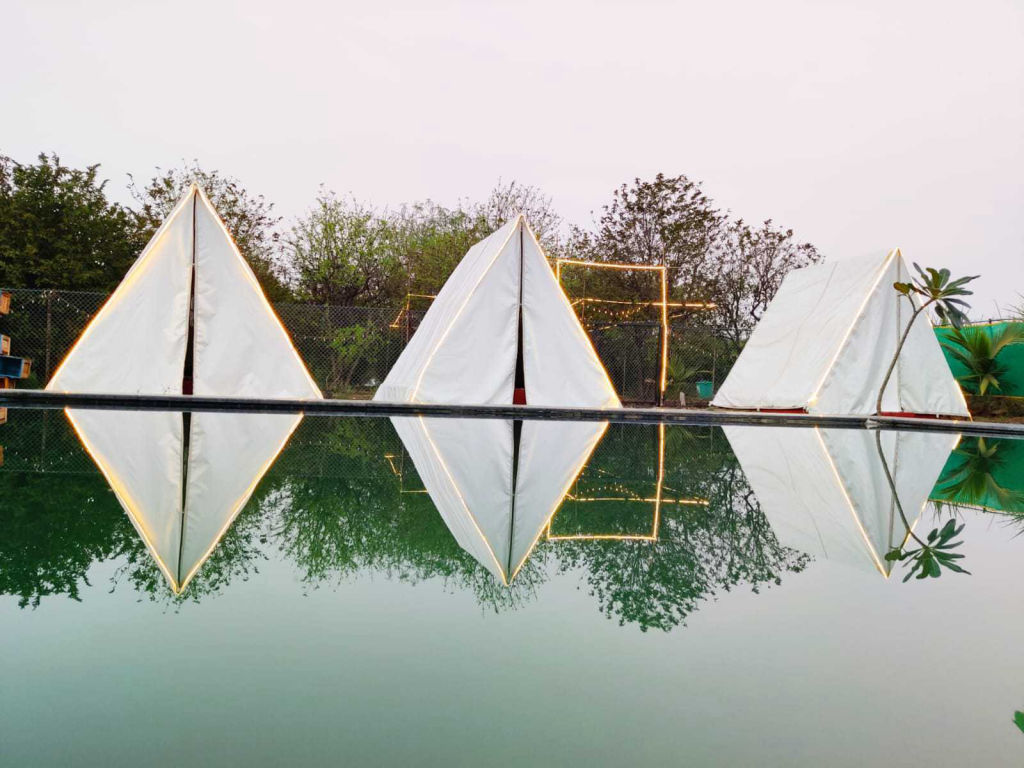
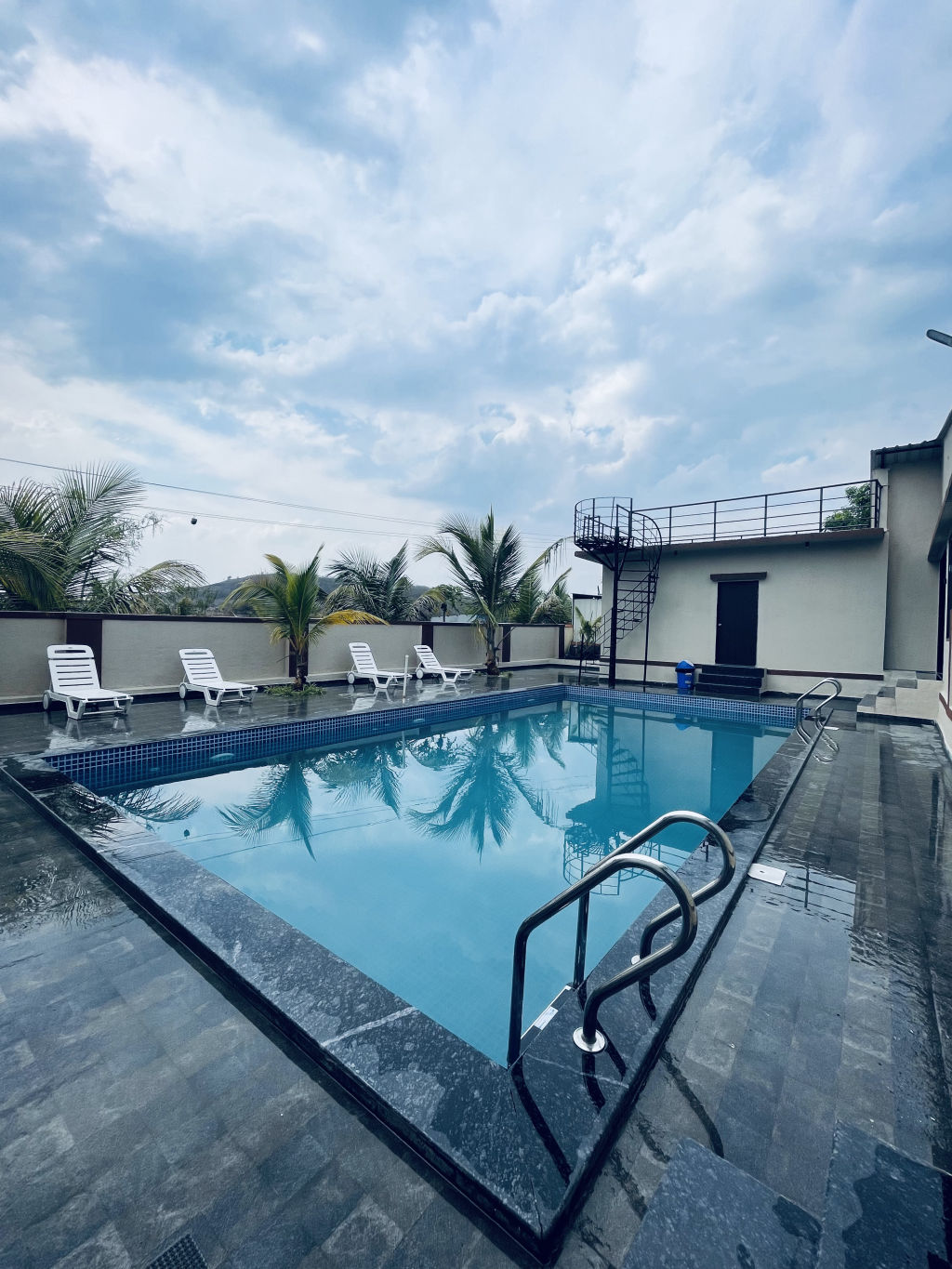
Those seeking peaceful environments away from city bustle can look towards the scenic valleys and waterfront areas near Mulshi or the surrounding hills. A selection of private homestays, nature retreats, and experiential campsites can be discovered and booked through HireACamp, providing an ideal base to explore Pune's cultural monuments while enjoying relaxing outdoor surroundings.
Frequently asked questions
Where is Shrimant Dagdusheth Halwai Ganpati Mandir located?
The temple is located at Ganpati Bhavan in Budhwar Peth, within the historical core of central Pune, Maharashtra.
Why is the temple historically significant?
Founded by the sweetmaker Dagdusheth Halwai in the late nineteenth century, the temple helped inspire Lokmanya Tilak to convert Ganeshotsav into a public festival that brought people together during India's independence movement.
Can the idol be seen from outside the temple?
Yes, the temple was purposefully designed with open glass fronting so that worshippers walking through the street can take darshan of the deity without entering the inner sanctum.
What is the best way to travel to the temple within Pune?
Because the temple is set inside dense, busy market streets with limited vehicle parking, taking an auto-rickshaw, city bus, or app-based cab to the outer edge of the old city and walking the remaining distance is the most practical choice.
Which historical sites are located close to the temple?
The iconic Shaniwar Wada fort and the historic Mahatma Jyotiba Phule Mandai market are both situated in immediate proximity to the temple and can easily be visited on foot.
Where you'll be
Ganpati Bhavan, 250, Budhwar Peth, Pune, Maharashtra 411002 · 12 stays nearby shown with prices
As seen on Instagram
The posts this guide is built from
Stays near Shrimant Dagdusheth Halwai Ganpati Mandir
Book a place to stay close by
Often visited together
Creators who went here also showed these


More places near Shrimant Dagdusheth Halwai Ganpati Mandir
Within 20 km


Lists for this area
Ranked by how many creators recommend each place


Built from 1 Instagram post by 1 creator. Every tip links back to the post it came from, and where creators disagree we show both sides.






