
Ahar Archaeological Museum
Museum near Ahar, Rajasthan
600 m from Ahar
The nearest town, for stays, food and fuel.
Ahar Archaeological Museum is a quiet, historically rich museum located in the Ahar neighborhood of Udaipur, Rajasthan. Situated near the grand royal cenotaphs of Mewar, it houses an extraordinary collection of excavated artifacts dating back to the prehistoric Copper Age and later medieval eras. Travellers and history enthusiasts visit to discover Udaipur's ancient roots, which stretch thousands of years prior to the founding of its royal palaces.
Getting there
By road
- From AharNearest town3 min · 700 m
- From Jodhpur5 hr 10 min · 254 km
- From Ahmedabad5 hr 30 min · 263 km
- From Vadodara7 hr · 355 km
Typical drive times without traffic. Stations and airports from OLA Maps; distances and typical drive times from OpenStreetMap (© OpenStreetMap contributors); notes from creators' Reels.
About Ahar Archaeological Museum
Written with AI from map data and general knowledge. Check prices and timings locally before you go.
What to see at Ahar Archaeological Museum
The museum houses a carefully preserved collection of artifacts discovered during the excavations of the nearby Dhulkot mound, an archaeological site associated with the prehistoric Ahar culture. Among the primary highlights are earthenware items, hand-made pottery, and painted black-and-red ware dating back thousands of years. Visitors will find earthen pots, storage vessels, bowls, and lids that shed light on how early agrarian communities lived and stored grains in the fertile river valleys of southeastern Rajasthan.
Alongside the ancient pottery, the galleries display excavated copper tools, chisels, axes, and terracotta seals that demonstrate the metallurgic expertise of these early settlers. Later historical eras are represented through an impressive assemblage of stone sculptures found across the Mewar region. These include tenth-century carvings of Hindu deities such as Vishnu and Surya, as well as refined Jain Tirthankara figures and sculpted pillars salvaged from ruined medieval temples.
The ancient history of Ahar
While Udaipur is widely famous for its sixteenth-century palaces and artificial lakes established by Maharana Udai Singh II, the ground around Ahar tells a story thousands of years older. Archaeological studies have revealed that Ahar was the epicenter of the Banas Culture, an early agrarian and copper-working civilization that flourished roughly between 2000 BCE and 1500 BCE, running parallel to the later phases of the Indus Valley Civilization.
Because the settlement developed close to natural copper deposits in the Aravalli Range, the ancient inhabitants perfected smelting and metal craft long before the Iron Age took root in northern India. Excavations at the site revealed continuous layers of human habitation, showing how the settlement evolved across millennia. Walking through the museum provides a tangible link to this deep regional timeline that predates the royal Mewar dynasty.
Read more
Best time to visit Ahar Archaeological Museum
Udaipur experiences a semi-arid climate, making the winter months from October to March the most pleasant time to visit the museum. Daytime temperatures during these months remain comfortable, with cool mornings and crisp evenings that allow you to explore both the museum exhibits and outdoor historical sites without dealing with harsh heat.
The summer season between April and June brings intense sun and daytime temperatures that frequently climb above forty degrees Celsius, which can make midday travel tiring. The monsoon season from July to September brings refreshing rain and covers the surrounding Aravalli hills in green. While high humidity is common during these months, cloudy skies and intermittent showers offer a viable window for indoor museum visits and city sightseeing.
How to reach Ahar Archaeological Museum
Ahar Archaeological Museum is located in the Pehada locality of Ahar, roughly four to five kilometers east of Udaipur's old city and Lake Pichola. It is straightforward to reach from anywhere in town by hiring an auto-rickshaw, booking a local taxi, or driving a private vehicle. The roads leading to Ahar pass through residential and commercial neighborhoods with typical city traffic.
Travellers arriving by air can fly into Maharana Pratap Airport, situated approximately twenty kilometers to the east, which operates regular flights to major Indian cities. For rail travellers, Udaipur City Railway Station is located about three to four kilometers from the museum and provides rail links to Delhi, Mumbai, Jaipur, and Ahmedabad. Local and regional buses connect to the central bus depot in Udaipur, from where you can hail an auto-rickshaw to Ahar.
Tips for visiting Ahar Archaeological Museum
Plan to spend around an hour or two inside the museum galleries to inspect the artifacts and read the informative exhibit panels. Because opening hours and weekly holidays can occasionally vary for state-managed sites, it is wise to check current schedules locally before heading out.
Directly adjacent to the museum grounds sits the sprawling complex of the Ahar Cenotaphs, which contains dozens of domed marble and sandstone memorial chhatris dedicated to the rulers of Mewar. Combining both destinations into a single visit offers a well-rounded perspective on Udaipur's ancient and royal past. Wear comfortable walking shoes, carry a personal water bottle, and verify whether photography permits are needed at the counter before taking pictures inside.
Places to explore around Ahar
After exploring Ahar, you can easily connect to several of Udaipur's central landmarks. Four kilometers to the west lies the City Palace, an immense hilltop complex overlooking Lake Pichola with courtyards, royal collections, and sweeping views of the water. Nearby viewpoints such as Ambrai Ghat provide panoramic perspectives of the historic ghats and islands across the lake.
To the northwest, Saheliyon ki Bari features shady tree canopies, marble pavilions, and historical fountains designed for the royal court. If you have time for an elevated view of the entire valley, the Monsoon Palace sits on a high ridge about eight kilometers west of Ahar, offering a commanding vantage point over the lakes and the Aravalli hills.
Where to stay in Udaipur
Udaipur has a broad range of accommodation options, from heritage homestays tucked into old city alleys to quiet stays in suburban neighborhoods and rural farm stays on the city outskirts. Choosing a place away from the busiest lakefront alleys allows you to enjoy quieter surroundings and easier vehicle access when visiting sites on the eastern side of town like Ahar.
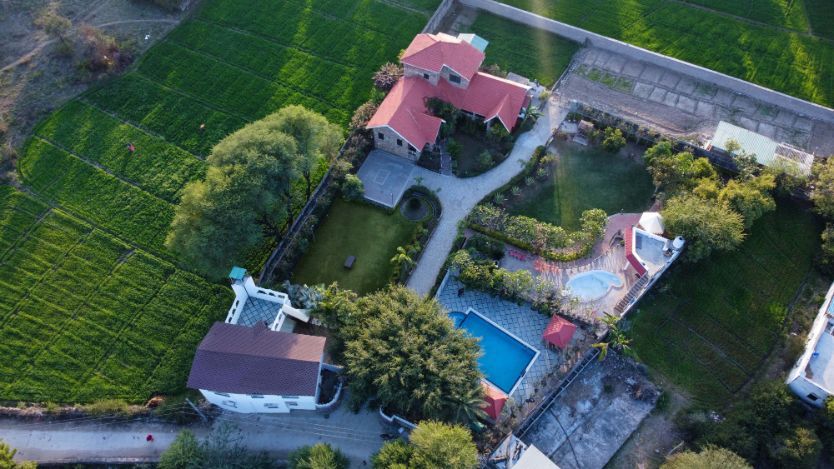
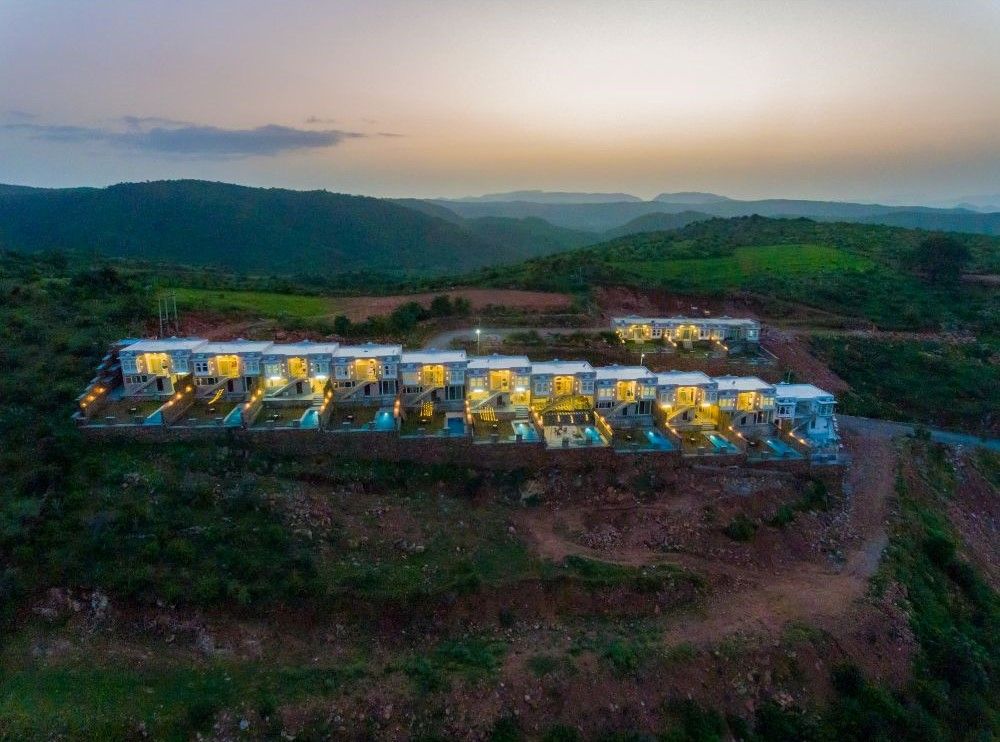
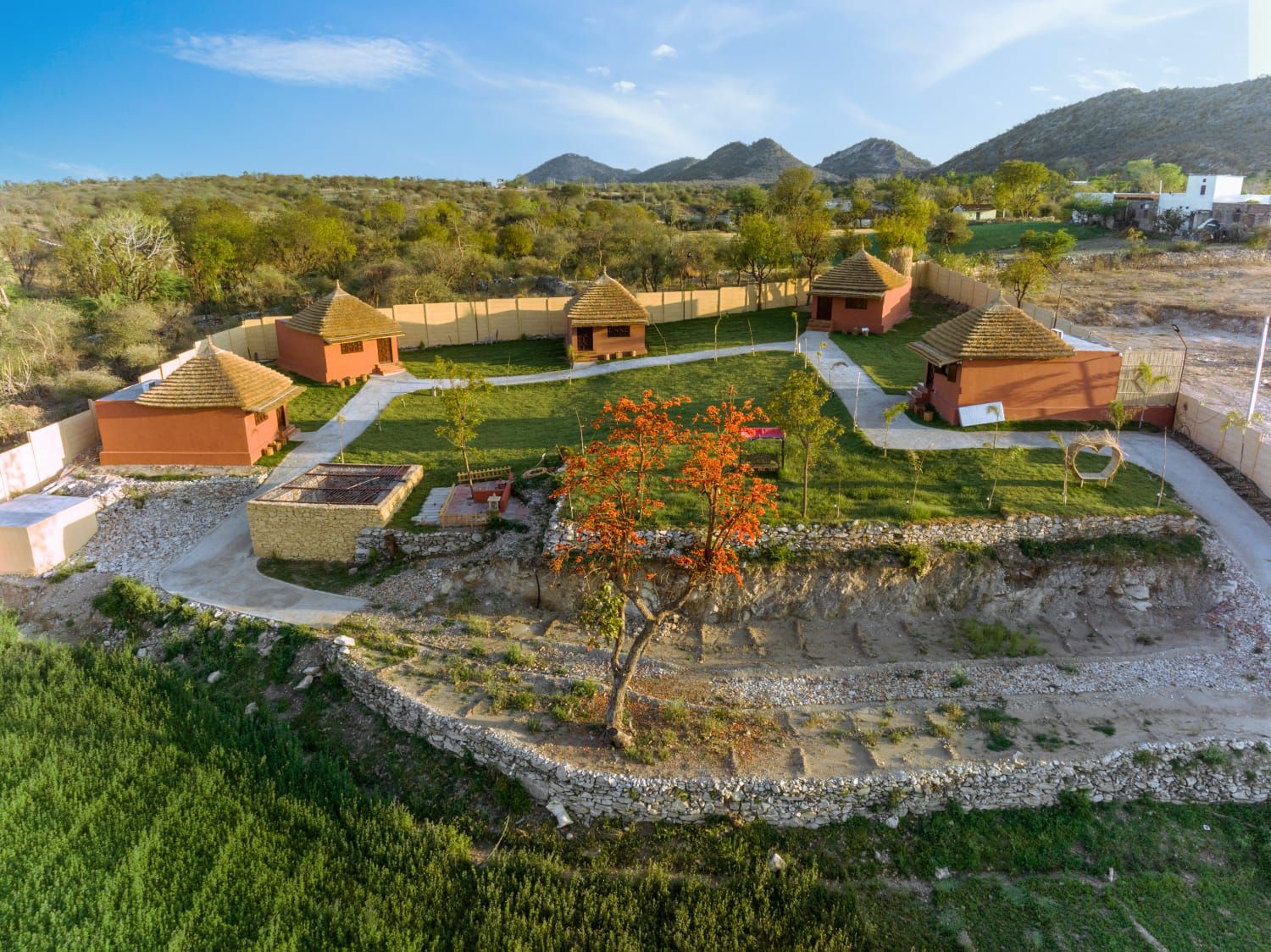
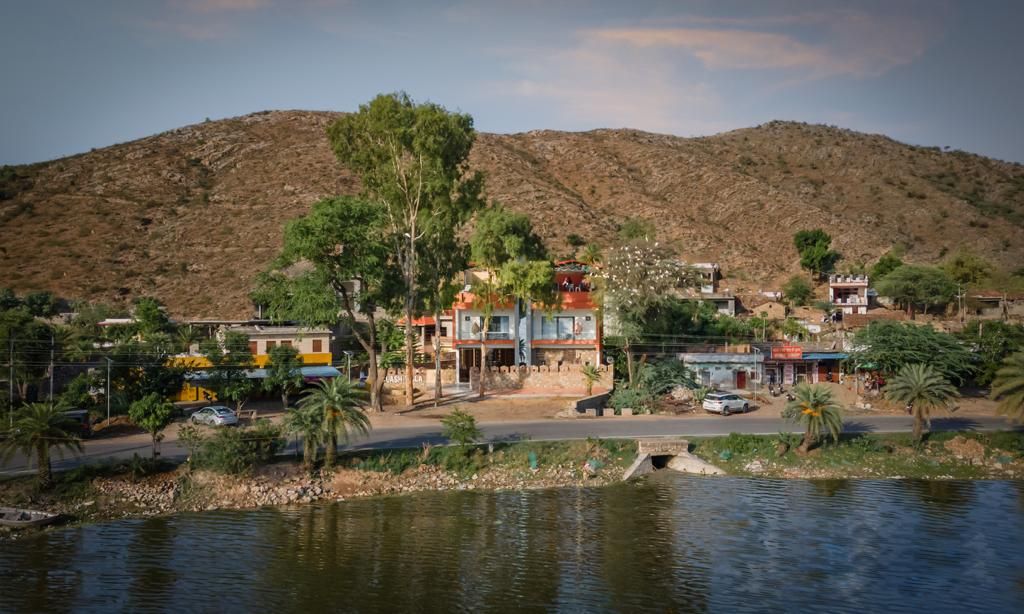
If you prefer nature-centric retreats, peaceful farm stays, or tented stays in the scenic countryside, you can discover and reserve them through HireACamp. Booking a stay in the surrounding valleys lets you experience the quiet natural landscapes of Mewar while keeping cultural sites within easy reach.
Frequently asked questions
Where is the Ahar Archaeological Museum located?
The museum is located in the Pehada area of Ahar, about four to five kilometers east of central Udaipur and Lake Pichola in Rajasthan.
What is displayed inside the Ahar Archaeological Museum?
It displays ancient Chalcolithic pottery, copper tools, terracotta seals, and beads excavated from the Dhulkot mound, alongside medieval stone sculptures and carvings of deities.
Can I visit the Ahar Cenotaphs along with the museum?
Yes, the royal cenotaphs of Mewar are situated right next to the museum, making it convenient to explore both historic sites during the same visit.
How long does a visit to the museum take?
Most visitors spend between one and two hours viewing the exhibits and reading the informational displays.
What is the best time of year to visit Ahar Archaeological Museum?
The winter months from October to March offer mild, pleasant weather that is ideal for sightseeing in and around Udaipur.
Where you'll be
Pehada, Udaipur · 4 stays nearby shown with prices
Stays near Ahar Archaeological Museum
Book a place to stay close by
More places near Ahar Archaeological Museum
Within 20 km


Built from 0 Instagram posts by 0 creators. Every tip links back to the post it came from, and where creators disagree we show both sides.






