
Ambalapuzha Sree Krishna Swamy Temple
Temple near Thakazhi, Kerala
4.5 km from Thakazhi
The nearest town, for stays, food and fuel.
Ambalapuzha Sree Krishna Swamy Temple is a revered Hindu shrine located in Ambalappuzha near Alappuzha in Kerala. Dedicated to Lord Krishna, the temple is famed across southern India for its classic Kerala architecture, rich spiritual heritage, and its renowned sweet milk offering, the Ambalapuzha Palpayasam. Pilgrims and cultural travellers visit throughout the year to experience its tranquil ambience and witness age-old temple traditions.
Getting there
By road
- From ThakazhiNearest town9 min · 5 km
- From Kochi1 hr 50 min · 71 km
- From Thiruvananthapuram3 hr 40 min · 143 km
- From Madurai6 hr 5 min · 292 km
Typical drive times without traffic. Stations and airports from OLA Maps; distances and typical drive times from OpenStreetMap (© OpenStreetMap contributors); notes from creators' Reels.
About Ambalapuzha Sree Krishna Swamy Temple
Written with AI from map data and general knowledge. Check prices and timings locally before you go.
About Ambalapuzha Sree Krishna Swamy Temple
Ambalapuzha Sree Krishna Swamy Temple is among the most prominent Vaishnavite places of worship in Kerala. Situated just south of Alappuzha, the temple stands in the coastal lowlands where palm groves and serene water bodies define the landscape. The presiding deity is worshipped in the form of Parthasarathi, depicting Lord Krishna as the charioteer holding a whip in his right hand and a conch in his left.
The temple is not only a major centre of daily worship and devotion but also a significant cultural landmark. For centuries, it has nurtured traditional performing arts, classical music, and temple rituals that reflect the artistic essence of central Travancore. Visitors step into a serene atmosphere filled with the rhythmic chimes of temple bells, fragrant incense, and the timeless rituals characteristic of classic Kerala temples.
History and Cultural Heritage
The origins of Ambalapuzha Sree Krishna Swamy Temple date back several centuries, linked to the local ruler of the Chembakassery dynasty, Pooradam Thirunal Devanarayanan Thampuran. According to regional lore, the ruler established the shrine following divine guidance, creating a central spiritual sanctuary for his kingdom. The temple played an integral part in the socio-political and cultural life of the region through the medieval period.
The temple also holds a unique place in the history of Kerala's classical performing arts. It is closely associated with the eighteenth-century satirist and poet Kunjan Nambiar, who is celebrated for creating Ottamthullal, a vibrant traditional solo dance-drama that blends theatre, poetry, and social satire. Nambiar staged his earliest performances within these very temple precincts, making Ambalapuzha a cornerstone in the evolution of Malayalam folk and classical literature.
Another significant historical chapter occurred during the late eighteenth century, when the sacred idol of Lord Krishna from the Guruvayur Temple was temporarily brought to Ambalapuzha for safekeeping during a period of military conflict in northern Kerala. A special hall in the complex commemorates this period of sanctuary, underscoring the deep reverence the shrine enjoys across the state.
Read more
Temple Architecture and Complex
The architecture of Ambalapuzha Sree Krishna Swamy Temple represents the purest tenets of Kerala's indigenous temple building tradition, known as Thachu Shastra. Constructed predominantly using locally sourced laterite stone, teak timber, and clay roof tiles, the structures are designed to blend harmoniously with the humid coastal climate.
The complex centres around the sreekovil, or inner sanctum, surrounded by a spacious cloistered courtyard known as the chuttambalam. The exterior walls of the inner quadrangle feature a vilakkumadam, a wooden framework holding hundreds of small oil lamps that create an enchanting spectacle when illuminated during evening rituals. Elaborate wall paintings depicting scenes from Hindu mythology adorn the inner corridors, reflecting the finesse of traditional Kerala mural art.
Outside the main enclosure lies an expansive temple pond, or ambala kulam, with granite steps descending to the water. Devotees perform their customary ablutions here before entering the sacred courtyards. The open surroundings and shaded walkways under aged banyan trees offer visitors space for peaceful contemplation away from the rush of highway traffic.
The Ambalapuzha Palpayasam
A defining aspect of any visit to the temple is the sacred offering known as Ambalapuzha Palpayasam. This sweet, creamy pudding made of milk, rice, and sugar is prepared daily in the temple's traditional kitchens under strict culinary rules passed down through generations. Simmered slowly for hours in heavy bronze cauldrons over firewood hearths, the dish develops a subtle pink hue and an unmistakable condensed richness.
Devotees and food enthusiasts travel from afar to receive this prasad. Local tradition attributes its unique flavour to the precise proportions of river water, pure milk, and age-old culinary devotion. The offering is typically distributed after the noon worship ceremonies, and visitors planning to collect it should enquire at the temple administrative counters upon arrival regarding local procedures and distribution timings.
Best Time to Visit Ambalapuzha
The temple is open throughout the year, but the overall experience is shaped by Kerala's tropical seasons. The months from October to March offer the most pleasant weather, characterised by mild daytime temperatures, lower humidity, and cool evenings. This period is ideal for sightseeing, visiting nearby beaches, and exploring the backwaters alongside the temple visit.
The temple's annual festival season falls during the Malayalam month of Meenam, which generally corresponds to March and April. During this festival, the temple grounds come alive with traditional percussion ensembles, classical dance recitals, and ceremonial processions featuring caparisoned elephants.
The monsoon months from June to September bring heavy rainfall and lush green foliage across the district. While heavy rains can make road travel slower, the temple during the monsoon carries a deeply atmospheric, tranquil charm. Visitors during this season should carry sturdy umbrellas and waterproof footwear.
How to Reach the Temple
Ambalapuzha is conveniently located along the coastal transport corridor in Kerala. The nearest major city is Alappuzha, situated roughly fifteen kilometres to the north. Ambalapuzha has its own railway station, which connects to major cities including Kochi, Kollam, and Thiruvananthapuram, while Alappuzha Railway Station serves as a busier hub with frequent express trains.
By road, the temple is easily reached via the coastal highway linking Ernakulam and Thiruvananthapuram. Regular state-run and private buses connect Ambalapuzha with Alappuzha, Haripad, and Changanassery. Taxis and auto-rickshaws are readily available from Alappuzha town and nearby railway stations.
For air travellers, the closest international gateway is Cochin International Airport, located approximately ninety kilometres to the north. Thiruvananthapuram International Airport is around one hundred and thirty kilometres to the south. Both airports offer private cab services and train connections toward Alappuzha.
Places to Visit Nearby
Travellers visiting Ambalapuzha can combine their temple trip with several cultural and natural sights across the Alappuzha region. Thottappally Harbour, located just a short drive to the south, provides an interesting look into the daily rhythms of local fishing communities alongside scenic coastal views where the spillway meets the sea.
To the north lies the vibrant town of Alappuzha, famous for its historic sea bridge ruins at Alleppey Beach and the working Alappuzha Lighthouse. Vijaya Park by the shore provides an easygoing recreation spot for families. Water lovers can explore boating and paddle excursions along the canals or take in the tranquil scenery around Vatta Kayal.
Further south along the coast, Thrikkunnapuzha Beach offers a quieter seaside alternative away from the busier city promenades. The entire district is criss-crossed by scenic backwaters and coir-making hamlets, offering plenty of scenic drives between destinations.
Tips for Your Visit and Where to Stay
As with most traditional temples in Kerala, Ambalapuzha Sree Krishna Swamy Temple follows a customary dress code for entry into the inner courtyard. Men are typically expected to wear a dhoti or mundu and remove their shirts, while women wear traditional Indian attire such as sarees, salwar kameez, or traditional skirts. Footwear must be deposited outside the temple entrance.
Photography is strictly prohibited inside the inner sanctum and courtyard areas, so visitors should keep cameras and mobile phones secured. Morning and late-evening hours are the most comfortable times to visit, avoiding the midday heat.
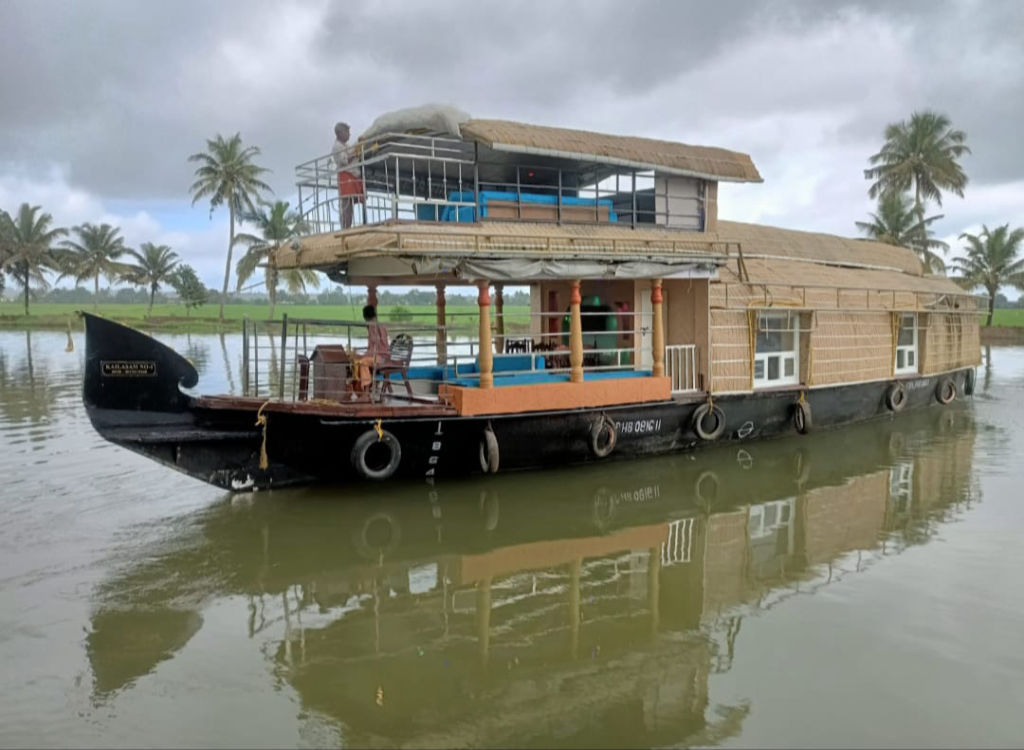
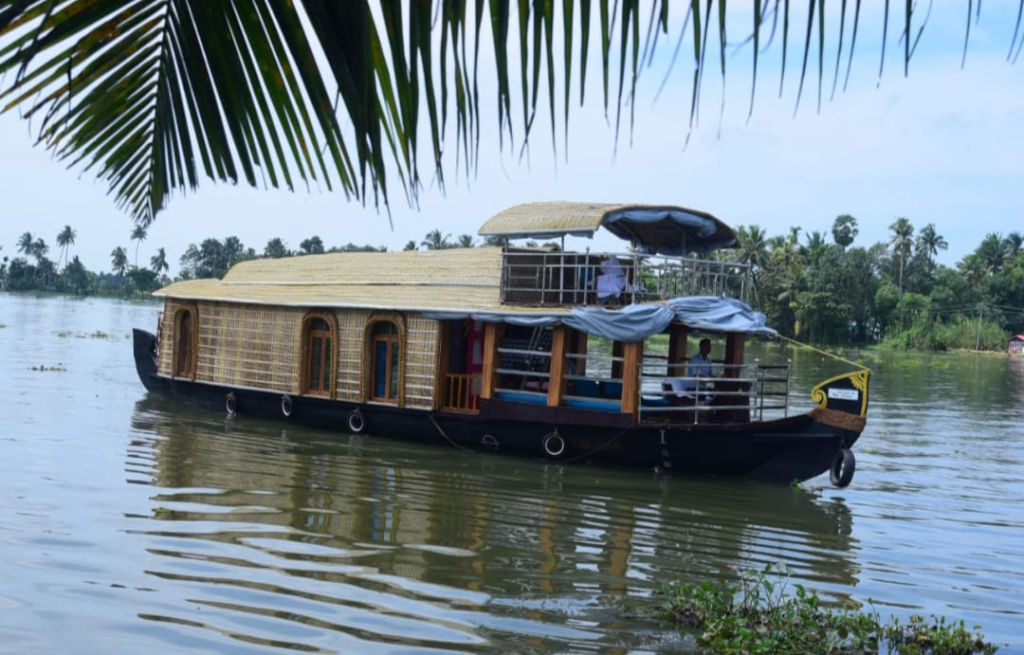
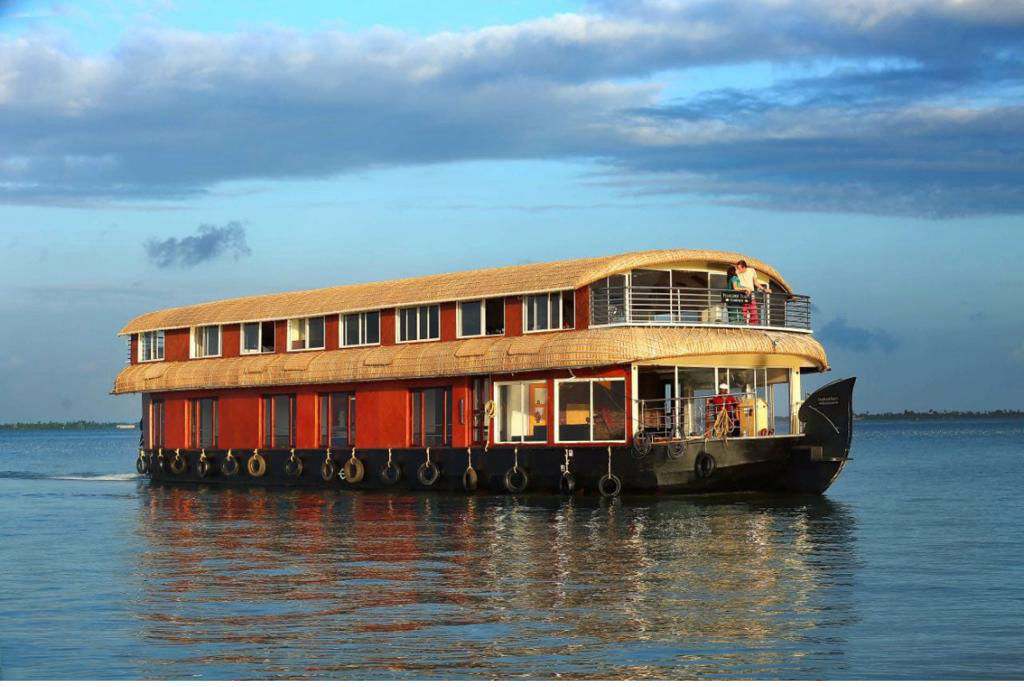
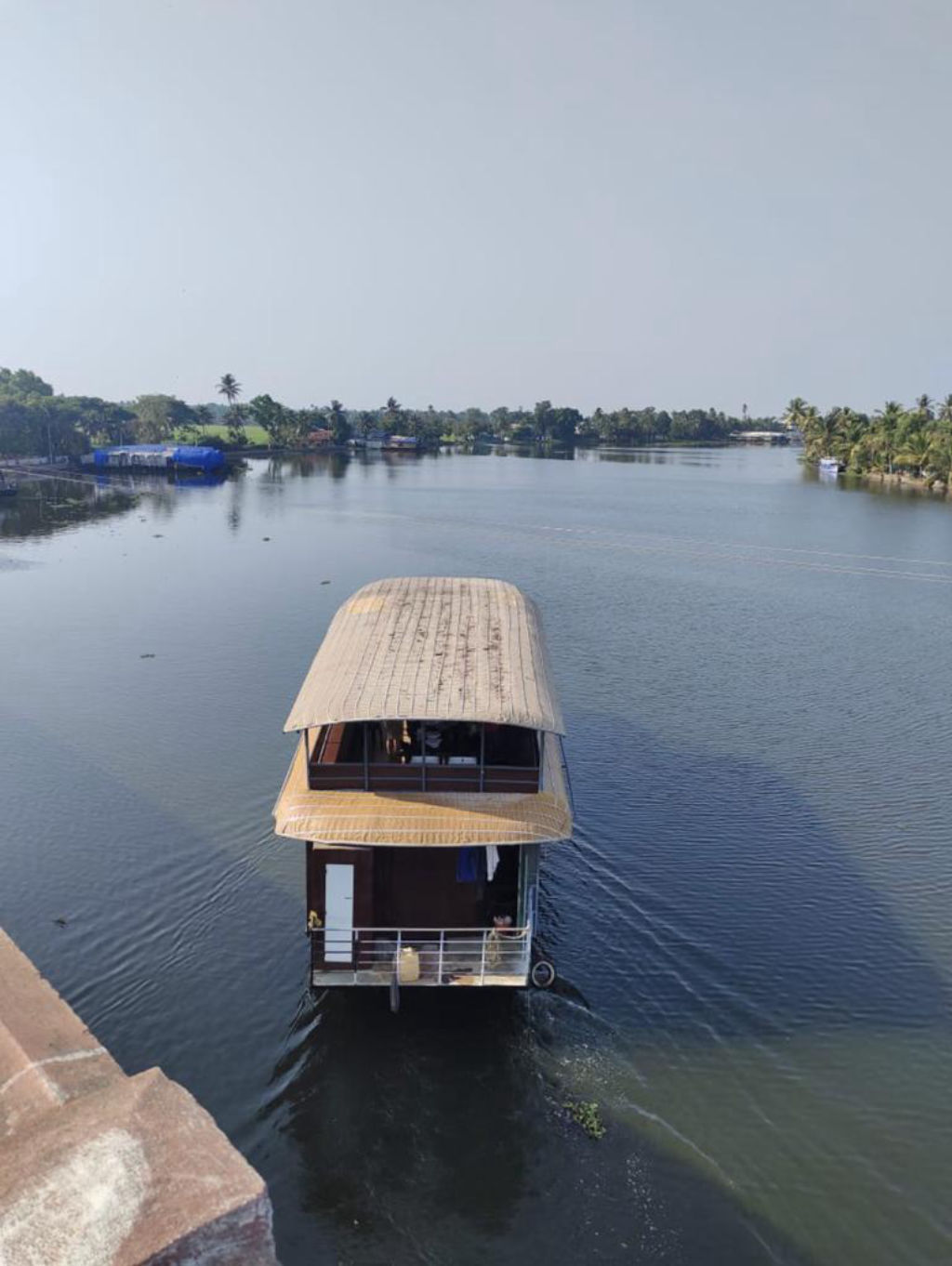
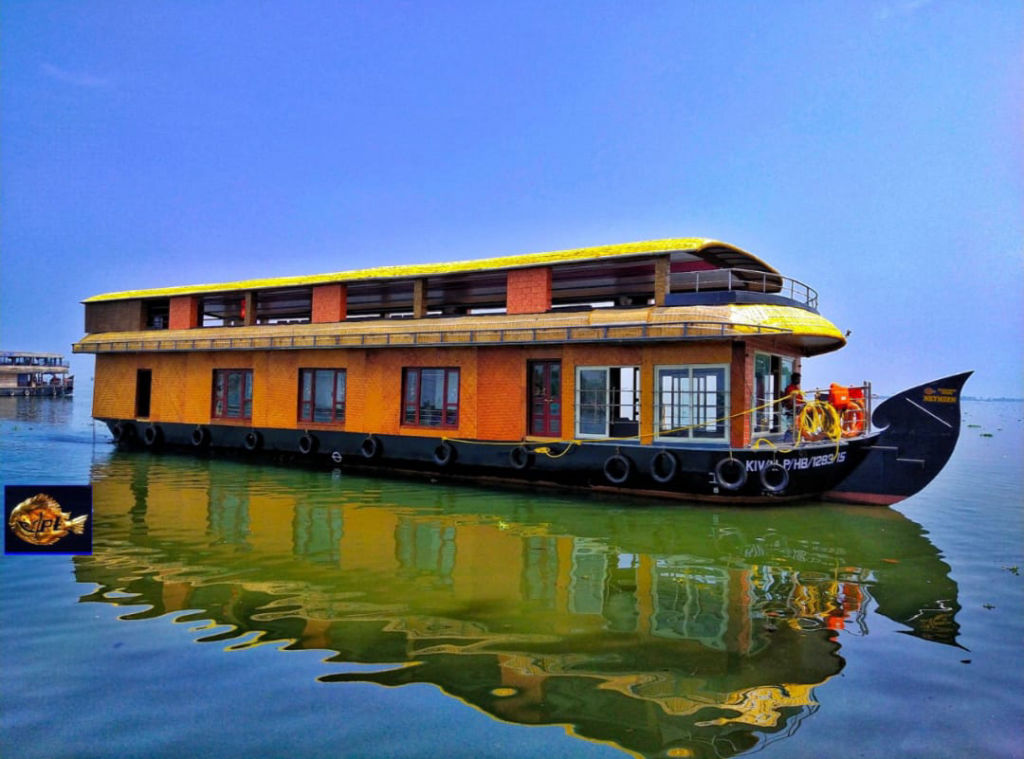
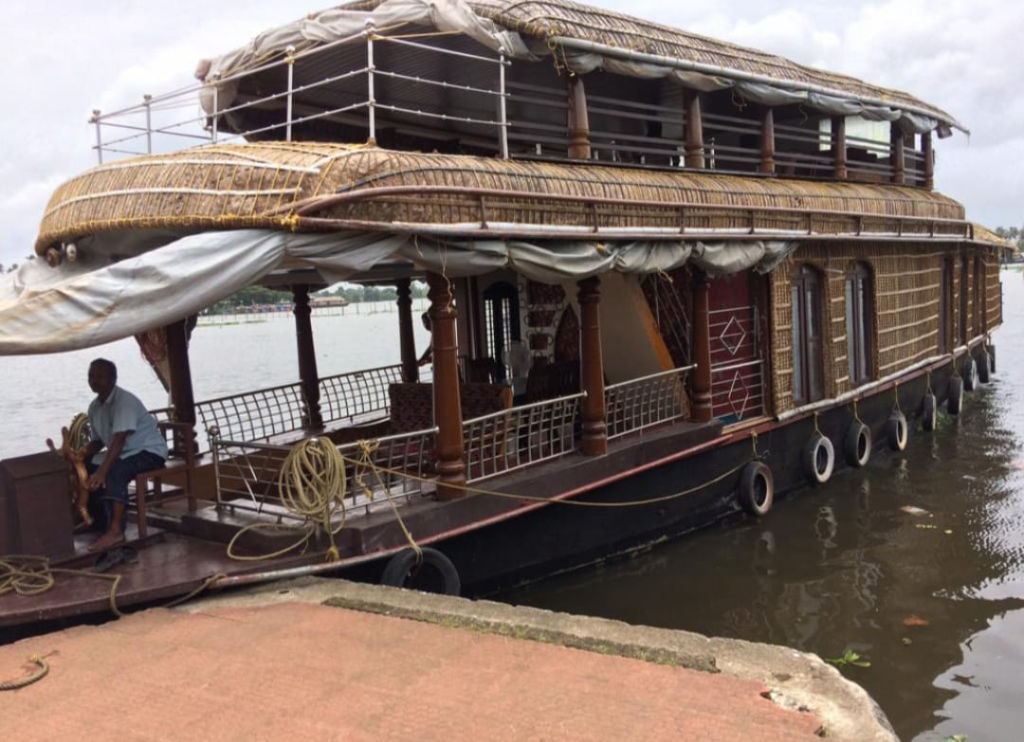
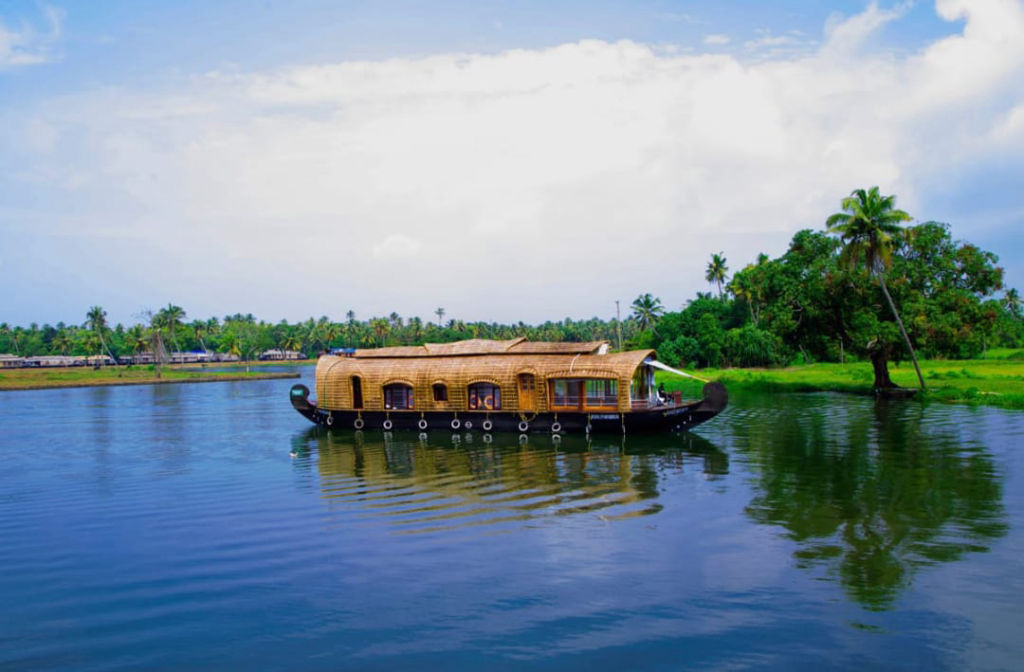
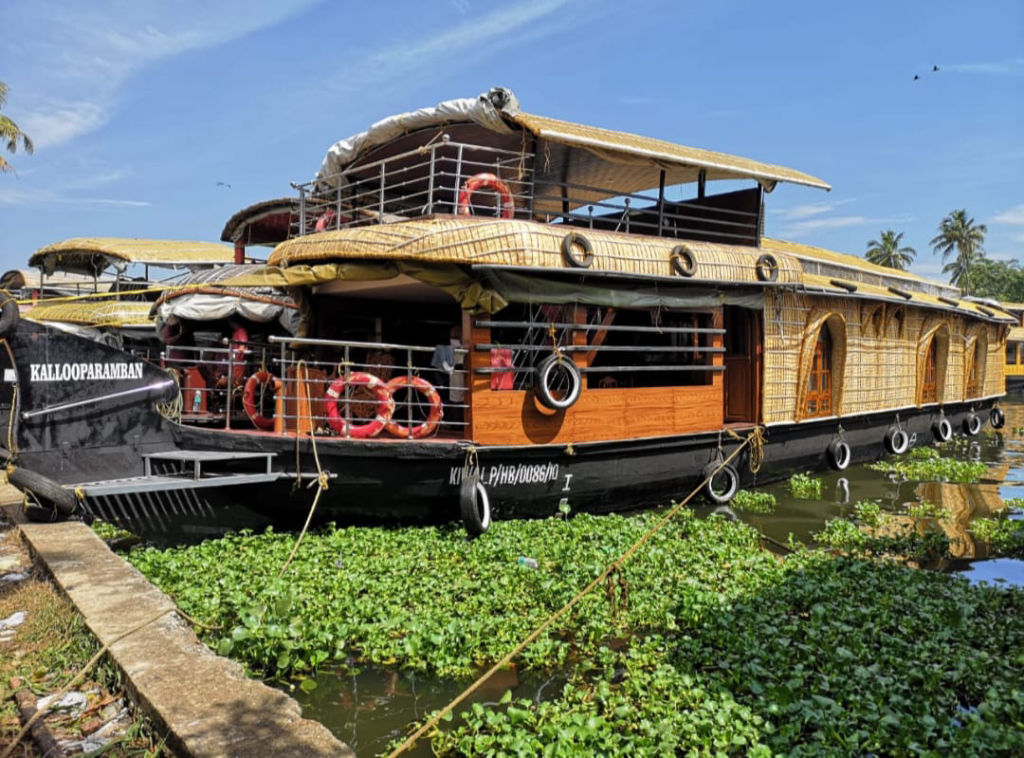
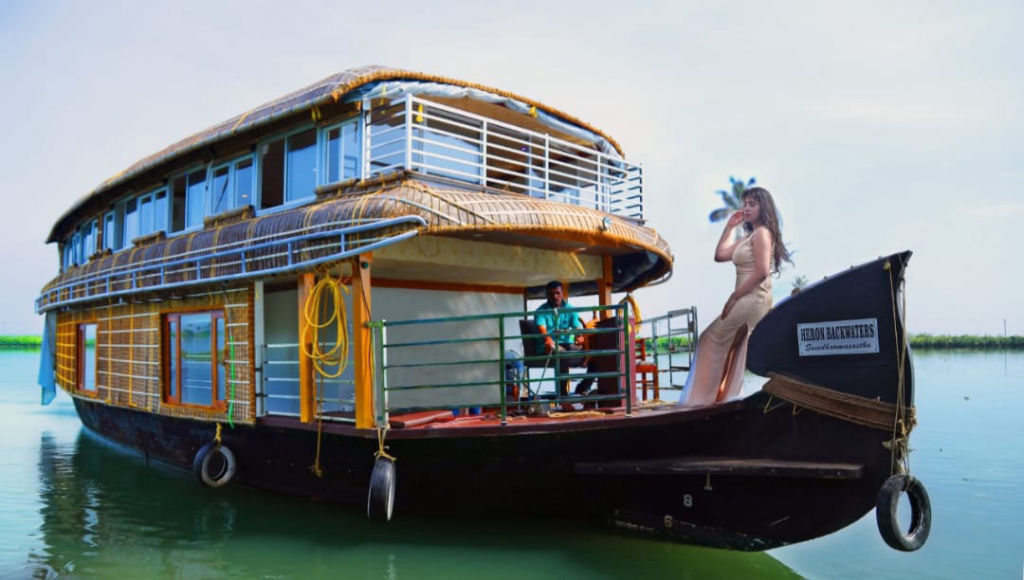
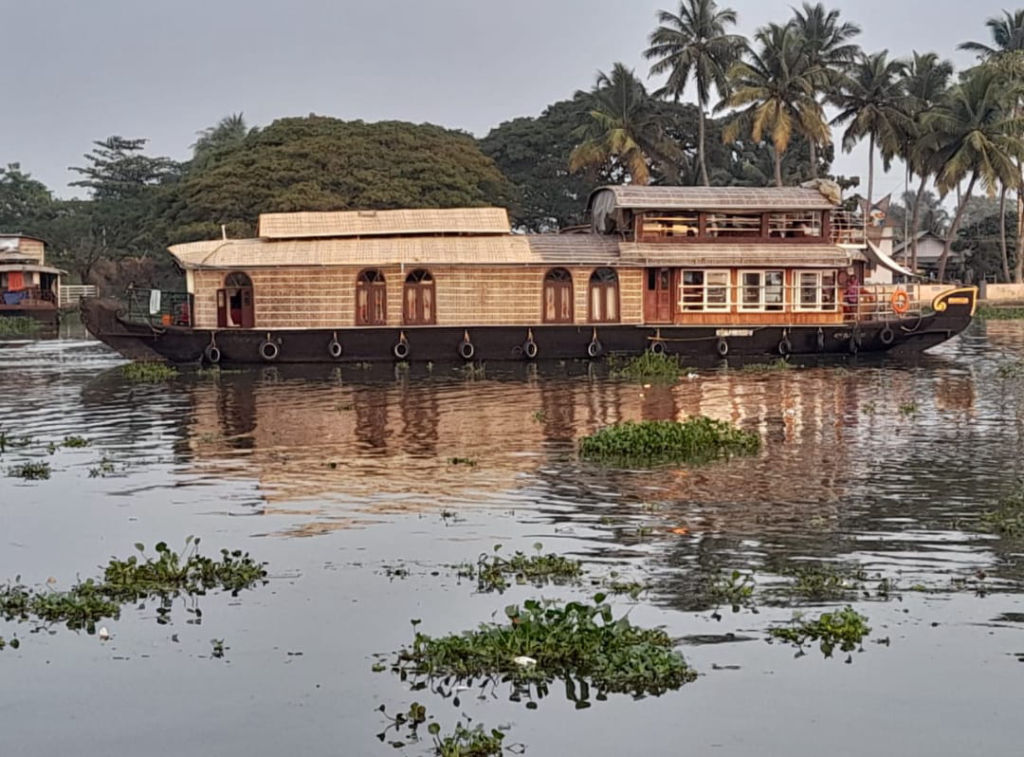
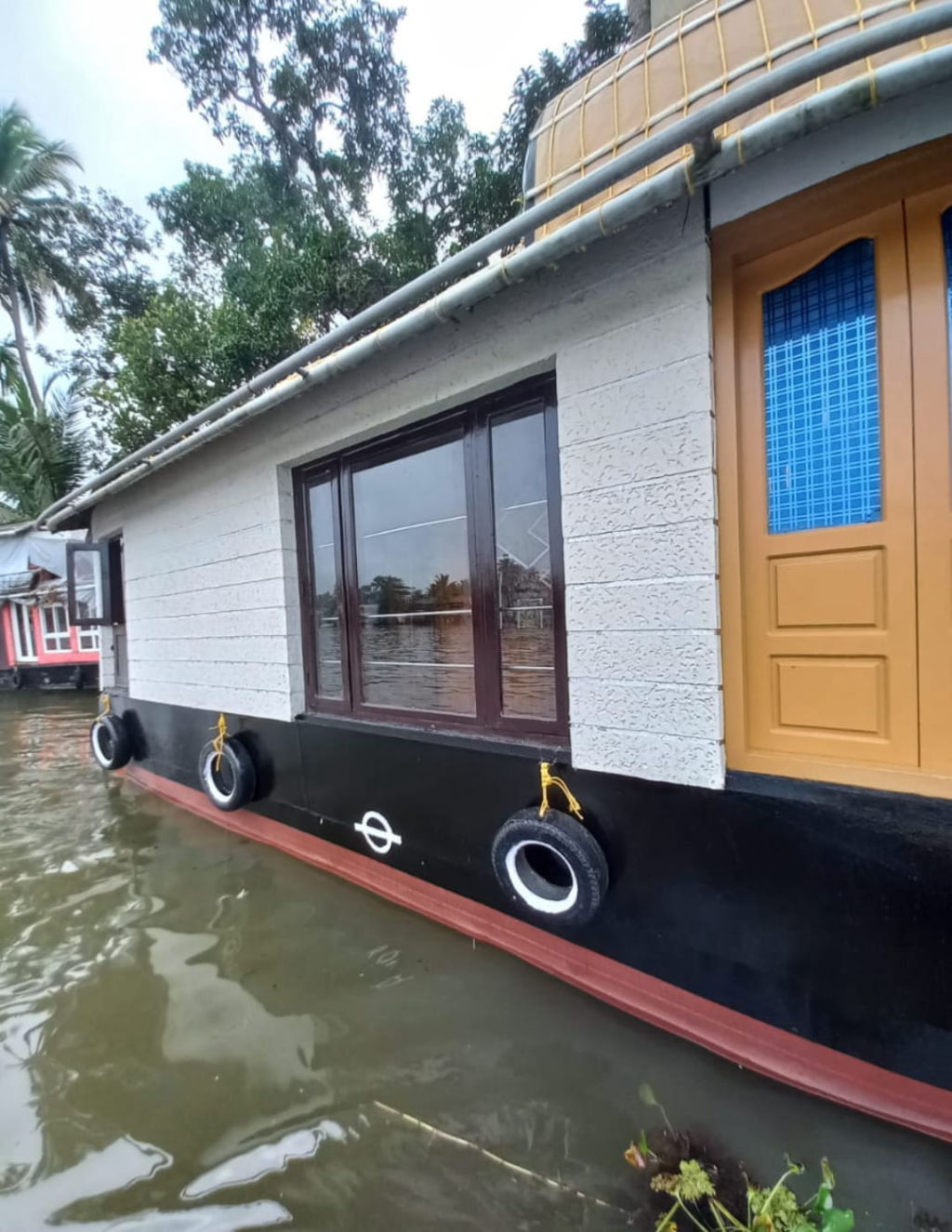
For accommodation, visitors will find varied choices ranging from waterfront homestays and heritage houses to tranquil riverside camps across the Alappuzha backwater district. Travellers can find and book vetted camps, homestays, and regional getaways on HireACamp to create a memorable holiday.
Frequently asked questions
Where is Ambalapuzha Sree Krishna Swamy Temple located?
The temple is located in the town of Ambalappuzha in the Alappuzha district of Kerala, roughly fifteen kilometres south of Alappuzha town.
What is the dress code for entering the temple?
Traditional Kerala temple attire is required. Men typically wear a mundu or dhoti around the waist without a shirt, while women are expected to wear sarees, salwar suits, or traditional Indian dresses.
What is special about the Ambalapuzha Palpayasam?
Ambalapuzha Palpayasam is a traditional sweet milk porridge offered to the deity, prepared with rice, milk, and sugar cooked for hours in massive bronze cauldrons to achieve a signature taste and light pink colour.
Can non-Hindus enter Ambalapuzha Temple?
Entry into the inner courtyard and sanctum is traditionally reserved for Hindu devotees, though all visitors can appreciate the outer grounds, the temple pond, and the external architecture.
What are the nearest major transit hubs to the temple?
Ambalapuzha has its own local railway station, while Alappuzha serves as the nearest major railway junction. The closest international airport is Cochin International Airport.
Where you'll be
Ambalappuzha, Alappuzha · 12 stays nearby shown with prices
Stays near Ambalapuzha Sree Krishna Swamy Temple
Book a place to stay close by

More places near Ambalapuzha Sree Krishna Swamy Temple
Within 20 km


Built from 0 Instagram posts by 0 creators. Every tip links back to the post it came from, and where creators disagree we show both sides.






