
Karumadikkuttan
Monument near Thakazhi, Kerala
3.5 km from Thakazhi
The nearest town, for stays, food and fuel.
Karumadikkuttan is a historic black granite statue of the Buddha located in Karumadi village near Ambalapuzha in Kerala. Dating back roughly a millennium, it stands as one of the few surviving relics of the ancient Buddhist heritage that once flourished across the backwater region. Travellers and history enthusiasts visit the quiet open-air shrine to admire the distinctive sculpture and experience the peaceful rural setting.
Getting there
By road
- From ThakazhiNearest town9 min · 4.5 km
- From Kochi1 hr 50 min · 71 km
- From Thiruvananthapuram3 hr 40 min · 143 km
- From Madurai6 hr 5 min · 291 km
Typical drive times without traffic. Stations and airports from OLA Maps; distances and typical drive times from OpenStreetMap (© OpenStreetMap contributors); notes from creators' Reels.
About Karumadikkuttan
Written with AI from map data and general knowledge. Check prices and timings locally before you go.
History and Legend of Karumadikkuttan
Karumadikkuttan is one of the most intriguing historical monuments in southern Kerala. The name translates roughly to the black boy of Karumadi, affectionately coined by local residents who revered the dark stone figure long before its Buddhist identity was formally studied. Historians generally date the statue to between the ninth and eleventh centuries CE, a period when Buddhism held a significant cultural and intellectual presence across coastal Kerala. Over subsequent centuries, as regional religious dynamics shifted and classical temple worship rose to prominence, many Buddhist centers were abandoned or reclaimed by the delta waterways.
The statue was recovered in the modern era after spending extended periods partially submerged in the mud of a local canal bed. Local folklore offers various interpretations for why the left half of the figure is cleanly sheared away, ranging from an encounter with an enraged elephant centuries ago to deliberate damage sustained during historical conflicts. Today, the monument is protected by the Kerala State Archaeology Department, serving as a rare and tangible link to Kerala's multifaceted religious history.
Setting and Architecture of the Shrine
The statue is carved from solid black granite and stands approximately three feet in height. Despite the missing left arm and shoulder, the facial expression remains remarkably serene, displaying the meditative calm characteristic of classical Buddhist iconography. The figure is seated in a contemplative posture, with weathered lines and delicate carving still discernible across the dark stone.
Unlike sprawling palace compounds or ornate temple grounds, Karumadikkuttan rests within a modest, open-sided brick and tile pavilion surrounded by a tidy garden enclosure. The shrine sits right alongside a village canal in Karumadi, where traditional country boats glide past and coconut palms line the waterways. The unpretentious, quiet atmosphere of the site makes it an engaging detour for visitors seeking a thoughtful glimpse into rural Kerala life.
Read more
Best Time to Visit Karumadikkuttan
The region around Ambalapuzha and Alappuzha experiences a tropical coastal climate characterized by high humidity, warm summers, and abundant monsoon rainfall. The winter months from November to February provide the most comfortable conditions for sightseeing. During this period, daytime temperatures remain moderate, humidity levels drop, and evenings are cool and pleasant for exploring outdoor sites.
The summer months between March and May bring strong sun and muggy days, making midday excursions warm and taxing. If travelling during this season, an early morning or late afternoon visit is recommended. The monsoon season from June to October brings intense rains that rejuvenate the surrounding canals, paddy fields, and backwaters. While sudden showers might interrupt open-air sightseeing, the countryside around Karumadi turns exceptionally lush and scenic during the rainy months.
How to Reach Karumadikkuttan
Karumadikkuttan is situated in the small village of Karumadi, just a short distance east of Ambalapuzha and roughly fifteen kilometres south of Alappuzha town. The site is easily accessible by road from the national highway running along the coast. Local auto-rickshaws, taxis, and state-run buses connect Ambalapuzha with surrounding villages and nearby towns on a regular basis.
For those travelling by train, Ambalapuzha railway station serves as the nearest railhead, while Alappuzha railway station handles wider long-distance connections across India. From either station, hiring an auto-rickshaw or taxi is the most straightforward way to reach the monument. The nearest flight hub is Cochin International Airport, situated roughly eighty-five kilometres north of Alappuzha. From the airport, visitors can hire private cabs or take bus transit down to Alappuzha before heading along the scenic inland roads to Karumadi.
Tips for Visiting Karumadikkuttan
Because Karumadikkuttan is located in a quiet village neighborhood, visitors should maintain a calm and considerate demeanor while exploring the area. Photography of the stone monument and its immediate pavilion is typically welcomed, though it is respectful to be mindful of local privacy in adjacent homes.
A typical visit usually takes between fifteen and thirty minutes, meaning it fits smoothly into a broader day trip exploring Ambalapuzha and the Kuttanad backwaters. Lightweight cotton clothing, sensible walking sandals, and sun protection such as a hat or umbrella are advisable throughout the year due to the coastal climate. Carry drinking water for the journey, and check locally for any updated entry protocols or visitor guidelines before planning your arrival.
Places to Visit Nearby
A stop at Karumadikkuttan can easily be paired with several natural and cultural landmarks across the coastal belt. Just four kilometres to the west lies Purakkad Beach, a tranquil coastal expanse known for its quiet shoreline and maritime history. A few kilometres further south, Thottapalli Harbour presents an active slice of local coastal life, where traditional fishing boats dock alongside stone seawalls.
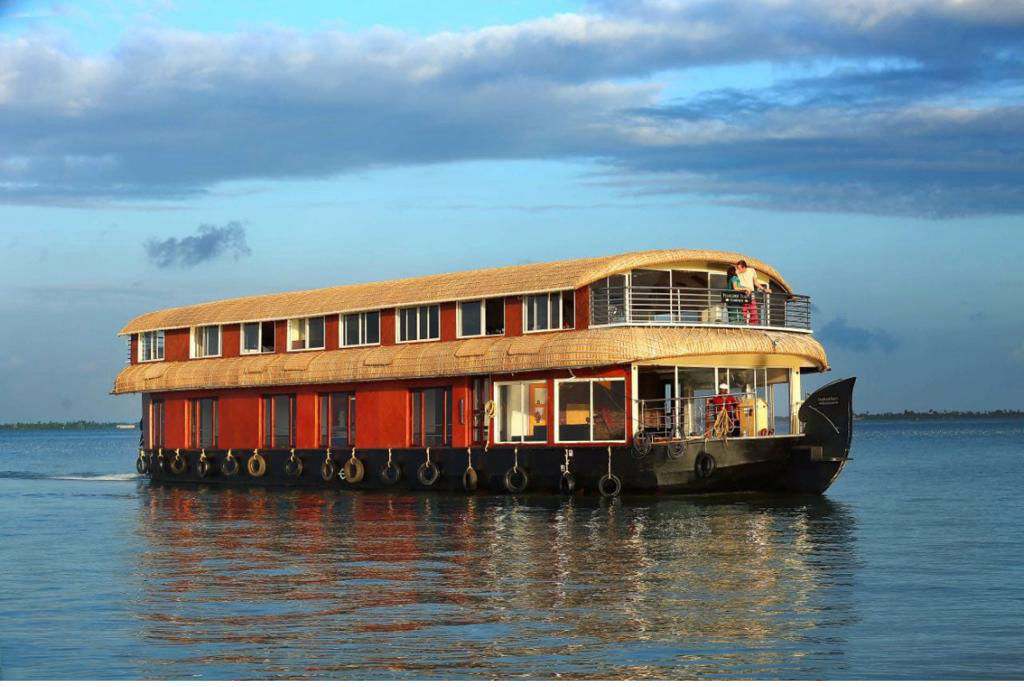
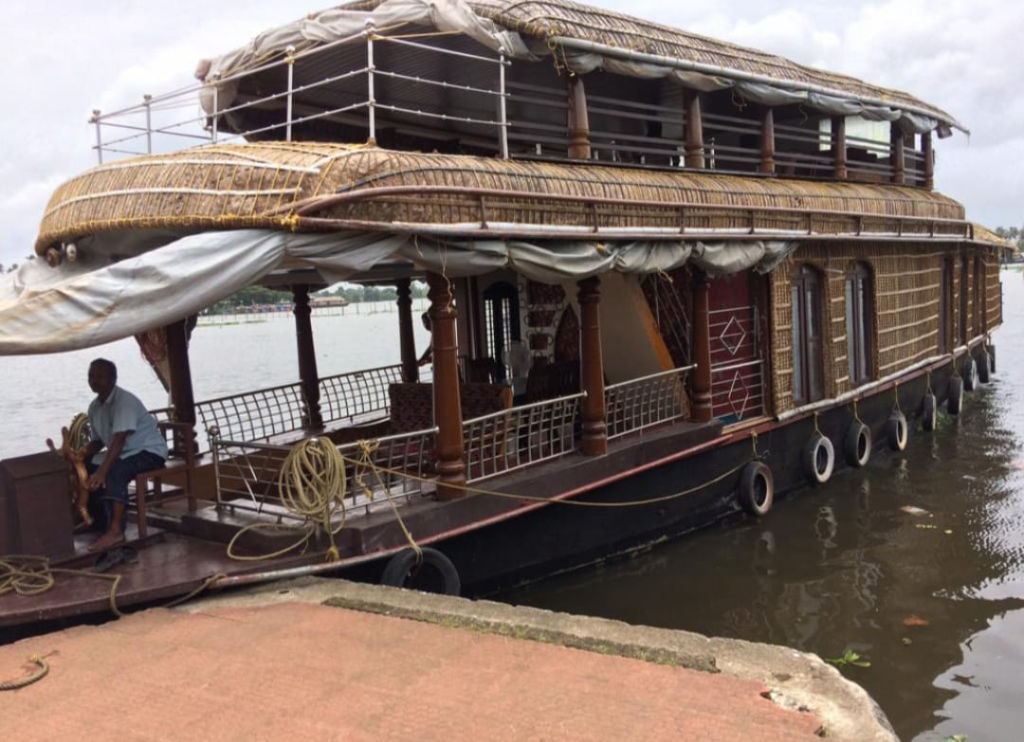
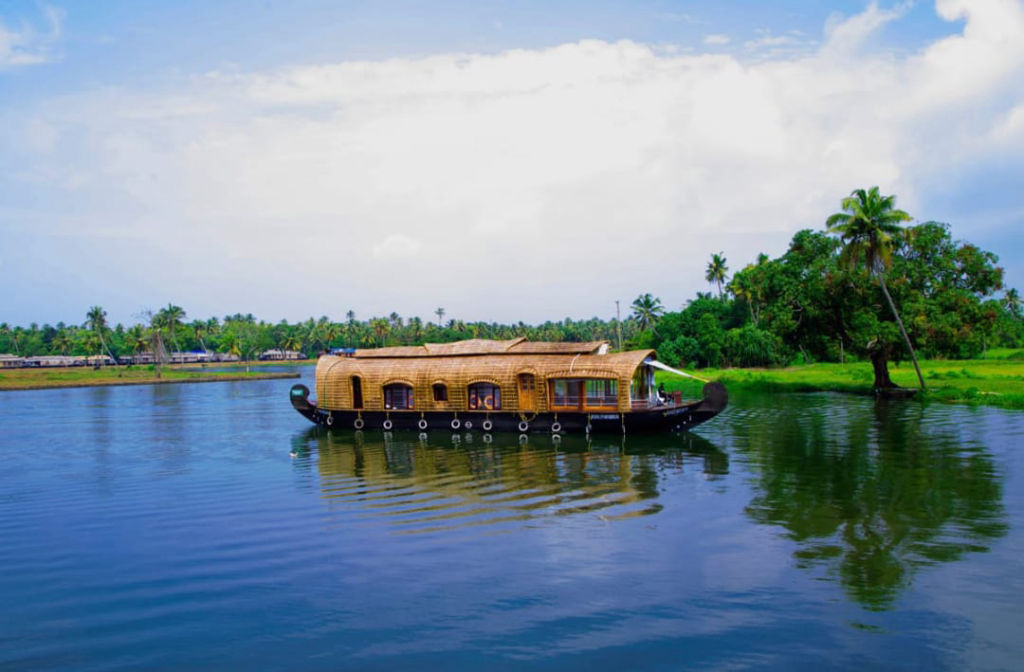
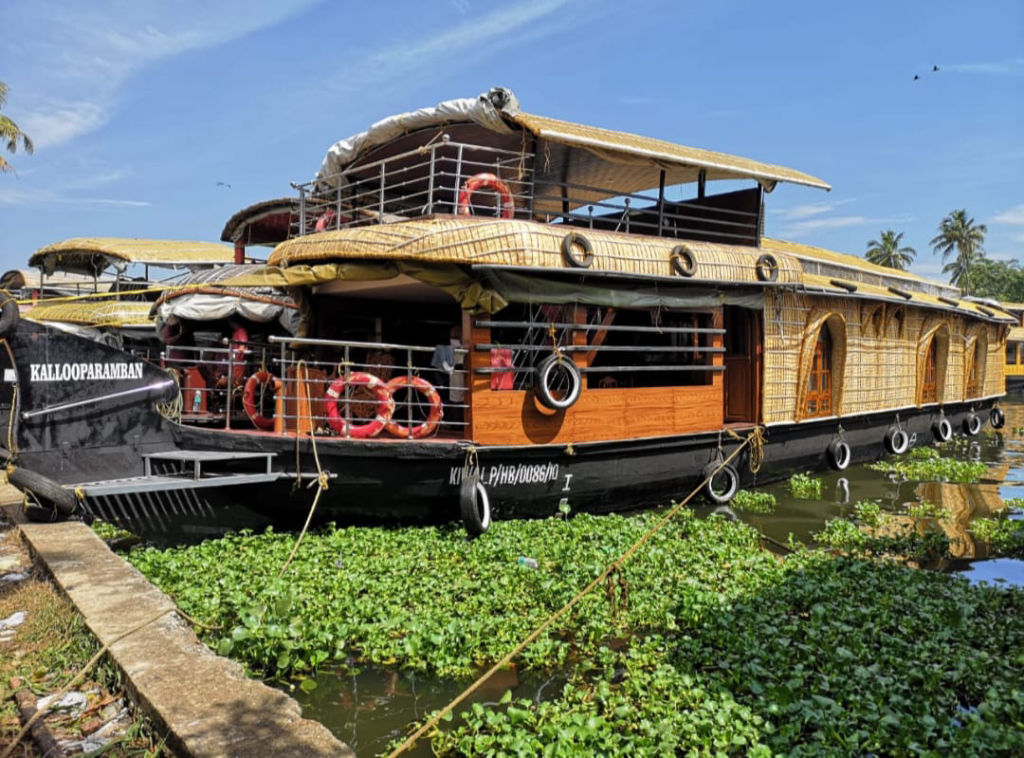
Heading north towards Alappuzha brings you to the lively Alleppey Beach, known for its historic sea bridge pier and historic lighthouse. The inland side of the district features serene expanses of water such as Meenappally Kayal and Vatta Kayal, offering scenic backwater vistas where fishing boats and houseboats drift past fertile paddy landscapes. The neighboring town of Ambalapuzha is also well known for the historic Ambalapuzha Sri Krishna Temple, celebrated for its traditional Kerala temple architecture.
Where to Stay around Alappuzha
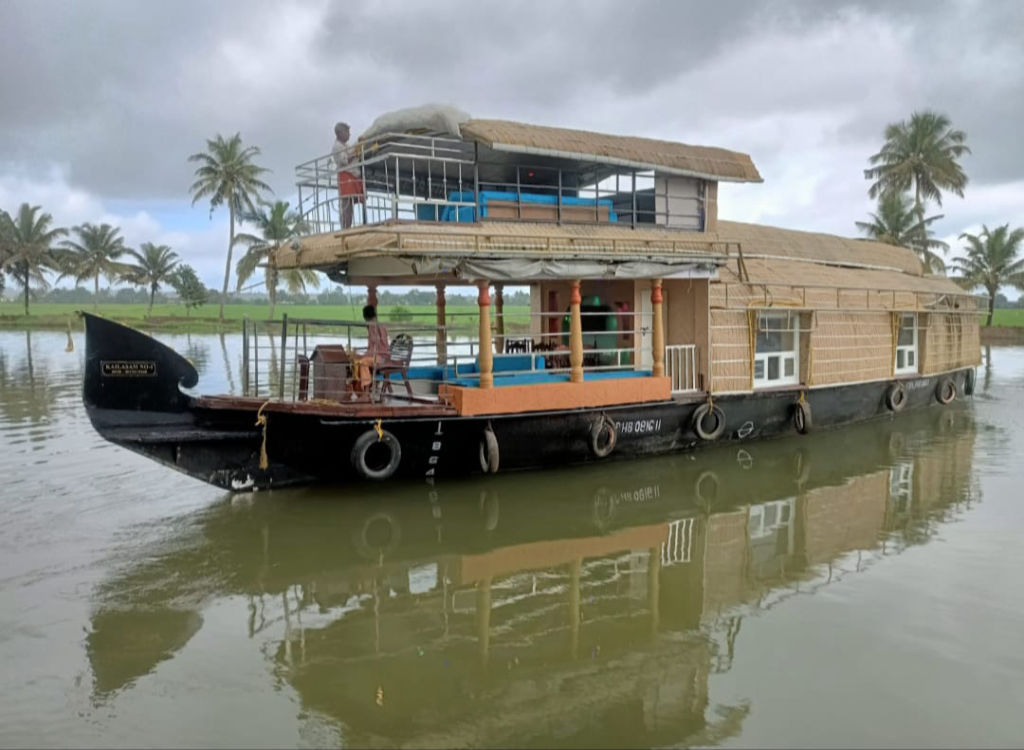
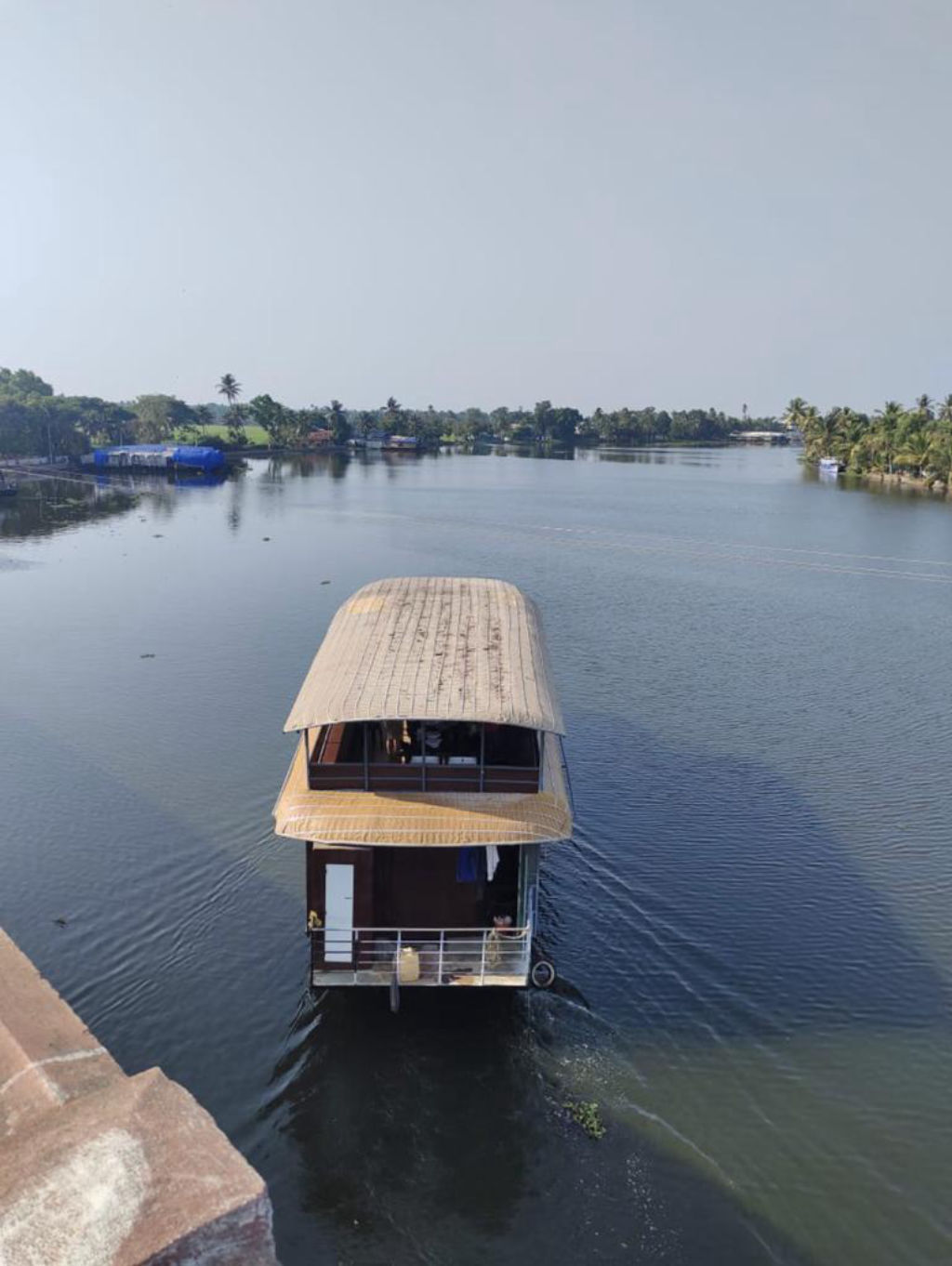
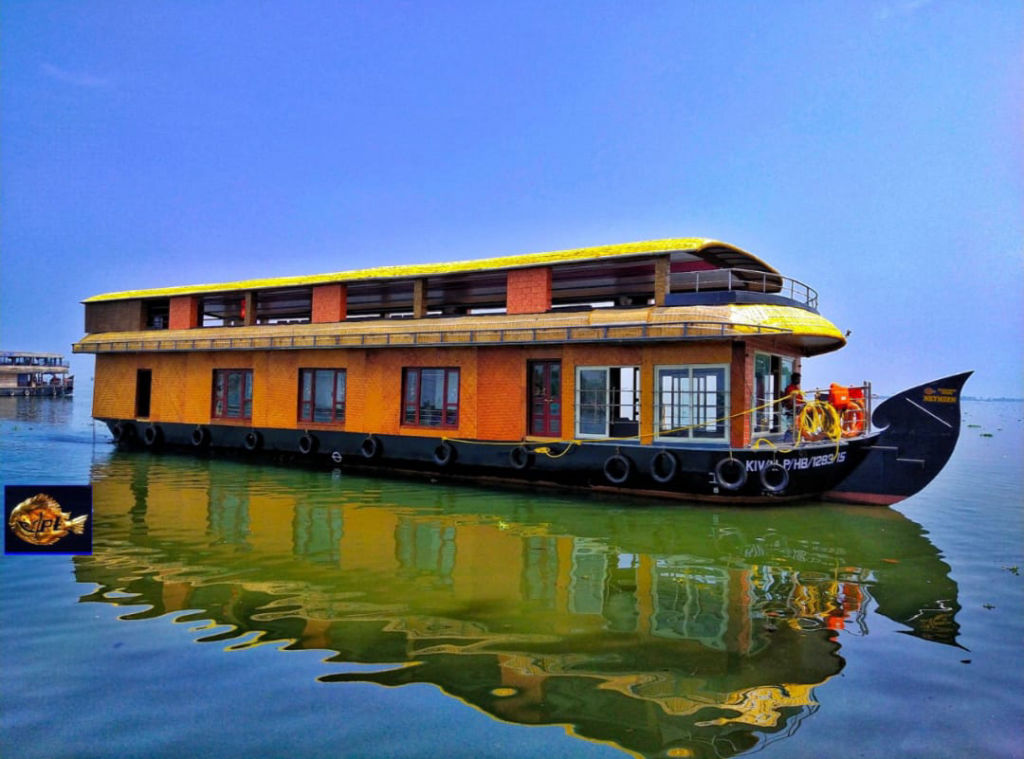
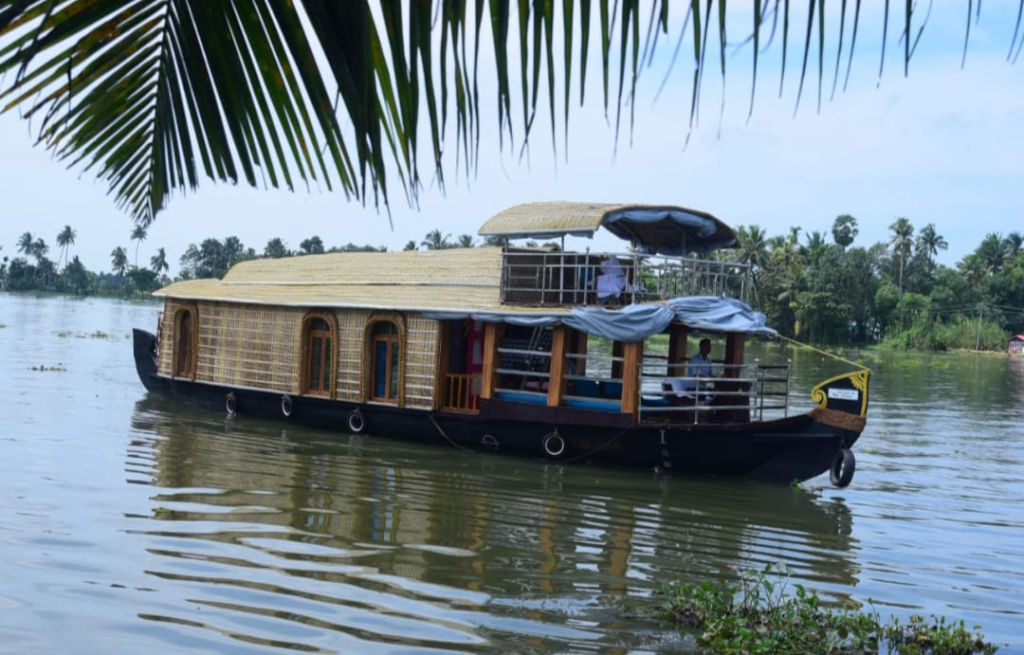
The area around Alappuzha and Ambalapuzha offers a wide variety of accommodation suited to outdoor lovers and cultural travellers alike. Staying near the inland canals allows you to experience peaceful morning village walks and traditional canoe rides, while properties closer to the coast offer ocean breezes and beachside strolls.
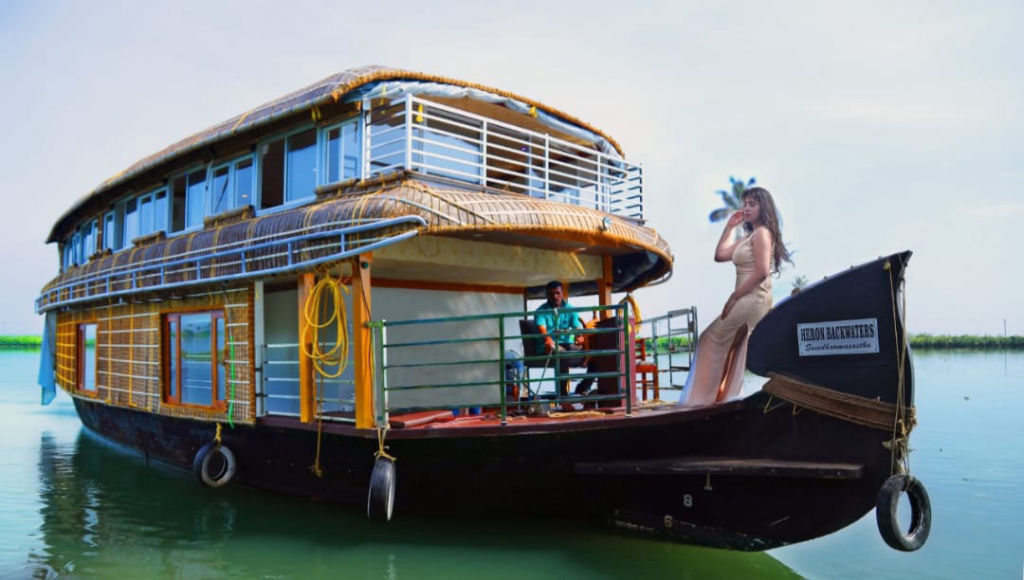
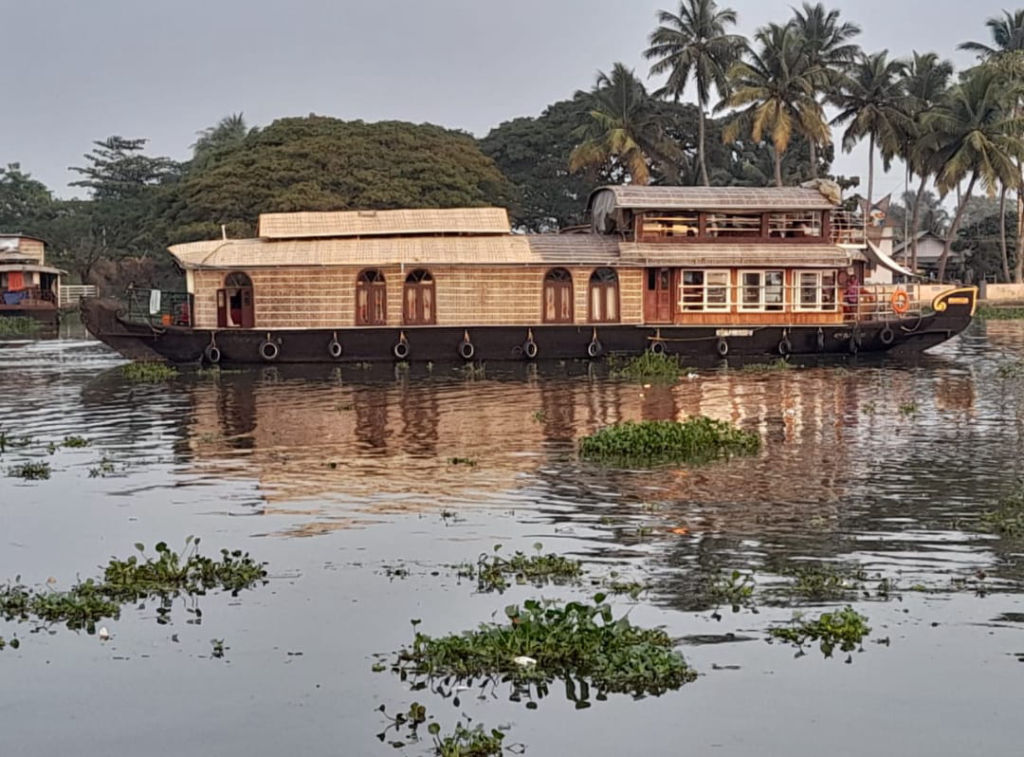
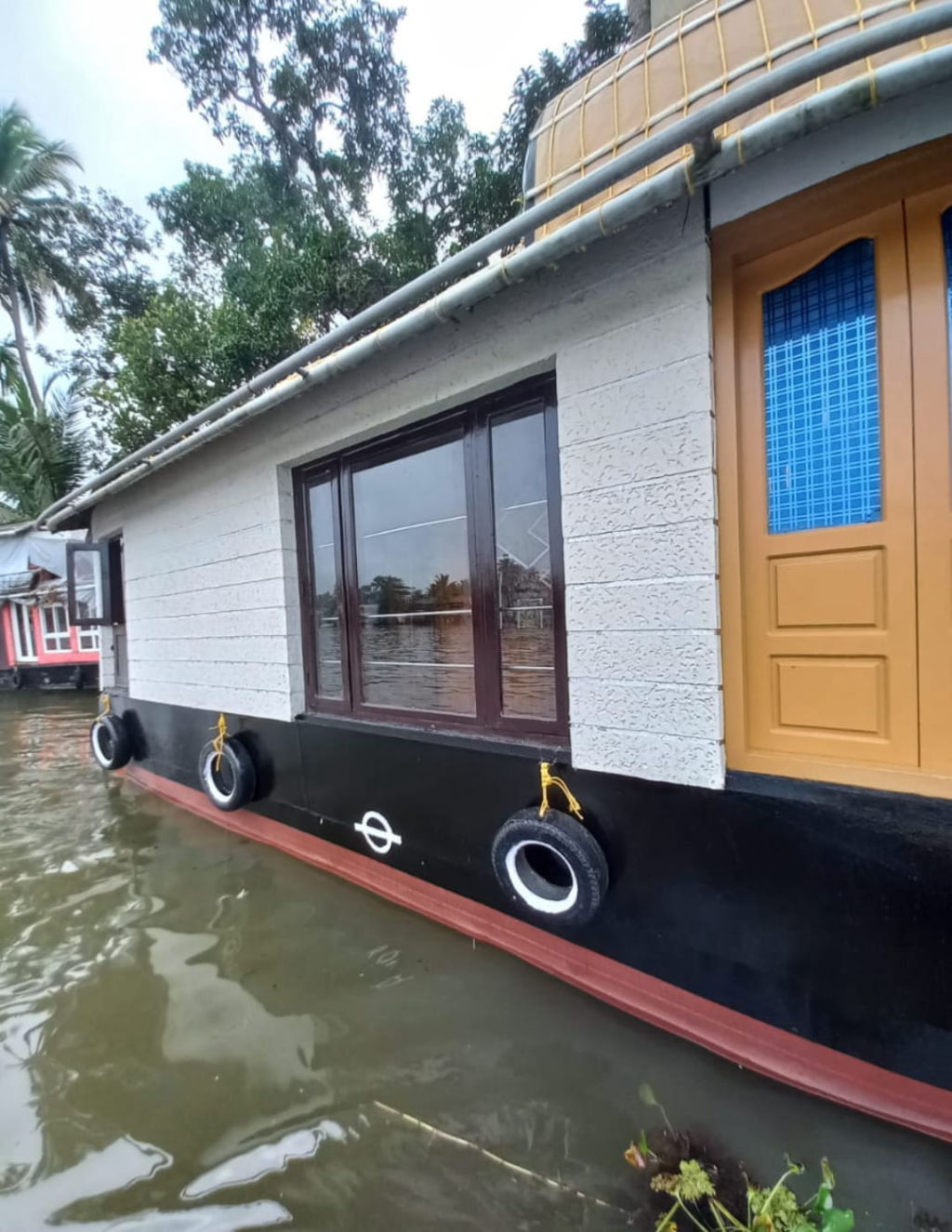
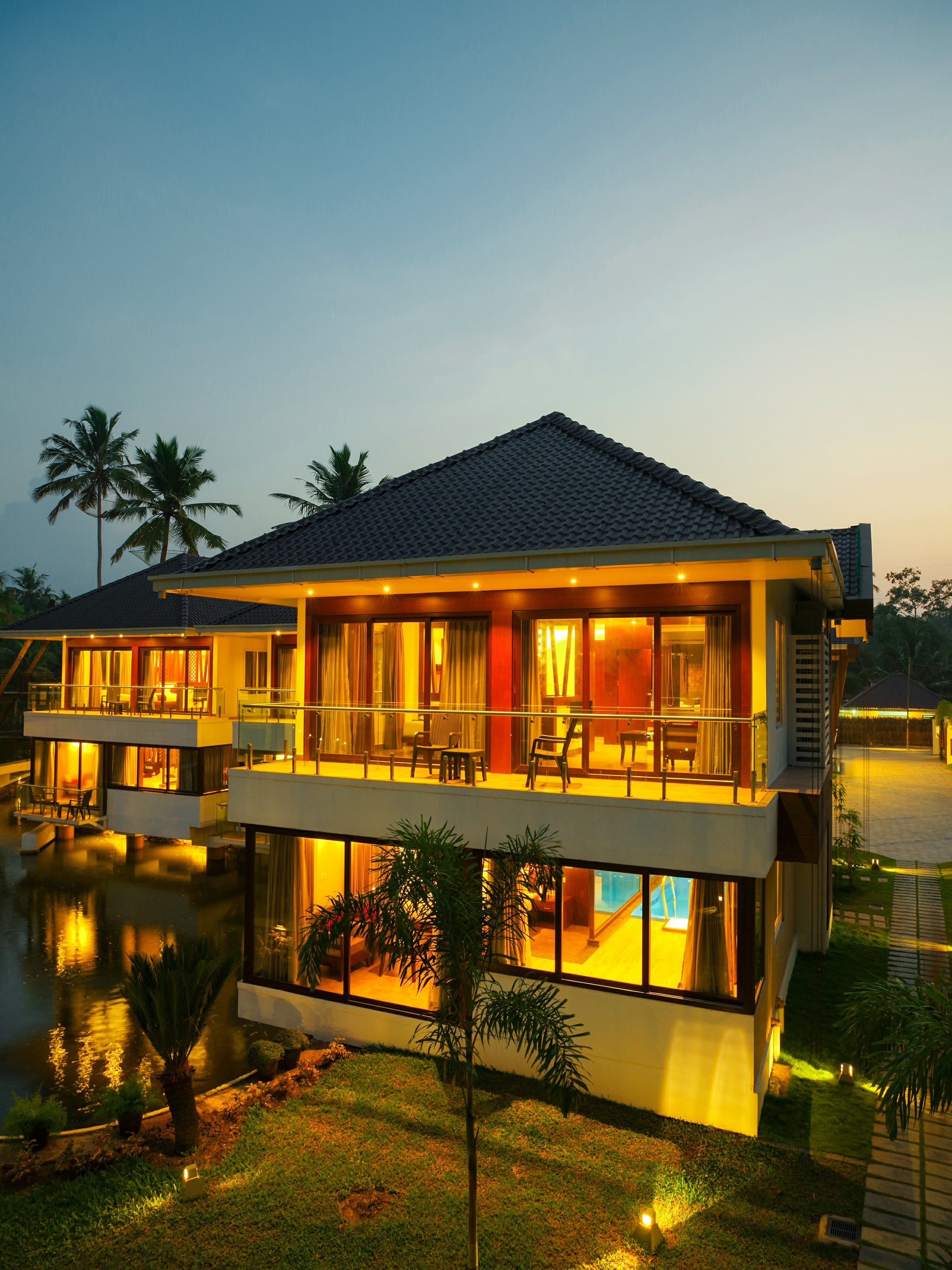
Travellers interested in outdoor stays, traditional homestays, and rustic eco-friendly campsites across the backwater district can find and book options on HireACamp. Opting for a homestay or nature camp along the water gives you a convenient base to explore both the monument at Karumadi and the wider delta landscape at a relaxed pace.
Frequently asked questions
What is Karumadikkuttan famous for?
Karumadikkuttan is famous for being a rare ninth-to-eleventh-century black granite statue of the Buddha, providing valuable archaeological evidence of Kerala's historical Buddhist past.
Why is the Karumadikkuttan statue partially broken?
The statue is missing its left side, which local folklore attributes to an encounter with an elephant or historical conflicts, though its precise cause remains unconfirmed.
How much time is required to visit Karumadikkuttan?
A visit generally takes between fifteen and thirty minutes, making it an easy and convenient stop on a day trip through the Ambalapuzha and Alappuzha area.
Is there an entry fee to see Karumadikkuttan?
There is typically no fee required to view this open protected monument, but visitors should check locally for any current site guidelines upon arrival.
Can Karumadikkuttan be visited during the monsoon season?
Yes, the monument is accessible during the monsoon, though travellers should carry umbrellas and prepare for rain as they explore the surrounding village and canals.
Where you'll be
Ambalapuzha, Alappuzha · 12 stays nearby shown with prices
Stays near Karumadikkuttan
Book a place to stay close by
More places near Karumadikkuttan
Within 20 km


Built from 0 Instagram posts by 0 creators. Every tip links back to the post it came from, and where creators disagree we show both sides.






