
Ambarnath
Destination in Maharashtra
Ambarnath is a historic town located in the Thane district of Maharashtra, set against the eastern fringes of the Mumbai Metropolitan Region. It is widely renowned for its eleventh-century stone temple dedicated to Lord Shiva, which draws history enthusiasts and pilgrims alike. Travellers also visit to enjoy its proximity to the rugged hills, seasonal waterfalls, and hiking routes of the northern Western Ghats.
Getting there
By road
- From Mumbai 1 hr 30 min · 57 km
- From Pune2 hr 50 min · 139 km
- From Nashik3 hr · 141 km
- From Surat6 hr 10 min · 284 km
Typical drive times without traffic. Stations and airports from OLA Maps; distances and typical drive times from OpenStreetMap (© OpenStreetMap contributors); notes from creators' Reels.
About Ambarnath
Written with AI from map data and general knowledge. Check prices and timings locally before you go.
The heritage and history of Ambarnath
Ambarnath holds a distinguished place on Maharashtra's cultural map primarily due to its ancient Shiva temple, built in the eleventh century by rulers of the Shilahara dynasty. Constructed entirely from carved stone in the Bhumija style of architecture, the temple stands out for its fine decorative carvings, geometric rhythm, and elaborate friezes depicting mythological episodes, dancers, and celestial beings. Unlike many contemporary urban monuments, the temple retains its historic integrity and remains an active place of worship.
Local lore traces the origins of the settlement back through medieval times, when it served as a riverbank haven along trade and pilgrimage paths connecting the Konkan coast to the Deccan plateau. The river Vadhavali, locally associated with the shrine, flows through the town and provides a pastoral backdrop to the intricate stone monument. Walking around the precinct gives travellers an appreciation of ancient temple engineering that has survived nearly a millennium of monsoons and regional changes.
Things to do in and around Ambarnath
A visit to Ambarnath usually begins with an unhurried exploration of the Ambarnath Temple complex. Travellers spend time studying the ribbed spire designs, the detailed depictions of deities etched into the external stone niches, and the cool, sunken inner sanctum where the Shivalinga rests below ground level. Photographers and architecture enthusiasts often visit early in the morning when the low sunlight highlights the fine relief work on the basalt walls.
Beyond temple touring, the rural borders of the town invite quiet road trips and cycling. Country lanes branching off towards the nearby countryside pass through open fields, rustic hamlets, and minor seasonal streams. Travellers can also explore the local town markets, which showcase fresh produce from surrounding villages and provide an authentic slice of everyday life outside the immediate Mumbai metropolis.
Read more
Outdoor getaways and day hikes nearby
Ambarnath is an excellent springboard for outdoor exploration across the northern Konkan landscape. The rugged terrain stretching east and south quickly transitions into craggy peaks and plateau country that attract hikers throughout the year. Towering ramparts like Prabalgad Fort and the distinctive rocky pinnacle of Sondai Fort are popular destinations for day treks, offering expansive views over surrounding reservoirs and wooded valleys.
Travellers interested in ridge walks can head towards Garbett Plateau, celebrated for its dramatic cliff edges and sweeping valley vistas. Viewpoints around Kharghar Hills offer accessible elevated walks closer to the urban belt. Towards the northwest, the wilderness of Sanjay Gandhi National Park and the rock-cut Kanheri Caves provide opportunities to combine dense forest trails with centuries-old Buddhist cave architecture. These natural and historical landmarks make it easy to assemble a varied travel itinerary.
Best time to visit Ambarnath
The winter season, extending from November through February, is widely regarded as the most comfortable time to visit Ambarnath. During these months, daytime temperatures remain moderate, humidity is relatively low, and clear skies create ideal conditions for walking tours, temple visits, and day hikes across the nearby hills.
The monsoon season from June to September transforms the surrounding landscape into a verdant countryside. Hillsides turn deep green, temporary waterfalls appear along the foothills, and mist often envelops higher plateaus. While the heavy rains can make outdoor trails muddy and slippery, nature lovers often prefer this time for the lush scenery. Summers between March and May are typically hot and humid, making mid-day sightseeing challenging, though early mornings can still be pleasant.
How to reach Ambarnath
Ambarnath is well connected to Mumbai, Thane, and other regional hubs via both rail and road. For rail travellers, Ambarnath railway station is a key stop on the Central Line of the Mumbai Suburban Railway network, with frequent local trains running directly from Chhatrapati Shivaji Maharaj Terminus, Dadar, Thane, and Kalyan.
By road, the town is linked via state highways and arterial routes connecting Kalyan, Badlapur, and Navi Mumbai. Private taxis, auto-rickshaws, and regional buses operate regularly from neighbouring towns. The nearest major airport is Chhatrapati Shivaji Maharaj International Airport in Mumbai, from where travellers can reach Ambarnath by suburban train, booked cab, or private vehicle.
Where to stay near Ambarnath
Ambarnath offers basic accommodation and modest hotels suitable for short business trips or brief stopovers. However, travellers looking for relaxed weekend escapes, rural peace, or immersive outdoor experiences often prefer lodging in the greener outskirts and nearby foothill hamlets.
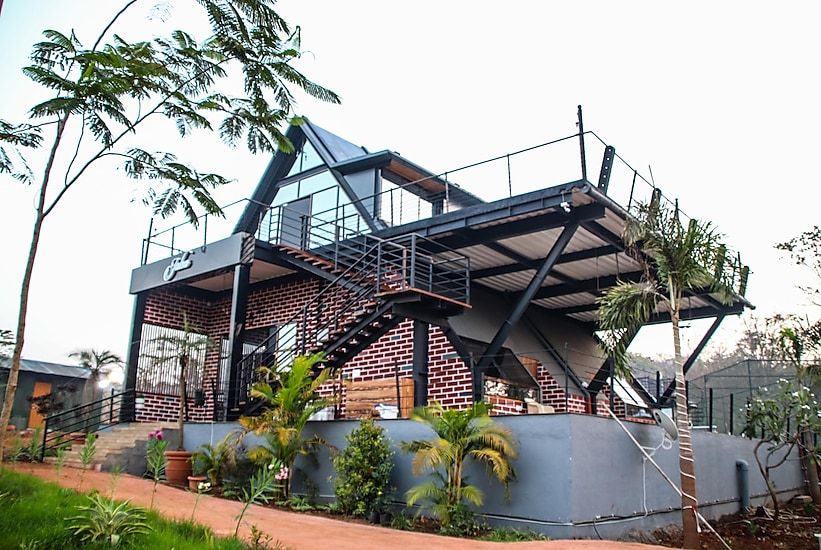
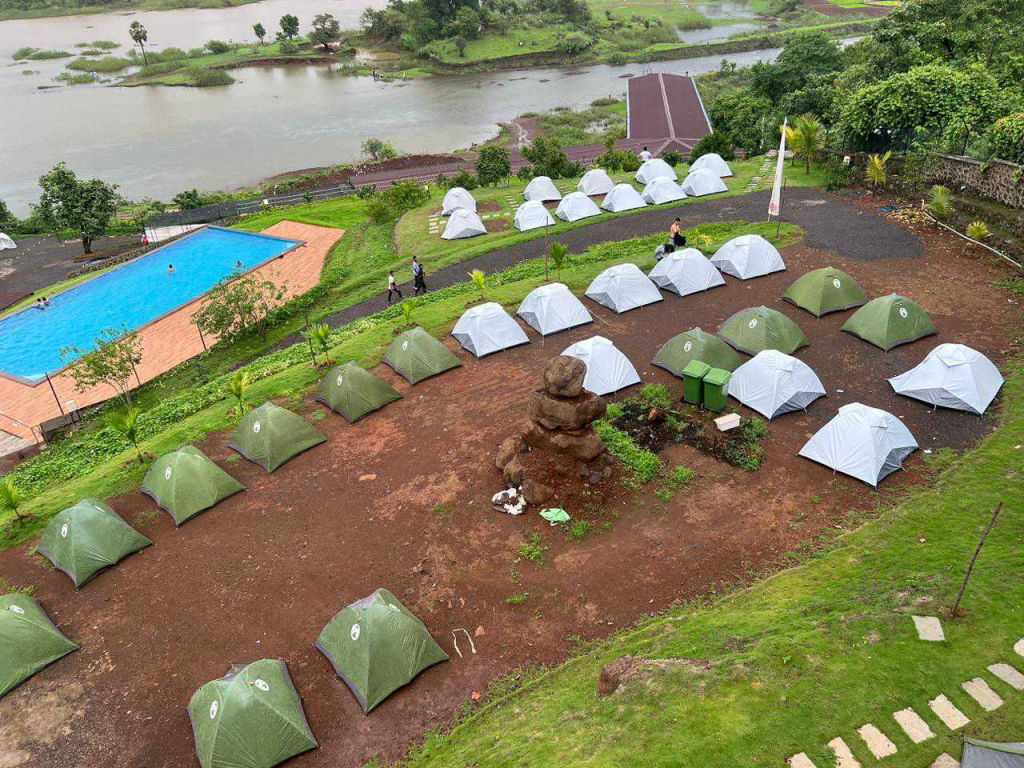
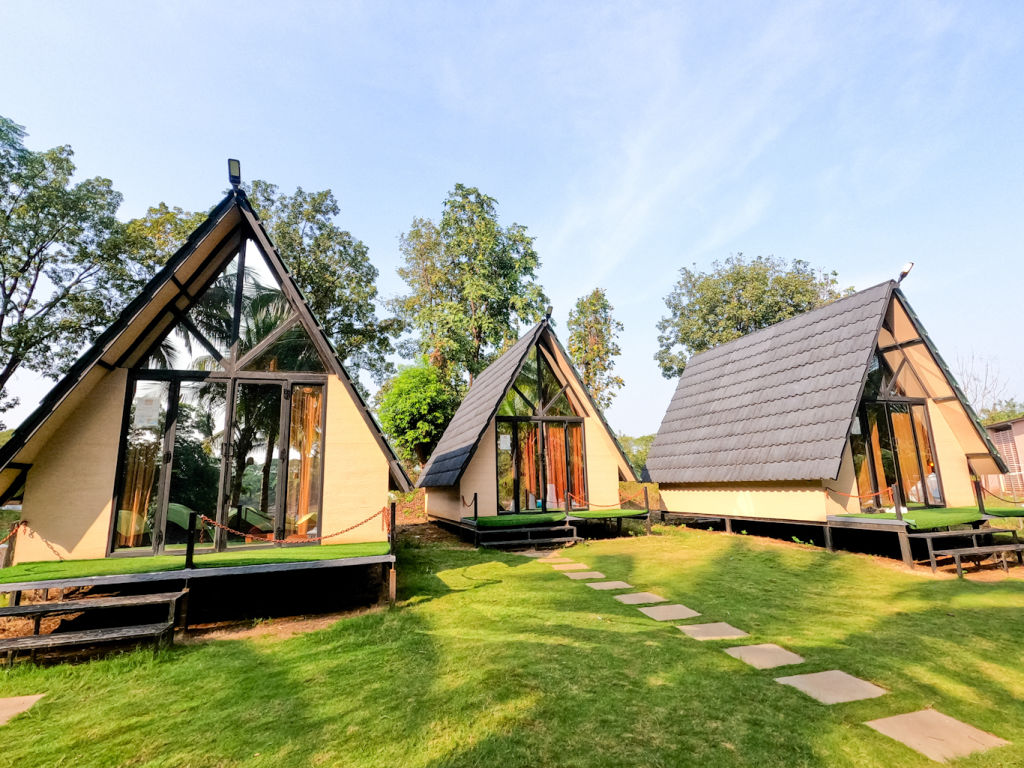
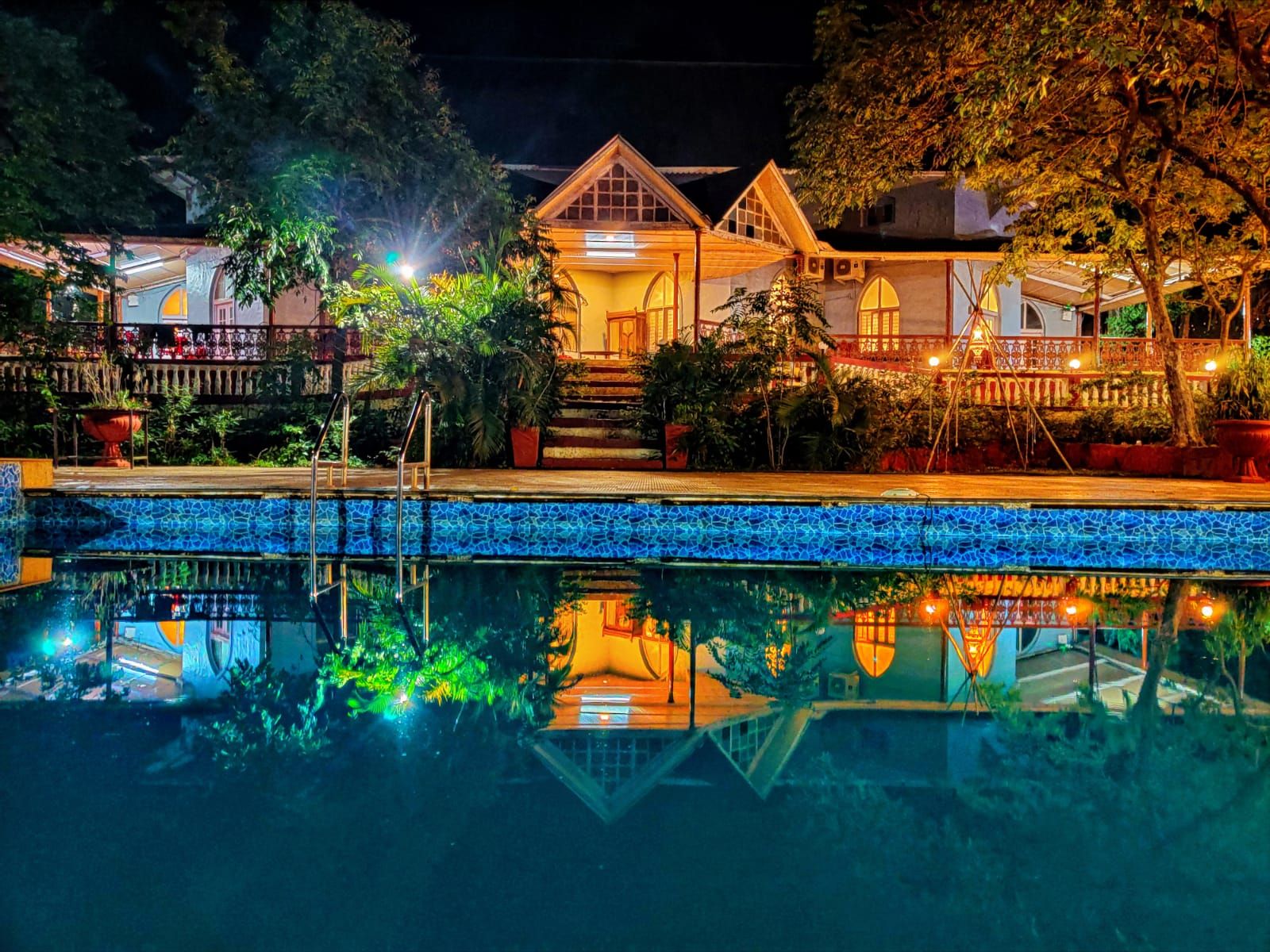
A variety of experiential stays, including riverside campsites, farm cottages, and nature homestays located within easy driving distance of Ambarnath, can be found on HireACamp. Staying just outside the main town allows visitors to wake up to birdsong and mountain views while keeping the historical highlights of Ambarnath within easy reach.
Frequently asked questions
What is Ambarnath best known for?
Ambarnath is best known for its historic eleventh-century stone temple dedicated to Lord Shiva, renowned for its intricate Bhumija-style carvings, as well as its proximity to trekking routes in the Sahyadri foothills.
Can Ambarnath be visited as a day trip from Mumbai?
Yes, Ambarnath is conveniently located along the Central suburban railway line, making it very accessible for a half-day or full-day trip from Mumbai and Thane.
What are the top trekking destinations near Ambarnath?
Popular hikes within reach of Ambarnath include trails leading to Prabalgad Fort, Sondai Fort, Garbett Plateau, and paths winding through the outskirts of Sanjay Gandhi National Park.
Is the Ambarnath Temple open all year round?
Yes, the temple is an active place of worship and welcomes visitors throughout the year, with especially large gatherings occurring during the festival of Mahashivratri.
Where you'll be
7 stays nearby shown with prices
Stays near Ambarnath
Book a place to stay close by

Things to do in Ambarnath
46 places creators recommend within 30 km


Lists for this area
Ranked by how many creators recommend each place


Built from 0 Instagram posts by 0 creators. Every tip links back to the post it came from, and where creators disagree we show both sides.






