
Ancestral Goa - Big Foot
Museum near Loutolim, Goa
500 m from Loutolim
The nearest town, for stays, food and fuel.
Ancestral Goa - Big Foot is an open-air cultural museum located in the historic village of Loutolim in South Goa. Designed to recreate traditional rural Goan life, the site showcases life-sized dioramas, heritage arts, and an iconic laterite sculpture. Travellers and families visit to learn about Goa's folk history, rural occupations, and indigenous architecture beyond the state's beaches.
Getting there
By road
- From LoutolimNearest town2 min · 800 m
- From Pune9 hr 25 min · 460 km
Typical drive times without traffic. Stations and airports from OLA Maps; distances and typical drive times from OpenStreetMap (© OpenStreetMap contributors); notes from creators' Reels.
About Ancestral Goa - Big Foot
Written with AI from map data and general knowledge. Check prices and timings locally before you go.
Understanding Ancestral Goa - Big Foot
Ancestral Goa, widely known as Big Foot, is an outdoor living museum spread across the verdant hillsides of Loutolim village in South Goa. The museum was conceived as a tribute to rural Goan history, offering visitors a glimpse into what village life was like across the region before modern urbanization. Set amidst dense trees and natural rock formations, the complex depicts century-old Goan customs, craftsmanship, and community structures in a tangible, walk-through setting.
Unlike conventional museums housed entirely within closed galleries, Ancestral Goa invites visitors along winding paved trails that lead past life-sized dioramas. Each setup illustrates an aspect of traditional village life, depicting traditional homes, community meeting spots, and indigenous trade practices. It offers an engaging educational experience, appealing especially to families, culture enthusiasts, and travellers keen on understanding the blended Indo-Portuguese history that defines the Goan hinterland.
Major exhibits and the Big Foot legend
The centrepiece of the complex is the legendary footprint embedded in rock, which gives the attraction its colloquial name, Big Foot. According to local folklore, a pious man named Mahandar possessed extraordinary benevolence and helped anyone in need. When he passed away, his footprint remained impressed upon the rock, and village lore holds that anyone who stands on the footprint with a pure heart receives blessings of luck. Visitors can view this rock carving and read the stories associated with it.
Another prominent feature of Ancestral Goa is the colossal laterite sculpture of Sant Mirabai playing the tambura, carved into the natural rock face by artist and founder Maendra Alvares. The sculpture has received national recognition for its scale and craftsmanship. Alongside this monolithic artwork, the trails display models of ancient occupations including traditional feni brewing using copper pots, blacksmithing, pottery, salt farming, and fishing. The walk also includes botanical displays featuring indigenous spice plants, medicinal herbs, and coastal fruit trees.
Read more
Best time to visit Ancestral Goa
The most comfortable period to visit Ancestral Goa is during the winter months, from November to February. During this time, Goa experiences pleasant daytime temperatures and cool breezes, making outdoor walking between the shaded exhibits comfortable. The clear skies during these months also make it easy to combine the museum with visits to nearby churches, bakeries, and heritage homes without dealing with intense midday heat.
The monsoon season between June and September brings heavy rainfall and high humidity to South Goa. While the village of Loutolim turns exceptionally lush and green during these months, walking along open garden pathways can require an umbrella or raincoat. The summer months from March to May can be quite hot and muggy, so those visiting Ancestral Goa at this time should plan their visit for the early morning or late afternoon to avoid the midday sun.
How to reach Ancestral Goa - Big Foot
Ancestral Goa is located in the peaceful village of Loutolim in the Salcete taluka of South Goa. The museum sits roughly midway between the commercial hub of Margao and the town of Borim. Travellers arriving by train at Madgaon Junction railway station can easily hire a taxi, rent a scooter, or board a regional bus heading towards Loutolim or Ponda. The drive from Margao takes approximately twenty to thirty minutes depending on local traffic conditions.
Those travelling from North Goa or the state capital of Panaji can drive south along the main highway via Cortalim and Borim or via Margao. State-run buses and private shuttles frequently run between Panaji and Margao, where connecting local buses reach Loutolim. Taxis and app-based regional cabs are widely available across Goa to take you directly to the museum gates. Roads leading into Loutolim are paved and wind through scenic countryside lined with traditional village homes and fields.
Places to visit around Loutolim
The village of Loutolim is known for its well-preserved Portuguese-era mansions, lush waterways, and quiet rural lanes. Just a short walk down the lane from Ancestral Goa is Jila Bakery, an unassuming village bakery famous throughout Goa for its fresh pastries, geneva pastries, and traditional baked treats. Wandering through Loutolim's village squares also allows you to see the striking facade of local village churches and sprawling ancestral estates set among coconut groves.
Further along the nearby Zuari river valley lies the historic settlement of Rachol, located approximately four kilometres away. Here you can explore the Rachol Seminary, an imposing sixteenth-century theological institute, alongside the remnants of the historic Rachol Fort Gate and the Our Lady of Snows Church. Crossing toward the nearby town of Borim and the temple belt of Ponda opens up visits to historic spiritual complexes, including Shree Navdurga Devasthan, Kamakshi Temple, Mahalsa Narayani Temple, and the revered Shri Gaudapadacharya Kavale Math.
Tips for your visit to the museum
Since Ancestral Goa is primarily an open-air walking tour through garden pathways, wearing comfortable walking shoes is essential. The pathway includes natural slopes, steps, and uneven stone paving that can be slippery during the monsoon months. Carrying a bottle of drinking water and wearing a wide-brimmed hat or sunglasses will help you stay comfortable during sunny afternoons.
Set aside at least an hour to an hour and a half to fully appreciate the detailed dioramas, informational boards, and artisan workshops inside the complex. Handcrafted local souvenirs, traditional terracotta items, and books on Goan folklore are often available within the cultural centre. Photography is generally permitted along the walkways, offering good opportunities to capture the folk displays and lush foliage, but check the posted guidelines on entry regarding camera usage and video recording.
Where to stay near Loutolim
Staying in or around Loutolim gives travellers a peaceful alternative to Goa's crowded coastal strips. The countryside in Salcete and along the banks of the Zuari river features quiet villages, historic villas, and riverside landscapes that reflect a slower, traditional pace of life. It makes an excellent base if you want to explore heritage monuments, inland spice plantations, and centuries-old temples at your own pace.
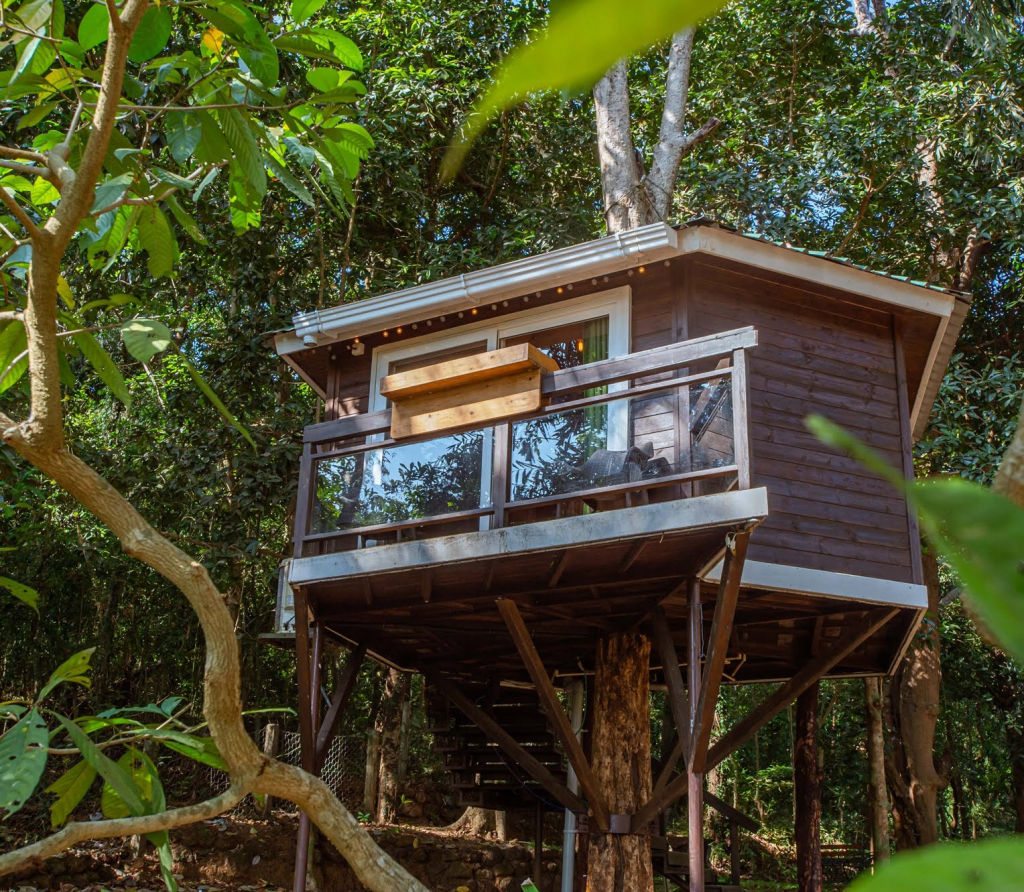
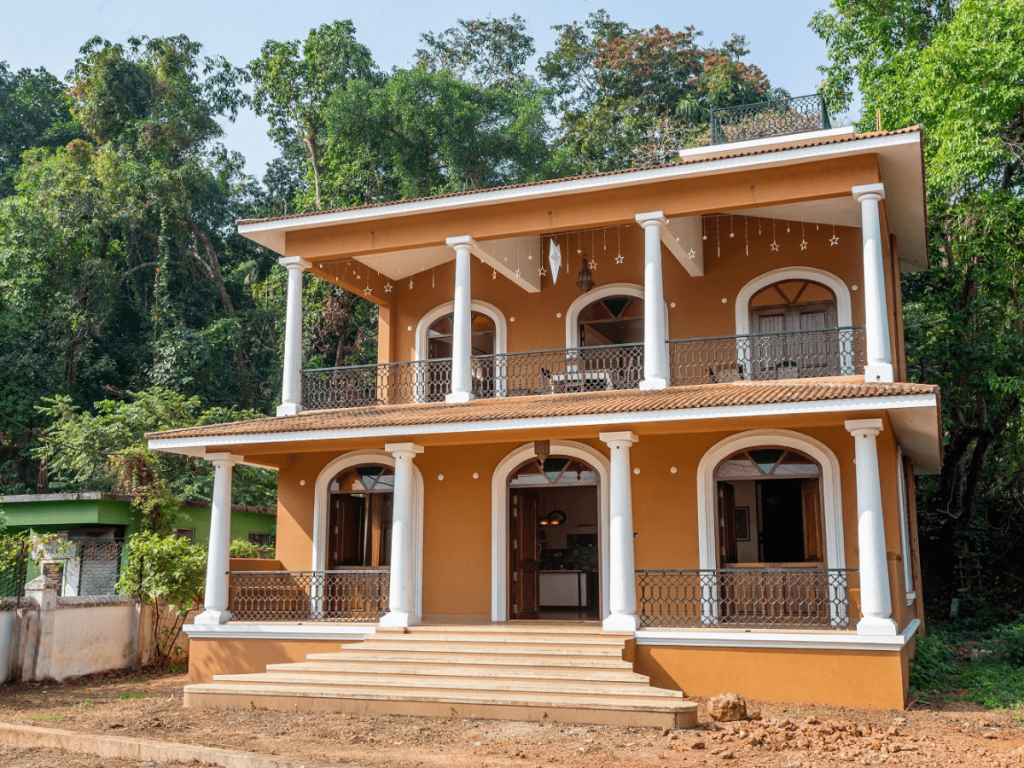
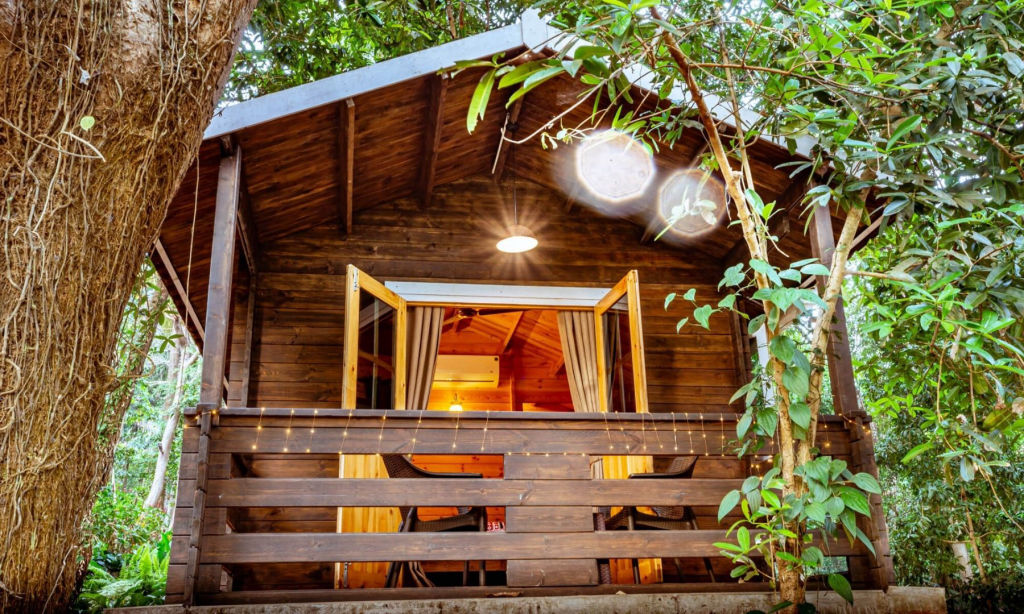
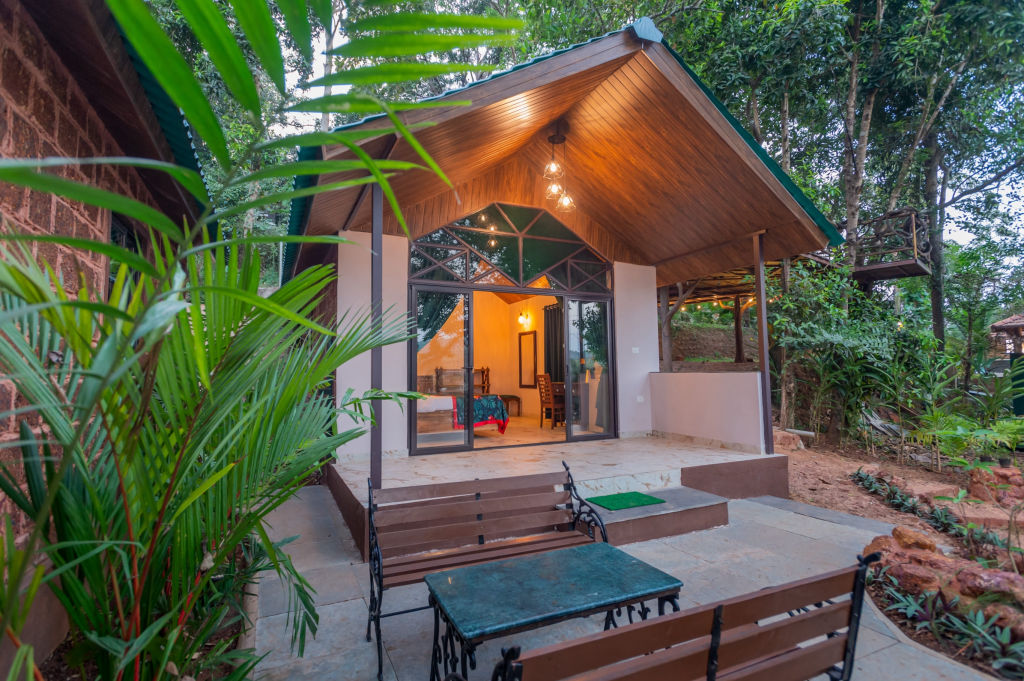
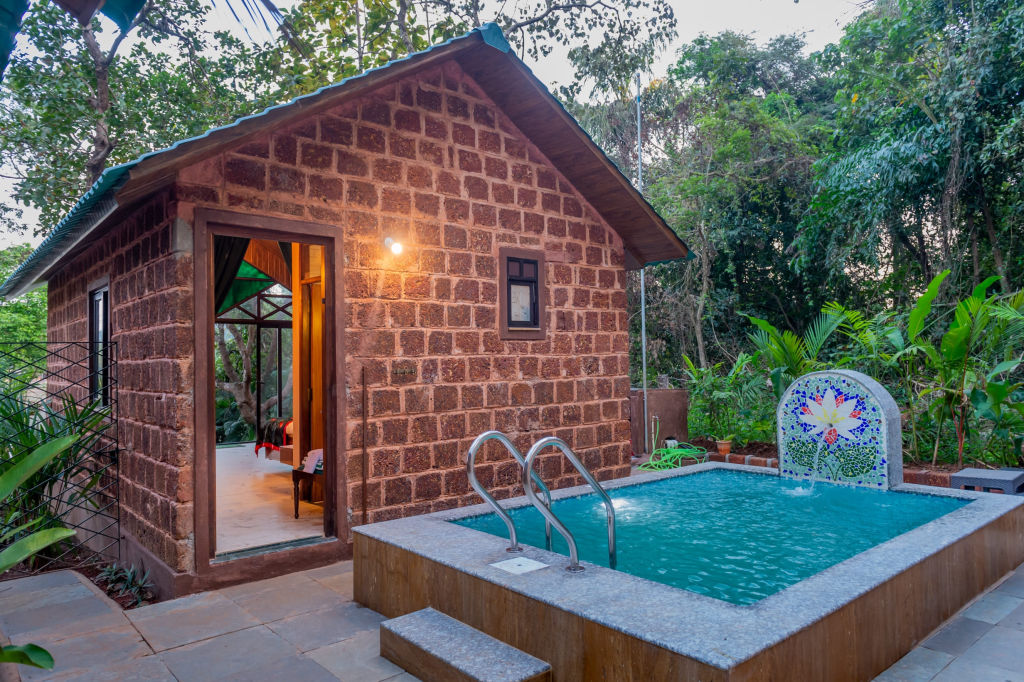
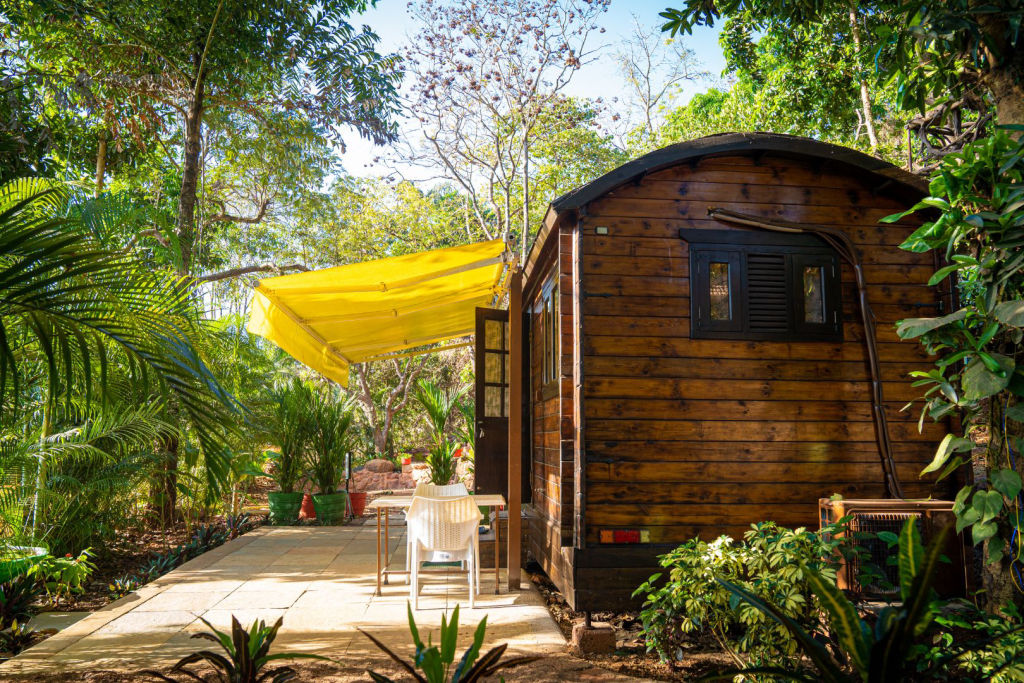
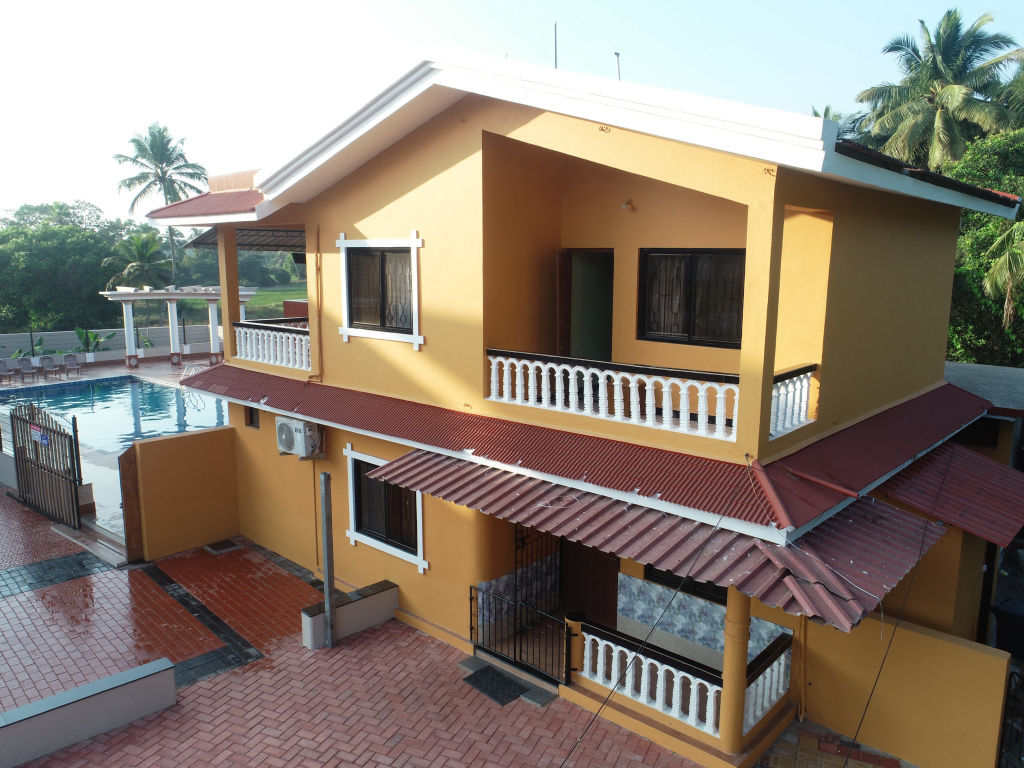
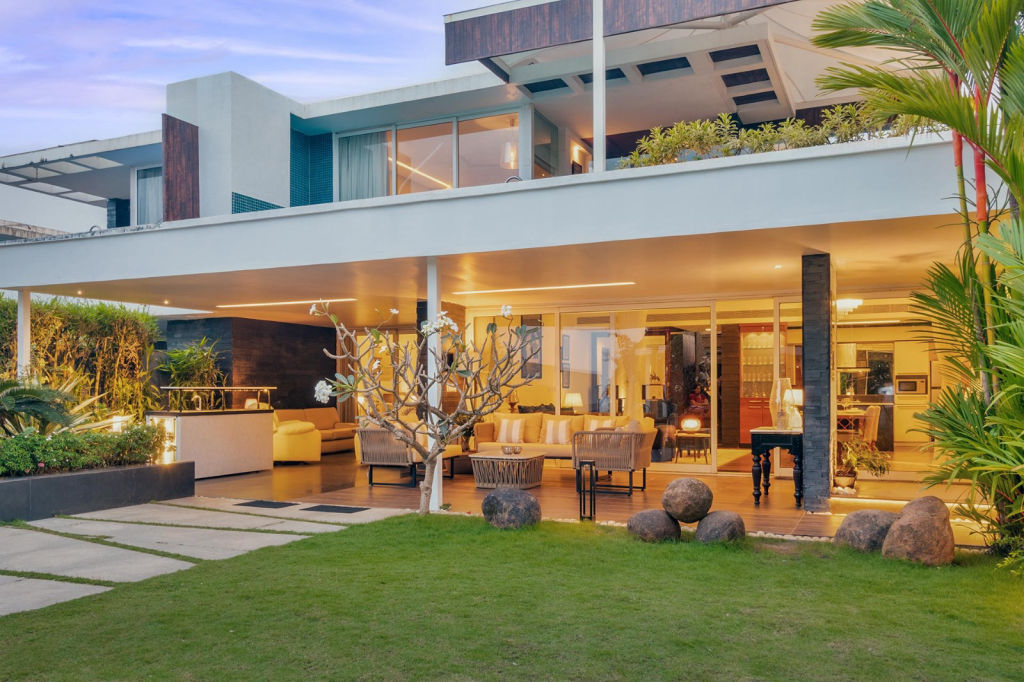
You can discover independent homestays, nature retreats, and eco-friendly campsites in South Goa through HireACamp. Booking a homestay in the surrounding countryside lets you wake up to birdsong and enjoy authentic regional cuisine cooked with fresh local produce. Whether you are looking for a rustic cottage under canopy trees or a campsite tucked away from tourist traffic, HireACamp provides verified accommodation options suited for nature and culture enthusiasts.
Frequently asked questions
What is Ancestral Goa - Big Foot known for?
Ancestral Goa is known for its open-air recreated traditional village depicting rural Goan life, the mythic Big Foot rock imprint, and the large laterite sculpture of Sant Mirabai.
Where is Ancestral Goa located?
It is situated in Loutolim village in the Salcete taluka of South Goa, close to Borim and approximately ten kilometres from Margao.
How long does a visit to Ancestral Goa take?
Most visitors spend between one and two hours walking through the themed exhibits, sculpture courtyards, and artisan displays.
Is Ancestral Goa suitable for children and families?
Yes, the museum is very family-friendly, offering life-sized dioramas, folklore exhibits, and outdoor nature paths that engage visitors of all ages.
What other attractions are near Ancestral Goa in Loutolim?
Nearby attractions include the historic Rachol Seminary, Rachol Fort Gate, Our Lady of Snows Church, and heritage temples such as Shree Navdurga Devasthan and Kamakshi Temple.
Where you'll be
Loutolim, Salcete · 12 stays nearby shown with prices
Stays near Ancestral Goa - Big Foot
Book a place to stay close by
More places near Ancestral Goa - Big Foot
Within 20 km
Built from 0 Instagram posts by 0 creators. Every tip links back to the post it came from, and where creators disagree we show both sides.






