
Mahalsa Narayani Temple
Temple near Borim, Goa
1.9 km from Borim
The nearest town, for stays, food and fuel.
Mahalsa Narayani Temple is a revered Hindu shrine located in Mardol, near the inland town of Ponda in central Goa. Dedicated to the goddess Mahalsa, an incarnation of Mohini or Vishnu, the temple attracts both devotees and heritage lovers for its spiritual atmosphere and centuries-old Goan architectural style. Visitors come to admire its peaceful courtyards, towering lamp pillars, and richly carved wooden interiors.
Getting there
By road
- From BorimNearest town5 min · 3.1 km
- From Pune9 hr 30 min · 461 km
Typical drive times without traffic. Stations and airports from OLA Maps; distances and typical drive times from OpenStreetMap (© OpenStreetMap contributors); notes from creators' Reels.
About Mahalsa Narayani Temple
Written with AI from map data and general knowledge. Check prices and timings locally before you go.
About Mahalsa Narayani Temple
Mahalsa Narayani Temple is one of the most culturally significant temples in Goa. The temple is dedicated to Goddess Mahalsa, who is worshipped as the female avatar Mohini assumed by Lord Vishnu. While primarily associated with Vaishnavite tradition, she is revered as an all-powerful mother deity across Goa, Maharashtra, and coastal Karnataka.
The temple's roots trace back to the island of Salcete in southern Goa, where the original shrine stood for centuries. During the religious shifts and temple demolitions of the sixteenth century under Portuguese rule, devotees secretly relocated the sacred idol across the river Zuari into the territory controlled by the Adil Shahi rulers of Bijapur. The deity was consecrated in its current location in Mardol, a lush and quiet hamlet nestled in the foothills of Ponda. Today, the complex serves as a proud reminder of the community's resilience and dedication to preserving their cultural heritage.
Architecture and highlights of the temple
The architecture of Mahalsa Narayani Temple reflects the distinct synthesis of traditional Hindu temple styles and Goan regional craftsmanship. Unlike the stone-heavy temples found in classical South Indian traditions, Goan temples like this one feature pitched tile roofs, spacious courtyards, and whitewashed outer walls designed to withstand the heavy monsoon rains of the Western Ghats.
One of the most striking exterior features is the grand multi-tiered lamp pillar, known locally as the deepastambha. Standing proud in the temple courtyard, this impressive brass structure rises several stories high and is illuminated by hundreds of small oil wicks on major festive occasions. The temple grounds also feature a sacred water tank and a massive brass bell suspended inside the main entrance hallway, historically rung during prayers.
Inside the main hall, visitors are treated to an exceptional display of traditional Goan woodwork. The wooden pillars and ceilings are covered with intricate relief carvings depicting scenes from Hindu epics, floral motifs, and representations of various incarnations of Lord Vishnu. The sanctum sanctorum houses the idol of the goddess, traditionally depicted with four hands holding divine implements, radiating serenity and power.
Read more
Best time to visit Mahalsa Narayani Temple
The ideal time to visit the temple is between November and February, when Goa experiences pleasant, cooler winter weather. During these months, daytime temperatures are comfortable, making it easy to walk around the open courtyards and explore the surrounding village on foot without excessive heat.
The monsoon months between June and September offer a distinct, atmospheric experience. The countryside around Ponda turns emerald green, streams swell with fresh rainwater, and the temple courtyards take on a quiet, reflective mood. However, heavy rains can make road travel slower, so visitors should plan accordingly.
If you want to experience the temple at its most vibrant, consider visiting during major annual celebrations such as the temple zatra, which takes place during the winter season, or during the festival of Navratri. During these times, the temple comes alive with classical music, traditional rituals, illuminated lamp pillars, and palanquin processions that wind through the village.
How to reach Mahalsa Narayani Temple
Mahalsa Narayani Temple is situated in Mardol along the main highway route connecting Ponda to Panaji. Its central location makes it convenient to reach from almost any major hub in Goa. Ponda is the nearest major town and serves as the transit point for the region.
If you are travelling from Panaji or Margao, the temple is an easy road journey by car, taxi, or self-driven vehicle. Local state transport buses frequently ply the highway between Panaji and Ponda and stop directly near the temple junction in Mardol. From the bus stop, the temple entrance is only a brief stroll away.
Travellers arriving by train can disembark at Karmali or Margao railway stations and hire a private taxi or take a bus inland. Those coming from the airport can arrange a private taxi transfer directly to Mardol or rent a car for independent exploration of the region.
Things to see and do nearby
Ponda is widely known as the cultural capital and temple heartland of Goa, making it an excellent base for a broader heritage itinerary. Within a short drive from Mardol, you can visit other prominent temples that share similar migration histories, including the revered Mangueshi Temple and the Shanta Durga Temple complex.
Nature lovers and outdoor enthusiasts have plenty of options nearby. The surrounding countryside is dotted with traditional spice plantations where visitors can walk through groves of pepper, vanilla, betel nut, and nutmeg while learning about tropical agriculture. A short drive away lies the Butterfly Conservatory of Goa, an eco-restoration project dedicated to conserving indigenous butterflies in a natural forest setting.
Further east towards the foothills of the Western Ghats is the Bondla Wildlife Sanctuary. Bondla is a compact sanctuary set amidst moist deciduous forests, home to varied birdlife, deer, and walking trails that offer a refreshing contrast to the coastal scenes of North and South Goa.
Tips for your visit
As with most active places of worship in Goa, modest clothing is expected. Visitors should ensure their shoulders and knees are covered before entering the temple compound. Footwear must be removed at the designated counters outside the inner hall before stepping onto the tiled pavilion.
Photography is typically restricted inside the inner sanctum to maintain the sanctity of the shrine and respect the privacy of worshippers. You are generally welcome to photograph the exterior architecture and courtyard, but it is always wise to look for local signs or ask the temple staff before pulling out a camera.
Visiting during the early morning or late afternoon hours allows you to escape the midday heat and witness traditional prayer rituals accompanied by drums and cymbals. Carry drinking water and wear slip-on footwear for convenience.
Where to stay
Staying inland near Ponda offers a peaceful, authentic perspective of Goa away from the crowded beach strips. The area is characterized by tranquil village landscapes, forested riverbanks, and historic homesteads.
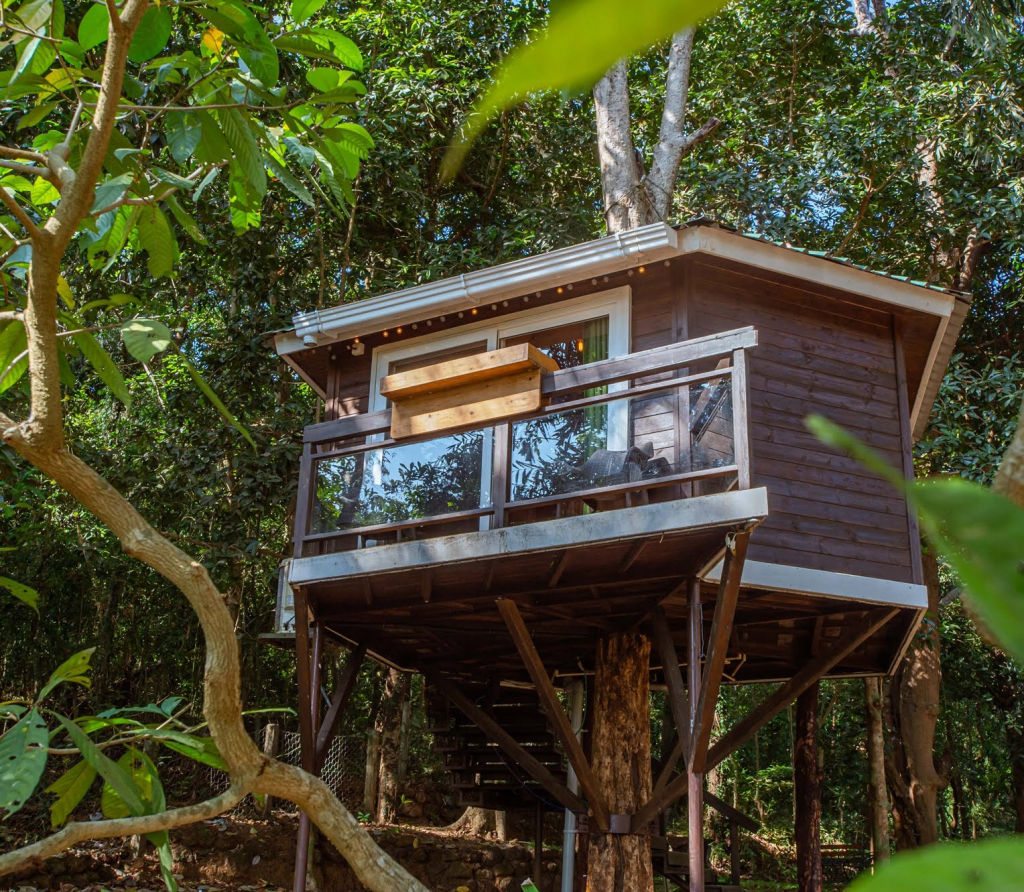
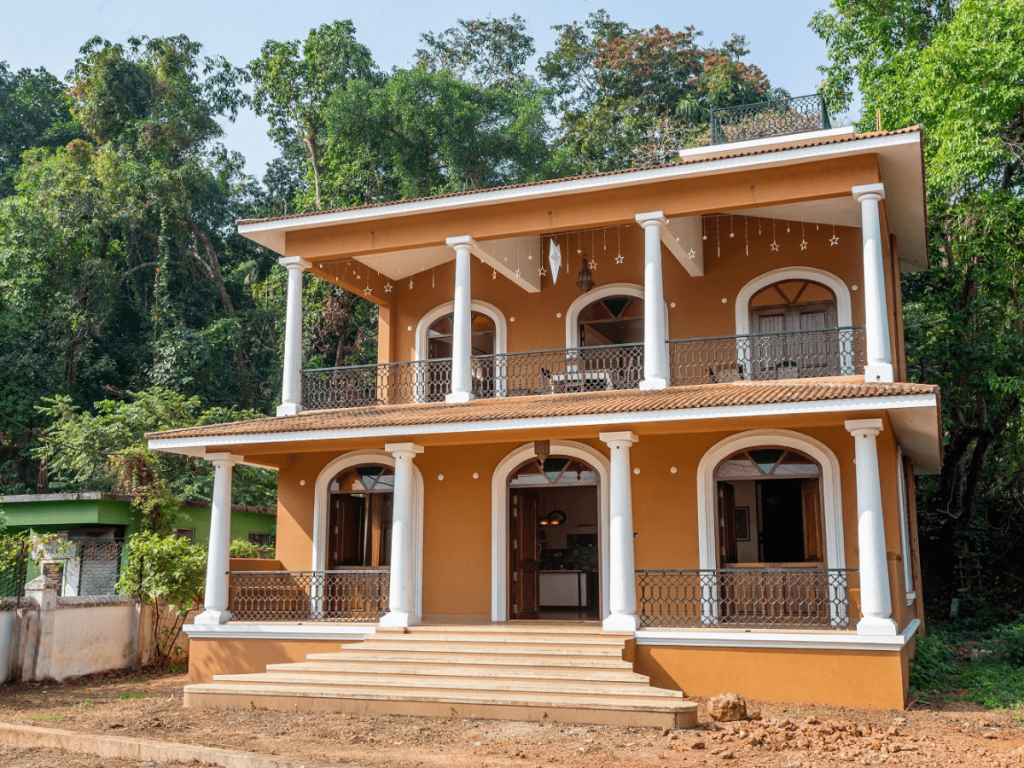
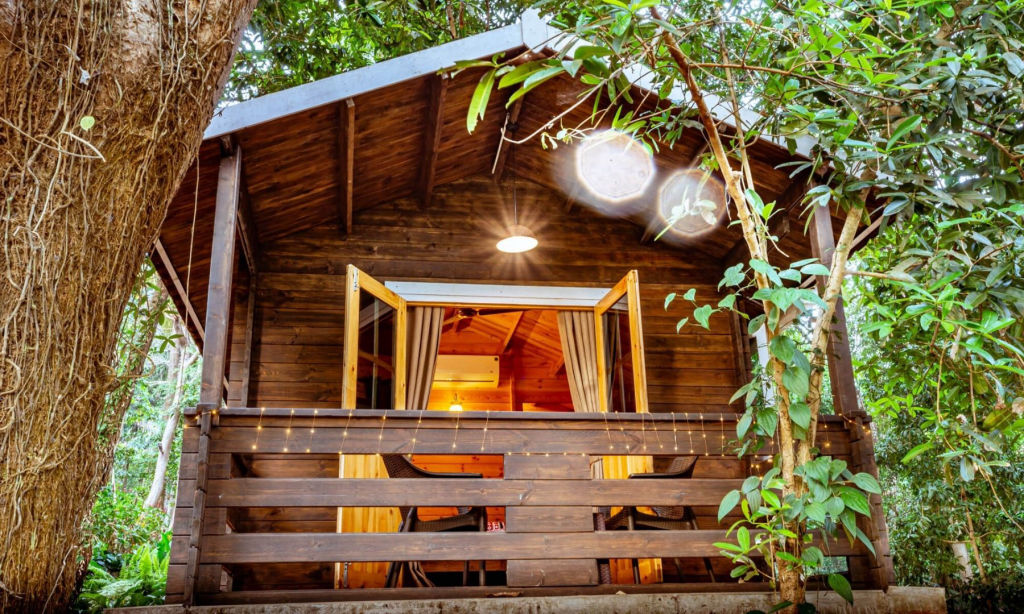
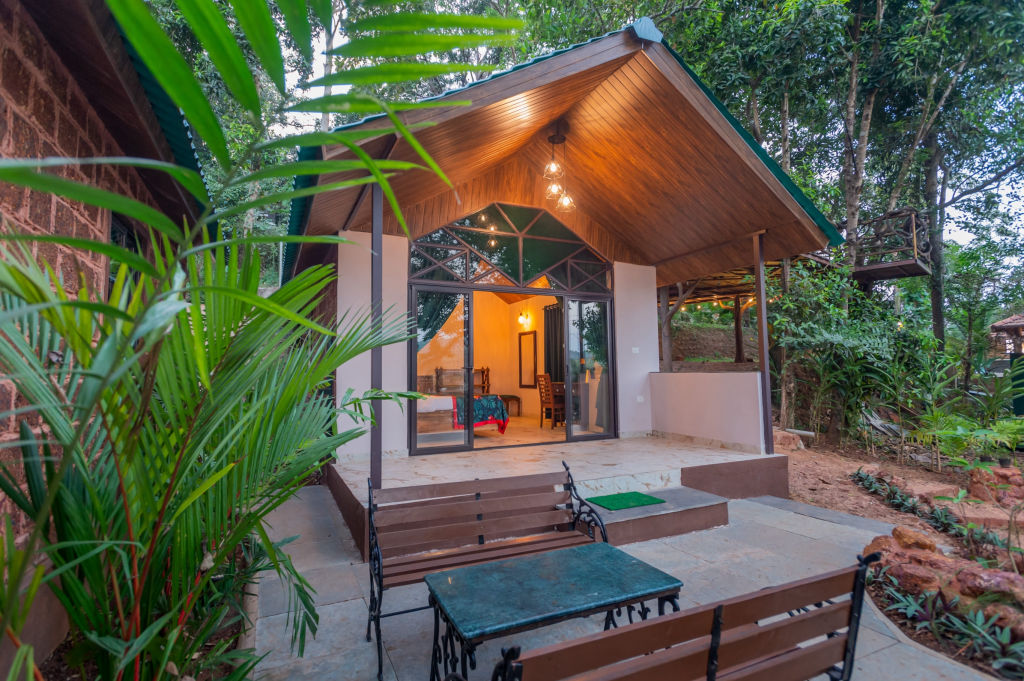
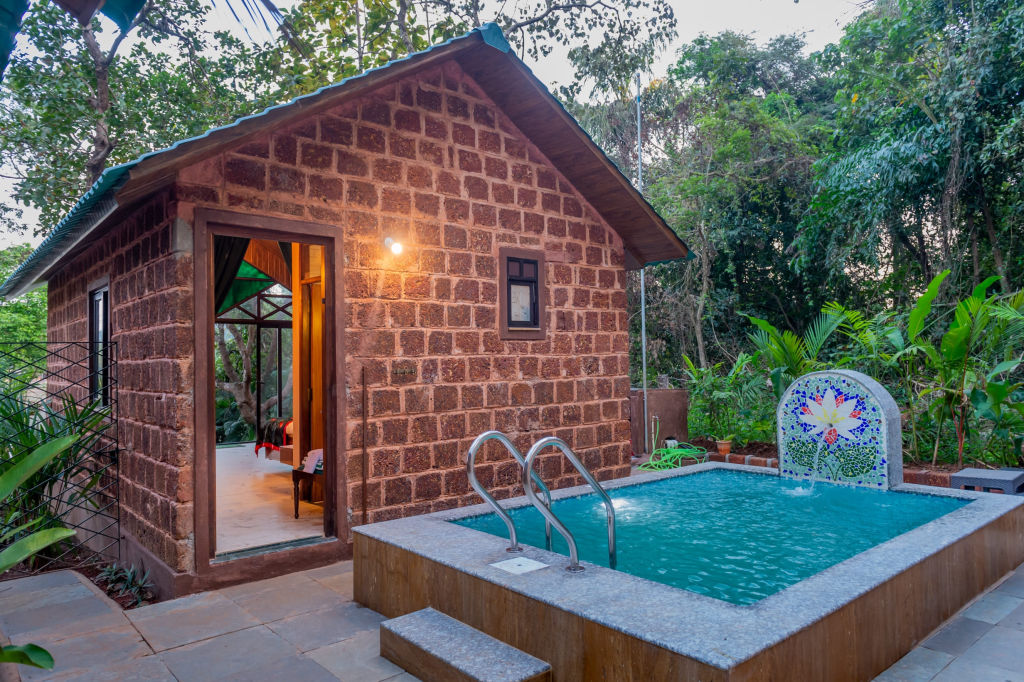
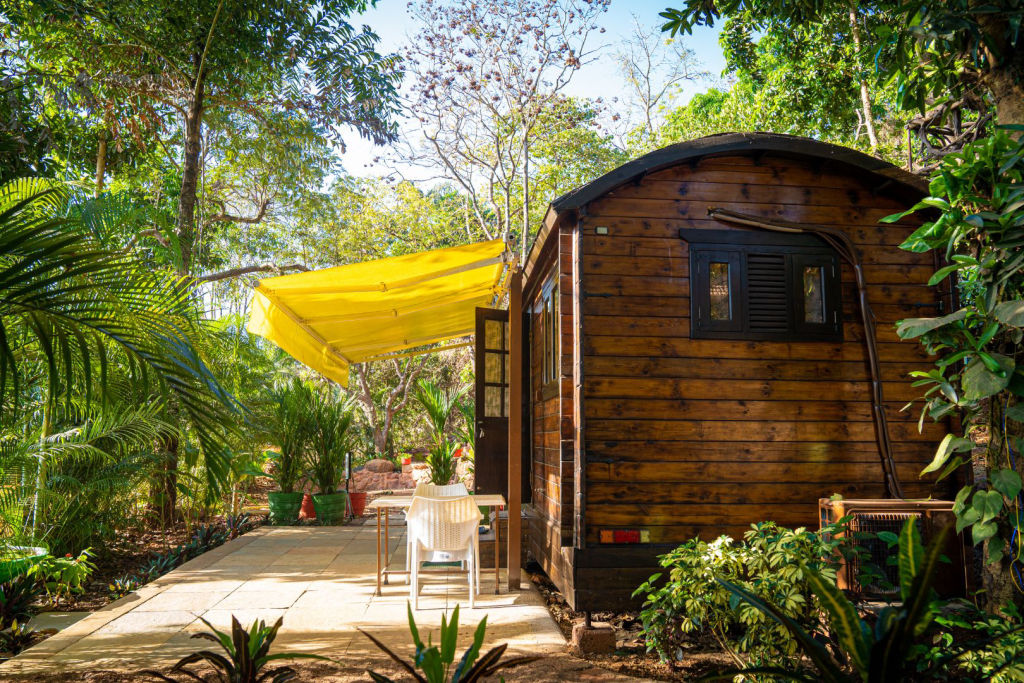
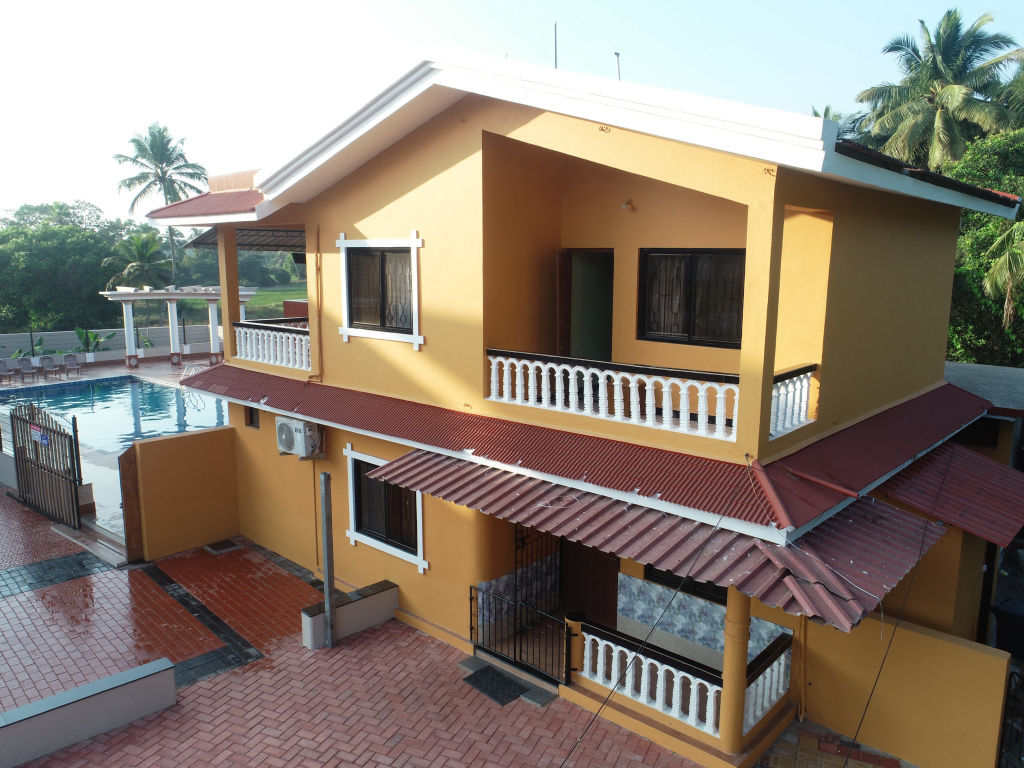
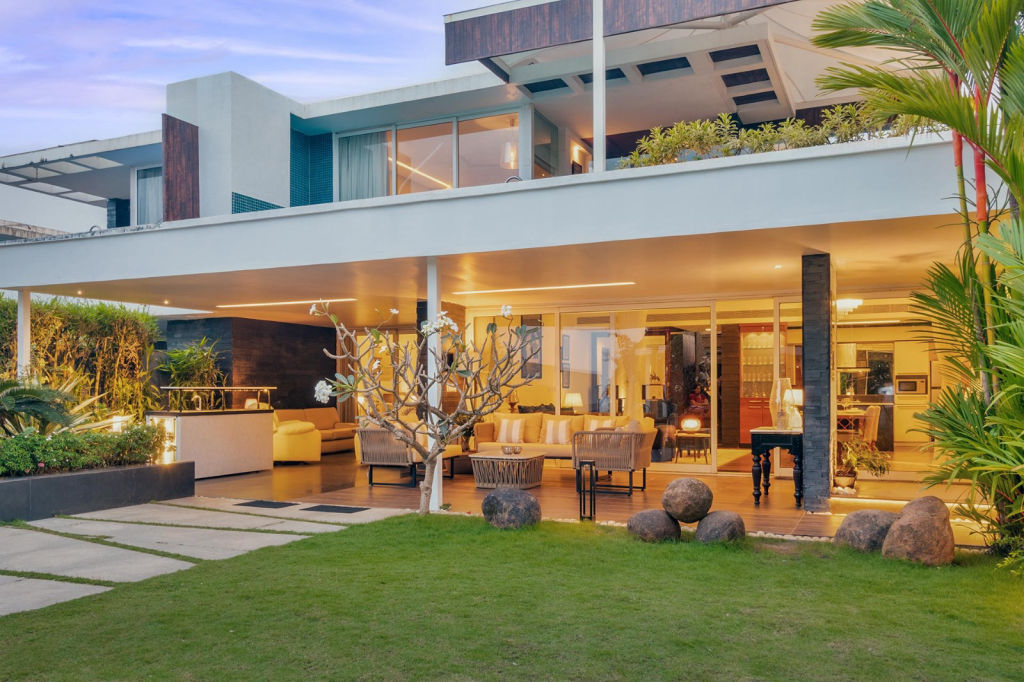
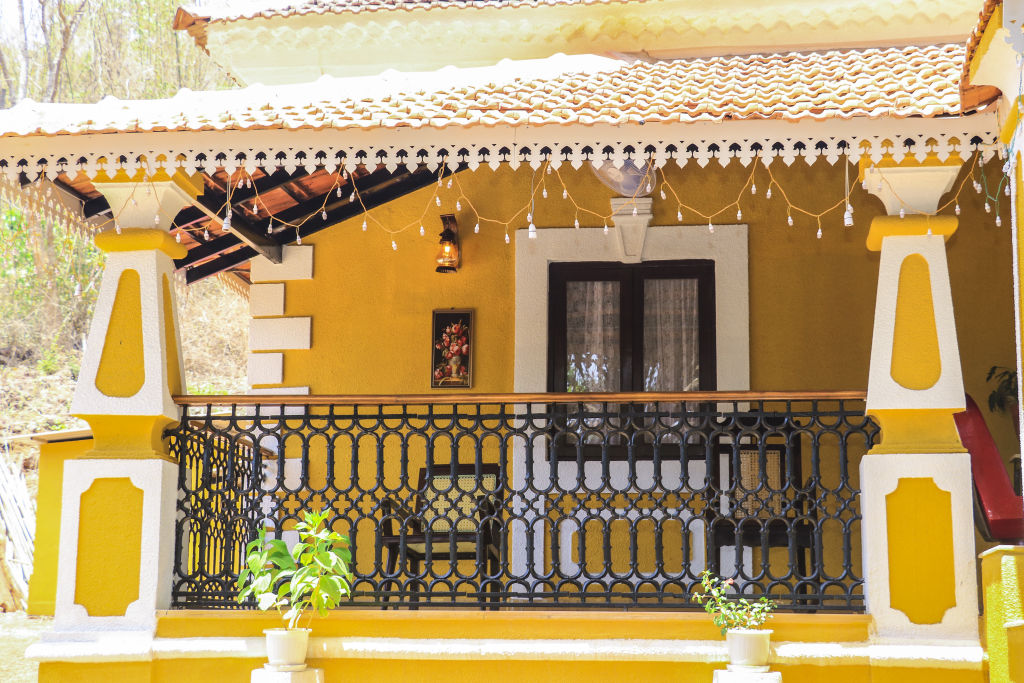
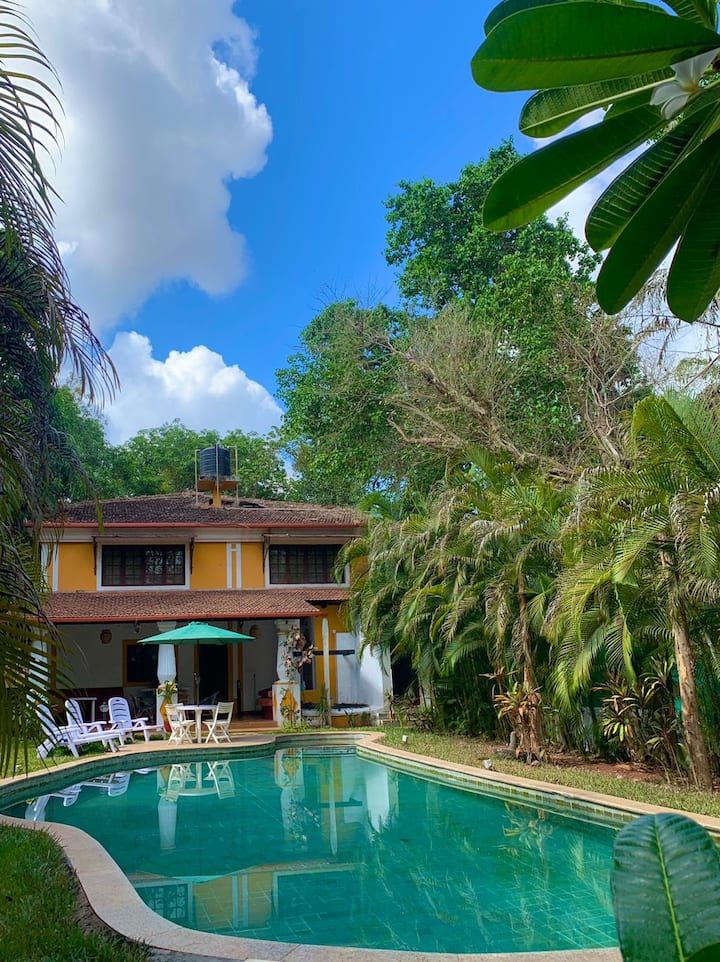
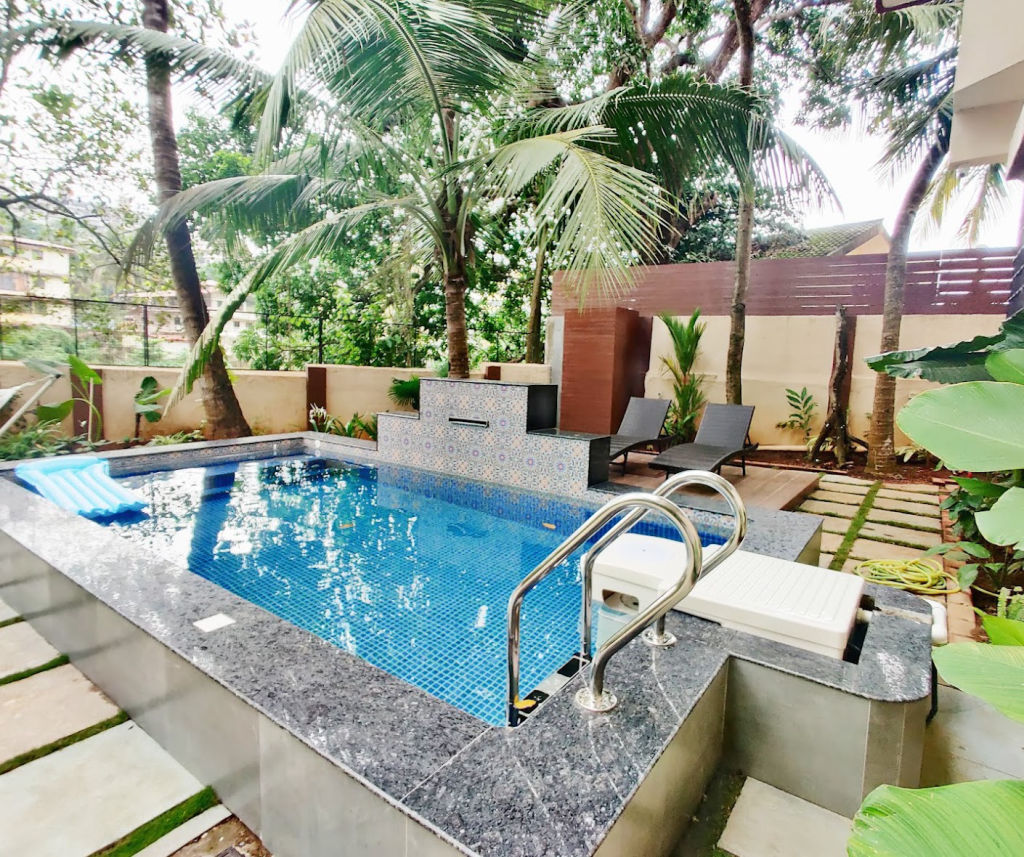
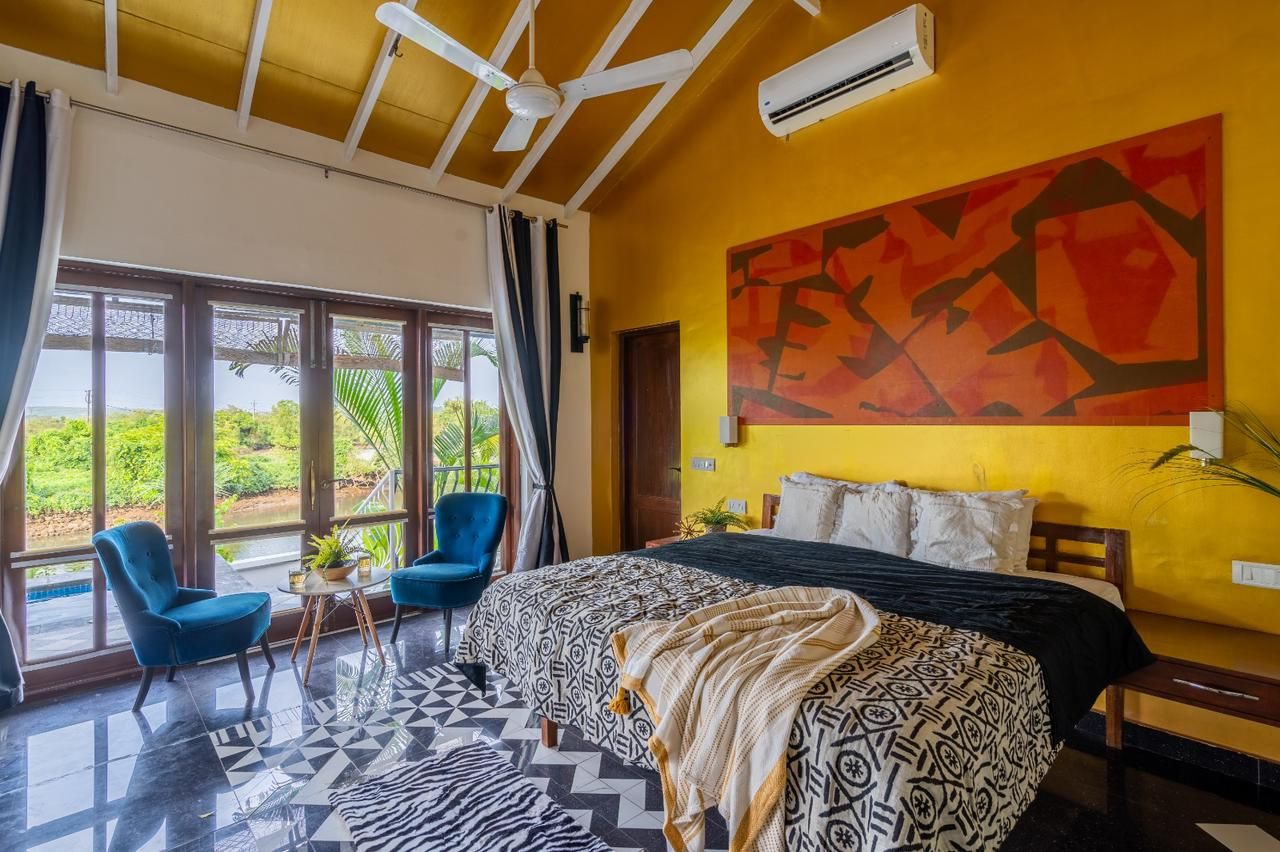
Travellers can find charming village homestays, nature retreats, and eco-camps nearby on HireACamp. Booking a stay in central Goa allows you to split your time easily between heritage temple visits, spice farm excursions, and day trips out to the coast.
Frequently asked questions
Where is Mahalsa Narayani Temple located?
The temple is located in the village of Mardol near the town of Ponda, in central Goa.
Which deity is worshipped at Mahalsa Narayani Temple?
The presiding deity is Goddess Mahalsa, who is regarded as the Mohini incarnation of Lord Vishnu and revered as a benevolent mother goddess.
Is there a dress code for visiting the temple?
Yes, visitors are expected to dress modestly with shoulders and knees covered, and all footwear must be removed before entering the inner halls.
What is the best time of year to visit?
The winter months between November and February offer the most pleasant weather for exploring the temple and the surrounding countryside.
Can I visit other attractions near Mahalsa Narayani Temple?
Yes, nearby highlights include several other historic Ponda temples, local spice plantations, the Butterfly Conservatory of Goa, and the Bondla Wildlife Sanctuary.
Where you'll be
Mardol, Ponda · 12 stays nearby shown with prices
Stays near Mahalsa Narayani Temple
Book a place to stay close by
More places near Mahalsa Narayani Temple
Within 20 km
Built from 0 Instagram posts by 0 creators. Every tip links back to the post it came from, and where creators disagree we show both sides.






