
Anjaneri Fort
Fort near Anjaneri, Maharashtra
1 post
Guide from 1 post by 1 creator
@todmarathi
Hidden gem
Far fewer reviews than places like it nearby, yet creators keep finding it.
1.9 km from Anjaneri
The nearest town, for stays, food and fuel.
Anjaneri Fort is a prominent hill fort in Maharashtra's Western Ghats, located near Nashik in the Trimbakeshwar mountain range. Revered in regional folklore as the sacred birthplace of Lord Hanuman, the fort sits atop an expansive volcanic plateau that commands sweeping views of the surrounding Sahyadri peaks. Travellers and outdoor enthusiasts visit the site for its rewarding trekking trail, ancient rock-cut carvings, historic temples, and pristine highland scenery.
Getting there
By road
- From AnjaneriNearest town19 min · 5 km
- From Nashik1 hr 5 min · 27 km
- From Mumbai 4 hr 5 min · 197 km
- From Pune5 hr 40 min · 240 km
By train, bus or air
- Mumbai Naka Bus StationNearest bus stand40 min · 26 km
- Shree Air Vision Manufacturing Of Air Distribution ProductsNearest airport38 min · 24 km
Typical drive times without traffic. Places, distances and typical drive times from OLA Maps; notes from creators' Reels.
About Anjaneri Fort
Written with AI from creators' posts and map data. Check prices and timings locally before you go.
The heritage and landscape of Anjaneri Fort
Anjaneri Fort holds a unique position among the hill forts of the northern Western Ghats. Unlike many of the military bastions scattered across Maharashtra that served predominantly as defensive garrisons, Anjaneri blends regional defensive architecture with profound spiritual heritage. The hill is named after Goddess Anjani, the mother of Lord Hanuman, and local lore identifies this very summit as the birthplace of the revered deity. Over the centuries, both Hindu and Jain traditions left their mark on the hill, resulting in historic cave carvings and temples nestled along its cliffs.
Geologically, the fort is part of the rugged Trimbak range, characterized by stepped basalt terraces, sheer cliff faces, and a massive flat tableland at the top. The lower slopes are cloaked in semi-deciduous forest that shelters indigenous birds, langurs, and seasonal wildflowers. Reaching the summit reveals a rare high-altitude meadow that captures heavy monsoon moisture, feeding small ponds and seasonal streams. The balance of rugged natural ramparts, sacred history, and serene plateau landscapes makes Anjaneri one of the most distinctive destinations in the Nashik region.
The trekking route to Anjaneri Fort
The ascent to Anjaneri Fort begins near Anjaneri village, situated at the base of the hill off the main Nashik-Trimbakeshwar road. The trail initially climbs through gentle slopes and wooded patches before transitioning into stone-cut steps and rocky paths that ascend toward the first plateau. Along this lower tier, hikers encounter ancient Jain rock carvings and modest shrines carved directly into the basalt rock, offering a quiet resting spot with views opening out across the valleys.
From the mid-plateau, a well-defined series of steep stone steps leads through a natural cleft in the cliffside to the sprawling upper plateau. This higher tableland is remarkably vast, featuring a freshwater lake known as Hanuman Talao and the secluded Anjani Mata temple. Walking across the summit feels like stepping onto a floating expanse of grassland. The edge of the plateau offers dramatic vistas of neighbouring giants like Brahmagiri and Harihar Fort, while the sheer drops on either side underline the fort's natural defensive strength.
Read more
Best time to visit Anjaneri Fort
The best time to visit Anjaneri Fort is between July and February, when the weather is most comfortable for outdoor exploration. The monsoon season, spanning from late June to September, transforms the entire landscape into vibrant shades of green. Heavy clouds blanket the plateau, seasonal waterfalls cascade over the cliffs, and mist rolls continuously across the walking paths. While the monsoon offers remarkable natural beauty, hikers must be prepared for continuous rain, slippery stone steps, and gusty winds on the summit ridge.
Post-monsoon and the winter months from October to February provide clear skies, mild temperatures, and exceptionally crisp panoramas across the Sahyadri ranges. The morning air during winter is invigorating, and the dry trails ensure safe footing for families and beginner trekkers. The summer months from March to May can be intensely hot and arid, with the open upper plateau offering minimal shade, making trekking arduous during the middle of the day.
How to reach Anjaneri Fort
Anjaneri Fort is easily accessible by road from several major cities across western India, with Nashik serving as the principal transit hub. From Nashik, the base of the fort is approximately 26 kilometres away and typically takes about 1 hour by car or taxi along the well-paved road leading toward Trimbakeshwar. State transport buses and local shared transport also run frequently along this corridor, dropping travellers near the turnoff for Anjaneri village.
Travellers driving from Mumbai face a journey of approximately 197 kilometres, which generally takes around 4 hours via the Mumbai-Nashik highway across Kasara Ghat. From Pune, the drive covers about 240 kilometres and takes roughly 5 hours and 40 minutes under normal traffic conditions. Visitors coming from Gujarat will find accessible highway routes: Surat is about 251 kilometres away, taking around 6 hours and 10 minutes, while Vadodara is roughly 375 kilometres distant, requiring about 7 hours and 50 minutes of driving. The nearest major railway station is in Nashik, which is well connected to all regional transport networks.
Tips for your trek to Anjaneri Fort
A successful excursion to Anjaneri Fort requires thoughtful preparation, especially concerning hydration and footing. Because there are no permanent shops or facilities once you leave the base village and the lower tiers, carry at least two litres of drinking water per person and light, energy-rich snacks. Sturdy trekking shoes with dependable grip are essential, as the ancient stone steps can be slick with moisture or coated in loose grit during the dry season.
Start your hike early in the morning, ideally around sunrise, to beat both the afternoon heat and potential weekend crowds. Keep all food items securely tucked inside your backpack, as the resident troops of bonnet macaques and langurs are alert and quick to snatch visible snacks. If visiting during the monsoon, pack your electronics in waterproof pouches and bring a dependable rain poncho or windcheater to handle sudden showers and strong ridge breezes.
Places to visit near Anjaneri Fort
The area surrounding Anjaneri Fort is rich in cultural landmarks and dramatic natural sites that can easily fill a weekend itinerary. Just 5 kilometres away lies the sacred Trimbakeshwar Jyotirling Mandir, one of the twelve revered Jyotirlinga shrines in India, nestled at the foot of Brahmagiri peak, which is about 6 kilometres from Anjaneri. For trekkers seeking further adventures, the iconic vertical rock ladders of Harihar Fort lie roughly 11 kilometres to the west, while the deep forested chasm of Dugarwadi Waterfall is situated 11 kilometres away, offering thunderous cascades during the rainy months.
Closer toward Nashik city, the calm waters of Gangapur Dam sit approximately 17 kilometres away, alongside the well-known Sula Vineyards located around 14 kilometres from the fort. Cultural travellers can explore the ancient Pandav Leni Buddhist rock-cut caves about 18 kilometres away, or visit the historic Someshwar Waterfall around 19 kilometres distant. Within Nashik itself, sacred pilgrimage stops such as Shree Kalaram Mandir and Sita Gufa lie approximately 24 kilometres from the fort base, providing deep historical context to the region.
Where to stay near Anjaneri Fort
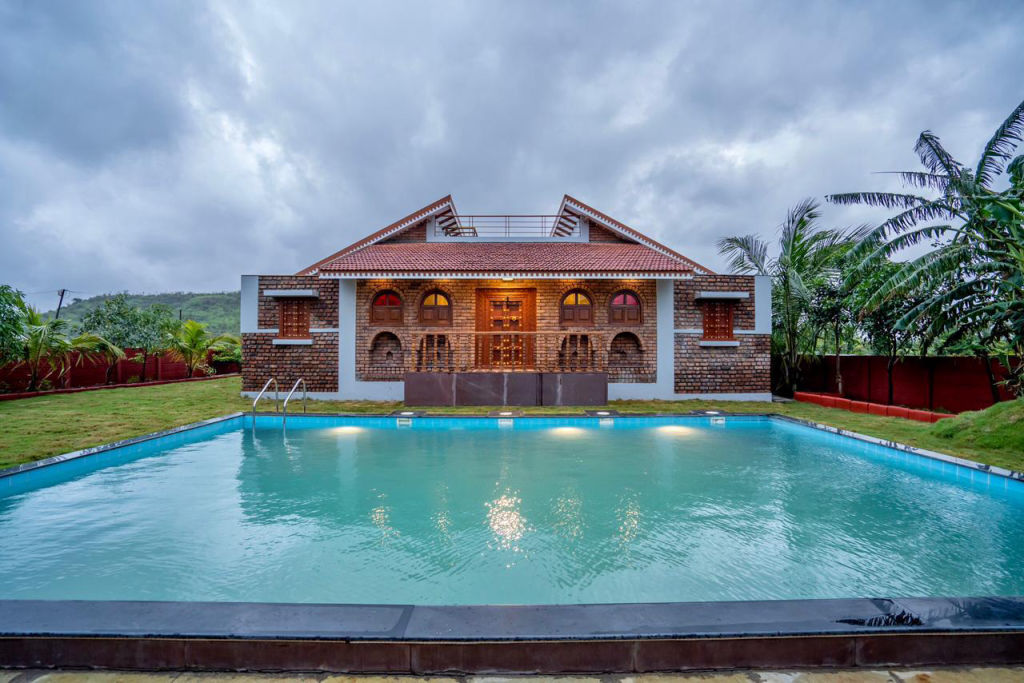
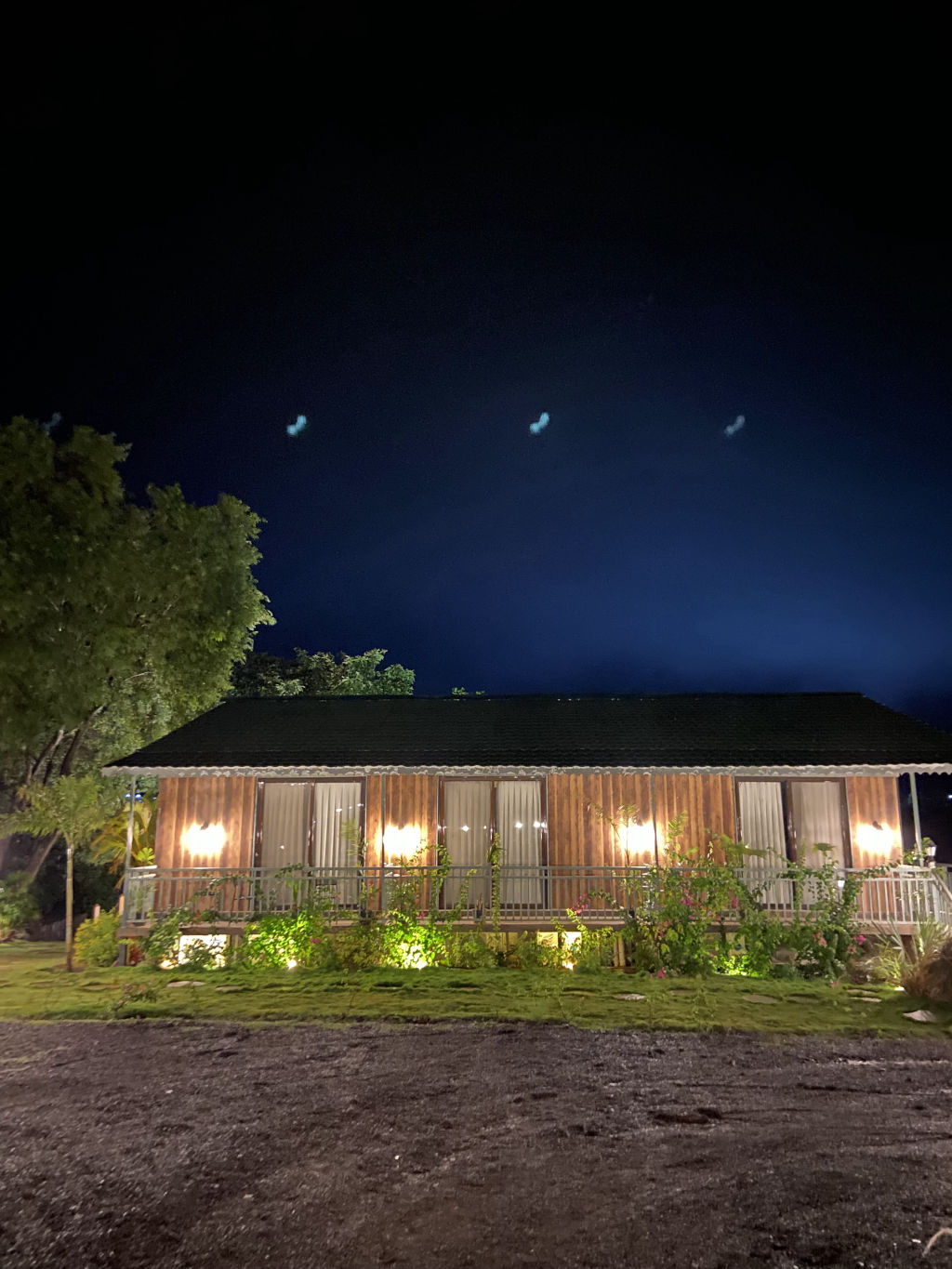
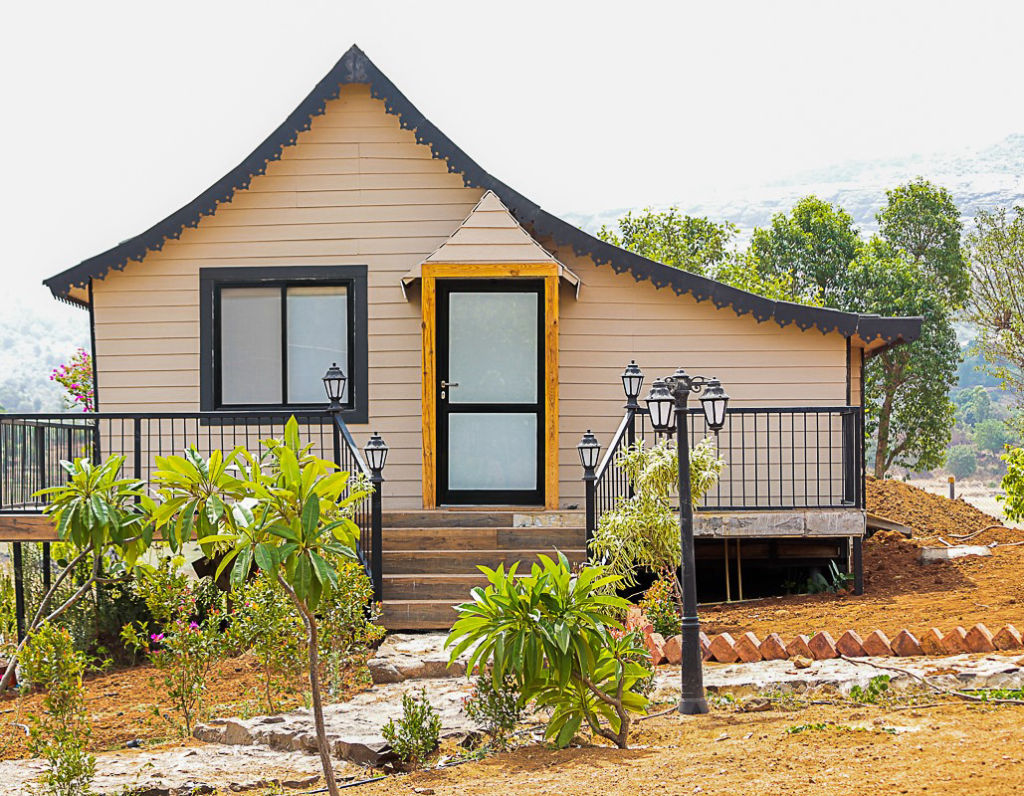
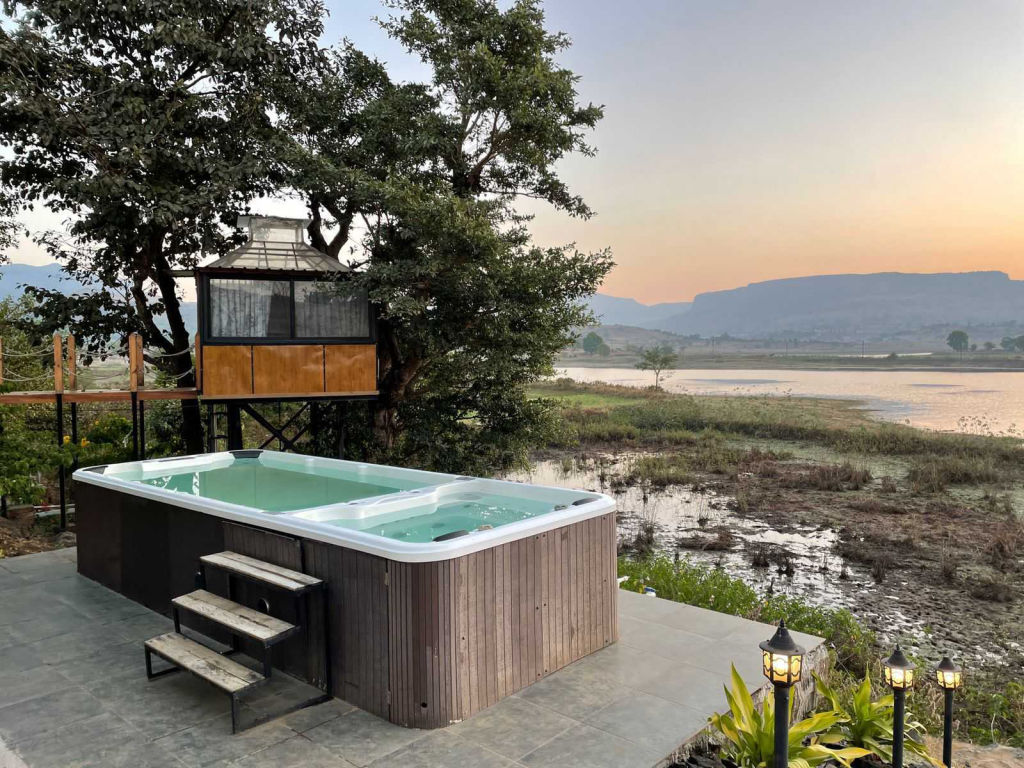
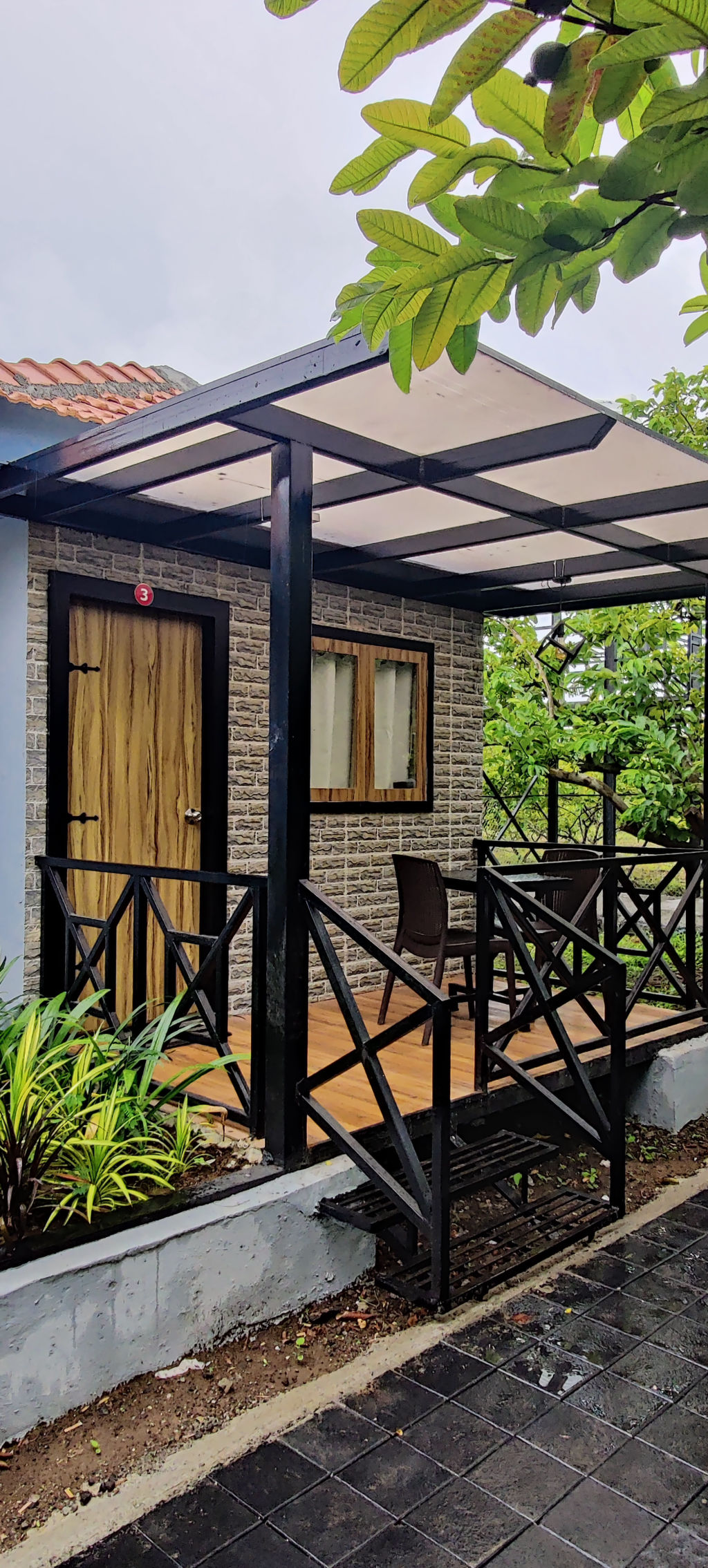
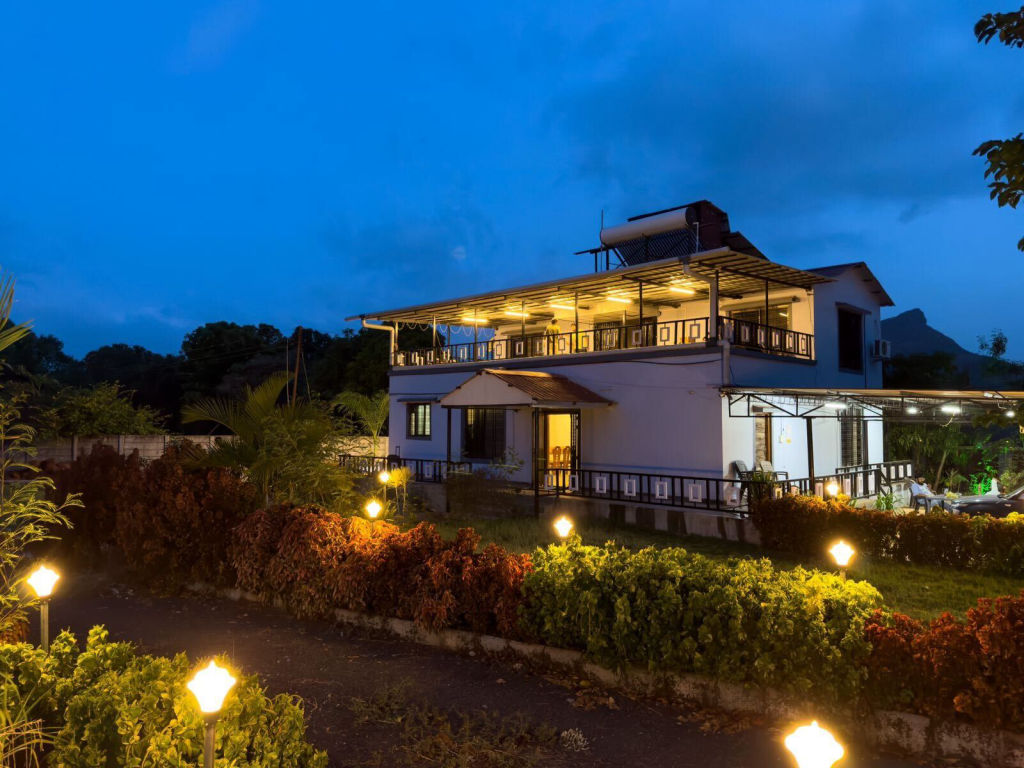
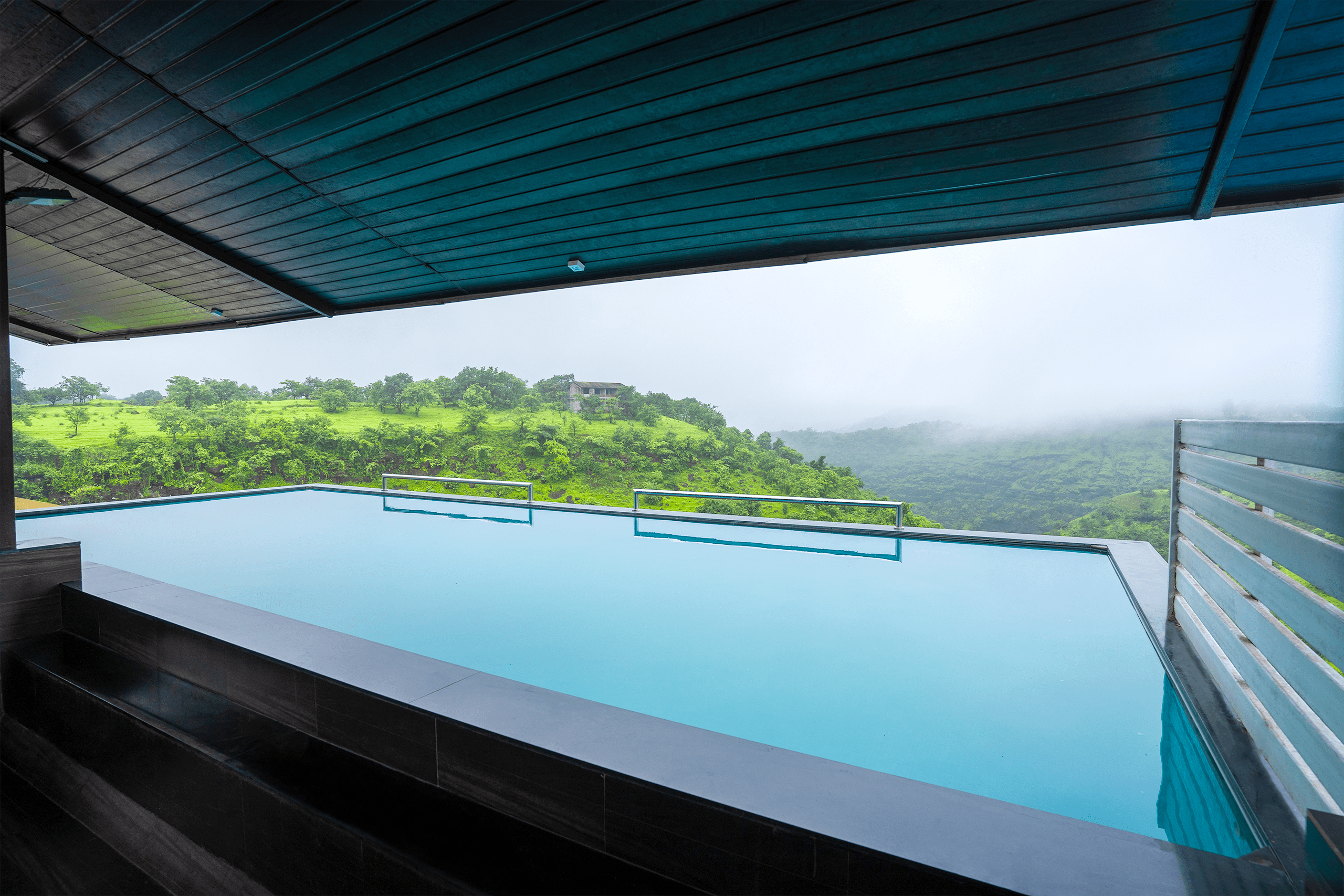
Travellers visiting Anjaneri Fort can find a wide range of stay options throughout the Nashik and Trimbakeshwar belt. The immediate countryside around the fort features quiet rural scenery, lakeside clearings, and orchard pockets that are ideal for outdoor hospitality. Those wishing to sleep under open skies, unwind in private farm retreats, or experience warm local hospitality can explore curated camping and homestay options listed on HireACamp. Staying near the base of the hills allows you to begin your hike at daybreak before day visitors arrive from nearby cities.
Frequently asked questions
What is the mythological importance of Anjaneri Fort?
Anjaneri Fort is believed to be the birthplace of Lord Hanuman, deriving its name from his mother, Goddess Anjani. The hill features a dedicated temple to Anjani Mata and Hanuman on its expansive upper plateau.
How difficult is the trek to Anjaneri Fort?
The trek to Anjaneri Fort is generally considered easy to moderate. The route follows well-marked paths and stone steps, taking between two and three hours to reach the summit, making it accessible for beginners with average fitness.
Can Anjaneri Fort be visited during the monsoon?
Yes, the monsoon season from July to September is one of the most scenic periods to visit Anjaneri Fort, with lush greenery, waterfalls, and mist covering the plateau. Trekkers must exercise caution on wet, slippery stone stairs.
How far is Anjaneri Fort from Nashik?
Anjaneri Fort is located approximately 26 kilometres west of Nashik, and the drive typically takes about 1 hour under normal traffic conditions.
Are there food and water stalls at the top of the fort?
Facilities on the upper plateau are minimal and unreliable, so hikers should carry adequate drinking water and light refreshments from the base village.
Where you'll be
WHHG+WVC, Maharashtra 422213 · 10 stays nearby shown with prices
As seen on Instagram
The posts this guide is built from
Stays near Anjaneri Fort
Book a place to stay close by



Often visited together
Creators who went here also showed these


More places near Anjaneri Fort
Within 20 km


Lists for this area
Ranked by how many creators recommend each place


Built from 1 Instagram post by 1 creator. Every tip links back to the post it came from, and where creators disagree we show both sides.






