
Harihar Fort
Fort near Harshewadi, Maharashtra
1 post · 1 sourced tip
Guide from 1 post by 1 creator
@atul_visuals
2 km from Harshewadi
The nearest town, for stays, food and fuel.
Harihar Fort Rock-Cut Stairway Trek
Harihar Fort is noted for its distinctive trek featuring steep rock-cut stairs.
Good to know
Tips from creators' posts. Each one links to its source.
Things to Do
Trek up the fort via its steep, rock-cut stairway.
Reported by @atul_visualsSource
Getting there
By road
- From HarshewadiNearest town14 min · 4.2 km
- From Nashik1 hr 40 min · 42 km
- From Mumbai 4 hr 15 min · 199 km
- From Pune6 hr 5 min · 279 km
By train, bus or air
- Mumbai Naka Bus StationNearest bus stand57 min · 41 km
- Shree Air Vision Manufacturing Of Air Distribution ProductsNearest airport55 min · 40 km
Typical drive times without traffic. Places, distances and typical drive times from OLA Maps; notes from creators' Reels.
About Harihar Fort
Written with AI from creators' posts and map data. Check prices and timings locally before you go.
The Legacy and Landscape of Harihar Fort
Harihar Fort, also known as Harshagad, holds a distinguished position within the storied hill fortifications of Maharashtra. Anchored near the village of Harshewadi in the Trimbak range, this bastion was constructed to overlook and protect trade routes moving through the Western Ghats. The fort rises on a triangular prism of solid rock, creating natural defensive ramparts that made it nearly impenetrable to approaching forces in medieval times. Over the centuries, the fort changed hands among regional dynasties, including the Yadava dynasty, the Ahmadnagar Sultanate, and the Maratha Empire, before coming under British administration in the nineteenth century. Today, remnants of historical cisterns, storage chambers, and traditional stone architecture remain scattered across the upper plateau. The natural landscape around the fort is characterized by sheer basalt cliffs, dense scrub forests along the lower reaches, and expansive plateau grasslands that shift dramatically in color across different seasons. The sheer elevation affords uninterrupted lines of sight toward distant Sahyadri peaks, establishing Harihar Fort as both a military marvel of the past and a prominent outdoor landmark today.
The Rock-Cut Stairway Trek at Harihar Fort
The defining attraction of Harihar Fort is its steep, rock-cut stairway, which presents one of the most distinctive climbs in the Western Ghats. Trekkers begin their ascent from the base villages, winding initially through terraced fields, dry woodlands, and gentle grassy shoulders before approaching the sheer vertical rock wall of the fort. As the path nears the final rampart, the gradient turns dramatically steep. Here, ancient engineers chiseled narrow steps directly into the sheer basalt rock, inclined at angles reaching almost eighty degrees. Small niches and handholds carved alongside the treads provide essential balance for climbers as they pull themselves up the cliff face. Climbing this stairway requires continuous concentration, steady footing, and a calm disposition, particularly on days when crosswinds blow over the ridge. After negotiating the first vertical flight, the trail passes through a carved stone gateway that opens into an inner passage with yet another flight of steep steps. Reaching the summit plateau rewards trekkers with immense personal satisfaction and wide panoramic vistas extending over reservoirs, forested hills, and neighboring crests.
Read more
Best Time to Visit Harihar Fort
Planning your trip to Harihar Fort around seasonal weather conditions is essential for safety and comfort. The winter months, extending from November to February, are widely regarded as the most comfortable window for the trek. During this period, daytime temperatures remain moderate, humidity is low, and clear skies provide uninterrupted visibility across the surrounding landscape. The monsoons, which run from late June through September, transform the entire region into a lush tapestry of vibrant green foliage and misty peaks. While the landscape is exceptionally scenic during the rains, the stone-carved steps can become extremely slick, and high winds often envelop the upper reaches, demanding extreme caution and sturdy footwear. The pre-monsoon summer months, from March to May, bring intense heat and dry conditions across the Deccan plateau. Climbing the exposed rock face under the midday sun can be strenuous during summer, making early morning ascents imperative for those who travel during these warmer months.
How to Reach Harihar Fort
Harihar Fort is located in the Nashik district of Maharashtra, with the base village of Harshewadi serving as the primary starting point for most trekkers. The fort is conveniently accessible by road from several major cities across western India. From Nashik, the journey is approximately 42 kilometers and typically takes around 1 hour and 40 minutes of driving time. Travelers starting from Mumbai face a drive of about 199 kilometers, which generally takes approximately 4 hours and 20 minutes under normal traffic conditions. For those arriving from Pune, the route spans around 279 kilometers, requiring about 6 hours and 10 minutes by road. Trekkers traveling from Surat in Gujarat will cover roughly 249 kilometers over about 6 hours and 10 minutes, while the drive from Vadodara measures around 373 kilometers and takes approximately 7 hours and 50 minutes. Public state-run buses run frequently to Nashik and Trimbakeshwar, from where local transport or shared taxis can be hired to reach the trailhead at Harshewadi.
Places to Visit Near Harihar Fort
The area surrounding Harihar Fort is rich in natural beauty, sacred landmarks, and scenic attractions that can easily be woven into an extended itinerary. Just 4 kilometers away lies the secluded Dugarwadi Waterfall, a scenic spot where streams cascade down rocky shelves during the post-monsoon period. Approximately 6 kilometers away is the towering Brahmagiri peak, revered as the source of the Godavari River, while the historic Trimbakeshwar Jyotirling Mandir rests about 7 kilometers from the fort. Trekkers seeking more elevation can venture to Anjaneri, situated about 10 kilometers away, known for its rugged trails and dramatic tableland. Around 25 kilometers from the fort, Sula Vineyards showcases the agricultural traditions of Nashik with its sprawling estate. Further toward Nashik city, travelers can explore the placid expanse of Gangapur Dam located about 27 kilometers away, the ancient rock-cut Pandav Leni caves at 29 kilometers, and the tumbling waters of Someshwar Waterfall at 30 kilometers. Within the city itself, the historic Shree Kalaram Mandir and the revered Sita Gufa cave chamber lie roughly 36 kilometers away.
Tips for Your Visit to Harihar Fort
Tackling the steep ascent at Harihar Fort requires sound preparation and respect for the natural terrain. Wear well-fitted trekking shoes with reliable tread, as the stone steps require dependable traction, especially where centuries of footsteps have worn the rock smooth. Keep your hands free while ascending the rock face by packing your belongings in a balanced backpack rather than carrying hand luggage. It is essential to carry an adequate supply of drinking water and energy-rich snacks, as there are no shops or reliable water sources on the summit. Sun protection, including a hat and sunscreen, is advisable given the absence of shade once you clear the tree line. Always begin your descent well before dusk, as descending the steep stairway in low light is hazardous. For accommodations, travelers will find authentic village homestays, scenic rural retreats, and experiential camping options close to the trails on HireACamp, offering a comfortable base to rest after a day of climbing.
Frequently asked questions
How difficult is the trek to Harihar Fort?
The trek to Harihar Fort is moderately challenging overall, but the final ascent via the near-vertical rock-cut stairs requires careful balance, focus, and a steady head for heights.
What is the starting point for the Harihar Fort trek?
The trek typically begins from the base village of Harshewadi, which is connected by road to Nashik and Trimbakeshwar.
Can Harihar Fort be climbed during the monsoon season?
Harihar Fort can be visited during the monsoon, but climbers must exercise heightened caution because the rock-carved steps become slippery and wind gusts can be strong.
Are there food and water facilities at the top of Harihar Fort?
There are no permanent vendors or guaranteed potable drinking water sources on the summit plateau, so visitors must carry their own supplies from the base village.
Where can visitors find accommodation near Harihar Fort?
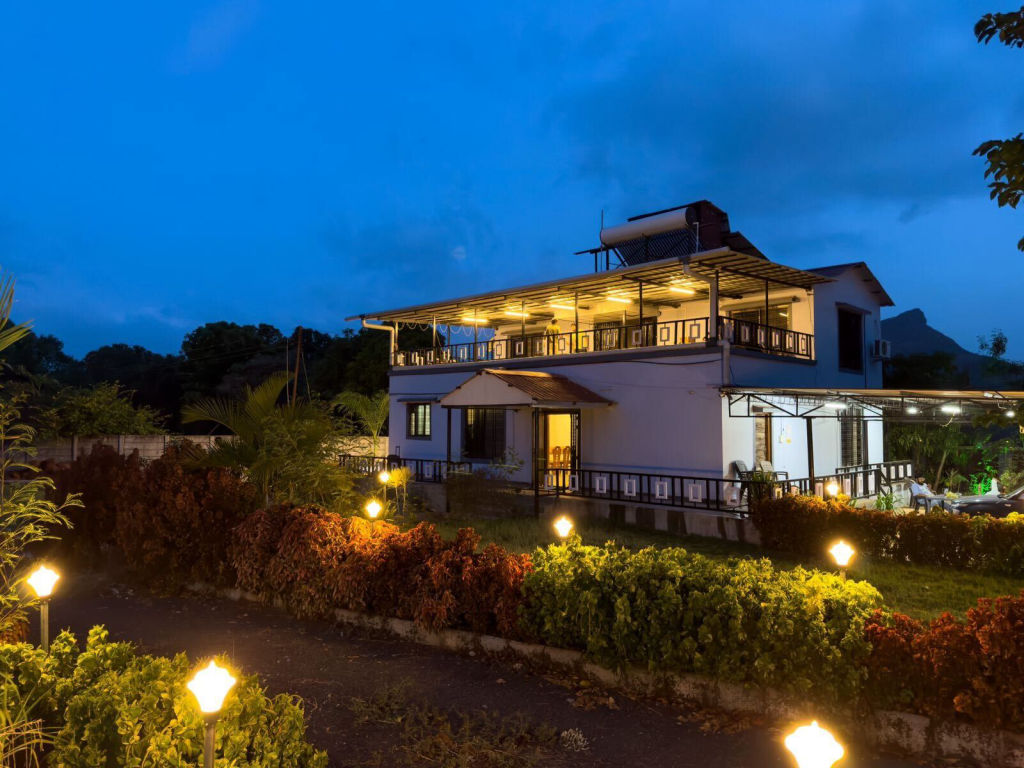
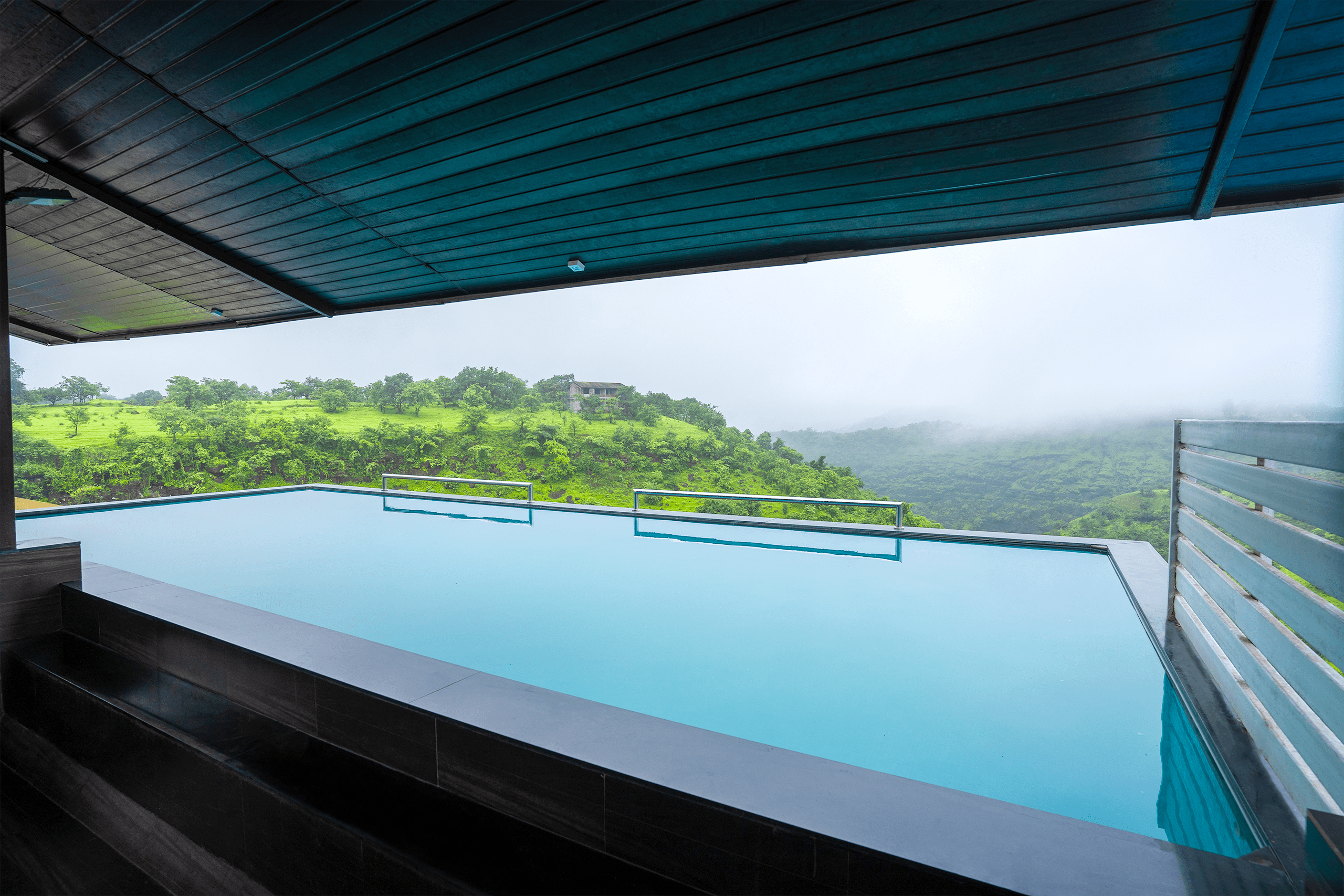
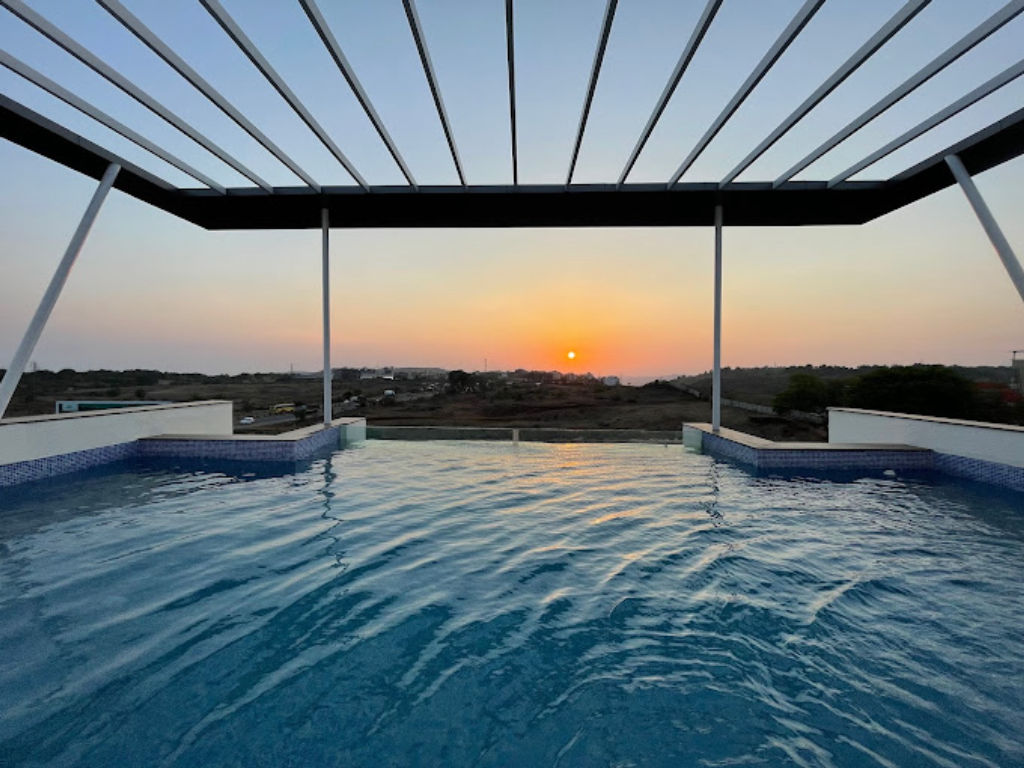
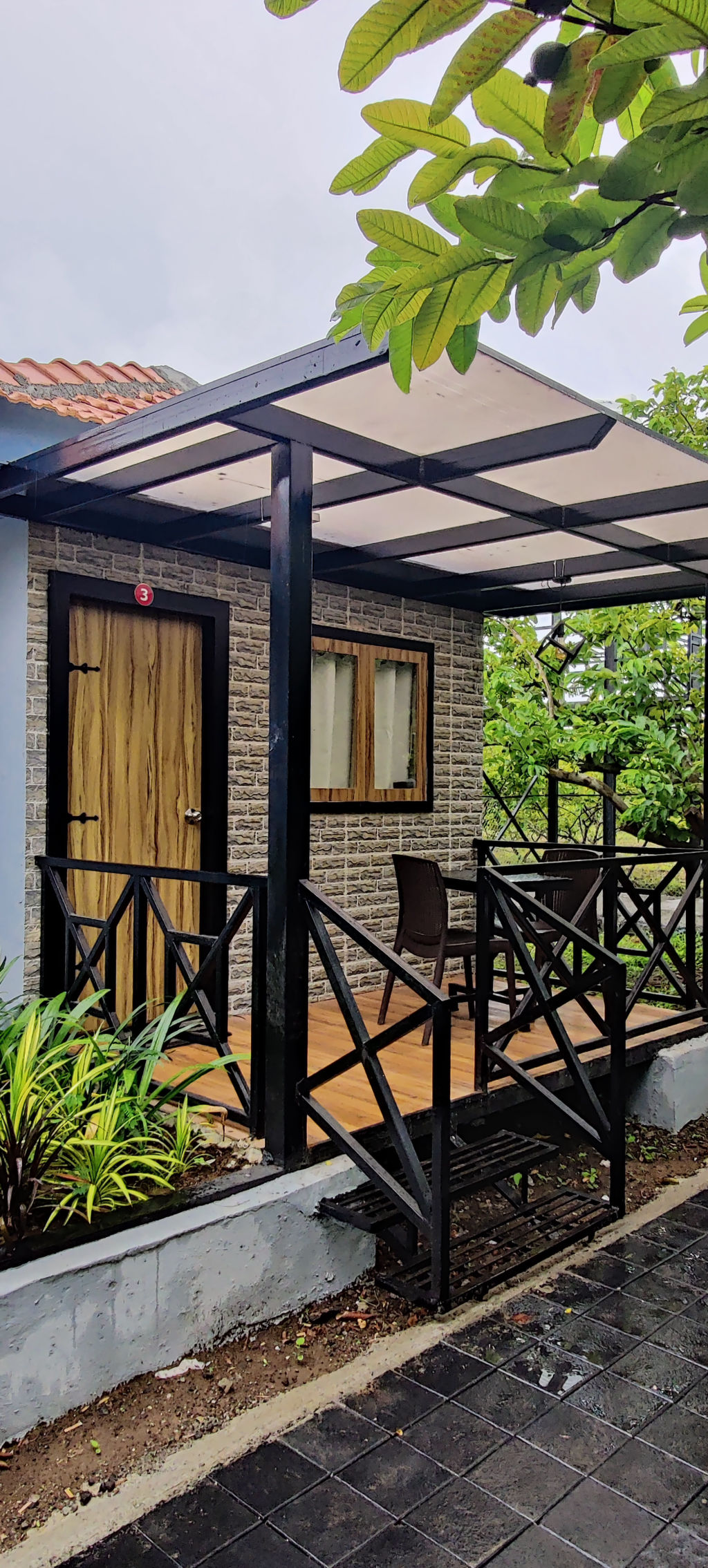
Visitors can find rustic campsites, local homestays, and nearby rural getaways listed on HireACamp to stay close to the trail.
Where you'll be
Harihar Fort, Harshewadi, Maharashtra 422212 · 10 stays nearby shown with prices
As seen on Instagram
The posts this guide is built from
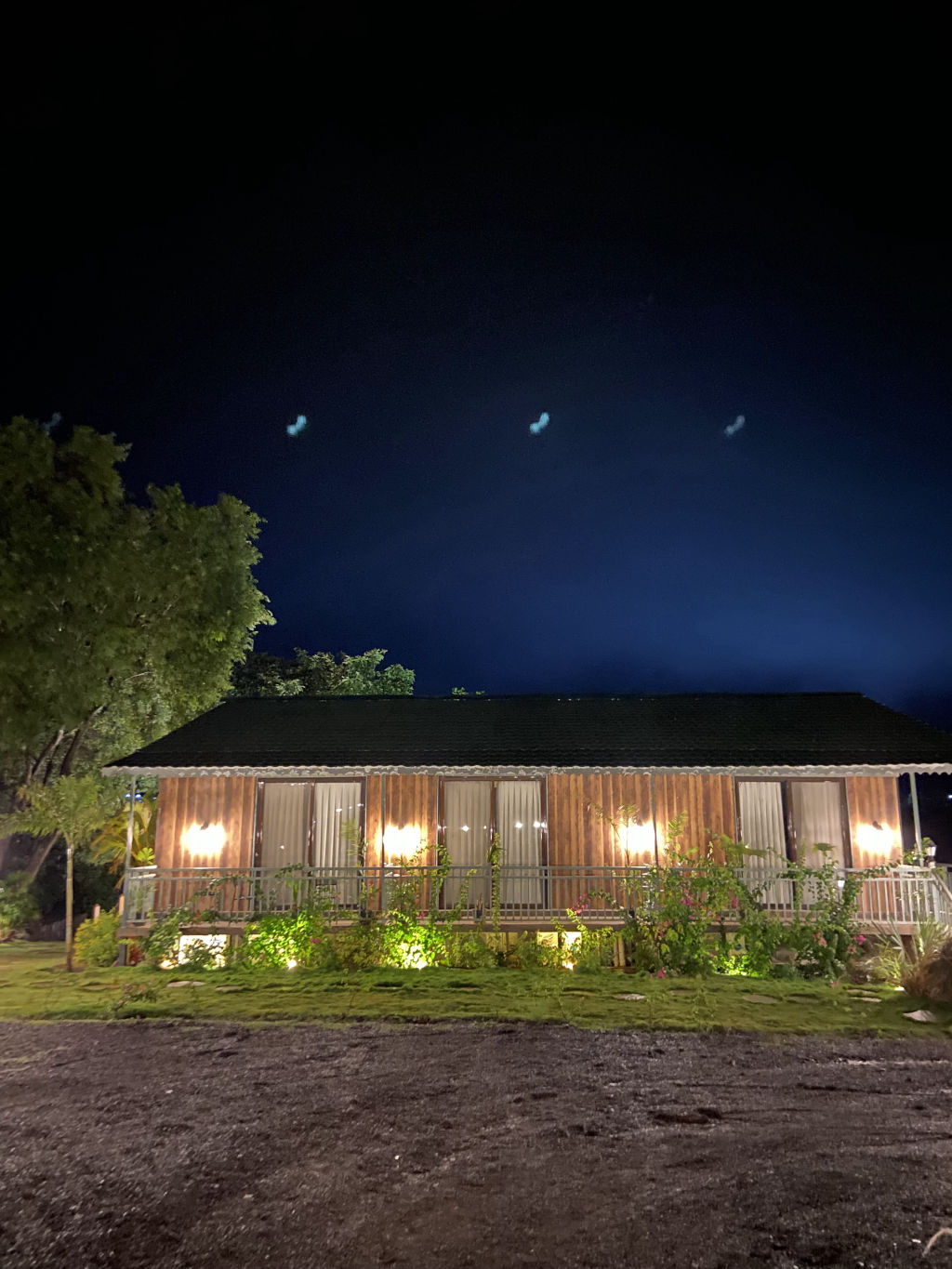
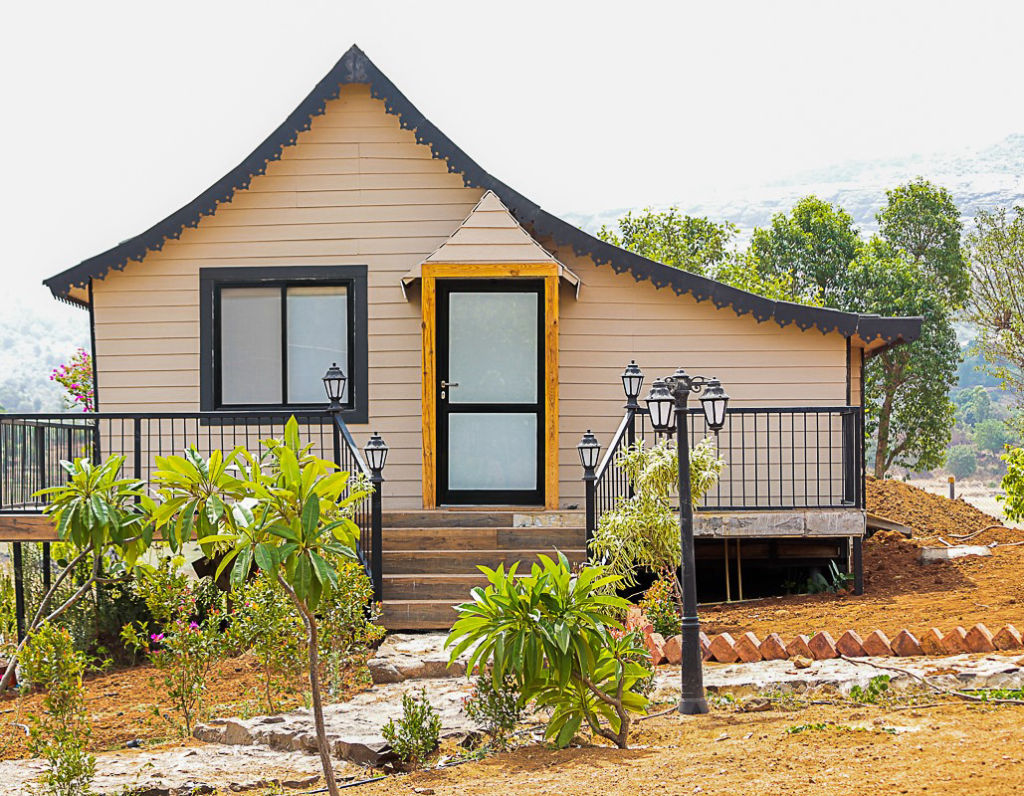
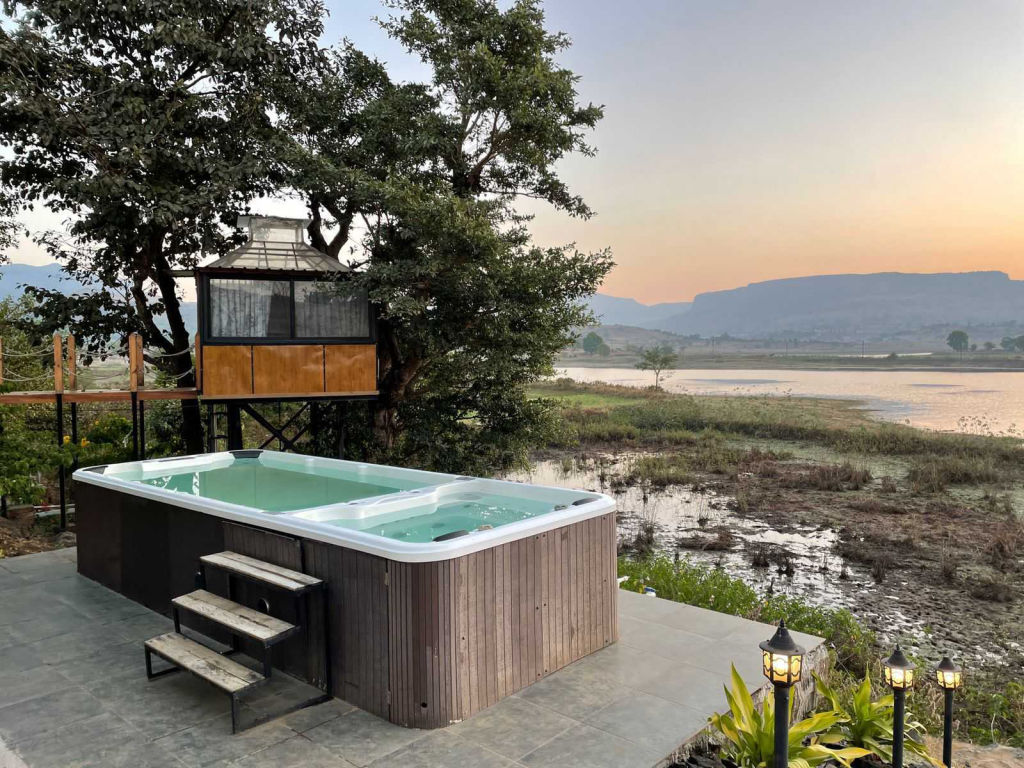
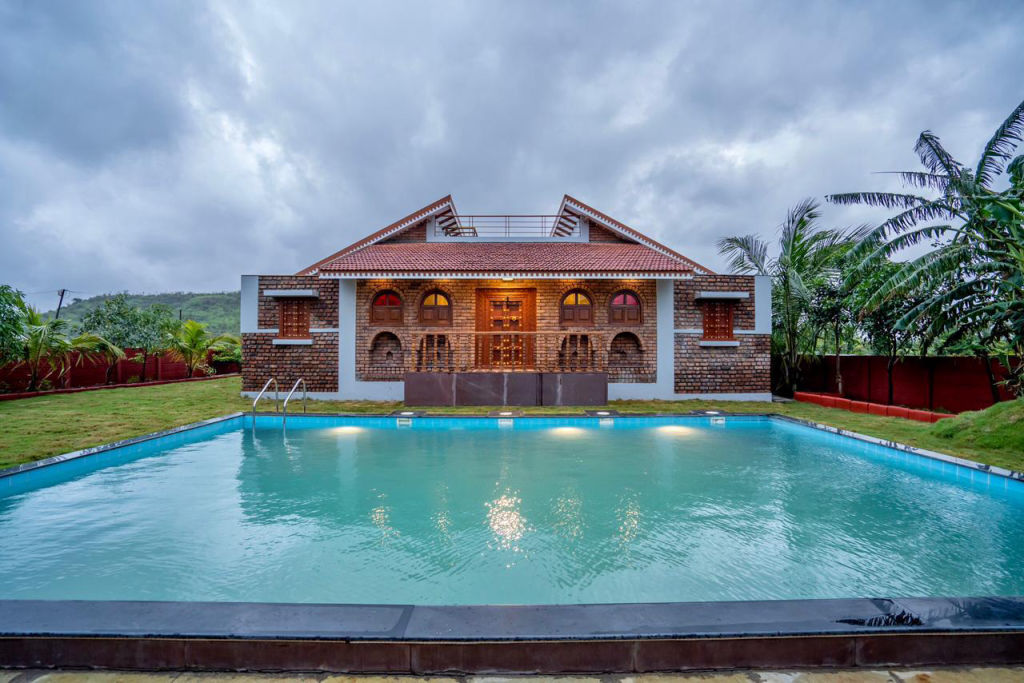
Stays near Harihar Fort
Book a place to stay close by

Often visited together
Creators who went here also showed these


More places near Harihar Fort
Within 20 km


Lists for this area
Ranked by how many creators recommend each place


Built from 1 Instagram post by 1 creator. Every tip links back to the post it came from, and where creators disagree we show both sides. Guide updated 23 Oct 2026.






