
Anjunem Dam
Dam near Querim, Goa
1.1 km from Querim
The nearest town, for stays, food and fuel.
Anjunem Dam is a picturesque irrigation reservoir nestled in the foothills of the Western Ghats near Onda in Goa. Built across the Costi Nadi, a tributary of the Valvanti River, it is surrounded by lush subtropical forests and mist-covered hills. Travellers visit the dam for quiet nature walks, scenic views, and a refreshing alternative to coastal Goa.
Getting there
By road
- From QuerimNearest town4 min · 1.5 km
- From Pune8 hr 35 min · 414 km
- From Mumbai 10 hr 25 min · 537 km
Typical drive times without traffic. Stations and airports from OLA Maps; distances and typical drive times from OpenStreetMap (© OpenStreetMap contributors); notes from creators' Reels.
About Anjunem Dam
Written with AI from map data and general knowledge. Check prices and timings locally before you go.
About Anjunem Dam
Anjunem Dam, located in the Sattari taluka of north-eastern Goa, is an irrigation project built across the Costi Nadi river basin. Surrounded by the dense, undulating ranges of the Sahyadris, the dam serves primarily to irrigate agricultural land and provide water to nearby villages. Over time, it has also become a favoured countryside escape for nature enthusiasts.
The reservoir is framed by emerald-green peaks that rise sharply into the Chorla Ghat section, marking the boundary area between Goa, Maharashtra, and Karnataka. Unlike the bustling beach destinations that define most journeys to the state, the region around Anjunem Dam preserves a slower, rustic pace of life rooted in farming, inland biodiversity, and thick deciduous vegetation.
Landscape and natural setting
The setting of Anjunem Dam is dominated by moist deciduous and semi-evergreen forests typical of the Western Ghats foothill ecosystem. Throughout the year, the reservoir gathers clear streams from the surrounding hills, forming an expansive sheet of water that reflects the surrounding green ridges.
The surrounding woodland hosts diverse wildlife and rich bird populations. In the early morning and late afternoon, visitors often spot resident forest birds such as the Malabar pied hornbill, emerald dove, and various kingfishers along the water's edge. The riparian canopy features native trees like bamboo, teak, and wild fig, creating a sheltered environment for small mammals, butterflies, and reptiles.
Read more
Best time to visit Anjunem Dam
The atmosphere at Anjunem Dam changes dramatically across the seasons, making timing an essential factor when planning a visit. The monsoon months, from late June through September, transform the surrounding valleys into deep green landscapes. Heavy showers fill the reservoir, while mist clings to the slopes of the nearby ghats. This is the best period for photography and experiencing the raw, lush beauty of the Western Ghats, though visitors should be prepared for sudden downpours and slick surfaces.
From October to February, the post-monsoon and winter season brings clear skies, cooler breezes, and comfortable daytime temperatures. The reservoir remains full, and the roads leading up to the dam are pleasant for cycling or relaxed road trips. The summer months from March to May can be warm and humid during the middle of the day, with lower water levels, making early mornings and sunset hours the best times to visit during the warmer period.
Things to do around the reservoir
Visiting Anjunem Dam is primarily an experience of quiet observation and taking in the outdoors. Walking along the access roads and vantage points offers panoramic perspectives of the reservoir and the steep slopes that surround it. The reflections of clouds and ridges on the calm surface of the water create ample opportunities for landscape photography.
Birdwatching is another rewarding pursuit in the area, especially in the quieter morning hours before midday heat sets in. Travellers who enjoy road journeys will appreciate the winding drive up from Onda toward the Chorla Ghats, which passes through small Goan hamlets, cashew orchards, and verdant hillside bends. Because commercial activity is minimal around the water body, it is an ideal location to pause, read, or enjoy a picnic while respecting the local environment.
How to reach Anjunem Dam
Anjunem Dam is located near the town of Onda in Sattari taluka, accessible via the inland road networks of northern Goa. From major coastal hubs and central towns like Panaji or Mapusa, the drive takes travellers inland along well-paved state highways that weave through Sanquelim and Valpoi before approaching the foothills.
Private vehicles, taxis, or rented scooters and cars are the most convenient ways to reach the dam, as regular local buses primarily serve major stops along the main thoroughfares. If travelling by public transport, buses run regularly to Onda, Sanquelim, and Valpoi, from where private local transport can be hired to reach the reservoir. Ensure your vehicle is fueled up before ascending into the foothill passes, as fuel stations become sparse in the ghat section.
Places to visit nearby
A trip to Anjunem Dam can easily be combined with exploring the rich cultural and natural heritage of interior Goa. Within easy driving range lies Bondla Wildlife Sanctuary, known for its botanical gardens, miniature zoo, and nature trails that give insight into local fauna.
The surrounding region is also renowned for centuries-old temples. Sacred sites such as Shree Madanant Devasthan, Shri Shantadurga Temple, Shree Mangesh Mandir, and Shri Saptakoteshwar Mandir are located in neighbouring talukas, each reflecting traditional Goan temple architecture. For those drawn to higher terrain, ascending the winding roads toward the Chorla mountain pass reveals scenic viewpoints, hidden waterfalls like Vajrapoha Falls, and trekking paths along the Goa-Karnataka border.
Tips for your visit
Because Anjunem Dam is an active water management facility rather than a commercial amusement area, access to specific dam structures and the crest may be restricted by water resource authorities. Always heed signboards and local directions on site, and verify local accessibility rules upon arrival.
Carry drinking water and snacks with you, as there are no large markets or restaurants right beside the dam itself; basic provisions can be purchased in Onda or Valpoi. Wear sturdy footwear with good grip if you plan to walk around during or immediately following the monsoon, as soil paths can become muddy. Lastly, remember to practice responsible travel by packing out all trash and avoiding swimming in the reservoir, where hidden currents and steep underwater slopes present safety hazards.
Where to stay near Anjunem Dam
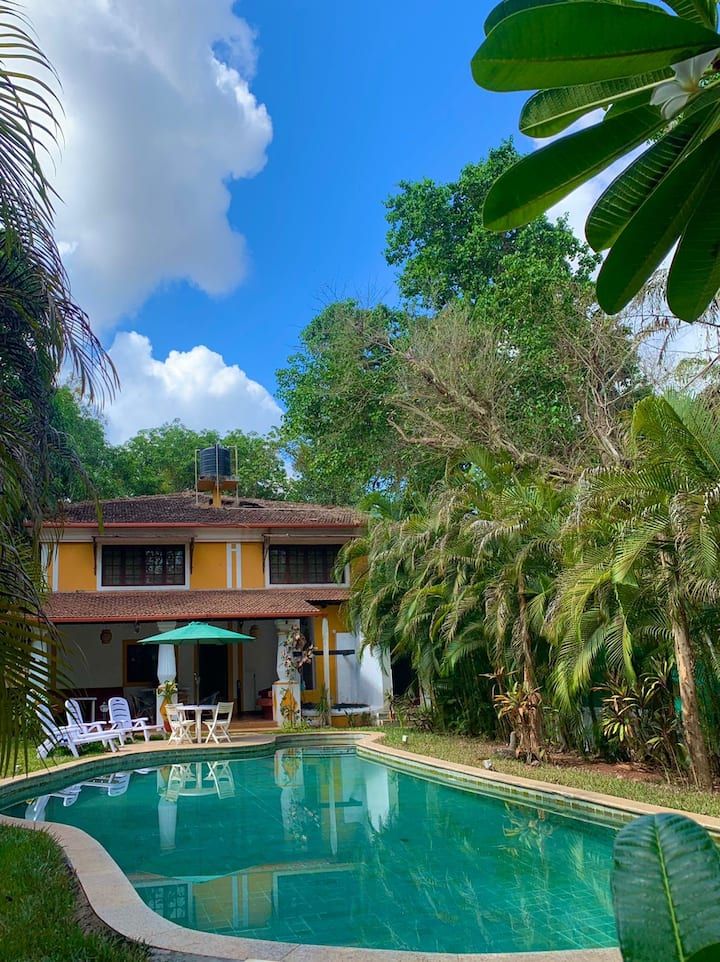
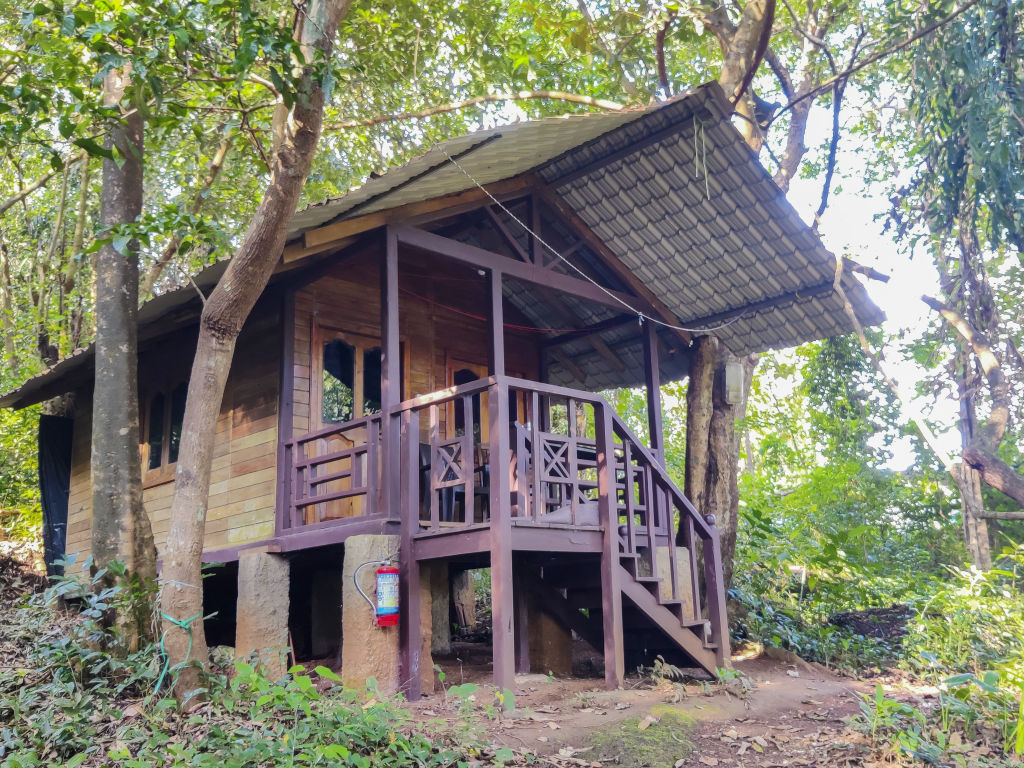
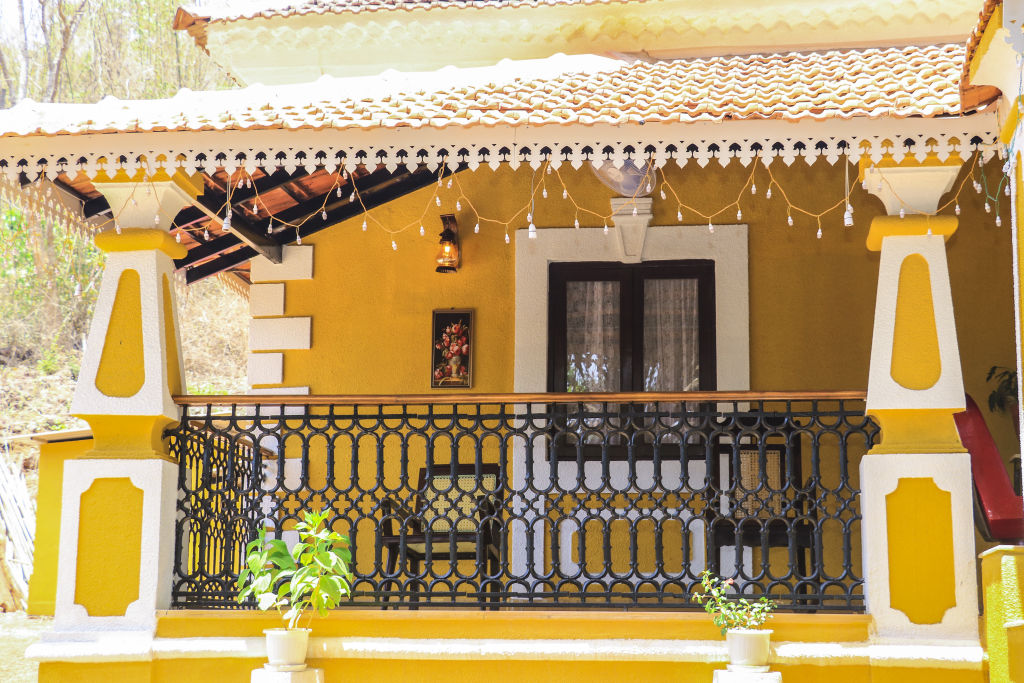
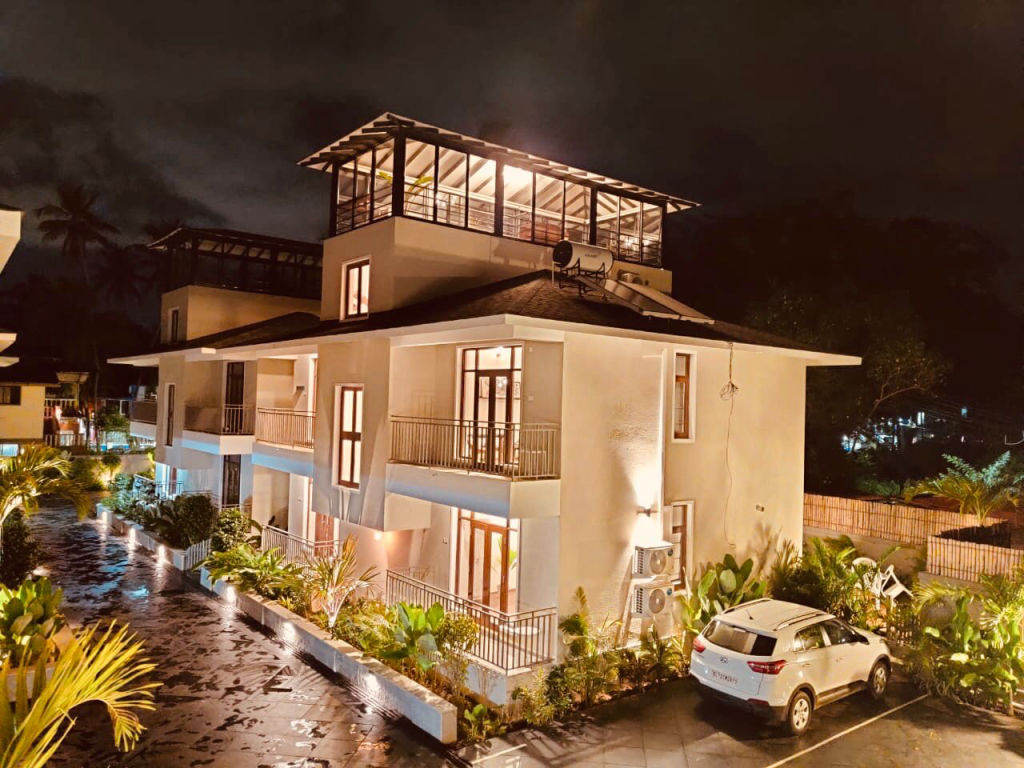
If you wish to wake up close to the hills of eastern Goa, several accommodation options are situated within driving distance of the reservoir. The nearby countryside and the foothills approaching the Chorla Ghats host secluded eco-lodges, farm cottages, and nature retreats designed for travellers seeking solace in the green interior.
Whether you are looking for rustic riverside campsites, tranquil rural homestays, or hillside cabins surrounded by plantations, a curated selection of places to stay can be found on HireACamp. Booking a stay in the Sattari or neighboring forest belts allows you to explore the dam and nearby trails at a relaxed, unhurried pace.
Frequently asked questions
Where is Anjunem Dam located?
Anjunem Dam is situated near the settlement of Onda in Sattari taluka, nestled in the north-eastern foothills of Goa near the Western Ghats.
Is swimming permitted at Anjunem Dam?
Swimming in the reservoir is not advised and often prohibited due to deep waters, unseen currents, and water safety regulations. Visitors are encouraged to enjoy the views safely from designated vantage points.
What is the best season to see Anjunem Dam?
The monsoon season from July to September and the post-monsoon winter months through February offer the best conditions, with full water levels, verdant greenery, and mild weather.
Are there food stalls or restaurants at the dam?
There are limited to no commercial stalls directly at the dam. It is best to carry your own refreshments or dine at small eateries in nearby towns like Onda, Valpoi, or Sanquelim.
Can you drive up to Anjunem Dam?
Yes, well-connected roads lead toward the dam area from nearby towns, and private cars or motorbikes can access parking and viewpoint areas along the approach.
Where you'll be
6 stays nearby shown with prices
Stays near Anjunem Dam
Book a place to stay close by

More places near Anjunem Dam
Within 20 km
Built from 0 Instagram posts by 0 creators. Every tip links back to the post it came from, and where creators disagree we show both sides.






