
Lamgao Buddhist Caves
Cave near Bicholim, Goa
1 km from Bicholim
The nearest town, for stays, food and fuel.
Lamgao Buddhist Caves are a pair of ancient rock-cut cave shrines located in the quiet village of Lamgao near Bicholim in North Goa. Carved directly out of brittle laterite stone, these caves offer a glimpse into Goa's early monastic history away from the bustling coastline. Visitors come here to explore the rustic architecture, study rock-cut craftsmanship, and experience the tranquil countryside of the Goan hinterland.
Getting there
By road
- From BicholimNearest town9 min · 2.3 km
- From Pune8 hr 50 min · 417 km
- From Mumbai 10 hr 25 min · 531 km
Typical drive times without traffic. Stations and airports from OLA Maps; distances and typical drive times from OpenStreetMap (© OpenStreetMap contributors); notes from creators' Reels.
About Lamgao Buddhist Caves
Written with AI from map data and general knowledge. Check prices and timings locally before you go.
About Lamgao Buddhist Caves
Situated in the Bicholim taluka of North Goa, the Lamgao Buddhist Caves are ancient rock-cut sanctuaries excavated into the face of a laterite ridge. While Goa is celebrated worldwide for its sandy beaches and colonial architecture, its hinterland preserves deeply rooted historical remnants, including early rock-cut shrines created by monastic traditions that traversed the Konkan belt.
The caves are named after the village of Lamgao, a quiet rural settlement framed by areca nut palms, coconut groves, and winding village roads. Cut into the porous, reddish-brown laterite typical of the Sahyadri foothills, these caves are notable for their austere design and rustic construction. Although laterite is notoriously prone to weathering, the survival of these rock-cut excavations demonstrates the dedicated effort of the ancient builders who chose this secluded location for reflection and study.
Architecture and Layout of the Caves
The site at Lamgao consists primarily of two distinct rock-cut caves, situated a short walk apart along the village hillside. Both caves reflect the practical adaptation of rock architecture to fragile laterite stone, leading to designs that are relatively modest compared to basalt-carved caves found across the Western Ghats.
The first cave is smaller and more complete in its excavation. It features a compact courtyard leading to an open verandah, supported by sturdy pillars carved from the parent rock. Inside lies a small sanctum containing a stone pedestal, which appears to have been adapted across centuries for local worship. A rock-cut cistern designed to catch natural seepage water sits near the entrance, a standard feature of ancient rock-cut monastic sites.
The second cave is substantially larger but remains unfinished. It features an expansive opening supported by crude pillars that lead into a spacious, dark interior. Due to the crumbly nature of the porous rock, the excavation seems to have been discontinued in antiquity. The interior remains cool even in hot weather, and walking through it gives travelers a clear sense of the ancient excavation process, from the initial quarrying lines to the structural shaping of columns.
Read more
Best Time to Visit Lamgao
The optimal period to explore Lamgao Buddhist Caves is from October to March. During these post-monsoon and winter months, the weather in North Goa is relatively pleasant, with clear skies, lower humidity, and comfortable daytime temperatures that make walking around open rock structures easy.
The monsoon season, extending from June through September, brings intense rainfall across the Konkan region. While the surrounding landscape turns remarkably green and the village streams fill up, navigating the laterite paths around the caves requires caution. Wet laterite rock can become extremely slick, and moss growth during peak rains can make footpaths slippery. Summer months from March to May bring high heat and humidity, so visitors planning a trip during these months should arrange their visit for early morning or late afternoon.
How to Reach Lamgao Caves
Lamgao Buddhist Caves are located just outside the municipal town of Bicholim in North Goa. Bicholim is well connected by state highways to key centers including Mapusa, Panaji, and Sanquelim, making the caves straightforward to visit on a day trip.
From Panaji, the journey takes approximately forty-five minutes to an hour by car or scooter, crossing through Ribandar, Old Goa, and across the Mandovi river network towards Bicholim. From Mapusa, the drive east across the rural interior takes around thirty to forty minutes. Local buses regularly connect Mapusa and Panaji to the Bicholim bus stand. From Bicholim town, you can hire a local auto-rickshaw or taxi for the short drive to Lamgao village. Once in the village, a brief foot trail through tree groves leads up to the cave entrance.
Tips for Your Visit
Because the caves are cut into soft laterite, the structure is delicate. Avoid leaning heavily on weathered pillars or climbing atop fragile rock overhangs. The interior of the second cave can be quite dim, so carrying a small flashlight or ensuring your phone is fully charged will help you navigate the unlit interiors safely.
Sturdy walking shoes with good tread are recommended, as the paths can be dusty in the dry season and slick after rain. There are no commercial stalls right beside the caves, so it is sensible to carry a water bottle and any light snacks you may need. Remember that local villagers consider parts of the site sacred, so dress modestly and keep noise levels down while exploring.
Places to Visit Nearby
A visit to Lamgao pairs well with several historical and natural landmarks in the Bicholim and Sanquelim area. Approximately ten kilometers away are the Arvalem Caves, another notable rock-cut site carved into laterite rock, known for its carved chambers and rock-cut shrines. Just down the road from the Arvalem Caves is the Harvalem Waterfall, which forms a broad cascade during and immediately after the monsoon season.
Nearby in Kudnem stand the ruins of an ancient Digambar Jain temple, providing further insight into the diverse religious heritage of medieval Goa. Travelers interested in nature can head south toward Bondla Wildlife Sanctuary, which offers forested trails and wildlife encounters, or visit the Salim Ali Bird Sanctuary and Carambolim Lake along the Mandovi river basin, both popular destinations for observing resident and migratory wetland birds.
Where to Stay Near Lamgao
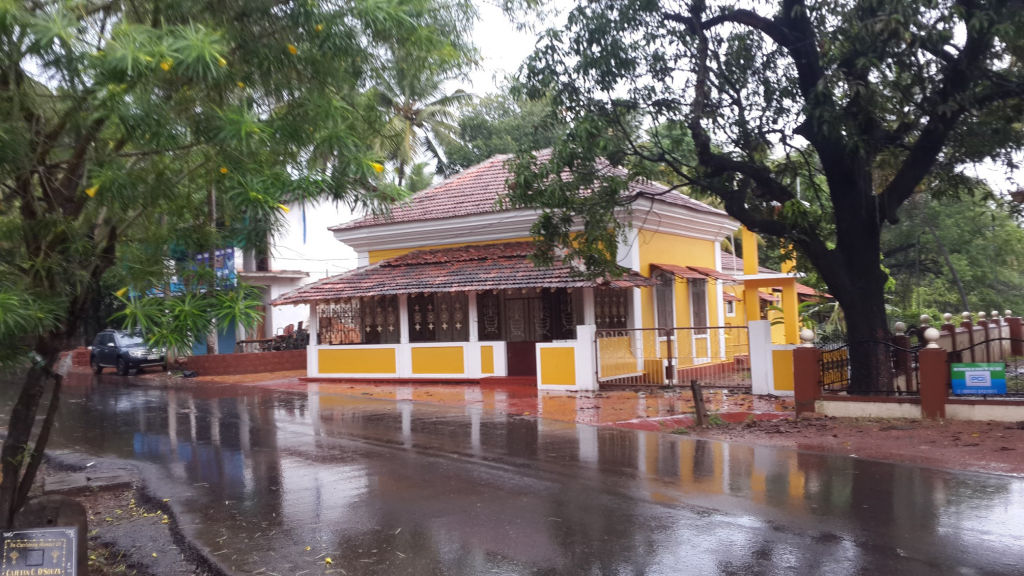
While Lamgao itself is a residential hamlet without large commercial properties, staying in the surrounding countryside allows you to experience the slower, greener side of Goa. The region around Bicholim, Sanquelim, and neighboring village belts offers scenic retreats close to nature.
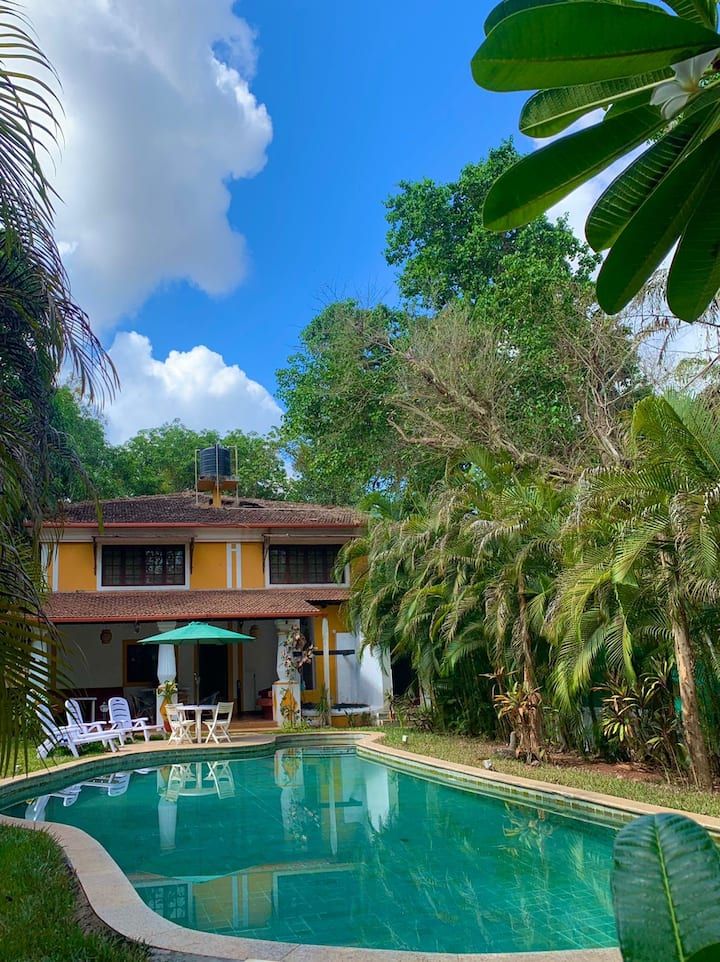
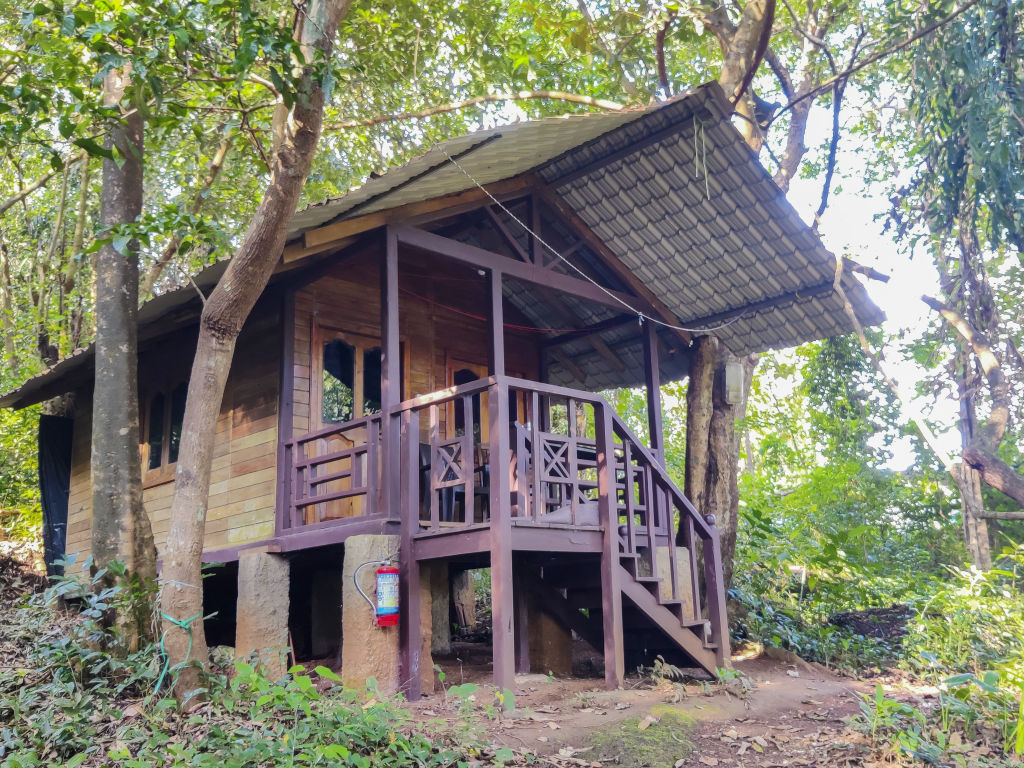
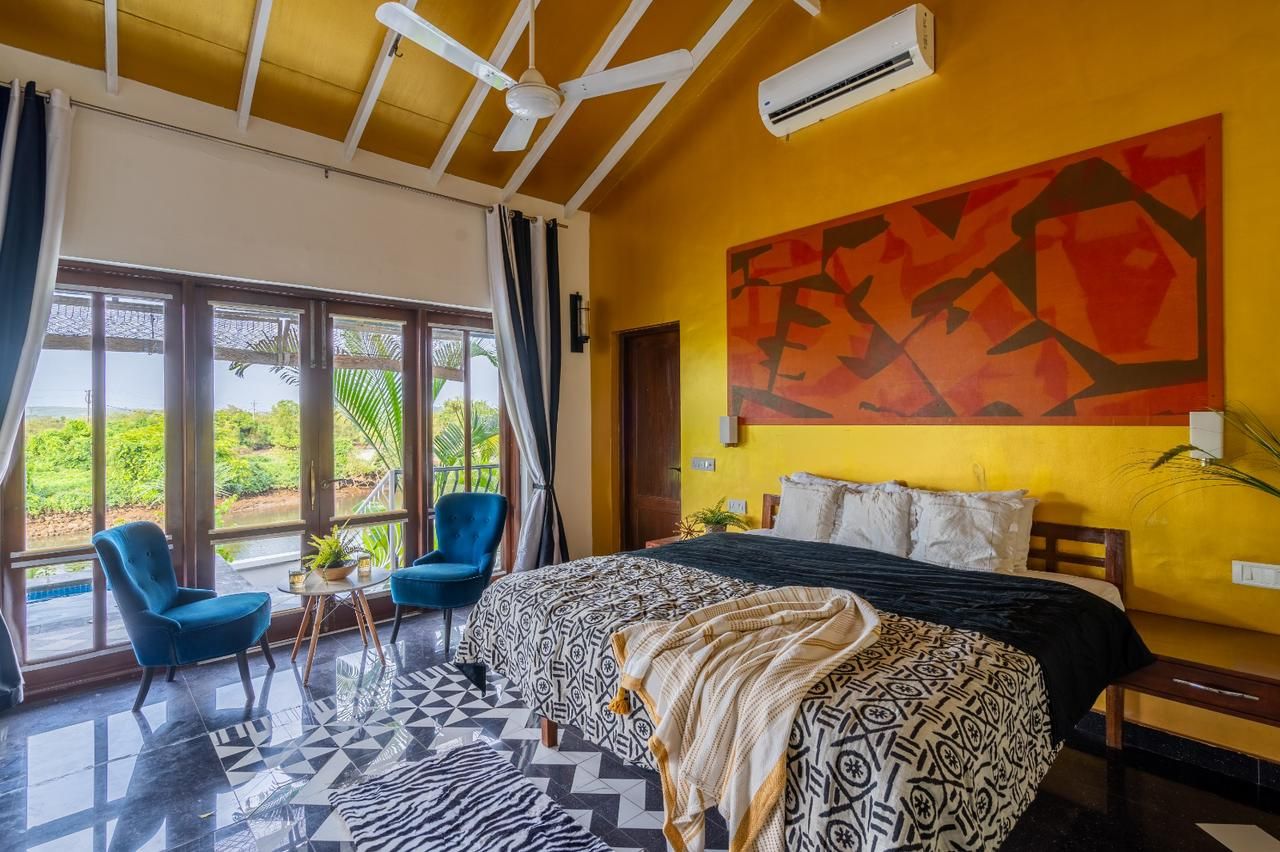
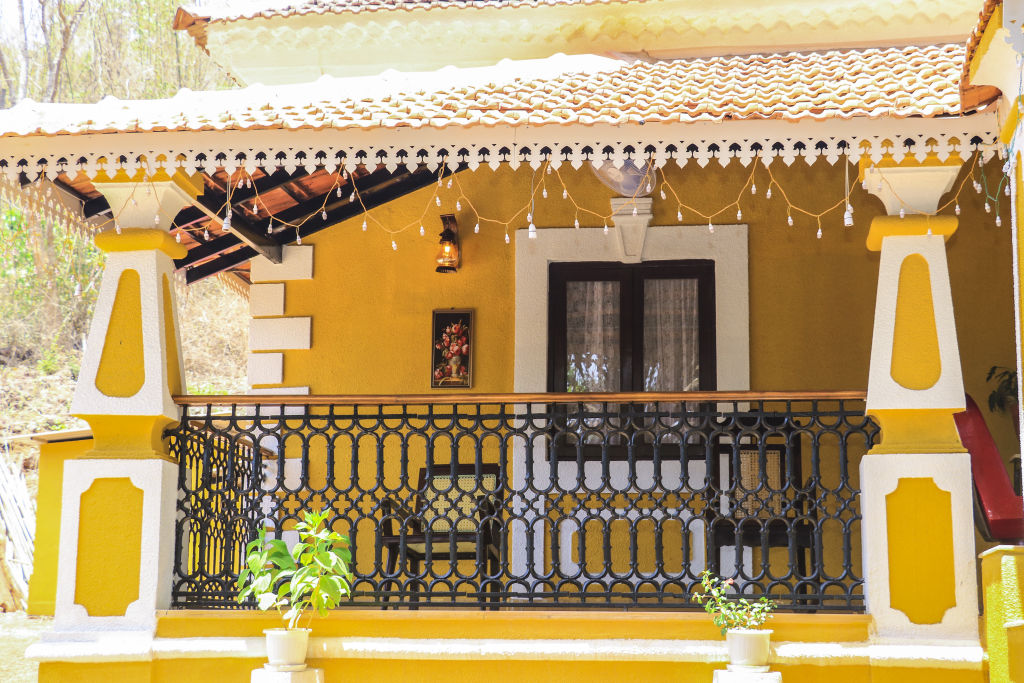
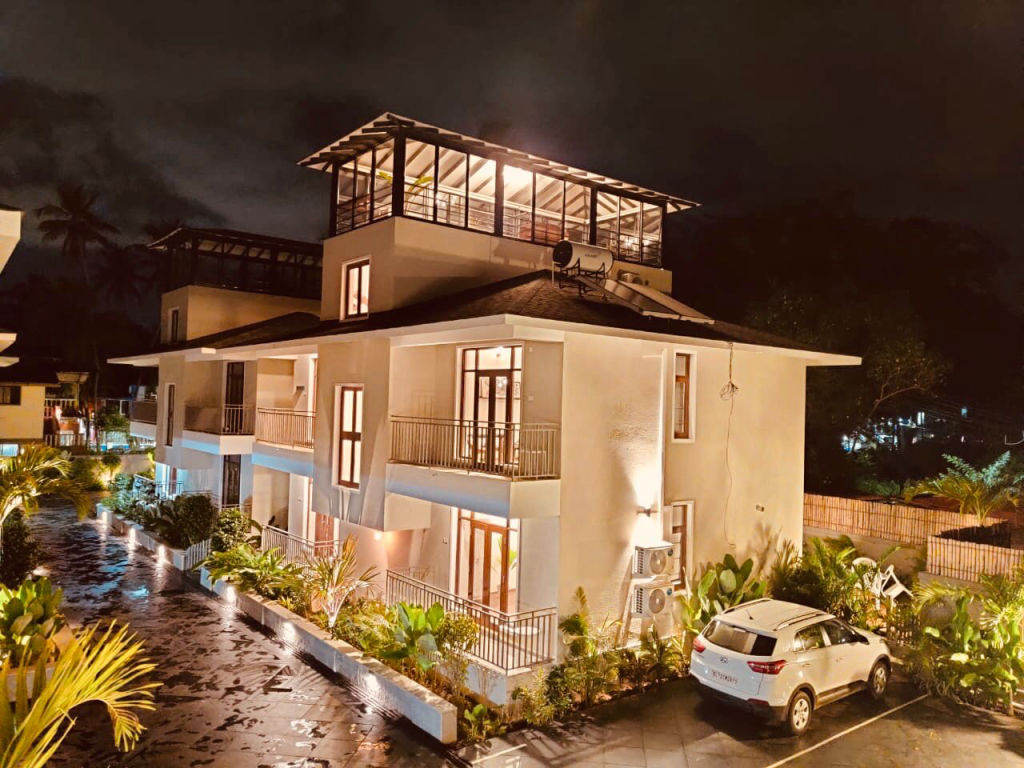
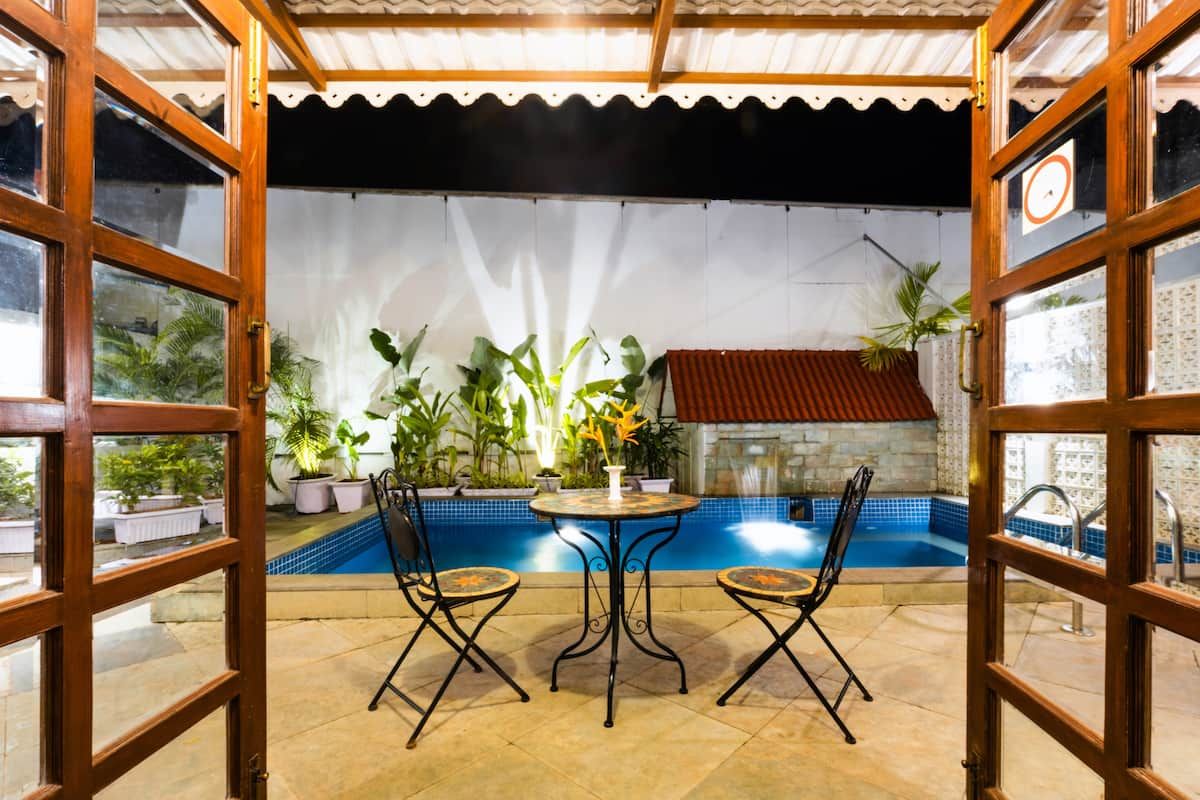
You can find outdoor camps, village homestays, and quiet nature stays on HireACamp. Booking a stay in the North Goan interior gives you a quiet base from which to explore historic rock architecture, hidden waterfalls, spice plantations, and the forested slopes of the Western Ghats foothills.
Frequently asked questions
Are the Lamgao Buddhist Caves natural caves or man-made?
Lamgao Caves are entirely man-made, rock-cut excavations carved by hand into laterite rock faces during ancient monastic periods.
Is there a steep trek to reach Lamgao Caves?
No, the caves require only a short, relatively gentle walk along a village footpath, though sensible walking footwear is recommended due to uneven stone.
Can I visit Lamgao Caves during the monsoon?
Yes, you can visit during the monsoon when the landscape is lush, but you must be careful as the laterite paths and steps can become very slippery when wet.
How much time is needed to see Lamgao Caves?
Most visitors spend between thirty to sixty minutes exploring the two cave excavations and photographing the surrounding village landscape.
Where you'll be
lamgao bicholim goa, lamgao, Bicholim · 12 stays nearby shown with prices
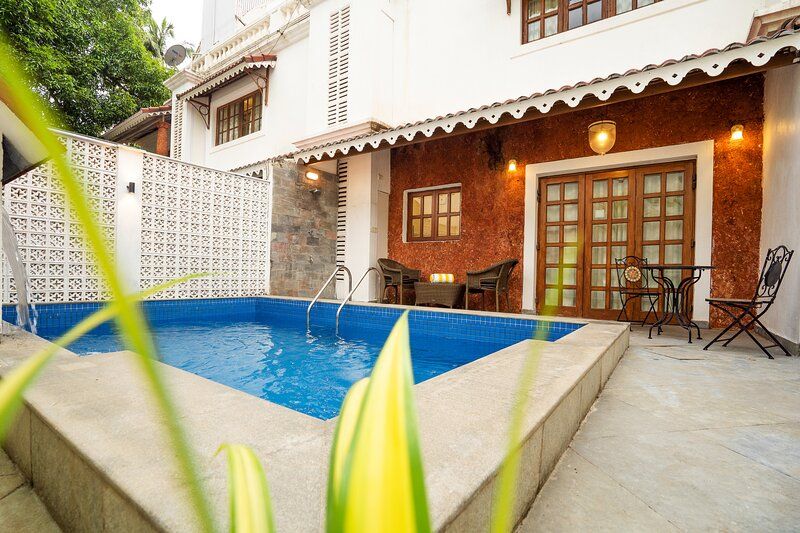
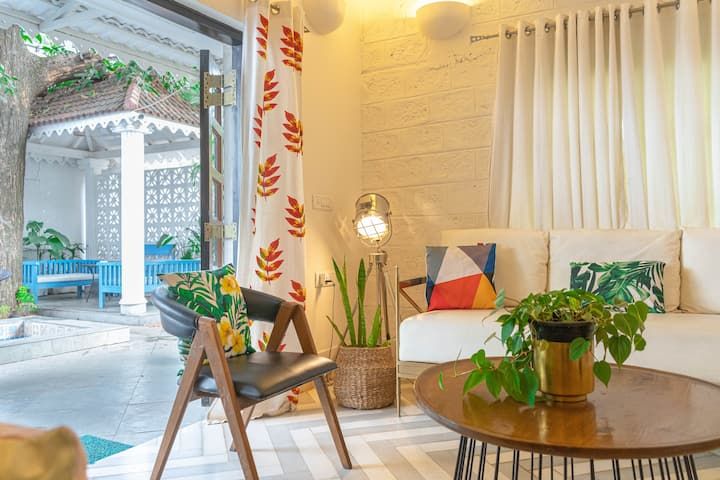
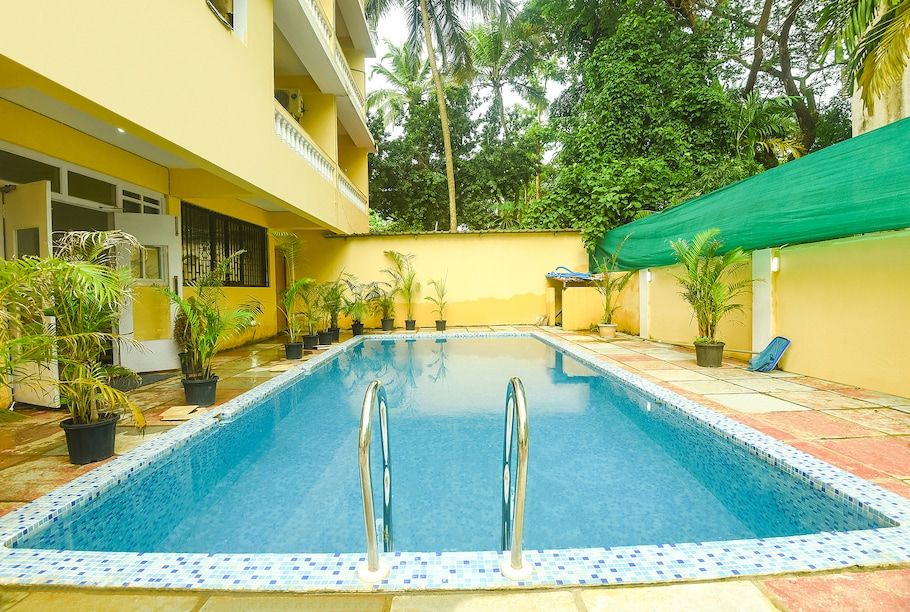
Stays near Lamgao Buddhist Caves
Book a place to stay close by

More places near Lamgao Buddhist Caves
Within 20 km
Built from 0 Instagram posts by 0 creators. Every tip links back to the post it came from, and where creators disagree we show both sides.






