
Ashokan Rock Edict, Kalsi
Monument near Kalsi, Uttarakhand
600 m from Kalsi
The nearest town, for stays, food and fuel.
The Ashokan Rock Edict at Kalsi is an ancient archaeological site dating back to the third century BCE, nestled near the banks of the Yamuna River in the Himalayan foothills of Uttarakhand. It holds the only known major rock edict of the Mauryan emperor Ashoka in northern India, carved directly onto a massive quartz rock. Visitors and history enthusiasts travel here to see centuries-old inscriptions promoting non-violence, ethical living, and imperial history set against a quiet rural landscape.
Getting there
By road
- From KalsiNearest town3 min · 700 m
- From Dehradun1 hr 25 min · 60 km
- From Chandigarh3 hr 20 min · 152 km
- From New Delhi4 hr 30 min · 279 km
Typical drive times without traffic. Stations and airports from OLA Maps; distances and typical drive times from OpenStreetMap (© OpenStreetMap contributors); notes from creators' Reels.
About Ashokan Rock Edict, Kalsi
Written with AI from map data and general knowledge. Check prices and timings locally before you go.
About the Ashokan Rock Edict at Kalsi
The Ashokan Rock Edict at Kalsi marks one of the most significant archaeological and historical landmarks in the Himalayan region. Situated in the Dehradun district near Vikasnagar, the monument preserves a series of fourteenth-edict inscriptions carved under the direction of the Mauryan Emperor Ashoka around 250 BCE. It remains the only known Ashokan rock edict site discovered in northern India, standing near the ancient trade routes that linked the plains of the subcontinent to the hills and beyond.
The inscriptions are engraved on a large, dome-shaped quartz rock that measures over ten feet tall and eight feet wide. Discovered in modern times by British archaeologist John Forest in 1860, the rock has weathered the elements for millennia. Today, the Archaeological Survey of India protects the monument under a sheltered pavilion surrounded by quiet, landscaped lawns. The tranquil environment offers visitors an uncluttered look into India's ancient past, away from the bustling tourist hubs of the lower valleys.
The Inscriptions and Their Meaning
The text on the rock edict is written in the Prakrit language using the Brahmi script, which served as the primary administrative writing system during the Mauryan Empire. Across the smooth face of the stone, the inscriptions outline Ashoka's commitment to Dhamma, or righteous living, following his transformation after the Kalinga War. The decrees emphasize personal integrity, reverence for elders, kindness to animals, and religious tolerance among people of varying faiths.
In addition to general moral principles, the edicts detail practical state duties, including the planting of medicinal herbs along roads, the digging of wells, and the provision of medical care for both humans and animals. On the northern face of the boulder, artists carved a faint outline of an elephant between the legs of which the word Gajatame is inscribed in Brahmi, translating to the superlative elephant or most noble elephant, symbolizing the Buddha. Reading these timeless decrees in their original setting offers a poignant reminder of early humanitarian ideals in governance.
Read more
Best Time to Visit Kalsi
The valley surrounding Kalsi experiences a subtropical foothill climate, making it accessible throughout the entire year, though certain seasons are much more pleasant for outdoor exploration. The months from October through March provide the most comfortable weather, characterized by mild, sunny days and cool, refreshing nights. During these months, the air is crisp, and views across the surrounding hills and riverbed are generally clear.
Spring, running from late February through April, brings blooming flora and agreeable temperatures ideal for combining a monument visit with walks along local paths. The summer months from May to June bring warmer conditions, though temperatures are typically lower than those experienced in the northern plains. The monsoon period from July through September brings heavy rainfall to Uttarakhand, turning the hillsides vibrant green but occasionally causing muddy terrain and regional road delays. If visiting during the monsoon, keeping an eye on weather forecasts is recommended.
How to Reach the Ashokan Rock Edict
Reaching Kalsi is straightforward from Dehradun and the neighbouring town of Vikasnagar. The site is located just off the main road heading toward Chakrata and the Jaunsar-Bawar region. Vikasnagar is the closest market hub, located only a short drive away, while Dehradun serves as the main transit gateway with regular bus services, taxi stands, and a major railway terminus connecting to key cities across India.
Travellers arriving by air can land at Jolly Grant Airport near Dehradun and continue onward by hiring a taxi or taking public transport toward Vikasnagar and Kalsi. For road travellers driving from Dehradun, the route passes through scenic stretches of the Doon Valley before ascending toward the foothills. Local shared jeeps and private cabs regularly operate along the Vikasnagar-Chakrata road, making it easy to disembark near the monument gate.
Tips for Planning Your Visit
When planning your excursion to the Ashokan Rock Edict, allow at least one to two hours to wander through the pavilion, view the stone surface from different angles, and read the informative panels provided at the premises. Because opening hours and local guidelines can change periodically, it is wise to check entry details locally before setting off.
Comfortable walking shoes are recommended, as you may wish to walk along the nearby riverfront or explore the surrounding rural tracks. Carry drinking water and sun protection, especially if visiting during the mid-day hours of spring and summer. To truly appreciate the site, take a moment to look closely at the Brahmi letterforms, which remain surprisingly sharp despite thousands of years of exposure. Photography is generally permitted around the grounds, though visitors are expected to maintain respect and avoid touching or defacing the protected stone.
Places to Visit Around Kalsi
Kalsi sits at a geographic transition point where the flatlands of the valley give way to the rugged Jaunsar-Bawar mountains, opening up numerous opportunities for day trips. Further north on the higher ridges lies the mountain ridge of Moila Top, popular among trekkers for its rolling meadows and sweeping panoramas. Closer toward the Mussoorie ridge, Dalai Hills and the historic village of Landour offer cool alpine air, cedar forests, and expansive Himalayan outlooks.
Toward the south and east, travellers can explore the temple of Bhadraj, set atop a forested hill with broad views over the plains and valleys. Down within the wider Dehradun valley, popular day stops include the natural limestone stream at Gucchupani Robbers' Cave, the ancient shrine of Tapkeshwar Mahadev Mandir, the bustling lanes of Paltan Bazaar, and the quiet gardens around Mindrolling Monastery. Combining these destinations creates a rich itinerary spanning heritage, natural geology, and regional culture.
Where to Stay Near Kalsi
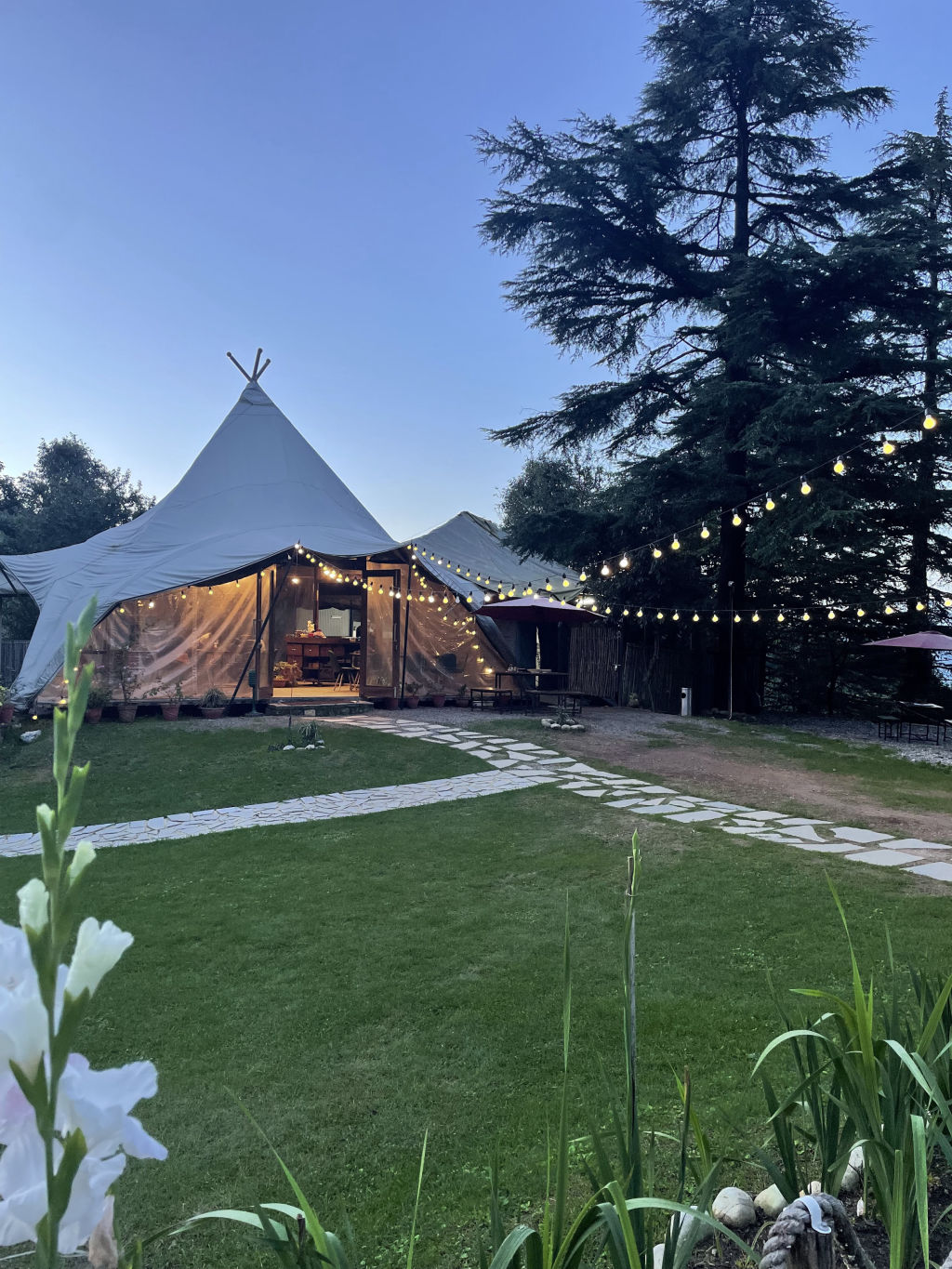
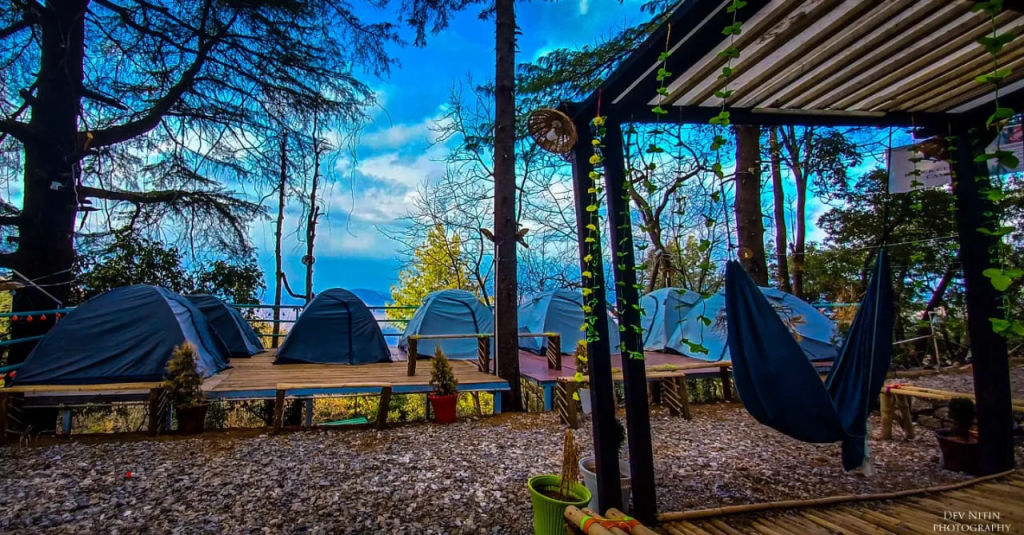
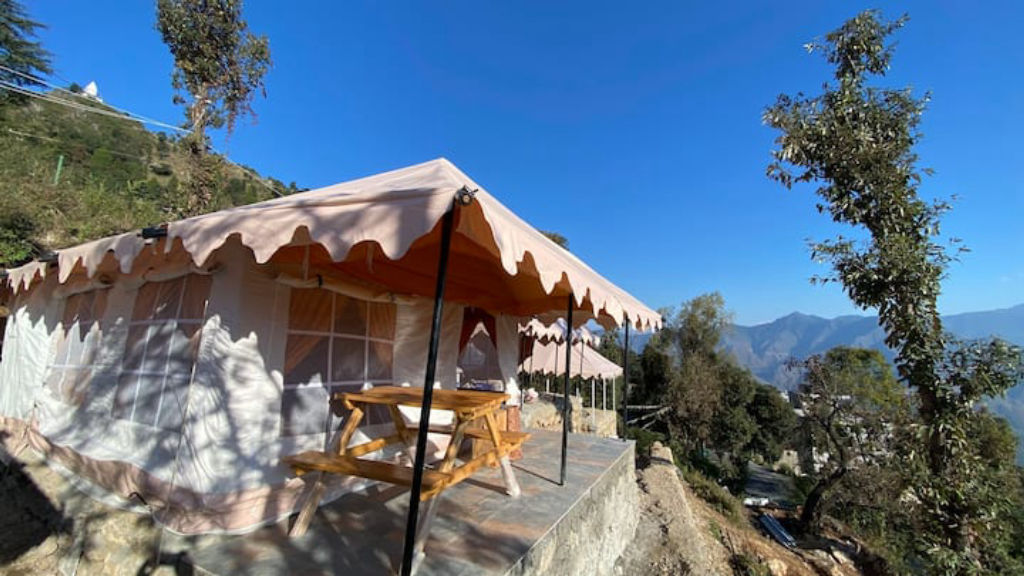
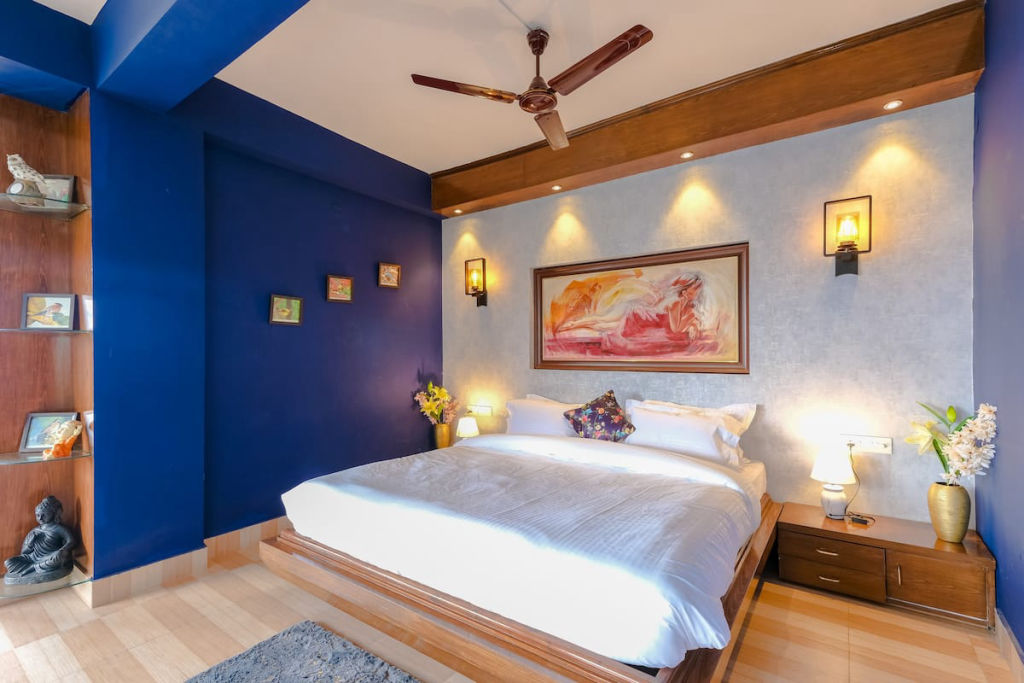
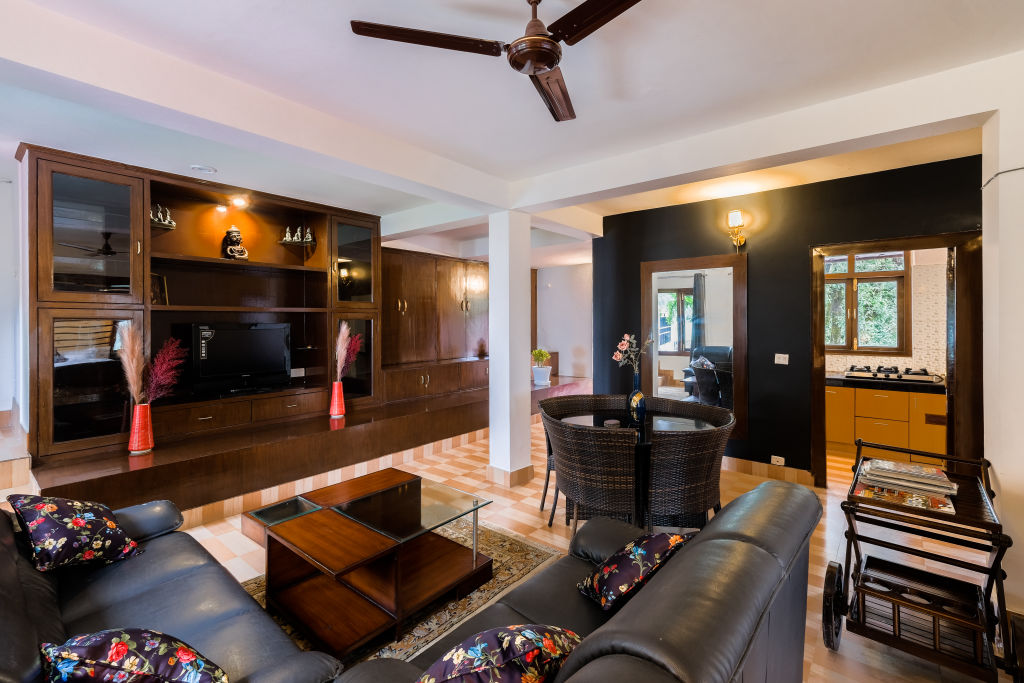
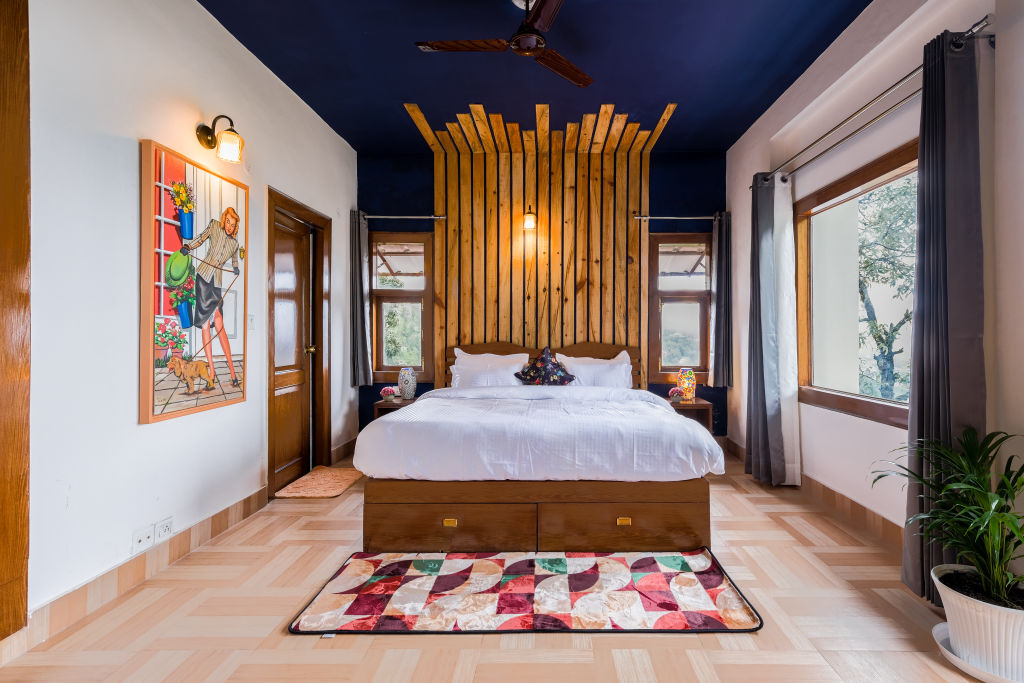
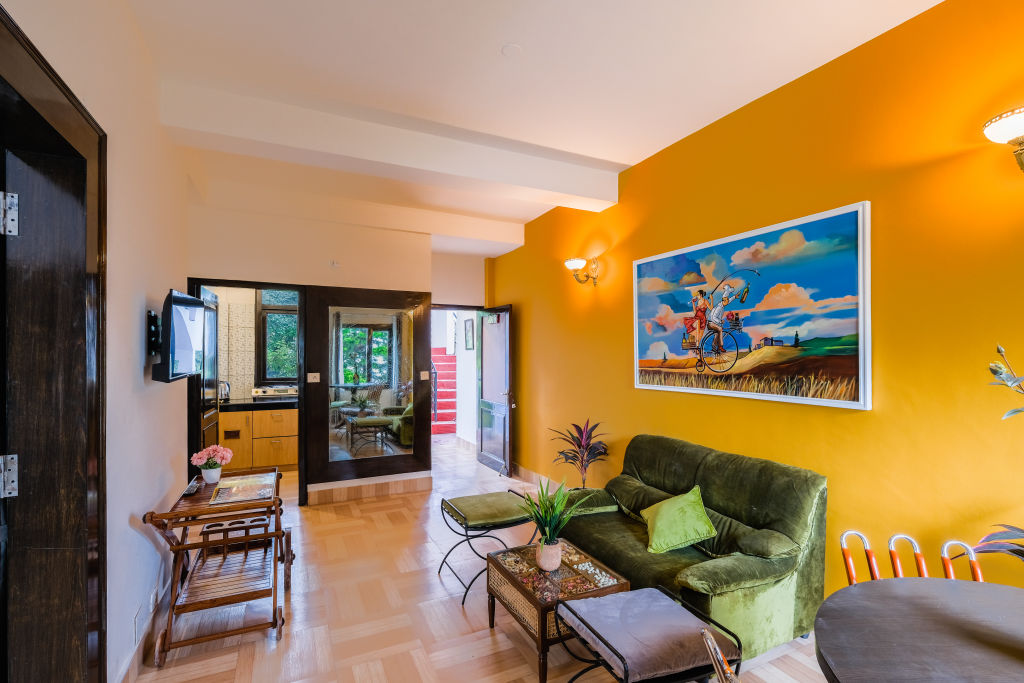
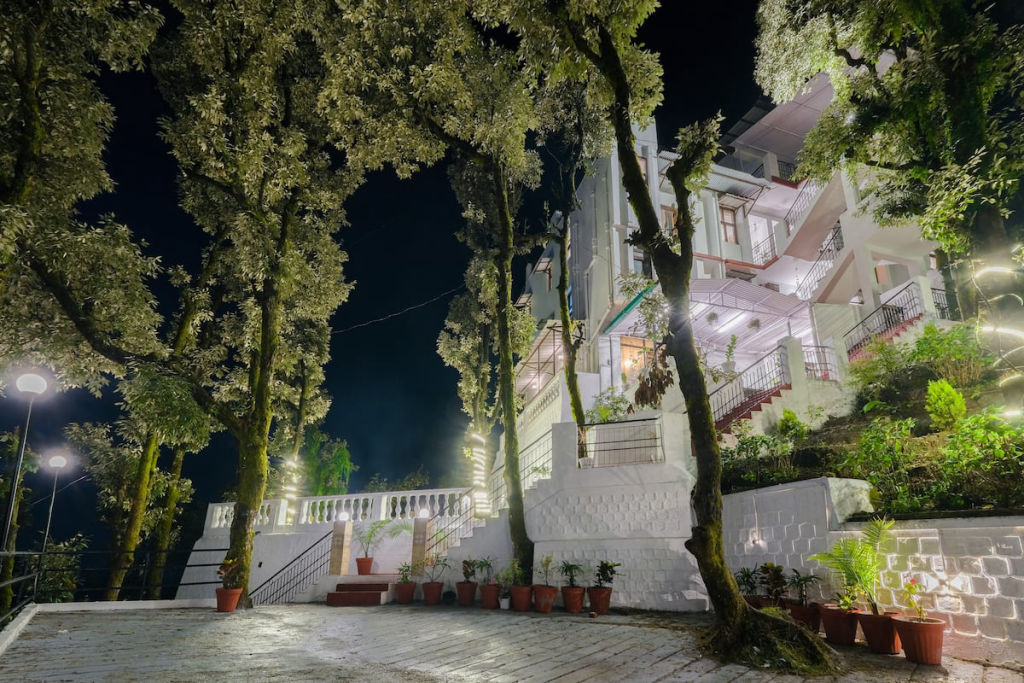
Travelers wishing to stay close to Kalsi can look toward the serene river valleys, agricultural hamlets, and forested slopes of Dehradun district. Options ranging from quiet countryside homestays and heritage estates to riverside campsites and mountain cabins are available across the region on HireACamp. Staying nearby allows you to explore the Ashokan Rock Edict early in the day when the morning light hits the quartz stone, and gives you a relaxed base for venturing into the nearby Jaunsar-Bawar hills.
Frequently asked questions
What is the historical importance of the Ashokan Rock Edict at Kalsi?
It is the only major Ashokan rock edict site found in northern India, containing fourteenth-edict inscriptions carved around 250 BCE in the Prakrit language and Brahmi script.
Where is the Ashokan Rock Edict located?
The monument is located near the village of Kalsi, close to Vikasnagar along the route toward Chakrata in the Dehradun district of Uttarakhand.
Is an entry fee required to visit the rock edict?
Site regulations and entry policies are managed by archaeological authorities and can change, so visitors should verify current entry fees and visiting hours locally upon arrival.
What is depicted on the rock besides the writing?
Beside the inscriptions, the rock features an outline carving of an elephant accompanied by the Brahmi inscription 'Gajatame', signifying the Buddha.
Can I visit Kalsi on a day trip from Dehradun?
Yes, Kalsi can be easily visited as a day excursion from Dehradun or Vikasnagar by road, and it can be paired with other regional scenic and historical attractions.
Where you'll be
Uttarakhand · 12 stays nearby shown with prices
Stays near Ashokan Rock Edict, Kalsi
Book a place to stay close by

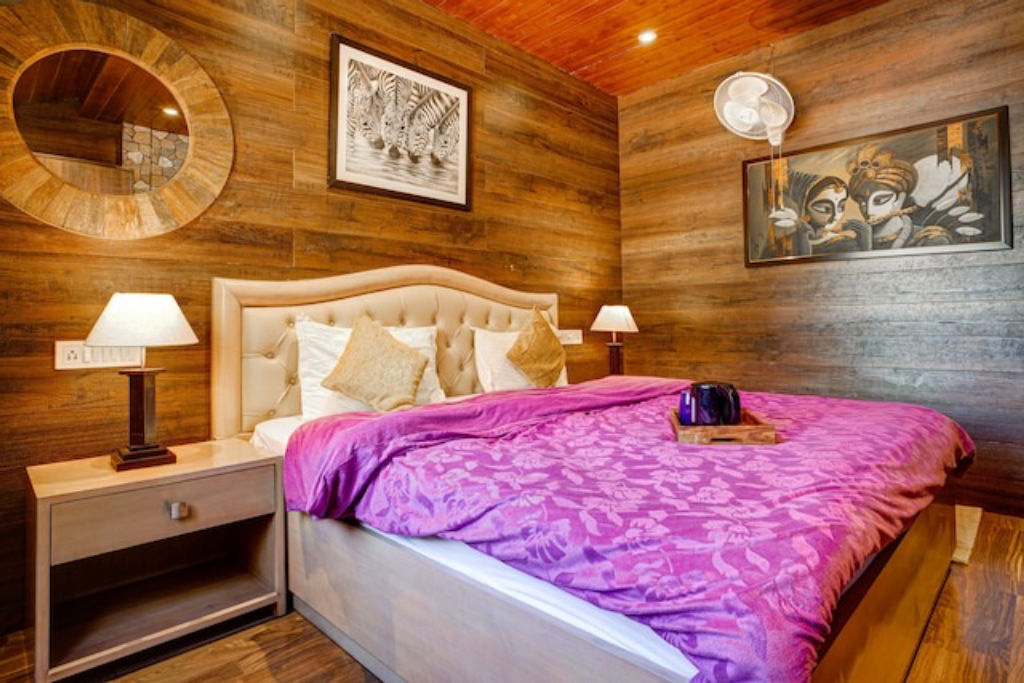
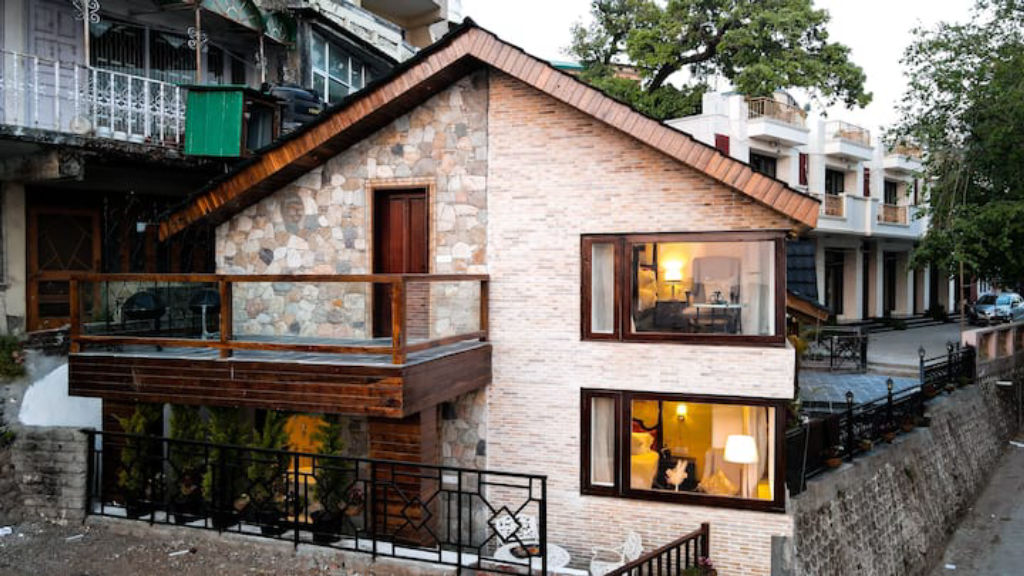
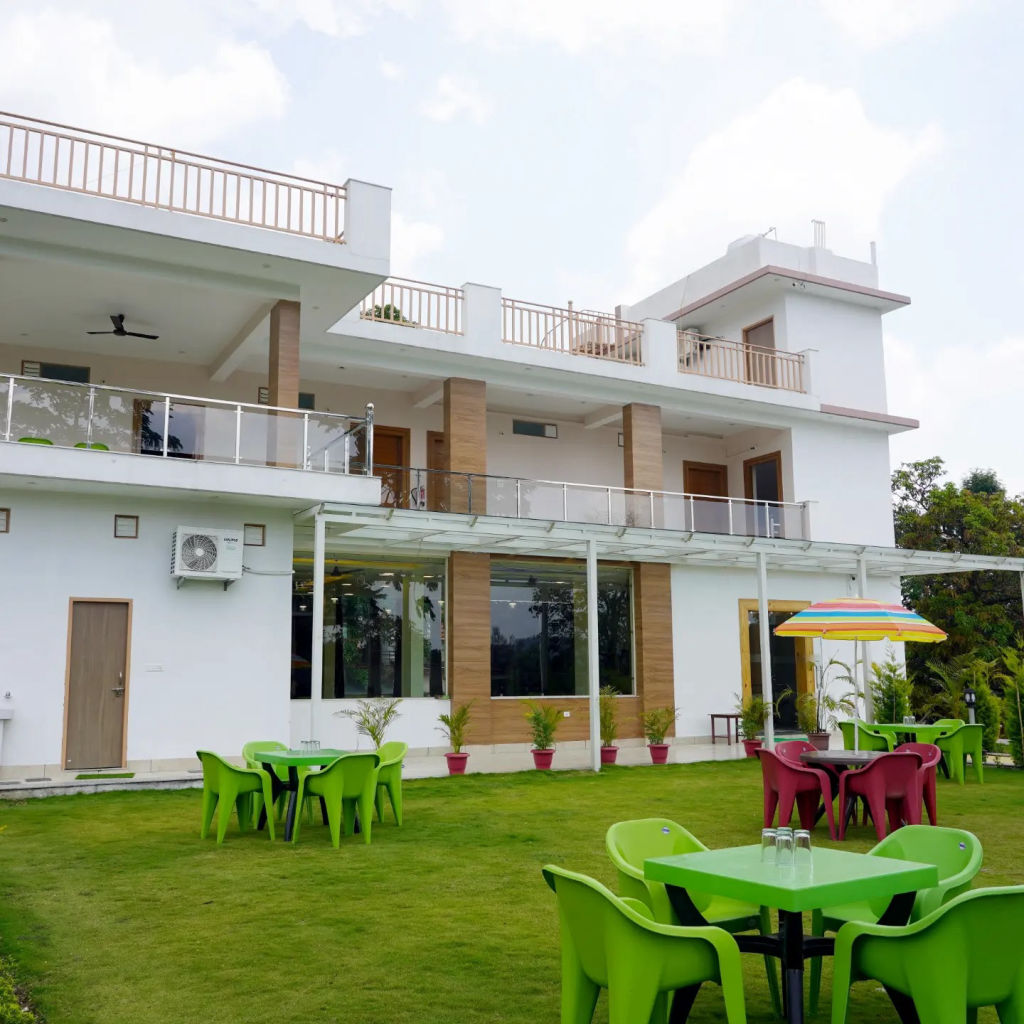
More places near Ashokan Rock Edict, Kalsi
Within 20 km


Lists for this area
Ranked by how many creators recommend each place


Built from 0 Instagram posts by 0 creators. Every tip links back to the post it came from, and where creators disagree we show both sides.






