
Aurangabad
Destination in Maharashtra
Aurangabad, officially known as Chhatrapati Sambhaji Nagar, is a historic city in Maharashtra's Marathwada region renowned for its deep cultural roots and monumental Deccan heritage. It serves as the primary base for exploring the world-famous UNESCO rock-cut cave complexes of Ellora and Ajanta. Travellers and history enthusiasts visit the city to experience medieval fortifications, grand Mughal-era architecture, and the rugged volcanic landscapes of the northern Deccan plateau.
Getting there
By road
- From Nashik3 hr 10 min · 195 km
- From Pune5 hr 10 min · 237 km
- From Mumbai 5 hr 20 min · 345 km
- From Surat7 hr 40 min · 381 km
Typical drive times without traffic. Stations and airports from OLA Maps; distances and typical drive times from OpenStreetMap (© OpenStreetMap contributors); notes from creators' Reels.
About Aurangabad
Written with AI from map data and general knowledge. Check prices and timings locally before you go.
The Historical Legacy of Aurangabad
Aurangabad is one of the most culturally significant cities in central Maharashtra, bearing the layered imprints of the Satavahana dynasty, the Yadavas of Deogiri, the Delhi Sultanate, the Nizamshahi rulers of Ahmadnagar, and the Mughal empire. Established in the early seventeenth century by Malik Ambar under the name Khadki, the settlement later grew into a prime administrative capital under Emperor Aurangzeb, who lent the city his name.
The city's past is preserved in its streetscapes, ancient stone water systems, and monumental architecture. Nicknamed the City of Gates, Aurangabad was once fortified by dozens of grand medieval portals, many of which still stand along the modern thoroughfares. Beyond its royal and military significance, the region was an early center of Buddhism and Jainism, leaving behind intricate monastic retreats carved into the dark basalt hills that fringe the city's perimeter.
The World Heritage Caves: Ellora and Ajanta
No journey to Aurangabad is complete without visiting the Ellora and Ajanta Caves, two of the finest rock-cut heritage monuments in the world. Ellora, located roughly thirty kilometers northwest of the city, comprises more than thirty excavated monasteries and temples representing Buddhist, Hindu, and Jain traditions. The crowning jewel of Ellora is the monolithic Kailasa Temple, carved top-to-bottom from a single colossal basalt cliff, demonstrating staggering architectural mastery and intricate relief sculptures.
Further northeast lies Ajanta, perched dramatically within a horseshoe-shaped gorge overlooking the Waghur River. Comprising around thirty rock-cut Buddhist sanctuaries, Ajanta is celebrated worldwide for its ancient murals and tempera wall paintings that depict the Jataka tales, everyday royal life, and celestial figures. Visiting both sites gives travellers a rare window into the artistic, spiritual, and technical heights achieved across the ancient Deccan between the second century BCE and the medieval era.
Read more
Fortresses and Landmarks in Aurangabad
Within and around the city limits, Aurangabad presents a rich itinerary of architectural wonders. Bibi Ka Maqbara, built in the late seventeenth century, bears a striking resemblance to the Taj Mahal and is constructed with white marble and polished stucco plaster set amidst formal Persian-style gardens. Another significant urban monument is Panchakki, an eighteenth-century mill complex powered by an ingenious underground water conduit that channels water from mountain springs kilometers away.
A short drive west brings visitors to the foot of Daulatabad Fort, towering dramatically above the plains atop a conical granite hill. Once the formidable capital of Muhammad bin Tughlaq, this fortress features an elaborate defensive system that includes concentric ramparts, a deep moat, and an unlit, disorienting labyrinth known as the Bhulbhulaiya designed to trap invading armies. Climbing to the top rewards travellers with sweeping views of the surrounding Deccan scrublands.
Natural Getaways and Day Trips nearby
Beyond stone monuments, the landscape around Aurangabad features several unique outdoor destinations. Lonar Lake, located a few hours east in Buldhana district, is one of the world's most prominent meteorite impact craters in basaltic rock. The saline, alkaline lake is surrounded by quiet woodland trails frequented by migratory birds, wildlife, and half-subdued ancient temples that dot the crater rim.
For a forest escape, the Gautala Autramghat Wildlife Sanctuary spans the Satmala hill range north of Aurangabad. The sanctuary preserves southern tropical dry deciduous forests and moist grasslands, providing a sanctuary for leopards, nilgai, wild boars, barking deer, and diverse bird species. Nearby, the banks of the Godavari River near Paithan host the vast waters of the Jayakwadi bird sanctuary and reservoir, making it a scenic destination for quiet walks and birdwatching during winter migrations.
Best Time to Visit Aurangabad
The best time to visit Aurangabad is during the winter months, extending from October to March. During this period, daytime temperatures remain moderate and pleasant, making it comfortable to spend long hours walking through outdoor archaeological sites, climbing fortress stairs, and wandering through cavern halls. Clear skies and cool evenings make outdoor travel and camping particularly enjoyable.
The monsoon season, from late June to September, brings refreshing rains that transform the dry Deccan plateau into a vibrant green panorama. Seasonal waterfalls cascade down the cliffs of Ajanta and the slopes of Daulatabad Fort, creating dramatic scenery, though high humidity and slippery rock trails require extra caution. Summer, running from April to early June, is dry and intensely hot, with afternoon temperatures routinely climbing high, so extensive daytime sightseeing is best avoided during those months.
How to Reach Aurangabad
Aurangabad is easily accessible by air, rail, and road. The Aurangabad Airport connects the city to major hubs such as Mumbai, Delhi, and Hyderabad with regular domestic flights. The city's main railway station, Aurangabad Railway Station, falls on the South Central Railway network and is well served by express and intercity trains connecting it to Mumbai, Pune, Nagpur, and Hyderabad.
For road travellers, Aurangabad is connected by major highways, including the modern Samruddhi Mahamarg expressway, which dramatically reduces drive times between Mumbai, Nashik, and the city. Regular state-run transport buses and private coaches operate frequently from Pune, Mumbai, and neighboring districts. Local buses, auto-rickshaws, and private cabs are readily available within the city to reach the heritage sites and surrounding countryside.
Where to Stay around Aurangabad
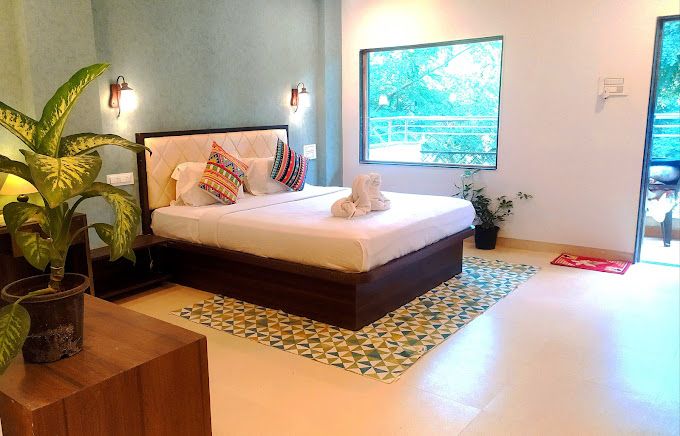
Travellers heading to Aurangabad can choose from a broad variety of accommodations to suit different travel styles. While the central city offers convenient urban stays and heritage properties close to transport junctions, the outskirts and surrounding rural pockets provide quieter retreats closer to nature.
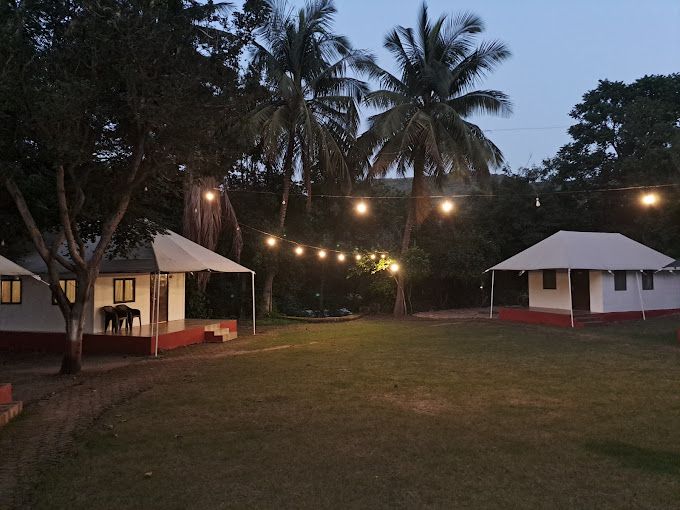
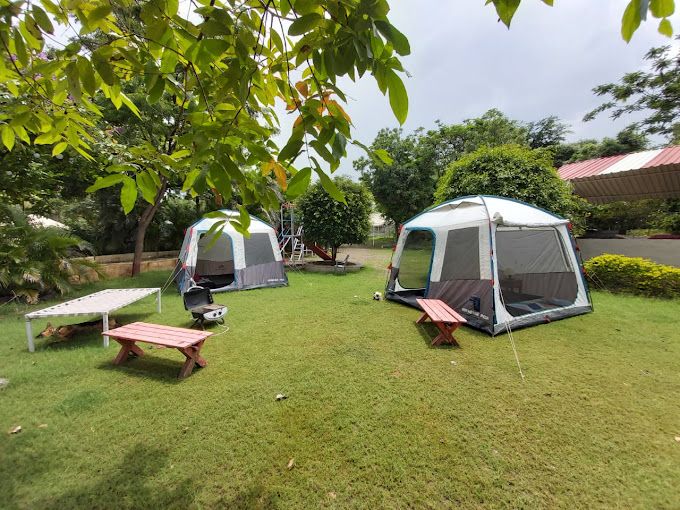
Those looking to disconnect can discover scenic farm stays, eco-lodges, homestays, and outdoor campsites nestled near the hills and reservoirs outside the city. Whether you prefer waking up near village orchards or spending the evening around a campfire under open Deccan skies, you can browse and book unique local homestays and outdoor camps in the area on HireACamp.
Frequently asked questions
How many days are needed to explore Aurangabad?
A trip of three to four days is ideal to comfortably explore Aurangabad city landmarks, dedicate full separate days to the Ellora and Ajanta Caves, and visit Daulatabad Fort.
Can Ellora and Ajanta Caves be visited on the same day?
Visiting both caves on the same day is not recommended because they lie in opposite directions from Aurangabad, and each complex requires several hours of walking to properly appreciate.
What is Aurangabad famous for apart from the caves?
Aurangabad is renowned for Bibi Ka Maqbara, the hilltop fortress of Daulatabad, ancient water systems at Panchakki, and traditional handloom weaving traditions like Himroo shawls and Paithani silk saris.
What should travellers pack for sightseeing in Aurangabad?
Pack sturdy walking or hiking shoes for climbing rocky cave steps and fortresses, lightweight breathable cotton clothing, sun protection such as hats and sunscreen, and a refillable water bottle.
Where you'll be
3 stays nearby shown with prices
Stays near Aurangabad
Book a place to stay close by
Things to do in Aurangabad
48 places creators recommend within 30 km
Built from 0 Instagram posts by 0 creators. Every tip links back to the post it came from, and where creators disagree we show both sides.






