
Paithani Silk Weaving Center
Museum near Aurangabad, Maharashtra
1.3 km from Aurangabad
The nearest town, for stays, food and fuel.
The Paithani Silk Weaving Center in Chhatrapati Sambhaji Nagar (Aurangabad), Maharashtra, is a dedicated workshop and living museum celebrating the centuries-old tradition of handwoven Paithani silk. Visitors come to witness master artisans manipulate intricate wooden looms, learn about the complex tapestry weaving technique, and appreciate the heritage of one of India's most celebrated textiles. It offers an engaging cultural detour for textile enthusiasts, history lovers, and travellers exploring the Marathwada region.
Getting there
By road
- From AurangabadNearest town4 min · 1.6 km
- From Nashik3 hr 5 min · 195 km
- From Pune5 hr 15 min · 240 km
- From Mumbai 5 hr 25 min · 347 km
Typical drive times without traffic. Stations and airports from OLA Maps; distances and typical drive times from OpenStreetMap (© OpenStreetMap contributors); notes from creators' Reels.
About Paithani Silk Weaving Center
Written with AI from map data and general knowledge. Check prices and timings locally before you go.
The Heritage of Paithani Weaving
Paithani silk is often referred to as the queen of Maharashtrian silks, carrying a heritage that dates back more than two thousand years to the Satavahana empire. Historically woven in the holy town of Paithan along the banks of the Godavari River, these textiles were treasured by royalty, traded with ancient Greece and Rome, and later patronised generously by the Peshwas of Pune. What sets a Paithani saree apart from other Indian weaves is its distinctive tapestry technique, where coloured silk threads are woven directly into metallic zari without leaving loose floats on the reverse side.
The Paithani Silk Weaving Center in Chhatrapati Sambhaji Nagar was established to preserve, exhibit, and promote this intricate craft. While mechanisation and modern power looms have flooded the market with synthetic replicas, this center remains dedicated to the original slow-crafted discipline. Visiting the center functions as an educational walk through living history, bridging the gap between ancient royal wardrobes and modern sustainable craftsmanship.
Inside the Workshop and Museum
Stepping inside the Paithani Silk Weaving Center brings you straight into the rhythmic hum of handlooms. The space operates as both an interactive workshop and a museum gallery. The floor is lined with traditional wooden looms where skilled weavers sit for hours, carefully passing shuttles back and forth to create complex patterns. Informative panels and exhibits across the hall detail the historical timeline of the craft, displaying raw materials ranging from fine mulberry silk skeins to real silver and gold-dipped threads.
Visitors are welcome to observe the artisans up close and view ongoing projects at different stages of completion. You can watch how graph designs are translated into warp and weft counts and see how the distinctive kaleidoscope-like borders and elaborate pallus are painstakingly built millimetre by millimetre. The weavers are generally happy to explain the subtle differences between designs, making the experience far more personal than visiting a standard retail showroom.
Read more
Understanding the Weaving Process
The creation of an authentic Paithani saree is an exercise in extreme patience and precision. The process begins with raw silk filaments that are sorted, spun, and washed before being dyed in natural and chemical baths to achieve vibrant traditional colours such as pomegranate red, peacock blue, parrot green, and deep amber yellow. Once the dyed silk threads are stretched and aligned on the loom, the weaver begins the painstaking task of building the fabric.
Unlike jacquard looms that rely on punch cards to automate patterns, authentic traditional Paithani weaving relies heavily on the artisan's hand manipulation using small shuttles called tillis. Motifs such as the mor (peacock), popat (parrot), kamal (lotus), and asavali (flowering vine) are interlaced manually into the pallu and border. Because of this level of detail, a single handwoven saree can take anywhere from a month to over a year to finish, depending on the complexity of the design and the density of the zari work.
Best Time to Visit the Center
The Paithani Silk Weaving Center is an indoor facility and can easily be visited throughout the year. However, planning your trip around the broader weather conditions of Chhatrapati Sambhaji Nagar ensures a much more comfortable overall vacation. The winter months from October to February bring mild, pleasant daytime temperatures and cool evenings, making it the most popular window for regional sightseeing.
Monsoon season, which spans from July to September, brings moderate rainfall that transforms the dry Deccan landscape into green rolling hills, providing pleasant weather for exploring regional attractions. In contrast, the summer months between March and June bring dry and intense heat, with daytime temperatures often climbing above forty degrees Celsius. If you are travelling during the summer, plan your visits to indoor spaces like the weaving center during midday hours to escape the harsh sun.
How to Reach the Weaving Center
Chhatrapati Sambhaji Nagar is one of the primary transport hubs of central Maharashtra, making the weaving center very easy to access. The city is served by its own domestic airport, which connects directly to major metro cities such as Mumbai, Delhi, and Hyderabad. The central railway station has regular train services linking to Mumbai, Pune, Nagpur, and northern India.
For road travellers, the city is connected via modern expressways and national highways to Pune, Nashik, and Mumbai. The weaving center sits well within the urban limits of Chhatrapati Sambhaji Nagar. Local transportation options such as auto-rickshaws, city buses, and app-based taxis are readily available throughout the city to take you directly to the center's gates.
Things to Explore Nearby
After learning about the textile heritage at the center, there are several cultural and natural spots within easy reach. Just three kilometres away sits Salim Ali Lake, an urban freshwater body surrounded by quiet walking paths that attracts migratory and resident birdlife, offering a peaceful break from the busy streets.
Shoppers and culture seekers can head three kilometres towards Kasari Bazar, a lively old-town market known for brassware, jewellery, and traditional handicrafts. History lovers can explore Devgiri Fort, located roughly three kilometres away, an imposing medieval stronghold built atop a conical hill known for its complex subterranean defence mechanisms and panoramic views over the Deccan plateau. The city is also the primary base for excursions to the UNESCO World Heritage rock-cut caves of Ellora and Ajanta.
Tips for Your Visit and Where to Stay
To get the most out of your visit to the Paithani Silk Weaving Center, set aside at least an hour to observe the looms and interact with the artisans. Always seek polite permission before taking close-up photographs or videos of the weavers while they are working. If you plan to purchase a saree, take time to check the certification tags for genuine handloom silk and speak to the staff about how to verify the weave from the reverse side.
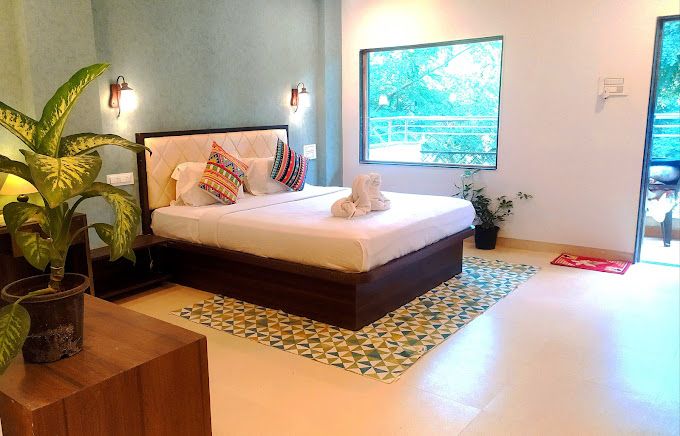
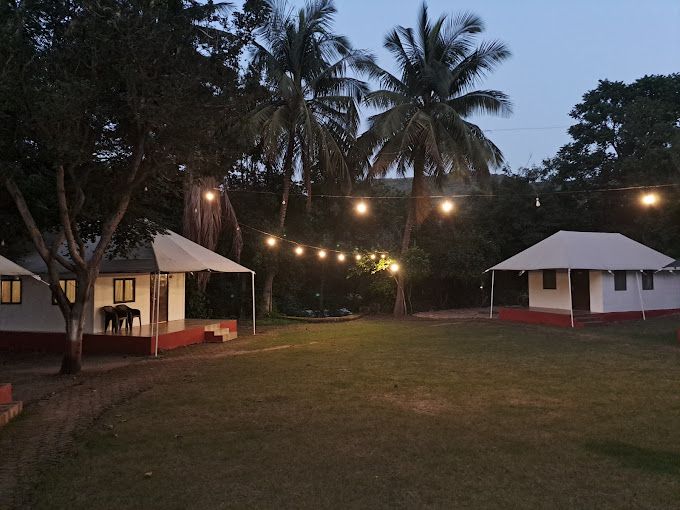
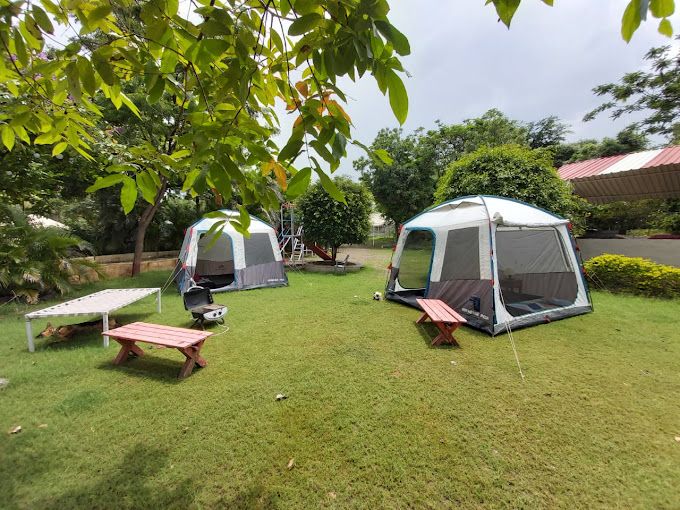
When organising your trip, you can find quiet camps, countryside homestays, and boutique rural stays in the surrounding hills and valleys through HireACamp. Staying just outside the city center allows you to enjoy the calm countryside of the Marathwada region while remaining within an easy drive of the area's top cultural monuments.
Frequently asked questions
What is the Paithani Silk Weaving Center known for?
The center is known for preserving traditional handloom weaving techniques, displaying the process of crafting authentic Paithani silk sarees, and showcasing historic patterns and motifs.
How can I tell a genuine handwoven Paithani from a power-loom copy?
A genuine handwoven Paithani looks nearly identical on both the front and reverse sides without any dangling or messy threads, as the coloured silk is interlocked by hand into the zari.
How much time is required to tour the center?
Most visitors spend between forty-five minutes and an hour and a half watching the artisans at work, learning about the process, and browsing the finished textiles.
Are there other places to see near the weaving center?
Yes, nearby highlights include Salim Ali Lake, the bustling traditional market of Kasari Bazar, and the historic Devgiri Fort.
Where you'll be
54 P1, Chhatrapati Sambhaji Nagar, MH · 3 stays nearby shown with prices
Stays near Paithani Silk Weaving Center
Book a place to stay close by
More places near Paithani Silk Weaving Center
Within 20 km
Built from 0 Instagram posts by 0 creators. Every tip links back to the post it came from, and where creators disagree we show both sides.






