
Baijnath
Destination in Himachal Pradesh
Baijnath is a historic temple town situated in the Kangra Valley of Himachal Pradesh, set against the backdrop of the Dhauladhar mountain range along the Binwa River. The town is primarily renowned for its ancient thirteenth-century stone temple dedicated to Lord Shiva as Vaidyanath, drawing pilgrims and heritage travellers from across the country. Visitors also come to Baijnath to enjoy its peaceful riverside atmosphere, pine-covered foothills, and convenient access to scenic getaways across the Kangra region.
Getting there
By road
- From Ludhiana4 hr 50 min · 228 km
- From Amritsar5 hr · 243 km
- From Chandigarh5 hr 5 min · 240 km
- From Dehradun8 hr 25 min · 422 km
Typical drive times without traffic. Stations and airports from OLA Maps; distances and typical drive times from OpenStreetMap (© OpenStreetMap contributors); notes from creators' Reels.
About Baijnath
Written with AI from map data and general knowledge. Check prices and timings locally before you go.
The heritage and charm of Baijnath
Baijnath holds a prominent place in the cultural geography of Himachal Pradesh, established along the banks of the Binwa River where the Kangra Valley begins to rise into the high ridges of the Dhauladhars. The town is celebrated for its historic Baijnath Temple, built in the early thirteenth century in the classical Nagara architectural style. Dedicated to Shiva as Vaidyanath, the lord of physicians, the stone edifice features intricate stone carvings, carved pillars, and sanctum sculptures that have survived centuries in remarkable condition. Unlike many bustling commercial hubs in the Western Himalayas, Baijnath retains the unhurried atmosphere of a traditional mountain settlement. Terraced fields surround the periphery, cedar and pine cover the higher elevations, and snow-capped summits frame the northern skyline. For visitors interested in heritage, regional craftsmanship, and mountain folklore, the town provides an intimate window into the classical sacred architecture and enduring rural life of the Kangra region.
Things to do in Baijnath
Spending time in Baijnath revolves around quiet exploration of its historic courtyards, natural surroundings, and pastoral trails. The primary activity is visiting the Baijnath Temple complex, where travellers can spend hours studying the stone relief work, peaceful courtyards, and ancient inscriptions. After taking in the temple, walking down towards the Binwa River below offers a serene perspective of the valley, with rocky banks where cool mountain water flows steadily through the gorge. The nearby rural lanes invite gentle walks through hillside villages lined with traditional slate-roofed homes, terraced farmlands, and small orchards. The local bazaar is an enjoyable place to wander in the evening, offering simple regional sweets, woven woolen goods, and typical hill produce. Birdwatching is also rewarding around the outskirts of the town, where riverine groves and pine-clad slopes host Himalayan species such as whistling thrushes, barbet varieties, and flycatchers throughout the cooler mornings.
Read more
Places to visit near Baijnath
Baijnath is conveniently located for exploring prominent destinations across the Kangra district. Roughly twenty kilometres away lie the Lapas Waterfalls, tucked into a scenic forested gorge that makes for an invigorating day excursion and nature walk. Approximately thirty-seven kilometres to the west stands Kangra Fort, one of the oldest and largest fortresses in the Indian Himalayas, offering expansive ramparts, historic courtyards, and sweeping views across the Banganga and Manjhi river valleys. Roughly thirty-seven kilometres away is the hill station of McLeod Ganj, known for its Tibetan cultural heritage, monastic complexes, vibrant street markets, and panoramic hiking trails leading toward the high passes of the Dhauladhar range. In addition to these sites, the surrounding region features manicured tea gardens in neighbouring valleys and scenic rural trails that connect the foothills to high alpine meadows, making Baijnath an exceptional springboard for day trips.
Best time to visit Baijnath
The climate in Baijnath varies across the year, offering distinct experiences depending on the season you choose to visit. Autumn, spanning from September through November, is widely regarded as an ideal period, featuring clear skies, crisp mountain air, and unobstructed views of the snow-clad peaks. Spring, between March and May, brings pleasant daytime temperatures, blooming wildflowers, and refreshing breezes that make sightseeing and walking comfortable. Summer is warm during midday but remains significantly cooler than the northern plains, offering a pleasant respite. The monsoon months of July and August transform the surrounding valleys into deep green landscapes with rushing waterfalls and mist-draped hillsides, though travel during this period requires caution due to rain-slicked mountain roads. Winter, lasting from December to February, brings cold days and chilly nights, making it a wonderful time for travellers who enjoy crisp alpine weather and the beauty of winter light on the mountains.
How to reach Baijnath
Reaching Baijnath is straightforward by road and rail networks across Himachal Pradesh. The town lies along the main highway route connecting Pathankot and Mandi, making it easily accessible by private vehicle, taxi, or state-run transport buses operating from major northern cities including Delhi, Chandigarh, and Shimla. Travellers arriving by air can fly to Kangra Airport at Gaggal, located near Dharamshala, from where Baijnath can be reached by a scenic road drive through the Kangra Valley. For rail travellers, the broad-gauge railway junction at Pathankot is the primary mainline station, connecting directly to major Indian metropolitan centers. From Pathankot, adventurous travellers can also experience the heritage Kangra Valley toy train, which meanders through the foothills towards Baijnath Paprola station, offering one of the most scenic slow-travel rail journeys in the Himalayas before reaching the outskirts of the town.
Practical tips for visiting Baijnath
When preparing for a visit to Baijnath, thoughtful planning will help you make the most of your journey. Dress conservatively when entering religious sites like the Baijnath Temple, and be prepared to remove your footwear before entering the stone courtyard and sanctum areas. Sturdy, comfortable walking shoes with good grip are essential, as the town and its surrounding trails feature uneven stone paving, steep inclines, and riverside boulders. If visiting during winter, pack sufficient warm layers, including fleece jackets and thermal wear, as temperatures drop quickly once the sun sets behind the hills. During the summer and spring months, light cotton clothing supplemented by a light jacket for early mornings and late evenings is recommended. Carrying cash is advisable for small purchases in local village markets, and staying hydrated while wandering at higher elevations will keep your energy levels steady throughout your day.
Where to stay in Baijnath
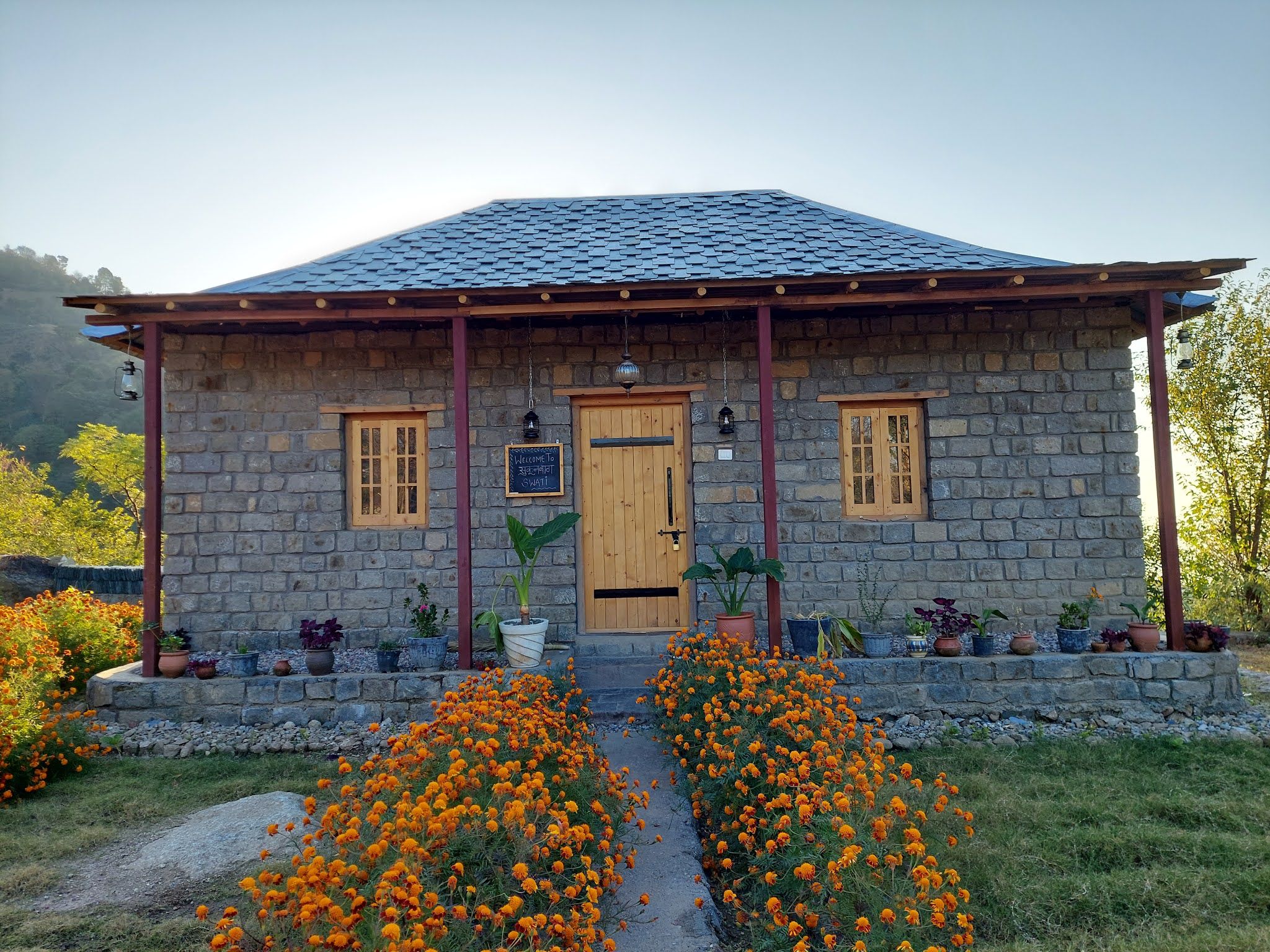
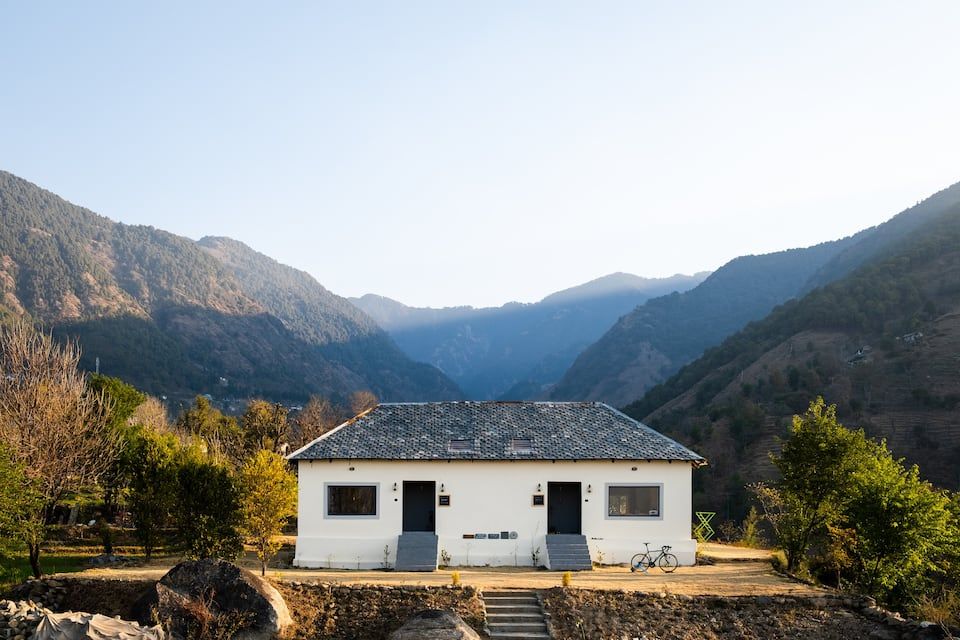
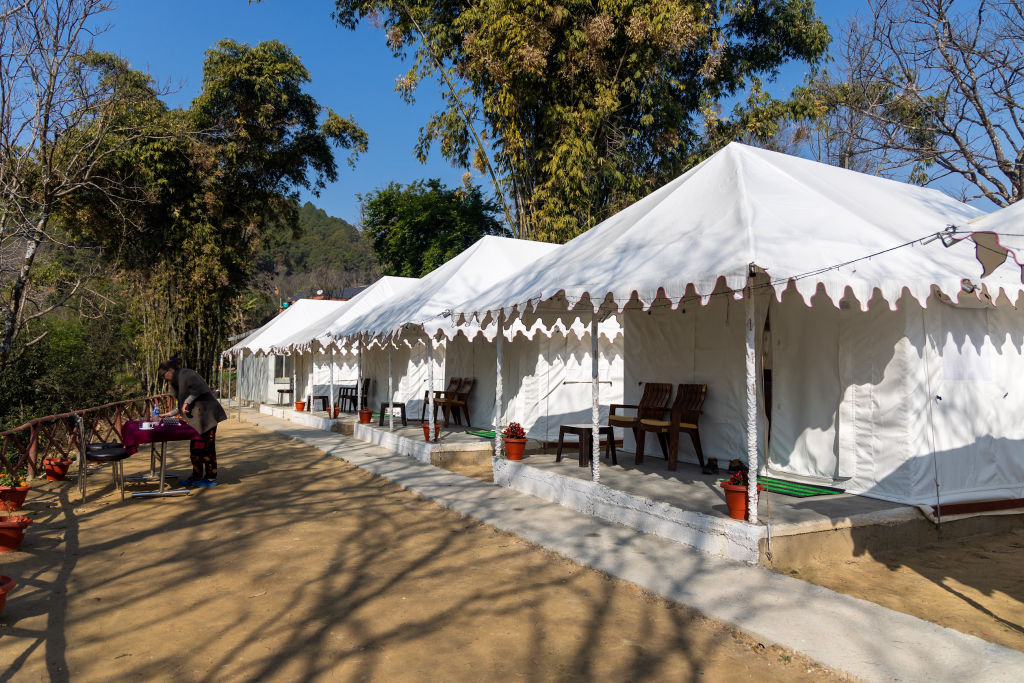
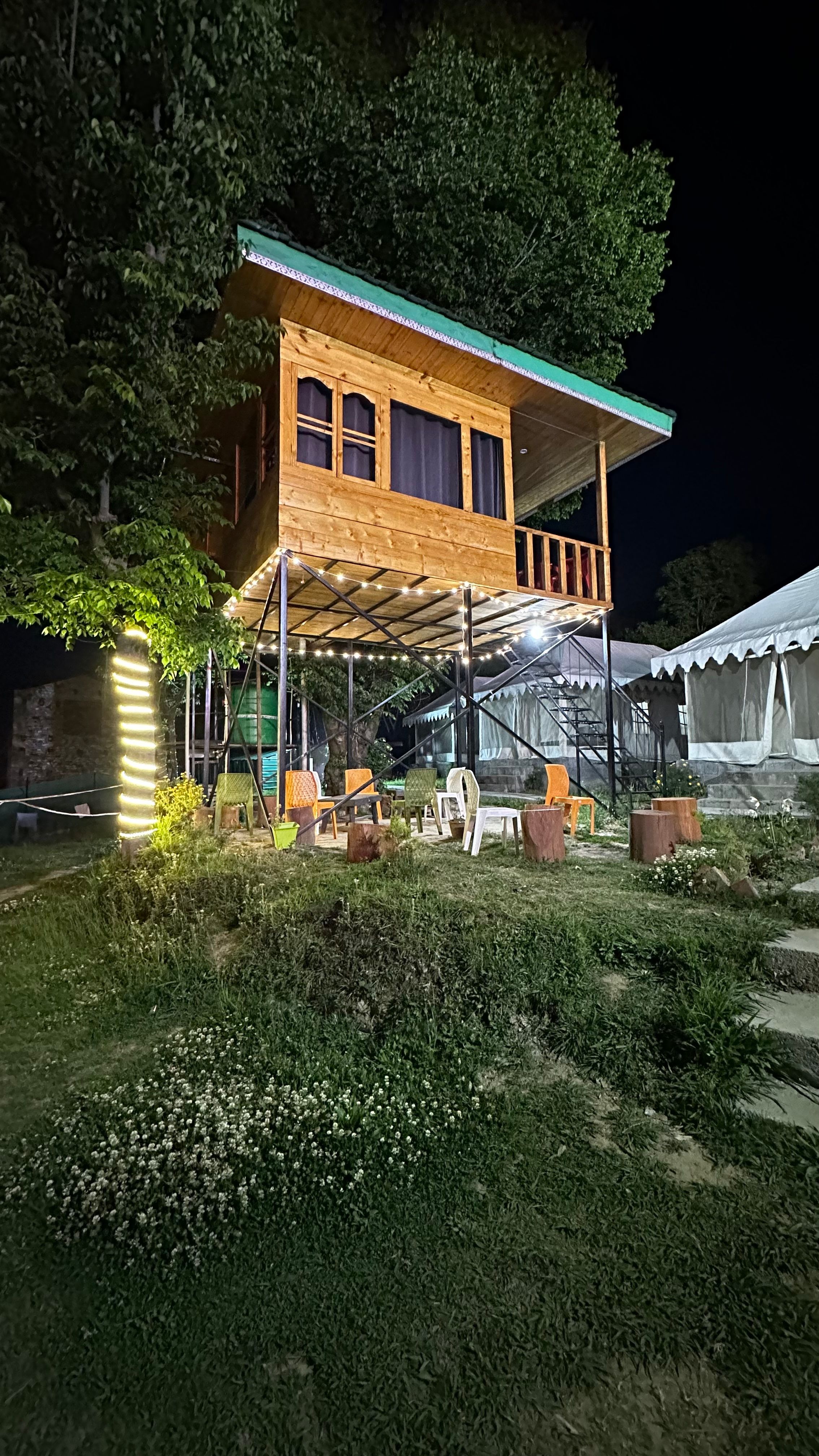
Accommodation options in and around Baijnath cater to travellers who appreciate nature, authentic regional culture, and peace away from commercial tourist strips. Staying in a rustic homestay run by local families offers a warm introduction to Kangra hospitality, regional mountain cuisine, and traditional lifestyle rhythms. For travellers who prefer an outdoor setting close to running streams and quiet pine groves, riverside camps and eco-friendly nature retreats are nestled within the surrounding valleys and neighboring countryside. These accommodations provide an immersive experience of the Himalayan landscape without compromising on comfort. You can find well-curated camps, homestays, and outdoor getaways in and around Baijnath on HireACamp, giving you a relaxing and authentic base from which to explore the temples, waterfalls, and hills of this historic region.
Frequently asked questions
What is Baijnath most famous for?
Baijnath is renowned for its historic thirteenth-century temple dedicated to Shiva as Vaidyanath, celebrated for its intricate Nagara-style stone architecture and peaceful location beside the Binwa River.
How far is Kangra Fort from Baijnath?
Kangra Fort is located approximately thirty-seven kilometres west of Baijnath, making it an easy and rewarding day trip for travellers interested in regional history.
Can I visit McLeod Ganj from Baijnath?
Yes, McLeod Ganj is situated about thirty-seven kilometres from Baijnath and can be visited as a scenic day trip to explore its monasteries, cafes, and mountain trails.
What is the nearest airport to Baijnath?
The closest airport is Kangra Airport at Gaggal, near Dharamshala, from which travellers can hire local taxis or board regional buses to reach Baijnath.
Are there waterfalls to visit near Baijnath?
Yes, Lapas Waterfalls is located approximately twenty kilometres from Baijnath and offers a picturesque natural getaway amidst forested hills.
Where you'll be
4 stays nearby shown with prices
Stays near Baijnath
Book a place to stay close by
Things to do in Baijnath
48 places creators recommend within 30 km


Built from 0 Instagram posts by 0 creators. Every tip links back to the post it came from, and where creators disagree we show both sides.






