
Ballavpur Wildlife Sanctuary
Wildlife sanctuary near Santiniketan, West Bengal
1.2 km from Santiniketan
The nearest town, for stays, food and fuel.
Ballavpur Wildlife Sanctuary is a tranquil wooded reserve located near Bolpur in the Birbhum district of West Bengal. Established along the undulating red-laterite landscape characteristic of the region, the sanctuary is renowned for its herds of spotted deer, blackbucks, and rich birdlife. Travellers and nature lovers visit to explore quiet woodland trails, watch resident and migratory birds around forest ponds, and enjoy a peaceful forest retreat.
Getting there
By road
- From SantiniketanNearest town8 min · 1.8 km
- From Kolkata3 hr 50 min · 165 km
- From Ranchi7 hr · 316 km
Typical drive times without traffic. Stations and airports from OLA Maps; distances and typical drive times from OpenStreetMap (© OpenStreetMap contributors); notes from creators' Reels.
About Ballavpur Wildlife Sanctuary
Written with AI from map data and general knowledge. Check prices and timings locally before you go.
About Ballavpur Wildlife Sanctuary
Ballavpur Wildlife Sanctuary, often known locally as the Deer Park, lies on the fringes of the Bolpur Sriniketan region in West Bengal. The sanctuary was established in the late 1960s to protect and restore the local ecosystem on a landscape that had previously suffered from severe soil erosion. Over decades of conservation, this once barren red-clay tract was transformed into a dense, thriving sanctuary covered in sal, teak, and mixed indigenous deciduous vegetation.
The reserve is defined by its distinct laterite topography, marked by rolling red earth, natural ravines, and scenic forest water bodies. These quiet reservoirs and seasonal wetlands serve as focal points for wildlife, creating a stable habitat for both terrestrial animals and waterbirds. For travellers visiting the culturally rich surroundings of Bolpur, the sanctuary offers a gentle, natural counterpoint where one can observe regional wildlife living in a secure, protected environment.
Wildlife and Birdlife to Spot
The primary wildlife attraction at Ballavpur Wildlife Sanctuary is its healthy population of deer. Herds of spotted deer (cheetal) roam freely through the tree cover, grazing in open clearings and resting beneath the shaded forest canopies. The sanctuary is also one of the notable safe havens in the state for the blackbuck, an elegant Indian antelope recognized by its distinctive horns and striking coat.
Beyond its large herbivores, the sanctuary is an exceptional destination for birdwatchers. The interconnected wetland bodies inside the forest draw considerable avian life throughout the year. Visitors can spot native woodland birds including Asian koels, Indian rollers, golden orioles, kingfishers, and various species of woodpeckers. During the cooler months, the water reservoirs host migratory waterfowl such as lesser whistling ducks, common teals, northern pintails, egrets, and cormorants. The forest floor and thickets also support smaller mammals like golden jackals, Indian foxes, and mongooses, alongside a vibrant variety of butterflies.
Read more
Best Time to Visit Ballavpur Wildlife Sanctuary
The ideal time to plan a visit to Ballavpur Wildlife Sanctuary is between November and February. The winter climate in the Birbhum district is crisp, clear, and comfortable for walking beneath the open skies and along forest tracks. Furthermore, winter is the peak season for birdwatching, as migratory birds settle on the lakes and reservoirs in substantial numbers, offering excellent wildlife photography opportunities.
Monsoon season, extending from July to September, transforms the dry laterite terrain into a verdant landscape. The red earth provides a striking contrast against fresh green foliage, and the water bodies fill up to their brims. While the rains bring vibrant natural scenery, high humidity and sudden showers require flexible schedules. The summer months from March to June can be quite hot, with daytime temperatures rising significantly across the plains of southern Bengal. If visiting during summer, early mornings provide the most pleasant temperatures and the best chances to see wildlife active near the water.
Exploring the Sanctuary and Trails
Exploring Ballavpur Wildlife Sanctuary is primarily done on foot along defined pathways and trails designed to keep disturbance to a minimum. The forest layout allows visitors to walk comfortably under tall trees while taking in the calm woodland atmosphere. Designated watchtowers and observation points overlook water bodies and forest meadows, providing elevated views of deer grazing or birds skimming over the water.
Because the sanctuary emphasizes conservation, it maintains a quiet, unhurried pace. Photographers and bird enthusiasts often spend quiet mornings waiting by the lakeside blinds to catch sight of waders and ducks. The walking routes are gentle, flat, and suitable for visitors of all age groups, making it an accessible nature outing for families, solo travellers, and group getaways alike.
Places to Visit Nearby
The area surrounding Bolpur and Sriniketan is rich in rural heritage, handicrafts, and historic landmarks that pair well with a morning at the sanctuary. Located within driving distance is Nanoor, approximately 18 km away, famous as the historic birthplace of the medieval poet Chandidas and renowned for its ancient terracotta temples. Singhee, roughly 16 km away, is another destination known for its cultural heritage and rural architecture.
Craft enthusiasts can travel around 25 km to Dwariapur, widely known for its traditional metal casting and dhokra craft practiced by local artisan communities. Those interested in spiritual and regional heritage can explore Mangal Chandi Temple and Kogram, or travel further towards the historic temple sites of Attahas Shakti Peeth and Bahula Shaktipeeth. A trip out to Sonarundi Palace offers a look into the region's royal and architectural past, rounding out a comprehensive tour of Birbhum's cultural heartland.
Tips for Your Visit
To ensure a rewarding and respectful experience at Ballavpur Wildlife Sanctuary, keep disturbance to wildlife minimal. Wear comfortable walking shoes, as you will cover most of the grounds on foot. Neutral or earthy-toned clothing helps you blend into the surroundings and increases your chances of spotting shy blackbucks and deer before they retreat into the brush.
Binoculars and a zoom camera lens will significantly enhance bird and deer viewing from the elevated watchtowers. Carry drinking water in reusable bottles to keep yourself hydrated, but be careful not to discard any plastic or food wrappers inside the reserve. Do not attempt to feed, approach, or call out to the deer and antelopes, as feeding disrupts their natural diet and habits. It is always wise to confirm local visiting hours and regulations at the gate upon arrival.
How to Reach and Where to Stay
Ballavpur Wildlife Sanctuary is situated just outside Bolpur, making it easily accessible by road and rail. The town of Bolpur is connected to Kolkata and other regional hubs by regular train services arriving at Bolpur Shantiniketan railway station. From the station or town centre, local e-rickshaws, auto-rickshaws, and private taxis provide quick and frequent connections to the sanctuary entrance. For travellers driving from cities like Kolkata, Durgapur, or Bardhaman, well-maintained state highways make for a convenient road journey across the rural countryside of southern Bengal.
When looking for accommodations near the sanctuary, travellers can choose from characterful homestays, peaceful rural camps, and eco-friendly retreats situated in and around the surrounding villages. You can browse and book unique local homestays and camping experiences nearby through HireACamp to stay close to nature and enjoy the tranquil pace of Birbhum.
Frequently asked questions
What animals can I see at Ballavpur Wildlife Sanctuary?
The sanctuary is best known for its herds of spotted deer and blackbucks. Visitors can also spot golden jackals, foxes, and numerous resident and migratory bird species around the water bodies.
Can I explore Ballavpur Wildlife Sanctuary on foot?
Yes, the sanctuary features designated walking paths and watchtowers that allow visitors to quietly explore the woodland and observe wildlife on foot.
What is the best time of year to visit the sanctuary?
The best time to visit is from November to February, when temperatures are pleasant for walking and winter migratory birds flock to the forest lakes.
How far is the sanctuary from Bolpur town?
The sanctuary is situated on the outskirts of Bolpur Sriniketan, easily reached within a short drive or e-rickshaw ride from the town centre and railway station.
Where can I stay during my trip to the sanctuary?
You can find tranquil homestays, rural camps, and nature-focused getaways nearby through HireACamp to suit your travel plans.
Where you'll be
Bolpur Sriniketan, WB · 1 stay nearby shown with prices
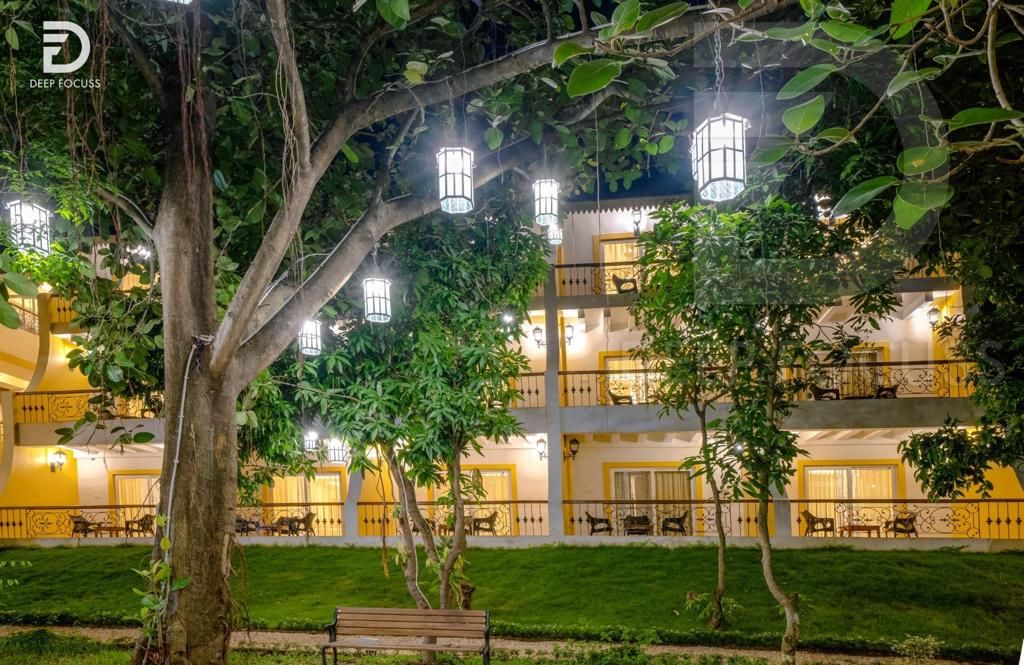
Stays near Ballavpur Wildlife Sanctuary
Book a place to stay close by
More places near Ballavpur Wildlife Sanctuary
Within 20 km
Built from 0 Instagram posts by 0 creators. Every tip links back to the post it came from, and where creators disagree we show both sides.






