
Santiniketan
Neighbourhood in West Bengal
3 posts · 59.1K views · 2 sourced tips
Guide from 3 posts by 3 creators
@ayushtravelogue, @explurger.app and 1 other
Loved by 3 creators
3 posts with 59.1K views on Instagram.
Travel Guide to Santiniketan
Santiniketan is located approximately 160 km from Kolkata, making it accessible via a 3 to 4-hour drive.
Good to know
Tips from creators' posts. Each one links to its source.
Getting There
Santiniketan is situated around 160 km from Kolkata, taking approximately 3 to 4 hours by road.
Confirmed by 2 creatorsSource
Getting there
By road
- From Kolkata3 hr 45 min · 166 km
- From Ranchi7 hr 30 min · 315 km
By train, bus or air
- Bolpur ShantiniketanNearest railway station15 min · 4.2 km
- Bhedia Bus StandNearest bus stand29 min · 14 km
- Kazi Nazrul Islam AirportNearest airport1 hr 45 min · 72 km
Typical drive times without traffic. Places, distances and typical drive times from OLA Maps; notes from creators' Reels.
About Santiniketan
Written with AI from creators' posts and map data. Check prices and timings locally before you go.
The heritage and vision of Santiniketan
Santiniketan began in the mid-nineteenth century when Maharshi Debendranath Tagore established a spiritual retreat amidst the barren red soil of rural Birbhum. Decades later, his son Rabindranath Tagore expanded this peaceful sanctuary into an experimental open-air school called Patha Bhavana, which later grew into Visva-Bharati University. Tagore sought to break down the walls of conventional schooling, believing that education flourished best when integrated harmoniously with nature, curiosity, and artistic expression.
Today, the town still carries the distinct imprint of that visionary philosophy. Classes are often conducted beneath the sprawling canopies of ancient trees, and seasonal festivals dictate the communal rhythm of the town. The landscape features early twentieth-century architecture that blends traditional rural Bengal aesthetics with elements from East Asia and classical Indian design. Walking through the town reveals a legacy built on creative freedom, rural upliftment, and an enduring respect for the natural environment.
Things to do in Santiniketan
A visit to Santiniketan centres largely on exploring the historic core of the Visva-Bharati campus and its surrounding institutions. The Uttarayan complex is a major highlight, housing several residences associated with Tagore, including Udayan, Konarka, Shyamali, Punascha, and Udichi. Each building represents a different phase of architectural experimentation. Nearby, the Rabindra Bhavana museum houses an extensive collection of Tagore's personal belongings, original manuscripts, letters, paintings, and historical photographs documenting his travels and friendships across the globe.
Art enthusiasts should spend ample time strolling through Kala Bhavana, the fine arts college, and Sangeet Bhavana, the music academy. The walls and open grounds here are adorned with striking murals and monumental open-air sculptures crafted by pioneer artists such as Nandalal Bose and Ramkinkar Baij. Another notable landmark is the Upasana Griha, an elegant prayer hall constructed with patterned Belgian glass, which glows beautifully in morning and evening light. Visitors should note that access to certain university grounds and buildings can depend on academic schedules, so it is wise to check guidelines locally before arriving.
Read more
Experiencing Sonajhuri and the rural markets
Beyond the university campus, the natural setting of Santiniketan offers a quiet charm defined by red laterite earth and dry deciduous woods. A favourite destination for visitors is the Sonajhuri forest, a gentle woodland of sonajhuri trees that drop golden blossoms across the winding pathways. Adjacent to this forest lies the Khoai, a naturally formed ravine landscape sculpted by wind and seasonal water flow, which Tagore immortalised in his verses.
The Sonajhuri Saturday market, commonly referred to as Sonajhurir Haat or the Khoai Mela, is an unmissable experience. On weekend afternoons, local artisans, tribal craftspeople, and Baul folk musicians gather in the open clearing among the trees. Visitors can watch Baul singers perform evocative mystic ballads accompanied by the rhythmic pluck of the ektara and the beat of the dubki. Along the forest floor, vendors lay out handcrafted kantha-embroidered textiles, traditional terracotta pottery, dokra brass figurines, handmade leather bags, and wooden toys. The haat offers a rare chance to engage directly with local makers and bring home authentic rural handicrafts.
Places to visit around Santiniketan
The countryside surrounding Santiniketan provides several pleasant excursions for travellers who wish to explore Birbhum's pastoral rhythms. A short distance away flows the Kopai River, a meandering seasonal river flanked by lush fields and gentle village paths that invite slow bicycle rides. Along the riverbank, visitors can observe rural Bengal life unfolding at an unhurried pace, with duck ponds, thatched huts, and sprawling paddy fields stretching to the horizon.
Nearby, the rural cooperative at Amar Kutir showcases the revival of traditional village crafts, particularly batik printing, handloom weaving, and leathercraft. Nature lovers can also visit the Ballavpur Wildlife Sanctuary, a protected reserve home to spotted deer and a wide variety of resident and migratory waterbirds that flock to its lakes. For those willing to venture further, the heritage town of Suri and the terracotta temples scattered across rural Birbhum offer deep architectural insights into the historical craftsmanship of Bengal.
Best time to visit Santiniketan
The ideal time to visit Santiniketan is between October and March, when the weather across southern West Bengal remains pleasantly cool and dry. Daytime temperatures during these winter months are comfortable for cycling and outdoor explorations, while evenings turn brisk and crisp. Winter also coincides with major cultural gatherings, most notably the historic Poush Mela in late December, which fills the air with folk music, dance performances, and bustling artisanal stalls. Early spring brings the joyous Basanta Utsav, marking the arrival of warmer days with music and floral celebrations.
Summers, lasting from April until June, are characterized by intense dry heat, as the laterite plateau absorbs and radiates sunlight throughout the day. While summer travel can be physically demanding, it offers an exceptionally quiet atmosphere for contemplative visits. The monsoon season, stretching from July to September, transforms the dry landscape into lush green terrain. The Kopai River swells, the Khoai ravines fill with rainwater, and the scent of damp red earth fills the air, offering a poetic mood that inspired many of Tagore's rain songs.
How to reach Santiniketan
Santiniketan is easily accessible from major urban centres in eastern India by road and rail. The town is situated around 160 km from Kolkata, making it an accessible weekend escape. By road, the journey from Kolkata takes about 3 to 4 hours under typical traffic-free conditions, with the distance of approximately 165 km taking about 3 hours 40 minutes via the national highway corridor through Bardhaman. Travellers arriving by road from Ranchi face a journey of roughly 315 km, which takes around 7 hours 30 minutes in normal driving conditions.
For railway travellers, Bolpur Santiniketan railway station serves as the primary gateway and is situated just a short auto-rickshaw or toto ride from the heart of town. Multiple express trains connect Kolkata to Bolpur daily, offering convenient morning departures and evening returns. Local transport within the town consists primarily of battery-operated electric rickshaws, locally known as totos, which offer a quiet, pollution-free way to navigate the leafy lanes, university campus, and nearby villages.
Where to stay in Santiniketan
Santiniketan is well suited to leisurely travel, encouraging visitors to slow down and stay for at least a couple of days. The town offers a variety of tranquil neighbourhoods, ranging from leafy colonies near the university core to scenic rural surroundings bordering the Sonajhuri forest and the Khoai canyons. Staying near the countryside provides peaceful mornings filled with birdsong and easy access to walking paths.
A curated selection of camps, homestays and other stays nearby can be found on HireACamp. Opting for a homestay or rural retreat allows travellers to savour home-style Bengali meals, interact with warm local hosts, and soak in the unhurried lifestyle that has defined this town for more than a century. It is advisable to arrange accommodation well in advance if travelling during peak winter weekends or during prominent cultural gatherings.
Frequently asked questions
What is Santiniketan famous for?
Santiniketan is famous for Visva-Bharati University, founded by Nobel laureate Rabindranath Tagore to pioneer open-air education rooted in nature and the arts. It is also celebrated for its tribal handicrafts, Baul folk music, and distinct red-soil landscapes.
How far is Santiniketan from Kolkata by road?
Santiniketan is located approximately 160 km from Kolkata, taking about 3 to 4 hours by road under normal traffic conditions.
What is the best time of year to visit Santiniketan?
The best time to visit is from October to March, when the weather is cool and pleasant for outdoor sightseeing, cycling, and cultural festivals.
What is the Sonajhuri Haat?
Sonajhuri Haat is a popular open-air weekend market held in the Sonajhuri forest, where local artisans sell handmade crafts, textiles, and jewellery alongside live performances by Baul folk musicians.
Which railway station serves Santiniketan?
The town is served by Bolpur Santiniketan railway station, which is connected by regular daily trains to Kolkata and other regional railway hubs.
Where you'll be
1 stay nearby shown with prices
As seen on Instagram
The posts this guide is built from
Stays near Santiniketan
Book a place to stay close by
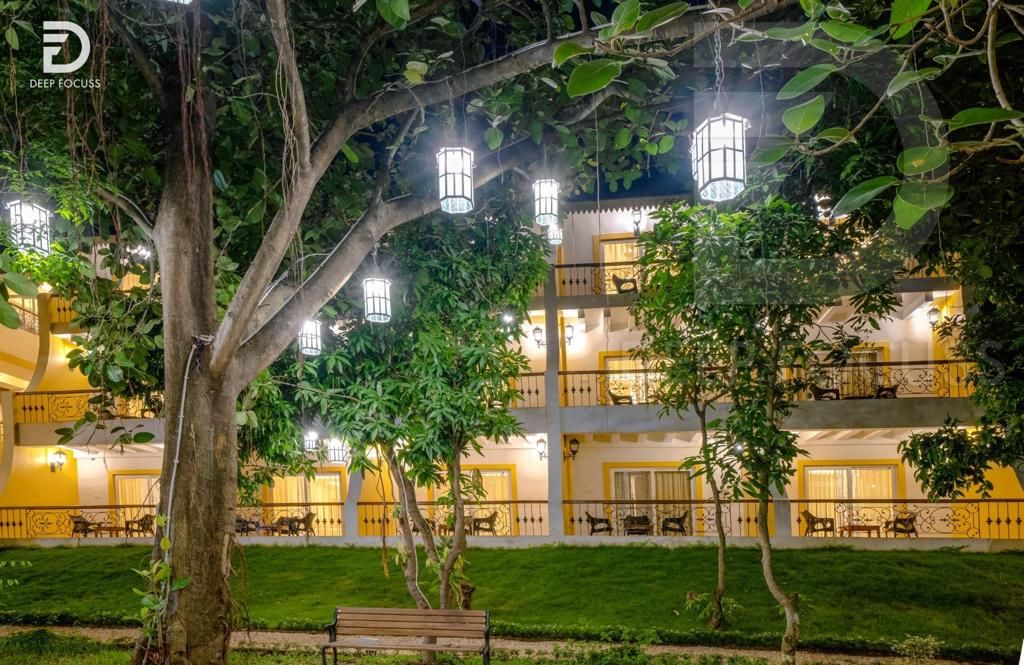
Things to do in Santiniketan
42 places creators recommend within 30 km
Built from 3 Instagram posts by 3 creators. Every tip links back to the post it came from, and where creators disagree we show both sides. Guide updated 23 Oct 2026.






