
Baramotichi Vihir
Monument near Satara, Maharashtra
9.3 km from Satara
The nearest town, for stays, food and fuel.
Baramotichi Vihir is an intricate seventeenth-century stepwell situated near the village of Limb in the Satara district of Maharashtra. Built with subterranean arched galleries and carved stone pavilions, it served as both an advanced royal water harvesting system and an architectural retreat. Visitors and history enthusiasts travel here to marvel at its subterranean design, ingenious engineering, and tranquil stone craftsmanship.
Getting there
By road
- From SataraNearest town28 min · 13 km
- From Pune2 hr 20 min · 101 km
- From Mumbai 4 hr 45 min · 247 km
- From Nashik6 hr 50 min · 330 km
Typical drive times without traffic. Stations and airports from OLA Maps; distances and typical drive times from OpenStreetMap (© OpenStreetMap contributors); notes from creators' Reels.
About Baramotichi Vihir
Written with AI from map data and general knowledge. Check prices and timings locally before you go.
Understanding Baramotichi Vihir
Baramotichi Vihir translates literally to the well of twelve pulleys or water lifts. In traditional Marathi farming, a mot was a sturdy leather bucket operated by a pair of bullocks to hoist water out of deep wells for channel irrigation. This stepwell was uniquely designed with twelve distinct mot points along its rim, enabling farmers to draw water simultaneously to irrigate surrounding orchards and farmlands.
Constructed during the seventeenth century under the patronage of the Maratha court, the stepwell served dual roles: public utility and a secluded summer palace. As you step down beneath the ground level, the ambient temperature drops noticeably. The builders created an oasis that stored precious groundwater while providing the nobility with a cool, subterranean sanctuary away from the dry heat of the Deccan plateau.
Architectural highlights of the stepwell
Unlike ordinary functional wells, Baramotichi Vihir features sophisticated stone architecture reminiscent of Maratha and Indo-Islamic subterranean monuments. From ground level, the well appears modest, but descending through the stone staircase reveals an expansive octagonal shaft, arched corridors, and intricately carved niches.
At the intermediate level sits a pillared pavilion or gallery designed for resting, overlooking the water below. Sturdy basalt stone blocks were fitted precisely without mortar in many sections, reflecting the regional mastery of dry and interlocking masonry. Carvings of floral motifs, miniature pillars, and symbolic guardian figures grace the archways, providing an engaging experience for those passionate about heritage architecture and water conservation traditions.
Read more
Best time to visit Baramotichi Vihir
The cooler months from October to February are generally the most comfortable time to visit the stepwell and explore the broader Satara region. During this winter period, days are pleasantly warm and evenings turn cool, making outdoor exploration and photography easy.
The monsoon months from July to September bring life to the surrounding countryside, turning the landscape lush and filling regional reservoirs. However, heavy rains can make stone steps slippery, and groundwater levels rise significantly, which may submerge parts of the lower walkways. If you travel right after the monsoon in September or October, you will witness brimming water levels and verdant surroundings while navigating relatively dry masonry.
How to reach Baramotichi Vihir
Baramotichi Vihir is situated near Limb village, located just off the National Highway connecting Pune and Bengaluru, close to the city of Satara. The district headquarters of Satara serves as the most convenient transit hub with frequent bus connections and a major railway junction.
Travellers arriving from Pune or Mumbai can drive southward along the Mumbai-Bengaluru Highway. From the highway near Limb, a short detour along village roads leads directly to the site. State transport buses and local auto-rickshaws run regularly between Satara bus stand and Limb village, making it accessible for independent travellers using public transit.
Tips for your visit
The stone steps descending into the well can be steep, narrow, and uneven, so wear shoes with good grip. In the rainy season, moss and residual water can make certain steps slick, requiring careful foot placement. It is wise to exercise caution near edges, as traditional stepwells do not always have modern guardrails.
Carry adequate drinking water and sun protection, as the open-air parts of the complex are exposed to the sun. Since the monument is situated within a peaceful rural setting, visitors are advised to maintain decorum, refrain from littering, and keep in mind that local communities still value these water sources.
Places to visit around Satara
A trip to Baramotichi Vihir combines well with other historical and natural attractions around the Satara countryside. Nearby water bodies include Kanher Dam, situated around 14 kilometres away, and the panoramic Urmodi Dam View Point. Both offer scenic waterscapes set against rolling Sahyadri ridges.
History buffs can venture to hill fortresses like Vairatgarh Fort and Sajjangad Fort, which holds spiritual importance and panoramic views of the surrounding valleys. Nature lovers travelling during late monsoon can head toward the famous Kaas Plateau, a designated biodiversity hotspot covered in seasonal wild blooms. Farther afield, Table Land at Panchgani and the grand drop of Thoseghar Waterfall provide rewarding day excursions within the district.
Where to stay
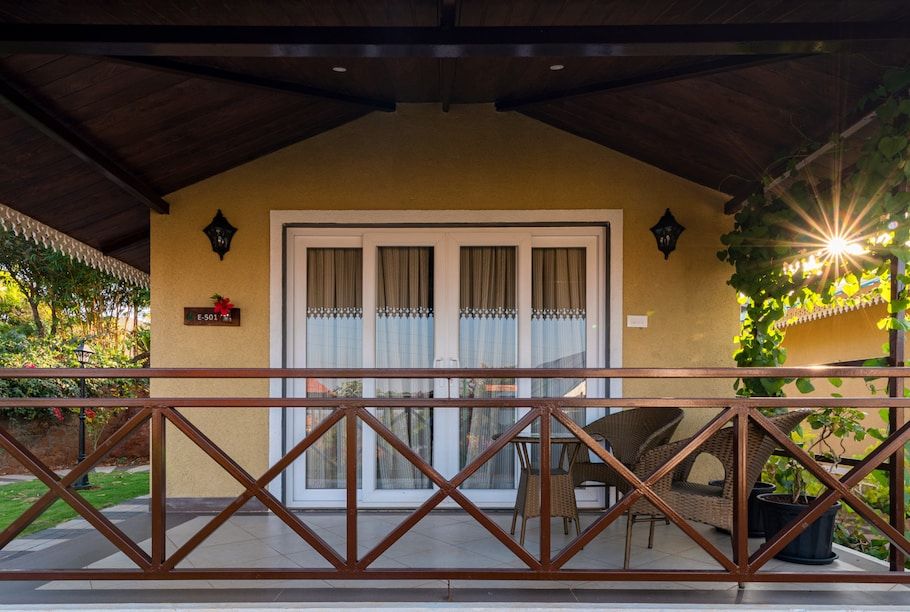
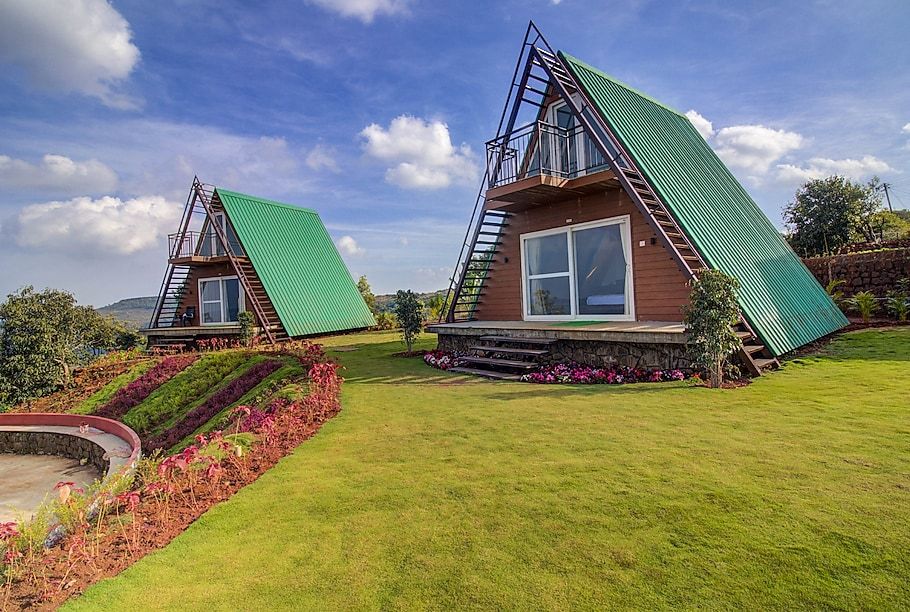
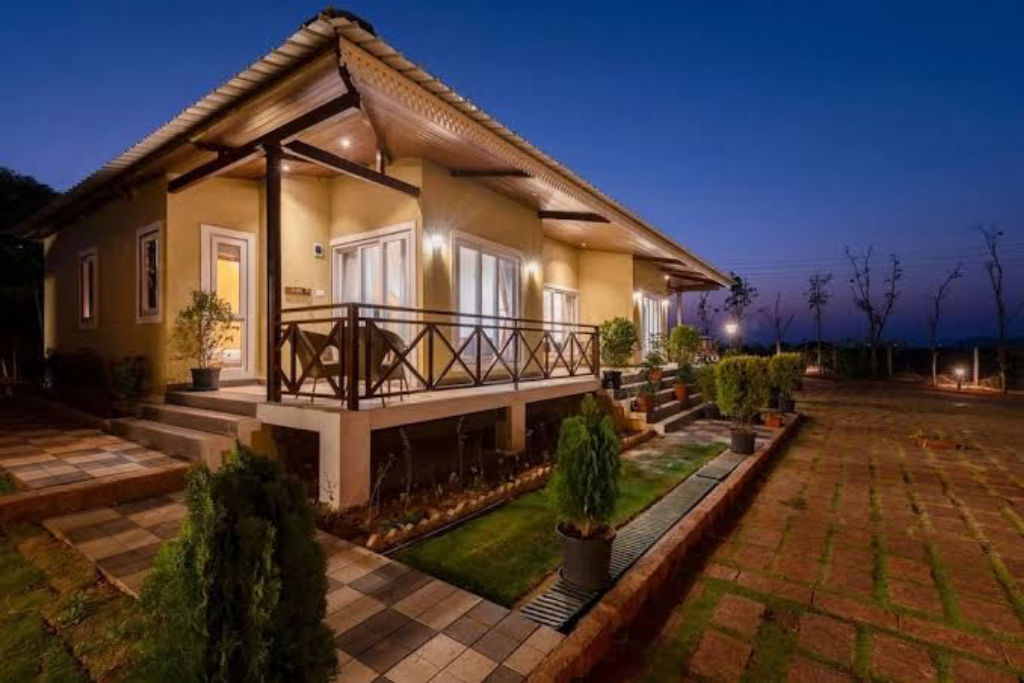
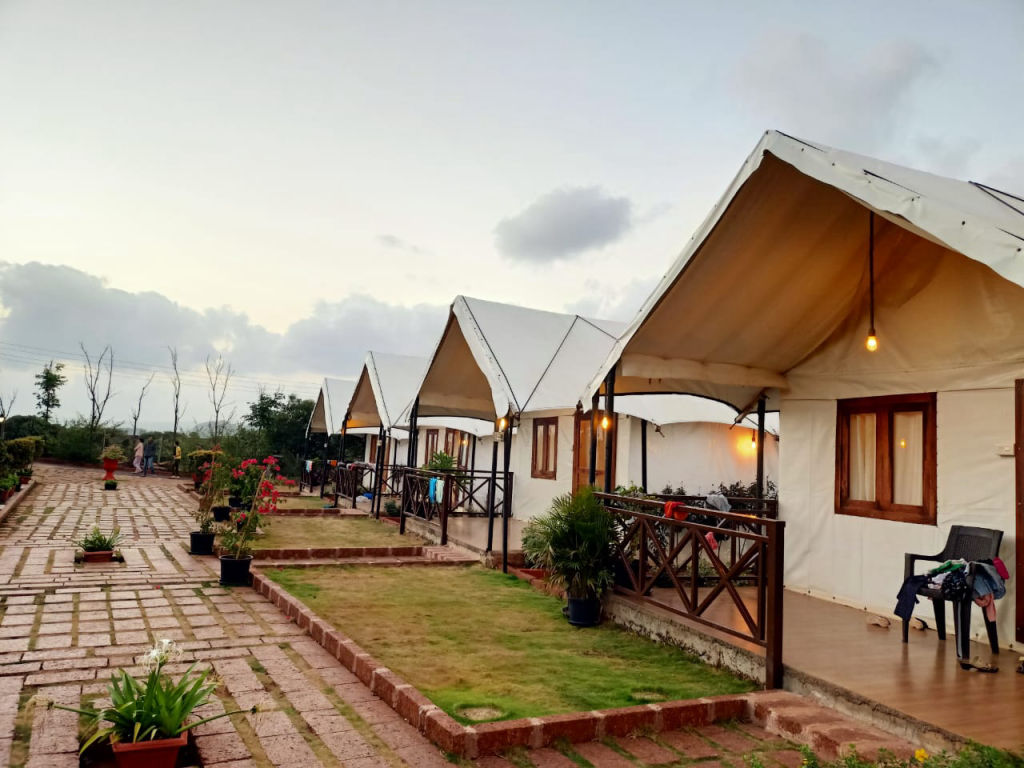
The surrounding Satara region provides a variety of lodging options ranging from rural farm stays and family-run guesthouses to outdoor camping spaces. Staying outside the main city allows you to experience peaceful village mornings and starry skies against the backdrop of the Western Ghats.
Whether you are looking for an earthy homestay nestled amidst orchards or an open-air tented campsite overlooking nearby hills and reservoirs, you can find and book vetted stays nearby on HireACamp.
Frequently asked questions
Where is Baramotichi Vihir located?
Baramotichi Vihir is located in Limb village near the historic city of Satara in western Maharashtra, India.
Why is the stepwell called Baramotichi Vihir?
The name translates to the well of twelve water lifts, referring to the twelve pulley mechanisms historically used simultaneously by bullocks to draw water for irrigation.
What is the best time of year to visit Baramotichi Vihir?
The winter months from October to February offer the most pleasant weather, while the post-monsoon period in September showcases lush green surroundings and high water levels.
Can Baramotichi Vihir be visited as a day trip from Pune?
Yes, travellers frequently visit the stepwell as a day trip from Pune or stop by en route to Satara, Mahabaleshwar, or Panchgani along the national highway.
Are there other historic sites near Baramotichi Vihir?
Yes, nearby heritage destinations include Vairatgarh Fort, Sajjangad Fort, Shahi Jama Masjid, and Bhadreshwar Temple.
Where you'll be
shere, near bara mot vihir, Satara, MH · 4 stays nearby shown with prices
Stays near Baramotichi Vihir
Book a place to stay close by
More places near Baramotichi Vihir
Within 20 km


Lists for this area
Ranked by how many creators recommend each place

Built from 0 Instagram posts by 0 creators. Every tip links back to the post it came from, and where creators disagree we show both sides.


