
Chhatrapati Shivaji Maharaj Museum
Museum near Satara, Maharashtra
400 m from Satara
The nearest town, for stays, food and fuel.
Chhatrapati Shivaji Maharaj Museum is a prominent cultural institution located in the historic city of Satara, Maharashtra. Dedicated to the legacy of the Maratha Empire, the museum preserves rare historical artifacts, weapons, textiles, and artwork from the era of Chhatrapati Shivaji Maharaj and his successors. It serves as an informative starting point for travellers keen to understand the region's rich royal heritage before venturing into the surrounding Sahyadri hills.
Getting there
By road
- From SataraNearest town1 min · 500 m
- From Pune2 hr 20 min · 110 km
- From Mumbai 4 hr 50 min · 256 km
- From Nashik6 hr 45 min · 330 km
Typical drive times without traffic. Stations and airports from OLA Maps; distances and typical drive times from OpenStreetMap (© OpenStreetMap contributors); notes from creators' Reels.
About Chhatrapati Shivaji Maharaj Museum
Written with AI from map data and general knowledge. Check prices and timings locally before you go.
History and significance of the museum
The city of Satara has long served as a vital seat of power in Maharashtra's history, having once been the capital of the Maratha Empire. The Chhatrapati Shivaji Maharaj Museum was established to preserve and celebrate this enduring legacy. Set in the heart of town, it curates an extensive collection of items linked directly to the Maratha rulers, their administration, and daily royal life.
The collections inside the museum offer insight into the military ingenuity, diplomatic relations, and cultural growth that defined the seventeenth and eighteenth centuries in the Deccan. By gathering artifacts from scattered local estates and royal families, the museum acts as a guardian of regional memory, making deep regional history tangible to modern visitors.
What to see at Chhatrapati Shivaji Maharaj Museum
The museum is divided into distinct exhibition galleries that feature diverse remnants of Maratha heritage. Among the most popular displays are the armory collections, which include traditional Maratha weapons such as curved swords, talwars, daggers like the bichuwa, battle axes, matchlock guns, shields made of animal hide, and chainmail armor. Each piece highlights the craftsmanship and defensive strategies employed by Maratha warriors in the rugged terrain of the Western Ghats.
In addition to military hardware, the museum preserves historic manuscripts, royal decrees known as farmans, copper-plate inscriptions, and old miniature paintings portraying court scenes and religious themes. Visitors will also encounter textiles, antique coins, and everyday royal utensils that illustrate the domestic culture and artistic aesthetics of the Satara court.
Read more
Best time to visit
The museum is indoors, making it accessible throughout the year. However, planning a visit in conjunction with the broader Satara region depends heavily on the seasons of the Western Ghats.
The winter months from October to February are generally considered the most pleasant time to explore Satara and the museum. During this period, the days are bright, dry, and cool, which allows for comfortable sightseeing within the town as well as outdoor excursions to nearby hill forts. The monsoon season from late June to September brings heavy rains and transforms the surrounding landscape into lush greenery, which appeals to nature lovers, though outdoor walking can be wet and slippery. Summer months from March to May can be relatively hot during midday, so indoor museum visits are best scheduled during cooler morning hours.
How to reach Chhatrapati Shivaji Maharaj Museum
Satara is well connected to major urban hubs in Maharashtra via National Highway 48, making road travel straightforward. Regular state transport buses and private vehicles connect Satara with Pune, Mumbai, and Kolhapur. The museum is situated within the main urban layout of Satara, making it easy to access via local autorickshaws or local taxis once you arrive in town.
For those travelling by rail, Satara railway station sits on the central rail corridor and links the town with regular passenger and express trains from Pune, Miraj, and other regional junctions. From the railway station, local transport is readily available to reach the museum grounds.
Tips for your visit
When planning your visit to Chhatrapati Shivaji Maharaj Museum, wear comfortable walking shoes as you will spend a fair amount of time on your feet browsing the exhibits. Photography policies can vary across individual galleries, so it is best to check locally with the museum staff before using cameras or smartphones to take pictures.
Give yourself adequate time to read the descriptive placards alongside the display cases to appreciate the context behind each weapon and manuscript. If you are travelling with children or history enthusiasts, taking notes or discussing the exhibits helps make the visit an engaging educational stop. Since entry timings and weekly closures can change, verify opening hours locally on the day of your visit.
Places to visit nearby
A visit to the museum pairs naturally with other historical and natural landmarks around Satara. Within the immediate town limits, you can easily explore historic royal structures like the Satara Rajwada, the Jal Mandir, and revered shrines such as the Dholya Ganpati Mandir and Kalaram Mandir, all situated just a short drive away.
If you wish to venture farther into the surrounding landscape, Sajjangad Fort sits perched on an isolated hill southwest of town, offering sweeping views and historic samadhis. Nature enthusiasts can travel to the scenic Kaas Plateau, celebrated for its unique seasonal flora, or the roaring cascades of Thoseghar Waterfall and the quiet reservoir views at Urmodi Dam. Further north, the expansive tabletop views at Table Land and the serene waters of Dhom Lake offer great day trips in the foothills of the Sahyadris.
Where to stay
Satara serves as an ideal base for exploring both the cultural landmarks within town and the outdoor attractions across the district. Depending on your travel style, you can choose to stay right within the city for quick access to historic monuments and markets, or opt for a countryside getaway amidst the hills.
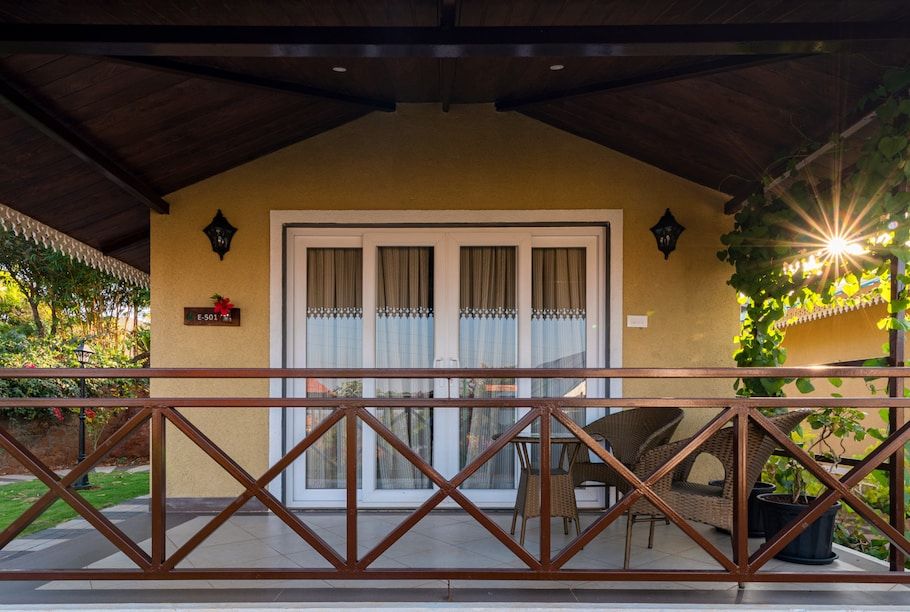
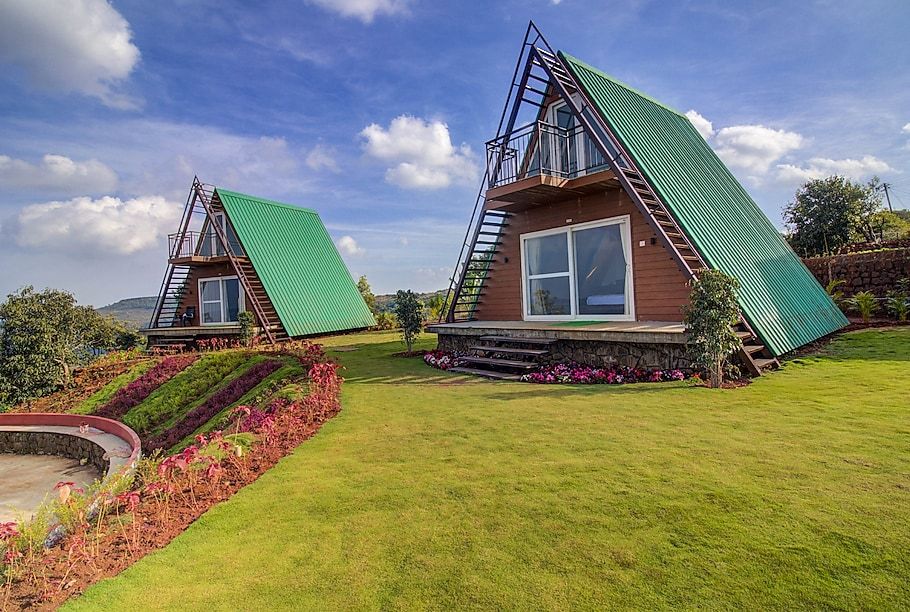
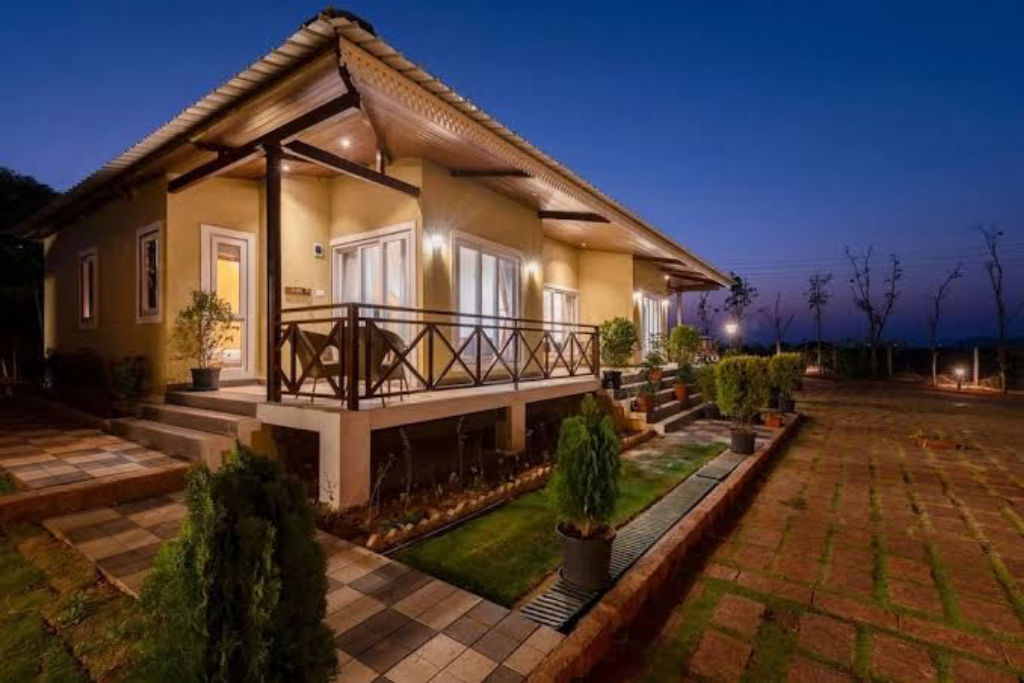
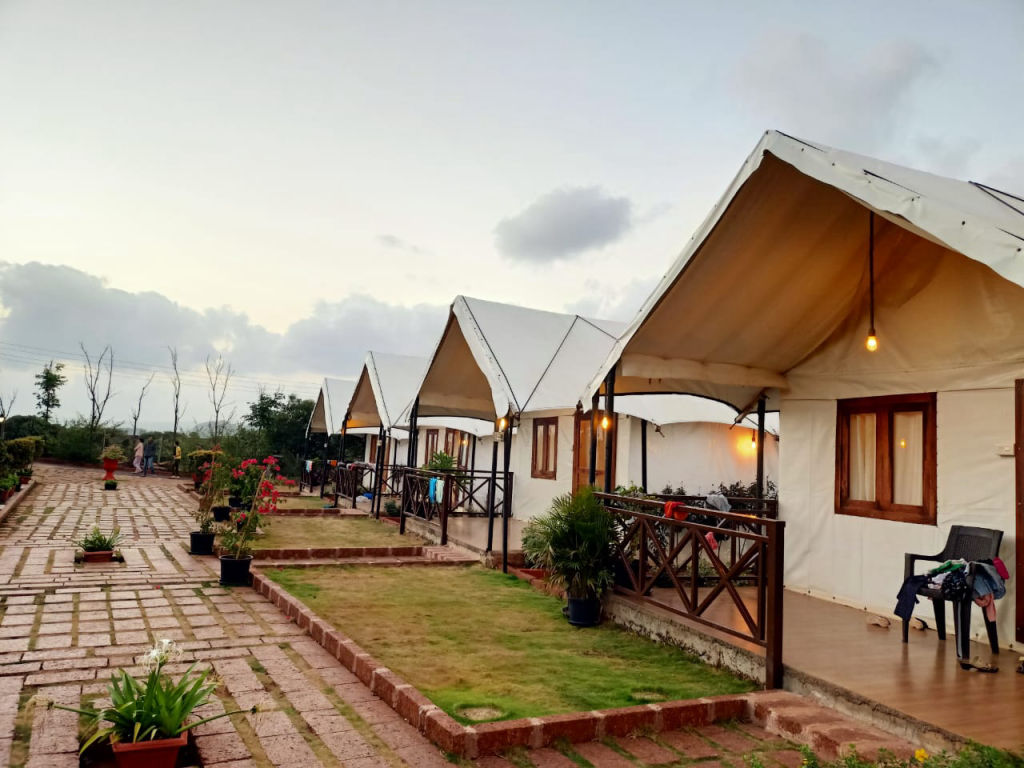
Those looking for an outdoor experience can choose tranquil campsites and rustic farmstays along the foothills, or family-run homestays near surrounding valleys and viewpoints. You can find well-curated campsites, homestays, and other nature stays around Satara on HireACamp to suit your travel itinerary.
Frequently asked questions
Where is the Chhatrapati Shivaji Maharaj Museum located?
The museum is located in the town of Satara in western Maharashtra, easily accessible from the town center.
What kind of exhibits are displayed in the museum?
The museum houses a rich collection of Maratha-era weaponry, armor, coins, royal decrees, traditional textiles, and miniature paintings.
How much time is required to see the museum?
Most visitors spend between one and two hours touring the various galleries and reading about the historical displays.
What attractions can be combined with a trip to the museum?
You can combine your visit with local sites like Satara Rajwada, Jal Mandir, Sajjangad Fort, or natural spots like Thoseghar Waterfall and Kaas Plateau.
Where should travellers look for accommodation around Satara?
You can find local homestays, rural retreats, and nature campsites in and around Satara on HireACamp.
Where you'll be
Satara, MH · 4 stays nearby shown with prices
Stays near Chhatrapati Shivaji Maharaj Museum
Book a place to stay close by
More places near Chhatrapati Shivaji Maharaj Museum
Within 20 km


Lists for this area
Ranked by how many creators recommend each place

Built from 0 Instagram posts by 0 creators. Every tip links back to the post it came from, and where creators disagree we show both sides.


