
Benog Wildlife Sanctuary
Wildlife sanctuary near Camel's Back, Uttarakhand
1.4 km from Camel's Back
The nearest town, for stays, food and fuel.
Benog Wildlife Sanctuary is a tranquil forest reserve situated on the pine-covered slopes just outside Mussoorie in Uttarakhand. Established to protect regional mountain flora and fauna, the sanctuary is renowned for its birdwatching opportunities, walking trails, and sweeping views of the Aglar River valley and surrounding Himalayan peaks. Travellers and outdoor enthusiasts visit to escape city crowds and immerse themselves in the quiet woodland trails of the Garhwal Himalayas.
Getting there
By road
- From Camel's BackNearest town6 min · 2.1 km
- From Dehradun53 min · 29 km
- From New Delhi4 hr 25 min · 258 km
- From Chandigarh4 hr 35 min · 211 km
Typical drive times without traffic. Stations and airports from OLA Maps; distances and typical drive times from OpenStreetMap (© OpenStreetMap contributors); notes from creators' Reels.
About Benog Wildlife Sanctuary
Written with AI from map data and general knowledge. Check prices and timings locally before you go.
About Benog Wildlife Sanctuary
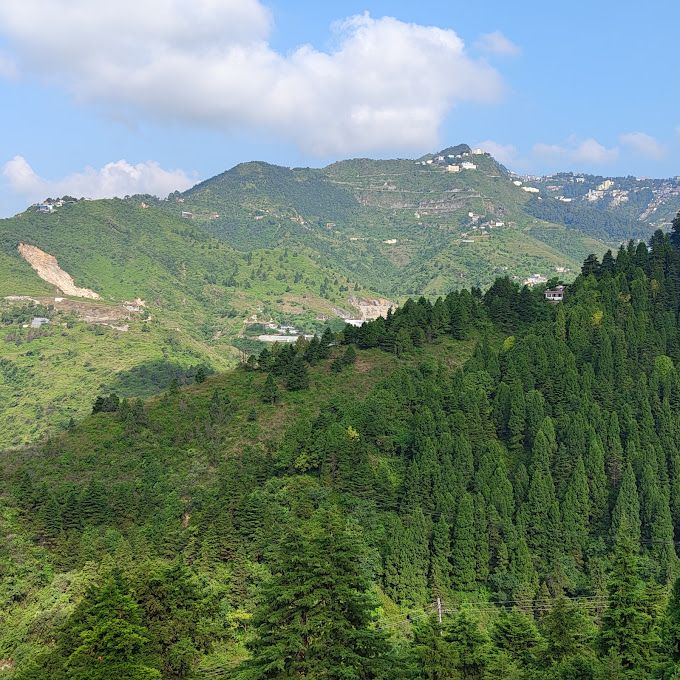
Benog Wildlife Sanctuary spans a rugged stretch of high-altitude forest along the western slopes of the Mussoorie ridge in Uttarakhand. Set amidst slopes dominated by chir pine, ban oak, and flowering rhododendrons, the sanctuary serves as a vital green lung for the region and a refuge for endemic Himalayan wildlife.
The sanctuary was originally known in part for being one of the last known habitats of the critically rare Himalayan quail, a species that was historically documented in these hills. While sightings of that elusive bird remain historical, the sanctuary continues to serve as an indispensable sanctuary for a wide variety of resident and migratory mountain birds, small mammals, and native mountain flora.
Unlike commercial tourist viewpoints, Benog offers a serene forest environment. The network of dirt paths and forest trails allows visitors to walk under thick canopies, enjoy the silence of the woods, and take in views across the distant Garhwal ranges on clear days.
Flora and wildlife at Benog
The flora within Benog Wildlife Sanctuary is characteristic of the mid-altitude western Himalayas. Tall deodar, cedar, and oak trees cover the hillsides, accompanied by dense rhododendron thickets that burst into red and pink blooms during early spring. The undergrowth includes wild ferns, mountain shrubs, and a variety of regional medicinal herbs that thrive in the cool mountain climate.
For birdwatchers, the sanctuary is one of the most rewarding locations in the Mussoorie area. Keen observers often spot the white-capped water redstart, red-billed blue magpie, Himalayan whistling thrush, grey treepie, and various species of woodpeckers, laughingthrushes, and warblers. Overhead, birds of prey such as the Himalayan griffon vulture and steppe eagle can occasionally be seen riding the thermal updrafts.
Mammals residing in the reserve include the barking deer (kakar), Himalayan goral, wild boar, langur, and red fox. Common leopards and leopard cats also inhabit these slopes, though they are naturally shy, largely nocturnal, and rarely cross paths with daytime walkers.
Read more
Trekking and walking trails
Walking is the primary way to explore Benog Wildlife Sanctuary. The sanctuary is crisscrossed by several unpaved trails that meander through dense stands of deodar and pine. The standard walking route begins near the western edge of Mussoorie, leading walkers on a gradual descent and ascent along forested ridges.
The terrain is mostly manageable for individuals of average fitness, featuring packed-dirt paths with occasional patches of loose stone and exposed tree roots. Along the way, breaks in the tree line offer expansive panoramas of the deep Aglar Valley on one side and views toward the Yamuna valley and snowy northern ridges on the other.
Walking here is unhurried. Most people spend between two to four hours wandering along the designated paths, listening to forest sounds, and watching for birds in the canopy. Because there are no paved pathways or handrails in deeper sections of the forest, visitors should stick to established routes to avoid disturbing wildlife or losing their way.
Best time to visit Benog Wildlife Sanctuary
The best time to visit Benog Wildlife Sanctuary is during the spring and early summer months, from March to June, and again during the crisp post-monsoon autumn from September to November.
Spring brings pleasant daytime temperatures, blooming rhododendrons, and active birdlife. Summer offers cool respite from the heat of the northern plains, making morning and late-afternoon forest walks very comfortable. Autumn is characterized by exceptionally clear skies, dry trails, and vivid visibility across the snow-capped Himalayan horizon.
The monsoon months between July and August bring heavy rainfall to the Mussoorie hills. While the hills turn vibrant green, the walking paths can become slick with mud, leeches are common in the forest, and sudden showers can interrupt walks. Winter, from December to February, is cold, with freezing night temperatures and occasional frost on the foliage. Winter visits can be very rewarding for those who enjoy crisp mountain air and solitude, provided they bundle up in warm thermal clothing.
Places to visit around Benog
Benog Wildlife Sanctuary sits close to several prominent landmarks across the Mussoorie and Dehradun region. A short distance east lies the historic settlement of Landour, renowned for its quiet heritage pathways, colonial architecture, and cedar forests. Nearby viewpoints such as Lal Tibba and Dalai Hills provide scenic vantage points overlooking the Doon Valley and northern peaks.
Travellers interested in exploring further afield can venture down into the Dehradun valley. Attractions like Gucchupani, also known as Robbers' Cave, the water springs at Sahastradhara, and the forested grounds of Dehradun Zoo offer diverse day-trip options. Cultural landmarks such as Tapkeshwar Mahadev Mandir and Mindrolling Monastery showcase the spiritual traditions of the valley.
For everyday supplies, souvenirs, or evening walks, the bustling Mall Road and historic Paltan Bazaar in Dehradun serve as convenient hubs for shopping and regional street food.
Tips for your visit
Because Benog is a designated wildlife sanctuary, visitors should practice responsible outdoor etiquette. Keep noise to a minimum, do not play music on speakers, and avoid shouting, as loud sounds disturb nesting birds and resident wildlife. Always carry out any trash or plastic bottles you bring in, as waste management facilities inside forest reserves are nonexistent.
Sturdy walking shoes or hiking boots with good grip are essential, as forest paths can be uneven and strewn with pine needles, which can be slippery when dry. Carry a water bottle and some light snacks, since there are no commercial vendors inside the protected area. If you plan to watch birds, bring a pair of binoculars and a camera with a zoom lens.
Daylight fades quickly in the mountain valleys, especially during winter and autumn. Plan to start your walk early in the morning and begin your return well before sunset. Sanctuary rules, visiting guidelines, and any forest entry procedures are managed by regional authorities, so travellers should check locally in Mussoorie for the latest regulations prior to setting out.
Where to stay near Benog Wildlife Sanctuary
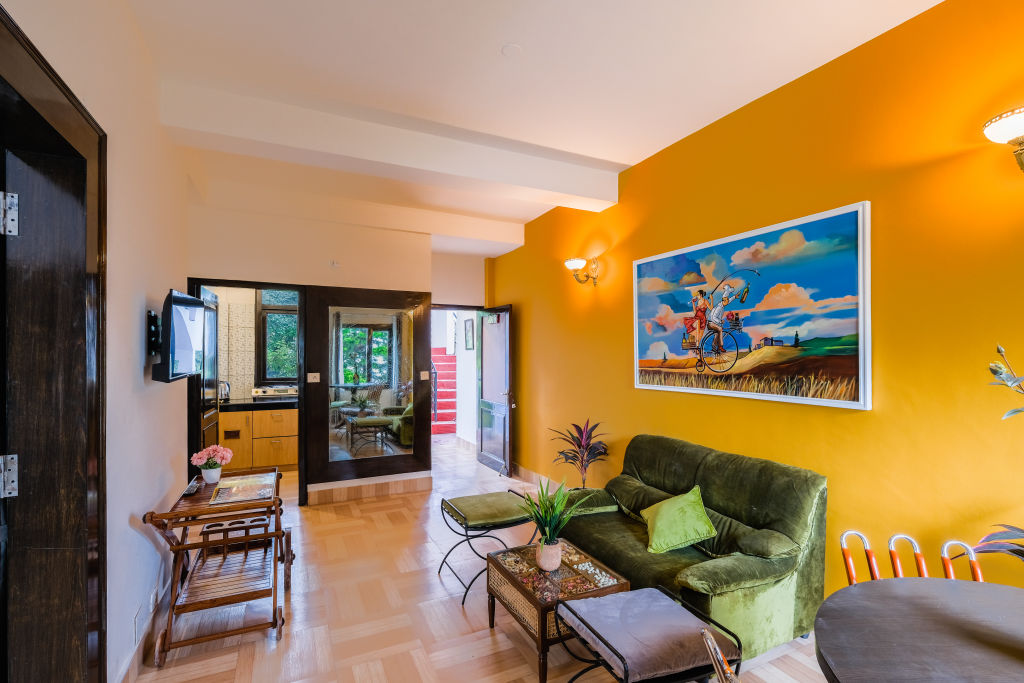
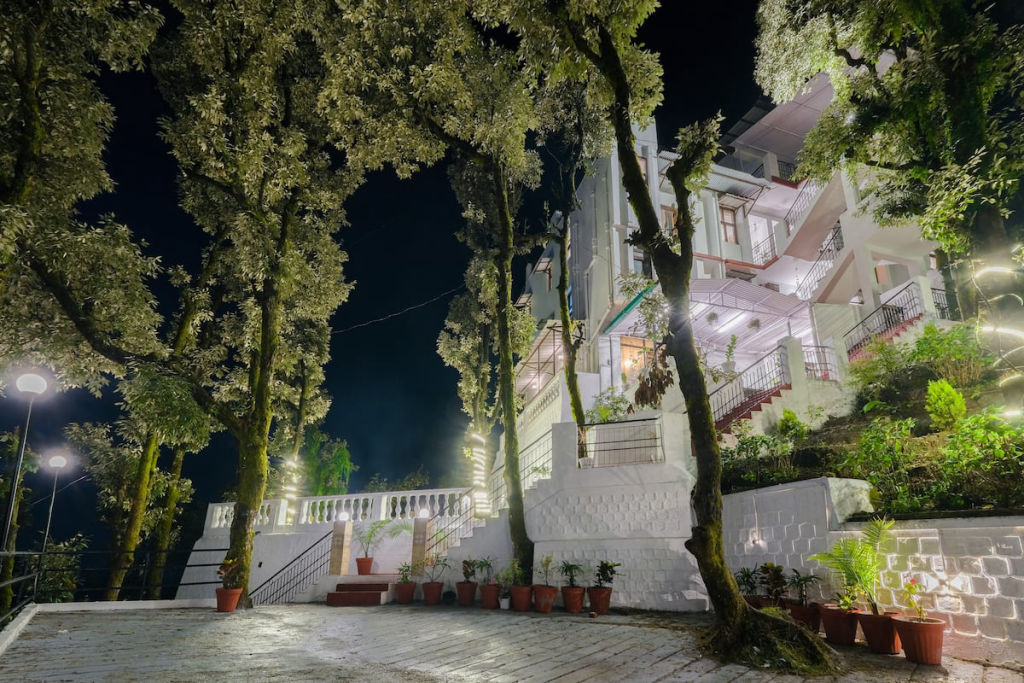
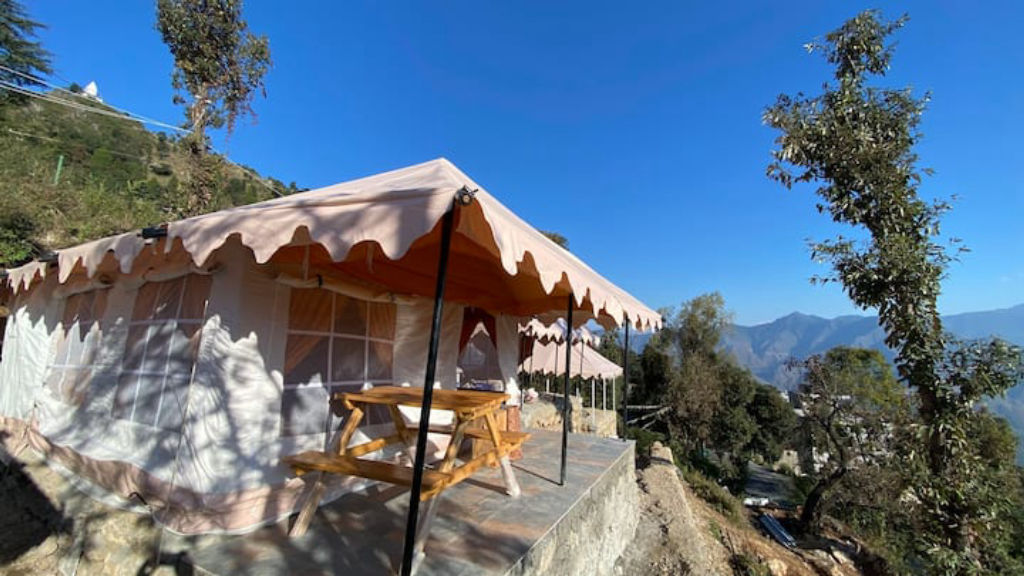
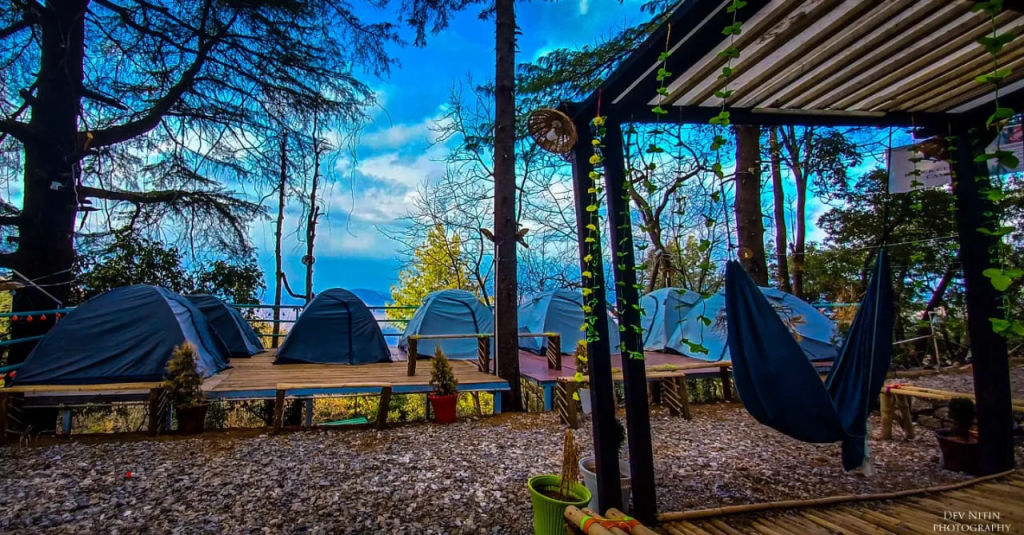
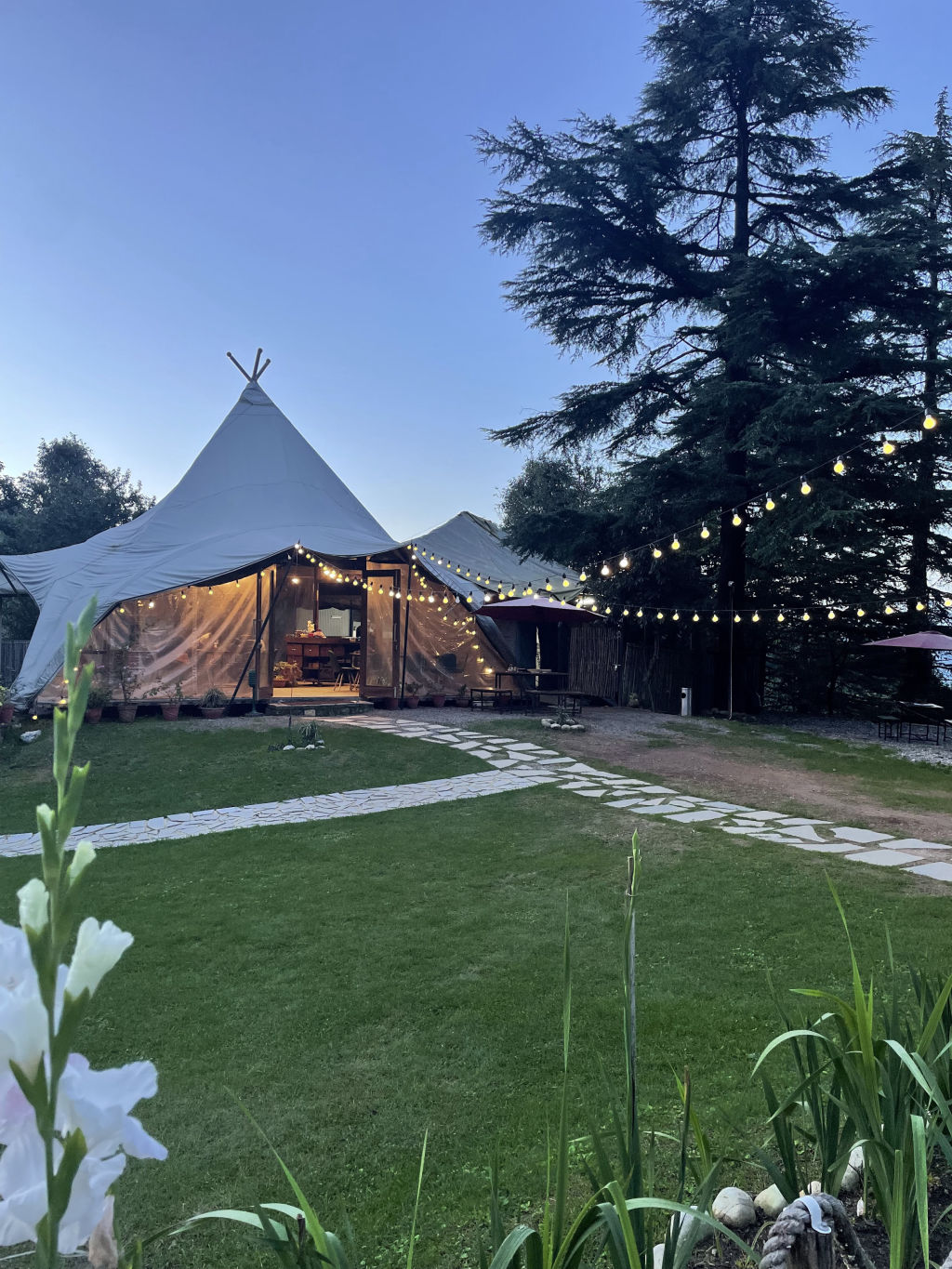
Mussoorie and its surrounding hill villages offer an extensive selection of accommodations ranging from traditional hillside homestays and heritage houses to scenic retreats tucked away in nearby pine forests. Staying slightly away from the main town center provides a more peaceful experience that matches the natural rhythm of the sanctuary.
For travellers interested in nature-focused getaways, rustic stays, and outdoor camping experiences around Mussoorie and the Garhwal hills, you can explore curated listings on HireACamp to find options that suit your travel style.
Frequently asked questions
How far is Benog Wildlife Sanctuary from Mussoorie?
Benog Wildlife Sanctuary is located on the western outskirts of Mussoorie, just a few kilometres from the main town center, making it easily accessible for a half-day or full-day forest outing.
Is trekking required to see Benog Wildlife Sanctuary?
Yes, exploring the sanctuary requires walking along unpaved dirt trails. The paths are generally of easy to moderate difficulty, suitable for anyone with basic walking fitness.
What birds can be spotted in Benog Wildlife Sanctuary?
The sanctuary is home to many Himalayan bird species, including red-billed blue magpies, white-capped water redstarts, Himalayan whistling thrushes, laughingthrushes, and various woodpeckers and raptors.
What should I carry when visiting Benog Wildlife Sanctuary?
Carry drinking water, light snacks, sturdy walking shoes, a warm outer layer, and binoculars for birdwatching. Be sure to carry a bag to pack out all your trash.
Are there places to stay inside Benog Wildlife Sanctuary?
There are no commercial accommodations inside the core sanctuary grounds. However, plenty of homestays, nature retreats, and campsites are located nearby around Mussoorie and can be booked through HireACamp.
Where you'll be
Mussoorie · 12 stays nearby shown with prices
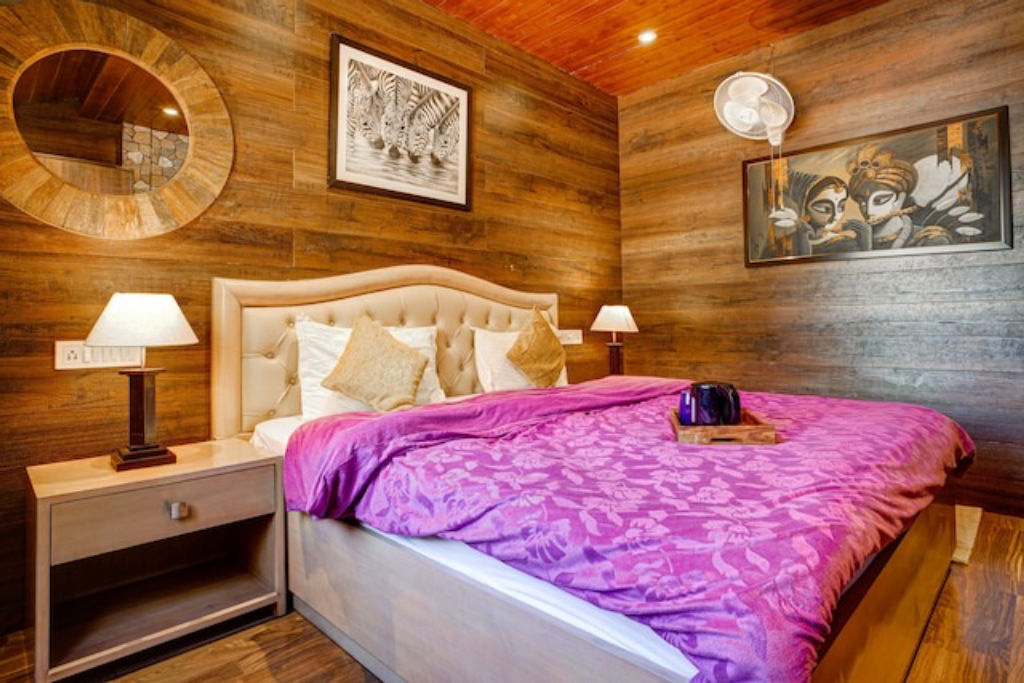
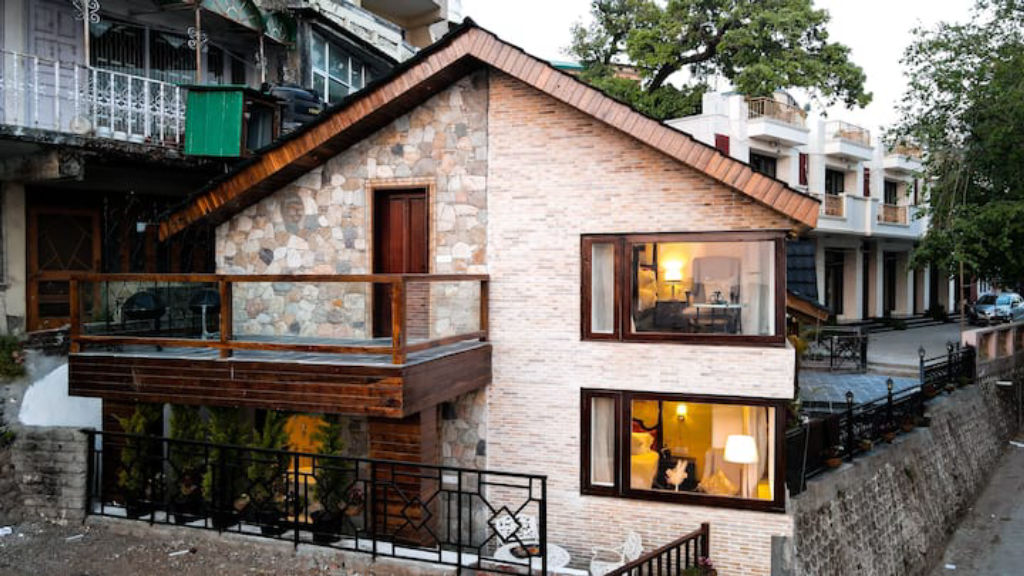
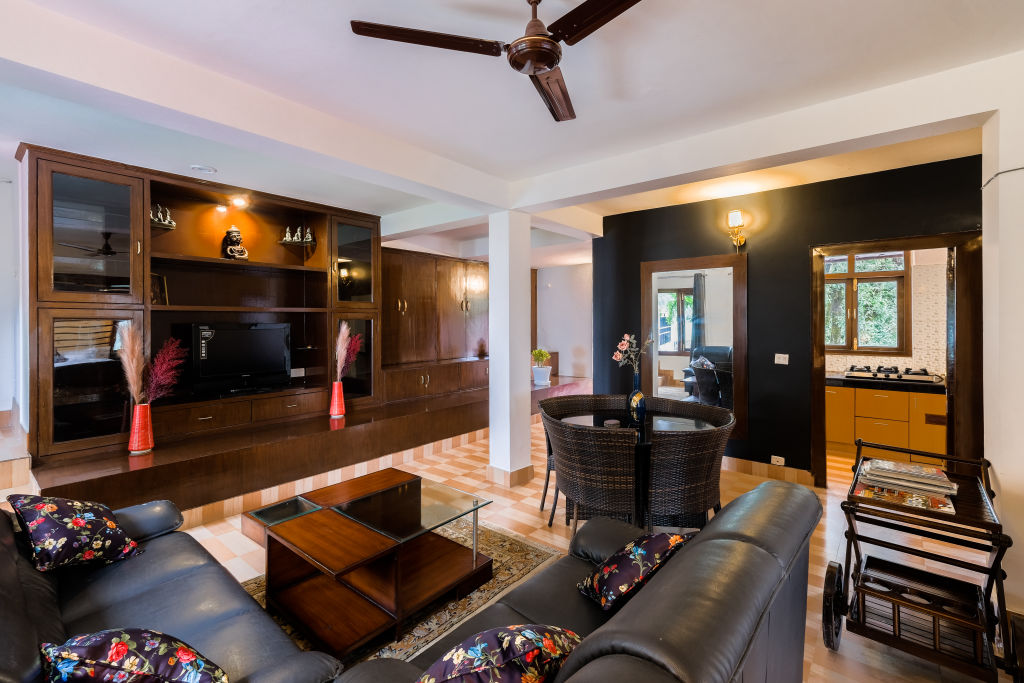
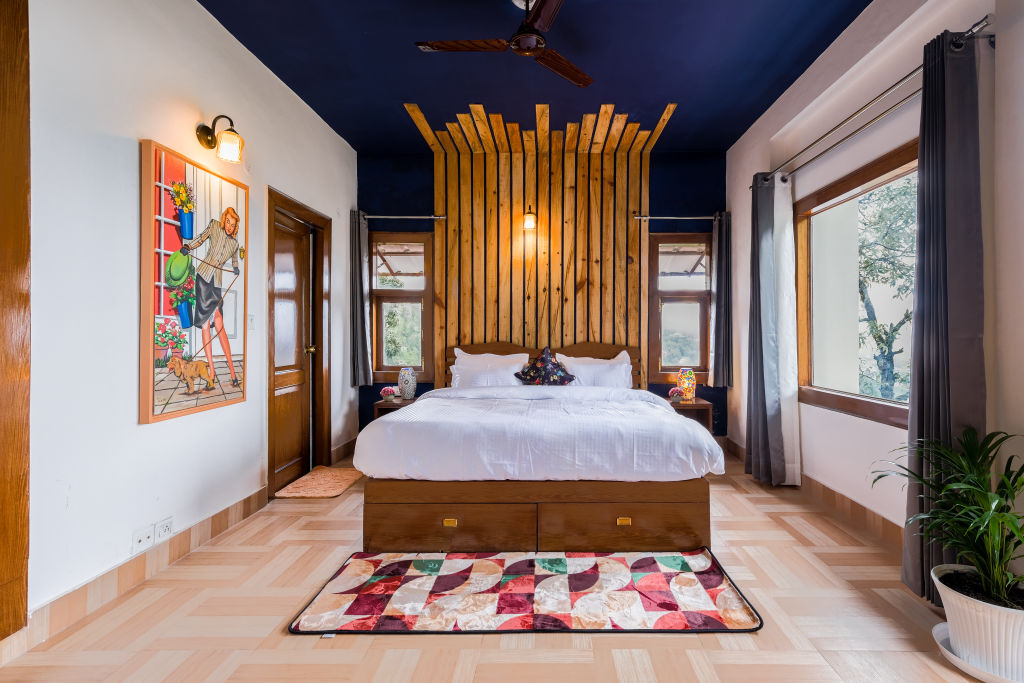
Stays near Benog Wildlife Sanctuary
Book a place to stay close by


More places near Benog Wildlife Sanctuary
Within 20 km


Lists for this area
Ranked by how many creators recommend each place


Built from 0 Instagram posts by 0 creators. Every tip links back to the post it came from, and where creators disagree we show both sides.






