
Bhor Ghat
Nature near Khandala, Maharashtra
1.5 km from Khandala
The nearest town, for stays, food and fuel.
Bhor Ghat is a historic mountain pass in Maharashtra that cuts through the Western Ghats, connecting the Konkan plains near Khopoli to the Deccan plateau around Khandala. Travellers pass through this dramatic corridor for its sweeping views of rugged cliffs, deep gorges, and lush seasonal waterfalls. The pass is a favourite route for road trippers and rail travellers who want to experience the grandeur of the Sahyadri mountains.
Getting there
By road
- From KhandalaNearest town3 min · 1.7 km
- From Mumbai 1 hr 30 min · 89 km
- From Pune1 hr 35 min · 73 km
- From Nashik4 hr 15 min · 251 km
Typical drive times without traffic. Stations and airports from OLA Maps; distances and typical drive times from OpenStreetMap (© OpenStreetMap contributors); notes from creators' Reels.
About Bhor Ghat
Written with AI from map data and general knowledge. Check prices and timings locally before you go.
The Landscape and History of Bhor Ghat
Bhor Ghat cuts across the crestline of the Western Ghats, forming one of the most critical geographical passages in western Maharashtra. Rising sharply from the Konkan lowlands near Khopoli to the elevated plateau around Khandala and Lonavala, the pass features sheer basalt cliffs, dense scrub forest, and sharp ravines that plummet hundreds of metres into the valley floor. During the dry season, the landscape reveals the stark volcanic architecture of the Deccan Traps, with layered rock faces defining the skyline.
Historically, the pass served as a crucial trade route connecting inland trading centres on the Deccan plateau with ancient port towns along the Arabian Sea. In the nineteenth century, the construction of the railway line through Bhor Ghat was considered one of the greatest engineering feats of its era, requiring dozens of tunnels, viaducts, and a complex incline system to haul trains up the formidable escarpment. Today, both the old highway and modern expressway traverse this rugged corridor, allowing travellers to appreciate the scale and engineering heritage of the pass.
Experiencing the Pass by Road and Rail
Travelling across Bhor Ghat is an experience in itself, whether you are driving or taking the railway line. The road winds along the edges of sheer drops, offering changing vistas at every turn. On clear days, the views stretch across the lower Konkan plains, while distant ridgelines frame the horizon. Viewpoints built along the old highway allow visitors to pull over safely and take in the sheer verticality of the terrain.
For rail passengers, the journey through the ghat section is equally memorable. Specialized banker locomotives are attached to the rear of trains at the base to assist them up the steep gradients. As trains slowly wind their way through long tunnels and over high masonry bridges, travellers get unmatched perspectives of seasonal waterfalls, hanging valleys, and the rocky precipices of the Sahyadris.
Read more
Best Time to Visit Bhor Ghat
The monsoon season, spanning from June to September, transforms Bhor Ghat into a lush, emerald landscape. Moisture-laden winds from the Arabian Sea hit the high cliffs, producing torrential rain, thick banks of drifting mist, and countless seasonal waterfalls that cascade straight down the basalt rocks. The temperature remains pleasant, and the entire pass feels alive with rushing streams and fresh foliage. This is by far the most popular time for scenic drives and photography, though it requires cautious driving due to wet roads and reduced visibility.
From October to February, the post-monsoon and winter months offer cool, dry, and crisp weather. The morning air is sharp, and the valley views are at their clearest, free from the heavy clouds of the rainy months. Winter is an ideal time for leisurely road journeys, outdoor exploration, and visiting nearby forts and caves without the discomfort of heavy rainfall. The summer months from March to May can be warm and dry during midday, though early mornings and evenings often remain relatively breezy along the higher points of the pass.
How to Reach Bhor Ghat
Bhor Ghat is situated along the main transport corridor connecting Mumbai and Pune. Travellers coming by road can take either the Mumbai-Pune Expressway or the Old Mumbai-Pune Highway (NH 48). Both routes traverse the ghat section between Khopoli at the bottom and Khandala at the top. The drive from Mumbai or Pune typically takes between one and a half to three hours, depending on departure point and traffic conditions.
By train, regular services operating between Mumbai and Pune or further south climb through the pass. Passengers can disembark at nearby railway stations such as Karjat, Khopoli, Khandala, or Lonavala to access different parts of the ghat. State transport buses and private taxis frequently operate along the old highway, offering easy access to the scenic halts and viewpoints scattered along the route.
Places to Visit Nearby
A journey through Bhor Ghat places travellers close to several natural and historical landmarks in the northern Sahyadris. Just at the top of the pass lies Khandala, famous for quiet corners and viewpoint trails like Rajmachi Point and Tiger Point, which look out over deep chasms and rugged peaks. Gagangiri Ashram, nestled in lush greenery near Khopoli, offers a peaceful stop at the lower end of the ghat.
Further inland along the plateau, visitors can explore historic sites such as the rock-cut Karla Caves and the twin strongholds of Lohagad Fort and Visapur Fort, which offer panoramic views of the surrounding valleys. Water bodies such as Lonavala Lake, Bhushi Dam, Kataldhar waterfall, and the vast expanses of Pawna Lake and Mulshi Lake are also reachable by road, providing varied options for full-day excursions and nature walks.
Tips for Travelling through Bhor Ghat
Driving through a steep mountain pass requires preparation and care. Ensure that your vehicle's brakes, tyres, and wipers are in excellent working condition before you begin the ascent or descent. During the monsoon, dense fog can descend quickly, dropping visibility to just a few metres. Use fog lamps, keep a safe following distance, and avoid overtaking on sharp curves and blind corners.
If you stop at viewpoints along the highway, park only in designated lay-bys and avoid standing near edge barriers or steep slopes. Watch out for troop movements of bonnet macaques, which are common along the roadsides; avoid feeding them or leaving food within easy reach. Finally, carry light rain gear or windcheaters during the rainy months, as sudden downpours are common throughout the pass.
Where to Stay near Bhor Ghat
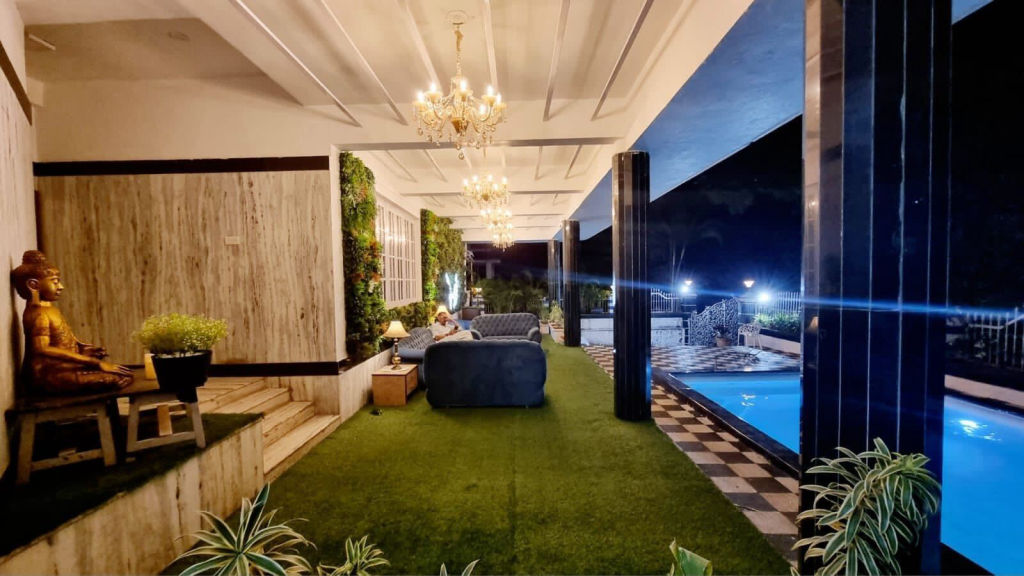
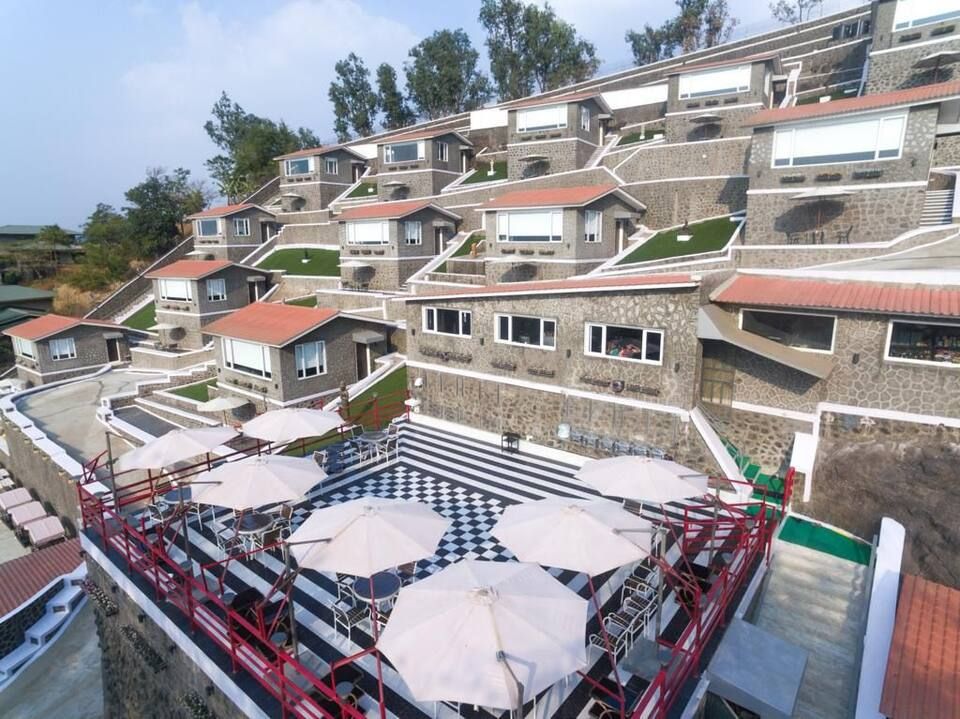
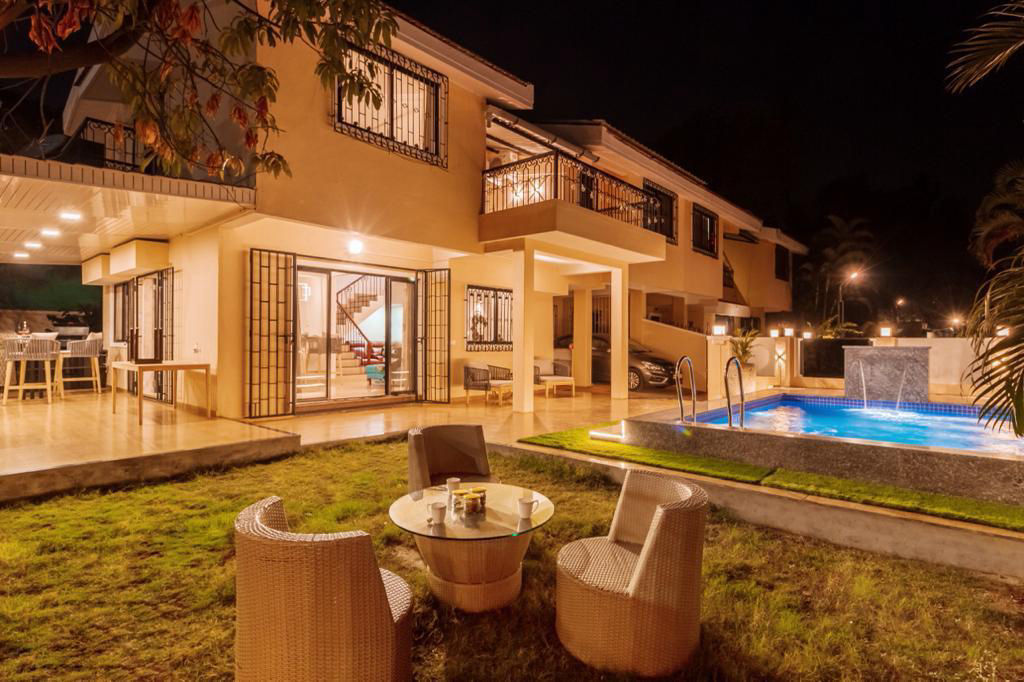
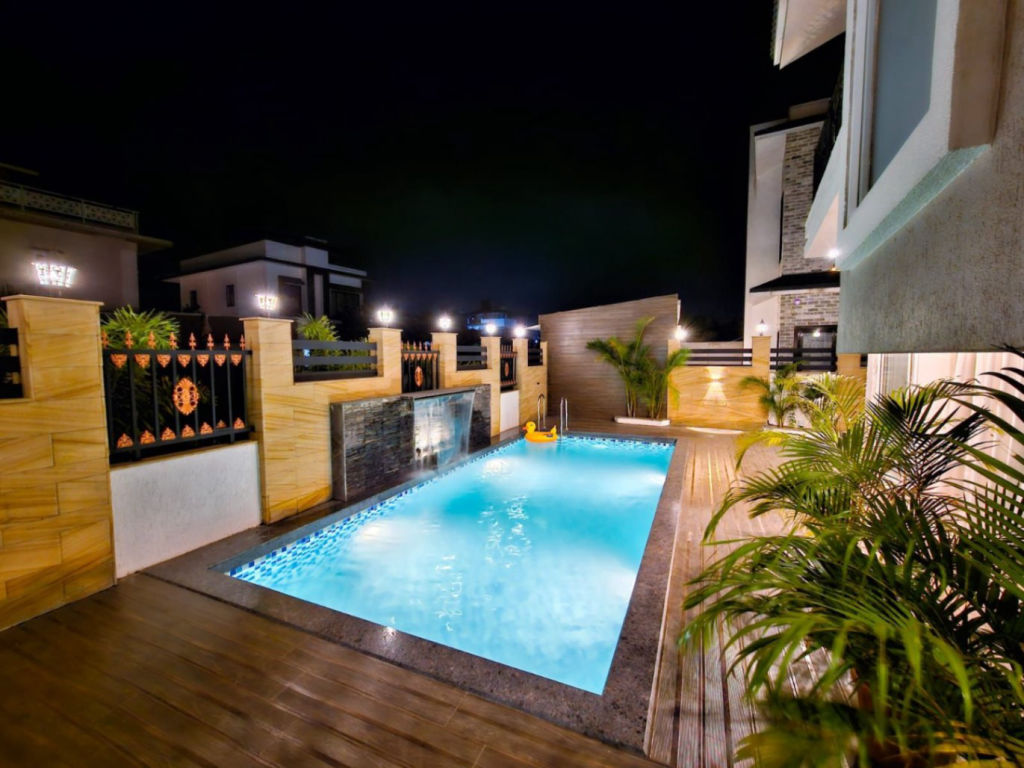
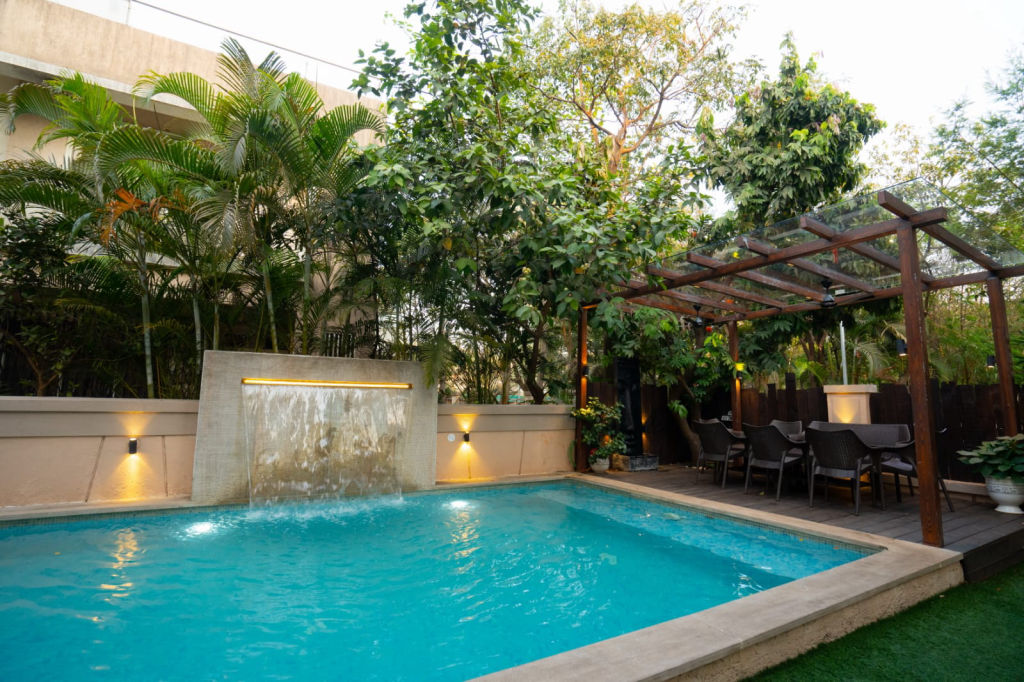
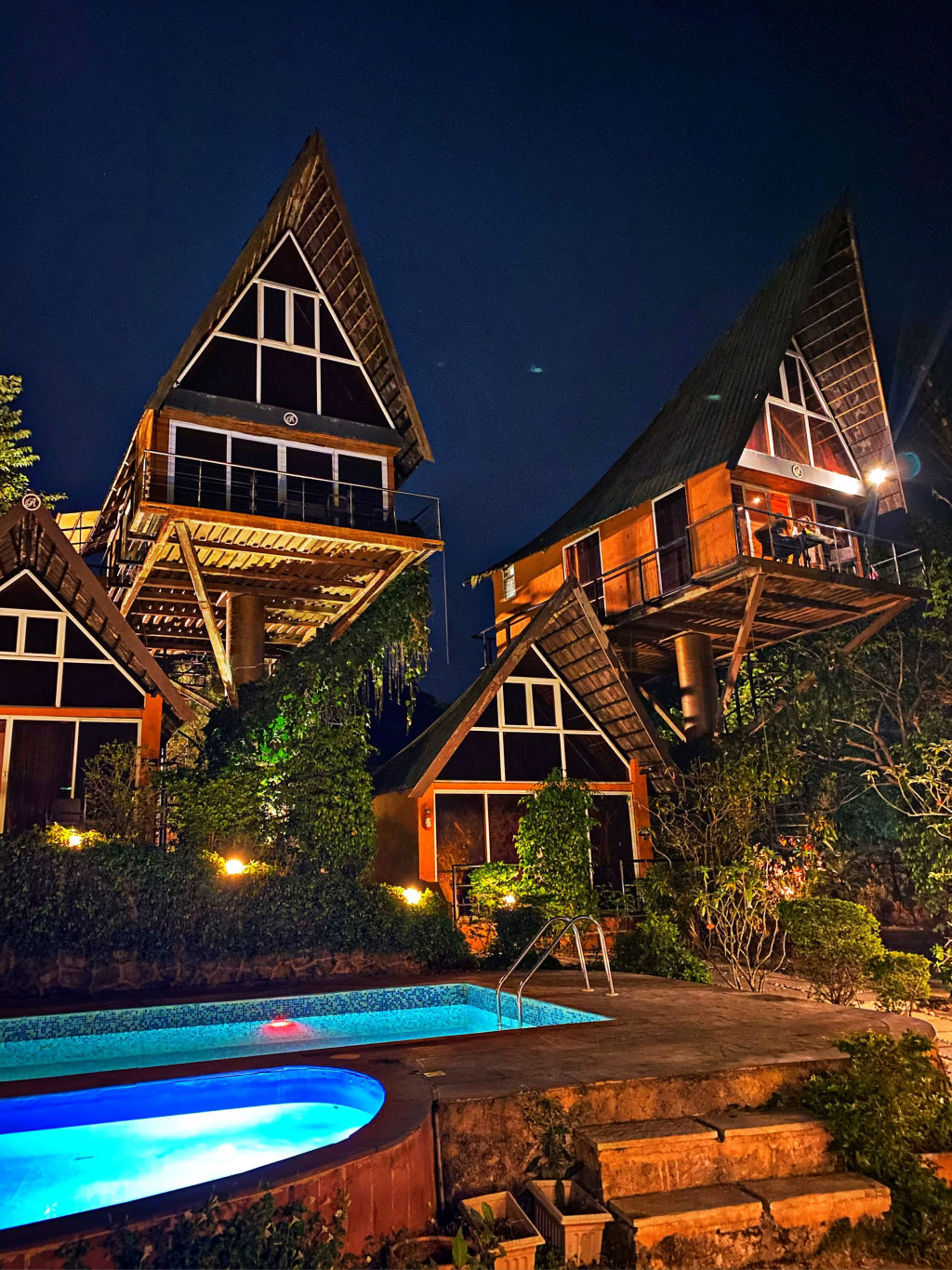
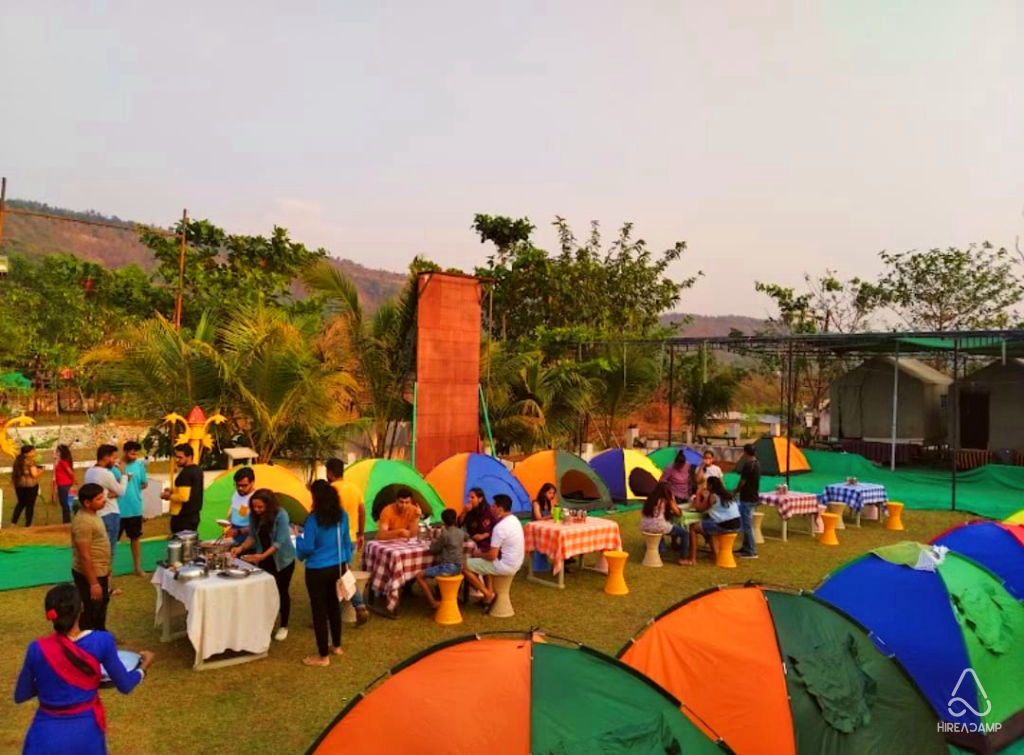
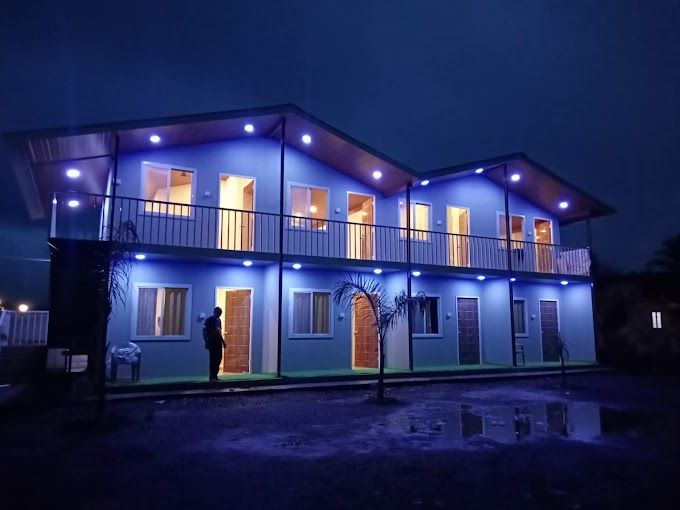
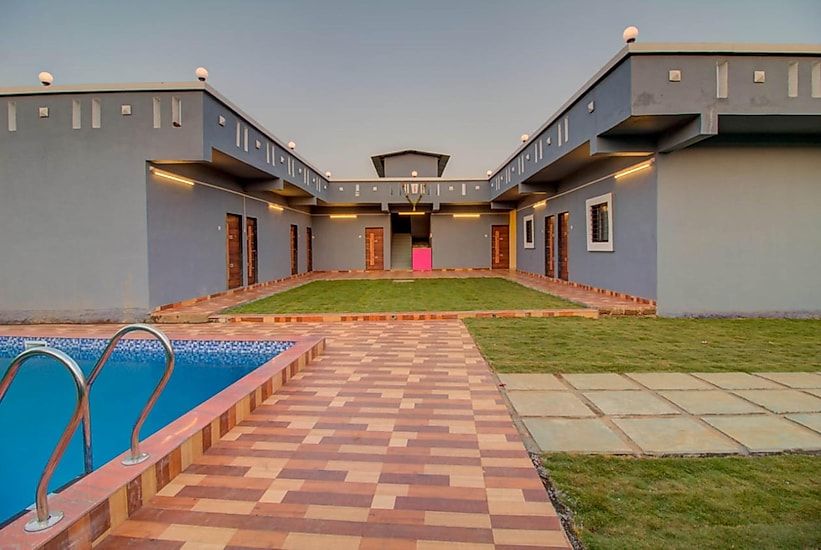
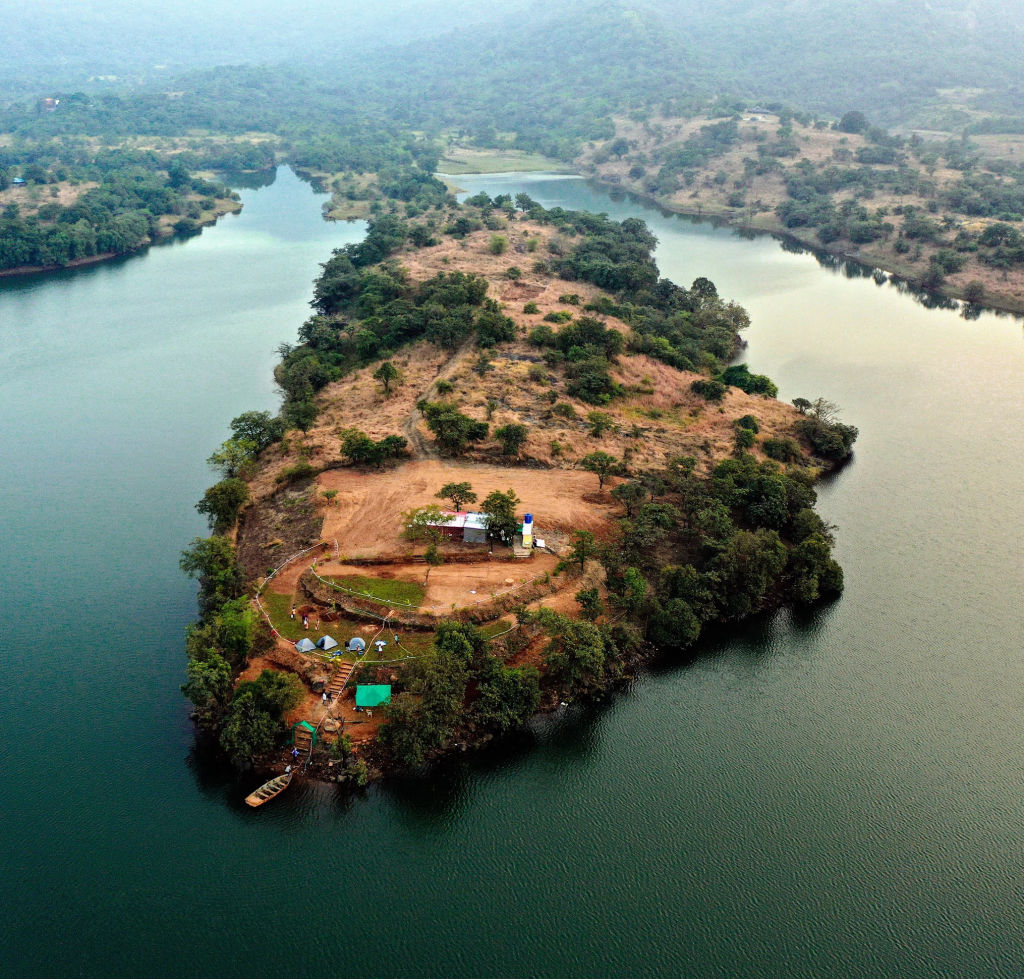
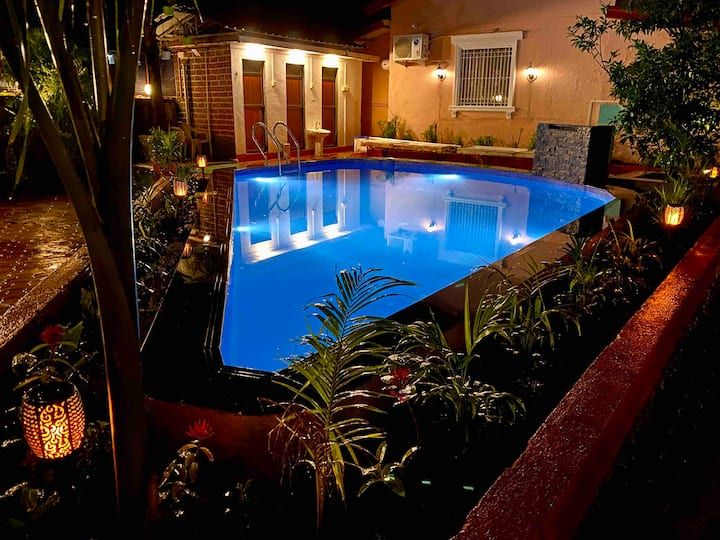
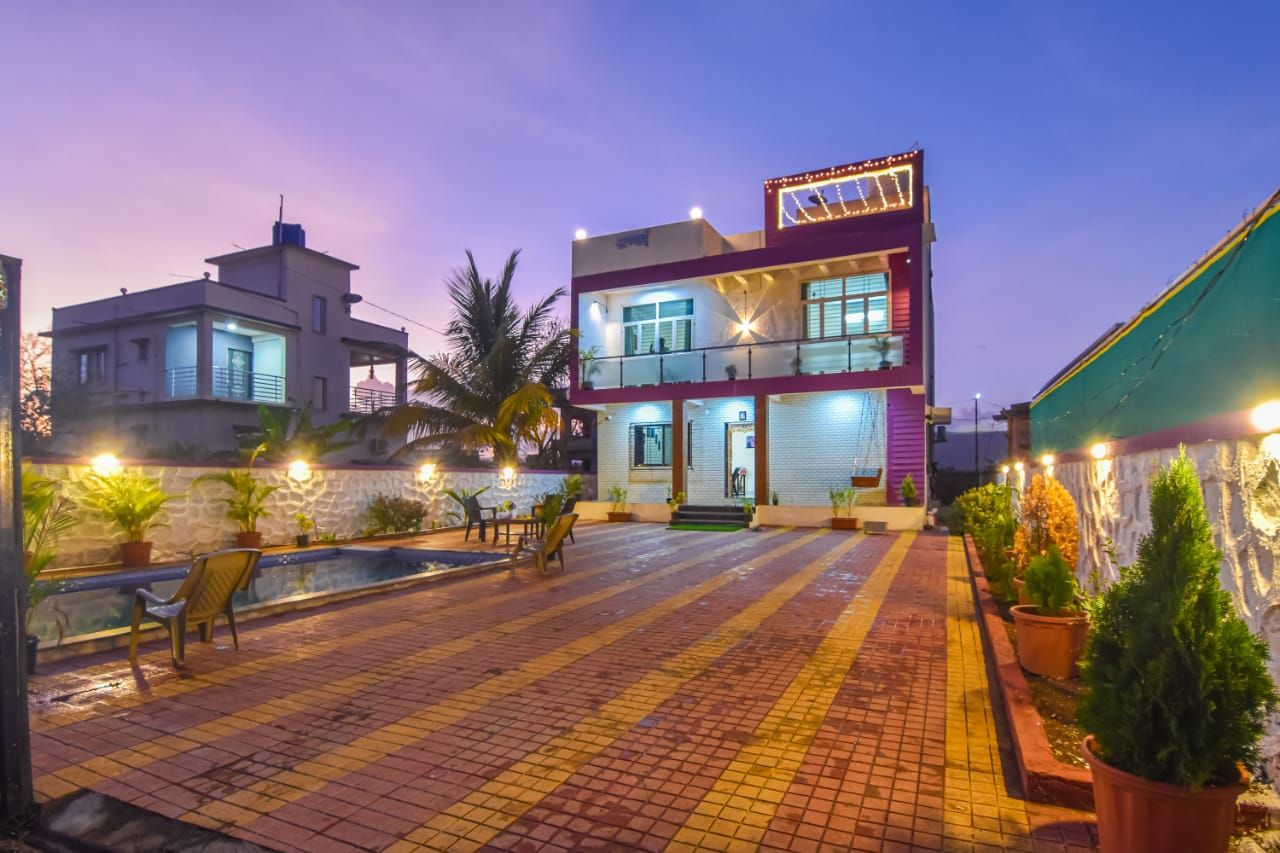
Accommodations around Bhor Ghat are plentiful, ranging from hillside retreats in Khandala and Lonavala on the upper plateau to quiet stays nestled in the valleys around Khopoli at the base. Choosing a base at the top provides quick access to popular viewpoints, cafes, and historic forts, while staying near the foothills offers a more secluded, rural setting closer to forested streams.
Travellers interested in outdoor experiences, scenic tent sites, and authentic homestays in the surrounding hills can explore options on HireACamp. Booking in advance is recommended during long monsoon weekends and winter holidays, when the region experiences high numbers of weekend travellers.
Frequently asked questions
Where is Bhor Ghat located?
Bhor Ghat is situated in the Western Ghats of Maharashtra, spanning the steep section between the town of Khopoli at the bottom and Khandala at the top along the Mumbai-Pune corridor.
What is Bhor Ghat famous for?
It is famous for its dramatic mountain landscape, deep valleys, historic railway incline engineering, and spectacular roadside waterfalls that come alive during the monsoon.
What is the best time of year to visit Bhor Ghat?
The monsoon season from June to September is the most dramatic time to visit for green landscapes and waterfalls, while the winter months from October to February offer cool, clear weather for sightseeing.
Can you see Bhor Ghat from a train?
Yes, trains travelling between Mumbai and Pune pass directly through Bhor Ghat, crossing high viaducts and tunnels that offer striking views of the valleys and cliffs.
Is driving through Bhor Ghat safe in the monsoon?
Driving is manageable if you exercise caution, obey speed limits, maintain your brakes, and remain mindful of heavy rain, slick surfaces, and thick fog.
Where you'll be
Maharashtra · 12 stays nearby shown with prices
Stays near Bhor Ghat
Book a place to stay close by
More places near Bhor Ghat
Within 20 km


Lists for this area
Ranked by how many creators recommend each place


Built from 0 Instagram posts by 0 creators. Every tip links back to the post it came from, and where creators disagree we show both sides.






