Forts near Bhimashankar
The rugged ranges around Bhimashankar are home to historic hill forts and strategic watchtowers guarding ancient trade passes across the Western Ghats. This guide highlights prominent fortifications in the region, suitable for trekkers, history enthusiasts, and outdoor travellers seeking scenic mountain trails.
18 places · 6 creator recommendations · Updated today
Ranked by how many independent creators recommend each place, not by who paid. The list updates itself as new posts come in.


About this list
Written with AI from creators' posts and map data. Check prices and timings locally before you go.
Popular forts around Bhimashankar
Gorakhgad Fort stands out in the region for its vertical rock pinnacles and steep rock-cut climbing trail. Perched above the base village of Dehri, the fort features ancient meditation caves, carved water cisterns, and a high viewpoint overlooking dense deciduous forests. Travelling by road from Bhimashankar typically takes around 3 hours and 50 minutes across roughly 143 kilometres.
Sondai Fort, situated near Wavarle village in Karjat, served historically as a watchtower over Sahyadri trade routes. It remains popular with hikers for its manageable trail, rock-cut cisterns, and views of Morbe Dam. Rajmachi Fort features the twin citadels of Shrivardhan and Manaranjan guarding the historical Borghat passage, while nearby Rajmachi Point in Khandala provides panoramic views across the deep ravines.
Further across the range, Prabalgad Fort occupies a broad plateau facing Kalavantin Durg, offering rugged trails and weathered stone remnants. Visapur Fort near Lonavala is celebrated for its expansive ramparts and trails that run with flowing water during rainy weather. Closer to Bhimashankar, Padargad attracts adventurous hikers with its sheer cliffs and rock chimneys rising above the Konkan plains.
The historical landscape and trade routes
The fortifications surrounding Bhimashankar developed as vital defensive outposts and observation points overlooking the historic transit routes between the Deccan plateau and the Konkan coastline. Outposts like Jivdhan Fort near Naneghat and Chavand Fort near Junnar stood vigil over commercial paths and mountain passes used by merchants and military garrisons for centuries.
These mountain fortifications share distinct architectural signatures shaped by Sahyadri geography. Travellers will encounter rock-cut staircases chiseled directly into vertical cliff faces, natural rock cisterns designed to catch monsoon runoff, and stone bastions engineered to merge seamlessly with volcanic basalt escarpments.
Read more
Best seasons for fort trekking
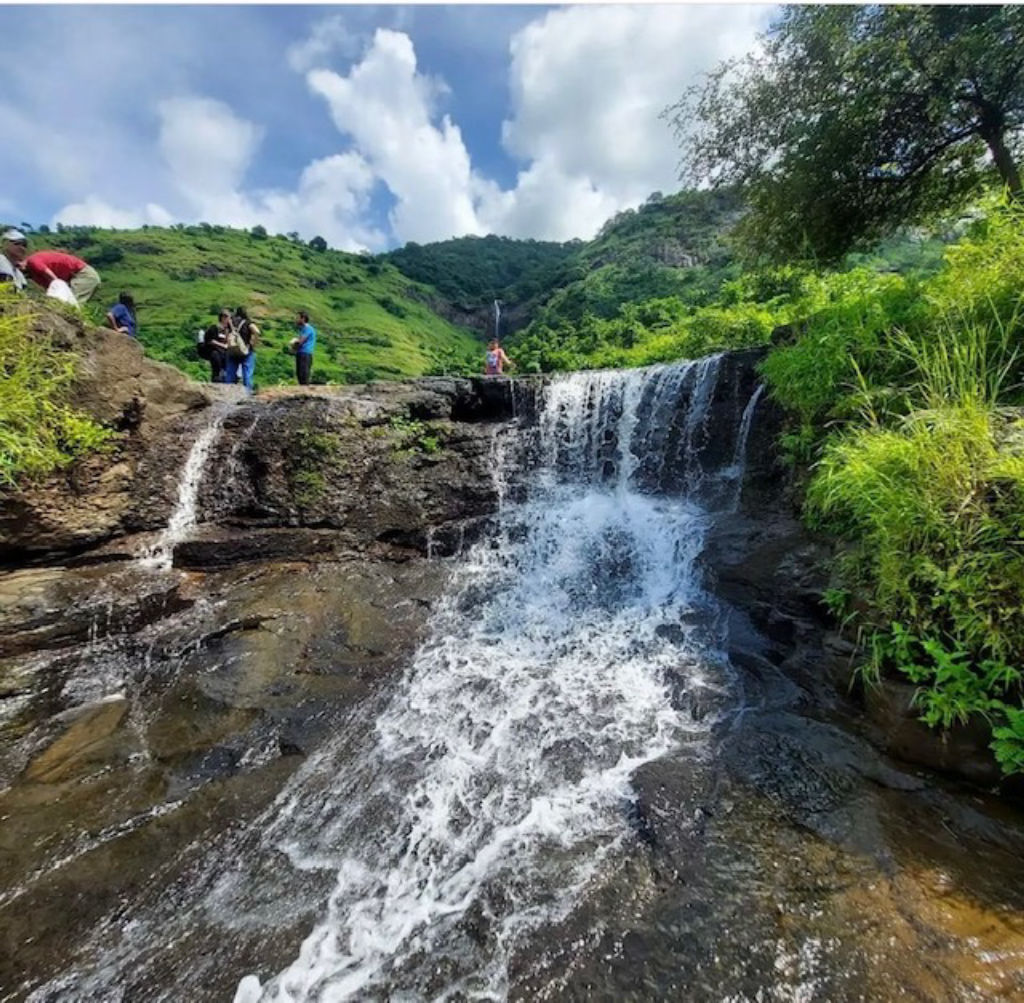
The monsoon season, extending from late June through September, transforms the Western Ghats into a vibrant landscape of mist and rushing waterfalls. Paths like the route up Visapur Fort carry flowing streams, and surrounding valleys fill with lush greenery, though rain makes rocky steps slick and requires careful footing.
The winter months from October to February offer cooler daytime temperatures, clear blue skies, and optimal visibility across distant peaks and reservoirs. Trekkers seeking longer day hikes or steep ascents, such as those at Gorakhgad Fort or Padargad, often find the dry winter air ideal for climbing without midday heat.
Practical tips for hiking Sahyadri forts
Trails on Sahyadri forts range from gentle footpaths to strenuous climbs involving exposed ridges and carved rock steps. Hikers should wear sturdy trekking shoes with reliable grip to handle loose scree and wet rock surfaces safely.
Carrying sufficient drinking water is essential, as water found in ancient cisterns along the forts is rarely potable. Trekkers should carry out all waste, keep an eye on rapidly changing weather, and consult local villagers at the base hamlets for current trail conditions before beginning an ascent.
Where to stay near Bhimashankar
Travellers exploring the forts around Bhimashankar can base themselves in scenic rural villages, mountain valleys, or quieter corners of the Ghats. Setting up a base near your planned trail allows for an early morning start to beat the afternoon sun.
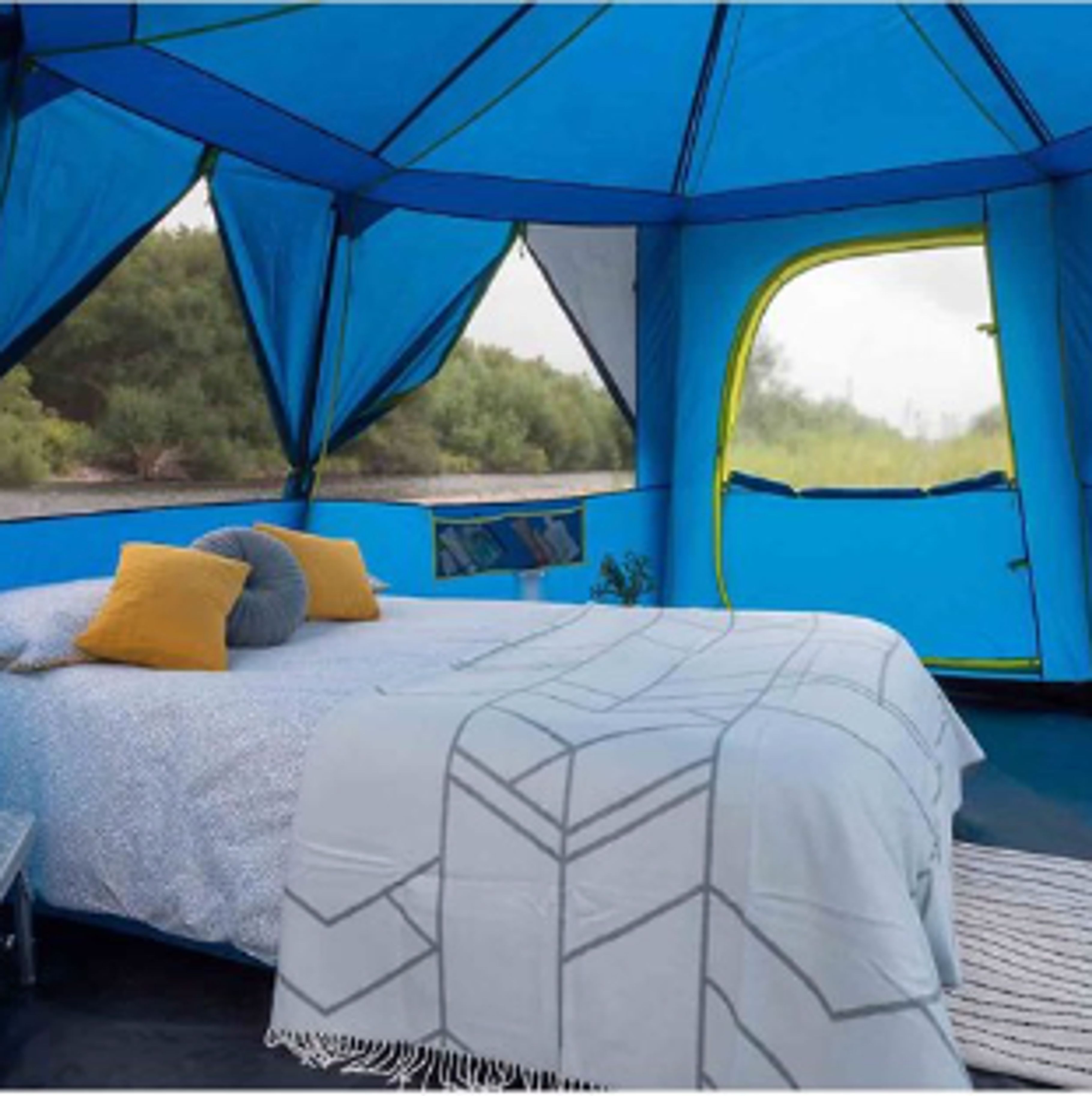
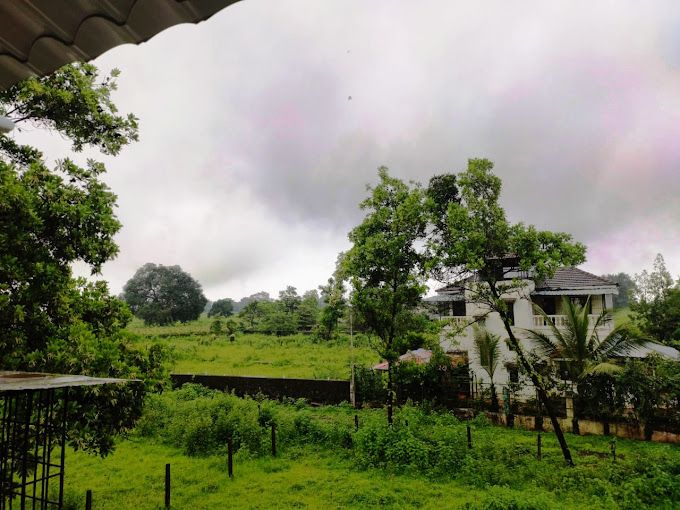
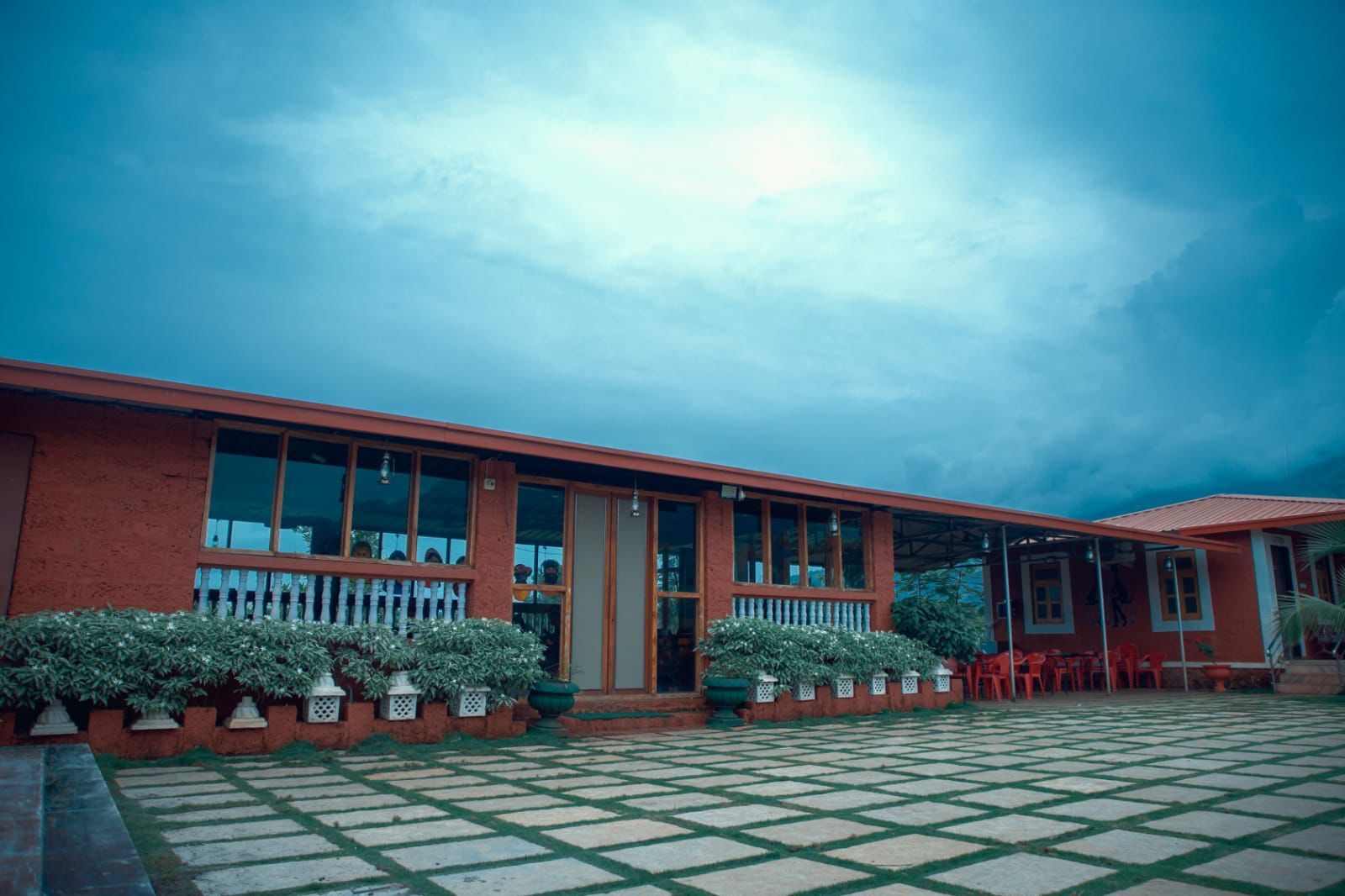
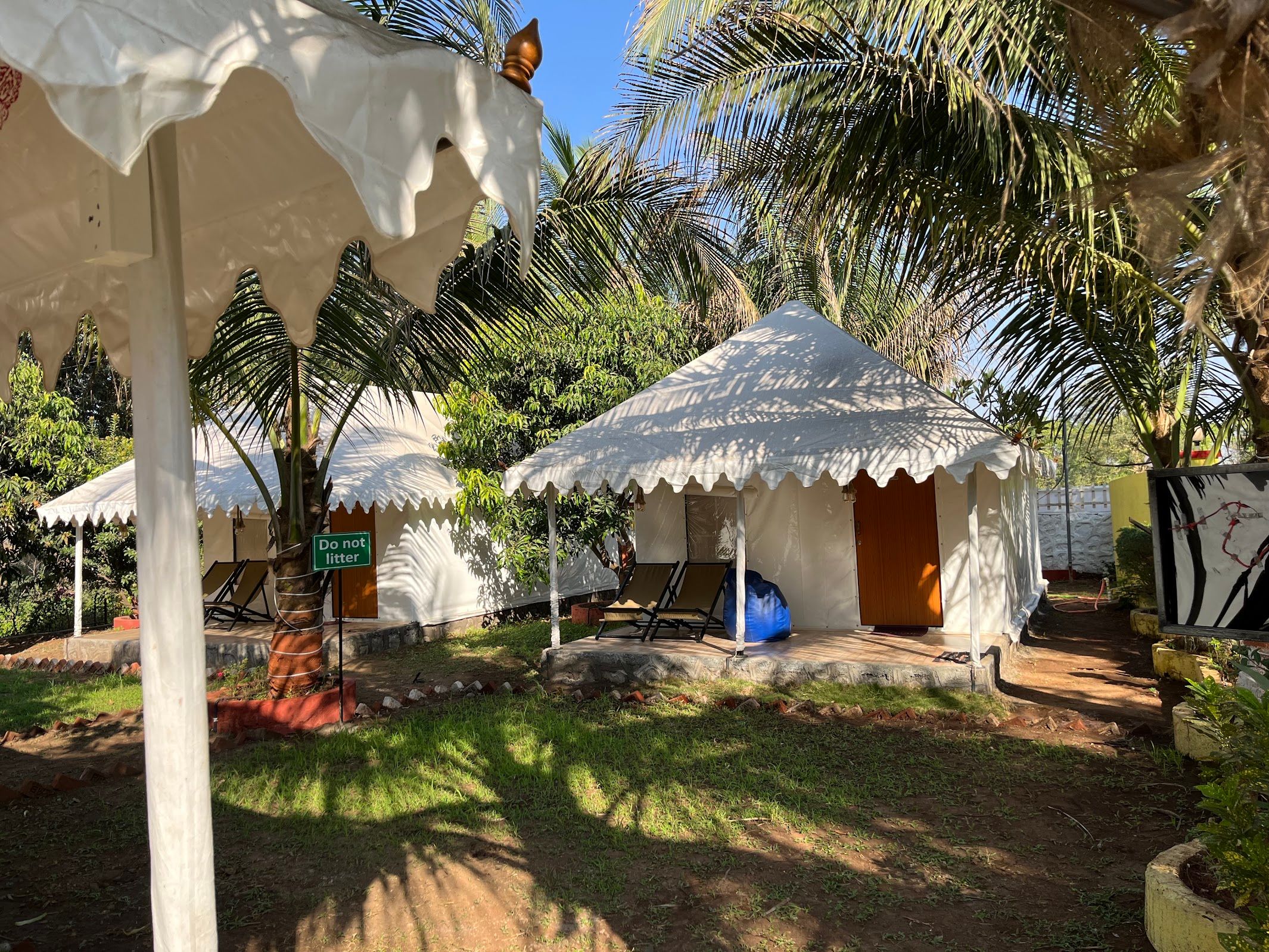
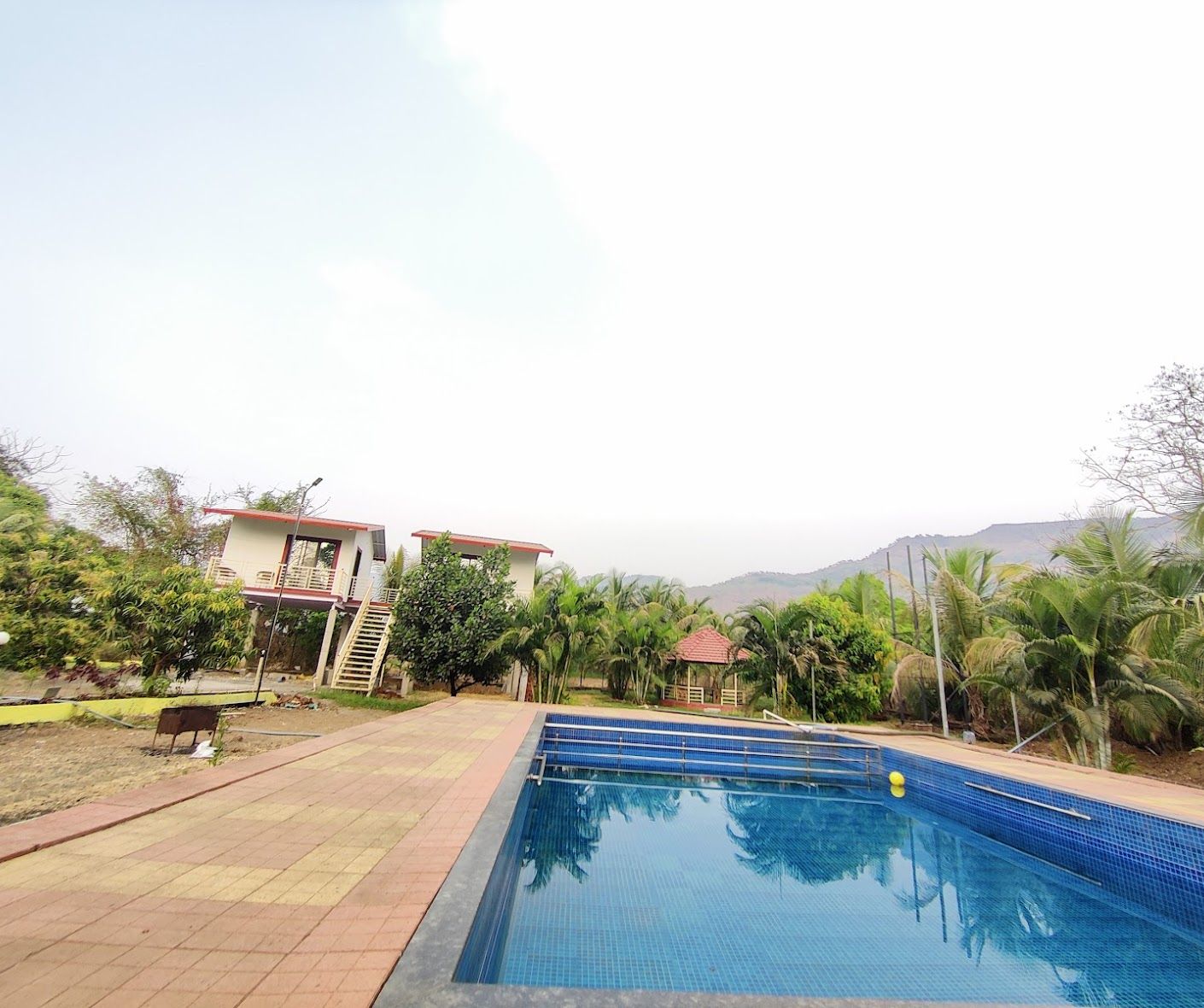
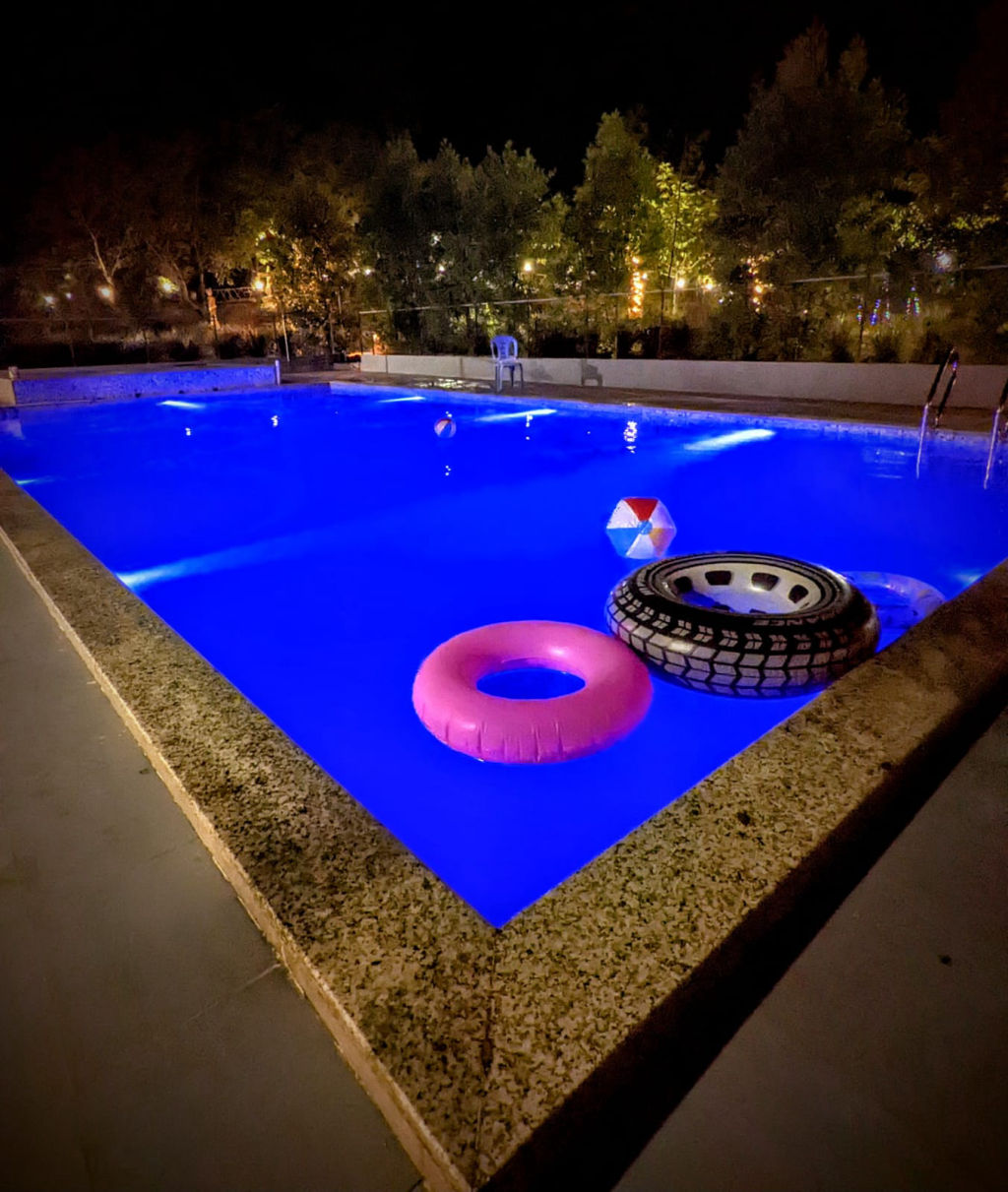
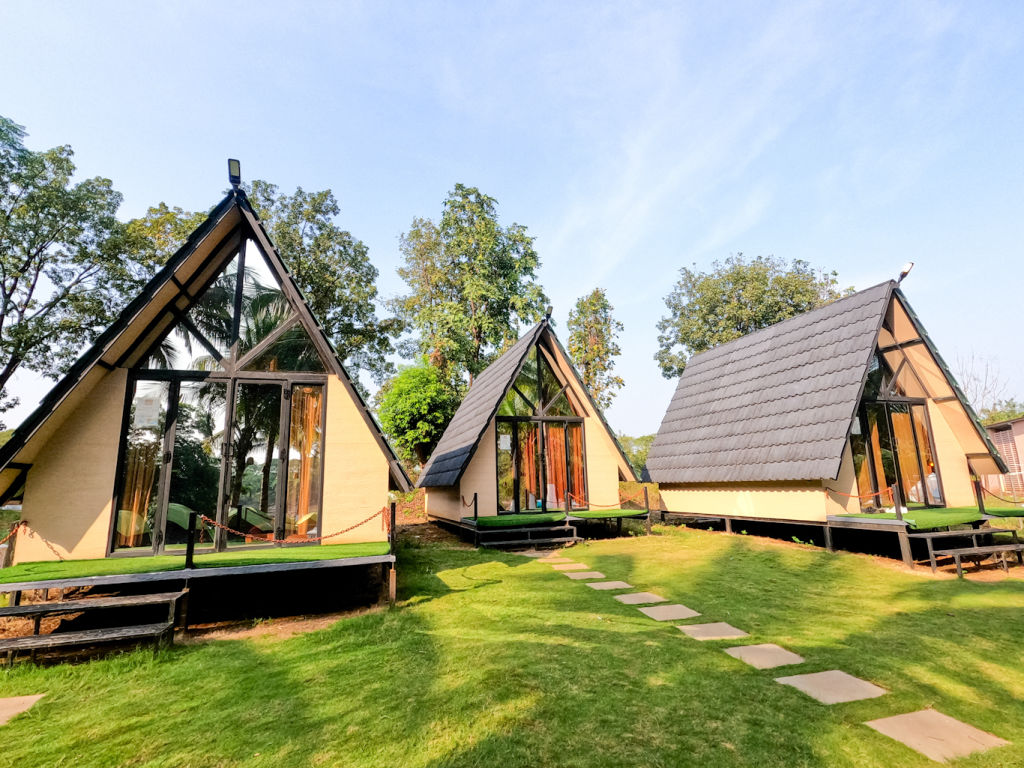
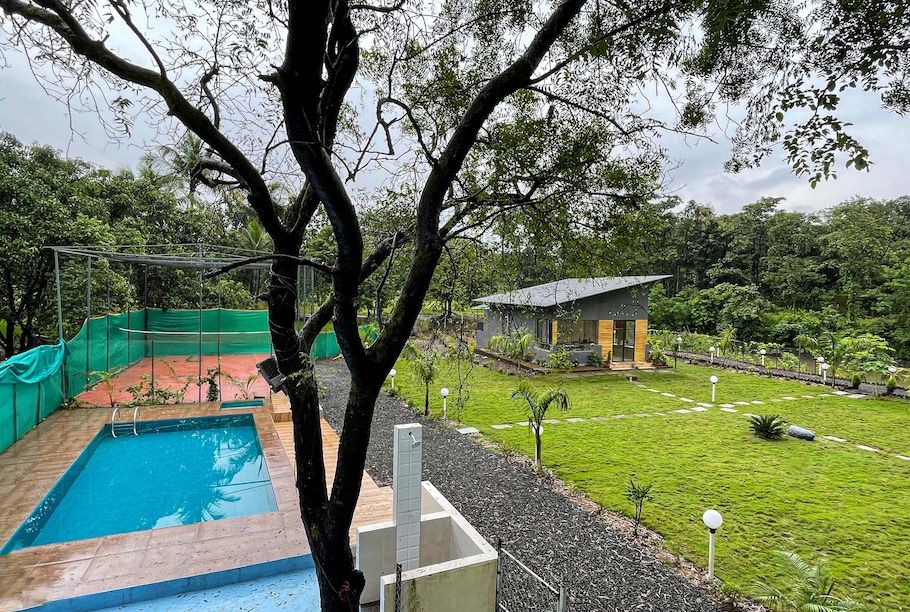
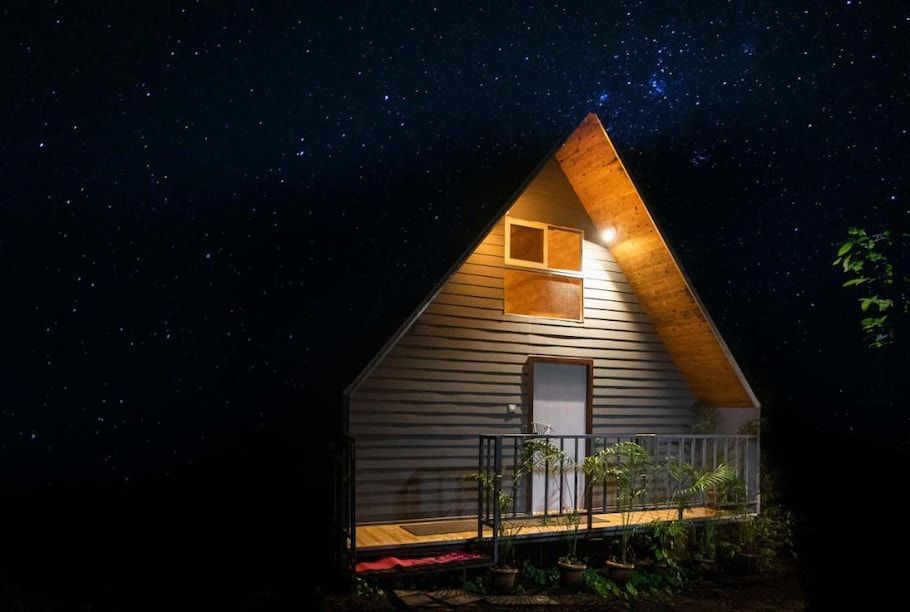
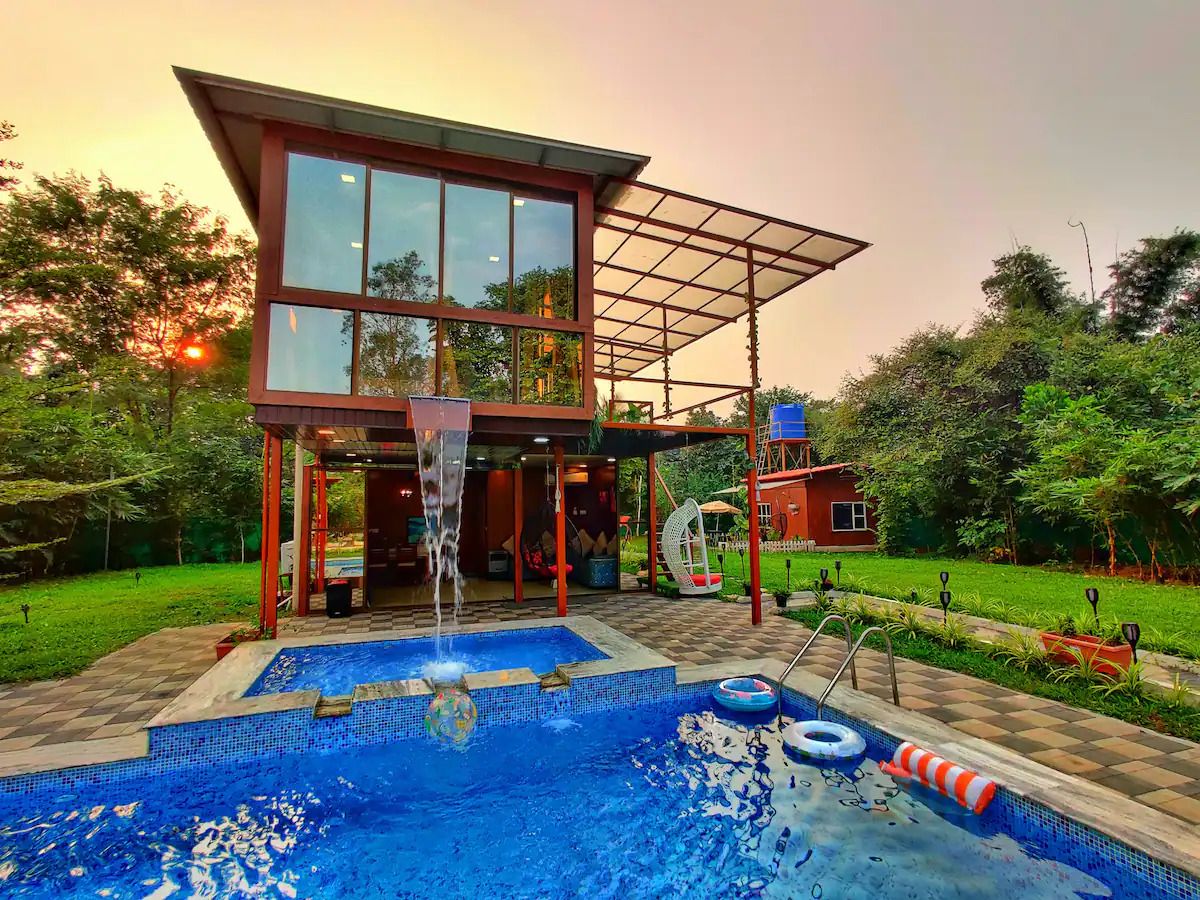
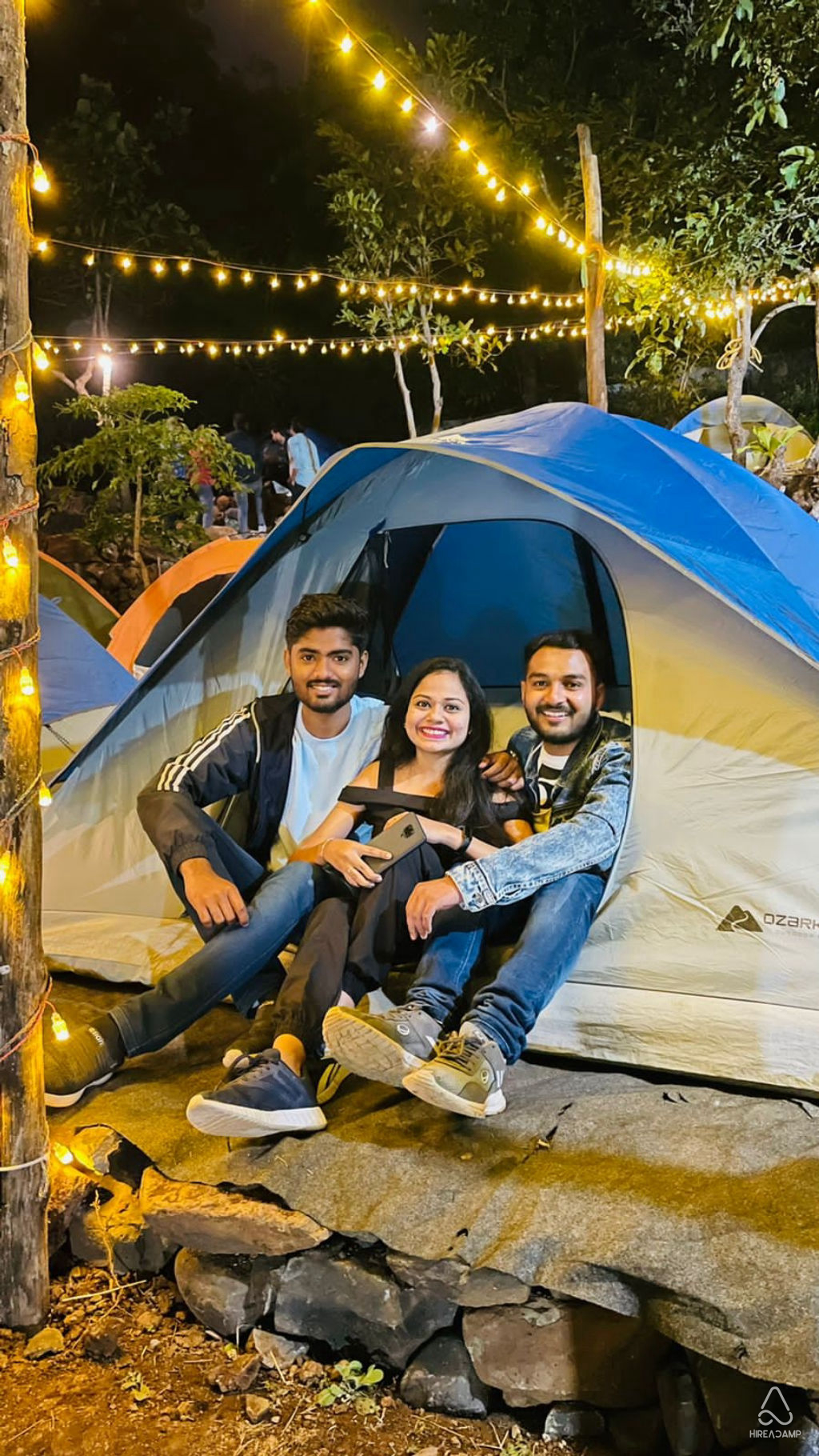
Camps, homestays, and rustic nature retreats in the Bhimashankar, Karjat, and Lonavala regions can be booked on HireACamp, giving you easy access to trailheads and peaceful surroundings after a day in the hills.
Frequently asked questions
Which forts near Bhimashankar are best for beginner hikers?
Sondai Fort near Karjat is one of the more accessible trails in the region, featuring a moderate hiking path and carved rock steps. Visapur Fort also offers well-established paths, though rocks can be slippery during rains.
When is the best time to visit forts in this region?
October to February is ideal for clear skies, comfortable temperatures, and panoramic valley views. The monsoon months between July and September are popular for lush greenery and waterfalls, though paths require caution.
Are the water cisterns on the forts safe for drinking?
Most rock-cut cisterns on historical Sahyadri forts contain untreated rainwater. Visitors should always carry ample personal drinking water for the entirety of their trek.
Can you see Rajmachi Fort without trekking?
Rajmachi Point near Khandala offers sweeping views across the valleys towards Rajmachi Fort without requiring a hike to the fortification itself.
What gear is recommended for climbing Gorakhgad Fort or Padargad?
Both forts feature steep rock-cut steps or chimney ascents, making shoes with strong traction essential. A small backpack, adequate hydration, sun protection, and a basic first-aid kit are strongly advised.
Stays near Bhimashankar
Make a trip of it