
Binsar Wildlife Sanctuary
Wildlife sanctuary near Almora, Uttarakhand
1.7 km from Almora
The nearest town, for stays, food and fuel.
Binsar Wildlife Sanctuary is a protected upland forest reserve situated in the Kumaon region near Almora, Uttarakhand. Renowned for its dense canopy of oak, pine, and rhododendron trees, the sanctuary offers wide panoramic vistas of the central Himalayan peaks. Travellers visit Binsar for quiet nature walks, birdwatching, and an immersive outdoor experience away from busy hill towns.
Getting there
By road
- From AlmoraNearest town6 min · 1.9 km
- From Dehradun7 hr 20 min · 352 km
- From New Delhi7 hr 45 min · 350 km
- From Chandigarh11 hr 25 min · 553 km
Typical drive times without traffic. Stations and airports from OLA Maps; distances and typical drive times from OpenStreetMap (© OpenStreetMap contributors); notes from creators' Reels.
About Binsar Wildlife Sanctuary
Written with AI from map data and general knowledge. Check prices and timings locally before you go.
About Binsar Wildlife Sanctuary
Binsar Wildlife Sanctuary covers an expanse of ridge and valley terrain in the Almora district of Uttarakhand. Historically, the ridge served as the summer capital of the Chand dynasty, who ruled Kumaon between the eleventh and eighteenth centuries. In 1988, the area was designated as a wildlife sanctuary to protect the fragile middle-Himalayan broadleaf forest ecosystem.
The sanctuary sits at elevations ranging between roughly 1,500 and 2,500 metres above sea level. This difference in altitude creates diverse microclimates, fostering thick groves of banj oak, chir pine, deodar cedar, and crimson rhododendron. From the higher ridges, clear weather reveals a panoramic view of northern Himalayan peaks including Trishul, Nanda Devi, Nanda Kot, and Panchachuli.
Flora and fauna in Binsar
The dense forests of Binsar provide a sheltered habitat for a wide variety of wildlife. Mammals native to the sanctuary include leopards, barking deer (kakar), Himalayan black bears, wild boars, red foxes, porcupines, and goral, a mountain-dwelling ungulate. While larger mammals are naturally shy and generally avoid the frequented walking tracks, signs of their presence like tracks and scat are common along forest paths.
Binsar is especially celebrated among birdwatchers, with more than two hundred recorded species in the reserve. The high canopy and understorey shelter birds such as the blue-fronted redstart, black-headed jay, streak-breasted scimitar babbler, green-tailed sunbird, and various species of woodpeckers, tits, and laughingthrushes. During spring and winter, raptors like the steppe eagle, common kestrel, and mountain hawk-eagle can often be spotted riding the updrafts along the ridge lines.
Read more
Trekking and trails inside the sanctuary
Unlike many Indian wildlife reserves where visitors are strictly confined to motor vehicles, Binsar Wildlife Sanctuary allows and encourages exploration on foot. A network of unpaved forest roads and earthen walking trails traverses the ridges, making it an excellent destination for day hikes through deep woods.
The most frequented path leads to Zero Point, the highest geographic point in the sanctuary. From this vantage point, a watchtower provides an elevated view of the surrounding valleys and the Himalayan wall. The walk from the main gate or vehicle drop-off point to Zero Point winds steadily uphill beneath a dense ceiling of oak and moss-draped branches.
Other trails loop toward quiet forest clearings and heritage settlements within the reserve. While hiking inside the forest, visitors should stay on designated trails, wear sturdy footwear, and consider taking a registered local nature guide who knows the paths and can assist with spotting resident birdlife.
Best time to visit Binsar
The sanctuary offers distinct experiences depending on the season. Autumn and winter, stretching from October through February, bring the clearest skies and the sharpest views of the snow-clad Himalayan peaks. Daytime temperatures are generally pleasant and sunny, though nights turn very cold, with frost occurring regularly and occasional snowfall on the highest ridges in December and January.
March and April mark the spring season, when the rhododendrons burst into bright red and pink blooms across the slopes. The weather during this period is mild and daytime temperatures are ideal for long outdoor walks, though haze can sometimes obscure distant mountain views.
The monsoon months, from late June through early September, cover the forest in mist, ferns, and moss. The foliage turns vibrant green and mountain springs run full, but heavy downpours can make earthen paths slippery, and forest leeches become active. Travellers visiting during the rainy season should carry waterproof gear and check local road conditions beforehand.
How to reach Binsar Wildlife Sanctuary
Binsar Wildlife Sanctuary is located north of Almora in Uttarakhand and is accessible primarily by road. The journey by vehicle from Almora passes through winding hill highways lined with pine forests before ascending to the entry gate of the sanctuary.
The nearest broad-gauge railway station is Kathgodam, situated in the Himalayan foothills. From Kathgodam, taxis and shared vehicles run regular services up to Almora and onwards toward the sanctuary. The drive from Kathgodam to Almora typically takes between three to four hours depending on mountain traffic and weather.
For those travelling by air, the nearest domestic airport is at Pantnagar, which connects to select regional hubs. Taxis can be hired at the airport to reach Binsar. Private vehicles can drive up to designated parking areas near the sanctuary entry, from where entry formalities must be completed at the forest department check-post.
Places to visit near Binsar
The Kumaon region around Binsar has several cultural and natural landmarks worth exploring. Located just outside or near the sanctuary fringes is the ancient Bineshwar Mahadev Temple, a tenth-century stone shrine dedicated to Lord Shiva that reflects the classical stone architecture of the Chand era.
A short drive south lies the ridge of Kasar Devi, known for its hilltop temple dedicated to the goddess Durga. The area has drawn artists, writers, and spiritual seekers for over a century due to its expansive open views of the Almora valley and tranquil atmosphere.
Further east in the region stands the Jageshwar temple complex, a cluster of more than a hundred ancient stone temples set amidst tall deodar trees along a mountain stream. Almora town itself offers traditional markets, stone-paved streets, and regional Kumaoni food and sweet shops.
Where to stay near Binsar
Accommodations around Binsar are primarily focused on quiet mountain living and outdoor immersion. Stays are distributed both around the village settlements outside the forest check-post and across the adjacent valleys.
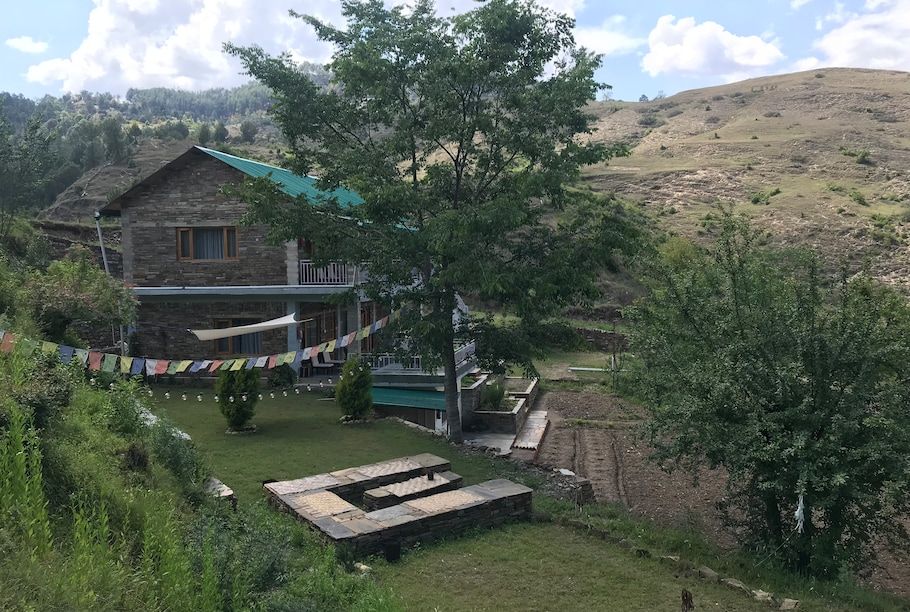
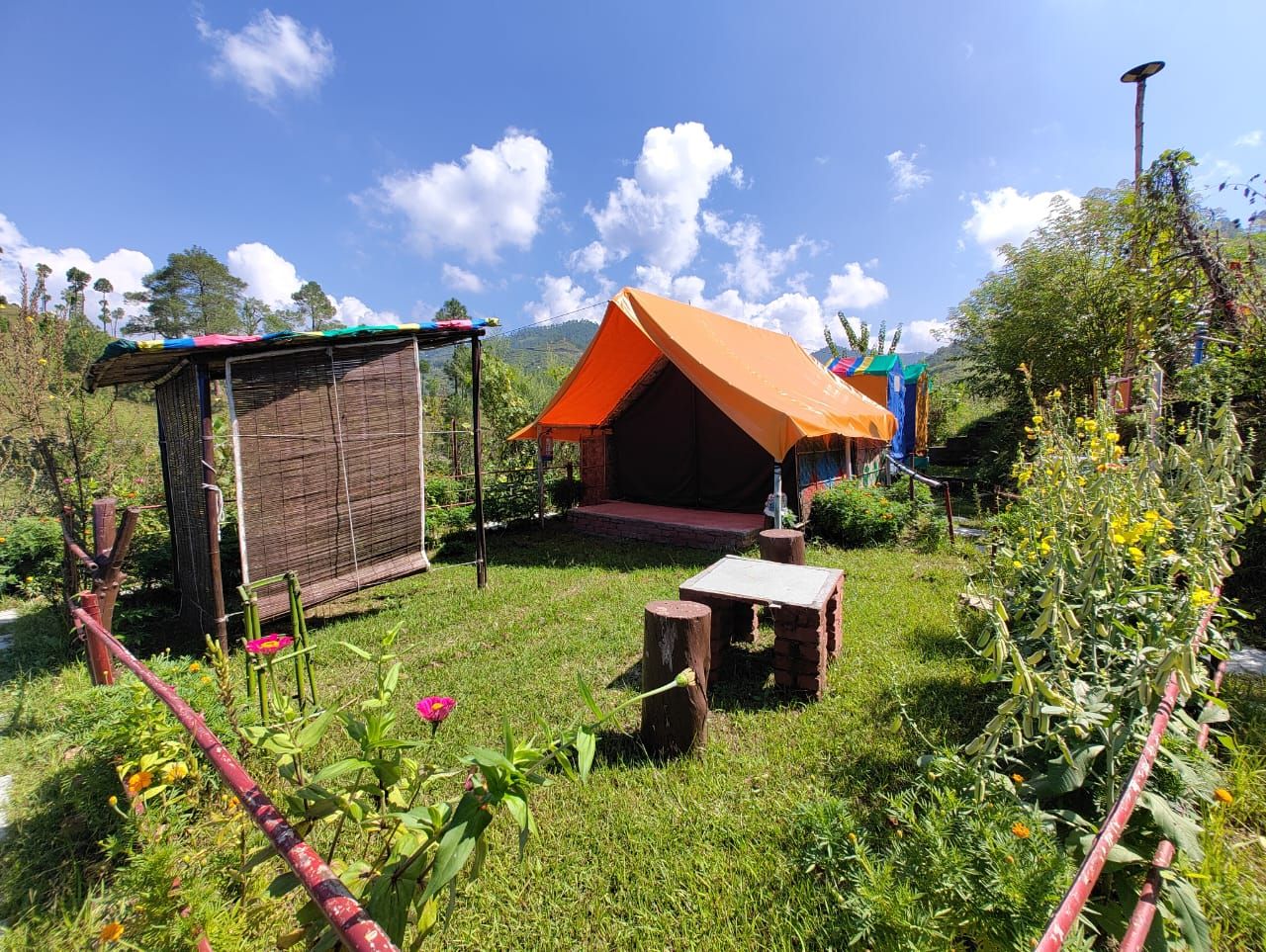
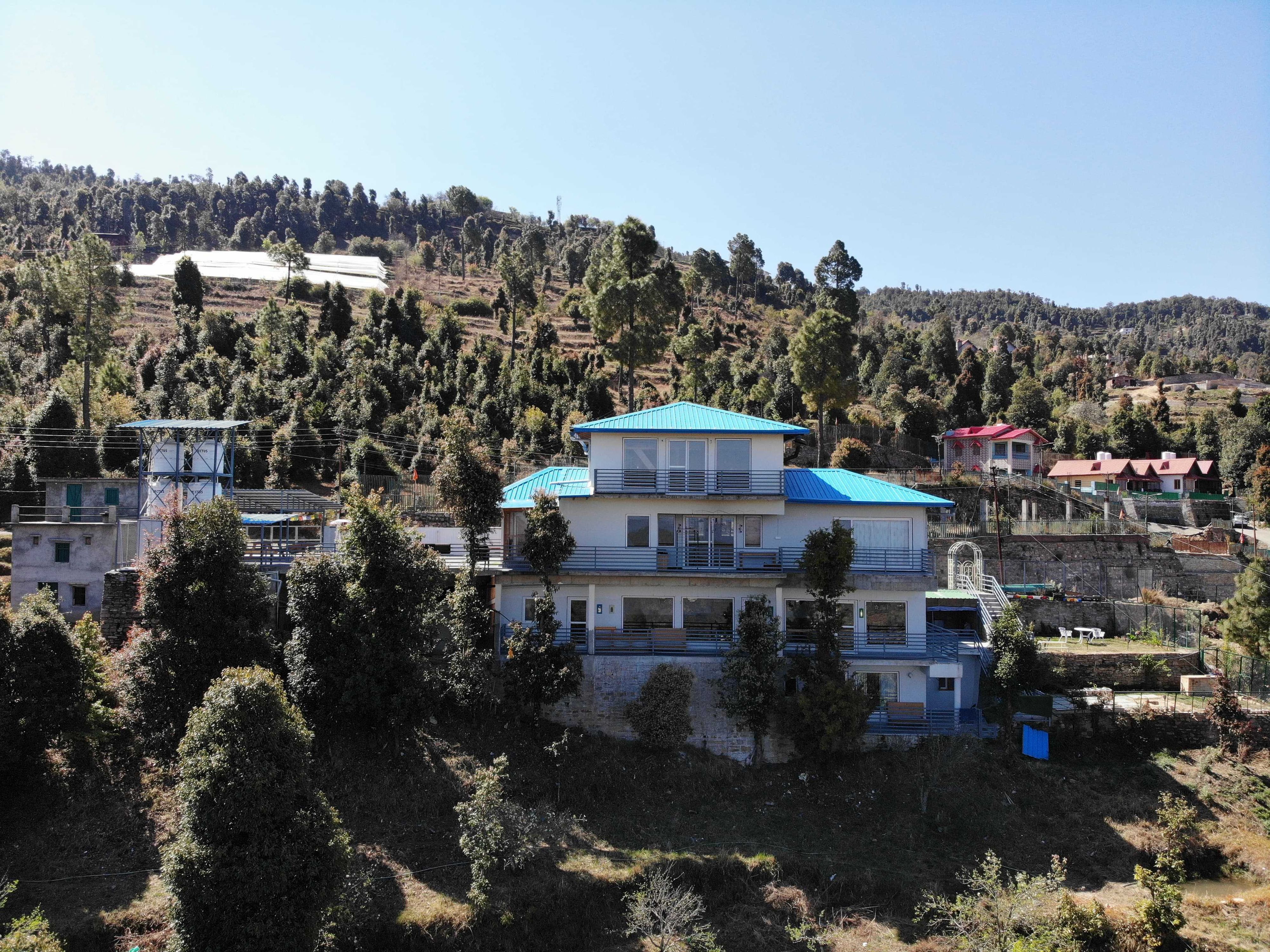
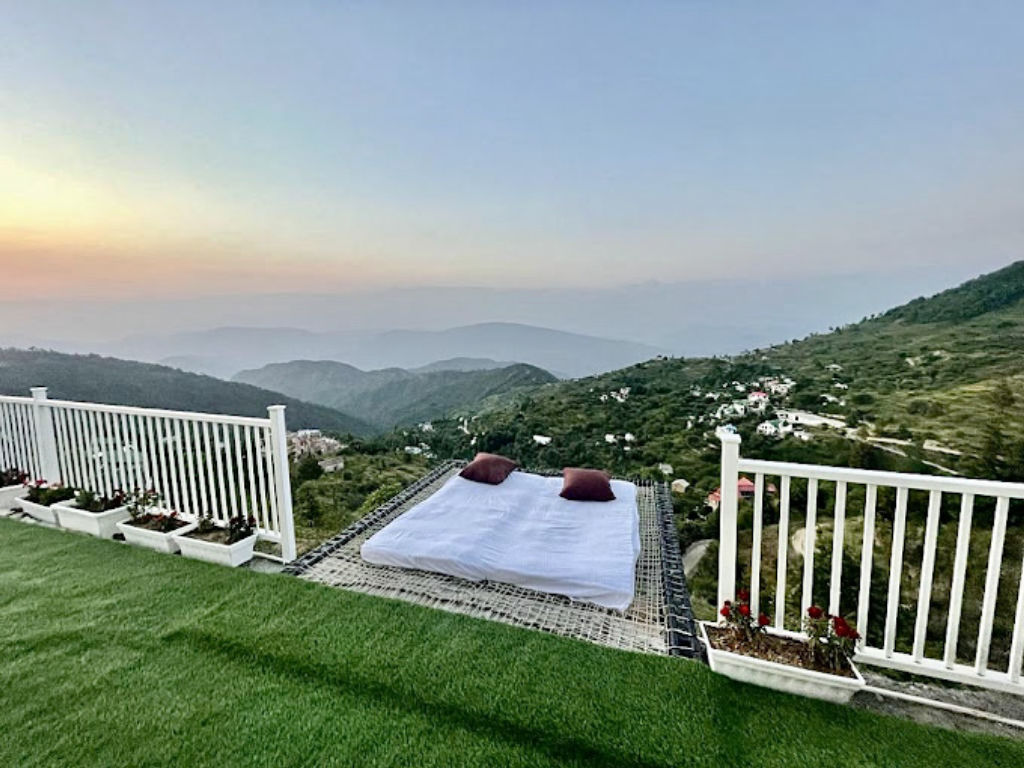
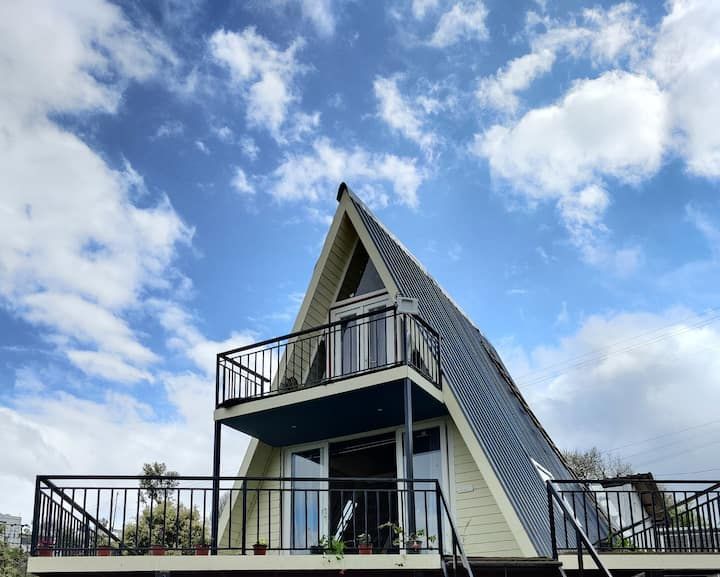
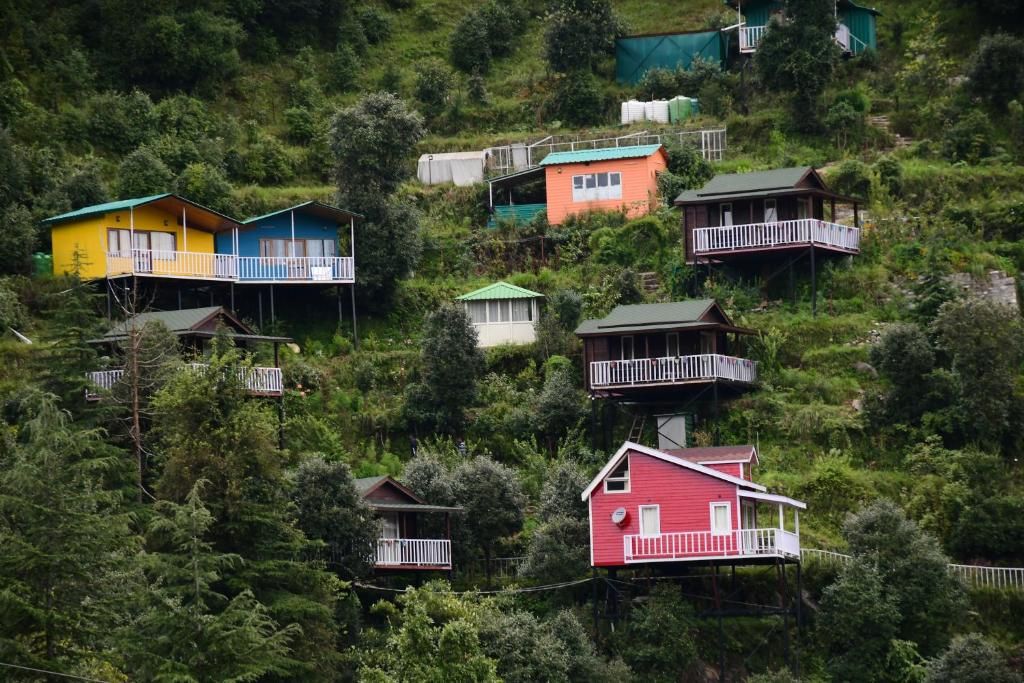
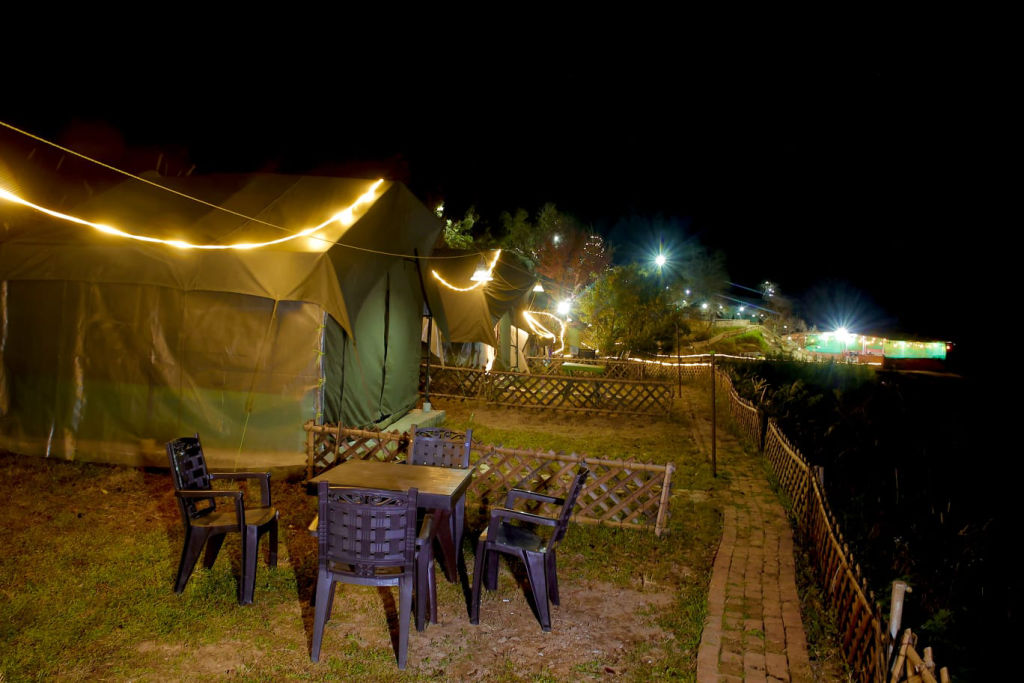
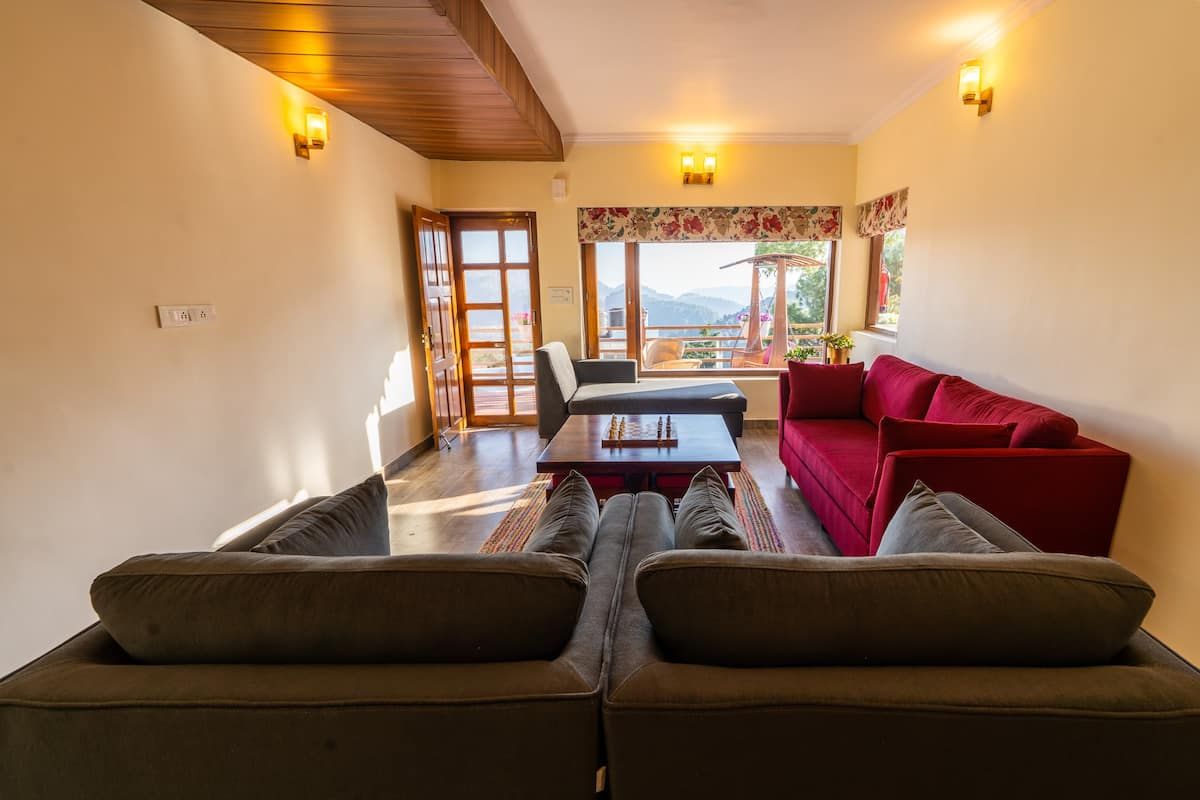
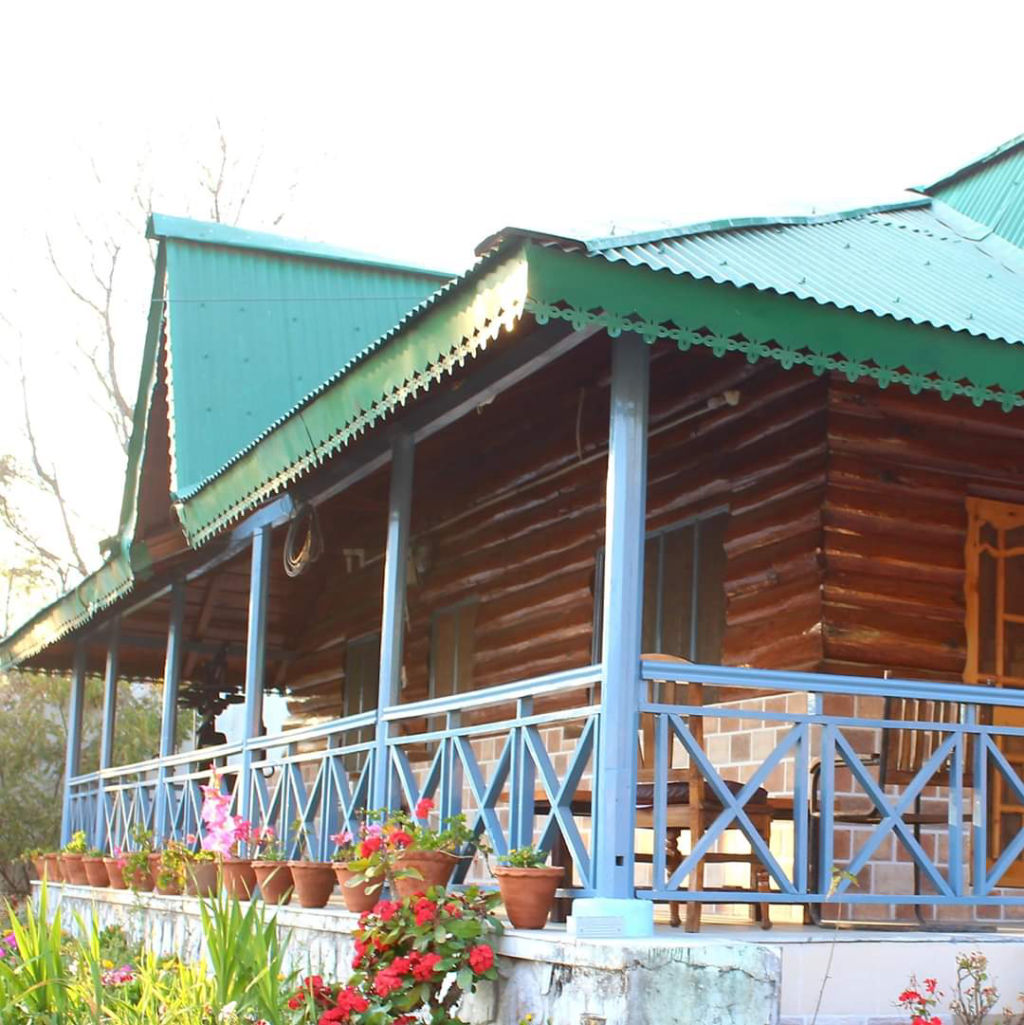
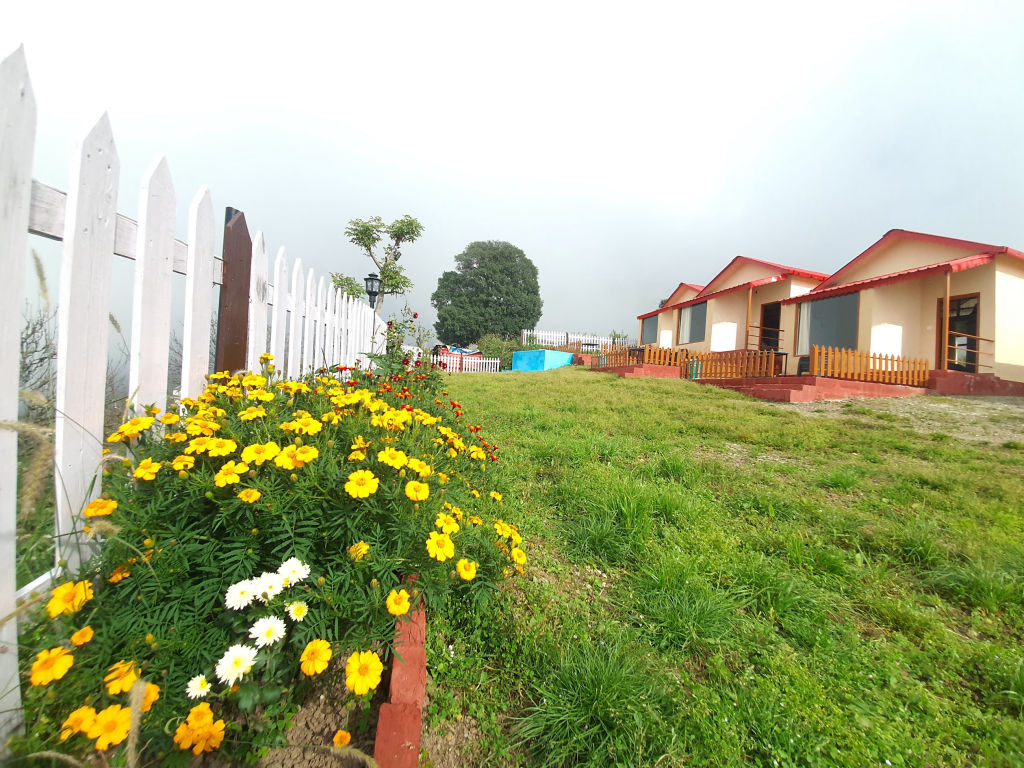
Travellers looking to stay in the area can choose from rustic campsites, traditional stone cottages, and family-run homestays situated along the forested slopes. Homestays in the nearby villages give visitors a chance to experience authentic Kumaoni hospitality and locally sourced home-cooked meals. Stays and camps located near Binsar Wildlife Sanctuary can be easily browsed and booked on HireACamp.
Frequently asked questions
Can you walk inside Binsar Wildlife Sanctuary?
Yes, walking on designated trails is one of the main ways to explore Binsar Wildlife Sanctuary. Visitors can hike up to Zero Point and follow established forest tracks, ideally accompanied by an experienced local guide.
What animals can be spotted in Binsar Wildlife Sanctuary?
Binsar is home to leopards, barking deer, wild boars, Himalayan black bears, and goral, along with more than two hundred species of native and migratory birds. Large mammals are elusive, but birdlife and small forest wildlife are frequently observed.
What is the best month to see mountain views in Binsar?
The clearer autumn and winter months, particularly from October through February, provide the best visibility for viewing the snow-capped Himalayan peaks from Binsar's ridges.
Do I need a permit to enter Binsar Wildlife Sanctuary?
Visitors must check in and pay the standard entry fees for people and vehicles at the forest department check-post located at the sanctuary gate before proceeding inside.
How far is Binsar Wildlife Sanctuary from Almora?
Binsar Wildlife Sanctuary is located north of Almora, and the road journey usually takes between one and one and a half hours depending on traffic and road conditions.
Where you'll be
Almora, UK, India, Almora · 10 stays nearby shown with prices
Stays near Binsar Wildlife Sanctuary
Book a place to stay close by
More places near Binsar Wildlife Sanctuary
Within 20 km

Built from 0 Instagram posts by 0 creators. Every tip links back to the post it came from, and where creators disagree we show both sides.






