
Dwarahat
Heritage & Culture near Almora, Uttarakhand
1.7 km from Almora
The nearest town, for stays, food and fuel.
Dwarahat is a historic temple town nestled in the Kumaon hills of Almora district, Uttarakhand. Known as a cradle of regional heritage, it is celebrated for its remarkable clusters of intricately carved stone shrines built during the Katyuri era. Travellers and pilgrims visit Dwarahat to experience medieval Himalayan architecture, quiet village life, and scenic mountain views away from crowded tourist circuits.
Getting there
By road
- From AlmoraNearest town6 min · 1.9 km
- From Dehradun7 hr 20 min · 352 km
- From New Delhi7 hr 45 min · 350 km
- From Chandigarh11 hr 25 min · 553 km
Typical drive times without traffic. Stations and airports from OLA Maps; distances and typical drive times from OpenStreetMap (© OpenStreetMap contributors); notes from creators' Reels.
About Dwarahat
Written with AI from map data and general knowledge. Check prices and timings locally before you go.
The Heritage and Significance of Dwarahat
Dwarahat holds a distinct position in the cultural history of Uttarakhand. The town's name translates to doorway to the market or path to heaven, reflecting its historic role as a trading hub and pilgrimage crossway in the central Himalayas. During the rule of the Katyuri kings between the eighth and twelfth centuries, the valley flourished as an architectural and spiritual center, leaving behind numerous stone shrines scattered across rolling agricultural terraces and pine-covered ridges.
Unlike the bustling tourist centers of lower Kumaon, Dwarahat retains an unhurried, contemplative rhythm. The surrounding landscape features step farms growing traditional mountain grains, apple and peach orchards, and classic Kumaoni stone houses with carved wooden windows. Walking through the town reveals not only its deep antiquity but also the everyday customs and warm community traditions that continue to sustain local mountain culture.
Exploring the Ancient Temples of Dwarahat
The primary draw of Dwarahat is its ensemble of medieval stone temples, which are divided into distinct groups throughout the town. These structures were built using the classical Nagara architectural style adapted to the mountain climate, showcasing finely chiselled sandstone blocks fitted together with dry masonry. The prominent groups include the Gujar Deo, Kacheri, Badrinath, and Maniyan complexes, each housing shrines dedicated to various deities such as Shiva, Vishnu, and Durga.
Among these, the Gujar Deo temple stands out for its ornate outer walls, intricate scrollwork, and detailed friezes depicting celestial figures and natural motifs. Visiting these shrines offers a tangible connection to early Himalayan artistry. Unlike modern religious sites with high commercial footfall, the temple yards in Dwarahat are peaceful and open, inviting long hours of quiet contemplation, sketching, or architectural study.
Read more
Best Time to Visit Dwarahat
Dwarahat experiences a temperate mountain climate, making it accessible throughout the year, though each season brings a distinct atmosphere to the valley. The spring months from March to May offer pleasant daytime weather with blooming wildflowers, clear views, and comfortable conditions for walking among the heritage monuments. Daytime temperatures are mild, while evenings remain refreshingly cool.
The monsoon season from July to early September turns the terraces and pine forests a rich green, accompanied by swirling mountain mist. While rain can occasionally disrupt road journeys in the hills, the landscape is exceptionally lush. Autumn, spanning October and November, provides exceptionally clear skies with crisp mountain air and sweeping panoramas of distant Himalayan peaks. Winters from December to February are cold with frosty mornings and evenings, making it an ideal season for travellers who appreciate quiet winter sunshine and warm fires.
How to Reach Dwarahat
Dwarahat is well connected by road to major towns across the Kumaon region. The nearest commercial airport is Pantnagar, while the primary railhead is Kathgodam, located at the foothills of the Himalayas. From Kathgodam, shared and private taxis as well as regional buses run regularly into the hills, passing through Haldwani, Bhimtal, Ranikhet, and Almora before reaching Dwarahat.
Road travellers departing from Delhi or Dehradun generally take the national highways towards Moradabad and Rampur before climbing into the Kumaon mountains. The drive takes you past winding river valleys, oak forests, and terraced farmlands. It is advisable to commence your mountain journey early in the morning to arrive in Dwarahat well before nightfall.
Places to Visit Around Dwarahat
The wider region around Almora and Dwarahat contains an abundance of natural and cultural highlights. A short journey away lies the historic Dunagiri temple, perched on a forested hilltop and revered as an important Shakti center surrounded by dense oak and rhododendron trees. The ridge at Kasar Devi, famous for its sweeping views of the snow peaks and its unique meditative atmosphere, is another popular excursion.
Nature enthusiasts can head towards Binsar Wildlife Sanctuary, home to barking deer, Himalayan black bears, leopards, and dozens of migratory bird species residing among dense forest canopies. Scenic spots such as Simtola Eco Park and nearby forested ravines like Dokaney Waterfall provide peaceful settings for day hikes and picnics in clean mountain air.
Tips for Travellers Visiting Dwarahat
When exploring the heritage shrines in Dwarahat, dress modestly and respect local customs, as several shrines remain active places of daily worship. Footwear must be removed before stepping onto the temple plinths. Because many of the smaller temple complexes are separated by unpaved village lanes and hillside pathways, carrying a sturdy pair of walking shoes is essential.
Even during summer months, mountain temperatures drop quickly after sunset, so keeping a light fleece or shawl on hand is helpful. In the winter, thermal base layers, heavy sweaters, and woollen caps are necessary. Carry sufficient cash, as automated teller machines in smaller Himalayan towns can occasionally run out of currency or face power interruptions.
Where to Stay Around Dwarahat
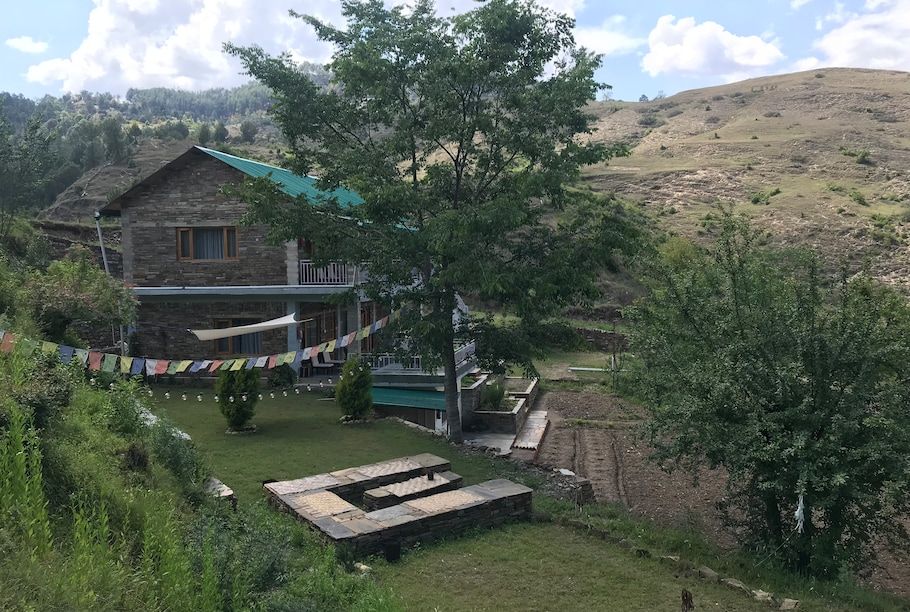
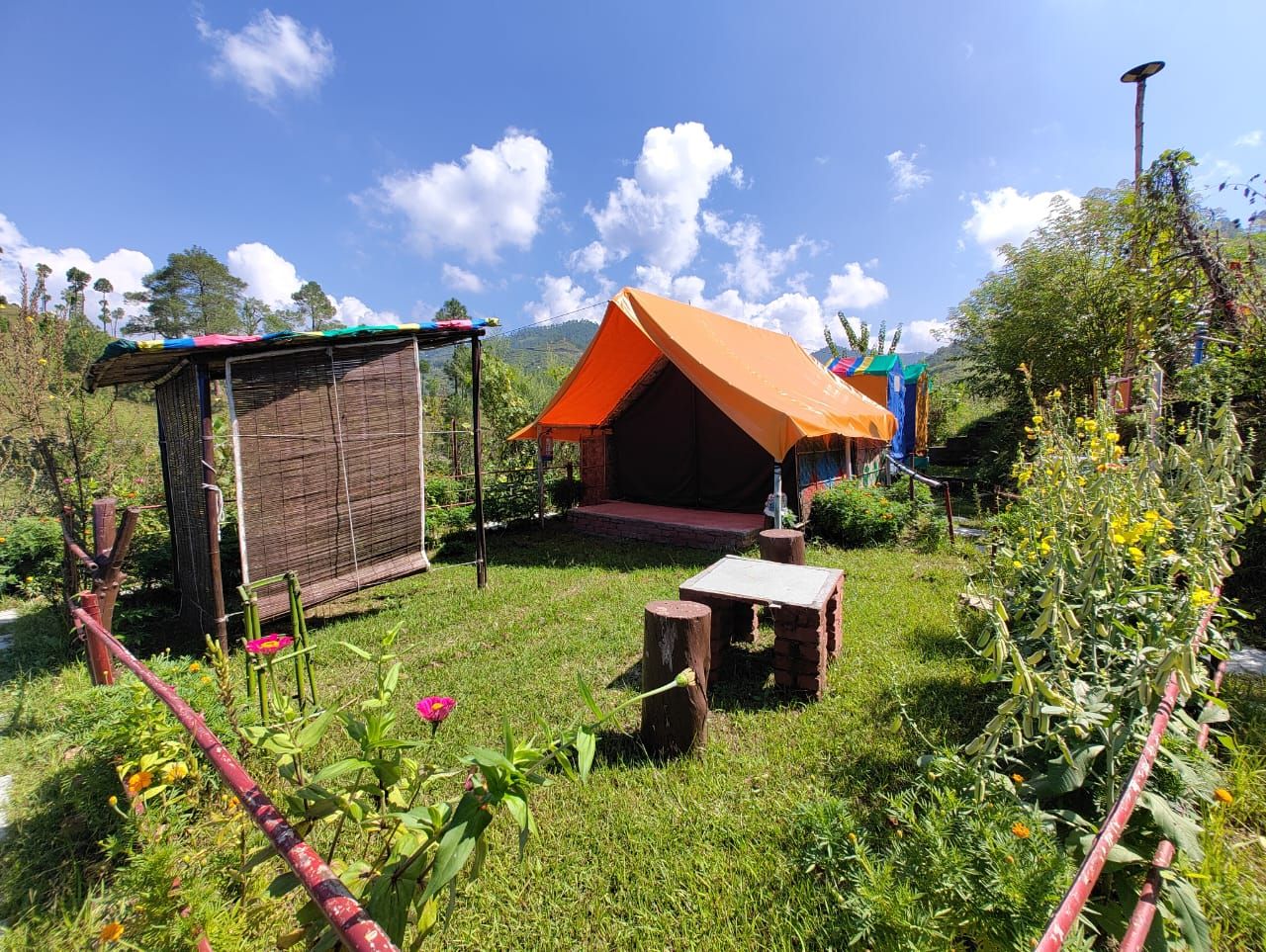
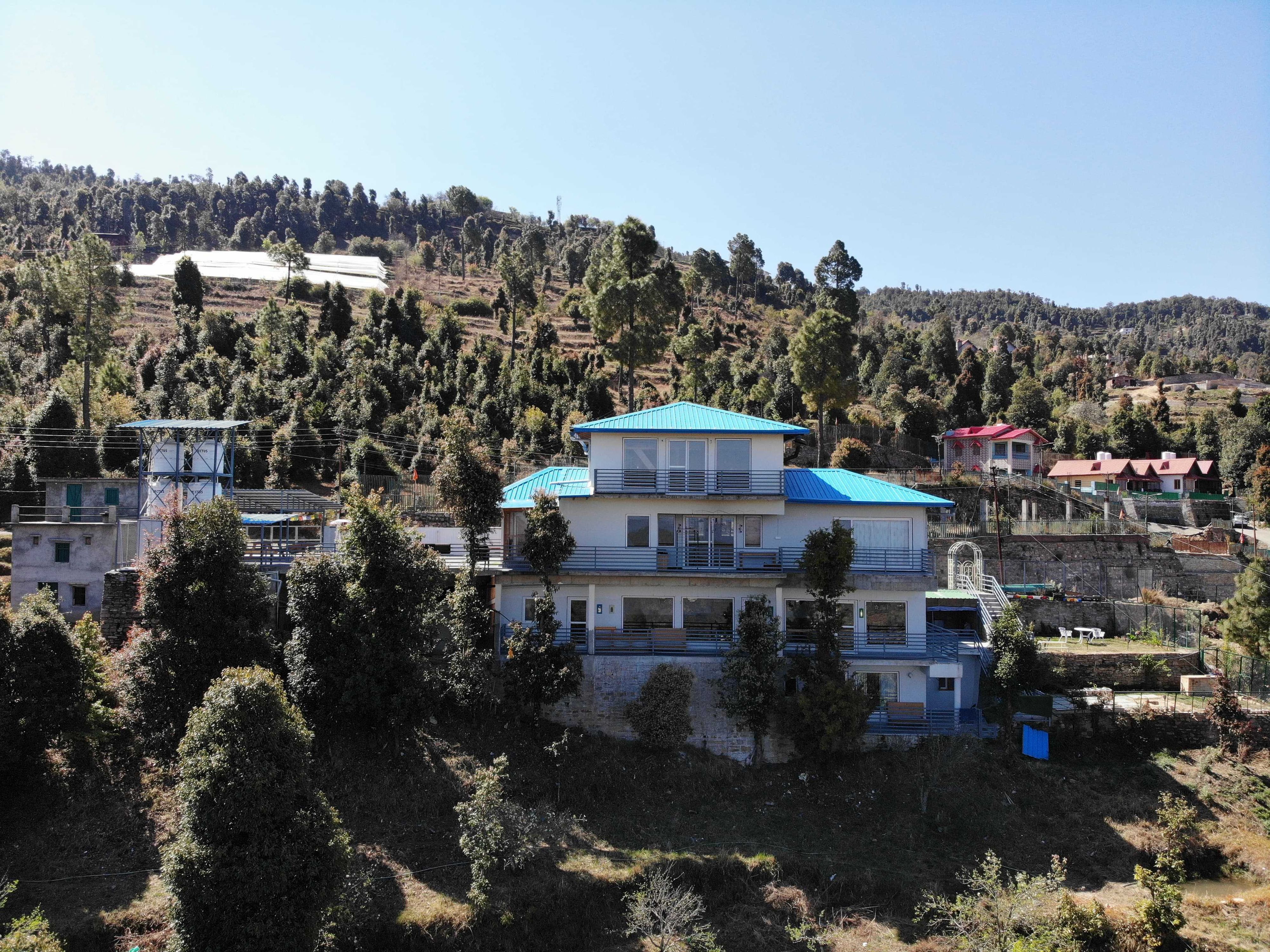
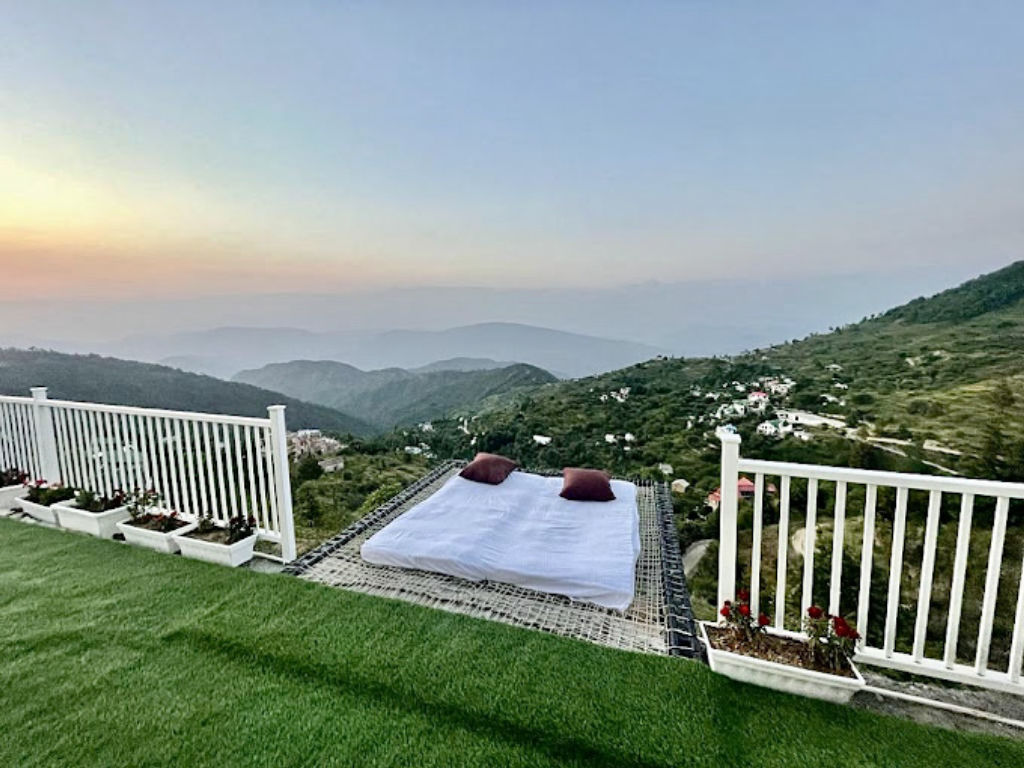
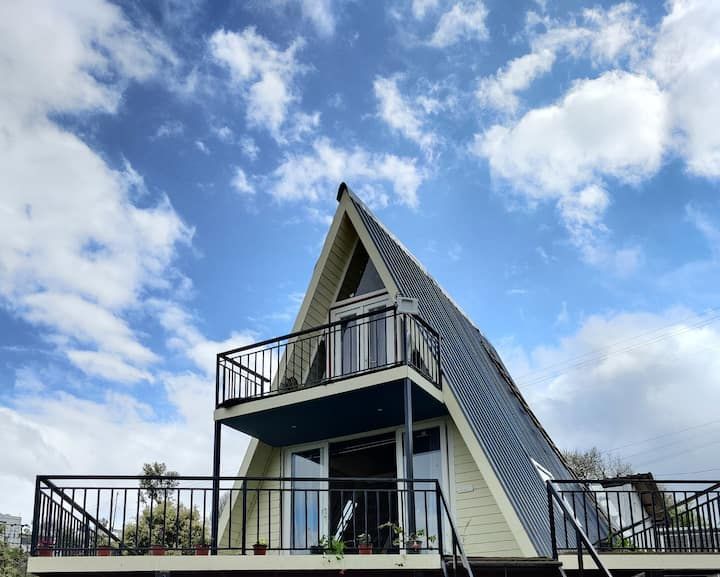
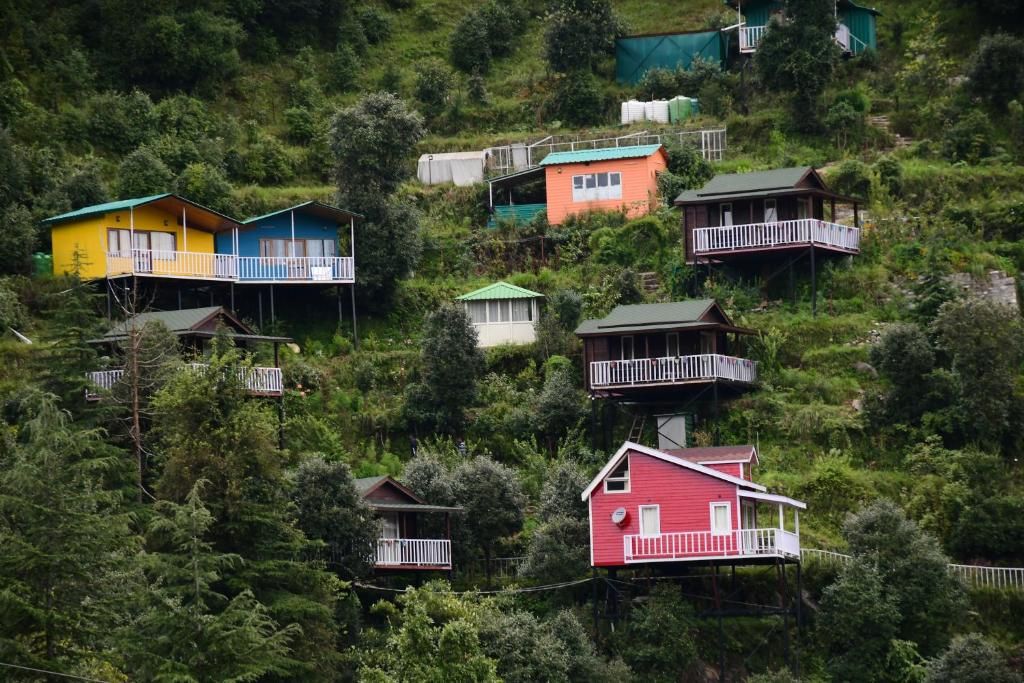
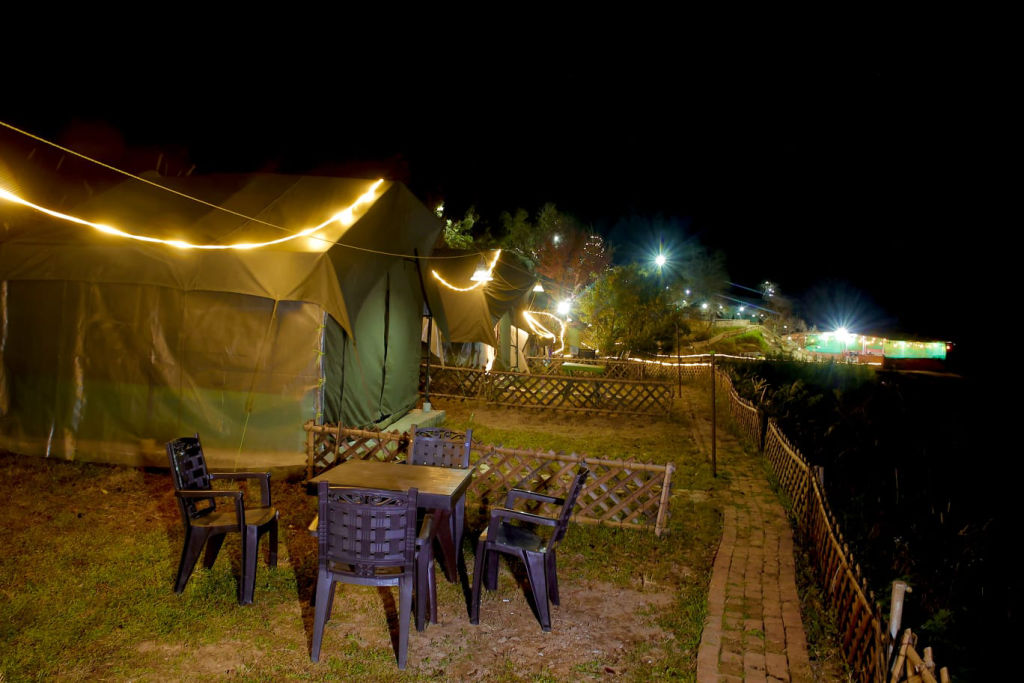
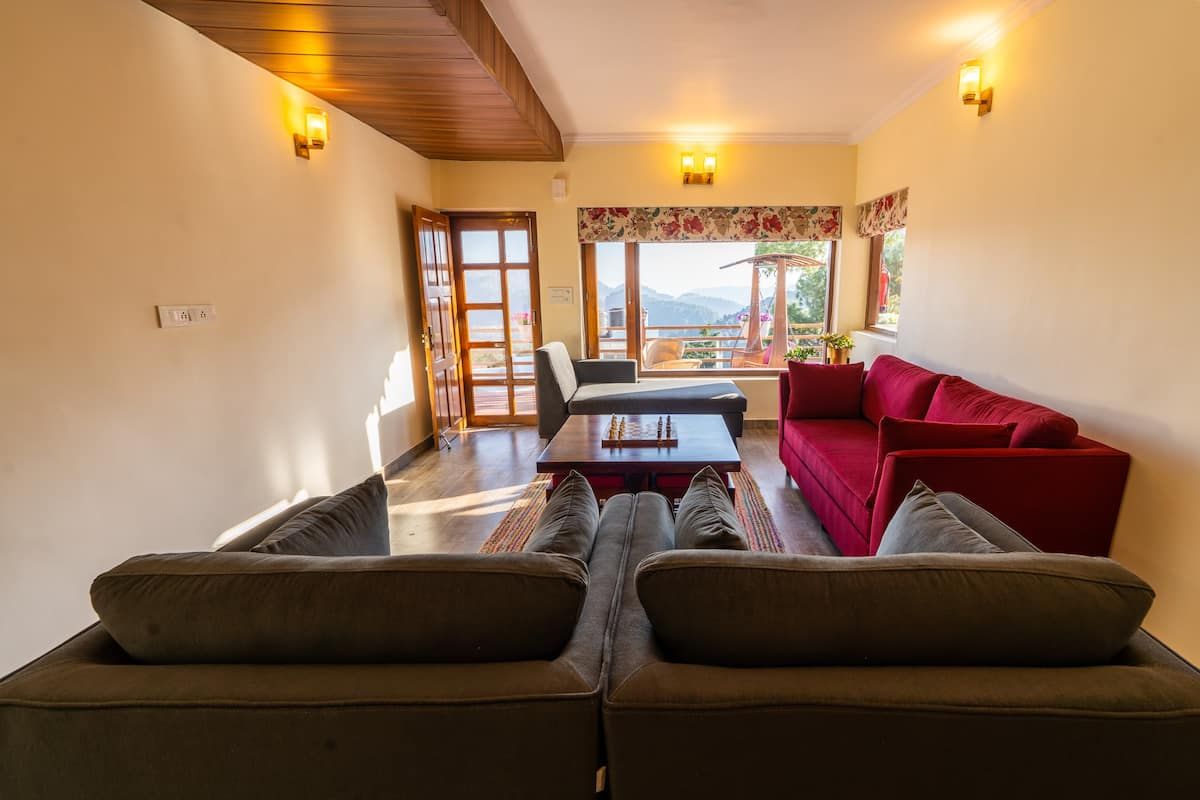
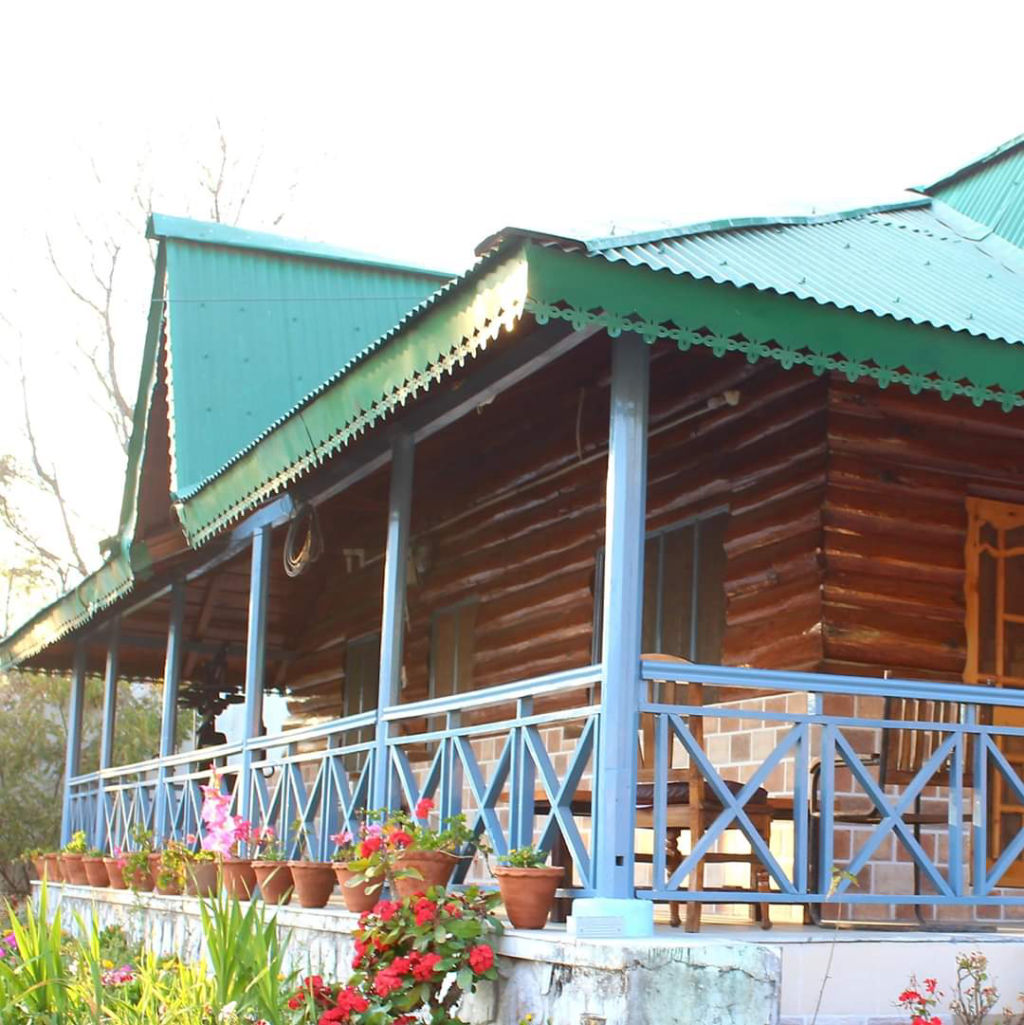
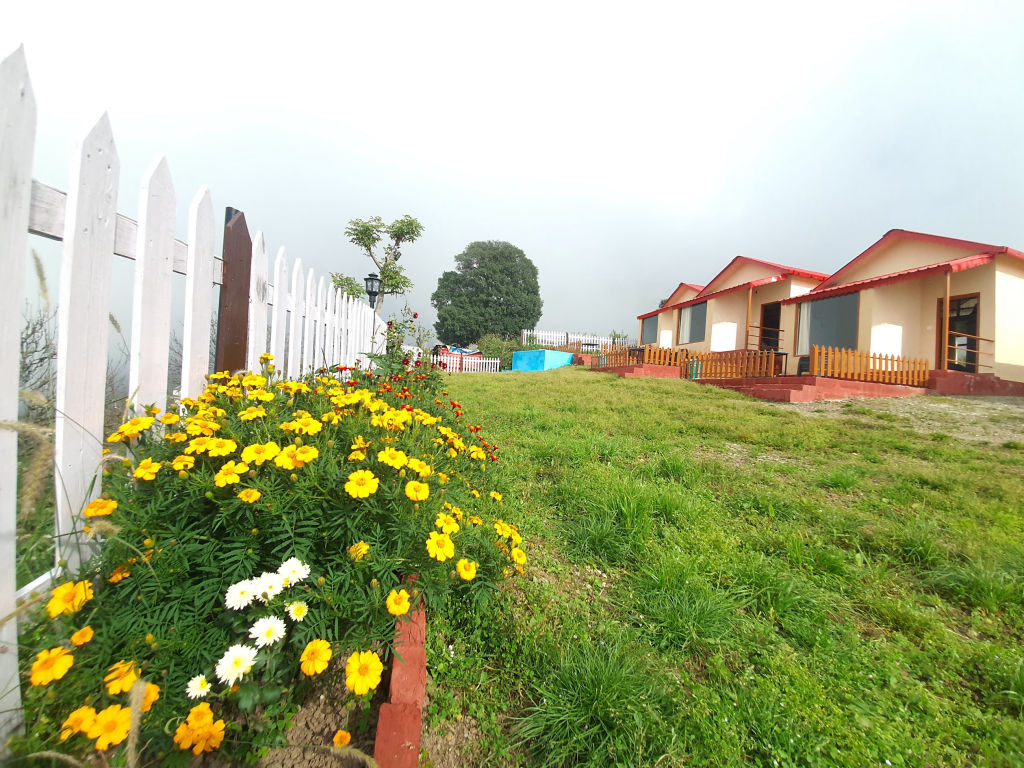
Accommodation options in and around Dwarahat, Almora, and the neighboring hill villages range from rural homestays managed by Kumaoni families to rustic eco-camps nestled inside pine groves. Staying in a homestay allows travellers to taste wholesome regional cuisine prepared with locally grown lentils, millet, and mountain herbs while learning about regional traditions directly from their hosts.
Those looking for experiential stays, nature camps, and heritage guesthouses in the area can browse and book verified options directly through HireACamp. Booking in advance is recommended during peak pilgrimage festivals and holiday seasons.
Frequently asked questions
What is Dwarahat famous for?
Dwarahat is famous for its collection of medieval stone temples constructed by the Katyuri dynasty between the eighth and twelfth centuries, representing classical Nagara architecture in the Kumaon hills.
Which railway station is closest to Dwarahat?
Kathgodam is the nearest major railway station to Dwarahat, from where taxis and buses are readily available to travel up into the Almora district.
How many days are needed to explore Dwarahat?
A stay of one to two days is ideal to comfortably explore the major temple complexes in Dwarahat, walk through surrounding villages, and visit nearby cultural sites like Dunagiri.
What should I wear while visiting temples in Dwarahat?
Visitors should dress conservatively, covering shoulders and knees out of respect for local religious customs, and wear comfortable walking shoes that are easy to remove at temple entrances.
Is Dwarahat suitable for a family trip?
Yes, Dwarahat is a peaceful destination suitable for families interested in history, ancient architecture, mountain walks, and quiet nature.
Where you'll be
Almora · 10 stays nearby shown with prices
Stays near Dwarahat
Book a place to stay close by
More places near Dwarahat
Within 20 km

Built from 0 Instagram posts by 0 creators. Every tip links back to the post it came from, and where creators disagree we show both sides.






