
Central Museum of Nagpur
Museum near Nagpur, Maharashtra
1 post · 1.4M views
Guide from 1 post by 1 creator
@nagpur_vibes
800 m from Nagpur
The nearest town, for stays, food and fuel.
The Central Museum of Nagpur, established in the nineteenth century and locally known as Ajab Bangla, is one of the oldest and most significant museums in Maharashtra. Located on Wardha Road in the Civil Lines area near the RBI square, it preserves an extensive collection of archaeological treasures, tribal artifacts, and natural history specimens. Travellers visit to gain insight into the rich cultural, geological, and historical heritage of central India and the Vidarbha region.
Getting there
By road
- From NagpurNearest town4 min · 1.4 km
- From Bhopal6 hr 20 min · 351 km
By train, bus or air
- Nagpur Junction railway stationNearest railway station8 min · 2.1 km
- ST Bus Stand NagpurNearest bus stand12 min · 2.9 km
- Dr. Babasaheb Ambedkar International AirportNearest airport16 min · 8.7 km
Typical drive times without traffic. Places, distances and typical drive times from OLA Maps; notes from creators' Reels.
About Central Museum of Nagpur
Written with AI from creators' posts and map data. Check prices and timings locally before you go.
About the Central Museum of Nagpur
The Central Museum of Nagpur stands as an enduring pillar of regional heritage in the heart of eastern Maharashtra. Established in 1863 under the administration of Sir Richard Temple, then the Chief Commissioner of the Central Provinces, it ranks among the oldest cultural institutions in India. To generations of local residents, the building has been fondly known as Ajab Bangla, translating loosely to the house of wonders, reflecting the fascination it sparked when it first opened its doors.
Set within the historic administrative belt of Civil Lines, the museum occupies a colonial-era building framed by shaded avenues. The institution was originally conceptualised to gather and preserve specimens of natural history, geological findings, fine arts, and archaeological treasures from across central India. Over the decades, it has grown into a major repository of Vidarbha's historical narrative, spanning prehistoric stone tools, ancient dynastic sculptures, and relics from the Maratha and British periods. Walking through its broad corridors provides a quiet and reflective journey into the cultural roots of the region.
Exhibits and collections to explore
The museum is organised into several specialised galleries, each focusing on a distinct facet of central Indian heritage, culture, and natural science. One of the primary highlights for visitors is the archaeological collection, which features ancient stone sculptures from the Chalukya, Vakataka, and Gond dynasties, alongside copper plates, terracotta figures, and inscriptions in various historical scripts. These relics offer an authentic look at the shifting political and religious landscapes of central India over the past two thousand years.
The natural history section draws visitors with its taxidermy specimens of wildlife native to the forests of the Vidarbha plateau and central Indian tiger belt, including big cats, herbivores, and diverse bird species. A notable highlight in this wing is the prehistoric fossil exhibit, which includes dinosaur skeletal remains and fossilised plants recovered from geological formations in the wider region.
In addition to natural history and ancient art, the museum houses dedicated wings for weapons, numismatics, and regional ethnography. The arms gallery exhibits swords, daggers, armour, and firearms used during the Maratha and colonial eras. Meanwhile, the ethnographic displays offer detailed glimpses into the lifestyle, tools, textiles, and musical instruments of indigenous tribal communities of central India, highlighting their longstanding relationship with the surrounding forests.
Read more
Best time to visit the museum
Nagpur experiences an extreme continental climate with intensely hot summers and mild, comfortable winters. The ideal window to plan a trip to the Central Museum of Nagpur runs from October through March. During these months, daytime temperatures remain moderate, allowing visitors to combine museum exploration with leisurely walks around Civil Lines and nearby outdoor landmarks without dealing with exhausting heat.
Summer in Nagpur, particularly between April and June, brings dry and scorching conditions, with temperatures frequently rising above forty degrees Celsius. While the indoor halls of the museum provide shelter from the midday sun, the overall travel experience around the city can be tiring during these months. If you travel during late spring or summer, it is best to schedule your visit during the morning hours. The monsoon season, stretching from July to September, brings refreshing rains that revive the city's parks and lakes, offering another pleasant time to explore indoor heritage attractions.
How to reach the Central Museum of Nagpur
Reaching the Central Museum of Nagpur is straightforward due to its central location on Wardha Road, directly opposite the Reserve Bank of India square in Civil Lines. It is situated just about one kilometre from the city centre, making it easily accessible via local auto-rickshaws, city buses, and app-based taxis from anywhere in the city. The museum is located in a well-planned, relatively quiet neighborhood with wide roads and good pedestrian connectivity.
For travellers coming from farther away, Nagpur serves as a premier transit hub in central India with its own international airport and a major railway junction that connects to virtually every corner of the country. If you are travelling by road from Bhopal, the journey covers roughly 350 kilometres and typically takes about six hours and twenty minutes under normal, traffic-free conditions along the national highway network. The route passes through scenic stretches of the Satpura plateau before descending into the Nagpur plains.
Tips for your visit
To make the most of your trip to the Central Museum of Nagpur, plan to spend at least two to three hours wandering through the exhibits. The museum contains extensive information across its numerous galleries, and moving through the rooms at an unhurried pace ensures you can appreciate the details of the stone carvings, tribal art, and fossil finds.
Wear comfortable walking shoes, as the museum features expansive wings and tiled stone corridors that require significant footwork. While basic signboards and labels are provided in both English and Marathi, taking time to read the explanatory plaques will greatly enhance your understanding of Vidarbha's complex history.
Photography guidelines and camera permissions should be checked locally at the entrance counter upon arrival, as regulations may change. Since the museum is an educational and historical space, visitors are expected to maintain quiet and avoid touching delicate display cases or open-air sculptures. Carrying a personal water bottle is advisable, though food and beverages are generally restricted within the display galleries.
Places to visit nearby
The museum's location in Civil Lines places it within convenient reach of several notable historical, spiritual, and recreational sights in Nagpur. Immediately adjacent to the museum area is the Zero Milestone and the Zero Mile Freedom Park, marking the historical geographical centre point used during the Great Trigonometrical Survey of India. Just one kilometre away sits the historic Sitabuldi Fort, perched on twin hillocks and renowned for its connection to the Anglo-Maratha Wars.
Families and nature enthusiasts can travel one kilometre south to the Maharaj Bagh Zoo, a historical garden built by the Bhonsle rulers that now houses a botanical collection and zoological park. Nearby, the Shri Ganesh Mandir Tekdi offers an atmospheric cultural stop on an elevated knoll.
For wider exploration, Deekshabhoomi stands approximately three kilometres south, serving as a monument of immense historical and religious importance where Dr. B. R. Ambedkar embraced Buddhism with thousands of followers in 1956. In the evening, Futala Lake, located about four kilometres west, and Ambazari Lake, roughly five kilometres southwest, offer pleasant promenades to unwind after a day of sightseeing.
Where to stay
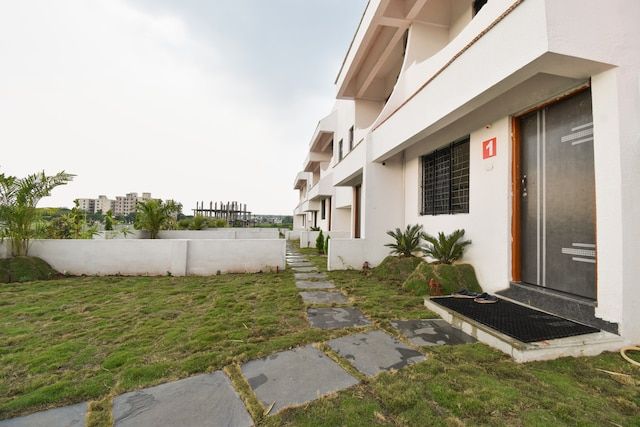
Nagpur offers a wide array of accommodation choices suited for cultural travellers, families, and road trippers. Visitors looking to stay close to the museum will find pleasant residential neighbourhoods and quiet avenues in and around Civil Lines, providing convenient access to historical landmarks, transit hubs, and civic amenities.
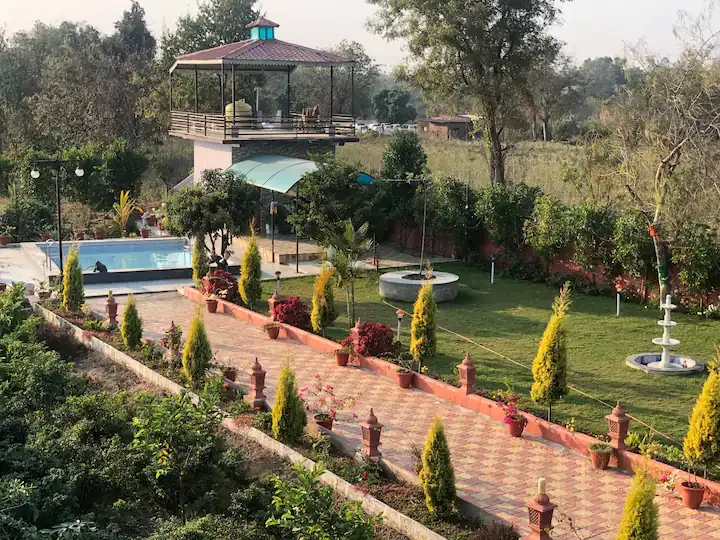
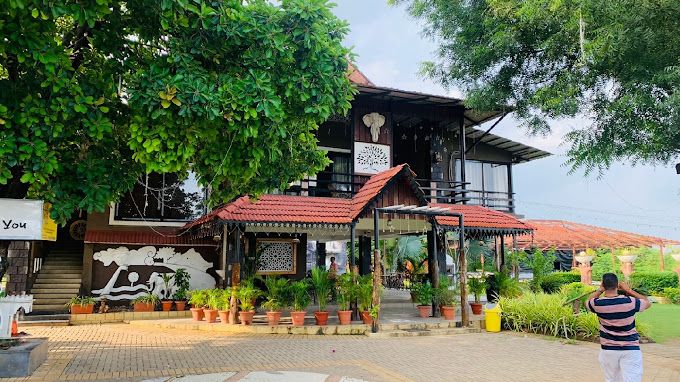
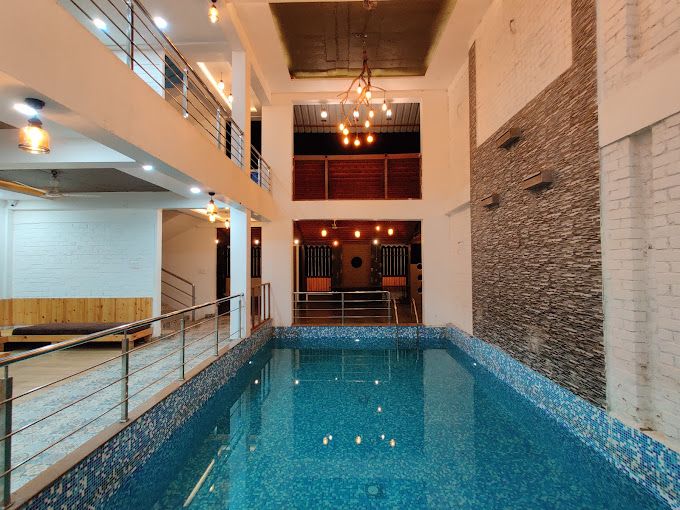
If your journey extends beyond the city into the forested hinterlands of Vidarbha and central India, you can explore nature camps, homestays, and outdoor getaways listed on HireACamp. Booking a homestay or nature lodge on the fringes of the region allows you to experience the hospitality and natural beauty of central India while remaining within easy driving distance of Nagpur's cultural attractions.
Frequently asked questions
Why is the Central Museum of Nagpur called Ajab Bangla?
It earned the nickname Ajab Bangla, meaning house of wonders, during the colonial era because of the awe and curiosity its varied collection of fossils, taxidermy animals, and ancient relics inspired among local visitors.
Where is the Central Museum of Nagpur located?
The museum is located on Wardha Road, near the Reserve Bank of India square in the Civil Lines area of Nagpur, Maharashtra.
What kind of exhibits can I see in the museum?
Visitors can explore ancient sculptures, copper plates, prehistoric fossils including dinosaur remains, taxidermy wildlife specimens, traditional weapons, coins, and ethnographic items from regional tribal communities.
What is the best time of year to visit the museum?
The winter months from October to March offer the most pleasant weather for visiting the museum and exploring surrounding attractions in Nagpur without experiencing extreme heat.
How much time should I spend at the Central Museum of Nagpur?
Most visitors spend between two to three hours exploring the various galleries, reading exhibit descriptions, and viewing the sculpture garden.
Where you'll be
Wardha Rd, near the RBI square, Civil Lines, Nagpur, Maharashtra 440001 · 5 stays nearby shown with prices
As seen on Instagram
The posts this guide is built from
Stays near Central Museum of Nagpur
Book a place to stay close by
Often visited together
Creators who went here also showed these


More places near Central Museum of Nagpur
Within 20 km


Lists for this area
Ranked by how many creators recommend each place


Built from 1 Instagram post by 1 creator. Every tip links back to the post it came from, and where creators disagree we show both sides.


