
Deekshabhoomi
Monument near Sitabuldi, Maharashtra
4 posts · 3.4M views · 4 sourced tips
Guide from 4 posts by 4 creators
@explore_with_saloni_, @nagpur_drone_wala and 2 others
2.6 km from Sitabuldi
The nearest town, for stays, food and fuel.
Loved by 4 creators
4 posts with 3.4M views on Instagram.
Visiting Deekshabhoomi in Nagpur
Deekshabhoomi is a key historical and Buddhist monument situated in Nagpur, easily accessible from the city center with free admission.
When to go
From what creators say, and when they post about it
Visiting during the evening helps avoid heavier crowds.
Best time of day: evening
What to expect
Entry fee
1 creator reported this
Good to know
Tips from creators' posts. Each one links to its source.
Getting There
The site is located approximately 5 km from Nagpur city center, taking around 20 minutes by road.
Reported by @dandekarventuresSource
Things to Do
Explore this prominent historical and Buddhist monument in Nagpur.
Reported by @nagpur_drone_walaSource
Costs
Entry to the monument is free for all visitors.
Reported by @explore_with_saloni_Source
Tips
Plan your visit for the evening to avoid larger crowds.
Reported by @explore_with_saloni_Source
Getting there
By road
- From SitabuldiNearest town11 min · 3.3 km
- From Nagpur13 min · 4.6 km
- From Bhopal6 hr 30 min · 354 km
By train, bus or air
- Nagpur Junction railway stationNearest railway station13 min · 4.8 km
- ST Bus Stand NagpurNearest bus stand14 min · 4.4 km
- Dr. Babasaheb Ambedkar International AirportNearest airport13 min · 6.4 km
Typical drive times without traffic. Stations and airports from OLA Maps; distances and typical drive times from OLA Maps and OpenStreetMap (© OpenStreetMap contributors); notes from creators' Reels.
About Deekshabhoomi
Written with AI from creators' posts and map data. Check prices and timings locally before you go.
Significance of Deekshabhoomi
Deekshabhoomi stands as one of the most prominent monuments in Nagpur and an essential pilgrimage centre for followers of Navayana Buddhism across the world. The word itself translates to the ground where ordination or conversion took place. On Ashok Vijaya Dashami in October 1956, Dr. B. R. Ambedkar, the chief architect of the Indian Constitution, led a mass conversion alongside his wife and nearly half a million followers, setting off a historic revival of Buddhist philosophy in modern India.
Today, the site stands as a lasting symbol of human dignity, social equality, and spiritual renewal. Millions gather here every year during the anniversary celebrations of Dhamma Chakra Pravartan Din to pay homage and reflect on Dr. Ambedkar's teachings. Even on regular days, the monument attracts travellers, researchers, and locals seeking a quiet space in the middle of a busy city.
Architecture and Layout
The central feature of Deekshabhoomi is a magnificent architectural stupa, patterned after the classic hemispherical design seen at Sanchi. Built primarily using Dholpur sandstone, granite, and marble, the stupa rises gracefully above the landscaped grounds and is among the largest hollow Buddhist stupas in Asia.
The ground floor consists of a large, circular central hall that houses images and relics of Gautama Buddha and Dr. B. R. Ambedkar. Natural light enters through upper openings, giving the interior an open, meditative feel. Surrounding the stupa are paved walkways, grassy lawns, and a revered Bodhi tree planted near the structure, which was grown from a sapling of the sacred Mahabodhi tree at Anuradhapura in Sri Lanka. The entire complex is planned for peaceful circumambulation and unhurried exploration.
Read more
Best Time to Visit Deekshabhoomi
The ideal period to visit Deekshabhoomi is between October and March. During these autumn and winter months, Nagpur experiences pleasant daytime temperatures and cooler evenings, making it comfortable to walk around the open-air complex and explore the city's other monuments.
Summer in Nagpur, which stretches from April to June, brings intense heat with daytime temperatures frequently climbing well past forty degrees Celsius. Visiting during summer can be draining, so early mornings are recommended if you travel then. The monsoon season, lasting from July to September, brings moderate to heavy rainfall that turns the surrounding gardens lush and green, though occasional downpours may interrupt outdoor plans. Visiting in October offers the chance to witness the large gatherings around Dhamma Chakra Pravartan Din, though those seeking a quiet visit may prefer a regular winter weekday.
How to Reach Deekshabhoomi
Deekshabhoomi is centrally situated within Nagpur, approximately 5 kilometres from the city centre. Under typical traffic conditions, the drive from central Nagpur takes around 15 to 20 minutes by road. You can easily reach the monument via auto-rickshaws, city buses, app-based cabs, or local metro services that link different parts of the urban core.
If you are arriving from Bhopal, the road journey covers approximately 354 kilometres and typically takes about 6 hours and 30 minutes in normal driving conditions via the national highway corridor. Nagpur also serves as a major railway junction in central India and has its own airport with flights connecting major Indian cities, making onwards transit to Deekshabhoomi simple and straightforward.
Tips for Your Visit
Because Deekshabhoomi is an active place of pilgrimage and meditation, visitors are requested to dress modestly and behave respectfully. Footwear must be removed before entering the central stupa hall, and designated shoe-keeping areas are available near the entrance.
Photography regulations and access hours can vary between the outer grounds and the inner hall, so it is best to check the local notices on arrival. Carry a bottle of water, a sun hat, and comfortable walking shoes, as the perimeter grounds require a fair amount of walking. Early morning and late afternoon are the quietest times to walk around the complex and experience the peaceful setting without peak-hour traffic outside.
Places to Visit Nearby
Thanks to its central location, Deekshabhoomi can easily be combined with several other historical, natural, and cultural attractions in Nagpur. Just 2 kilometres away lies Maharaj Bagh Zoo and garden, an old zoological garden built on historical Bhosle grounds that offers shaded pathways and greenery.
About 3 kilometres from Deekshabhoomi stands the Sitabuldi Fort, a historical hill fortress, and the Zero Milestone, a stone marker from the British colonial era designating the geographic midpoint of India. The prominent Shri Ganesh Mandir Tekdi is also roughly 3 kilometres away. For those interested in lakes and evening walks, Ambazari Lake is about 3 kilometres away, while the popular Futala Lake sits roughly 4 kilometres to the northwest, known for its wide promenade and evening breeze.
Where to Stay
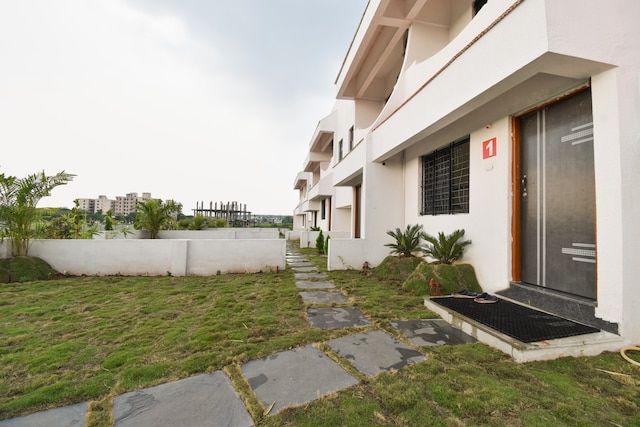
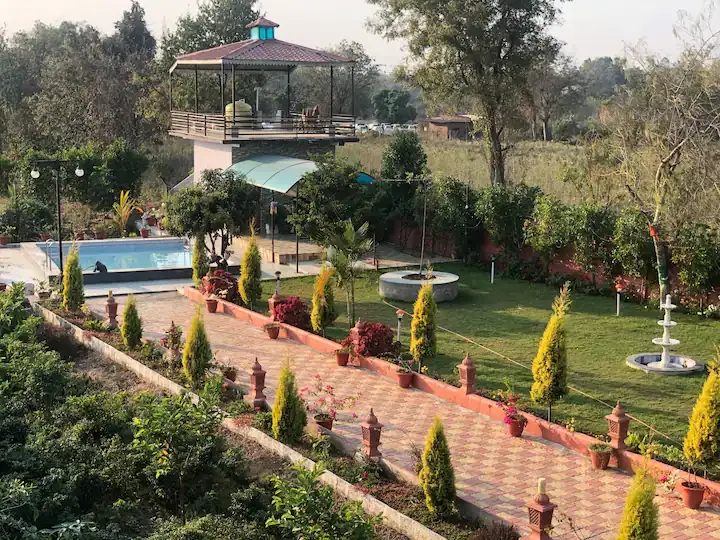
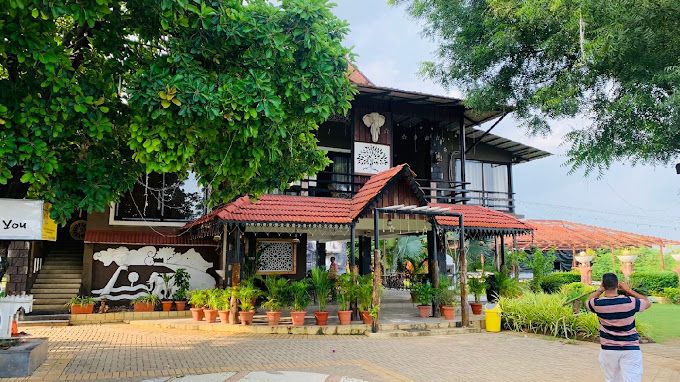
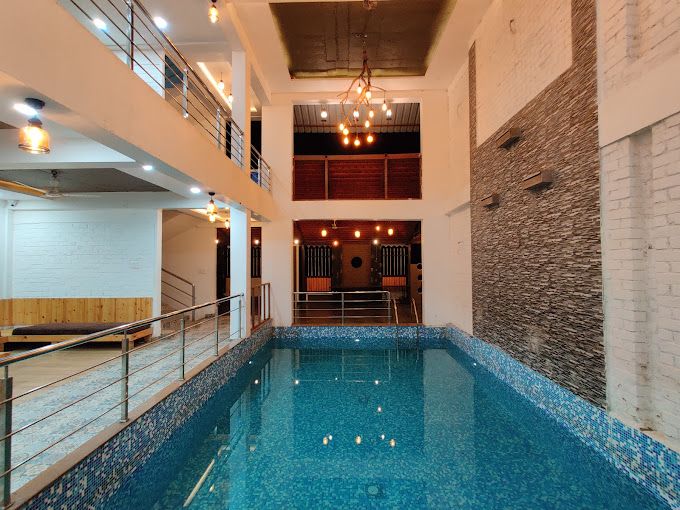
Nagpur offers a wide range of stay options suitable for families, business travellers, and backpackers looking to explore the Vidarbha region. Staying within the central city neighbourhoods offers quick road access to Deekshabhoomi, the railway station, and nearby dining options.
Travellers interested in combining city sightseeing with quiet outdoor weekends can explore camping grounds, farmstays, and homestays on HireACamp. These rural retreats in the countryside surrounding Nagpur give you a comfortable base away from city noise while keeping the heritage of central Maharashtra within convenient reach.
Frequently asked questions
What is the historical importance of Deekshabhoomi?
Deekshabhoomi is the sacred site where Dr. B. R. Ambedkar and roughly 500,000 followers embraced Buddhism on October 14, 1956, marking the founding moment of modern Navayana Buddhism in India.
How far is Deekshabhoomi from Nagpur city centre?
It is located about 5 kilometres from central Nagpur, requiring roughly 15 to 20 minutes of travel by road depending on local traffic.
Are there dress codes or rules to follow inside the monument?
Visitors are expected to dress modestly out of respect for the religious site and remove their footwear before stepping inside the central stupa hall.
What is the best season to plan a trip to Deekshabhoomi?
The winter months between October and March are the best time to visit, as temperatures are mild and outdoor exploration is comfortable.
What are some prominent places to see near Deekshabhoomi?
Nearby attractions include Maharaj Bagh Zoo, Sitabuldi Fort, Zero Milestone, Ambazari Lake, and Futala Lake, all situated within 2 to 4 kilometres of the monument.
Where you'll be
Deekshabhoomi, Nagpur, Maharashtra 440010 · 5 stays nearby shown with prices
As seen on Instagram
The posts this guide is built from
Stays near Deekshabhoomi
Book a place to stay close by
Often visited together
Creators who went here also showed these


More places near Deekshabhoomi
Within 20 km


Lists for this area
Ranked by how many creators recommend each place


Built from 4 Instagram posts by 4 creators. Every tip links back to the post it came from, and where creators disagree we show both sides. Guide updated 5 Nov 2026.






