
Chandernahan Lake
Lake near Rohru, Himachal Pradesh
600 m from Rohru
The nearest town, for stays, food and fuel.
Chandernahan Lake is a sacred glacial lake situated deep within the upper reaches of the Pabbar Valley near Rohru in Himachal Pradesh. Revered locally as the cradle and source of the Pabbar River, the lake sits surrounded by snowfields, jagged alpine ridges, and high-altitude meadows. Trekkers and pilgrims venture up its scenic trail to witness its pristine waters, dramatic waterfalls, and untouched Himalayan wilderness.
Getting there
By road
- From RohruNearest town3 min · 1.5 km
- From Dehradun4 hr 35 min · 226 km
- From Chandigarh4 hr 35 min · 219 km
- From Ludhiana6 hr 35 min · 320 km
Typical drive times without traffic. Stations and airports from OLA Maps; distances and typical drive times from OpenStreetMap (© OpenStreetMap contributors); notes from creators' Reels.
About Chandernahan Lake
Written with AI from map data and general knowledge. Check prices and timings locally before you go.
About Chandernahan Lake
Tucked away in the secluded folds of the Shimla district, Chandernahan Lake is one of the most revered alpine water bodies in Himachal Pradesh. Perched high above the tree line in the Pabbar Valley, the lake is fed by surrounding snowbanks and glaciers. It holds profound spiritual significance for the communities living downstream, who regard it as the sacred source of the Pabbar River and associate it with local mountain deities, particularly Devta Shikru Maharaj.
Unlike heavily commercialized trekking circuits, the area around Chandernahan Lake retains an undisturbed, raw atmosphere. The terrain leading to the lake transitions from dense forests of silver birch, pine, and deodar to vast, undulating alpine pastures known as thachs. As you ascend further, the green meadows give way to moraines, boulder fields, and amphitheaters of sheer rock, presenting a classic high-Himalayan landscape.
The Trek to Chandernahan Lake
Reaching Chandernahan Lake requires undertaking a multi-day high-altitude trek that typically begins from quiet hamlets nestled in the Pabbar Valley beyond Rohru. The trail leads through traditional wooden mountain villages where heritage architecture and terraced apple orchards dominate the lower landscape. As the path climbs steadily alongside the rushing river, walkers pass through enchanting woodlands before breaking out above the timberline into expansive grazing grounds.
The final stretch toward the lake is marked by steep climbs over scree, moraine ridges, and glacial remnants. Along the way, hikers encounter dramatic waterfalls formed where the nascent stream cascades down granite steps from the lake basin. The lake itself consists of a series of small tarns, with the primary lake resting quietly in a rugged stone bowl. The stillness of the water reflecting the stark mountain sky creates an awe-inspiring reward for the physical effort required to reach it.
Read more
Best Time to Visit
The optimal window for trekking to Chandernahan Lake falls between mid-May and late June, and again from September to October. During the early summer months of May and June, snow begins to melt from the lower meadows, carpeting the valley in fresh wildflowers and vibrant greenery. Lingering snowpatches on the upper reaches add an adventurous edge to the crossing, while daytime temperatures remain comfortable for walking.
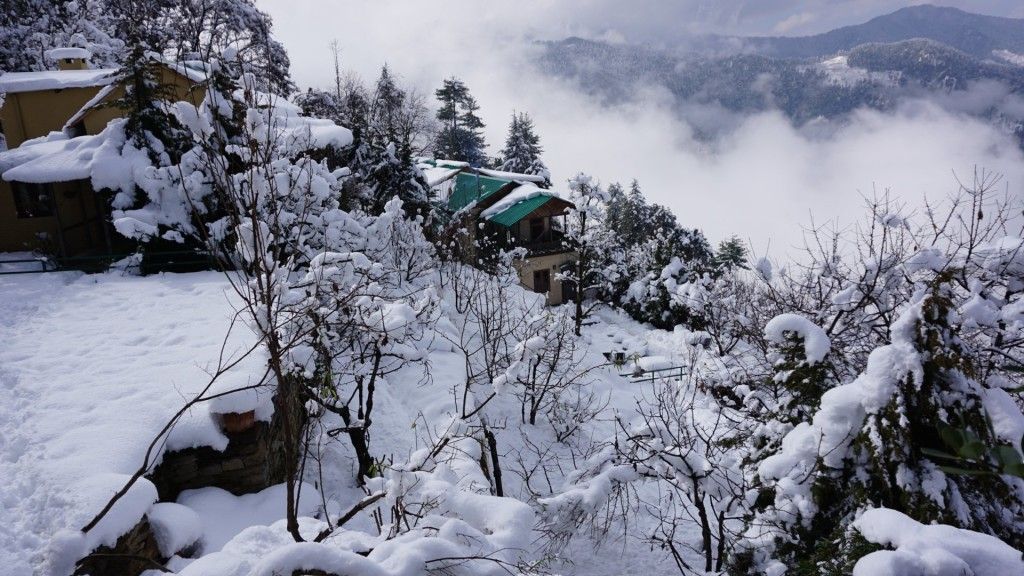
From late September into October, post-monsoon weather delivers the clearest skies and sharpest views of surrounding peaks. The air turns crisp, the summer haze vanishes, and the valley foliage takes on warm autumn hues. The monsoon months of July and August bring heavy rainfall, landslides, and slick terrain across Himachal Pradesh, making high-altitude trekking risky. In winter and early spring, heavy snowfall blankets the Pabbar Valley and isolates the lake under thick ice and deep drifts, rendering it inaccessible to general hikers.
How to Reach Chandernahan Lake
The journey to Chandernahan Lake begins from Rohru, the primary commercial hub of the Pabbar Valley. Rohru is well connected by road to Shimla, which sits approximately one hundred kilometers to the west. Travelers can reach Shimla via public buses, private taxis, or personal vehicles from major northern cities such as Chandigarh and Delhi. From Shimla, the road winds through Theog, Kotkhai, and Kharapathar before descending into the fertile Pabbar basin at Rohru.
From Rohru, motorable roads lead further up the valley past Chirgaon toward the remote trailhead hamlets. Beyond these roadhead villages, all travel is exclusively on foot. Because mountain road conditions in the upper Pabbar Valley can change rapidly depending on weather, maintenance, and seasonal rain, visitors should verify road status locally before setting off from Rohru.
Places to Visit Nearby
The Pabbar Valley and the region surrounding Rohru are filled with natural landmarks and ancient cultural heritage. Within Rohru itself stands the Shikru Devta Mandir, an intricately carved wooden temple dedicated to the valley's primary guardian deity. A short drive away, history enthusiasts can visit the historic Jangla Fort or the ancient Pandwa Mandir Masli, both reflecting the deep-rooted folklore and architecture of the hills.
Further up the valley rises the imposing Chanshal Pass, famous for its sweeping views of snow-dusted ridges and expansive highland meadows. Closer to the main Shimla highway, travelers can take quiet detours toward the Giri Ganga Temple near Kharapathar or explore the wooded sanctuary around Hatu Temple and Hatu Mata Temple near Narkanda. The meandering banks of the Pabbar River also offer tranquil spots for peaceful strolls, picnics, and listening to rushing mountain waters.
Tips for Your Visit
Trekking to an alpine lake requires thorough physical and logistical preparation. Because the trail reaches significant elevations where atmospheric oxygen drops, allocating sufficient time for gradual acclimatization is essential to prevent altitude sickness. Drink plenty of water throughout the ascent, maintain a steady pace, and never rush your climbing days.
Weather conditions in the high Himalayas can change rapidly within an hour. Always pack layered clothing, including thermal innerwear, a windproof outer shell, a fleece jacket, and dependable waterproof gear. Sturdy, broken-in trekking boots with good ankle support and grip are vital for navigating loose scree and boulders. Because the lake and surrounding thachs lie in pristine, ecologically sensitive zones, adhere strictly to leave-no-trace ethics by carrying back all non-biodegradable waste and respecting the local sanctity of the waters.
Where to Stay
Accommodations near the higher reaches of the trail are limited to wilderness camping, requiring hikers to carry tents, sleeping mats, and warm sleeping bags suitable for freezing nighttime temperatures. In the roadhead villages and the town of Rohru, travelers will find traditional village homestays, simple guesthouses, and regional lodges that offer warm Himachali hospitality and local cuisine.
If you prefer to arrange your journey in advance, you can discover riverside camps, scenic mountain homestays, and outdoor getaways across the Pabbar Valley and Shimla district on HireACamp. Booking a stay in or around Rohru provides an ideal base for resting both before and after tackling the trek to Chandernahan Lake.
Frequently asked questions
Where is Chandernahan Lake located?
Chandernahan Lake is located in the upper reaches of the Pabbar Valley near Rohru in the Shimla district of Himachal Pradesh, India.
Is Chandernahan Lake difficult to trek to?
The trek to Chandernahan Lake is considered moderately challenging. It involves multi-day ascents over high-altitude meadows, moraine fields, and steep boulder terrain, requiring good physical stamina and proper acclimatization.
Why is Chandernahan Lake considered sacred?
The lake is regarded as the sacred birthplace and origin of the Pabbar River and is traditionally associated with Devta Shikru Maharaj, a prominent local deity in the Rohru region.
What is the best season to trek to Chandernahan Lake?
The best months to visit are May to June for lush green meadows and lingering snow, and September to October for clear skies, crisp mountain air, and stable post-monsoon weather.
Can I visit Chandernahan Lake during the winter?
Chandernahan Lake is generally inaccessible during the winter months due to heavy snowfall, freezing conditions, and buried trails across the high-altitude valley.
Where you'll be
Pabbar Valley, Rohru · 1 stay nearby shown with prices
Stays near Chandernahan Lake
Book a place to stay close by
More places near Chandernahan Lake
Within 20 km
Built from 0 Instagram posts by 0 creators. Every tip links back to the post it came from, and where creators disagree we show both sides.






