
Chapora
Destination in Goa
Chapora is a lively coastal village in North Goa, situated along the southern estuary of the Chapora River where it meets the Arabian Sea. Best known for its prominent red laterite fort and working fishing jetty, the village balances traditional coastal Goan life with a creative, bohemian atmosphere. Travellers head here to explore centuries of coastal heritage, watch sunset views over the water, and enjoy a slower pace just north of Goa's bustling beach strip.
Getting there
By road
- From Pune8 hr 45 min · 414 km
- From Mumbai 10 hr 15 min · 529 km
Typical drive times without traffic. Stations and airports from OLA Maps; distances and typical drive times from OpenStreetMap (© OpenStreetMap contributors); notes from creators' Reels.
About Chapora
Written with AI from map data and general knowledge. Check prices and timings locally before you go.
Understanding Chapora and its heritage
Chapora occupies a strategic spit of land where the Chapora River flows directly into the Arabian Sea. Long before it became a favourite stop for modern travellers, this geographical position made it a military strongpoint. The rulers of the Adil Shahi dynasty first recognised the vantage of the hill overlooking the river mouth, constructing an outpost to defend their borders. The Portuguese later rebuilt and expanded these fortifications in the early eighteenth century, creating the massive laterite bastion known today as Chapora Fort.
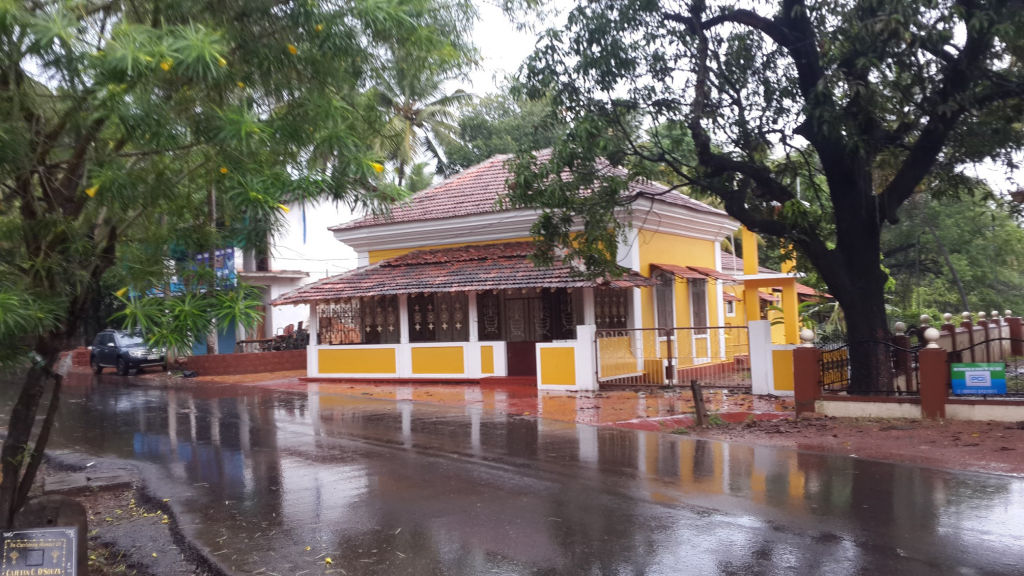
Beneath the imposing ramparts of the fort, Chapora developed primarily as a fishing settlement. The local community has stayed closely tied to the water for generations. Traditional wooden fishing trawlers still dock along the riverbank, and the village lanes feature modest Portuguese-influenced houses, coconut groves, and small local markets. While tourism has grown, the core character of Chapora remains grounded in its riverine trade and village rhythms.
Things to do in Chapora
A visit to Chapora naturally centres on climbing the hill to Chapora Fort. The walk up the red laterite pathway leads to expansive views that stretch south toward Vagator and north across the estuary to Morjim. The interior of the fort is mostly open ground covered in dry grass and rocky outcrops, surrounded by surviving defensive walls and bastions. Spending an hour wandering along the perimeter walls provides perspective on North Goa's dramatic coastline, especially in the late afternoon as the sun dips into the sea.
Down along the water, spending time near the Chapora fishing jetty offers a direct look into everyday coastal life. Early mornings and late afternoons see trawlers returning from sea, unloading daily catches of mackerel, kingfish, prawns, and crabs. Local vendors and buyers gather to trade on the docks, creating an energetic and authentic scene. Taking a slow walk through the inland alleys of the village introduces you to traditional bakeries, vibrant roadside juice stalls, and quiet residential lanes lined with old banyan trees and bougainvillea.
Read more
Beaches and getaways around Chapora
Chapora sits in close proximity to several distinct coastal landscapes in North Goa. Immediately south of the fort lie Big Vagator and Little Vagator beaches. These stretches are famous for their dark volcanic rock formations, cliffside views, and casual beach cafes. Vagator offers soft sands interspersed with rocky coves, making it an excellent spot for coastal walks and relaxing under the shade of coastal palms.
Just across the river to the north lies Morjim, easily accessible by road via the bridge inland. Morjim presents a contrasting atmosphere with its wide, flat sandbar and open skies, well known as a seasonal nesting area for Olive Ridley sea turtles. For those willing to travel slightly further south, historic landmarks like Aguada Fort, Reis Magos Fort, and the beaches of Sinquerim and Coco Beach provide rich day-trip options. Head down toward the Mandovi River to explore centuries of colonial coastal defence and scenic waterfront promenades.
Best time to visit Chapora
The most comfortable time to visit Chapora is between November and February. During these winter months, daytime temperatures remain pleasant and sea breezes temper the midday heat. Humidity levels drop noticeably, and evenings can be delightfully cool. This period is ideal for walking up the fort hill, exploring village trails, and enjoying outdoor excursions without excessive fatigue.
March through May brings the Goan summer, with high humidity and intense sunshine. While midday can be uncomfortably warm for walking outdoors, mornings and late evenings remain pleasant, and the village sees fewer crowds. The monsoon arrives in June and lasts through September, transforming the hillsides around Chapora into lush, vibrant green. The sea is rough and unsuitable for water activities during this period, and the fishing jetty operates at reduced capacity due to the annual fishing ban. However, travellers who appreciate quiet landscapes, dramatic rain clouds, and uncrowded historical sites often find the rainy season uniquely rewarding.
How to reach Chapora
Chapora is located in North Goa and is well connected to major transit hubs across the state. The nearest air connection is Manohar International Airport in Mopa, situated to the northeast, which provides a straightforward drive down to the coast. Dabolim Airport in South Goa is also an option, though it requires a longer drive through central and northern Goa. Pre-paid taxis and app-based regional cabs are readily available at both airports.
For train travellers, Thivim is the closest major railway station, located roughly inland from the coast. From Thivim, taxis and local buses connect directly toward Mapusa, the commercial hub of North Goa. From Mapusa, regular state buses and private minibuses run directly to Chapora and nearby Vagator throughout the day. Many visitors choose to rent scooters, motorcycles, or cars upon arrival to explore the narrow village roads and neighbouring coastal towns with ease.
Tips for travellers visiting Chapora
When planning a walk up to Chapora Fort, wear sturdy footwear with good grip. The laterite path can be loose, dusty, and slippery underfoot, especially when descending. There is minimal shade inside the fort ruins, so carry plenty of drinking water, wear a wide-brimmed hat, and apply sunscreen if visiting during the day.
Respect the local community by keeping noise levels reasonable, especially inside the residential lanes and around the working jetty. When taking photographs at the docks, ask for permission before shooting close-up portraits of fishers at work. Keep in mind that North Goa's coastal roads can be narrow, winding, and busy, so drive carefully and stay attentive when riding scooters around sharp village turns.
Where to stay in Chapora
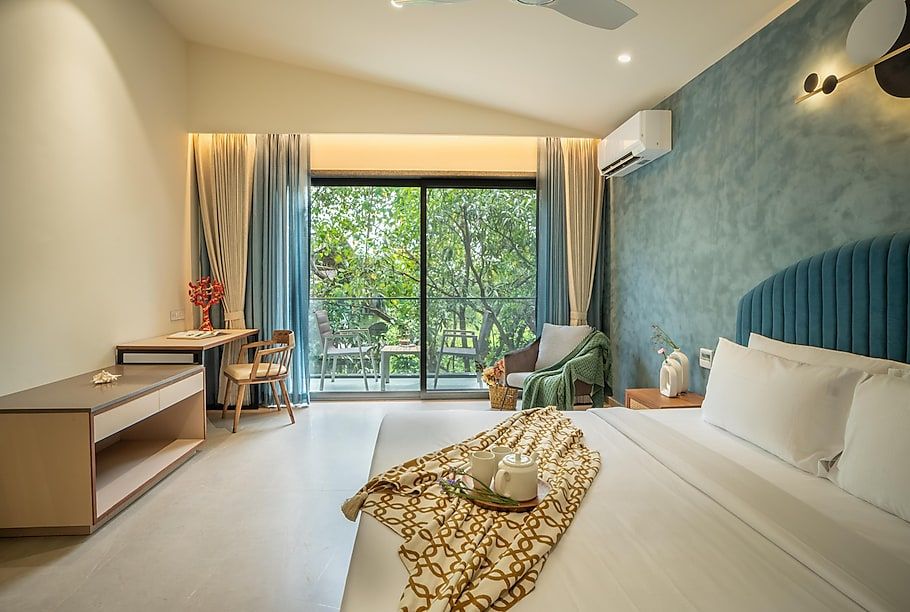
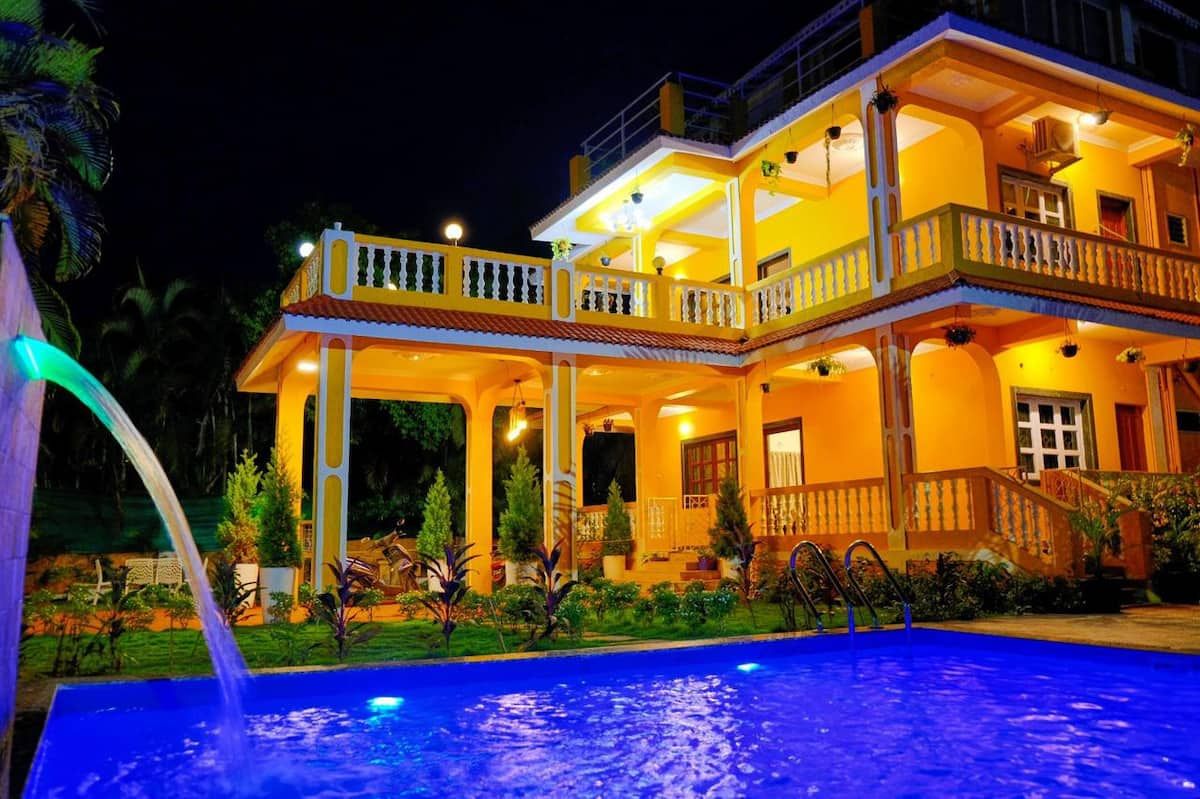
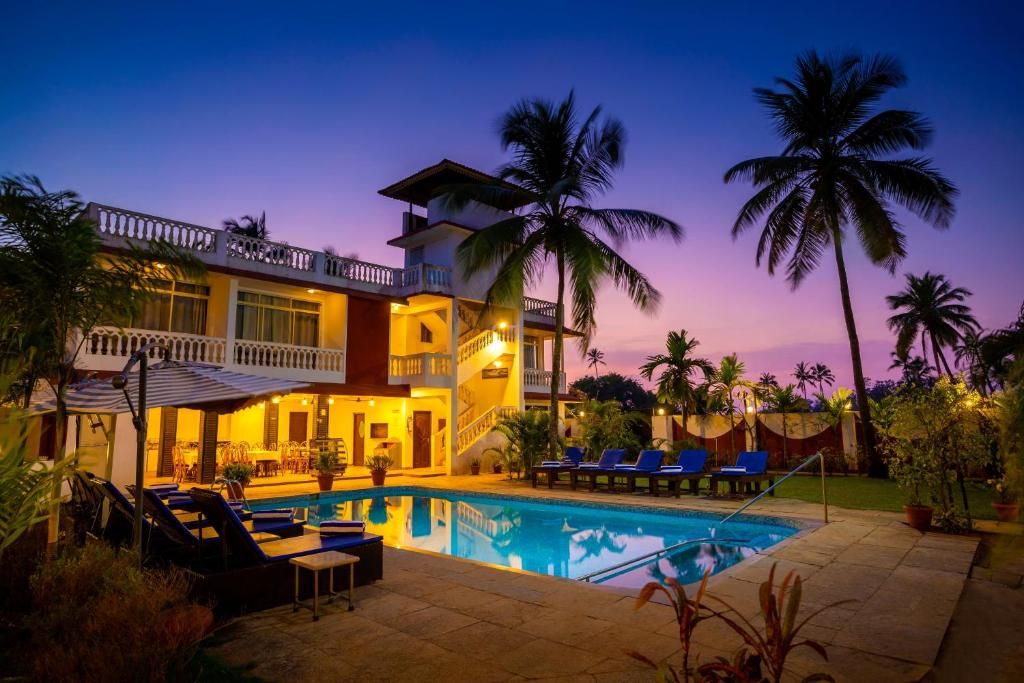
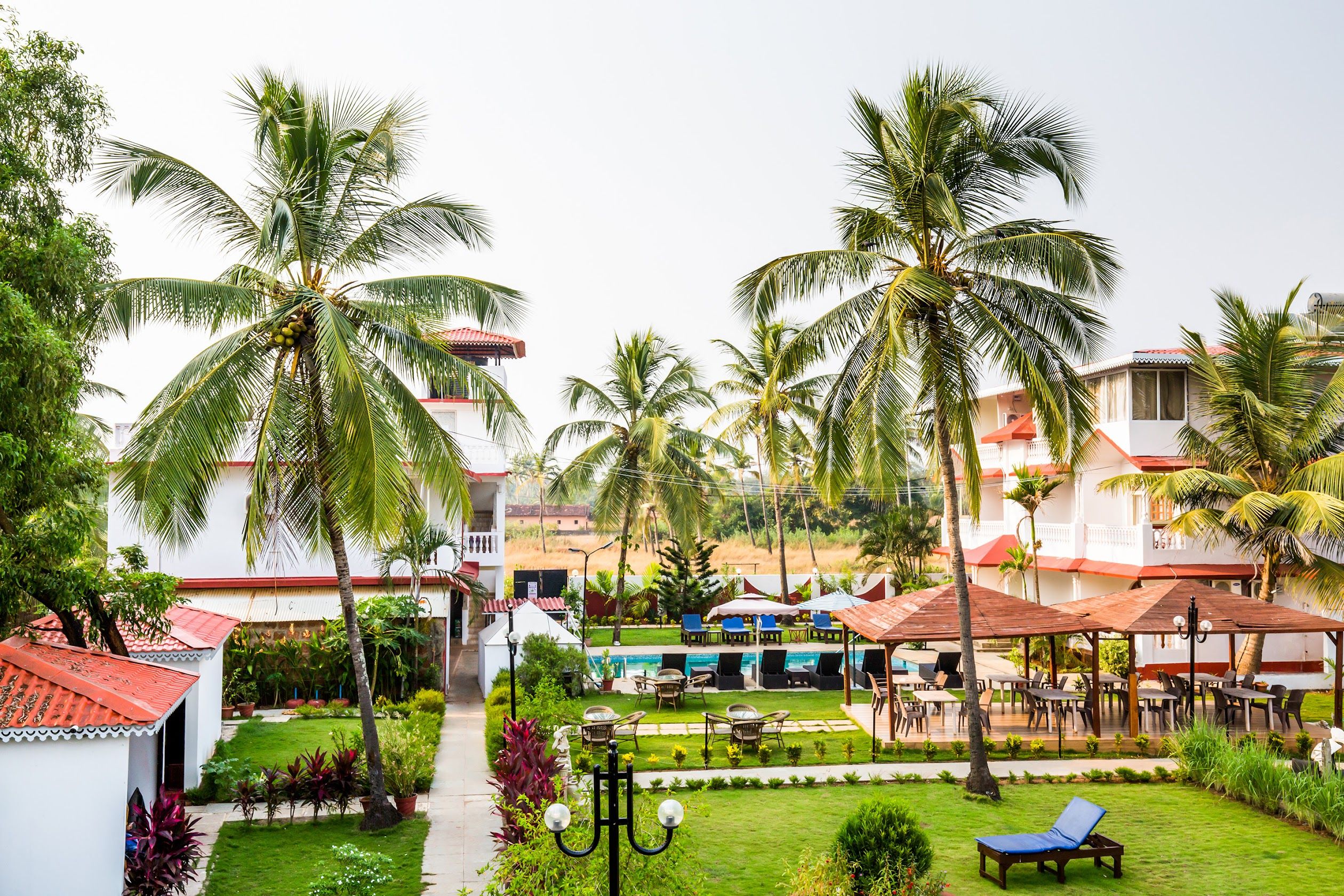
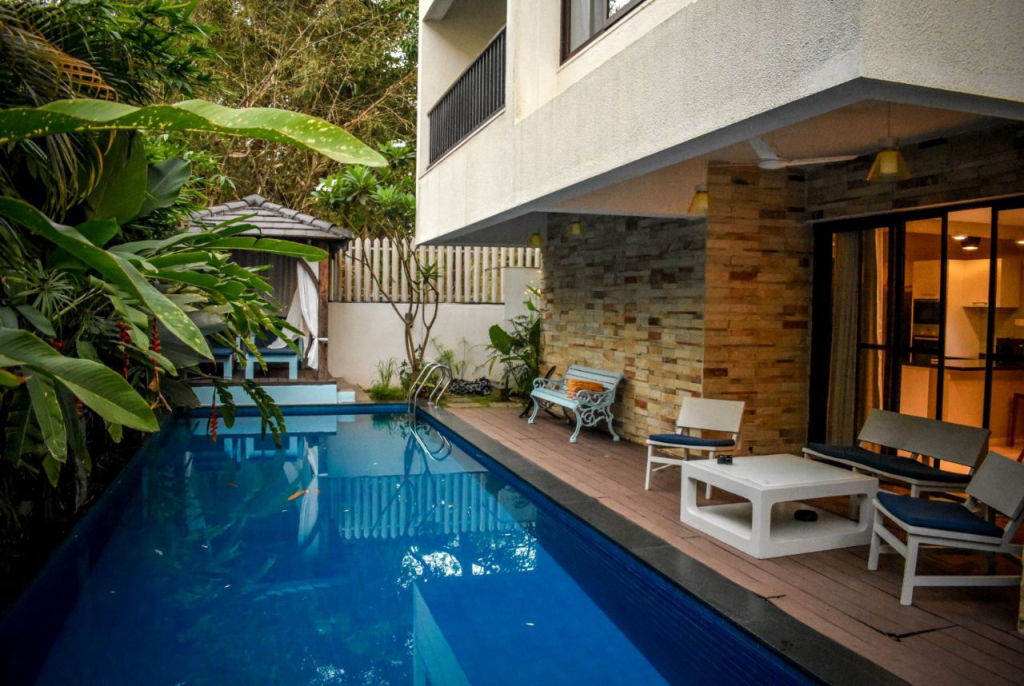
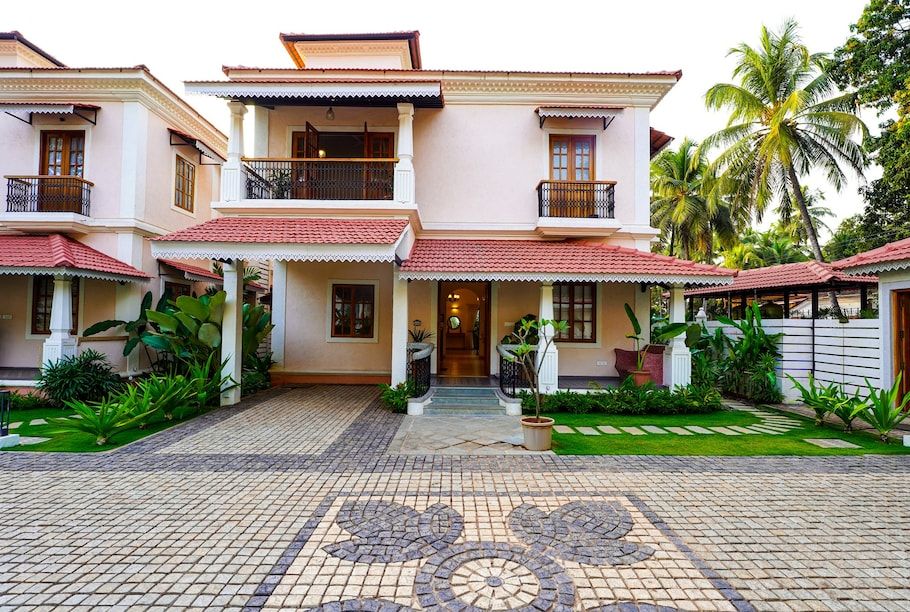
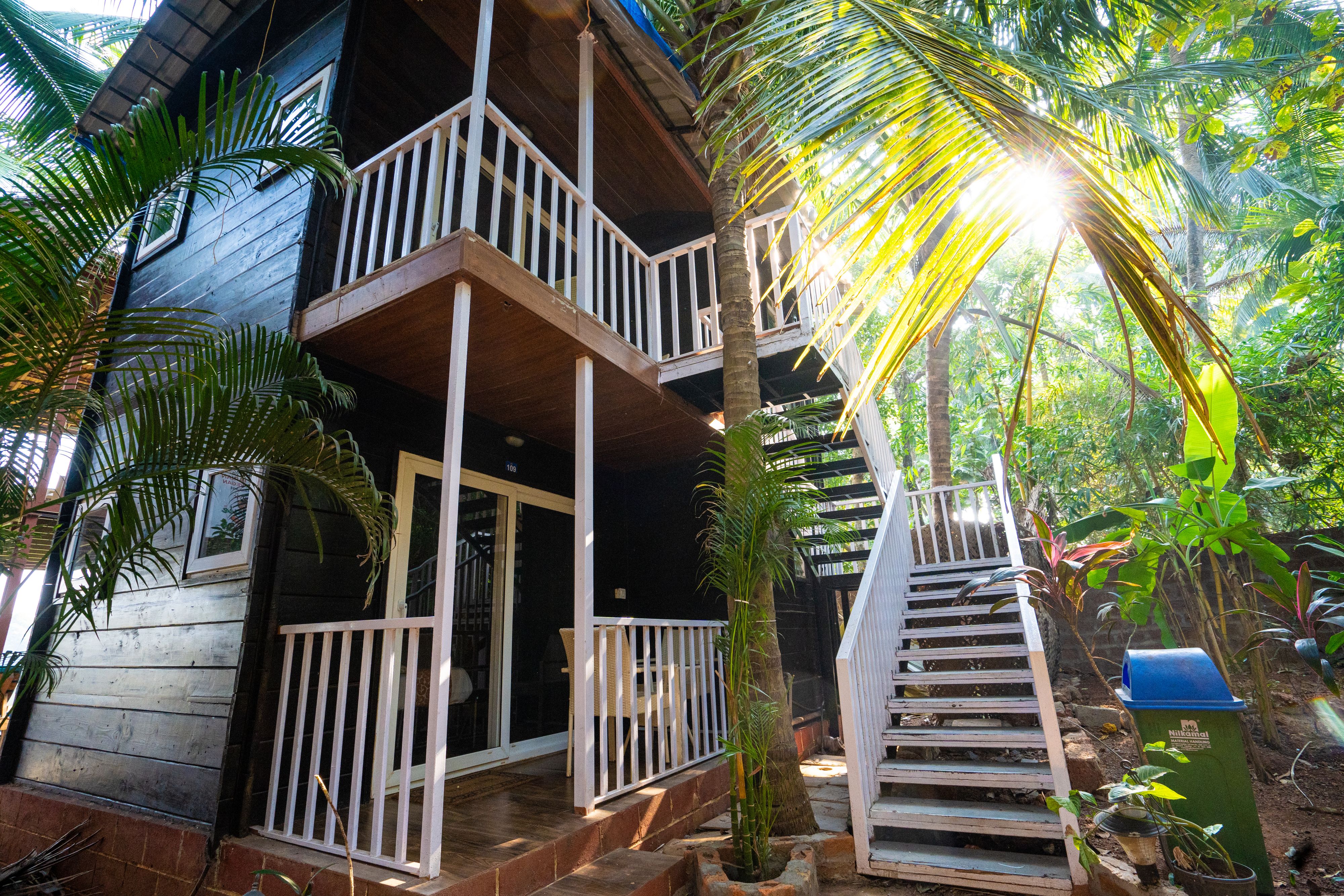
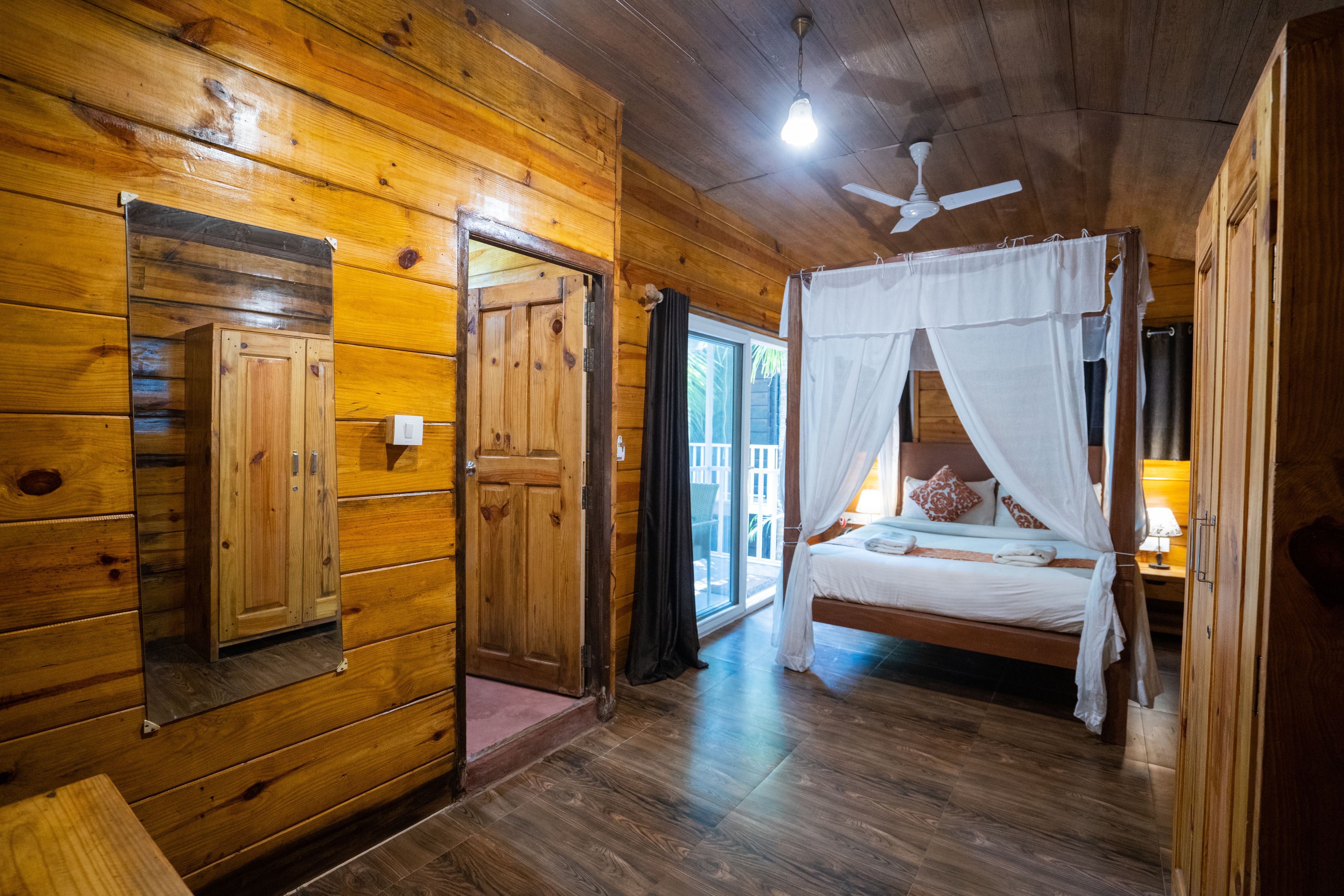
Chapora and its immediate surroundings offer a diverse selection of accommodations suited for different travel styles. In and around the village, you will find quiet homestays tucked into residential neighbourhoods, self-catering guesthouses, and scenic properties overlooking the river or nearby cliffs. The village makes a practical base because it combines a laid-back, community-centred feel with quick access to northern beaches like Vagator, Anjuna, and Morjim.
Travellers interested in finding charming homestays, nature retreats, and outdoor camps across North Goa can explore listings on HireACamp. Booking your stay in advance is particularly advisable if you plan to visit between December and January, when travel across coastal Goa reaches its peak.
Frequently asked questions
What is Chapora famous for?
Chapora is primarily famous for the historic Chapora Fort, known for its expansive views of the coastline and river estuary, as well as its active fishing jetty and laid-back coastal village culture.
How long does it take to climb Chapora Fort?
The walk from the base parking area up the laterite path to the fort gates typically takes about ten to fifteen minutes at a gentle pace.
Can you visit the Chapora fishing jetty?
Yes, visitors can walk down to the jetty to watch trawlers unload their daily catches and observe the local fish auctions, particularly in the mornings and late afternoons.
Which railway station is closest to Chapora?
Thivim railway station is the nearest major train station to Chapora, offering convenient road and bus connectivity through Mapusa.
Is Chapora suitable for a day trip?
Yes, Chapora can easily be explored as a half-day or full-day excursion from nearby coastal hubs, combining a visit to the fort with time spent by the river or at adjacent beaches.
Where you'll be
12 stays nearby shown with prices
Stays near Chapora
Book a place to stay close by
Things to do in Chapora
47 places creators recommend within 30 km
Built from 0 Instagram posts by 0 creators. Every tip links back to the post it came from, and where creators disagree we show both sides.






