
Vagator Beach
Beach near Chapora, Goa
700 m from Chapora
The nearest town, for stays, food and fuel.
Vagator Beach is a coastal stretch in Bardez in North Goa, known for its dramatic red laterite cliffs and soft sands lining the Arabian Sea. It draws travellers looking for a blend of natural coastal scenery, historic vantage points, and a vibrant beachside atmosphere. The beach is naturally divided into Little Vagator and Big Vagator, offering varied spaces for relaxing walks and sunset views.
Getting there
By road
- From ChaporaNearest town3 min · 1.1 km
- From Pune8 hr 45 min · 415 km
- From Mumbai 10 hr 15 min · 529 km
Typical drive times without traffic. Stations and airports from OLA Maps; distances and typical drive times from OpenStreetMap (© OpenStreetMap contributors); notes from creators' Reels.
About Vagator Beach
Written with AI from map data and general knowledge. Check prices and timings locally before you go.
About Vagator Beach
Vagator Beach lies along the northern coastal belt of Goa in the taluka of Bardez. Unlike the flatter stretches found along central Goa, the shoreline here is defined by undulating red laterite headlands that drop down into crescent-shaped bays. This geological character gives Vagator its distinct appearance, where rocky outcrops intersperse with stretches of golden sand.
The shoreline is split into distinct sections. Big Vagator, located towards the north, is a wider sandy expanse bordered by lush palm groves and cliffs. Further south along the trail lies Little Vagator, often referred to as Ozran Beach, which sits tucked beneath steep coastal bluffs. Between the ocean swells, tide pools form along the rocks, creating pockets of calm water where visitors can observe small marine life during low tide.
Things to do at Vagator Beach
Walking the coastline is one of the most rewarding activities at Vagator Beach. You can trace the trails running atop the red cliffs, which offer expansive vantage points overlooking the Arabian Sea. Descending to the water reveals quiet rocky alcoves, smooth boulders, and sandy stretches suitable for leisurely strolls and beachcombing.
Along the southern edge of Little Vagator, look out for the carved stone face of Lord Shiva etched directly into a beachside rock outcrop. Photography is especially rewarding in the late afternoon when the low sun illuminates the red laterite stone and the crashing surf. During calm weather, travellers often swim in designated areas, though caution is advised around rocky points and during strong undercurrents.
Read more
Best time to visit
The best time to visit Vagator Beach is from November through February. During these winter months, North Goa experiences comfortable daytime temperatures, gentle sea breezes, and clear blue skies, making outdoor exploration and beach walks pleasant throughout the day.
The summer months between March and May bring rising heat and humidity, which makes midday exploration strenuous, though early mornings and late afternoons remain quiet and scenic. The southwest monsoon arrives in June and lasts until September. While the cliffs and coastal hills turn strikingly green during the monsoon, the sea turns rough, swimming is not permitted, and strong waves submerge much of the beach. October marks the transition, with green landscapes and fewer crowds before peak season begins.
How to reach Vagator Beach
Vagator Beach is easily accessible by road from major transit hubs in Goa. The nearest railway stations are Thivim and Karmali, while Goa's airports at Dabolim and Mopa connect the region to major Indian cities. Taxis, rental scooters, and self-drive cars are widely available at transit points for the onward journey to Bardez.
Local state-run buses connect Mapusa, the main commercial hub of Bardez, to the village of Vagator. From the central parking areas in Vagator, footpaths and paved staircases lead down the cliffside to both Big Vagator and Little Vagator. Travellers arriving by private vehicles will find parking areas near the cliff tops, from which walking down takes only a few minutes.
Places to visit near Vagator Beach
Just above the northern end of the beach stands Chapora Fort, an ancient coastal fortress perched on a prominent hill. The fort offers panoramic views over Vagator Beach, the mouth of the Chapora River, and the surrounding coastline. A walk along the fort ramparts provides insight into the strategic maritime history of North Goa.
Across the river mouth lies the Morjim Turtle Nesting Site, known for coastal conservation efforts that protect Olive Ridley sea turtles during their nesting period. Visitors interested in regional heritage can also visit historic local landmarks such as St. Anthony's Church in the nearby village, showcasing classic Goan church architecture and peaceful parish grounds.
Tips for visiting Vagator Beach
Sturdy footwear is recommended if you plan to walk up to Chapora Fort or traverse the rocky paths linking the different bays of Vagator Beach. The red laterite soil can be uneven and dusty in dry weather and slick during the rains.
Always check local sea condition warnings and follow lifeguard advice before entering the water. The presence of submerged rocks near the headlands can create sudden drops and shifting currents. Keep sun protection such as hats and sunscreen on hand, as shade on the open sand is limited during midday. Lastly, help preserve the coastal habitat by carrying your trash back up to designated bins.
Where to stay around Vagator
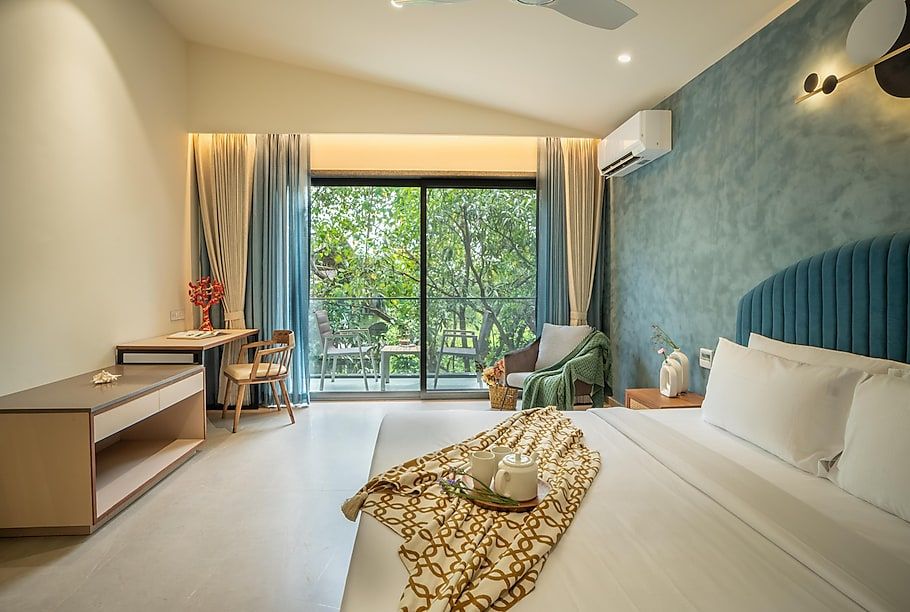
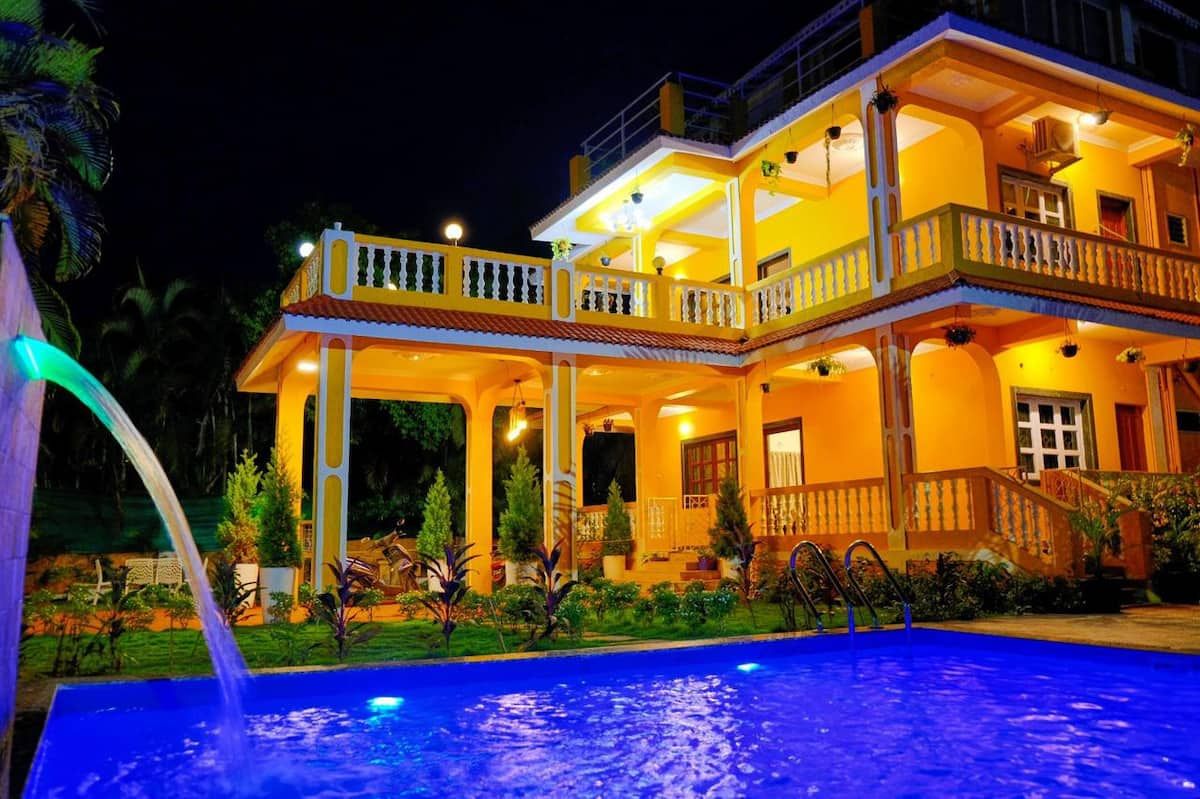
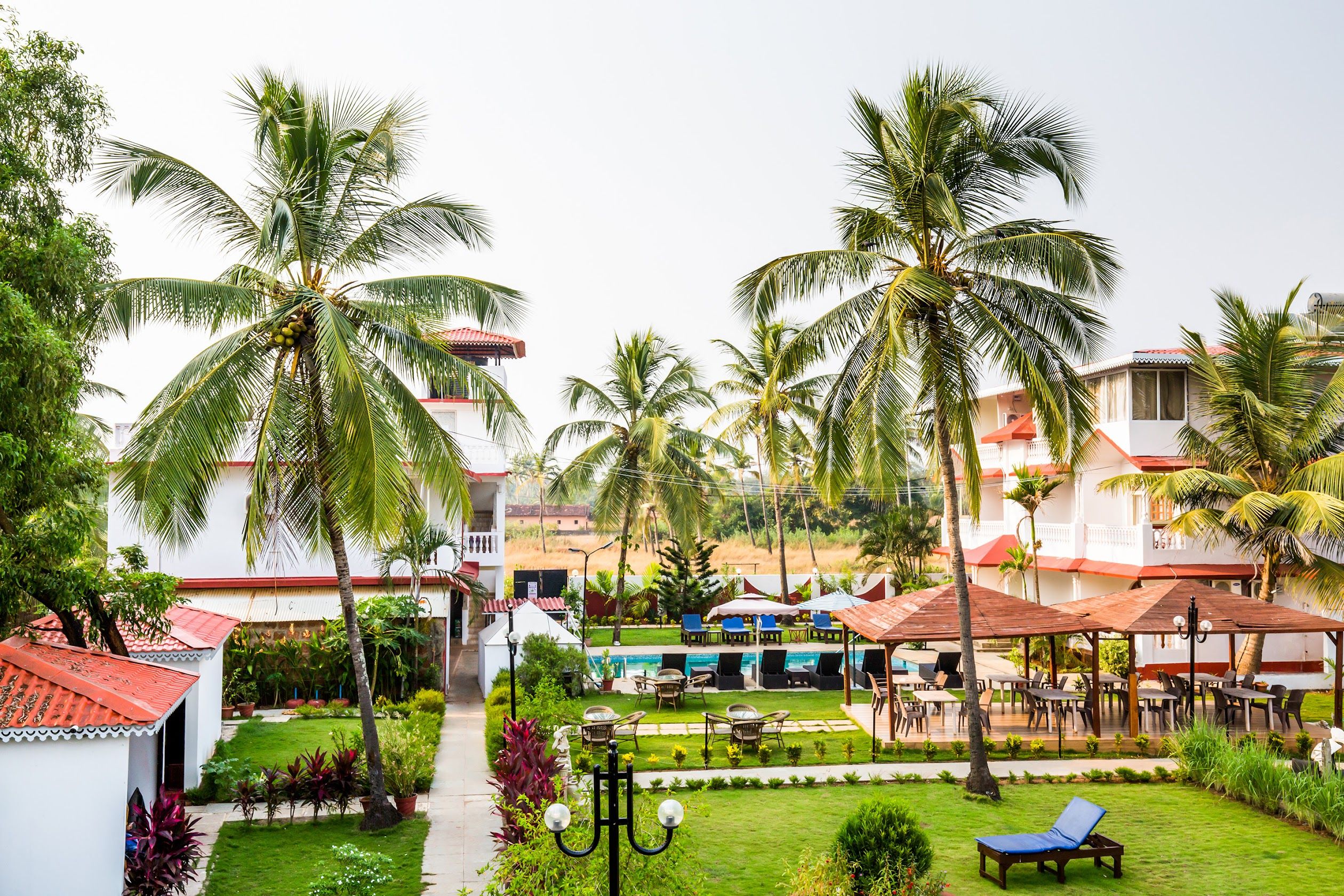
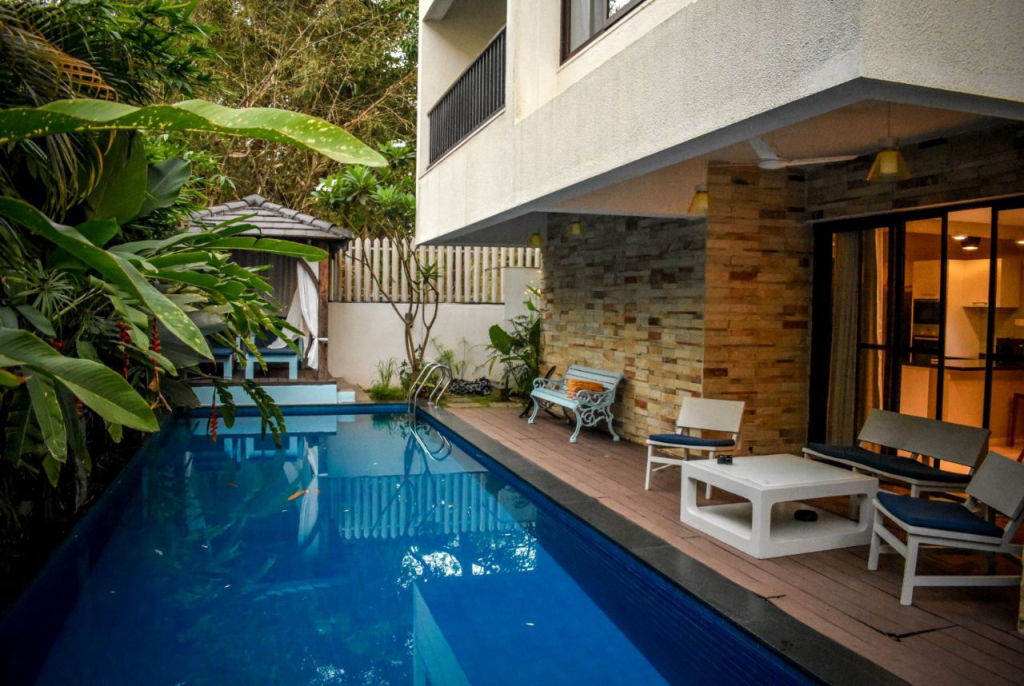
A range of accommodation options is scattered throughout the village of Vagator and the broader Bardez area. Travellers who prefer peaceful village lanes will find stays tucked inside coconut groves, while those wanting sea vistas can look closer to the cliff paths.
Whether you are looking for outdoor camps, community-run cottages, or comfortable local homestays that offer an authentic taste of coastal Goan life, you can explore and book suitable options on HireACamp to match your travel style.
Frequently asked questions
Is swimming safe at Vagator Beach?
Swimming is generally safe during the calm winter months in designated zones monitored by lifeguards. However, swimmers must avoid rocky areas and stay out of the water entirely during the monsoon season when currents are unpredictable.
What is the difference between Big Vagator and Little Vagator?
Big Vagator is a wider, more open expanse of sand near Chapora Fort, while Little Vagator, also known as Ozran Beach, is a series of smaller coves sheltered beneath steep red cliffs.
Can you walk from Vagator Beach to Chapora Fort?
Yes, there is an uphill trail leading from the northern end of Vagator Beach directly towards Chapora Fort, though visitors should wear comfortable walking shoes for the incline.
Where is the rock-carved Shiva's Face located?
The stone sculpture of Shiva's Face is carved into a large rock outcrop along the sandy shore of Little Vagator Beach.
What should I carry when visiting Vagator Beach?
Carry drinking water, sun protection, light cotton clothing, and comfortable footwear suitable for climbing stone steps and walking on sandy, rocky terrain.
Where you'll be
Vagator Beach, Bardez · 12 stays nearby shown with prices
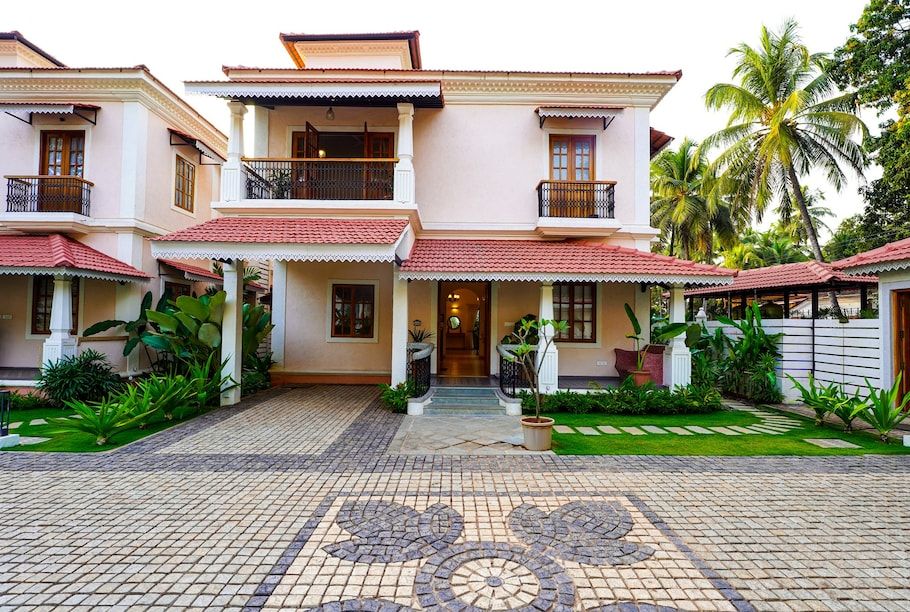
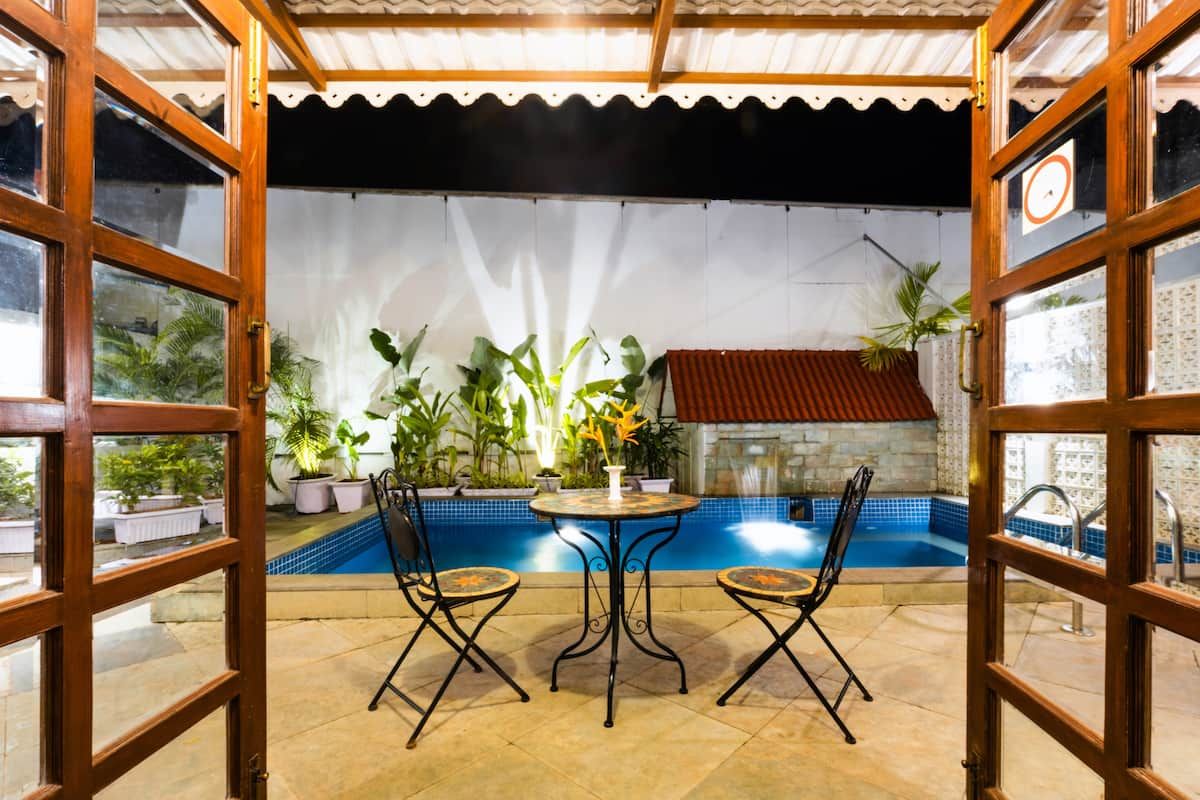
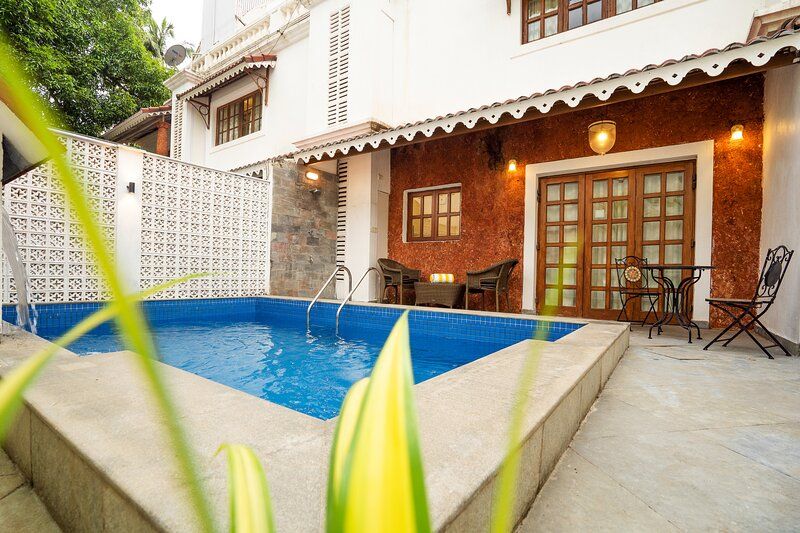
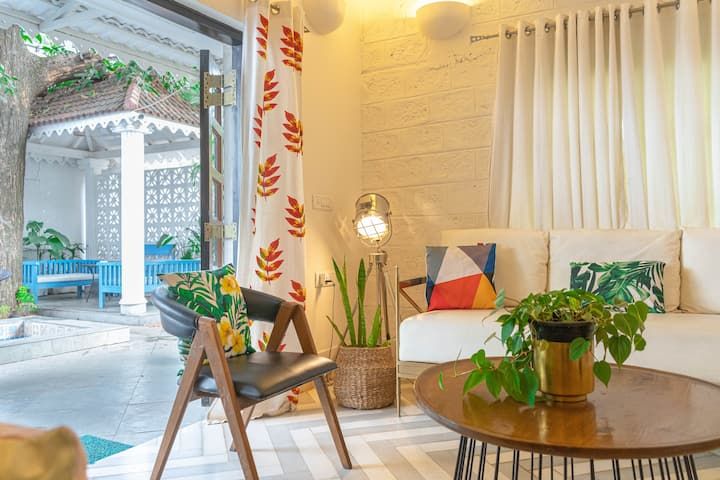
Stays near Vagator Beach
Book a place to stay close by



More places near Vagator Beach
Within 20 km
Built from 0 Instagram posts by 0 creators. Every tip links back to the post it came from, and where creators disagree we show both sides.






