
Charari Sharief
Heritage & Culture near Tsrar Sharif, Jammu and Kashmir
900 m from Tsrar Sharif
The nearest town, for stays, food and fuel.
Charari Sharief is a historic town and revered Sufi heritage site located near Chadoora in Jammu and Kashmir. Perched on an elevated plateau facing the Pir Panjal range, the town centers on the mausoleum of Sheikh Noor-ud-din Noorani, the patron saint of the Kashmir Valley. Travellers and pilgrims visit to experience its profound spiritual heritage, traditional architecture, and serene mountain landscape.
Getting there
By road
- From Tsrar SharifNearest town3 min · 1.6 km
- From Amritsar8 hr 15 min · 424 km
Typical drive times without traffic. Stations and airports from OLA Maps; distances and typical drive times from OpenStreetMap (© OpenStreetMap contributors); notes from creators' Reels.
About Charari Sharief
Written with AI from map data and general knowledge. Check prices and timings locally before you go.
Heritage and Significance of Charari Sharief
Charari Sharief holds a vital place in the cultural and spiritual identity of Kashmir. It is the resting place of Sheikh Noor-ud-din Noorani, affectionately known as Nund Rishi or Alamdar-e-Kashmir, who lived in the fourteenth and fifteenth centuries. He founded the Rishi order, an indigenous school of Sufism that championed universal love, asceticism, environmental care, and social justice. His verses, composed in ancient Kashmiri, remain an enduring part of the region's literary and spiritual heritage.
Because of Nund Rishi's egalitarian philosophy, Charari Sharief has historically drawn devotees across religious lines, serving as a powerful symbol of communal harmony in the valley. The town developed around the saint's resting place, maintaining a deep spiritual rhythm that defines daily life. Visitors to the town are welcomed into an environment steeped in centuries of faith, poetry, and shared devotion.
Architecture and Setting of the Shrine
The shrine complex at Charari Sharief is an impressive example of Kashmiri religious architecture adapted to the climate of the Himalayas. Reconstructed using durable masonry, timber, and copper work following historical destruction, the structure features a distinctive tiered roof crowned by a slender spire that stands out across the surrounding valleys. The layout combines spacious open-air courtyards with shaded galleries built to shelter crowds during major prayer gatherings and Urs commemorations.
Inside the complex, the atmosphere is quiet and reflective, filled with the aroma of burning incense and the gentle murmur of prayers. Intricately carved wooden panels, wide stone corridors, and geometric window screens highlight the work of local master artisans. The wide terraces outside provide elevated views over the terracotta and metal rooftops of the town, leading out toward the terraced fields and snow-capped peaks beyond.
Read more
Landscape of the Surrounding Karewas
The geographical setting of Charari Sharief is defined by elevated plateau formations known in Kashmiri as karewas. These fertile, flat-topped tablelands rise above the valley floor, creating an undulating landscape of apple and almond orchards, terraced farmland, and clusters of walnut trees. During clear days, the jagged skyline of the Pir Panjal range dominates the horizon, with prominent summits such as Sunset Peak and Tatakooti Peak visible in the distance.
Pastoral life thrives across these uplands, where walking along the village paths reveals farming traditions that have remained unchanged for decades. Small streams make their way through the gorges below, while towering chinar trees provide dense summer canopies in the village commons. The elevated location gives the town fresh mountain air and sweeping vistas that make simply walking through the surrounding tracks a restorative experience.
Best Time to Visit Charari Sharief
Charari Sharief can be visited throughout the year, with every season bringing a distinct shift in weather and landscape. Spring, from April to May, is one of the most delightful times to travel. The plateau wakes from the winter cold with white and pink blossoms across the almond and apple groves, while the daytime temperatures remain comfortably cool.
Summer, stretching from June through August, offers pleasant temperatures and green expanses across the hills, making it a reliable season for combining a cultural visit with outdoor excursions into the Pir Panjal mountains. Autumn, which lasts from September through November, transforms the landscape into rich amber and crimson shades as the chinars turn color and orchards harvest their fruit. Winter brings sub-zero temperatures and occasional heavy snowfall, blanketing the tiered roofs and courtyards in white. While winter demands careful preparation and warm clothing, it provides an exceptionally peaceful setting away from larger crowds.
Places to Explore Around Charari Sharief
A trip to Charari Sharief opens up access to several historical and natural highlights across the central and southern districts of Kashmir. Down in the valley, the Romushi River offers quiet stony banks and shaded spots suitable for a tranquil break along the water. Southward toward Shopian, the historic Jamia Masjid in Shopian stands out for its unique local architectural style and towering wooden pillars.
Travelers interested in dramatic natural sights can venture further to Aharbal Waterfall, where the river crashes through a narrow basalt gorge in a spectacular display. The high-altitude pass at Pir Ki Gali along the historic Mughal Road provides sweeping views across alpine meadows and mountain divides. Wildlife enthusiasts can explore the edges of Hirpora Wildlife Sanctuary, known for sheltering rich flora and rare Himalayan species, while experienced mountain hikers can head toward the cluster of alpine tarns higher up, including Kharmarg Sar, Gum Sar, Ainpat Sar, and Magru Sar.
Travel Tips and Stays near Charari Sharief
When planning a visit to Charari Sharief, keep in mind that the town is an active site of pilgrimage. Modest clothing that covers shoulders and legs is required, and visitors are expected to remove their shoes before entering the inner sanctum. Carrying a head covering, such as a scarf or cap, is advised for both men and women. Outside the shrine gates, local market stalls sell traditional clay fire-pots known as kangris, wooden prayer beads, and regional sweets that offer a glimpse into everyday Kashmiri craftsmanship.
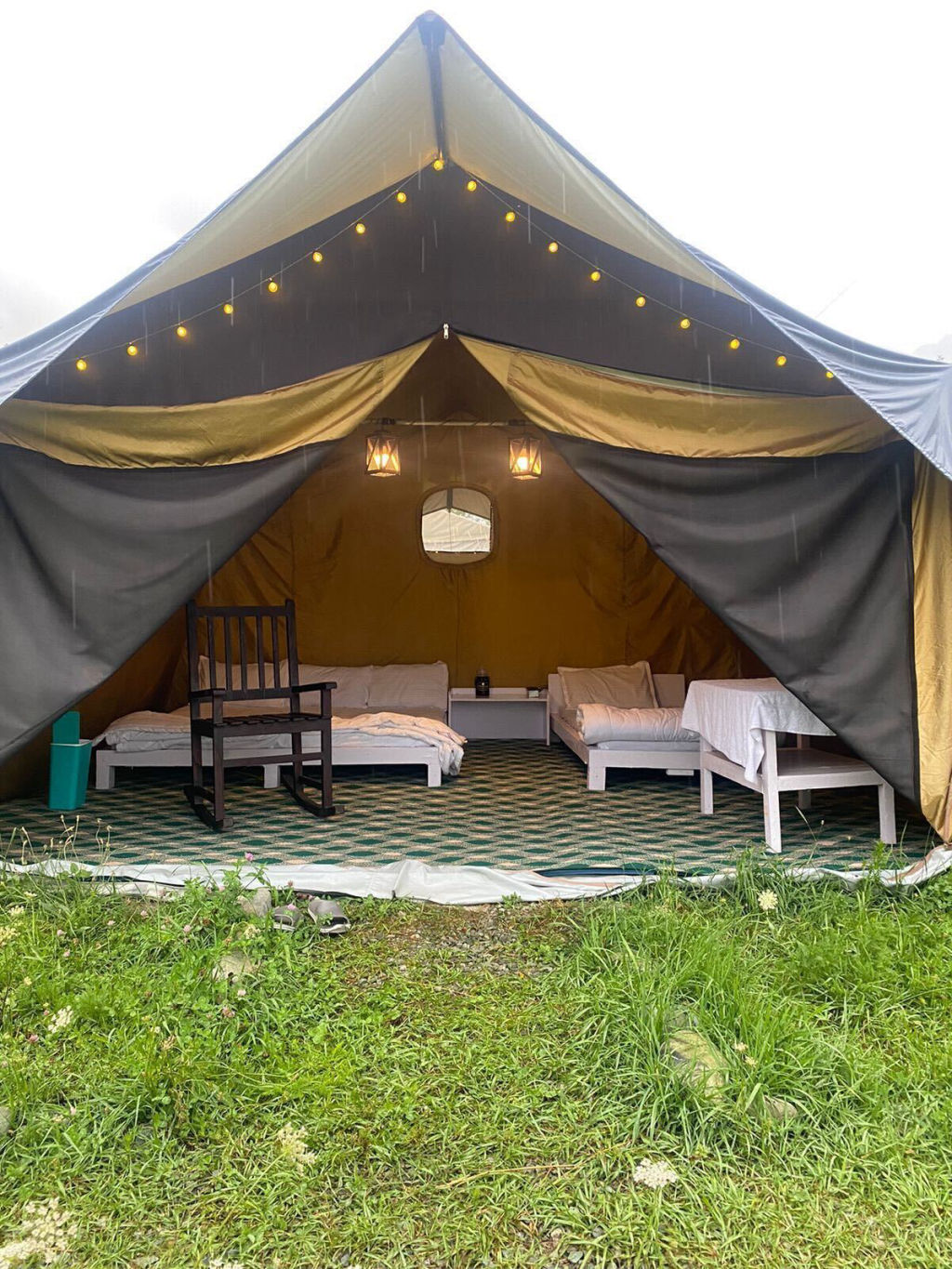
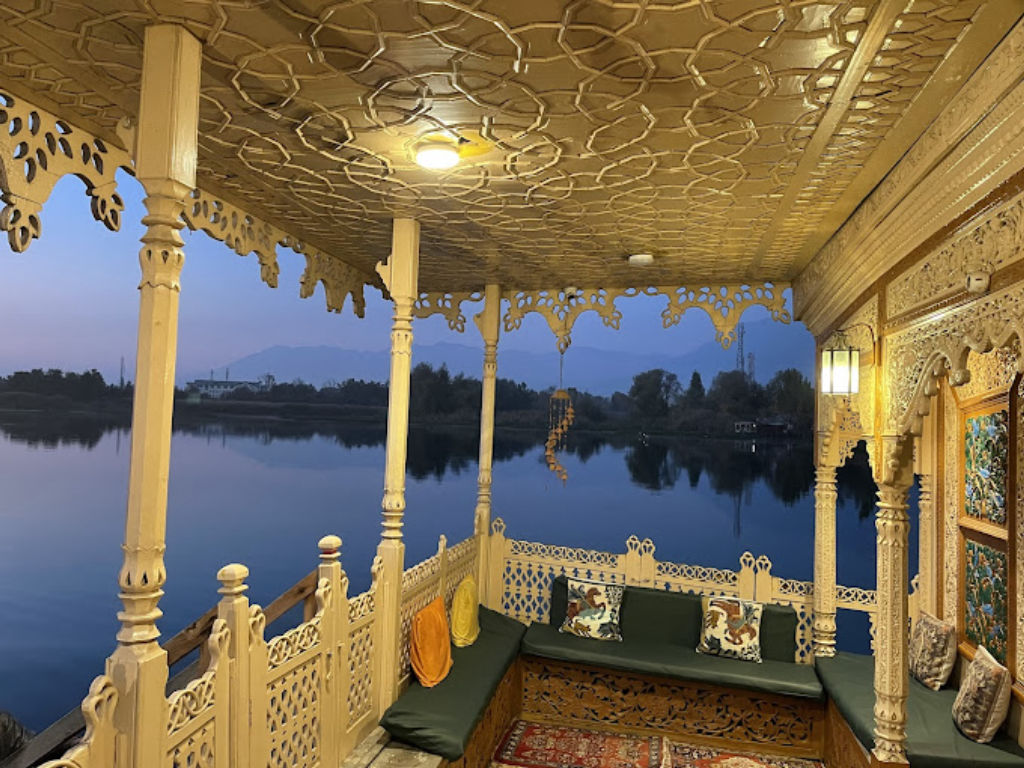
The town is easily reached by road via Chadoora from the regional transit centers in Srinagar. Roads wind through scenic countryside, but travel conditions can vary with the season, so checking current road status before departure is recommended. For places to rest, authentic camps, homestays and other stays nearby can be found on HireACamp, giving travellers a peaceful base close to the natural and cultural sights of the region.
Frequently asked questions
Who was Sheikh Noor-ud-din Noorani?
Sheikh Noor-ud-din Noorani, also known as Nund Rishi, was a revered fourteenth-century Sufi mystic and the founder of the Rishi order in Kashmir. He is considered the patron saint of the Kashmir Valley and is celebrated for his philosophical poetry emphasizing love, equality, and compassion.
What is the dress code for visiting the shrine at Charari Sharief?
Visitors must dress modestly with their shoulders and legs fully covered. It is customary to cover your head with a scarf or cap before entering the inner halls, and footwear must be removed at the courtyard entrances.
How can I reach Charari Sharief from Chadoora?
Charari Sharief is located close to Chadoora and is connected by local roads. Travelers can hire private taxis or use shared local transport from Chadoora to reach the hill town within a short drive.
What outdoor attractions are located near Charari Sharief?
Nearby outdoor destinations include the scenic Aharbal Waterfall, the mountain pass of Pir Ki Gali, the Romushi River, and the forested trails around the Hirpora Wildlife Sanctuary.
Does Charari Sharief get snowfall in the winter?
Yes, Charari Sharief experiences freezing winter conditions and regular snowfall between December and February, requiring visitors to carry heavy woollens and thermal clothing.
Where you'll be
Chadoora · 2 stays nearby shown with prices
Stays near Charari Sharief
Book a place to stay close by
More places near Charari Sharief
Within 20 km
Built from 0 Instagram posts by 0 creators. Every tip links back to the post it came from, and where creators disagree we show both sides.






