
DAL LAKE
Lake near Badgam, Jammu and Kashmir
5.7 km from Badgam
The nearest town, for stays, food and fuel.
Dal Lake is a sprawling freshwater lake located in Srinagar, the summer capital of Jammu and Kashmir. Framed by the peaks of the Zabarwan mountain range, it serves as the cultural and visual heart of the city. Travellers visit to experience life on the water, glide past floating gardens, and watch the changing light reflect across its calm channels.
Getting there
By road
- From BadgamNearest town43 min · 15 km
- From Amritsar8 hr 20 min · 414 km
Typical drive times without traffic. Stations and airports from OLA Maps; distances and typical drive times from OpenStreetMap (© OpenStreetMap contributors); notes from creators' Reels.
About DAL LAKE
Written with AI from map data and general knowledge. Check prices and timings locally before you go.
About Dal Lake
Dal Lake is often regarded as the defining geographic feature of Srinagar. Spanning several square kilometres and divided into interconnected basins such as Gagribal, Lokut Dal, and Bod Dal, the lake has been a central fixture of Kashmiri life for centuries. Along its perimeter runs Boulevard Road, which offers sweeping views of the water against the backdrop of snow-dusted mountains.
Unlike an isolated wilderness lake, Dal Lake is a lively, functioning ecosystem supporting residential hamlets, floating agricultural plots, and historic gardens along its shores. Wooden walkways, stone embankments, and traditional waterways weave through the water body, sustaining a unique lifestyle where boats serve as the primary mode of travel. Over the centuries, Mughal rulers recognised its beauty and built terraced gardens along its eastern shoreline, creating a classic Himalayan setting that remains largely unchanged in character.
Life and Culture on Dal Lake
A visit to Dal Lake offers a rare window into an amphibious way of living. Communities have inhabited parts of the lake for generations, building timber homes along narrow water channels. These neighbourhoods are interconnected by wooden bridges and accessible mainly by shallow flat-bottomed wooden boats known as shikaras.
One of the most notable features of the lake is its floating vegetable gardens, known locally as radh. Farmers weave aquatic vegetation and reeds together to create buoyant mats on which they cultivate crops such as tomatoes, cucumbers, melons, and water chestnuts. In the early morning hours, farmers and tradespeople converge on open water for floating vegetable markets, where transactions take place directly between boats. Throughout the day, mobile vendors row past with flowers, saffron, hand-carved walnut wood, and woven woollens, creating a dynamic floating marketplace.
Read more
Best Time to Visit Dal Lake
Dal Lake shifts in appearance and character with each passing season in the Kashmir Valley. Spring, stretching from April to May, brings pleasant weather and lush greenery along the shores, with fruit trees and flowerbeds bursting into bloom across the shoreline gardens. This is an excellent time for open boat rides and clear morning views of the surrounding hills.
Summer, spanning June through August, offers warm days and cool evenings, making it a popular escape from the intense heat of the northern Indian plains. During these months, the lake is at its most vibrant, with pink and white lotus blooms surfacing across the quieter channels.
Autumn arrives in October and November, turning the region into a palette of warm gold, amber, and rust as the iconic chinar trees along Boulevard Road shed their leaves. The air becomes crisp and the water mirror-like. Winter, from December to February, presents an entirely different face of the lake. Temperatures regularly drop below freezing, shrouding the lake in mist, frosting the boat canopies, and occasionally freezing parts of the surface, creating an atmospheric, snow-clad landscape.
How to Reach Dal Lake
Dal Lake is situated within Srinagar city, making it easily accessible once you arrive in the Kashmir Valley. Sheikh Ul-Alam International Airport in Srinagar is the main air gateway, receiving regular direct flights from major Indian hubs including Delhi, Mumbai, and Chandigarh. From the airport, local taxis and rental cars take travellers directly into the city and along Boulevard Road, typically taking under an hour depending on traffic.
For those travelling overland by rail, the nearest major railhead currently connected to the wider Indian railway network is Jammu Tawi, situated around 270 kilometres to the south. From Jammu, travellers can hire shared or private taxis or take state transport buses along the scenic National Highway 44 across the Banihal corridor into Srinagar. Once in the city, auto-rickshaws, city buses, and local cabs provide quick and frequent access to the various ghats and boat stations situated along Boulevard Road.
Places to Visit Around Dal Lake
Beyond the water's edge, the area surrounding Dal Lake is filled with cultural and natural landmarks. The eastern edge along Boulevard Road is lined with historic Mughal gardens, including Shalimar Bagh and Nishat Bagh, both laid out with stepped stone terraces, water channels, and ancient chinar trees facing the lake. High above the water on a craggy hill sits the Shankaracharya Temple, offering panoramic vistas of the lake and the entire Srinagar bowl.
For travellers interested in day trips and regional exploration, south-western Kashmir offers rugged scenery and alpine waters. Aharbal Waterfall, known for its powerful cascade over volcanic rock, and the historic Jamia Masjid in Shopian lie within driving range. High-altitude passes such as Pir Ki Gali on the Mughal Road provide dramatic viewpoints over the Pir Panjal range. Travellers seeking quiet nature can also plan excursions towards the high-altitude glacial tarns of the region, including Kharmarg Sar, Ainpat Sar, Gum Sar, and Magru Sar, or explore the dense birch and pine forests of the Hirpora Wildlife Sanctuary.
Tips for Visiting Dal Lake
When planning your time at Dal Lake, timing your outings can make a significant difference to your experience. Early mornings are typically the calmest time of day, with still waters that reflect the mountains and active floating markets that wind down before mid-morning. Late afternoons are equally rewarding, as the sunset bathes the Zabarwan range in warm golden tones.
Remember to carry appropriate clothing suited to the season. Even in the height of summer, evenings near the water can become cool, so a light jacket or shawl is advisable. During the autumn and winter months, heavy woollens, thermal base layers, and wind-resistant outer coats are essential to stay comfortable during boat rides. Bring cash in small denominations, as many small vendors on the water do not have reliable digital payment connectivity. Finally, always respect local customs and dress modestly when visiting lakeside shrines, heritage spots, and traditional neighbourhoods.
Where to Stay Near Dal Lake
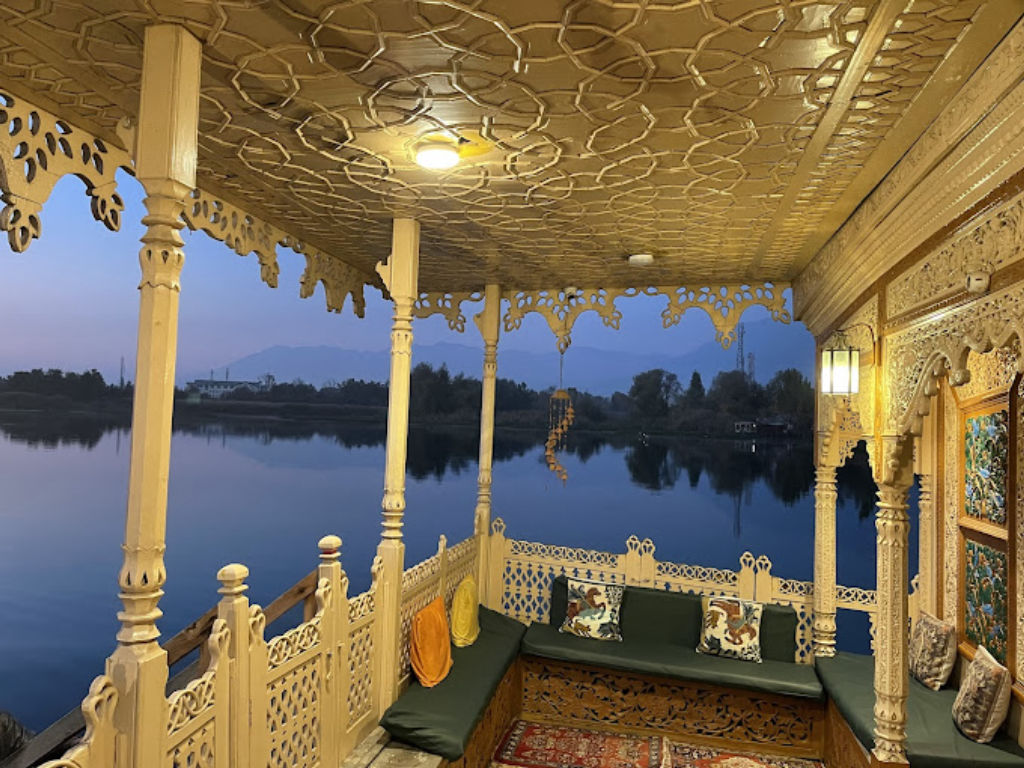
Staying near Dal Lake allows you to wake up to misty water views and the sound of distant oars slicing through the lake. Accommodation styles in the area range from heritage wooden houseboats permanently moored along the inner banks to comfortable homestays and boutique guesthouses nestled in the quiet lanes just behind Boulevard Road.
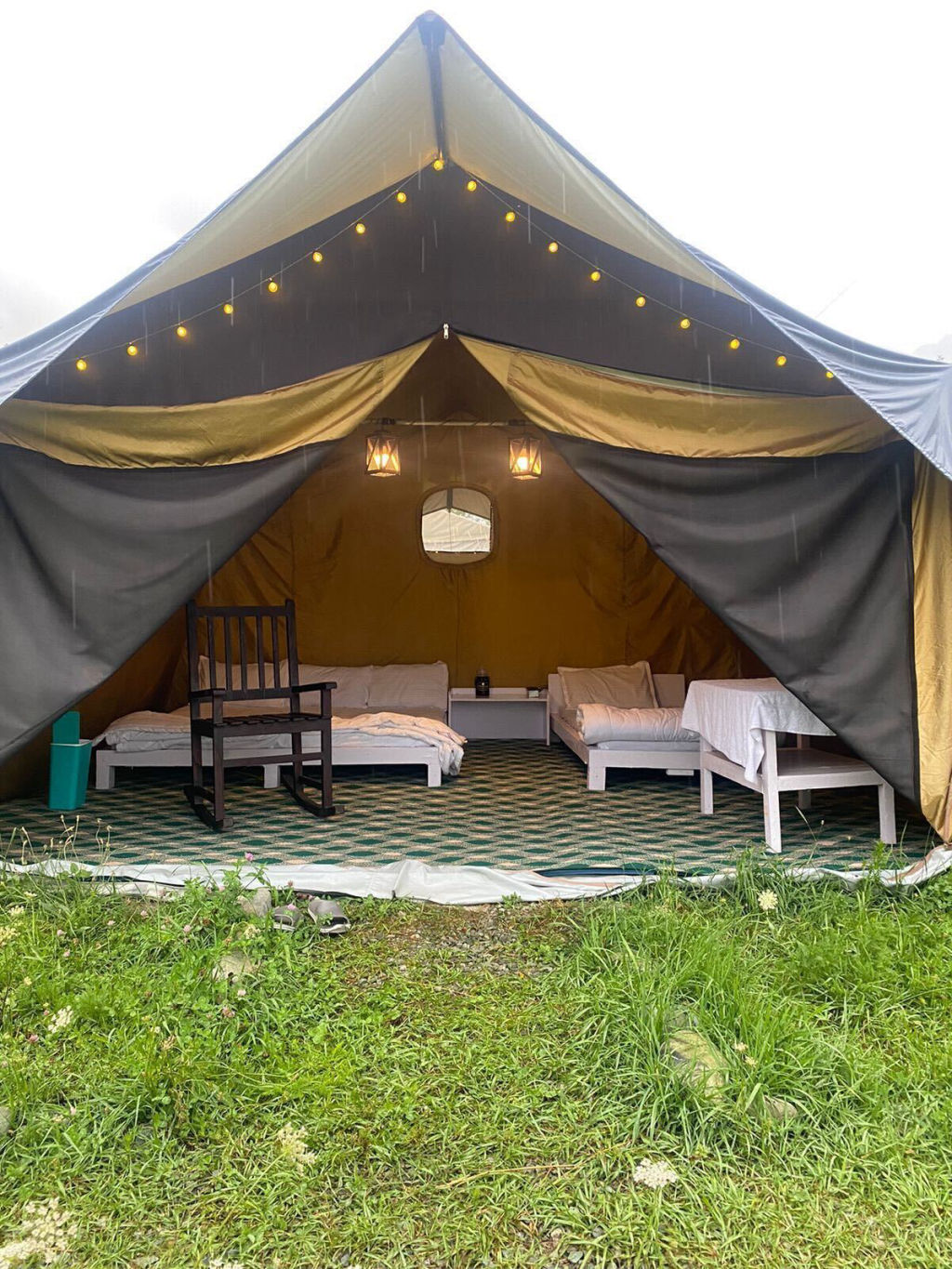
Houseboats feature carved cedarwood interiors, traditional Kashmiri carpets, and private verandas directly facing the lake, offering an immersive stay. For those who prefer to remain on solid ground, homestays in nearby residential sectors provide authentic local hospitality and home-cooked Kashmiri meals. Travellers looking to book curated stays, riverside camps, and verified homestays across Srinagar and the surrounding valleys can explore options on HireACamp.
Frequently asked questions
Where is Dal Lake located?
Dal Lake is located in Srinagar, the summer capital of Jammu and Kashmir, India, directly adjacent to Boulevard Road along the base of the Zabarwan mountain range.
Does Dal Lake freeze during winter?
During intense cold waves in January and February, sections of the lake's shallow waters and shoreline can freeze over, though the entire lake rarely freezes solid.
What is the best way to explore Dal Lake?
Taking a ride in a traditional wooden boat called a shikara is the classic way to explore the lake's open waters, floating gardens, and narrow inner channels.
When can you see the floating market on Dal Lake?
The floating vegetable market operates in the very early hours of the morning, usually wrapping up shortly after sunrise as vendors conclude their daily trades.
What are the radh on Dal Lake?
Radh are traditional floating gardens made from interwoven reeds and marsh vegetation, used by local farmers to grow vegetables such as tomatoes and cucumbers directly on the water.
Where you'll be
BOLEVARD ROAD, Srinagar · 2 stays nearby shown with prices
Stays near DAL LAKE
Book a place to stay close by
More places near DAL LAKE
Within 20 km
Built from 0 Instagram posts by 0 creators. Every tip links back to the post it came from, and where creators disagree we show both sides.






