
Chehni Kothi
Fort near Banjar, Himachal Pradesh
1.7 km from Banjar
The nearest town, for stays, food and fuel.
Chehni Kothi is a towering historic fort-temple built in the traditional Kath Kuni style, located in the village of Chehni near Banjar in Himachal Pradesh. Travellers make the uphill hike here to witness one of the tallest timber-and-stone structures in the Western Himalayas and take in quiet views of the surrounding valleys. Its centuries-old woodwork and serene village setting make it a significant heritage landmark in the Tirthan region.
Getting there
By road
- From BanjarNearest town10 min · 6.5 km
- From Chandigarh4 hr 45 min · 215 km
- From Ludhiana5 hr 15 min · 255 km
- From Amritsar7 hr 20 min · 366 km
Typical drive times without traffic. Stations and airports from OLA Maps; distances and typical drive times from OpenStreetMap (© OpenStreetMap contributors); notes from creators' Reels.
About Chehni Kothi
Written with AI from map data and general knowledge. Check prices and timings locally before you go.
The historic architecture of Chehni Kothi
Chehni Kothi stands as one of the most remarkable examples of indigenous Himalayan architecture in Himachal Pradesh. Built primarily out of interlocking deodar timber beams and dry stone blocks, the structure showcases the classic Kath Kuni technique. This ancient method involves stacking alternating layers of wood and stone without using any mortar or iron nails, a construction style engineered specifically to absorb and withstand seismic movement.
Originally functioning as a fortified watchtower and a defensive stronghold for local rulers, the tower once stood even taller than it does today. The catastrophic Kangra earthquake of 1905 caused damage to its uppermost stories, which were subsequently restored by local artisans. The tower's commanding presence in the village square reflects centuries of regional craftsmanship and serves as a vital reminder of how mountain communities built enduring structures suited to harsh climates and shifting terrain.
The hike to Chehni Kothi
Because Chehni village is not connected by a direct motorable highway, reaching Chehni Kothi requires an uphill walk along traditional footpaths. Most travellers begin their hike from the roadhead near the village of Bihar, following a scenic trail that climbs steadily through terraced apple orchards, clusters of wild flora, and thickets of deodar trees.
The walk generally takes between thirty and forty-five minutes at an easy pace. Along the way, you pass traditional Himachali homes constructed from wood and slate, where everyday agrarian life continues uninterrupted. As the trail approaches the top, the massive timber silhouette of Chehni Kothi comes into view against the backdrop of forested ridges and open mountain skies.
Read more
Best time to visit Chehni Kothi
Chehni Kothi can be visited across most of the year, with each season offering a distinctly different landscape. Spring, from March to May, brings pleasant daytime temperatures, clear valley views, and blooming fruit orchards across the walking trail. Summer offers mild weather that makes the uphill walk comfortable, especially compared to the warmer plains.
Autumn, from September to November, is considered by many to be the best time to explore the area. After the monsoon rains recede, the mountain air becomes exceptionally crisp and the skies remain clear, providing unobstructed views of the surrounding ranges and golden autumn foliage. Winter, from December to February, transforms the village and its forested approaches with cold weather and occasional snowfall. While snow gives the ancient wooden fortress a striking look, paths can become icy, so warm clothing and careful footing are essential. The monsoon months of July and August bring heavy rainfall to the Kullu district, making trails muddy and mountain roads prone to blockages, so travellers should check local weather updates before planning a walk during this time.
How to reach Chehni Kothi
The primary gateway for visiting Chehni Kothi is the market town of Banjar in the Kullu district. Banjar is well linked by road to major transport corridors in Himachal Pradesh, including routes originating from Mandi and the Aut tunnel along the main Chandigarh-Manali highway.
From Banjar, local transport and private taxis head up rural branch roads toward the village of Bihar. Once at the roadhead near Bihar, vehicular access ends. Visitors must then complete the journey on foot, following the well-worn stone trail that winds upward into Chehni village.
Places to visit near Chehni Kothi
The area around Banjar and the Seraj region is home to several scenic and cultural attractions that fit naturally into an extended travel plan. The nearby Tirthan Valley offers peaceful riverside trails, traditional hamlets, and easy access to the pristine wilderness of the Great Himalayan National Park, which protects rich temperate forests and alpine habitats.
Travellers interested in mountain vistas can make an excursion toward Jalori Pass, a high-altitude pass linking the Kullu and Shimla regions with panoramic viewpoints. Further afield, the village of Gadagushaini, the lush meadows of Shangarh valley, and the trails of Thachi Valley provide quiet day trips through rural landscapes. Historic regional temples such as the Shangchul Mahadev Temple and Shikari Devi Temple also offer insight into the deep-rooted spiritual traditions of the inner valleys.
Tips for your visit
Chehni Kothi is located in an inhabited, traditional village, so visitors are expected to maintain cultural decorum. The tower and surrounding shrines are sacred to the community, and entering the upper levels of the tower is generally restricted to local priests and village residents. Always follow local guidance, walk respectfully around religious monuments, and remove shoes where requested.
Wear comfortable footwear with reliable grip, as the path from the roadhead consists of stone steps and uneven dirt paths that can become slick when wet. Carry your own drinking water in reusable bottles, and be sure to carry all non-biodegradable waste back down with you to keep the village environment clean.
Where to stay near Chehni Kothi
Chehni village itself has minimal commercial infrastructure, which preserves its quiet rural setting. Most visitors choose to stay in the nearby town of Banjar or along the scenic corridors of the Tirthan Valley and Jibhi.
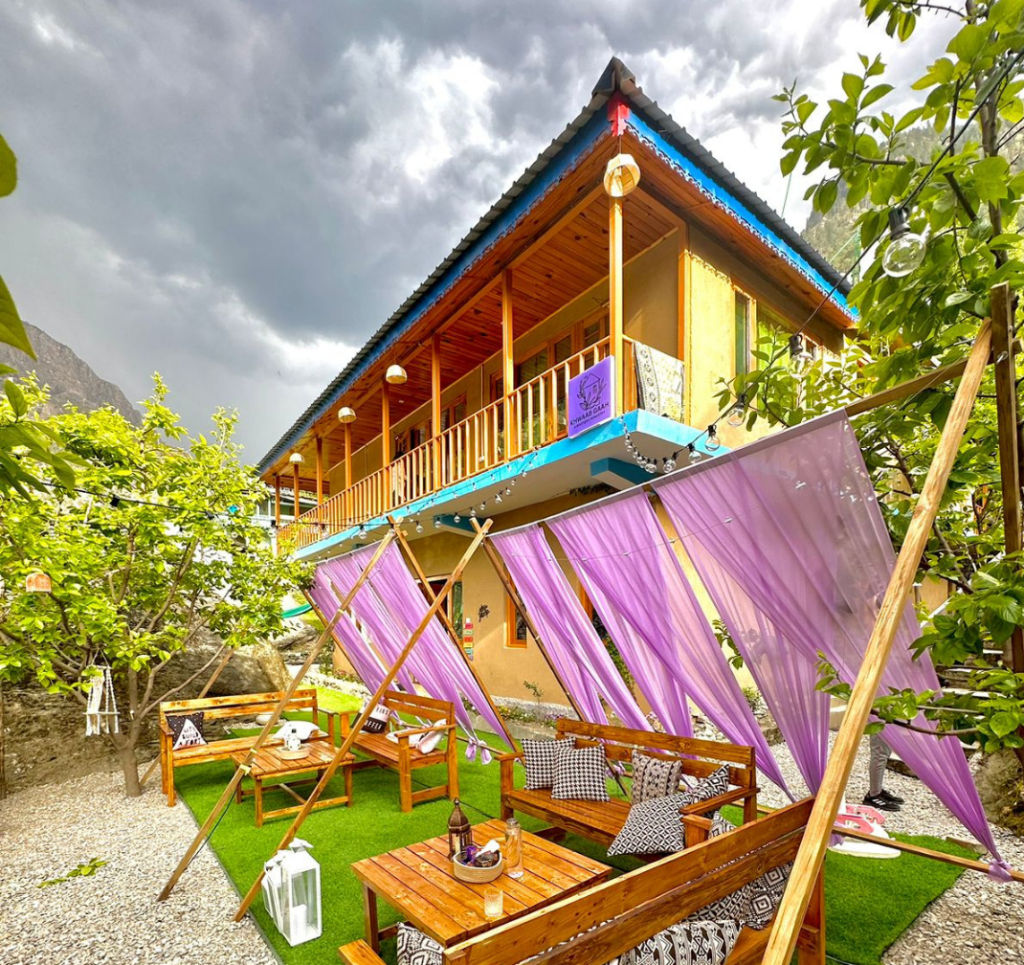
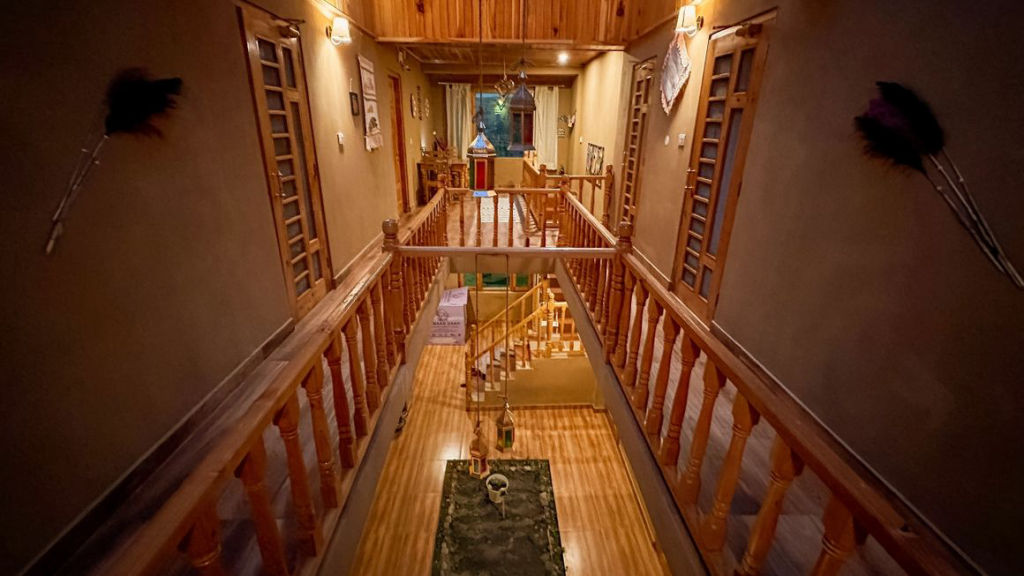
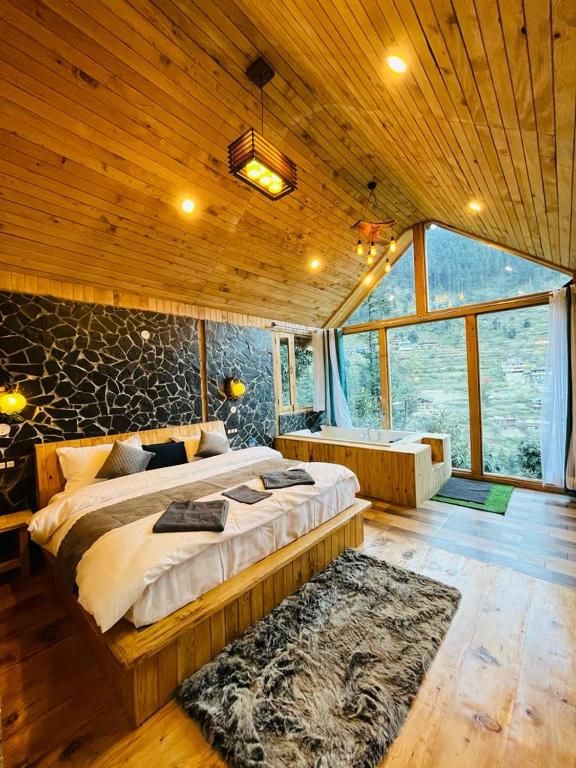
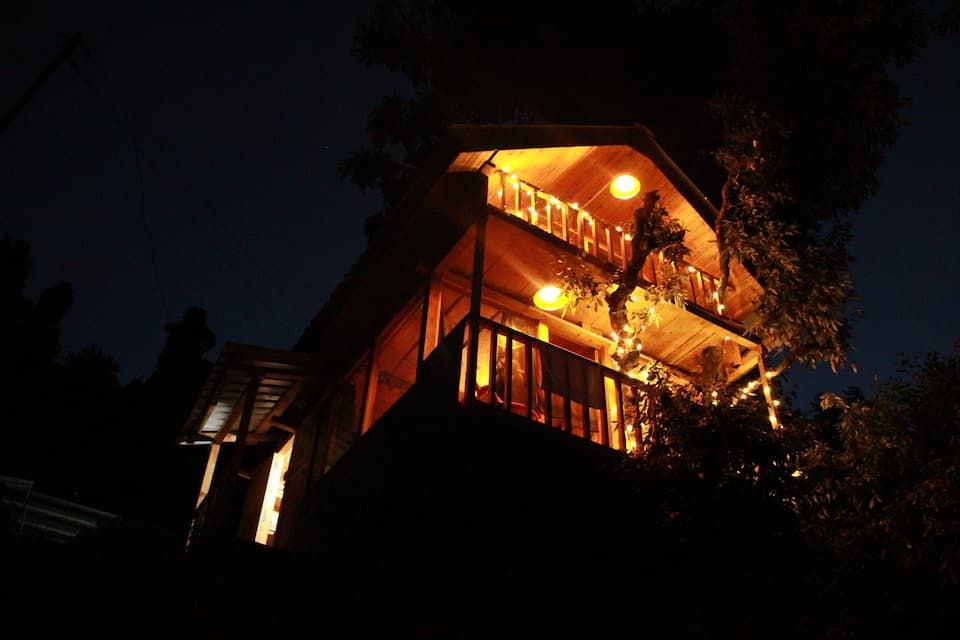
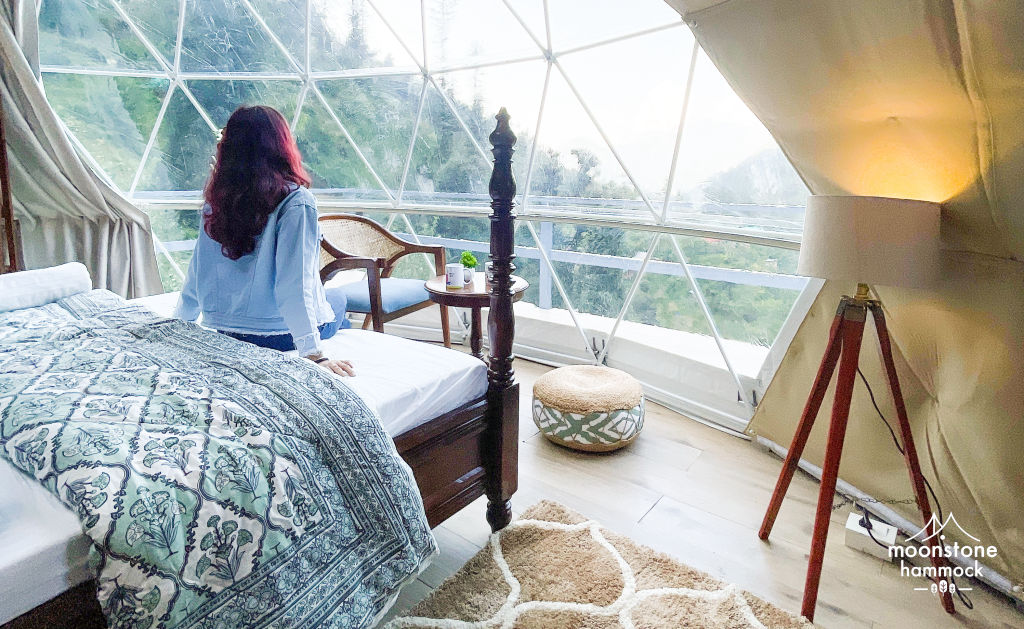
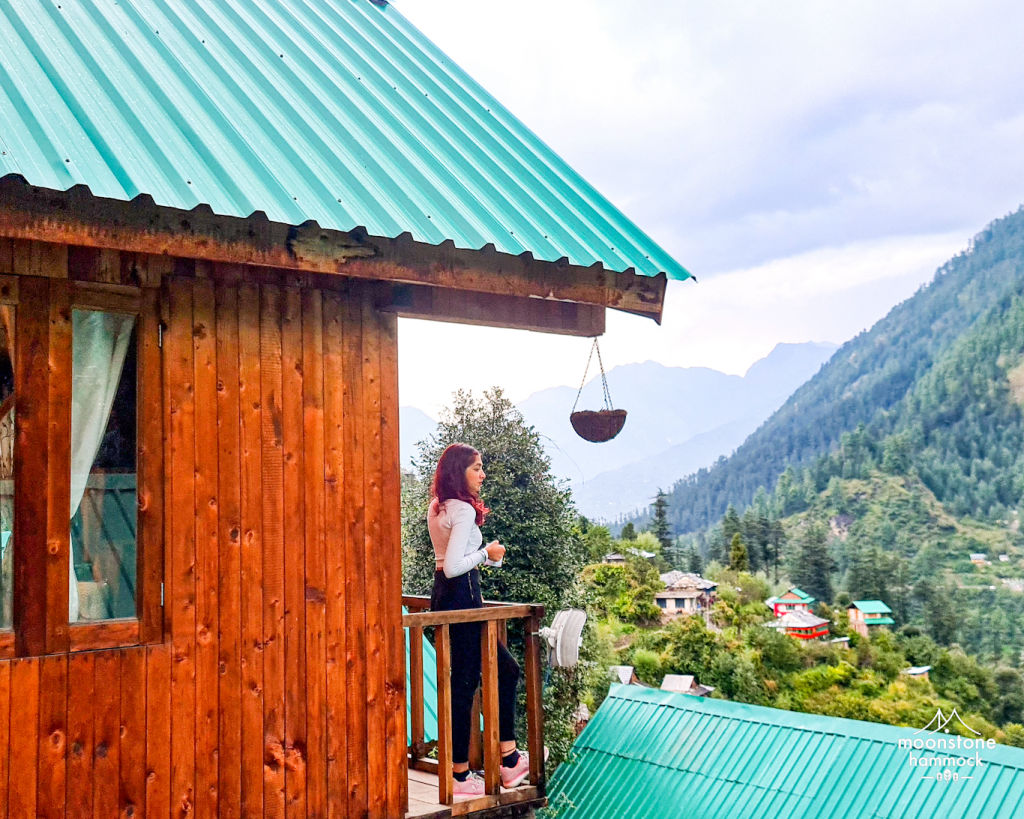
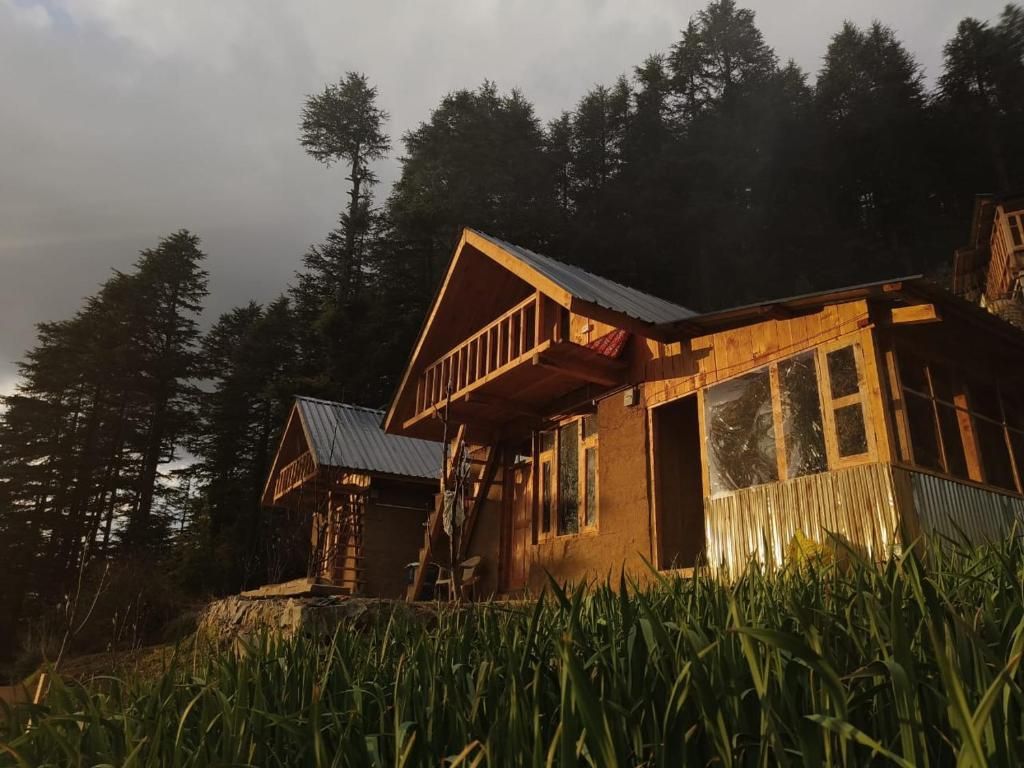
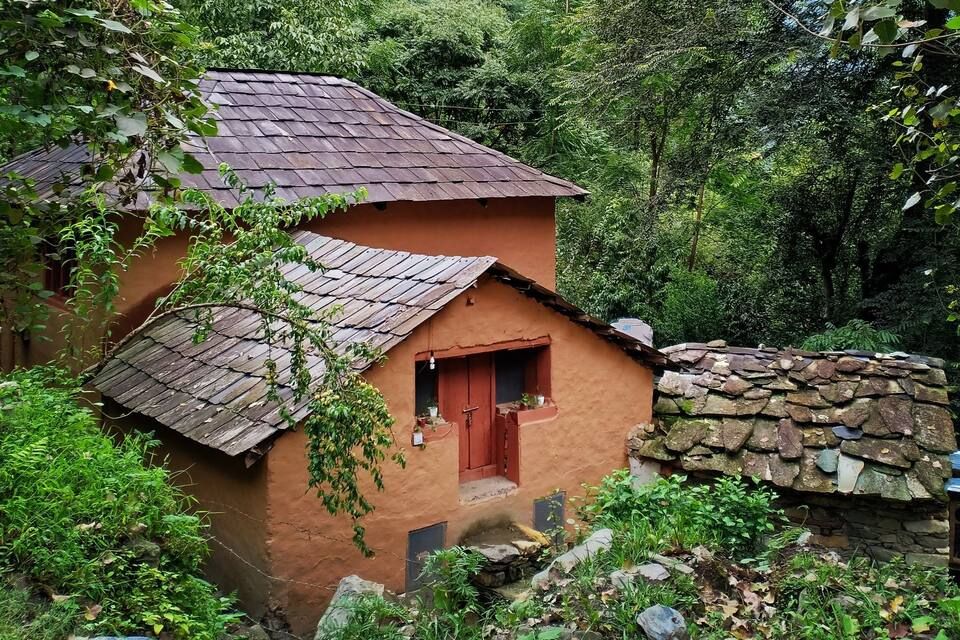
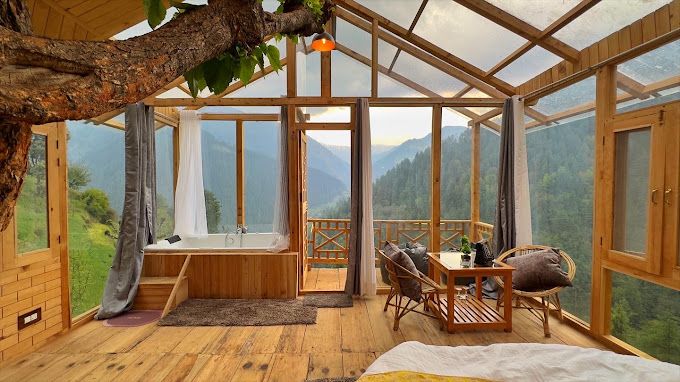
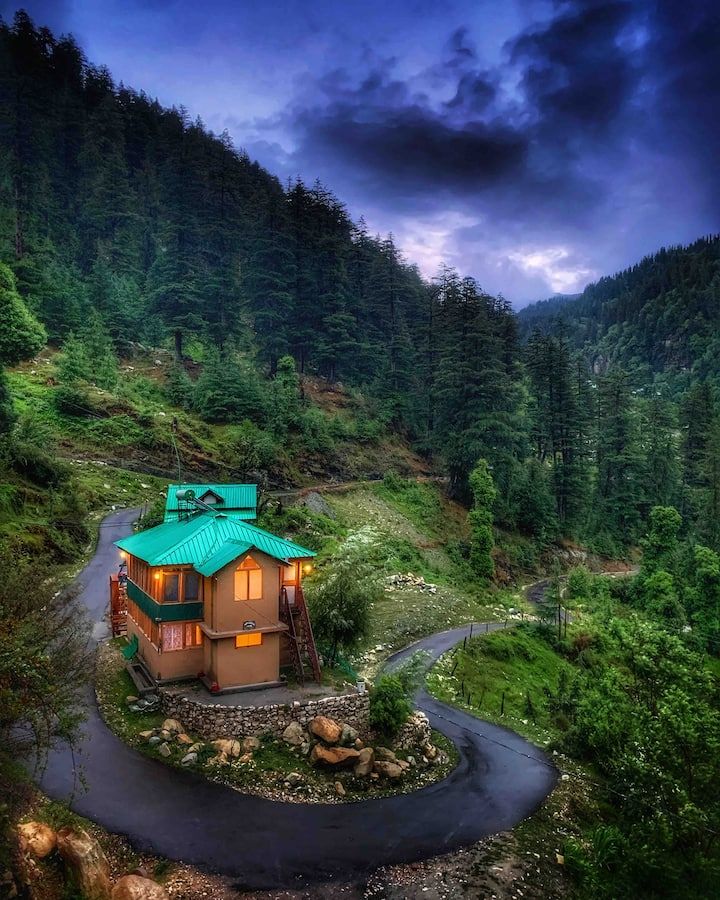
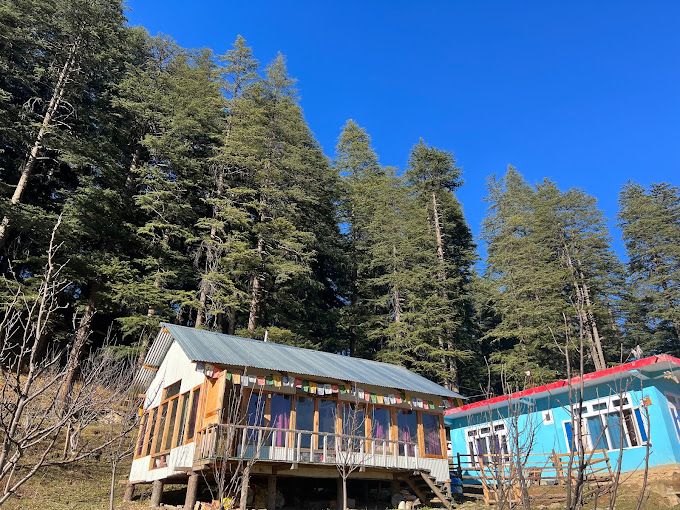
Accommodation options in the area range from riverside campsites and rustic wooden cottages to traditional Himachali homestays run by local families. You can find and book vetted camps, homestays, and outdoor getaways in the region on HireACamp to serve as a restful base for exploring Chehni Kothi and the surrounding valleys.
Frequently asked questions
Can you go inside Chehni Kothi?
Entry into the upper chambers of Chehni Kothi is generally prohibited for visitors to preserve the structural integrity of the ancient timber tower and respect local religious customs. You can, however, explore the village courtyard and admire the exterior woodwork up close.
How difficult is the hike to Chehni Kothi?
The walk from the roadhead near Bihar village is moderately easy and takes about 30 to 45 minutes along an uphill stone path. It is accessible for most people with basic walking fitness.
What is Kath Kuni architecture?
Kath Kuni is an indigenous Himalayan building method that alternates layers of interlocking deodar timber beams with dry stone masonry without the use of mortar or cement, creating an earthquake-resistant structure.
What is the closest town to Chehni Kothi?
The nearest commercial and transit hub is Banjar, located a short drive away in the Kullu district of Himachal Pradesh.
Is Chehni Kothi open during the winter?
The village can be visited during winter, though temperatures drop significantly and trails may be covered in snow between December and February. Travellers should carry warm layers and wear sturdy footwear.
Where you'll be
Vill. Bihar, Chehani, Banjar · 11 stays nearby shown with prices
Stays near Chehni Kothi
Book a place to stay close by
More places near Chehni Kothi
Within 20 km


Built from 0 Instagram posts by 0 creators. Every tip links back to the post it came from, and where creators disagree we show both sides.






