
Shringa Rishi Temple
Temple near Banjar, Himachal Pradesh
1.3 km from Banjar
The nearest town, for stays, food and fuel.
Shringa Rishi Temple is an ancient wooden shrine dedicated to Sage Shringi, the patron deity of Himachal Pradesh's Banjar valley. Located near Bagi village amidst apple orchards and deodar forests, it is famous for its intricate pagoda-style architecture and deep religious significance. Travellers visit to experience traditional mountain folklore, admire local woodwork, and soak in the serene atmosphere of the Kullu hills.
Getting there
By road
- From BanjarNearest town10 min · 6.5 km
- From Chandigarh4 hr 45 min · 215 km
- From Ludhiana5 hr 15 min · 255 km
- From Amritsar7 hr 20 min · 366 km
Typical drive times without traffic. Stations and airports from OLA Maps; distances and typical drive times from OpenStreetMap (© OpenStreetMap contributors); notes from creators' Reels.
About Shringa Rishi Temple
Written with AI from map data and general knowledge. Check prices and timings locally before you go.
About Shringa Rishi Temple
Perched along the quiet slopes of the Banjar valley, the Shringa Rishi Temple serves as the spiritual heart of the surrounding mountain hamlets. The temple honors Sage Shringi, an ancient ascetic from the epic Ramayana who is believed to have conducted the sacred Putrakameshti ritual for King Dasharatha, leading to the birth of Lord Rama and his brothers. In this part of Himachal Pradesh, Shringa Rishi is not merely a mythological figure but the guardian deity of the entire valley, actively revered by locals who consult him during important life decisions, seasonal sowings, and village celebrations.
The shrine sits near Bagi village, surrounded by towering deodar trees and terraced apple orchards. Unlike large commercial pilgrimage centers, it maintains an intimate, community-centered atmosphere where visitors can witness authentic mountain traditions. During regional festivities such as the grand Kullu Dussehra and local village fairs, the deity is carried in a richly adorned wooden palanquin accompanied by traditional drummers and trumpeters. Spending time here allows travelers to gain a meaningful look into Himachal Pradesh's living devta culture, where daily village existence remains closely linked with sacred traditions.
Architecture of the temple
The architecture of Shringa Rishi Temple is a striking example of indigenous Himachali craftsmanship, blending the region's traditional Kath-Kuni engineering with a multi-tiered pagoda roof. Built primarily using native cedar timber and dry stone, the structure reflects an ancient method of interlocking wood and stone that provides natural flexibility and strength against harsh Himalayan weather and earthquakes.
The balconies, doorframes, and outer walls feature delicate hand-carved panels depicting regional deities, floral patterns, geometric motifs, and scenes from epic lore. Sloping roofs clad in dark stone slates rise upward across distinct levels, topped by a slender decorative wooden finial. The temple rests on a high stone platform that gives it a commanding presence over the village square while blending seamlessly into the wooded hillside. Walking around the courtyard reveals the remarkable skill of local artisans, from brass hanging bells to weathered wooden beams that have endured centuries of mountain winters.
Read more
Best time to visit Shringa Rishi Temple
The temple can be visited across all four seasons, each bringing its own distinct atmosphere to the valley. Spring and summer, spanning from April to June, are widely considered the most comfortable months to explore. Daytime temperatures remain pleasant, wild blooms dot the meadows, and the apple trees in nearby orchards are in full blossom, making this an ideal window for leisurely sightseeing and village walks.
Monsoon arrives between July and August, wrapping the surrounding hills in deep greenery and shifting mountain mists. While the scenery is lush and quiet, heavy rainfall in Himachal Pradesh can trigger occasional landslides and slippery road conditions, so travelers visiting during these months should plan journeys with care. Autumn, from September through November, offers clear blue skies, crisp mountain air, and golden harvest views across terraced fields.
Winter, lasting from December to February, transforms the valley into a cold and quiet retreat. Periodic snowfall coats the pagoda roof and surrounding cedar branches in white. While winter requires warm clothing and cautious driving over frosty roads, it provides an unforgettable, serene mountain experience for those who appreciate snowy landscapes.
How to reach Shringa Rishi Temple
Shringa Rishi Temple is situated near Bagi village in the Banjar sub-division of Kullu district. Travelers driving from Delhi, Chandigarh, or neighboring regions follow the national highway toward Kullu and Manali. Shortly before reaching the Aut tunnel, a road branches eastward toward Banjar and the Tirthan Valley, tracing the path of rushing mountain streams through steep, forested gorges.
From the town of Banjar, a scenic village road winds up toward Bagi and Jibhi. The temple is reached by turning off toward the village road, where visitors typically park and continue the final few hundred meters on foot. This short walk leads up paved village paths and stone steps past traditional wooden homes and livestock sheds. For travelers using public transport, regular long-distance buses connect major northern cities to Aut, from where local buses and shared taxis run to Banjar and Bagi. The closest airport is at Bhuntar near Kullu, while the nearest major railway hubs are in Chandigarh and Kalka.
Places to visit nearby
A visit to Shringa Rishi Temple easily combines with several notable outdoor and cultural destinations across the Banjar valley. A popular trail from the temple leads to Chehni Kothar, a monumental defensive tower built of dry stone and timber that stands among the tallest indigenous architectural structures in the Western Himalayas. The hike passes through quiet hamlets and terraced fields, offering expansive views across the valley.
Further up the main road lies Jalori Pass, a scenic high-altitude crossing that connects Kullu to the Shimla hills. From the pass, travelers can hike along forested trails to the pristine waters of Serolsar Lake or toward the panoramic hilltop ruins of Raghupur Fort. Downhill along the valley floor, the clear waters of the Tirthan River offer peaceful walking paths and access to the Great Himalayan National Park, a UNESCO World Heritage Site known for untouched subalpine forests and rich wildlife. Travelers with extra days can also explore the gentle village of Gadagushaini or the open meadows of Shangarh.
Tips for your visit
Because Shringa Rishi Temple is an active place of local worship, maintaining respect for customs is essential. Dress conservatively by keeping shoulders and knees covered when entering the temple precincts. Visitors must remove their shoes and any leather items before stepping onto the sacred wooden deck and the inner shrine areas.
Always ask for permission before taking photographs, especially if rituals are taking place or if you wish to photograph the inner sanctum. The approach from the road involves climbing stone steps and navigating uneven paths, so wearing sturdy, comfortable walking shoes is strongly recommended. Mountain temperatures can drop quickly once the sun goes behind the ridges, so carry a light jacket even during warmer months, and carry all personal trash back to keep the village clean.
Where to stay
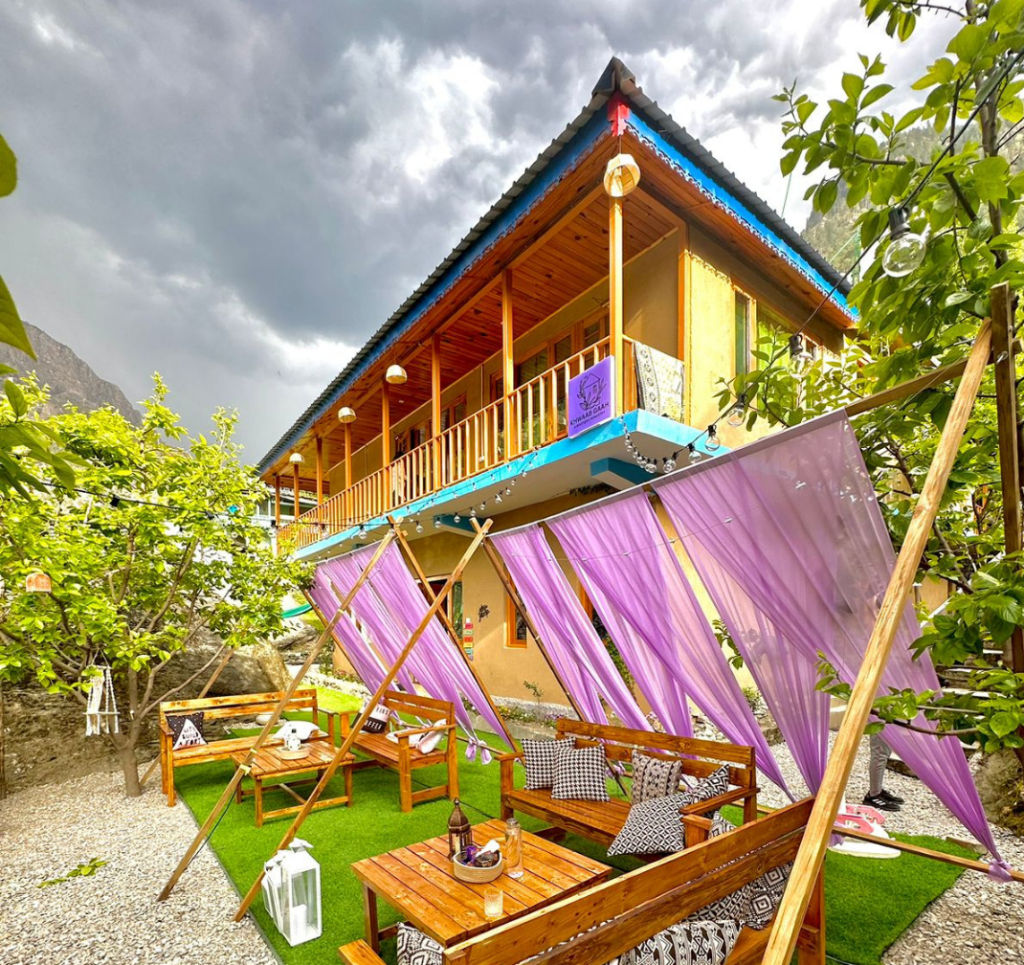
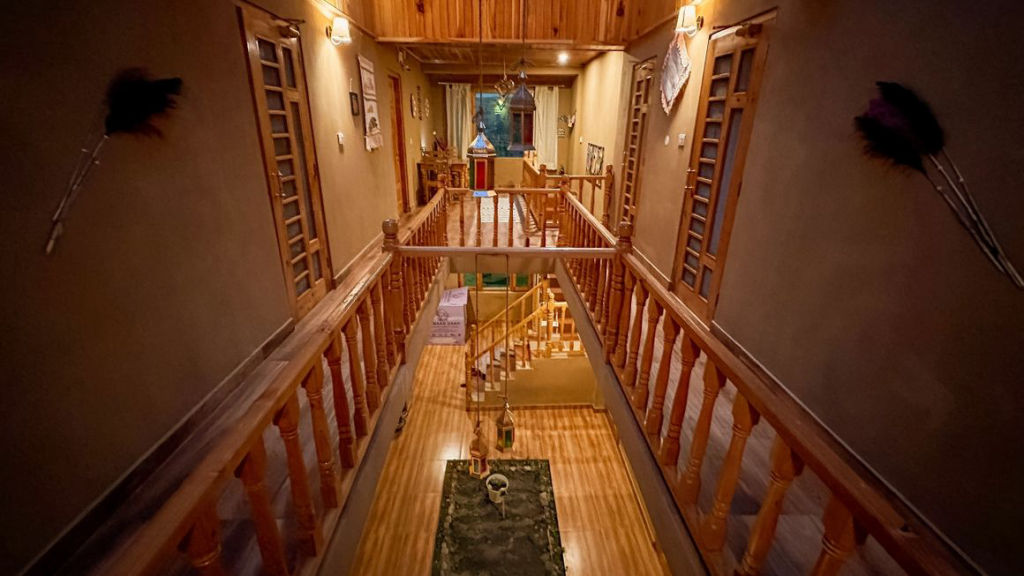
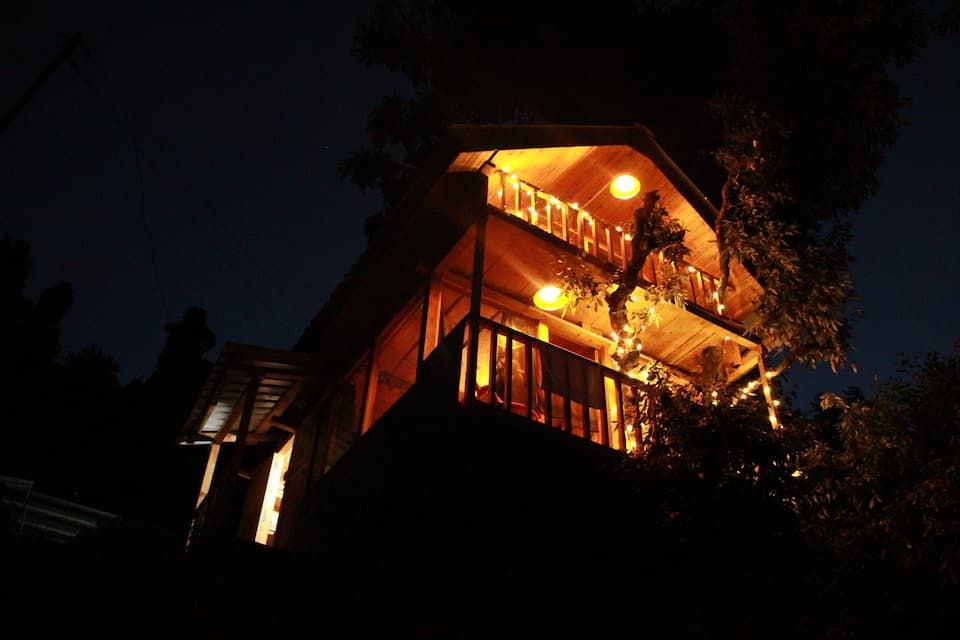
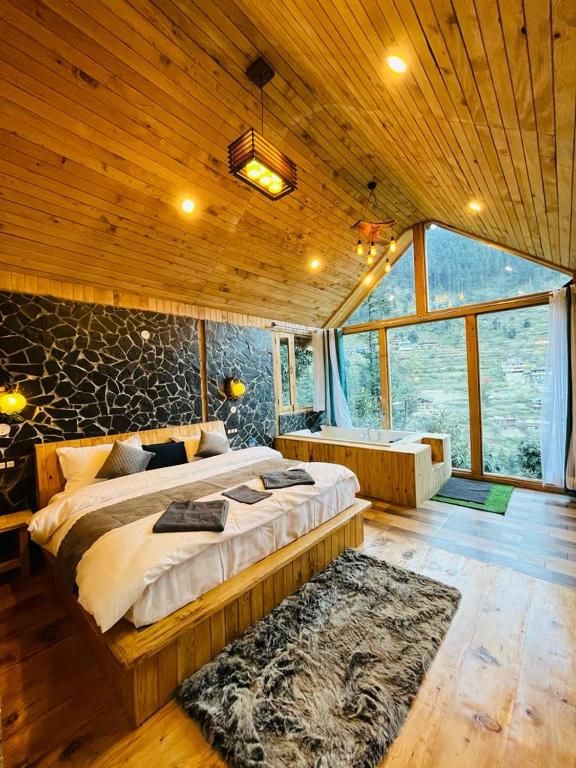
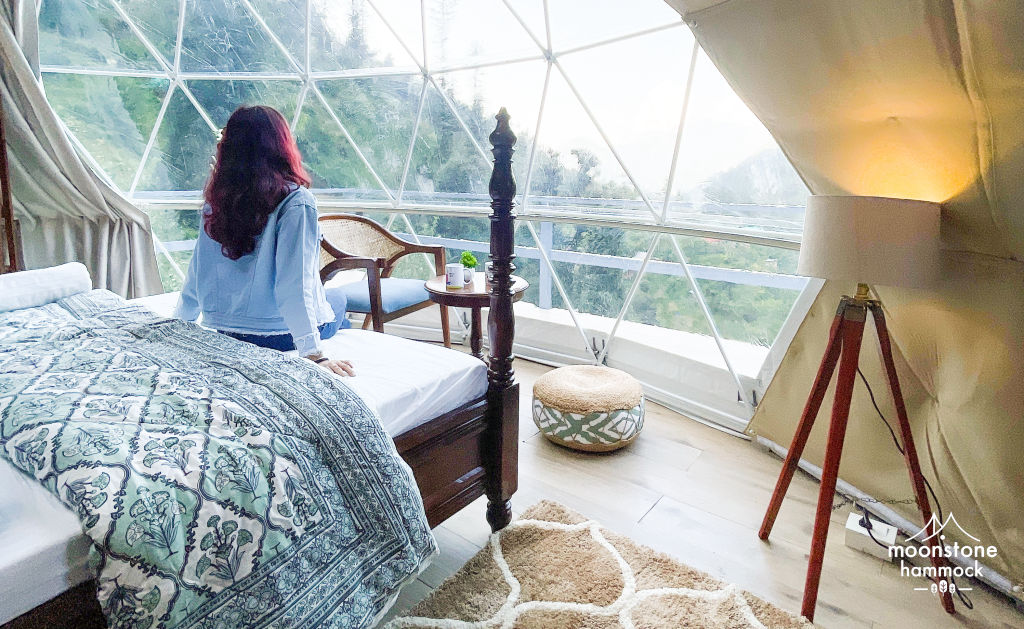
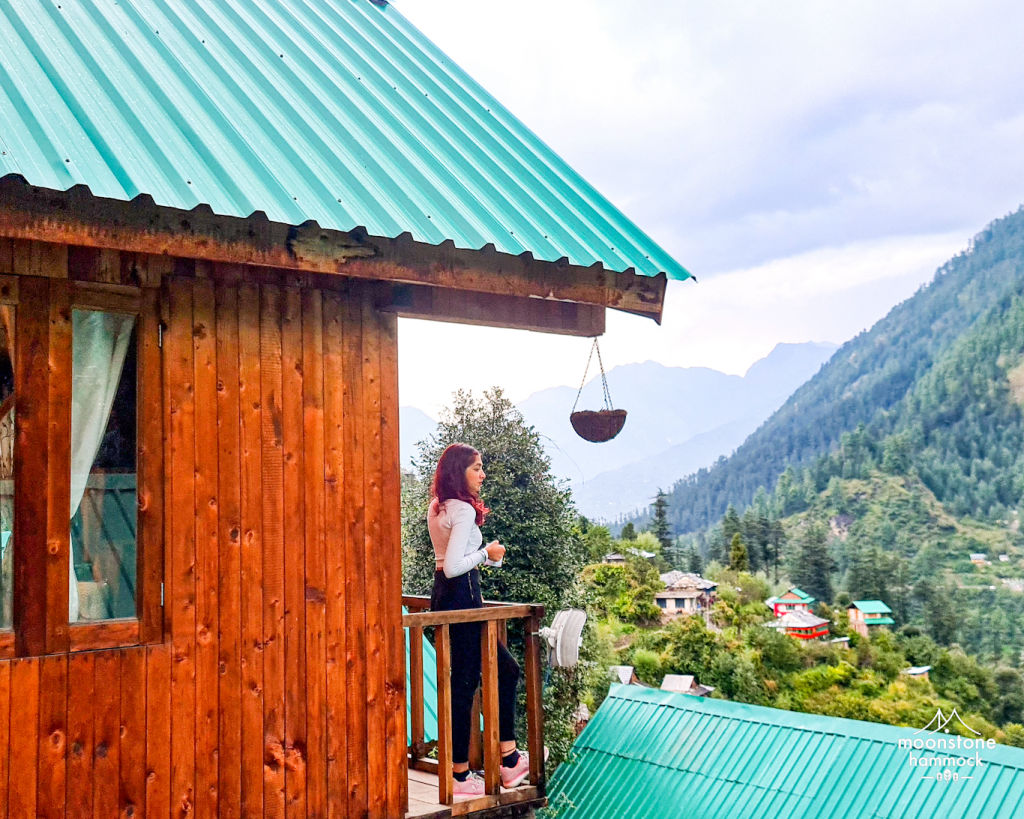
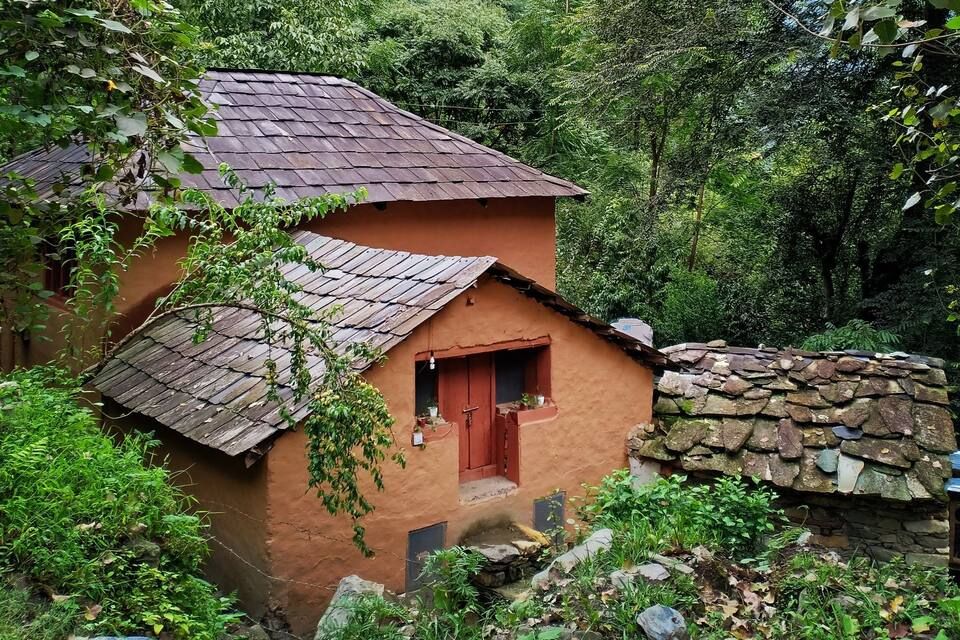
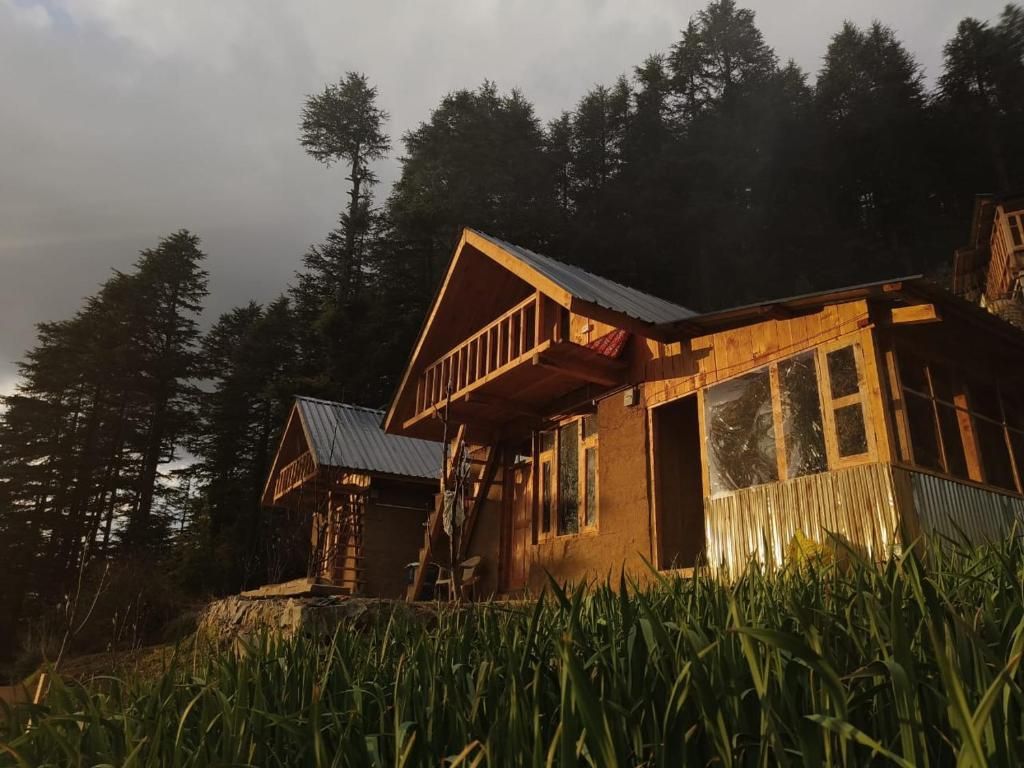
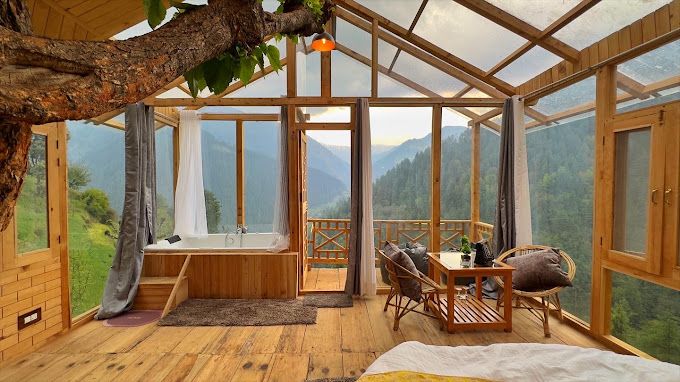
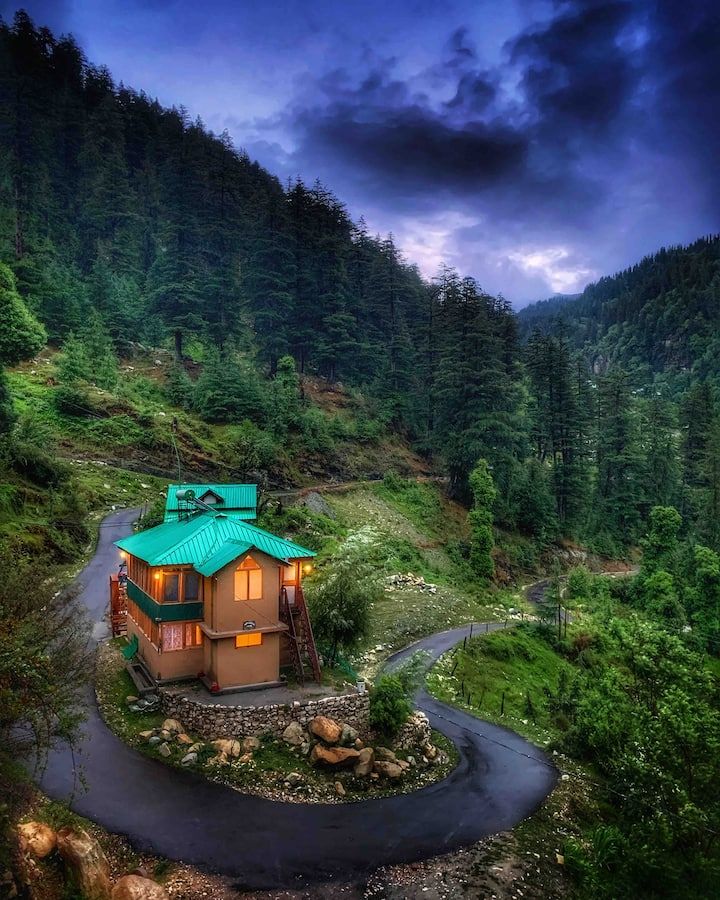
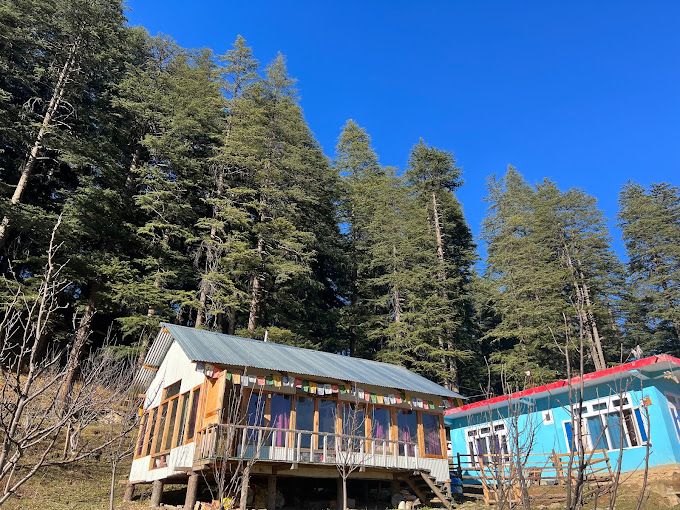
The Banjar valley and the neighboring hamlets around Bagi and Jibhi offer a wide variety of welcoming stays for travelers. Options range from traditional timber homestays that allow you to experience local village life to quiet riverside cottages and outdoor camps nestled beside cedar groves. Staying nearby provides easy access to the temple while giving you a chance to enjoy home-cooked regional meals and calm mountain evenings. You can find and book verified homestays, nature retreats, and outdoor camps across the Banjar area on HireACamp.
Frequently asked questions
Where is Shringa Rishi Temple located?
Shringa Rishi Temple is located in Bagi village near the town of Banjar in the Kullu district of Himachal Pradesh.
Who is the deity worshiped at the temple?
The temple is dedicated to Sage Shringi, a revered ascetic from the Ramayana who is worshipped as the principal guardian deity of the Banjar valley.
What architectural style is the temple built in?
The temple features traditional Himachali Kath-Kuni construction, combining dry stone and cedar wood with an elaborate multi-tiered pagoda-style slate roof.
Can I visit Shringa Rishi Temple in winter?
Yes, the temple remains accessible in winter, though heavy snowfall in December and January can make the trails and roads icy, requiring warm clothes and careful driving.
What other sights can I see near the temple?
Nearby sights include the towering Chehni Kothar fort, the scenic Jalori Pass, the Tirthan Valley, and the walking trails near Serolsar Lake.
Where you'll be
Banjar · 11 stays nearby shown with prices
Stays near Shringa Rishi Temple
Book a place to stay close by
More places near Shringa Rishi Temple
Within 20 km


Built from 0 Instagram posts by 0 creators. Every tip links back to the post it came from, and where creators disagree we show both sides.






