
Kaas plateau
Park near Kas, Maharashtra
2 posts · 6 sourced tips
Guide from 2 posts by 2 creators
@desicoupleonroll, @travelers_favourite
1.8 km from Kas
The nearest town, for stays, food and fuel.
Loved by 2 creators
2 posts on Instagram.
Visiting Kaas Plateau: Blooming Season, Entry, and Route Details
Kaas Plateau is known for its seasonal wildflower blooms between August and October. Reports on travel distance from Pune vary among visitors, and entry permits can be booked online.
Good to know
Tips from creators' posts. Each one links to its source.
Getting There
Best Time to Visit
The plateau's wildflowers bloom during the monsoon season between August and October, covering the landscape in colorful blossoms.
Confirmed by 2 creatorsSource
Costs and Booking
Entry tickets are reported at ₹200 per person and can be booked online through Kas.ind.in.
Reported by @desicoupleonrollSource
Getting there
By road
- From KasNearest town8 min · 4.3 km
- From Kelavali50 min · 22 km
- From Pune2 hr 55 min · 136 km
- From Mumbai 5 hr · 276 km
By train, bus or air
- Wai Bus DepotNearest bus stand1 hr 45 min · 59 km
- Panchgani Air SafariNearest airport1 hr 30 min · 49 km
The last stretch
- Entry tickets cost ₹200 per person and can be booked online at Kas.ind.in.
- The plateau is covered with colorful wildflowers during the monsoon blooming season.
Typical drive times without traffic. Stations and airports from OLA Maps; distances and typical drive times from OLA Maps and OpenStreetMap (© OpenStreetMap contributors); notes from creators' Reels.
About Kaas plateau
Written with AI from creators' posts and map data. Check prices and timings locally before you go.
Understanding Kaas Plateau and Its Ecosystem
Kaas Plateau is a high-altitude volcanic laterite plateau perched high above the Sahyadri ranges near the town of Satara. Formed from ancient basaltic rock overlaid with a thin layer of soil, this distinctive landscape belongs to the ecologically fragile Western Ghats. For much of the year, the plateau appears rugged, weathered, and open to the elements, showing little sign of the dramatic metamorphosis that takes place during the annual monsoon rains.
When the monsoon arrives, rainwater pools in natural depressions across the rocky ground, activating dormant seeds and root systems buried within the shallow earth. Over a matter of weeks, hundreds of species of wild herbs, grasses, orchids, and insectivorous plants awaken in synchrony. The plateau serves as a natural habitat for numerous endemic plant species that survive nowhere else, creating a fragile micro-ecosystem that thrives briefly before vanishing until the following rainy season.
The Blooming Season and Best Time to Visit Kaas Plateau
The ideal window to visit Kaas Plateau is during the late monsoon and post-monsoon period, spanning from August to October. The precise timing of the blooming cycle depends closely on the arrival and intensity of the monsoon rains, with the most vibrant flowering displays typically occurring between late August and late September.
What makes visiting Kaas Plateau particularly captivating is that the landscape does not stay the same from week to week. Different varieties of wildflowers blossom in overlapping stages across the season. Early in the season, delicate yellow and white blooms tend to dominate the meadows, followed by waves of vibrant purples, pinks, and blues as different species come into full flower. Cool breezes, drifting mist, and overcast skies create pleasant weather for exploring on foot, though visitors should always be prepared for passing monsoon showers.
Read more
How to Reach Kaas Plateau
Kaas Plateau is conveniently reached by road from major cities in Maharashtra, with the historic city of Satara serving as the principal transit gateway. Satara is well connected by road and rail, and from the town center, a scenic ghat road winds upward into the hills toward the plateau rim.
Travelers driving from Pune can expect a road distance of approximately 135 kilometers, which usually takes around 3 hours under traffic-free conditions, although reported driving distances can vary between 125 kilometers and 230 kilometers depending on the specific highway route or scenic detours selected. From Mumbai, the drive spans roughly 276 kilometers and generally takes about 5 hours. Those arriving from Nashik face an overland journey of roughly 355 kilometers, requiring around 7 hours and 30 minutes of travel time. The roads through the hills feature several sharp curves and climbing sections, so careful driving is advised, especially during misty or rain-slicked monsoon conditions.
Booking and Entry Regulations for Kaas Plateau
Due to the biological significance and delicate nature of the plateau, access is regulated to minimize human impact on the floral beds. Visitors are required to book entry permits prior to arriving, as tourist numbers are capped on peak dates to prevent overcrowding. Entry tickets are reported at ₹200 per person and can be booked online through the official portal at Kas.ind.in.
The authorities set up marked pathways and barricades to steer foot traffic along designated routes. It is critical that visitors stay strictly on these paths throughout their walk. Stepping into the floral patches or sitting on the vegetation compacts the shallow layer of soil and crushes delicate seedlings, threatening subsequent blooming cycles. Littering is strictly prohibited across the entire area, so all visitors should carry back any waste they generate.
Places to Visit Near Kaas Plateau
A trip to Kaas Plateau can easily be paired with several natural landmarks and historical forts in the surrounding Satara district. One of the most popular nearby stops is Thoseghar Waterfall, situated about 14 kilometers away, which translates to roughly a one-hour drive through the hilly landscape. During the monsoon, Thoseghar roars through a deep green gorge with dramatic force, making it an ideal companion excursion.
Just 12 kilometers away lies the Urmodi Dam View Point, which offers broad perspectives over the reservoir backwaters and surrounding hills. History enthusiasts can explore Sajjangad Fort, located about 13 kilometers from the plateau, a revered hilltop stronghold with sweeping valley views. Further afield in the region, travelers can visit Table Land at Panchgani roughly 23 kilometers away, the rugged bastions of Kamalgad Fort and peaceful Dhom Lake approximately 29 kilometers away, or Kenjalgad Fort situated about 35 kilometers out.
Tips for Visiting Kaas Plateau
Visiting an open plateau during or immediately after the monsoon requires thoughtful preparation. Footwear is especially important, as the rocky trails can be slippery and wet; choose sturdy, water-resistant walking shoes with reliable grip. Carrying an umbrella, lightweight rain poncho, and waterproof protection for cameras and phones will keep you comfortable when sudden downpours sweep across the plateau.
Plan to arrive early in the morning on weekdays if your schedule allows. Weekend crowds can be substantial during peak flowering weeks, and arriving early allows you to experience the blooms in peaceful conditions before mist lifts or daytime heat sets in. Carry your own drinking water in reusable bottles and light snacks, as commercial food stalls are not permitted within the protected core area.
Where to Stay Near Kaas Plateau
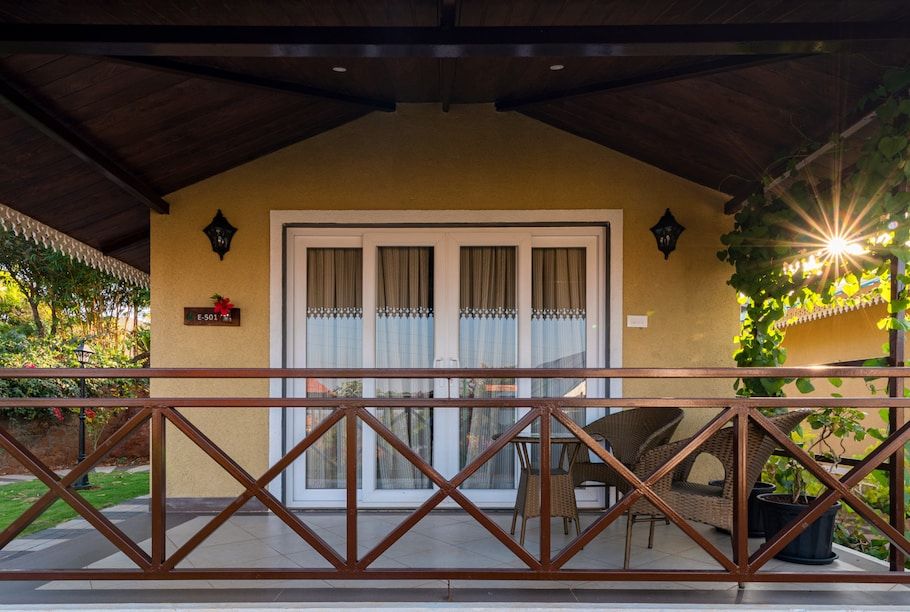
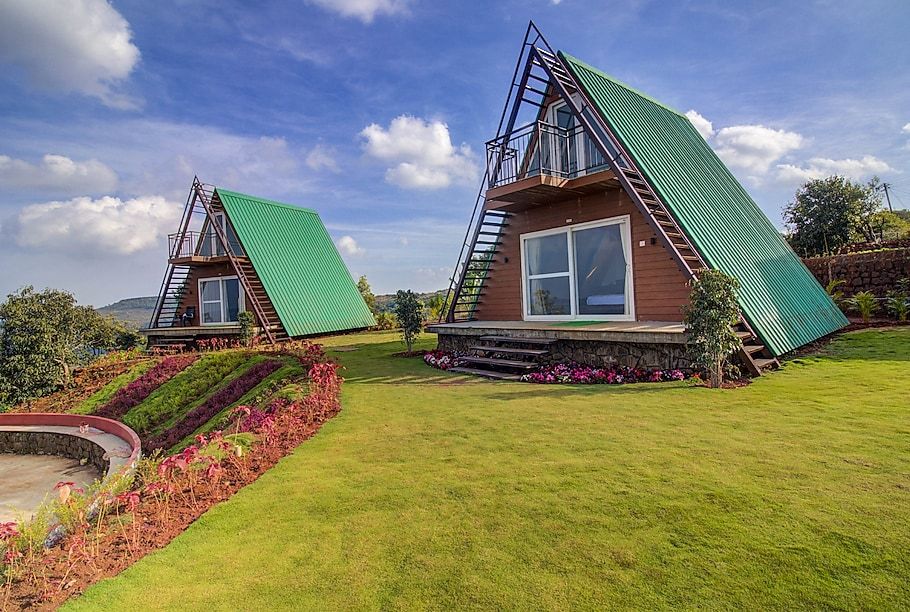
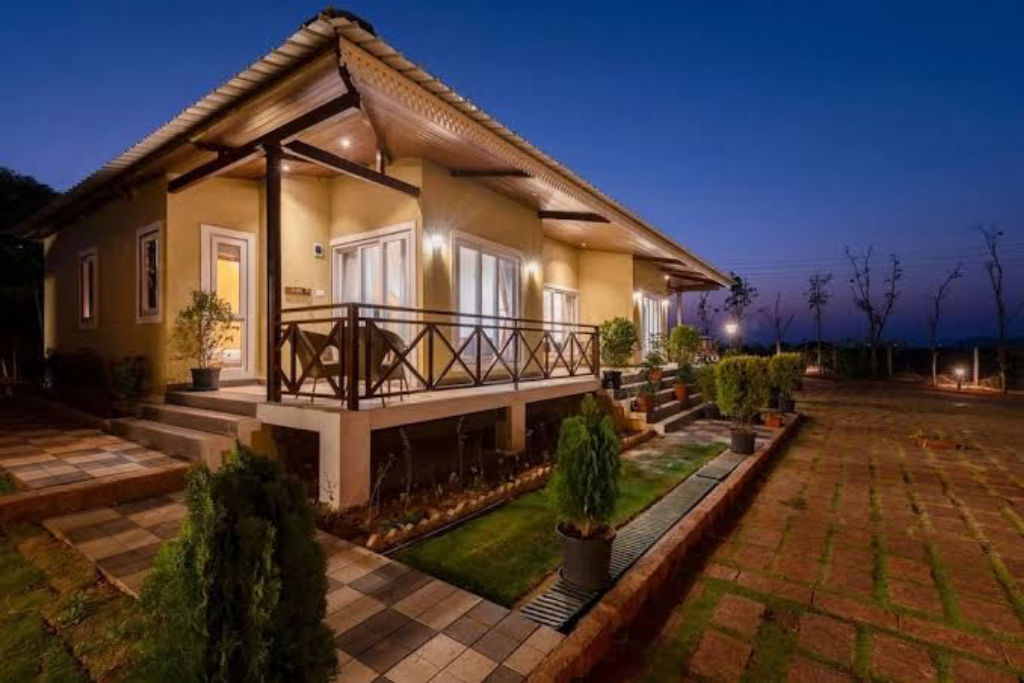
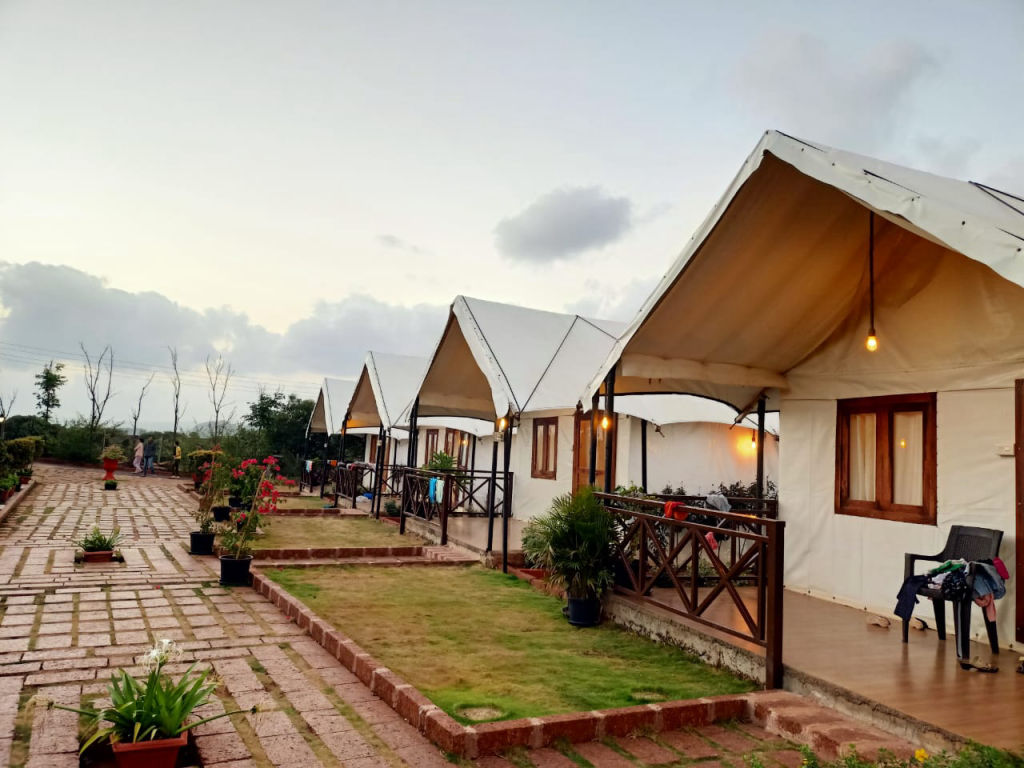
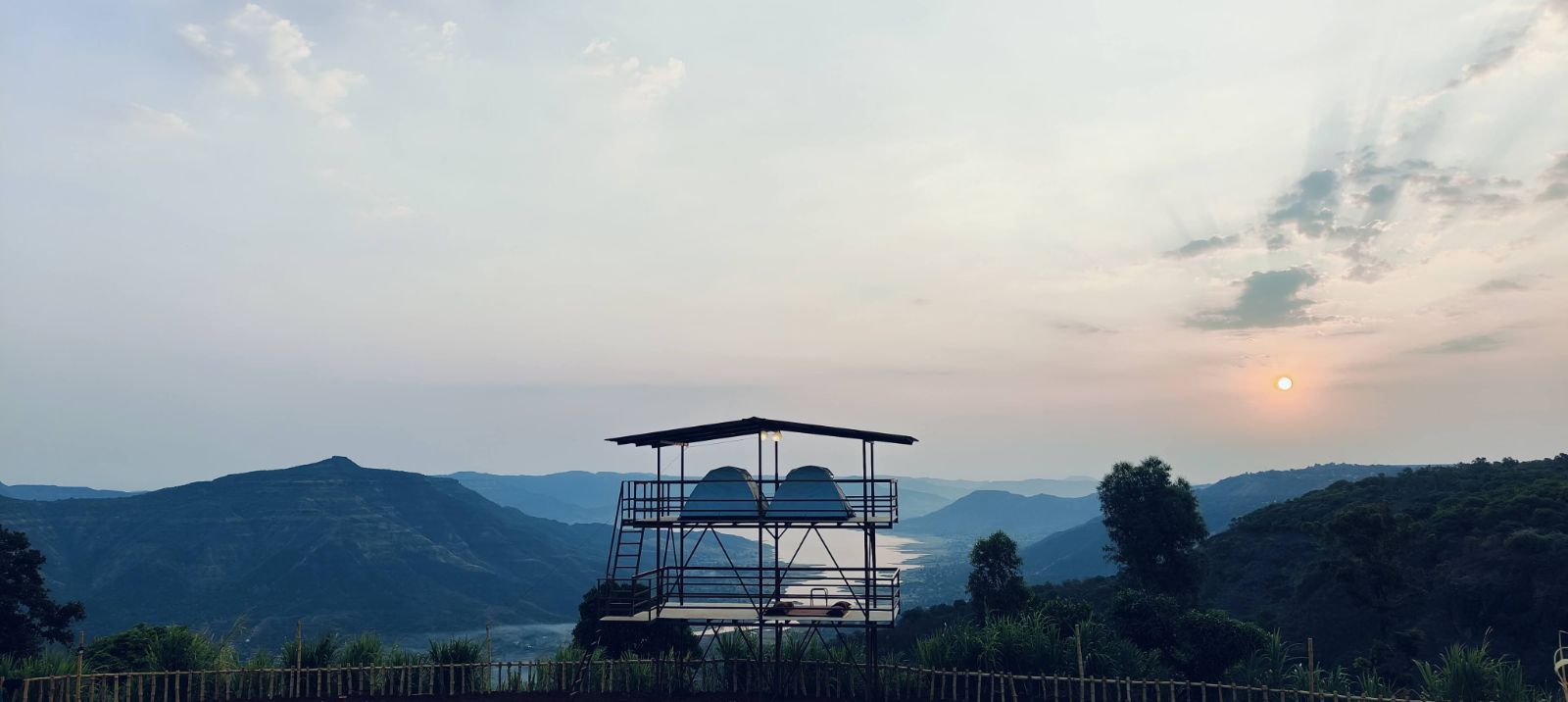
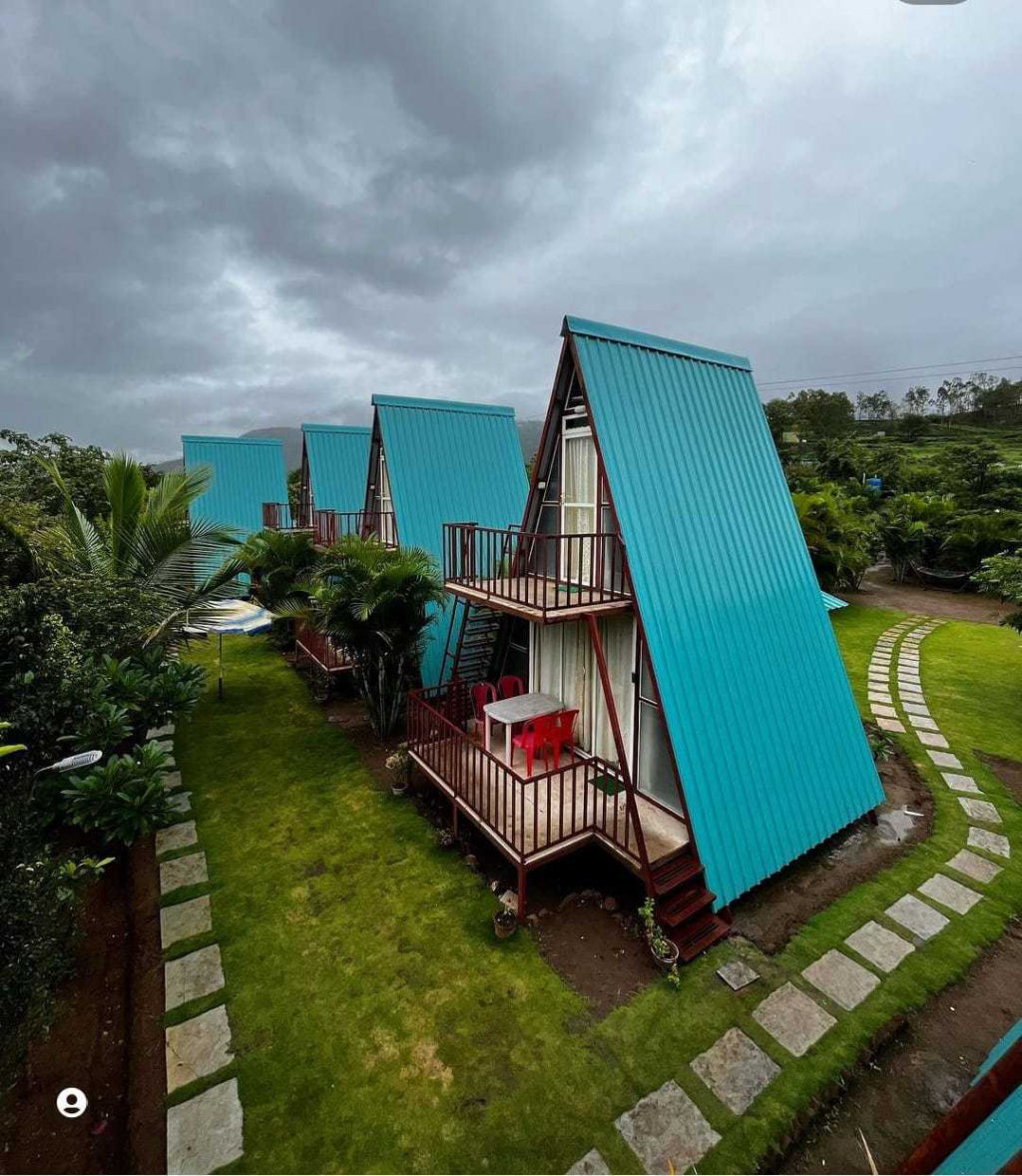
Accommodations close to the plateau range from quiet village homestays to nature getaways scattered across the surrounding valleys and near Satara. Staying slightly away from town provides a closer connection to the countryside and lets you begin your morning drive up to the plateau before day-tripper traffic picks up.
You can find outdoor camps, rustic cottages, and homestays nearby on HireACamp. Choosing a campsite or rural homestay in the foothills of the Sahyadris offers a memorable way to enjoy the crisp monsoon air, starry rural skies, and authentic local food after a day exploring the flowers.
Frequently asked questions
When is the best time to see the flowers at Kaas Plateau?
The blooming season runs between August and October, with the most colorful displays generally occurring from late August to late September depending on the monsoon rains.
How do I book entry tickets for Kaas Plateau?
Tickets can be booked online via Kas.ind.in for a reported fee of ₹200 per person. Advance booking is recommended to secure your preferred slot during peak season.
How far is Kaas Plateau from Pune and Mumbai?
Kaas Plateau is about 135 km from Pune, taking approximately 3 hours to drive, and around 276 km from Mumbai, which takes about 5 hours in typical traffic.
Can I visit Thoseghar Waterfall on the same trip?
Yes, Thoseghar Waterfall is located approximately 14 km from Kaas Plateau, about a one-hour drive away, making it easy to combine both destinations in a single day.
Where can I find accommodation near Kaas Plateau?
You can find and book homestays, nature retreats, and outdoor campsites around Satara and the nearby countryside through HireACamp.
Where you'll be
Kaas plateau, Maharashtra · 6 stays nearby shown with prices
As seen on Instagram
The posts this guide is built from
Stays near Kaas plateau
Book a place to stay close by
More places near Kaas plateau
Within 20 km


Lists for this area
Ranked by how many creators recommend each place

Built from 2 Instagram posts by 2 creators. Every tip links back to the post it came from, and where creators disagree we show both sides. Guide updated 22 Oct 2026.


