
Chhota Bhangal Valley
Valley near Bir, Himachal Pradesh
4.5 km from Bir
The nearest town, for stays, food and fuel.
Chhota Bhangal Valley is a tranquil Himalayan valley located near Baijnath in Himachal Pradesh, nestled between the Dhauladhar range and the outer ridges of the Kangra hills. Cradled by fast-flowing mountain streams, terraced farmland, and dense cedar forests, it attracts travellers seeking scenic day walks, quiet rural life, and scenic outdoor terrain. The valley serves as a peaceful retreat for those exploring the wider Kangra and Mandi border regions.
Getting there
By road
- From BirNearest town25 min · 11 km
- From Ludhiana5 hr 10 min · 237 km
- From Amritsar5 hr 20 min · 252 km
- From Chandigarh5 hr 20 min · 248 km
Typical drive times without traffic. Stations and airports from OLA Maps; distances and typical drive times from OpenStreetMap (© OpenStreetMap contributors); notes from creators' Reels.
About Chhota Bhangal Valley
Written with AI from map data and general knowledge. Check prices and timings locally before you go.
About Chhota Bhangal Valley
Chhota Bhangal Valley occupies a secluded pocket of Himachal Pradesh, tucked away behind the lower ridges that shelter the Kangra and Mandi districts. Defined by the drainage basin of the upper Uhl River and its mountain tributaries, the valley features an undulating terrain of terraced slopes, dense deodar and pine woodlands, and scattered pastoral settlements. Unlike more commercialised mountain destinations in the state, Chhota Bhangal retains a distinct rural atmosphere shaped by traditional hill agriculture and seasonal shepherd migrations.
The local architecture in the valley is deeply tied to regional tradition. Many homes are constructed using stone, slate, and thick timber beams designed to withstand both heavy summer rains and freezing winter temperatures. Life here moves to the rhythm of farming seasons, with step fields producing kidney beans, corn, and barley. For visitors, the region provides an authentic glimpse into high-altitude village culture alongside peaceful landscapes shaped by mountain water and towering mountain ridges.
Things to do in Chhota Bhangal Valley
Exploring the valley on foot is one of the most rewarding ways to experience its landscape. Gentle walking trails connect quiet hamlets, leading past terraced fields, ancient watermills, and patches of temperate forest. Walking between settlements allows travellers to observe local routines, see traditional wooden dwellings up close, and enjoy uninterrupted mountain panoramas.
The clear mountain streams running through the valley floor offer excellent spots for riverside walks and relaxation. Many visitors spend their days sitting by rocky riverbanks, reading, or watching birds. The riparian ecosystem supports a wide range of avian species, including Himalayan whistling thrushes, redstarts, and various woodpeckers. For more active travellers, gentle day hikes lead up along ridge lines toward neighbouring pastures, offering elevated perspectives across the Dhauladhar ranges.
Read more
Best time to visit Chhota Bhangal Valley
The valley undergoes distinct seasonal transformations, making it suitable for visits throughout most of the year depending on your preferences. Spring and summer, spanning from April to June, offer pleasant daytime temperatures and clear skies. This period is ideal for walking trails, camping, and outdoor exploration, as temperatures remain moderate and wild mountain flora begins to bloom across the meadows.
The monsoon season from July through early September brings heavy rainfall to the slopes of the Dhauladhar range. While the landscape turns exceptionally green and waterfalls flow at their peak, mountain roads can become vulnerable to landslides and travel delays. If visiting during this time, it is advisable to check local weather reports and road conditions before travelling.
Autumn, from late September through November, is widely regarded as an excellent window to visit. The air clears significantly after the rains, offering crisp views of distant ridgelines and comfortable daytime weather. Winter brings sharp drops in temperature between December and February, with higher ridges receiving snowfall and frost blanketing the valley floor. Travellers seeking cold-weather solitude and clear, starry winter nights will find the season atmospheric, provided they come well prepared for freezing nights.
How to reach Chhota Bhangal Valley
The gateway town for Chhota Bhangal Valley is Baijnath, which is well connected by road across Himachal Pradesh. From Baijnath, narrow mountain roads wind their way into the interior reaches of the valley, branching off toward villages like Multhan and beyond. Local buses and shared taxis run between Baijnath and the outer hamlets of the valley, though having a private vehicle or hiring a local taxi provides the greatest flexibility for exploring deeper roads.
The nearest broad-gauge railway terminus is Pathankot, from where road transport connects toward Baijnath and Kangra. Alternatively, Kangra Airport at Gaggal serves domestic flights from major cities. From the airport, road travel to Baijnath takes approximately two to three hours under normal driving conditions. The roads leading directly into Chhota Bhangal feature sharp bends and variable surfaces, so careful driving is recommended.
Tips for your visit
Because Chhota Bhangal Valley is relatively remote, services can be limited compared to larger towns. Automated teller machines are scarce beyond central market hubs like Baijnath, so carrying sufficient cash for food, transport, and local purchases is essential. Mobile connectivity can be intermittent once you leave the main roads, with certain networks providing better coverage than others in village pockets.
Sturdy walking shoes with good tread are recommended, as paths between hamlets often consist of uneven stone steps and dirt trails. Pack layers of clothing regardless of the season, as mountain temperatures drop rapidly once the sun sets behind the ridges. Lastly, respect the local communities by asking before photographing residents and by carrying all non-biodegradable waste back with you to larger transit points.
Places to visit nearby
A trip to Chhota Bhangal Valley can easily be combined with visits to several nearby highlights in the Kangra district. Baijnath is home to the historic 13th-century Baijnath Temple, renowned for its intricate stone carvings and classical Nagara architectural style. It remains a major spiritual landmark in the region.
The nearby paragliding and café hub around Bir and Billing is just a short drive away, offering contrast with its bustling food scene, craft workshops, and Tibetan monasteries. Natural spots like Lapas Waterfalls, located approximately 16 kilometres away, provide additional day-trip opportunities for hikers looking to explore forested ravines and cascading waters.
Where to stay
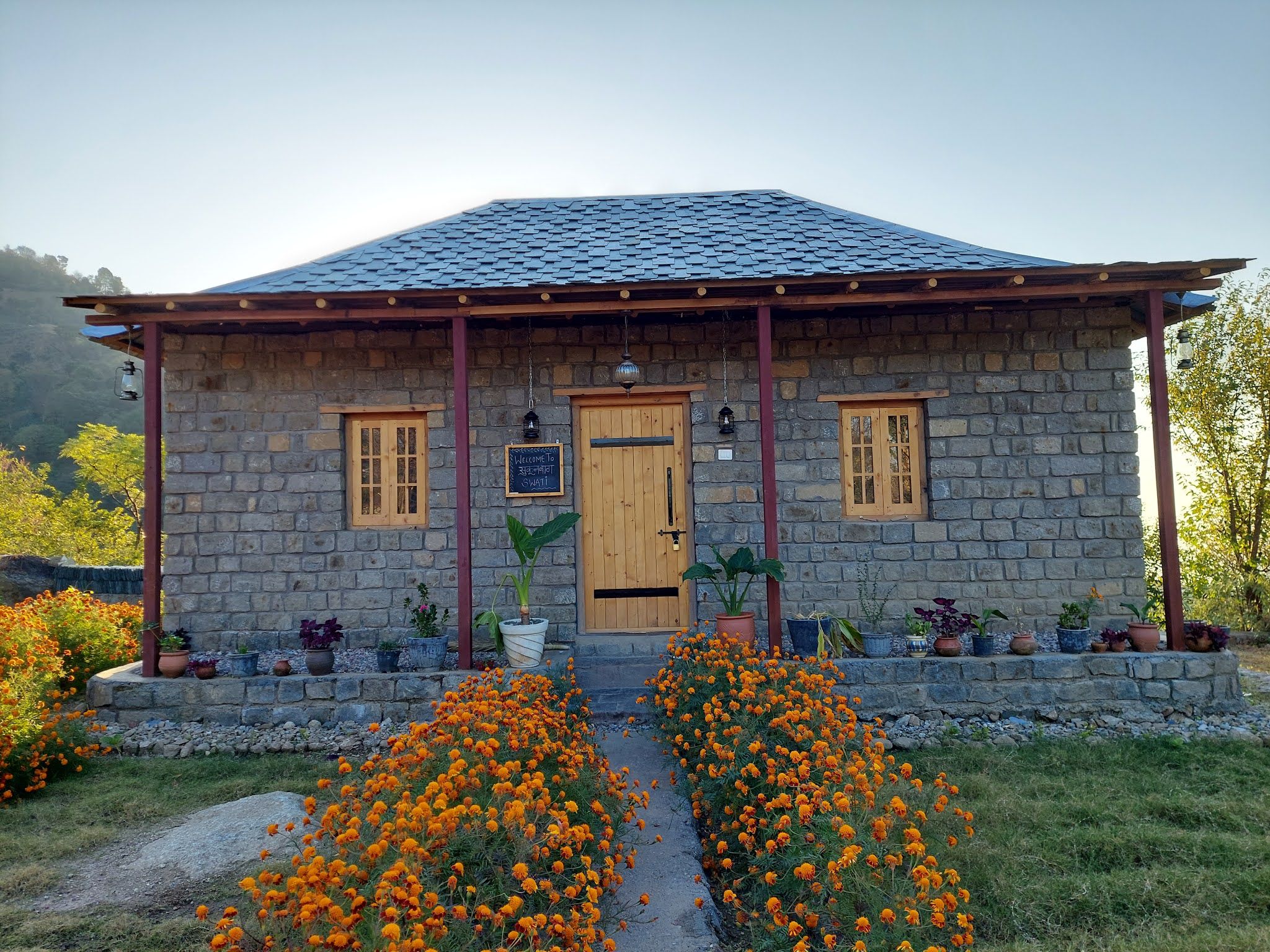
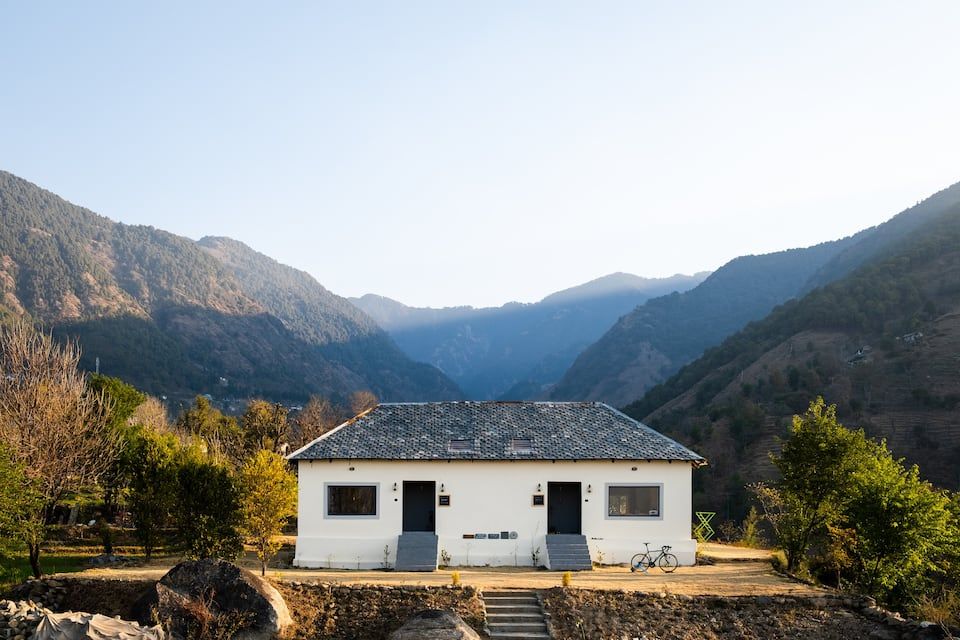
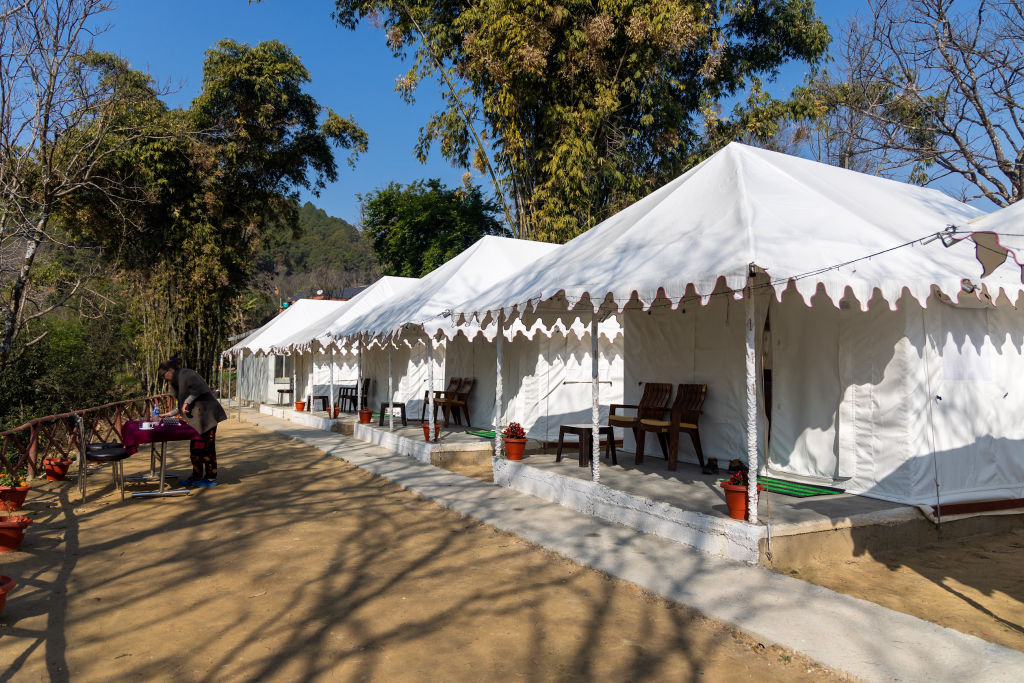
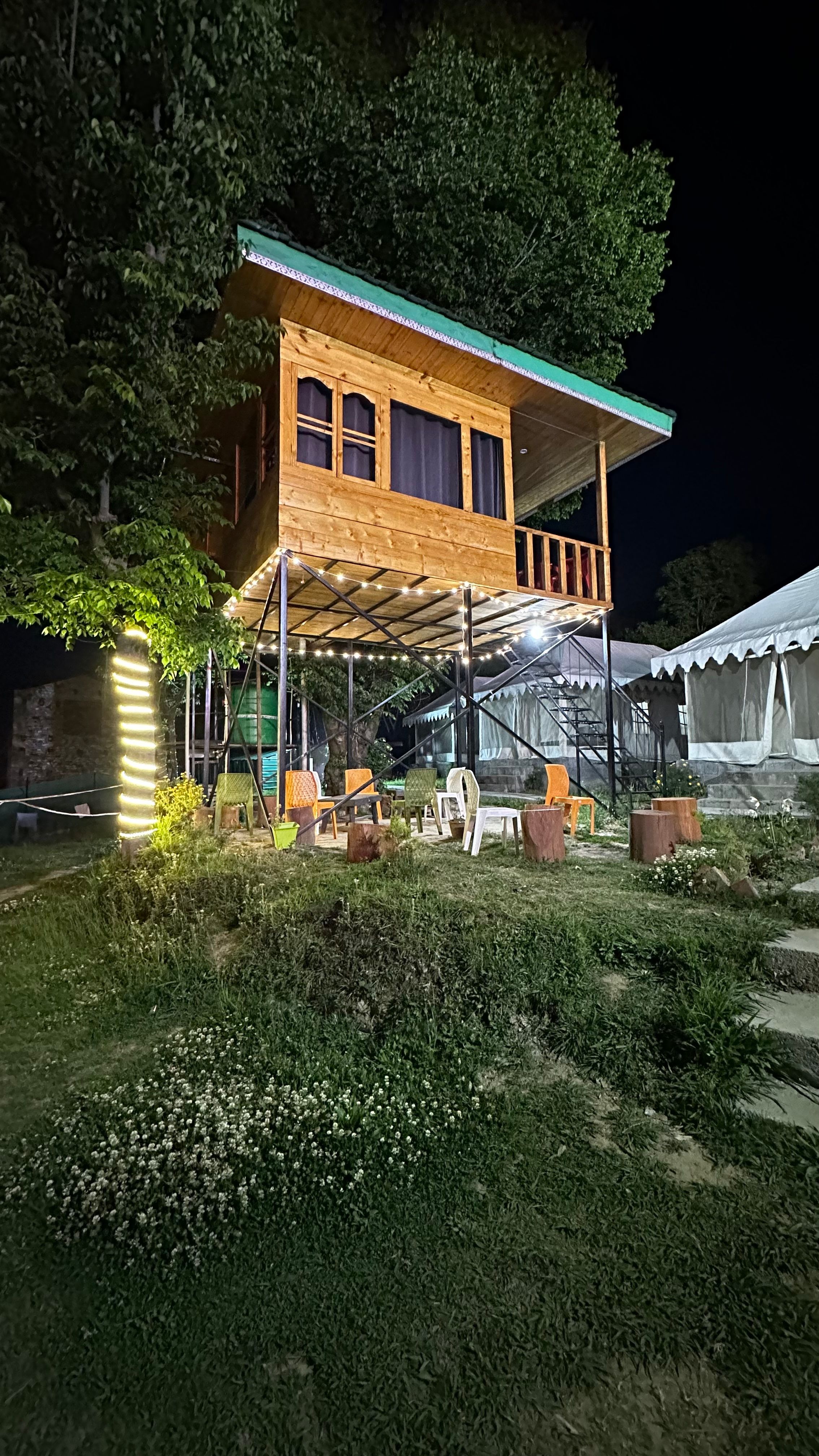
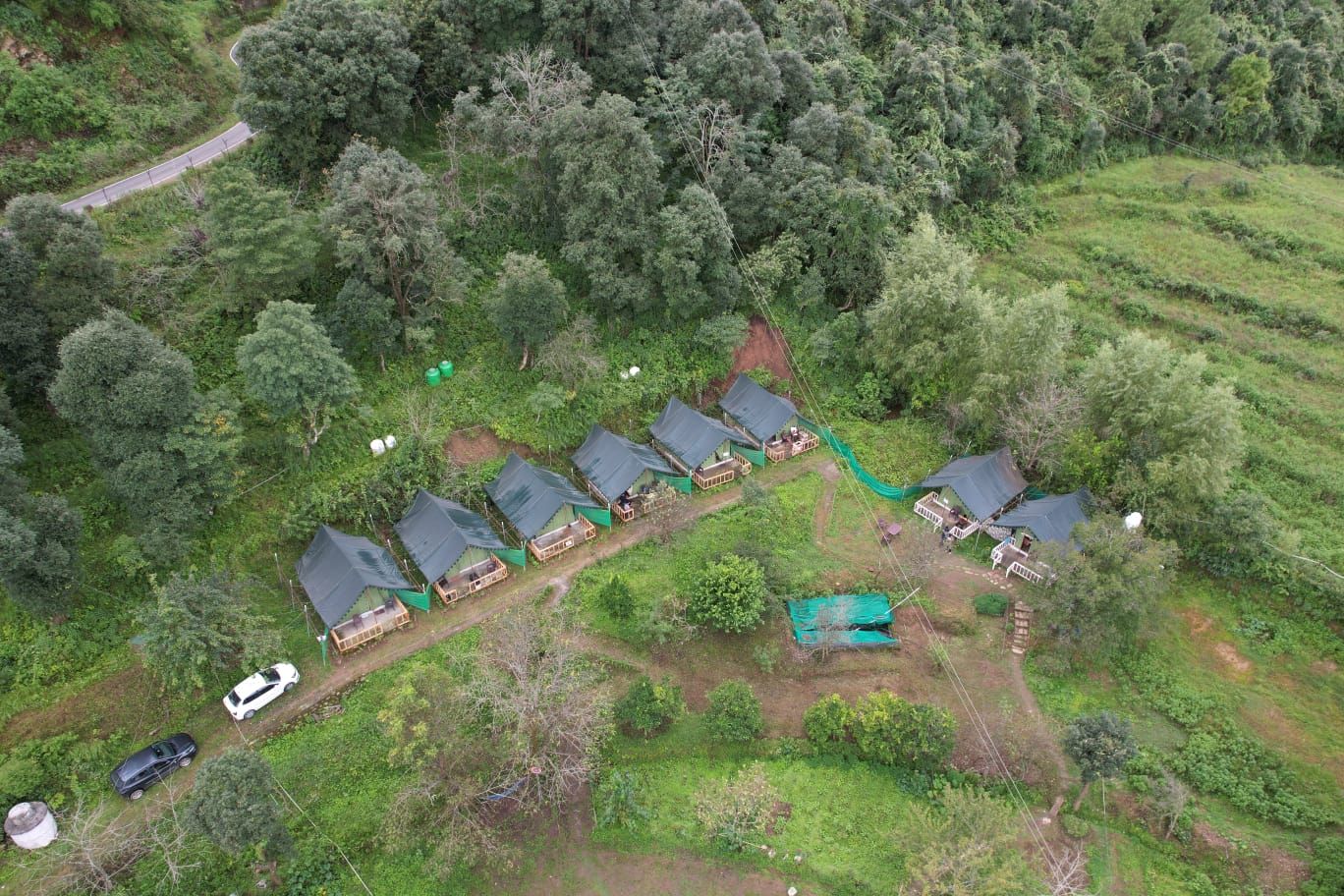
Accommodation options in and around Chhota Bhangal Valley include rustic village homestays, guesthouses, and scenic outdoor camping sites. Staying in a local homestay offers travellers warm regional hospitality, traditional home-cooked Himachali meals, and a closer look at daily mountain life. Travellers can find and book vetted camps, homestays, and unique nature stays in this area on HireACamp.
Frequently asked questions
Where is Chhota Bhangal Valley located?
Chhota Bhangal Valley is situated in the Dhauladhar foothills near Baijnath, along the borders of Kangra and Mandi districts in Himachal Pradesh.
What is the best way to reach Chhota Bhangal Valley?
The most common route is by road from Baijnath, which can be reached by bus or taxi from Kangra Airport or Pathankot railway station.
Can I visit Chhota Bhangal Valley during the monsoon?
Yes, but heavy rains can cause road blockages and landslides, so it is necessary to check local weather forecasts and highway conditions before departing.
Are ATM and mobile network facilities available in the valley?
Mobile network coverage can be patchy and ATMs are limited outside main towns like Baijnath, so it is best to carry adequate cash.
What kind of clothing should I pack for Chhota Bhangal Valley?
Light cottons and a light fleece are suitable for summer days, while thermal layers, warm sweaters, and heavy jackets are necessary for autumn evenings and winter months.
Where you'll be
Baijnath · 5 stays nearby shown with prices
Stays near Chhota Bhangal Valley
Book a place to stay close by
More places near Chhota Bhangal Valley
Within 20 km


Built from 0 Instagram posts by 0 creators. Every tip links back to the post it came from, and where creators disagree we show both sides.






