
Churdhar Trek
Trek near Shimla Division, Himachal Pradesh
7.3 km from Shimla Division
The nearest town, for stays, food and fuel.
Churdhar Trek leads to the highest peak in the outer Himalayas of southern Himachal Pradesh, rising prominently above pine valleys near Rajgarh. The summit is home to the sacred shrine of Shirgul Maharaj and provides expansive panoramic views of the surrounding Himalayan ranges. Trekkers visit to experience its dense deodar sanctuary, rocky ridge trails, and rich alpine flora.
Getting there
By road
- From Shimla DivisionNearest town1 hr 15 min · 26 km
- From Chandigarh3 hr 40 min · 138 km
- From Dehradun4 hr 45 min · 173 km
- From Ludhiana5 hr 50 min · 250 km
Typical drive times without traffic. Stations and airports from OLA Maps; distances and typical drive times from OpenStreetMap (© OpenStreetMap contributors); notes from creators' Reels.
About Churdhar Trek
Written with AI from map data and general knowledge. Check prices and timings locally before you go.
About the Churdhar Trek
Churdhar, also known locally as the Choor Chandni or the Mountain of the Silver Bangle, is the most prominent mountain peak in the southern Shivalik belt of Himachal Pradesh. Reaching an elevation of nearly twelve thousand feet, it dominates the skyline across both the Sirmaur and Shimla districts. The summit holds deep cultural and spiritual significance for local communities, being dedicated to Shirgul Maharaj, a revered regional deity whose stone shrine sits just below the rocky apex.
Unlike heavily commercialized routes in the northern valleys of the state, Churdhar retains a rugged, traditional character. The paths have been trodden for centuries by pilgrims and pastoral herders alike. Walking through quiet mountain settlements, stepped farmlands, and sprawling deodar woods gives visitors an authentic Himalayan journey that balances cultural history with raw mountain terrain.
The Trek Route and Landscape
The ascent to Churdhar offers a marked transformation in natural scenery as altitude increases. Starting from valley approaches near Rajgarh and base hamlets such as Nohradhar, the trail ascends steadily along ridges shaded by mature Himalayan cedar and pine. Small seasonal streams cut through the lower slopes, where moss-covered boulders and ferns carpet the forest floor during warmer months.
As the trail climbs beyond the treeline, the dense forest opens up into sweeping subalpine grasslands and alpine pastures. Here, the gradient steepens over exposed limestone outcrops and wind-sculpted granite blocks. The final stretch to the peak traverses rocky boulder fields leading up to the large statue of Lord Shiva overlooking the valley. On clear days, the summit rewards hikers with panoramic vistas stretching from the Gangetic plains in the south to snow-covered peaks in the north.
Read more
Wildlife and Nature in Churdhar Sanctuary
The upper slopes of the mountain are encompassed by the Churdhar Wildlife Sanctuary, making the trek an exceptional route for wilderness lovers and birdwatchers. The sanctuary protects an undisturbed temperate forest ecosystem dominated by oak, blue pine, and towering deodar trees, interspersed with thickets of wild rhododendron that bloom in shades of scarlet and pink during the spring.
These quiet woodlands provide natural habitat for diverse Himalayan fauna. Hikers frequently spot the Himalayan monal, the state bird of Himachal Pradesh, gliding between the high trees with its vibrant plumage. Koklass pheasants and large raptors such as bearded vultures are also commonly observed soaring over the valley cliffs. Mammals including musk deer, barking deer, and Himalayan black bears reside in the deeper folds of the sanctuary, though they remain elusive along the main trekking routes.
Best Time to Visit Churdhar
The ideal window for hiking Churdhar falls between May and June during summer, and again from September through November during autumn. In the pre-monsoon summer months, the trail is clear of heavy snow, daytime temperatures are comfortable for sustained walking, and wild alpine blossoms colour the ridgelines. High daytime visibility makes these months popular for summit expeditions.
The monsoon season of July and August brings heavy rain to the lower Himalayan slopes, resulting in slippery terrain and occasional rockfall along the access roads. Trekking is best avoided during peak rainfall. Autumn arrives in September with crisp mountain air and cloudless skies, offering the clearest views of distant Himalayan summits. By December, heavy snowfall blankets the peak, typically closing the upper trails until the spring thaw in April.
How to Reach the Trek
Rajgarh acts as the primary regional market town for travellers heading towards the base of the Churdhar trails. The town is connected by mountain roads to Solan and Chandigarh, which serve as the primary transport gateways. Public buses and regional shared transport connect Solan and Rajgarh with nearby base villages like Nohradhar where the popular trail begins.
For visitors arriving by train, the nearest broad-gauge railheads are at Kalka and Chandigarh, from where onward road travel can be arranged. The nearest domestic airport is also in Chandigarh. Driving towards the base involves winding mountain roads traversing terraced fruit orchards and pine hills, requiring attentive driving on narrower rural road sections.
Tips for Trekking Churdhar
The hike to Churdhar involves considerable elevation gain and can be physically demanding whether completed in a single push or broken over two days. Consistent cardiovascular preparation in the weeks leading up to the trip makes the sustained uphill climbs much more manageable. Sturdy hiking shoes with solid ankle support and deep tread are essential for tackling the steep limestone paths and boulder sections near the crest.
Weather on the exposed ridge can shift rapidly from sunshine to high-altitude winds and sudden drops in temperature. It is advisable to pack in layers, including a thermal base, an insulating mid-layer, and a windproof waterproof jacket. Natural water sources become scarce as you climb towards the rocky summit, so carry adequate drinking water and purification tablets, along with a personal first-aid kit and high-energy snacks.
Places to Visit Nearby
The wider region around Rajgarh and the Sirmaur district offers several interesting natural and cultural sites. To the south lies Renuka Lake, the largest natural lake in Himachal Pradesh, known for its tranquil shoreline walks and associated pilgrimage history. Right beside it, Parshuram Tal and the surrounding Renuka Zoo provide scenic nature trails in a peaceful valley setting.
Travellers interested in spiritual heritage can visit regional shrines such as Kali Tibba Temple, Shree Ramlok Mandir, or the serene riverside campus of Sri Badrika Ashram. Those continuing their road journeys northwards can easily connect to Shimla, where colonial-era landmarks like Christ Church and the Ridge offer panoramic views across the northern mountain ridges.
Where to Stay Near Churdhar
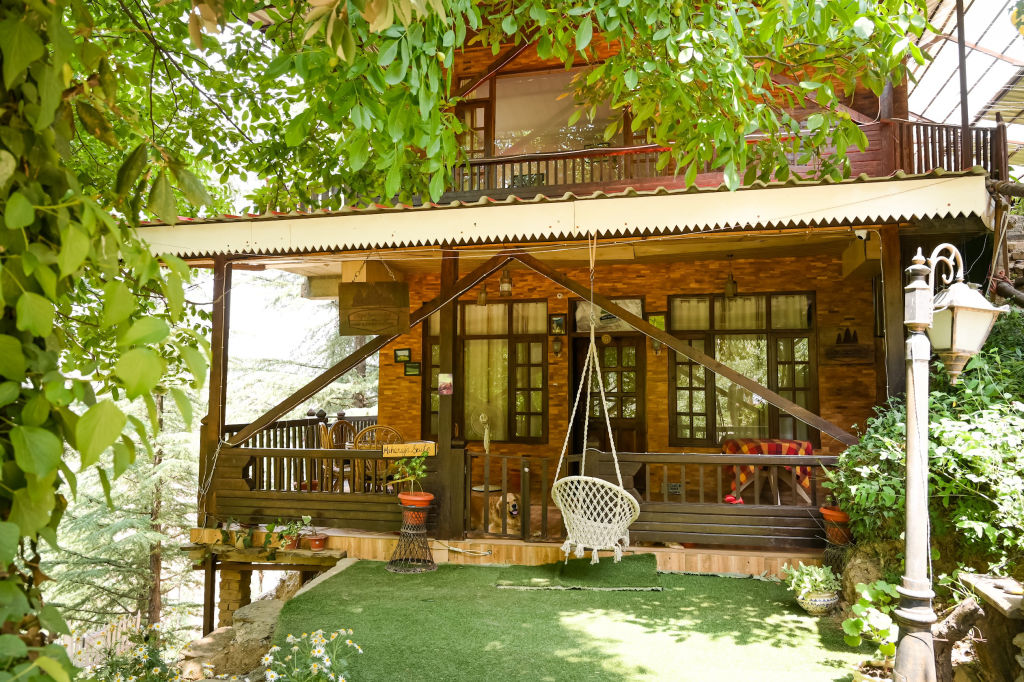
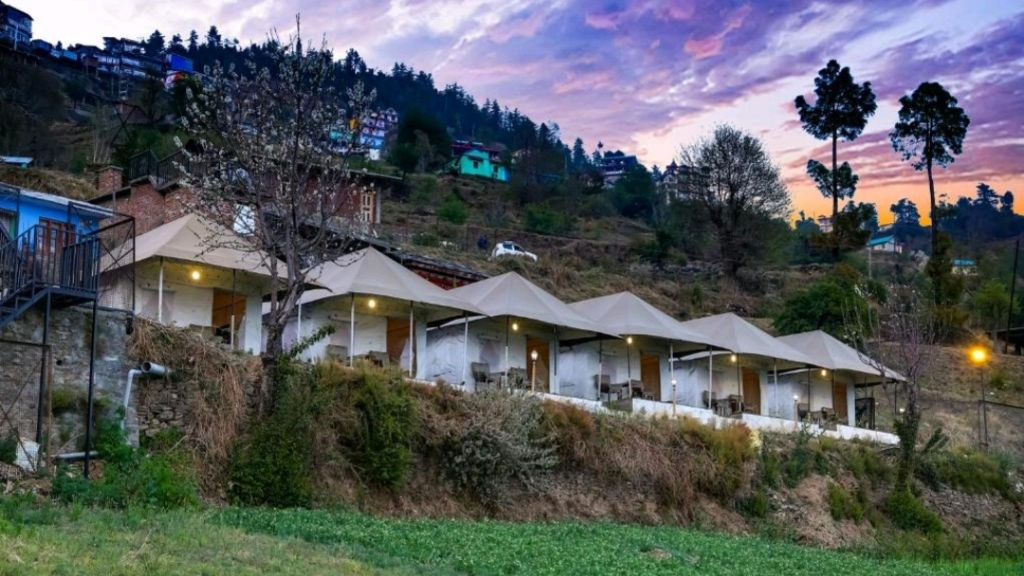
Accommodation choices depend on your trekking schedule and starting point. The base villages near Rajgarh feature modest homestays and village guesthouses run by local families, offering simple rooms and home-cooked meals before an early morning climb. During the warmer pilgrimage months, a traditional pilgrim rest house near the summit shrine provides shared basic shelter.
For visitors wanting comfortable outdoor retreats, peaceful riverside camping, or rural cottages in the surrounding valleys, options can be found through HireACamp. Booking a stay in the orchards and pine groves around Rajgarh offers a relaxing base to acclimatize before tackling the ascent or to rest your legs after descending the mountain.
Frequently asked questions
How long does it take to complete the Churdhar Trek?
Most trekkers complete the Churdhar Trek over two days, ascending to a camp or rest house near the upper meadows on the first day and reaching the summit before descending on the second. Experienced hikers with high fitness levels sometimes attempt the climb and descent in a single long day.
Is the Churdhar Trek suitable for beginners?
The trek is rated moderately challenging due to its continuous elevation gain and rocky boulder sections near the summit. Beginners with reasonable physical fitness and preparation can manage the route, especially when paced over two days.
Can I do the Churdhar Trek during the winter months?
Winter trekking to Churdhar is generally discouraged for casual hikers because heavy snow covers the trails between December and March. Deep snowdrifts and sub-zero temperatures close the upper facilities and make route-finding hazardous without specialized mountaineering experience.
Is drinking water available along the trail?
Water is available from mountain streams along the lower and middle forest sections of the trail, but sources become very scarce along the final ridge to the peak. Trekkers should fill their bottles in the forest and carry water purification tablets.
Do I need a local guide for Churdhar?
While the main pilgrimage trail is generally well-defined during peak summer and autumn seasons, hiring a local guide is beneficial for first-time visitors to ensure proper route navigation, assistance with weather changes, and safety through the wildlife sanctuary.
Where you'll be
Distt, Himachal Pradesh, HP · 2 stays nearby shown with prices
Stays near Churdhar Trek
Book a place to stay close by
More places near Churdhar Trek
Within 20 km


Lists for this area
Ranked by how many creators recommend each place


Built from 0 Instagram posts by 0 creators. Every tip links back to the post it came from, and where creators disagree we show both sides.






