
Churdhar Sanctuary
Wildlife sanctuary near Chaupal, Himachal Pradesh
700 m from Chaupal
The nearest town, for stays, food and fuel.
Churdhar Sanctuary is a protected high-altitude forested reserve located in the outer Himalayas of Himachal Pradesh, easily accessible from the Shimla region. Encompassing the slopes around the prominent Churdhar Peak, it attracts trekkers, pilgrims, and nature enthusiasts drawn to its dense deodar belts, alpine glades, and dramatic mountain views. The sanctuary serves as an important refuge for Himalayan wildlife and offers an immersive escape into the pristine woodlands of northern India.
Getting there
By road
- From ChaupalNearest town4 min · 2.6 km
- From Chandigarh4 hr 15 min · 179 km
- From Dehradun4 hr 20 min · 205 km
- From Ludhiana6 hr 25 min · 304 km
Typical drive times without traffic. Stations and airports from OLA Maps; distances and typical drive times from OpenStreetMap (© OpenStreetMap contributors); notes from creators' Reels.
About Churdhar Sanctuary
Written with AI from map data and general knowledge. Check prices and timings locally before you go.
About Churdhar Sanctuary
Churdhar Sanctuary wraps around the flanks of the highest peak in the Shivalik and lower Himalayan range of southern Himachal Pradesh. Spanning significant elevation gradients, the sanctuary features deep ravines, boulder-strewn slopes, and steep ridges that rise above the surrounding valleys. Named after the revered Churdhar summit, the sanctuary holds immense cultural and ecological value, acting as a watershed for regional river basins while sheltering fragile montane ecosystems.
The reserve is renowned for its diverse plant life. In the lower and middle zones, expansive canopies of blue pine, deodar cedar, ban oak, and moru oak dominate the landscape. As the trails climb higher, temperate coniferous woodlands give way to vibrant patches of rhododendron, which burst into vivid shades during the spring months. Above the timberline, the trees recede into windswept alpine pastures known locally as thachs, where wildflowers carpet the ground during the warmer seasons.
Wildlife and birdlife at Churdhar Sanctuary
Because of its varied topography and relatively undisturbed forest pockets, Churdhar Sanctuary supports a vibrant array of mountain fauna. Among the mammalian residents, visitors may spot barking deer, Himalayan black bears, musk deer, leopards, and langurs moving quietly through the tree line. The steeper crags and rocky outcroppings provide sanctuary to agile mountain ungulates that thrive on the rugged cliff faces.
Birdwatchers will find Churdhar particularly rewarding. The sanctuary is recognized as a vital habitat for several pheasant species, including the strikingly colorful monal—the state bird of Himachal Pradesh—and the koklass pheasant. Flocks of laughingthrushes, Himalayan griffons, choughs, woodpeckers, and sunbirds flit through the subalpine foliage. The early morning hours along forest clearings offer the best opportunities to hear birdcalls echoing across the quiet valleys.
Read more
Trekking and trails in the sanctuary
The trails traversing Churdhar Sanctuary are among the most celebrated trekking paths in southern Himachal Pradesh. The sanctuary is crisscrossed by established pilgrimage and hiking routes leading up toward Churdhar Peak and the shrine of Shirgul Maharaj. Starting points are traditionally located in settlements such as Nohradhar or Sarahan in Chaupal, each offering an ascent through changing vegetative zones from pastoral farmland to misty oak groves and rocky summits.
Hiking within the sanctuary is moderately challenging, requiring steady footing and good cardiovascular endurance due to the significant elevation gain. Trekkers walk over natural forest dirt trails, stone steps carved by local shepherds and pilgrims, and exposed scree slopes near the ridgeline. Along the way, sweeping panoramic views unfold across the Shivalik hills and toward the distant snowbound peaks of the Greater Himalayas.
Best time to visit Churdhar Sanctuary
The sanctuary is best experienced between April and June, as well as from September to November. Spring brings the thawing of mountain trails, comfortable daytime temperatures, and spectacular blooms of rhododendron and alpine flora. This pre-monsoon window is exceptionally pleasant for day walks, nature photography, and early-season trekking.
The autumn months of September, October, and November offer the crispest air and clearest skies, revealing unhindered views of the Himalayan horizons. The monsoon season from July through August brings heavy rainfall, creating slippery slopes, leeches in the lower damp forests, and the risk of localized landslides, which makes trekking hazardous. By December, winter establishes a firm hold, carpeting the sanctuary in deep snow that often blocks the higher trails until early spring.
How to reach Churdhar Sanctuary
Churdhar Sanctuary sits within reach of major transit hubs in Himachal Pradesh, with Shimla serving as a primary base for travelers arriving from afar. From Shimla or Solan, motorable roads snake through apple orchards, terraced fields, and river valleys toward popular trailheads such as Nohradhar or Chaupal. Travelers can hire private taxis, drive their own vehicles, or rely on regional state buses running along the main valley corridors.
The nearest broad-gauge railway station is at Kalka, which connects to major Indian cities, while narrow-gauge mountain trains connect Kalka to Shimla. The nearest airport is Jubbarhatti Airport near Shimla, with Chandigarh Airport offering significantly wider domestic flight connectivity. From any of these arrival hubs, plan to continue by road to reach the rural hamlets that border the sanctuary.
Tips for visiting Churdhar Sanctuary
When venturing into Churdhar Sanctuary, preparing for sudden weather shifts is essential. Mountain weather can change abruptly; bright sunshine can give way to chilly mists, wind, or rain within minutes. Carrying multiple warm layers, a windproof and waterproof outer jacket, sturdy trekking boots with good grip, and a reliable rain cover for your backpack is strongly recommended.
Carry adequate drinking water and high-energy snacks, as facilities within the forested sanctuary boundaries are scarce. Always carry back all personal trash, non-biodegradable wrappers, and plastic containers to help preserve the fragile ecosystem. It is wise to start hiking early in the day to reach your intended destination before darkness settles, and travelers should consult local forest department offices or regional guides regarding current trail conditions and necessary permits before heading into remote parts of the reserve.
Places to visit around Churdhar Sanctuary
The surrounding landscape offers numerous cultural and natural attractions that complement a trip to the sanctuary. Near the summit ridge stands the historic Shirgul Maharaj Temple, deeply venerated by communities across Sirmaur and Shimla districts. Further downstream, the serene banks of the Giri River and Pabar River provide peaceful waterside spots for relaxation, day picnics, and quiet walks along rushing mountain currents.
Those interested in extended regional travel can venture towards Moila Top and the limestone formations of Budher Caves across the valley, or pay respects at ancient shrines like the Mahasu Devta Temple at Hanol and Balag Pandava Temple. Toward the south, Renuka Lake provides an exquisite lowland sanctuary experience centered around sacred wetland waters and tranquil nature trails.
Where to stay near Churdhar Sanctuary
While overnight accommodation within the core sanctuary area is restricted to basic pilgrim shelters or designated rest houses, charming base villages surrounding the reserve provide peaceful lodging options. Towns and hamlets near Nohradhar, Chaupal, Haripurdhar, and the outskirts of Shimla feature rural guest homes and scenic retreats.
Travelers looking for riverside camps, rustic homestays with home-cooked Himachali meals, or quiet mountain cottages can find diverse choices on HireACamp. Staying in nearby villages not only supports the local mountain economy but also lets you begin your morning treks fresh, immersed in the clean air and gentle rhythms of Himachal's hill country.
Frequently asked questions
Where is Churdhar Sanctuary located?
Churdhar Sanctuary is situated in the outer Himalayan region of Himachal Pradesh, encompassing the slopes surrounding Churdhar Peak and accessible from nearby hubs like Shimla, Solan, and Nohradhar.
What wildlife can be seen at Churdhar Sanctuary?
The sanctuary is home to Himalayan black bears, barking deer, musk deer, leopards, and various bird species, including the Himalayan monal and koklass pheasant.
Is Churdhar Sanctuary accessible during winter?
During peak winter from late December to March, the sanctuary experiences heavy snowfall that typically buries the higher trails, making the upper elevations difficult and risky to traverse.
Do I need a guide to trek in Churdhar Sanctuary?
While established pilgrimage routes are clearly delineated, hiring a local guide is recommended for first-time visitors to navigate unpredictable weather, steep terrain, and unmarked side trails safely.
What should I carry for a trip to Churdhar Sanctuary?
Carry warm clothing layers, a waterproof jacket, durable hiking shoes, a headlamp, sufficient water, energy food, and basic medical supplies, as amenities inside the sanctuary are very limited.
Where you'll be
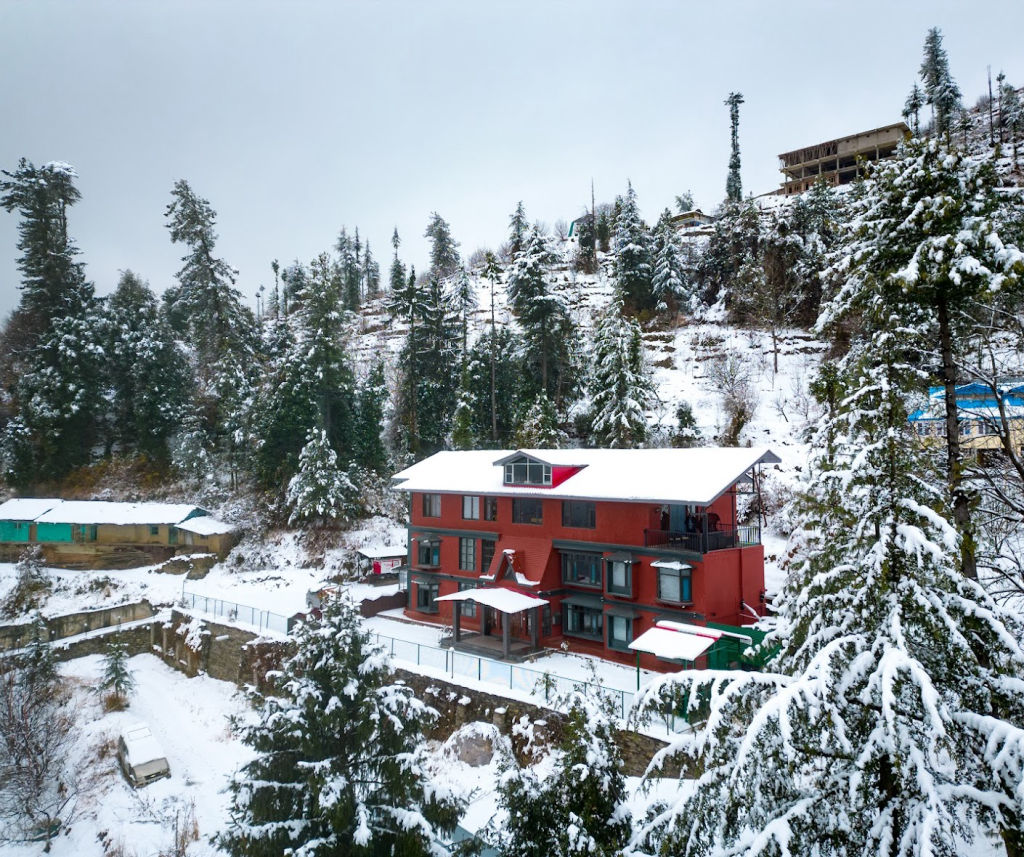
Churdhar, Shimla · 1 stay nearby shown with prices
Stays near Churdhar Sanctuary
Book a place to stay close by
More places near Churdhar Sanctuary
Within 20 km


Lists for this area
Ranked by how many creators recommend each place


Built from 0 Instagram posts by 0 creators. Every tip links back to the post it came from, and where creators disagree we show both sides.






