
Coorg
Destination in Karnataka
Set along the slopes of the Western Ghats in Karnataka, Coorg is a verdant highland district famed for its sprawling coffee plantations, misty valleys, and rich Kodava heritage. Travellers head here to explore tranquil estate trails, scenic mountain viewpoints, and forest-fringed riversides. Its cool hill-station climate makes it a popular weekend getaway and nature retreat for visitors across southern India.
Getting there
By road
- From Mysuru2 hr 50 min · 118 km
- From Mangaluru3 hr 5 min · 136 km
- From Bengaluru5 hr · 255 km
- From Coimbatore7 hr 30 min · 320 km
By train, bus or air
- KSRTC Bus Depot MadikeriNearest bus stand2 min · 1.7 km
- Kannur International AirportNearest airport1 hr 35 min · 89 km
Typical drive times without traffic. Places, distances and typical drive times from OLA Maps; notes from creators' Reels.
About Coorg
Written with AI from map data and general knowledge. Check prices and timings locally before you go.
What makes Coorg special
Coorg, officially known as Kodagu, is situated on the eastern slopes of the Western Ghats in southwestern Karnataka. Often celebrated for its dense green canopy, the region is shaped by undulating mountain ridges, perennial streams, and deep valleys blanketed in arabica and robusta coffee estates. Alongside coffee, pepper vines, cardamom, and citrus groves thrive under the shade of native forest trees, giving the local air its characteristic earthy fragrance.
Beyond its natural beauty, Coorg holds a distinctive cultural identity defined by the indigenous Kodava community. Known for their distinct attire, martial traditions, and unique harvest festivals like Kailpodh and Puthari, the people of the region have preserved a deep connection with the surrounding land. The district is also revered as the birthplace of the sacred River Cauvery, which originates high in the Brahmagiri Hills at Talacauvery and winds its way eastward, sustaining agriculture across two southern states.
Things to do in and around Coorg
A primary highlight of visiting Coorg is immersing oneself in plantation life. Walking through private coffee and spice estates offers an intimate look at how coffee berries, black pepper, and vanilla are cultivated and harvested. Early morning strolls along misty farm tracks provide excellent birdwatching opportunities, with species like the Malabar grey hornbill, emerald dove, and various flycatchers frequently spotted darting through the forest canopy.
For those seeking outdoor recreation, the surrounding hills provide numerous walking and trekking paths. Routes range from gentle ridge trails through shola grasslands to more demanding ascents up regional peaks. Watching the sunset from scenic overlooks, bathing in natural mountain streams, and exploring cascading waterfalls hidden deep within the forested countryside are classic ways to spend leisurely afternoons in the district.
Read more
Getaways and places to visit nearby
Within the immediate vicinity of the main town area, Raja's Seat sits just a kilometre away. Historically frequented by the rulers of Kodagu to watch the evening light shift over rolling hill horizons, it remains a beloved viewpoint garden offering wide vistas across terraced valleys and mist-filled hollows.
Heading east toward the Cauvery River basin, the Dubare region lies approximately 19 kilometres away. Known for its deciduous riverine forests and elephant history, the riverside here offers a peaceful natural setting where travellers can sit by the water or observe woodland wildlife along the riverbanks. It is also an active base for nature walks and seasonal river rafting when water levels permit.
To the south, roughly 21 kilometres out, is the rural settlement of Kakkabe. Nestled at the foothills of Tadiandamol, the highest mountain peak in Coorg, Kakkabe serves as a gateway for hikers aiming for the summit. The village is also home to historic temples, quiet streams, and secluded forest homestays, making it an ideal excursion for those looking to experience the quieter, rural corners of the district.
Best time to visit Coorg
Coorg experiences a temperate highland climate, making it an attractive destination throughout the year, though each season brings a distinct atmosphere. The post-monsoon and winter months, spanning from October to February, are generally considered the best time for sightseeing and outdoor trekking. During this window, days are bright and crisp, while nights turn pleasantly cool, with temperatures occasionally dipping into the low teens.
March to May marks the regional summer, bringing warmer days that remain significantly cooler than the surrounding lowlands. This is also the blossom season, when sudden pre-monsoon showers trigger widespread flowering across the coffee estates, blanketing hillsides in delicate white blossoms and sweet fragrance. From June through September, the southwest monsoon drenches the district in relentless rainfall. While heavy rains can make road travel slower and outdoor trekking tricky, this is when waterfalls swell to their peak and the entire countryside turns a vibrant, emerald green.
How to reach Coorg
Coorg has no commercial airport or rail station within its borders, so the final leg of the journey is made entirely by road. The hill station is well connected to major transit hubs across Karnataka, Kerala, and Tamil Nadu via state highways that wind up through the Western Ghats.
Mysuru is the nearest major railhead and city, situated about 118 kilometres to the east, with a typical traffic-free drive time of around 2 hours and 50 minutes. Mangaluru, on the coastal side, lies roughly 136 kilometres away and takes approximately 3 hours and 10 minutes by road, making it the closest operational airport for domestic flights.
From Bengaluru, the state capital, the distance is roughly 255 kilometres, usually requiring around 5 hours of driving via the highway through Mysuru or Channarayapatna. Travellers arriving from further south can drive from Coimbatore, located around 320 kilometres away, which takes approximately 7 hours and 30 minutes, or from Kochi, situated about 373 kilometres to the south, taking roughly 8 hours and 40 minutes under normal traffic conditions. Regular government and private buses run between Madikeri and these principal cities.
Tips for your visit to Coorg
Driving along the ghat sections leading into Coorg requires attention, especially during rainy or foggy periods when visibility can drop sharply and turns become slick. If you plan to explore remote plantations or hiking trailheads around Kakkabe and the ridges, renting a vehicle with good ground clearance is helpful.
If visiting between June and September, pack sturdy waterproof footwear, heavy raincoats, and umbrellas. Travellers hiking through wet plantation undergrowth or forest tracks during the monsoon should also be prepared for leeches by carrying salt or wearing gaiters. In winter, warm layers such as light sweaters and jackets are necessary for early morning walks and evenings.
Respect local customs and property boundaries when visiting estates. Many plantations are privately owned, so always ask permission before wandering onto farming grounds. For culinary experiences, seek out traditional Kodava specialities such as pandi curry, kadambuttu, and bamboo shoot dishes at local eateries, and pick up single-origin coffee and whole spices directly from estate outlets or town markets.
Where to stay in Coorg
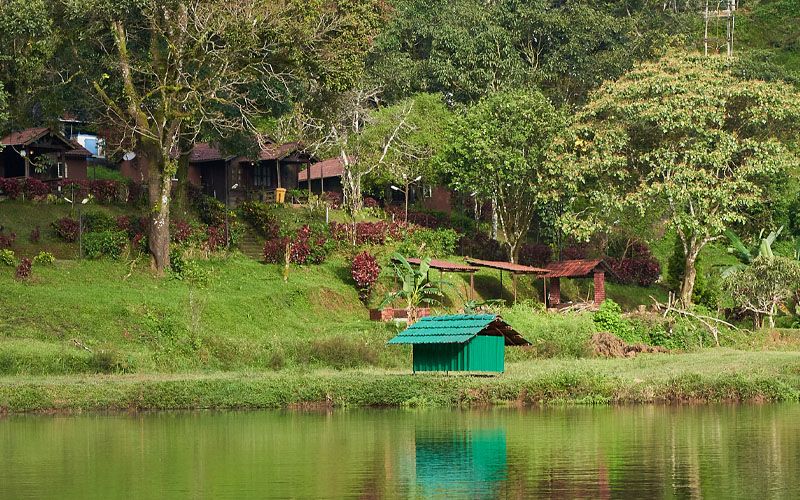
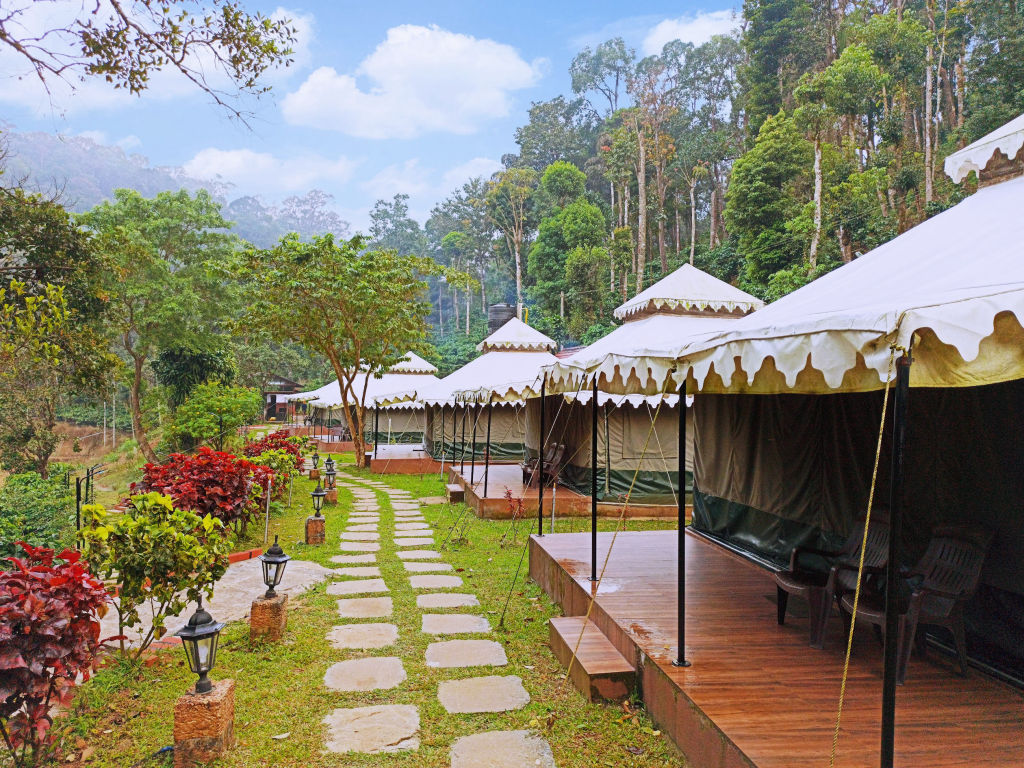
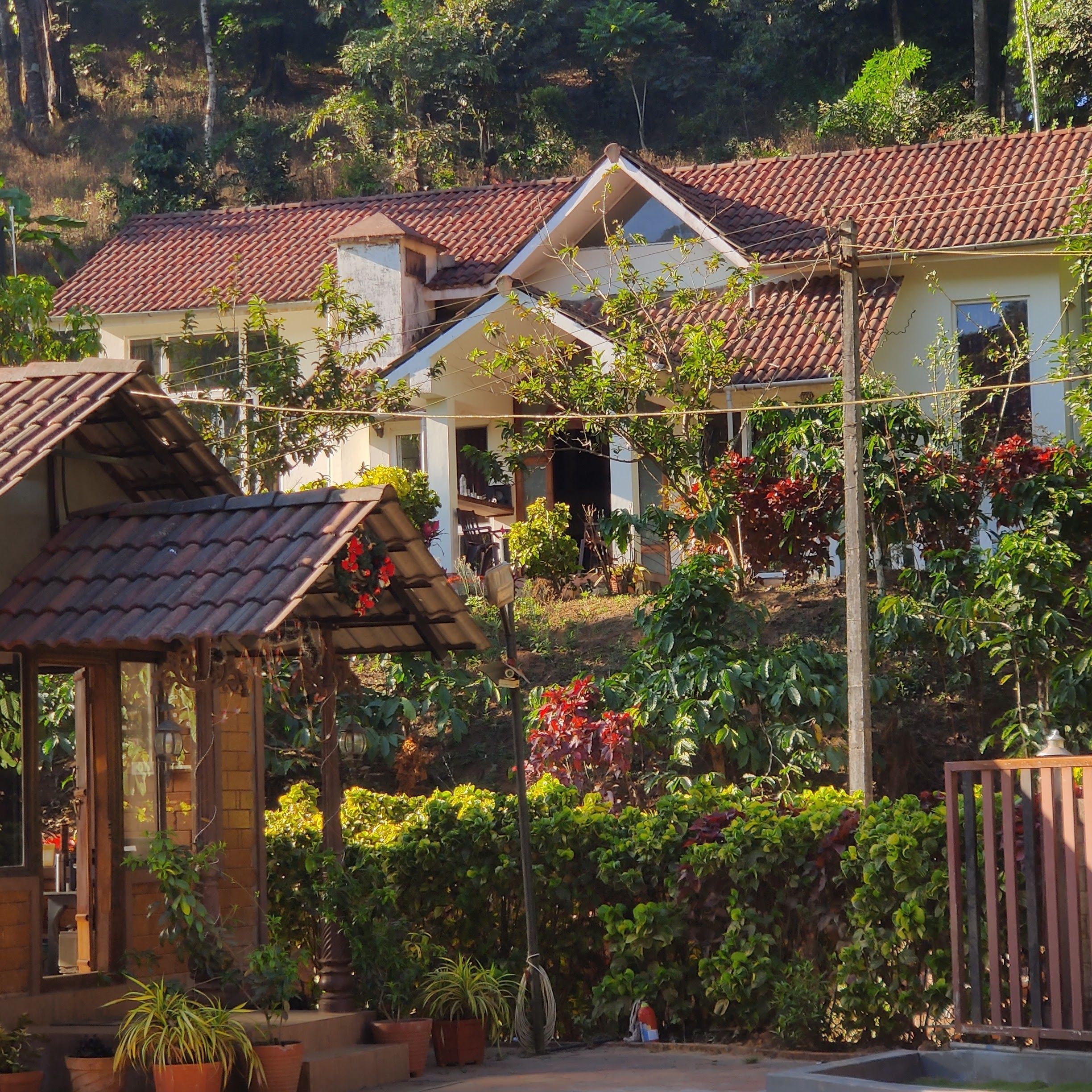
Accommodation in Coorg is intimately tied to the landscape. Rather than typical commercial complexes, the region is celebrated for its warm, family-run homestays situated inside working coffee and spice plantations. Staying inside an estate allows travellers to wake up to birdsong, enjoy authentic home-cooked regional meals, and learn directly from hosts about estate cultivation.
For outdoor lovers, riverside and ridge-top campsites provide an immersive way to experience the cool night air and starry highland skies. A curated selection of boutique homestays, nature retreats, and outdoor camps across Coorg can be discovered and booked on HireACamp.
Frequently asked questions
What is Coorg most famous for?
Coorg is best known for its extensive coffee and spice plantations, misty green hills, unique Kodava culture, and scenic viewpoints overlooking the Western Ghats.
How far is Coorg from Bengaluru and Mysuru?
Coorg is approximately 118 kilometres from Mysuru, taking around 2 hours and 50 minutes by road, and roughly 255 kilometres from Bengaluru, taking about 5 hours in typical traffic.
What is the best season to explore Coorg?
The cooler months from October to March offer clear skies and pleasant weather ideal for trekking and sightseeing, while the monsoon from June to September is favoured by nature lovers who enjoy heavy rains and lush greenery.
Is Coorg suitable for outdoor camping and trekking?
Yes, Coorg features numerous trekking routes such as the trail to Tadiandamol near Kakkabe, along with diverse camping opportunities across coffee estates and riverbanks.
What local products should I buy when visiting Coorg?
Travellers frequently purchase freshly ground arabica and robusta coffee, whole spices such as black pepper and cardamom, locally harvested honey, and homemade fruit wines.
Where you'll be
3 stays nearby shown with prices
Stays near Coorg
Book a place to stay close by
Things to do in Coorg
48 places creators recommend within 30 km


Built from 0 Instagram posts by 0 creators. Every tip links back to the post it came from, and where creators disagree we show both sides.






