
Kakkabe
Village near Kakkabe, Karnataka
1 post · 112.6K views
Guide from 1 post by 1 creator
@sassy_mystique
200 m from Kakkabe
The nearest town, for stays, food and fuel.
Kakkabe is a quiet rural village situated at the base of the Western Ghats in the Kodagu district of Karnataka. Famed as the primary starting point for the trek up Thadiyandamol, Kodagu's highest mountain peak, it attracts trekkers, birdwatchers, and travellers interested in plantation culture. The village sits surrounded by dense evergreen rainforests, spice estates, and centuries-old Kodava heritage sites.
Getting there
By road
- From kodagu1 hr · 30 km
- From Mysuru3 hr 15 min · 130 km
- From Mangaluru3 hr 50 min · 160 km
- From Bengaluru5 hr 25 min · 267 km
By train, bus or air
- KSRTC Bus Depot MadikeriNearest bus stand37 min · 31 km
- Kannur International AirportNearest airport1 hr 25 min · 82 km
Typical drive times without traffic. Stations and airports from OLA Maps; distances and typical drive times from OLA Maps and OpenStreetMap (© OpenStreetMap contributors); notes from creators' Reels.
About Kakkabe
Written with AI from creators' posts and map data. Check prices and timings locally before you go.
The landscape and setting of Kakkabe
Kakkabe lies in the southwestern highlands of Karnataka, bordered by the lush ridges of the Western Ghats. The surrounding geography is defined by undulating hills, dense shola forest patches, and rolling estates dedicated to coffee, black pepper, cardamom, and betel nut cultivation. Because of its elevation and forested terrain, Kakkabe enjoys a cooler, mist-prone climate compared to the plains of Karnataka.
The village has historically served as a focal point for Kodava community life in this part of Kodagu. Traditional houses, known as ainmanes, are scattered across the surrounding hills and groves, reflecting local architectural practices built around communal living and farming. Clear mountain streams flow through the valleys, sustaining local agriculture and shaping the tranquil, slow-paced atmosphere of the area.
Things to do in Kakkabe
Trekking to Thadiyandamol is the most prominent outdoor activity based in Kakkabe. Rising above the surrounding valleys, the summit trail begins near the base of the mountain and leads through dense shola forests, open grasslands, and rocky ridges. The trail offers expansive views across the Western Ghats range stretching into Kerala. Hikers should check trail regulations, entry permissions, and guide requirements locally before starting, as rules can change depending on seasonal weather and forest department updates.
Apart from hiking, Kakkabe offers significant cultural exploration. The Nalknad Palace, constructed in the late eighteenth century by the Kodagu ruler Chikka Veerarajendra, sits near the base of Thadiyandamol. The structure features carved wooden pillars, period mural fragments, and a stepped roof designed to withstand heavy monsoon downpours. Another notable site nearby is the Padi Igguthappa Temple, dedicated to the regional deity of rain and harvest, which occupies a prominent position in Kodava spiritual traditions.
Birdwatching and nature walking are also rewarding along the quiet village roads and plantation trails. The combination of native canopy trees and flowering crops provides a habitat for Western Ghats bird species, including hornbills, flycatchers, and parakeets, as well as several endemic amphibians and butterflies.
Read more
Best time to visit Kakkabe
The months from October through March offer the most comfortable conditions for exploring Kakkabe and trekking the surrounding peaks. Following the monsoon rains, the landscape remains lush and green, mountain streams run full, and daytime temperatures remain moderate. Winter nights, particularly in December and January, can turn quite brisk and chilly, requiring warm layers.
The summer months, spanning April and May, bring warmer daytime conditions with occasional pre-monsoon showers. While midday walks can be warm, mornings and evenings remain relatively pleasant compared to lower elevations.
From June to September, Kakkabe experiences an intense monsoon season characterized by torrential rainfall, heavy cloud cover, and frequent high winds. While the rains recharge the landscape and fill local streams, outdoor trekking is generally not recommended during peak monsoon due to slippery trails, poor visibility, and abundant leeches. Travellers seeking quiet plantation stays with rain-swept views, however, often appreciate this season.
How to reach Kakkabe
Kakkabe is accessible by road from several major cities across Karnataka, Kerala, and Tamil Nadu. The village is linked to surrounding towns like Virajpet and Madikeri through state highways and district roads that wind through coffee estates and wooded hills.
From Mysuru, the road journey covers approximately 130 km and typically takes around 3 hours and 20 minutes in normal driving conditions. From Mangaluru, the drive is around 159 km, usually requiring about 3 hours and 50 minutes via the Western Ghats ghat roads.
Travellers driving from Bengaluru face a journey of approximately 267 km, which takes around 5 hours and 20 minutes under typical traffic-free conditions. For those arriving from neighboring states, Coimbatore is about 333 km away with a typical drive time of roughly 8 hours, while Kochi is approximately 366 km away, taking around 8 hours and 30 minutes. Private taxis and state transport buses run regularly to nearby towns such as Madikeri, Virajpet, and Kunjila, from where local auto-rickshaws or connecting transport can take you into Kakkabe.
Places to visit around Kakkabe
A short drive from Kakkabe brings you to several well-known landmarks in the Kodagu region. Raja's Seat, located in Madikeri roughly 20 km away, is an elevated viewpoint that once served as a recreational spot for the kings of Kodagu, offering broad views across the surrounding hills and valleys, particularly in the late afternoon.
Around 31 km from Kakkabe lies the Dubare area along the banks of the Kaveri River. The area is known for riverside forest trails, bird habitats, and scenic river landscapes. Further excursions around Kakkabe can include seasonal waterfalls such as Chelavara Falls, where streams tumble over natural rock formations amid dense coffee vegetation. Visitors should always observe safety signage near natural water bodies and avoid entering fast-flowing streams.
Tips for your visit to Kakkabe
When planning outdoor walks or summit hikes, wear sturdy trekking shoes with reliable grip, as forest trails and estate paths are frequently damp or covered in loose gravel. If visiting during or shortly after the monsoon, carry leech protection such as high socks, salt, or appropriate repellent sprays.
Because Kakkabe is a small village with limited banking infrastructure, carrying an adequate supply of cash is advisable, as network connectivity can occasionally be patchy in deeper valleys. Respect the privacy of local farming families and estate boundaries by sticking to designated public pathways unless granted permission to enter private coffee properties.
Carry your own reusable water bottle and avoid leaving any plastic waste behind on trails or at viewpoints. Always check locally with residents or forest authorities before undertaking wilderness trails to confirm current conditions and access rules.
Where to stay in Kakkabe
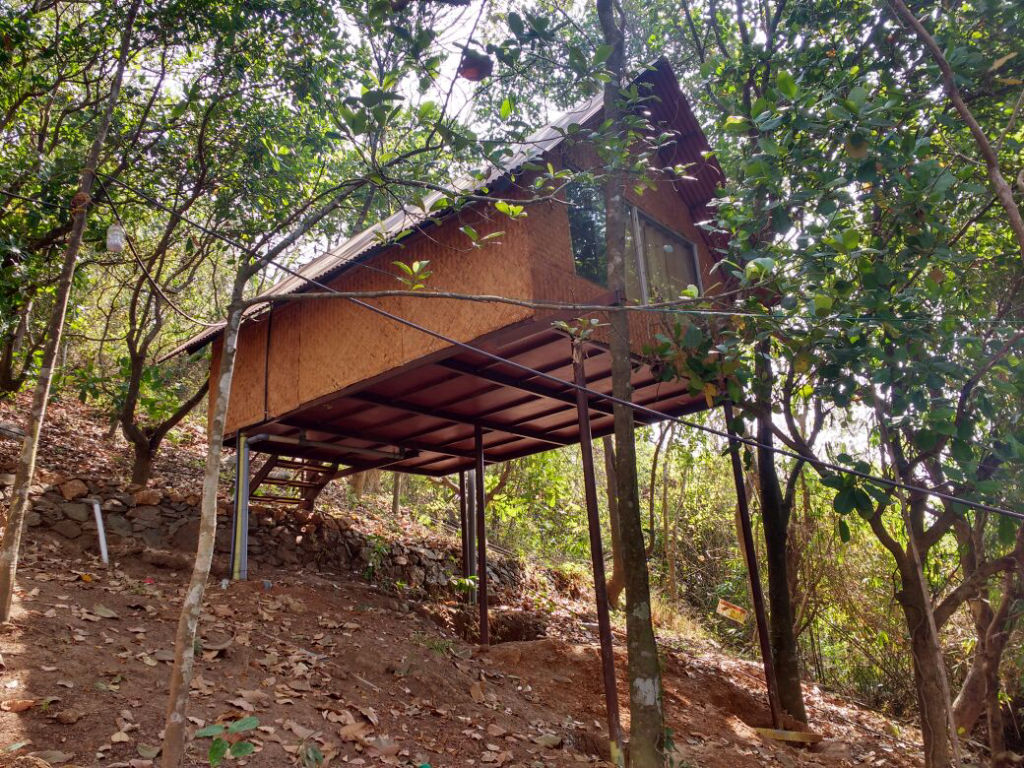
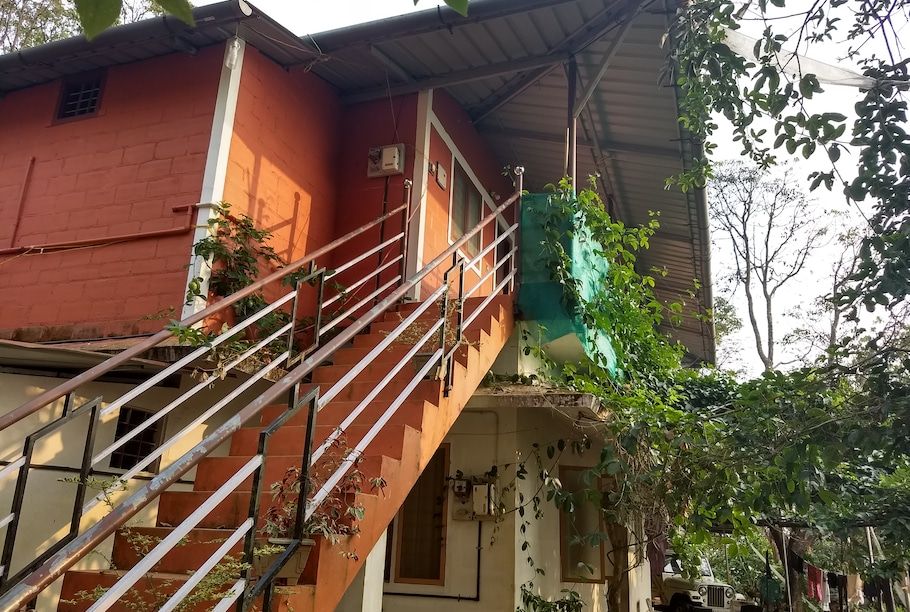
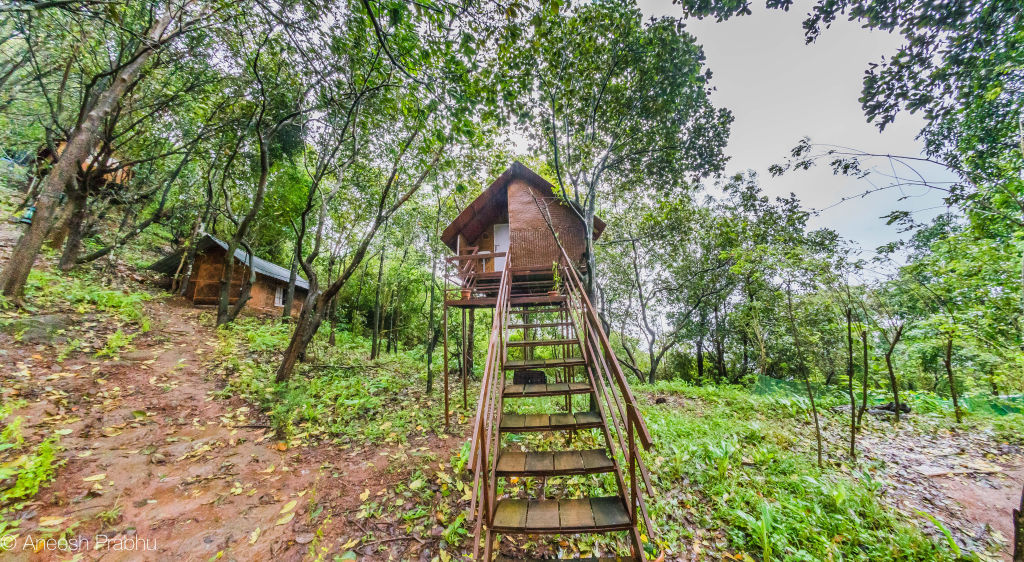
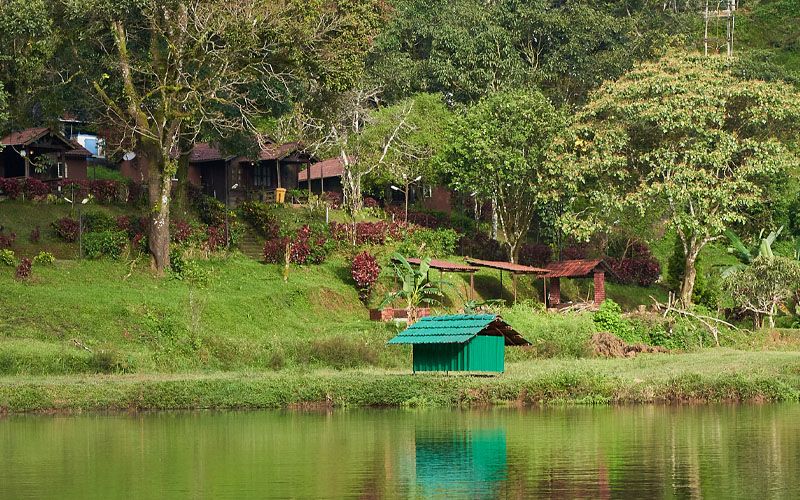
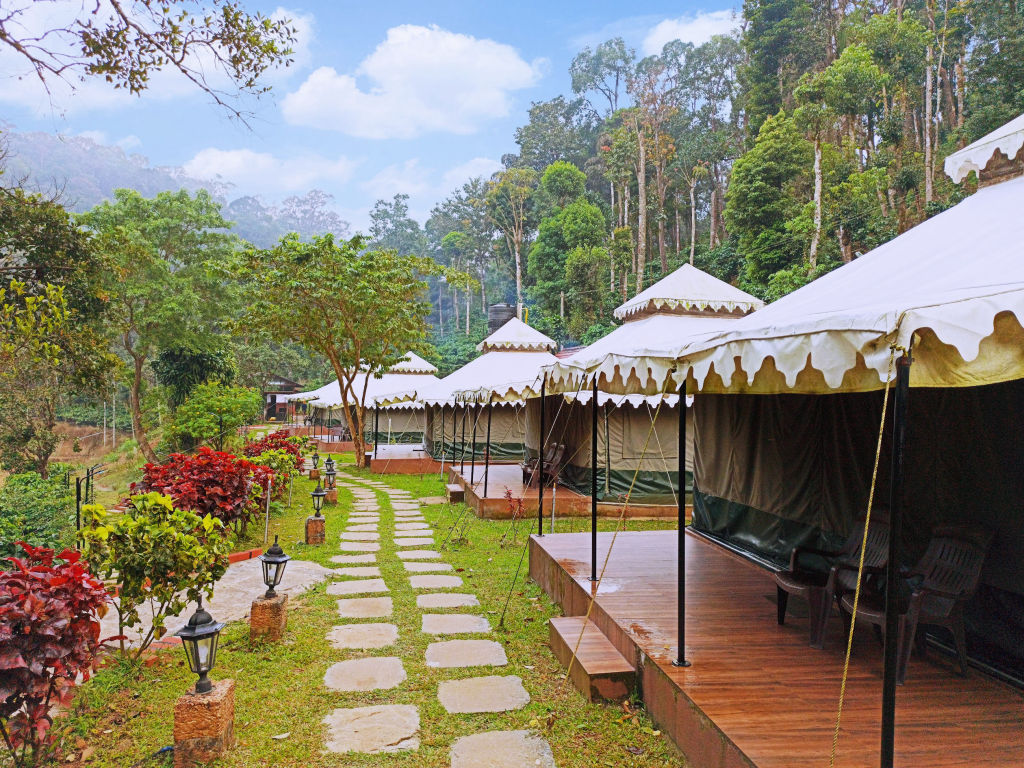
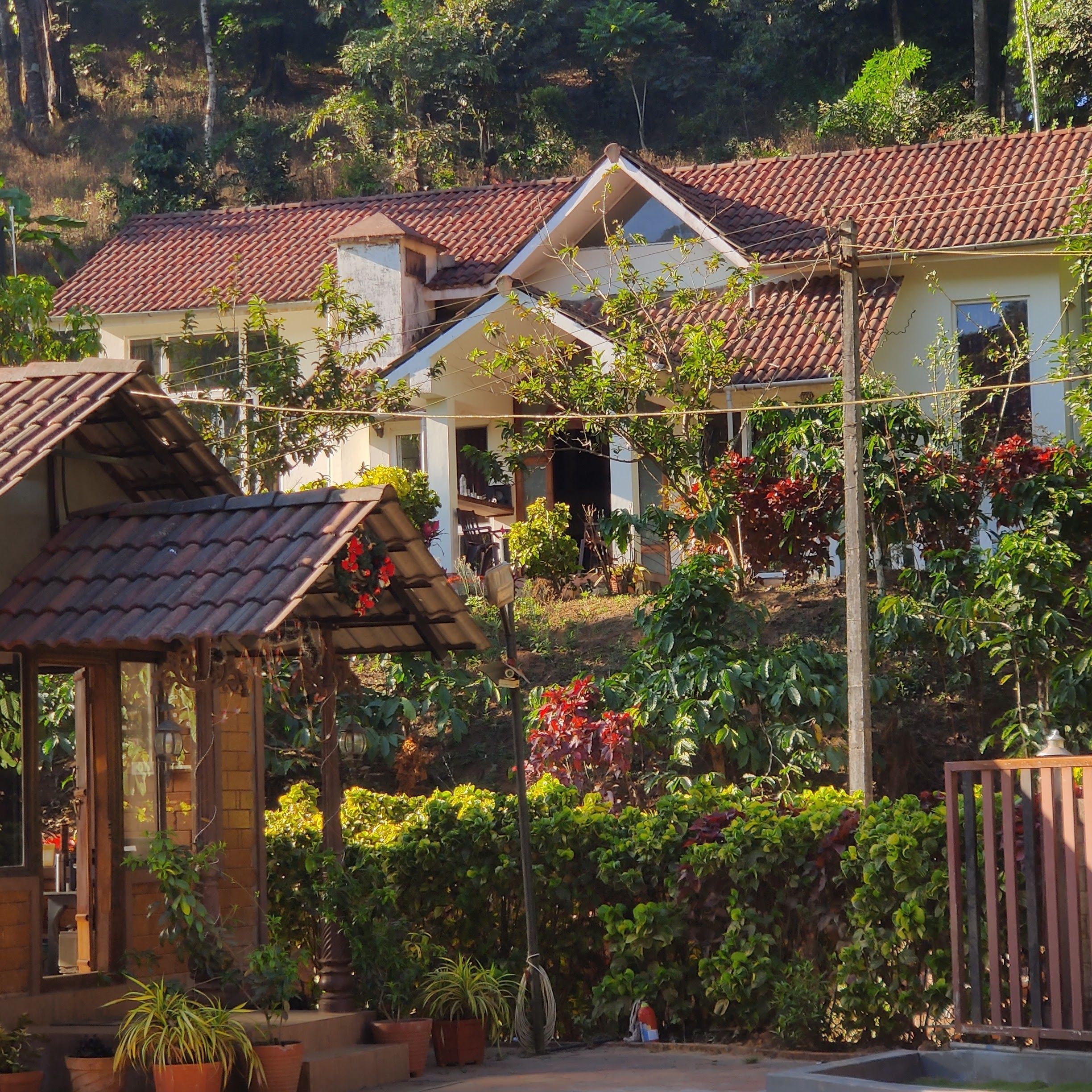
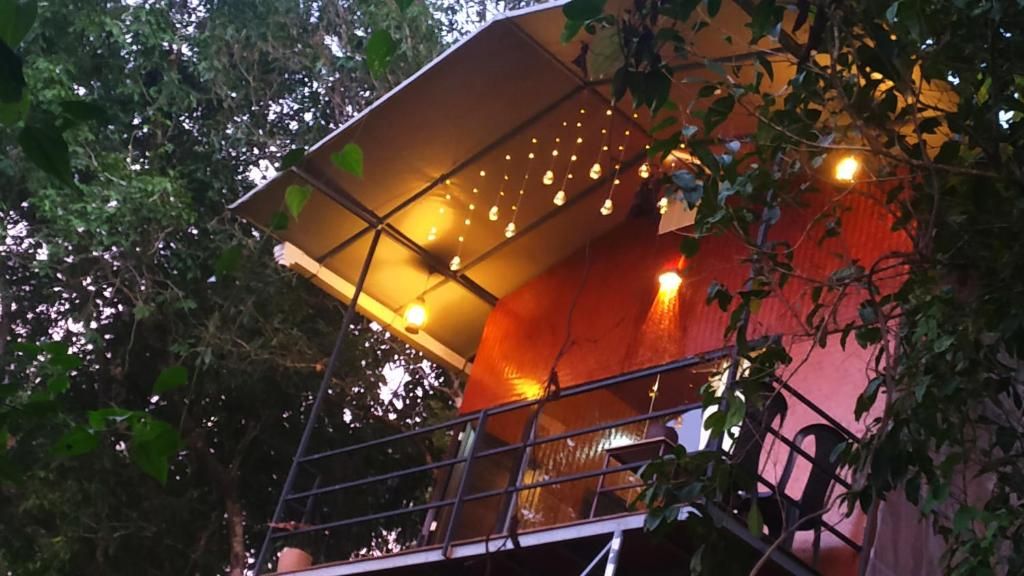
Accommodation options in and around Kakkabe cater well to outdoor enthusiasts and those seeking a peaceful rural base. You can choose from traditional Kodava homestays set inside family-run coffee estates, rustic cottages, and scenic tent campsites positioned close to the Western Ghats foothills.
Staying in a homestay provides an opportunity to sample authentic Kodava cuisine, which frequently includes regional dishes made with local spices, rice rottis, bamboo shoots, and wild forest produce. You can discover and book verified campsites, outdoor retreats, and homestays around Kakkabe directly on HireACamp.
Frequently asked questions
What is Kakkabe famous for?
Kakkabe is best known as the base village for the Thadiyandamol trek, the highest point in the Kodagu district. It is also recognized for its traditional Kodava culture, historic Nalknad Palace, and vast coffee plantations.
Can I trek Thadiyandamol from Kakkabe in one day?
Yes, most hikers complete the Thadiyandamol trek from the Kakkabe base area in five to seven hours round trip. It is best to start early in the morning to avoid midday heat and afternoon cloud cover.
How far is Kakkabe from Bengaluru and Mysuru?
Kakkabe is approximately 130 km from Mysuru, taking about 3 hours and 20 minutes of driving time. From Bengaluru, it is roughly 267 km away, which typically takes around 5 hours and 20 minutes under normal traffic conditions.
Is Kakkabe accessible during the monsoon?
Kakkabe is accessible by road during the monsoon, but the region experiences very heavy rainfall and mist. While suitable for relaxed plantation stays, hiking trails can be slippery and prone to leeches during this period.
What kind of clothing should I pack for Kakkabe?
Pack lightweight, breathable cottons for daytime walks, along with a warm fleece or jacket for chilly winter evenings. If travelling between June and September, pack reliable rain gear and waterproof footwear.
Where you'll be
Kakkabe, Kunjila, Karnataka 571212 · 7 stays nearby shown with prices
As seen on Instagram
The posts this guide is built from
Stays near Kakkabe
Book a place to stay close by
More places near Kakkabe
Within 20 km


Built from 1 Instagram post by 1 creator. Every tip links back to the post it came from, and where creators disagree we show both sides.






