
Dastgeer Sahib Shrine
Heritage & Culture near Srinagar, Jammu and Kashmir
1.7 km from Srinagar
The nearest town, for stays, food and fuel.
Dastgeer Sahib Shrine is a venerated Sufi shrine located in the historic heart of Srinagar, Jammu and Kashmir. Dedicated to the eleventh-century Sufi saint Sheikh Abdul Qadir Gilani, known reveredly as Ghaus-e-Azam, the complex draws worshippers and travellers seeking solace and a deep connection to Kashmiri spiritual heritage. People visit to experience its tranquil ambience, witness intricate traditional wood carving, and observe daily devotions in Srinagar's old quarters.
Getting there
By road
- From SrinagarNearest town9 min · 2.6 km
Typical drive times without traffic. Stations and airports from OLA Maps; distances and typical drive times from OpenStreetMap (© OpenStreetMap contributors); notes from creators' Reels.
About Dastgeer Sahib Shrine
Written with AI from map data and general knowledge. Check prices and timings locally before you go.
History and significance of Dastgeer Sahib Shrine
Dastgeer Sahib Shrine has stood as a pillar of spiritual devotion in the Kashmir Valley for over two centuries. Dedicated to Sheikh Syed Abdul Qadir Gilani, the saint never visited Kashmir in his physical lifetime, yet his teachings and spiritual order, the Qadiriyya silsila, deeply influenced the region's religious fabric. The shrine was originally constructed in the early nineteenth century under the patronage of local nobles and has served as a central gathering point for prayer, remembrance, and community solace ever since.
Over the generations, the shrine became synonymous with the identity of the old city of Srinagar. It famously housed rare Islamic relics, including historical Quranic manuscripts. In 2012, a devastating fire engulfed the main wooden structure, causing deep grief across the valley. Fortunately, the holy relics were salvaged unharmed from a fireproof safe. The local administration and artisans painstakingly reconstructed the shrine, adhering strictly to traditional architectural blueprints to revive its original aesthetic, wood carvings, and papier-mâché detailing.
Architecture and design of the shrine
The architecture of Dastgeer Sahib Shrine reflects the finest tenets of traditional Kashmiri Islamic design, where indigenous woodwork meets Central Asian aesthetic traditions. Unlike modern concrete structures, the complex prioritises timber and stone masonry, allowing the building to breathe and endure the extreme seasonal temperature shifts of the valley.
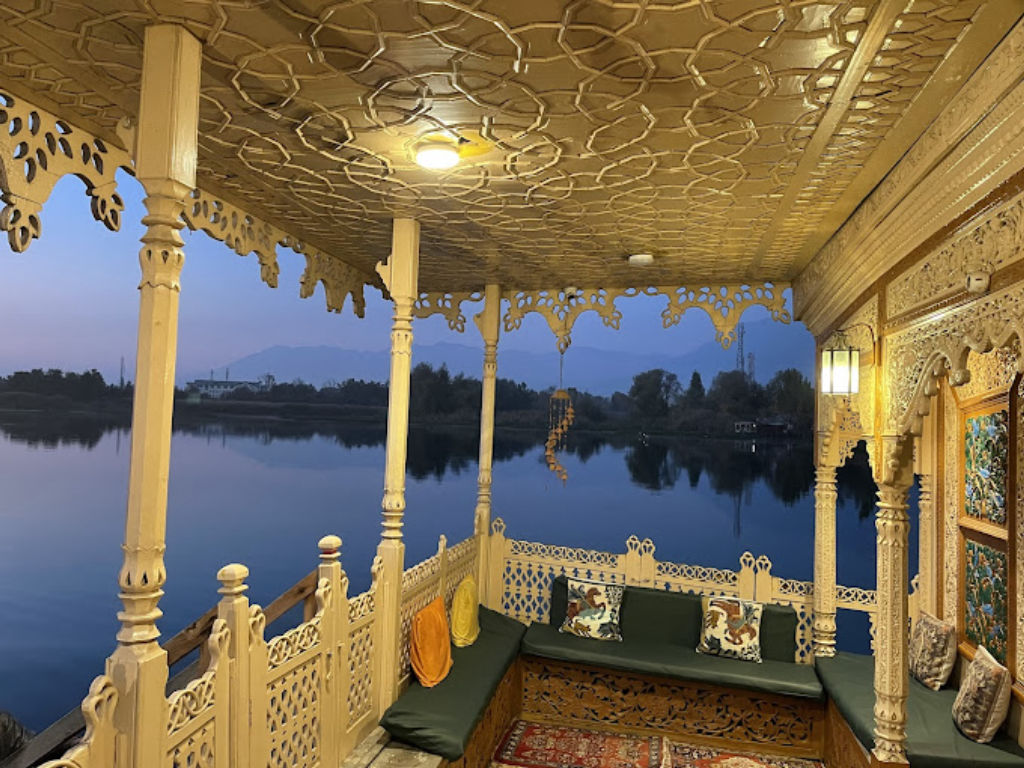
The interiors are celebrated for their elaborate ceiling work, featuring Khatamband—a historic Kashmiri craft where thin facets of deodar and walnut wood are interlocked into geometric, polygonal arrangements without the use of nails. The walls and pillars are adorned with fine papier-mâché and pinjrakari latticework, complemented by soft ambient lighting and rich Persian-style carpets where worshippers gather in contemplation. The central prayer hall exudes a calm and meditative atmosphere, drawing both devotees who come to offer prayers and visitors who appreciate classic craftsmanship.
Read more
The cultural atmosphere of Shehr-e-Khaas
Dastgeer Sahib Shrine sits in the bustling neighbourhood of Khanyar within Shehr-e-Khaas, the historic downtown district of Srinagar. Visiting the shrine offers more than a glimpse inside a sacred space; it places you right into the living heartbeat of Kashmiri city life. The surrounding lanes are alive with the sounds of daily commerce, call to prayers echoing across rooftops, and the pleasant aroma of local street foods and bakeries.
Surrounding the shrine, narrow alleyways showcase classic multi-storey wooden homes with traditional overhanging balconies known as jharokhas. Bakers, or kandurs, prepare traditional breads like lavasa and girda in underground clay tandoors early each morning. Taking time to walk through these streets around the shrine allows travellers to witness centuries-old trade practices, metalcrafting, copperware shops, and embroidery workshops that continue unchanged across generations.
Best time to visit Dastgeer Sahib Shrine
Srinagar experiences distinct seasons, each offering a contrasting setting for a visit to Dastgeer Sahib Shrine. Spring, from March through early May, brings blooming gardens, moderate temperatures, and pleasant walking weather through the old town. The air is fresh and clear, making it a comfortable time for daytime exploration of historic monuments.
Summer spans from late May to August, bringing warm days and bustling evening markets. Autumn, which lasts from September to November, brings dry weather, crisp afternoon breezes, and the golden turning of the region's chinar trees. Winter, running from December through February, envelops Srinagar in cold and occasional heavy snow. During winter, visiting the shrine offers a quiet, contemplative mood as devotees bundle up in woollen pherans and warm themselves while gathering inside the timber-lined prayer hall. Regardless of season, early mornings or late afternoons are ideal for experiencing the shrine when it is at its most peaceful.
How to reach Dastgeer Sahib Shrine
Dastgeer Sahib Shrine is located centrally within Srinagar and is accessible by road from all parts of the city. Sheikh ul-Alam International Airport in Srinagar serves flights from major Indian cities including Delhi, Mumbai, and Chandigarh. From the airport, one can hire a local taxi or cab to reach downtown Srinagar.
If you are arriving by train, the nearest major rail terminals are Jammu Tawi and Udhampur, from where regular road transport connects to Srinagar via the national highway. Within Srinagar, you can take an auto-rickshaw, city bus, or private cab towards the Khanyar locality. Because the streets in the old quarters can be narrow and prone to daytime congestion, walking the final stretch from the main road gives you the easiest and most enjoyable approach.
Tips for respectful visiting
Because Dastgeer Sahib Shrine is an active place of worship, observing local customs is essential. Dress conservatively before arriving; both men and women should keep shoulders and legs fully covered. Women are expected to cover their heads with a scarf or shawl, and men typically wear a prayer cap or head covering while inside the sanctum.
Remove your footwear at the designated storage counters at the entrance before entering the inner halls. Maintain quiet voices and step gently to avoid disturbing individuals immersed in prayer or contemplation. Photography is often restricted or completely forbidden inside the main sanctum; always check local notices and ask permission from attendants before taking photos of the interiors or worshippers. Remove or silence mobile phones before stepping across the threshold.
Where to stay near Dastgeer Sahib Shrine
Srinagar offers a broad variety of stays, ranging from traditional wooden houseboats on Dal Lake and Nigeen Lake to quiet boutique homestays in residential neighbourhoods and city outskirts. Choosing accommodation in or near central Srinagar allows convenient access to both the old downtown areas and scenic lakeside avenues.
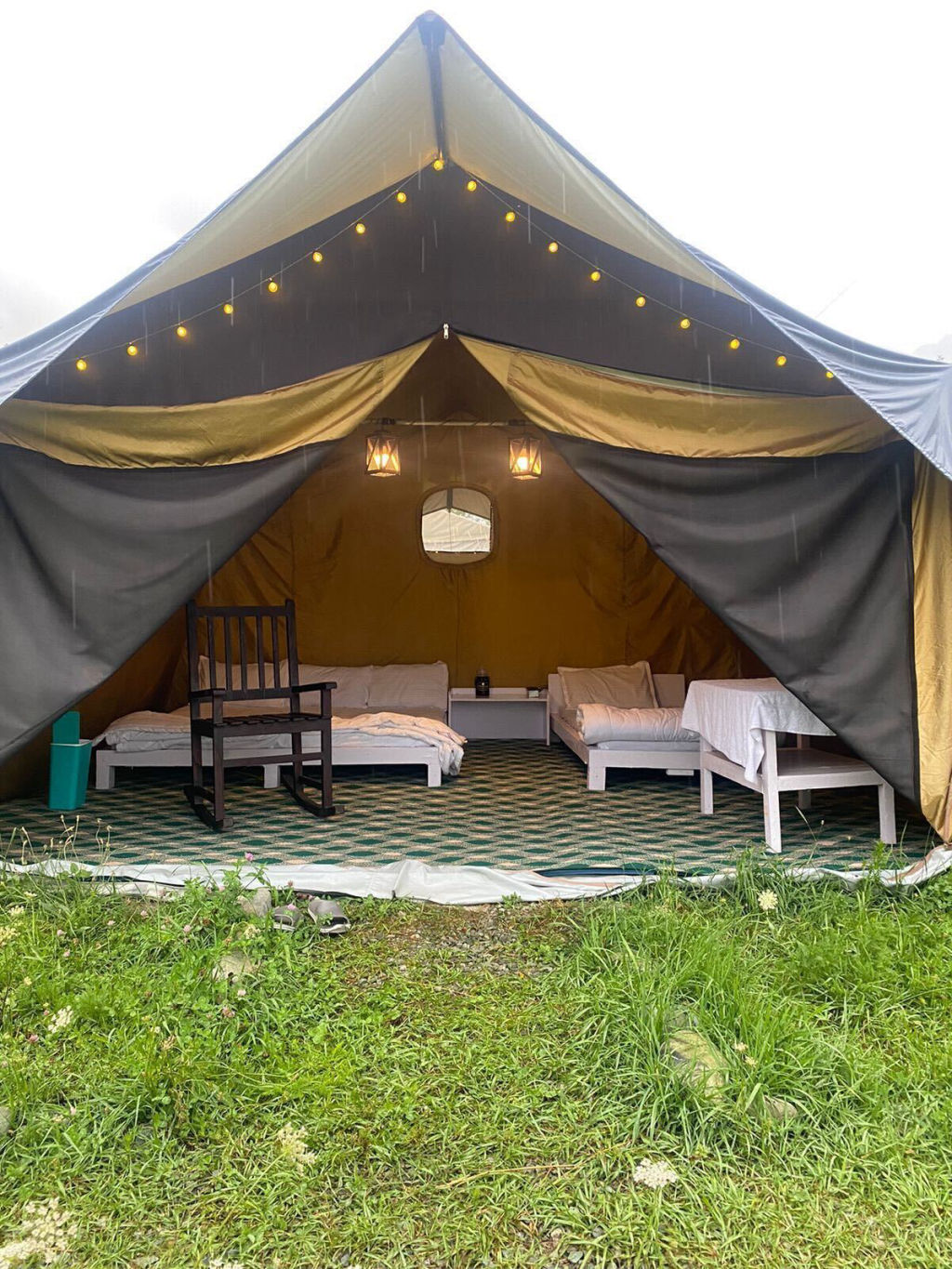
For travellers seeking tranquil nature settings, community homestays, riverside cabins, or outdoor camps situated within and around the Srinagar valley, options can be browsed and booked directly on HireACamp. Staying with local hosts gives you an authentic window into Kashmiri hospitality, traditional home-cooked cuisine, and insider knowledge on navigating the historic lanes.
Frequently asked questions
Is there an entry fee to visit Dastgeer Sahib Shrine?
There is no entry fee required to visit the shrine. Devotees may choose to make voluntary donations into official collection boxes inside the complex.
Who is the shrine dedicated to?
The shrine is dedicated to Sheikh Abdul Qadir Gilani, a globally revered eleventh-century Sufi scholar, preacher, and founder of the Qadiriyya spiritual order.
Are non-Muslim visitors allowed to enter the shrine?
Yes, visitors of all backgrounds and faiths are welcomed to enter the shrine compound, provided they dress modestly, cover their heads, and follow the local rules of conduct.
What is the best time of day to visit?
Early mornings or late afternoons before sunset offer the quietest atmosphere, softer natural lighting for viewing the woodwork, and fewer crowds in the surrounding streets.
Can I take photographs inside the shrine?
Photography policies can vary, and taking pictures inside the sacred inner chamber is often prohibited to preserve the sanctity of worship. Always check posted notices or seek permission from shrine caretakers beforehand.
Where you'll be
Srinagar · 2 stays nearby shown with prices
Stays near Dastgeer Sahib Shrine
Book a place to stay close by
More places near Dastgeer Sahib Shrine
Within 20 km
Built from 0 Instagram posts by 0 creators. Every tip links back to the post it came from, and where creators disagree we show both sides.






