
Srinagar
Destination in Jammu and Kashmir
Srinagar is the summer capital of Jammu and Kashmir, resting along the banks of the Jhelum River in the heart of the Kashmir Valley. Famed for its tranquil lakes, historic wooden architecture, and centuries-old terraced gardens, it is one of northern India's most celebrated mountain destinations. Travellers visit to experience life on the water, explore classical craft traditions, and use the city as a scenic base for exploring the higher reaches of the Himalayas.
Getting there
About Srinagar
Written with AI from map data and general knowledge. Check prices and timings locally before you go.
Understanding Srinagar
Srinagar sits at an elevation of roughly 1,585 metres above sea level, occupying a broad, fertile basin framed by the dramatic ridges of the Pir Panjal and Zabarwan mountain ranges. The city's geography is defined by water, with the Jhelum River meandering through its core and feeding into expansive water bodies like Dal Lake and Nigeen Lake. These lakes are not merely tourist attractions; they are living ecosystems that host entire floating communities, vegetable farms, and centuries-old canal routes.
The city holds deep historical roots as a centre of trade, culture, and spirituality in the Kashmir Valley. Across the old quarters, visitors encounter distinct vernacular architecture characterized by carved timber facades, pinjra lattice screens, and exposed brickwork. The layered heritage of Buddhist, Hindu, and Islamic traditions is visible in the shrines, temples, and bustling mohallas that give Srinagar its enduring character.
Things to do in Srinagar
A classic introduction to Srinagar begins on the waters of Dal Lake. Drifting across the calm surface in a traditional wooden shikara offers an unhurried perspective of the surrounding hills, floating lotus fields, and houseboats anchored along willow-lined shores. Waking early to navigate the smaller canals leads to the famous floating vegetable market, where local growers assemble on wooden canoes at daybreak to trade seasonal produce.
Beyond the water, Srinagar's historic gardens showcase classical Persian landscape design developed during the Mughal era. Terraced gardens such as Shalimar Bagh, Nishat Bagh, and Chashme Shahi step gracefully down towards the lake, featuring water channels, fountains, and massive Chinar trees that provide deep shade. For a panoramic vista across the urban sprawl and surrounding peaks, a walk or drive up to the Shankaracharya Temple situated atop a steep hill provides exceptional views.
Exploring the old town, known locally as Shehr-e-Khaas, reveals the artisan soul of the city. Winding alleys around Zaina Kadal and the Jhelum's historic bridges bring you past workshops where artisans weave pashmina shawls, carve walnut wood, and paint papier-mâché crafts. Visiting architectural milestones such as the grand Jamia Masjid with its courtyard of towering deodar pillars and the riverside shrine of Shah-e-Hamdan allows travellers to appreciate the city's unique wooden craftsmanship.
Read more
Getaways and excursions from Srinagar
Srinagar serves as an ideal hub for exploring higher valleys and alpine meadows across Kashmir. Gulmarg, set beneath the towering peaks of the Pir Panjal, is easily accessible for day trips or overnight journeys. It is known for its rolling high-altitude meadows in summer and deep snowfields that turn it into an international skiing destination in winter.
Heading east along the Lidder River brings travellers to Pahalgam, a gateway for scenic mountain treks, forested riverside walks, and trails leading into the higher alpine reaches. To the northeast, the drive towards Sonamarg runs alongside the tumbling Sindh River, cutting through steep gorges into a valley celebrated as the meadow of gold. Sonamarg serves as the starting point for high-altitude treks to alpine lakes like Vishansar and Gadsar, as well as the approach towards Ladakh.
For those seeking quieter pasturelands, destinations like Doodhpathri and Yusmarg offer expansive green meadows bordered by dense pine forests and cold mountain streams. These lesser-crowded meadows make for peaceful single-day escapes away from the active city streets.
Best time to visit Srinagar
Every season in Srinagar brings a distinct mood and visual landscape. Spring, spanning from late March through April, brings the valley to life with blossoming almond, cherry, and apple orchards, alongside the vibrant flowering displays at the city's dedicated tulip grounds. Temperatures are cool and invigorating during this window.
Summer lasts from May through August, providing pleasant respite from the intense heat of the northern plains. Days are bright, green, and comfortable for boating and walks, though high summer in July can feel warm in the middle of the day. Autumn, from late September to November, is widely regarded as one of the most picturesque periods. The foliage of the grand Chinar trees turns brilliant shades of gold, amber, and crimson, while the air becomes crisp and dry.
Winter arrives in December and extends into February, characterized by freezing temperatures and frequent snowfall. During the traditional winter period, locally known as Chillai Kalan, snow carpets the gardens, roofs, and mountain ridges, turning Srinagar into a quiet, monochrome landscape suited for travellers who enjoy cold-weather travel.
How to reach Srinagar
Srinagar is well connected by air to major Indian metros. Sheikh ul-Alam International Airport handles daily domestic flights from cities including Delhi, Mumbai, Chandigarh, and Jammu. The airport is located a short drive from the main lake and town centres.
Travel by road involves traversing National Highway 44, which links Jammu to Srinagar via the Chenani-Nashri and Banihal Qazigund tunnels. The drive cuts across rugged mountain terrain and offers dramatic mountain scenery, though travel times can vary depending on weather conditions and road work. Taxis, shared cabs, and state-run transport buses operate steadily along this corridor.
For rail travellers, the nearest long-distance railway junction is Jammu Tawi. From Jammu, passengers can continue onward by road, or take a connecting train along the operational sections of the Kashmir Valley rail network between Banihal and Srinagar.
Tips for your visit to Srinagar
Preparing properly ensures a smooth experience in Srinagar. The valley can experience sudden weather changes, so carrying warm layers is advisable even in the shoulder months of spring and autumn. In winter, thermal innerwear, heavy down jackets, and insulated boots are essential.
Mobile connectivity in Jammu and Kashmir operates under specific national regulations. Only postpaid mobile connections from other Indian states function in the region; standard prepaid numbers will not pick up signals, requiring you to procure a local SIM card upon arrival if you do not carry a postpaid connection.
Respect local customs by dressing modestly when visiting shrines, mosques, and heritage neighborhoods. When shopping for handicrafts or taking boat rides, inquire politely about pricing upfront and confirm details before starting. Cash remains widely used in smaller markets, so keeping sufficient paper currency on hand is practical when visiting old bazaars.
Where to stay around Srinagar
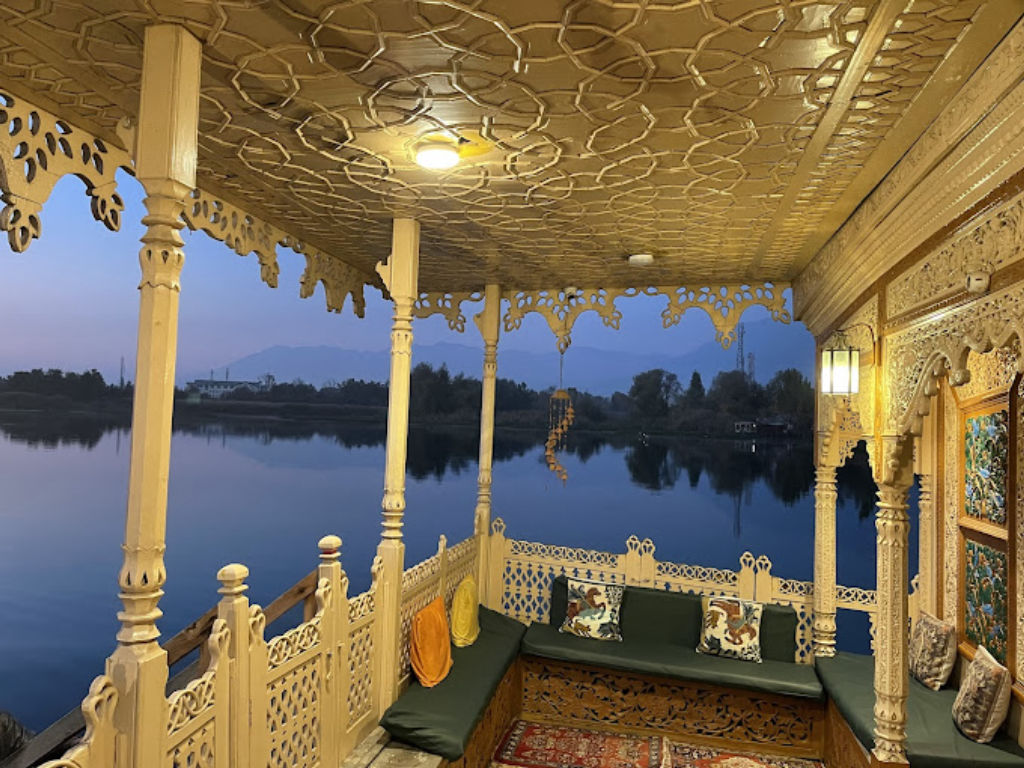
Accommodation styles in Srinagar range from traditional wooden houseboats anchored on the quiet waters of Dal and Nigeen lakes to heritage homestays tucked into residential quarters and orchard estates. Staying on the water offers a classic Srinagar experience with wood-panelled interiors, while inland guesthouses provide convenient access to local markets and dining.
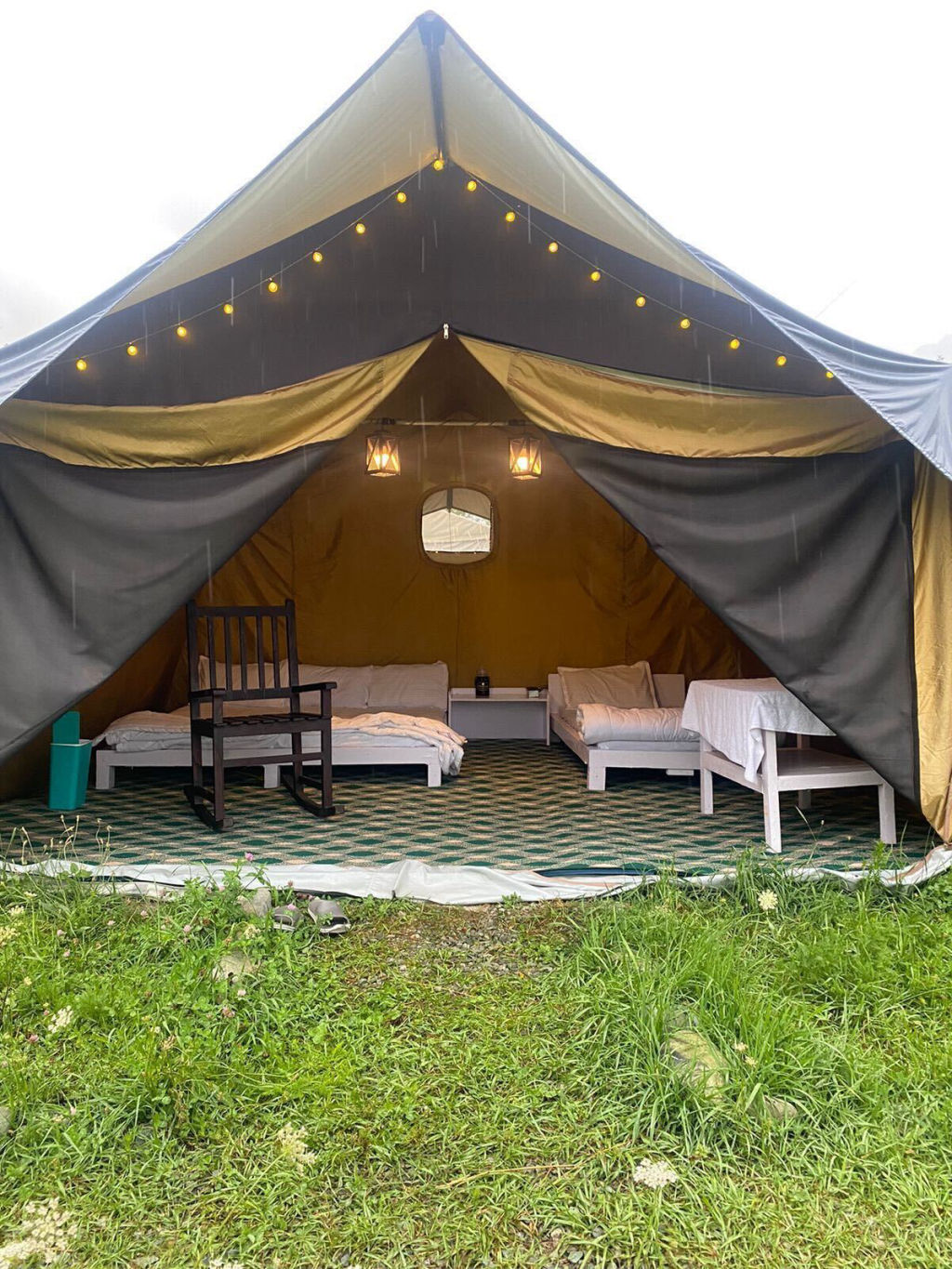
For travellers seeking outdoor immersion and fresh mountain air, camping options, nature resorts, and rustic homestays are scattered throughout the outskirts and nearby mountain valleys. You can discover a wide variety of experiential stays, scenic campsites, and authentic local homestays in and around Srinagar on HireACamp.
Frequently asked questions
How many days are ideal for visiting Srinagar?
A stay of three to four days allows sufficient time to explore Dal Lake, the historic Mughal gardens, and the Old City, while leaving room for a day trip to an adjoining valley like Gulmarg or Sonamarg.
Do standard prepaid SIM cards work in Srinagar?
No, prepaid SIM cards issued outside Jammu and Kashmir do not work due to regional telecommunications regulations. Only Indian postpaid SIM cards or locally purchased connections work in the city.
What is the coldest time of year in Srinagar?
The coldest period runs from late December through January, during the traditional forty-day intense cold spell known as Chillai Kalan, when sub-zero temperatures and snowfall are common.
What are the most popular crafts to buy in Srinagar?
Srinagar is celebrated for handcrafted pashmina shawls, hand-knotted silk and wool carpets, carved walnut wood decor, copperware, and hand-painted papier-mâché articles.
Where you'll be
2 stays nearby shown with prices
Stays near Srinagar
Book a place to stay close by
Things to do in Srinagar
48 places creators recommend within 30 km
Built from 0 Instagram posts by 0 creators. Every tip links back to the post it came from, and where creators disagree we show both sides.






