
Dharmasthala
Destination in Karnataka
Dharmasthala is a renowned temple town nestled on the banks of the Netravati River in the Belthangady taluk of Dakshina Kannada, Karnataka. Famous for its historic multi-faith ethos and rich heritage, the town draws pilgrims and travellers from across South India. Beyond its deep spiritual roots, Dharmasthala serves as an inviting gateway to the dense forests and picturesque waterfalls of the Western Ghats.
Getting there
By road
- From Mangaluru1 hr 35 min · 73 km
- From Mysuru5 hr 5 min · 220 km
- From Bengaluru6 hr 40 min · 336 km
- From Coimbatore9 hr 25 min · 424 km
Typical drive times without traffic. Stations and airports from OLA Maps; distances and typical drive times from OpenStreetMap (© OpenStreetMap contributors); notes from creators' Reels.
About Dharmasthala
Written with AI from map data and general knowledge. Check prices and timings locally before you go.
What Dharmasthala is known for
Dharmasthala holds a unique place in the cultural landscape of Karnataka. At the centre of the town lies the ancient Sri Kshetra Dharmasthala Manjunatha Swamy Temple, dedicated to Lord Shiva, yet administered by a Jain family and served by Vaishnavite priests. This rare confluence of traditions represents a centuries-old commitment to communal harmony and charity.
The town is equally recognized for its tradition of annadana, the practice of serving free meals to thousands of pilgrims every day. Perched atop Ratnagiri Hill within the town stands a majestic monolithic statue of Lord Bahubali, carved from a single piece of rock. Surrounded by manicured gardens, the hill offers sweeping views of the surrounding countryside, combining quiet contemplation with striking religious architecture.
Things to do in Dharmasthala
A visit to Dharmasthala often begins with paying homage at the main shrine complex. The temple architecture displays typical coastal Karnataka elements, with sloping tiled roofs, detailed woodwork, and spacious courtyards designed to accommodate extensive foot traffic.
Take time to walk up to Ratnagiri Hill to view the monumental Bahubali statue. The walk is gentle and rewards visitors with cool morning breezes and panoramic views of the verdant landscape. Within the town limits, you will also discover fascinating vintage collections that showcase the heritage of the region, ranging from classic motorcars to preserved regional artefacts and ancient manuscripts.
Walking down to the banks of the sacred Netravati River provides a peaceful break from the busier streets near the temple. Early mornings along the riverbanks are especially atmospheric, with local rituals unfolding against the soft glow of dawn.
Read more
Getaways and places to visit nearby
Dharmasthala is an excellent base for exploring the diverse landscapes and historic spots of coastal and Malenadu Karnataka. Nature enthusiasts can plan day excursions to Ermayi waterfalls, located roughly twenty kilometres away, where water cascades down multi-tiered rock faces amidst lush greenery. The surrounding trail requires careful footing, making it a refreshing adventure in the forest.
For expansive mountain terrain, Kudremukh National Park lies nearby. Known for its rolling shola grasslands, evergreen forests, and rich biodiversity, the park offers a dramatic change of scenery from the humid plains. Those looking to extend their spiritual journey can travel across scenic mountain passes towards the Adishakthyathmaka Shri Horanadu Annapoorneshwari Temple, cradled deep within the hill tracts of Chikkamagaluru.
Historic and architectural sites abound within a short driving radius. The ancient river confluence at Uppinangady, home to the Sahasra Lingeshvara Temple, is celebrated for its natural setting where the Kumaradhara and Netravati rivers merge. Nearby towns also feature exquisite Jain basadis, including the Aadinatha Swami Basadi, showcasing intricate stone carvings that reflect the region's enduring artistic legacy.
Best time to visit Dharmasthala
The climate in this part of coastal Karnataka transitions through distinct seasonal shifts. The winter months from October to February are generally considered the best time to visit Dharmasthala. During this period, the days are pleasant, humidity is relatively low, and evening temperatures bring a welcome coolness, making outdoor explorations comfortable.
The monsoon season, lasting from June through September, transforms the Western Ghats into a vibrant expanse of emerald green. While the heavy downpours bring alive cascading waterfalls like Ermayi, road travel can sometimes be slowed by torrential rain. If you enjoy dramatic cloudy skies and lush flora, the rainy season has its own charm.
Summer from March to May can be hot and humid, with daytime temperatures climbing significantly. If you plan to travel during these months, it is advisable to schedule temple visits and walks during the early morning or later in the evening.
How to reach Dharmasthala
Dharmasthala is well connected to major transit hubs across Karnataka. The nearest commercial airport is located in Mangaluru, which operates frequent domestic flights to key Indian cities. From Mangaluru, taxis and direct buses connect smoothly to Dharmasthala, navigating scenic coastal highways and plantation roads.
For rail travellers, the nearest railway stations are at Mangaluru and Subrahmanya Road. Both stations connect to regional junctions, and onward travel by state-run transport or private cab is widely available. Direct bus services run regularly to Dharmasthala from Bengaluru, Mysuru, Hubballi, and other major cities.
Driving down from Bengaluru involves a scenic journey across the Shiradi Ghat or Charmadi Ghat. Both routes wind through dense forests, offering picturesque valley vistas, though road conditions can fluctuate depending on recent monsoon maintenance.
Tips for travellers visiting Dharmasthala
When planning your visit, keep in mind that religious sites in Dharmasthala follow traditional dress codes. Modest attire covering shoulders and knees is required at the main shrine, and men may be expected to follow specific traditional clothing guidelines before entering certain sanctums.
Large festivals such as Laksha Deepotsava draw immense crowds of devotees. If you prefer a quieter experience, consider visiting on weekdays during non-festival periods. Carrying breathable cotton clothing, comfortable walking footwear that can be easily removed at temples, and rain gear if travelling between June and September will ensure a comfortable trip.
Where to stay around Dharmasthala
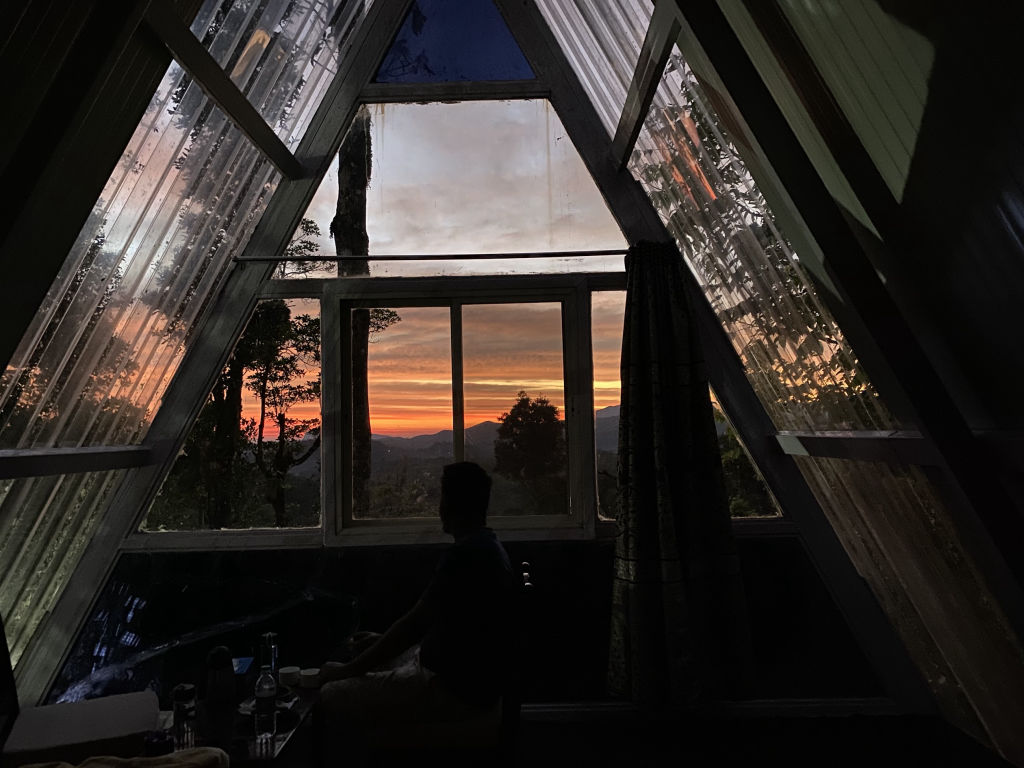
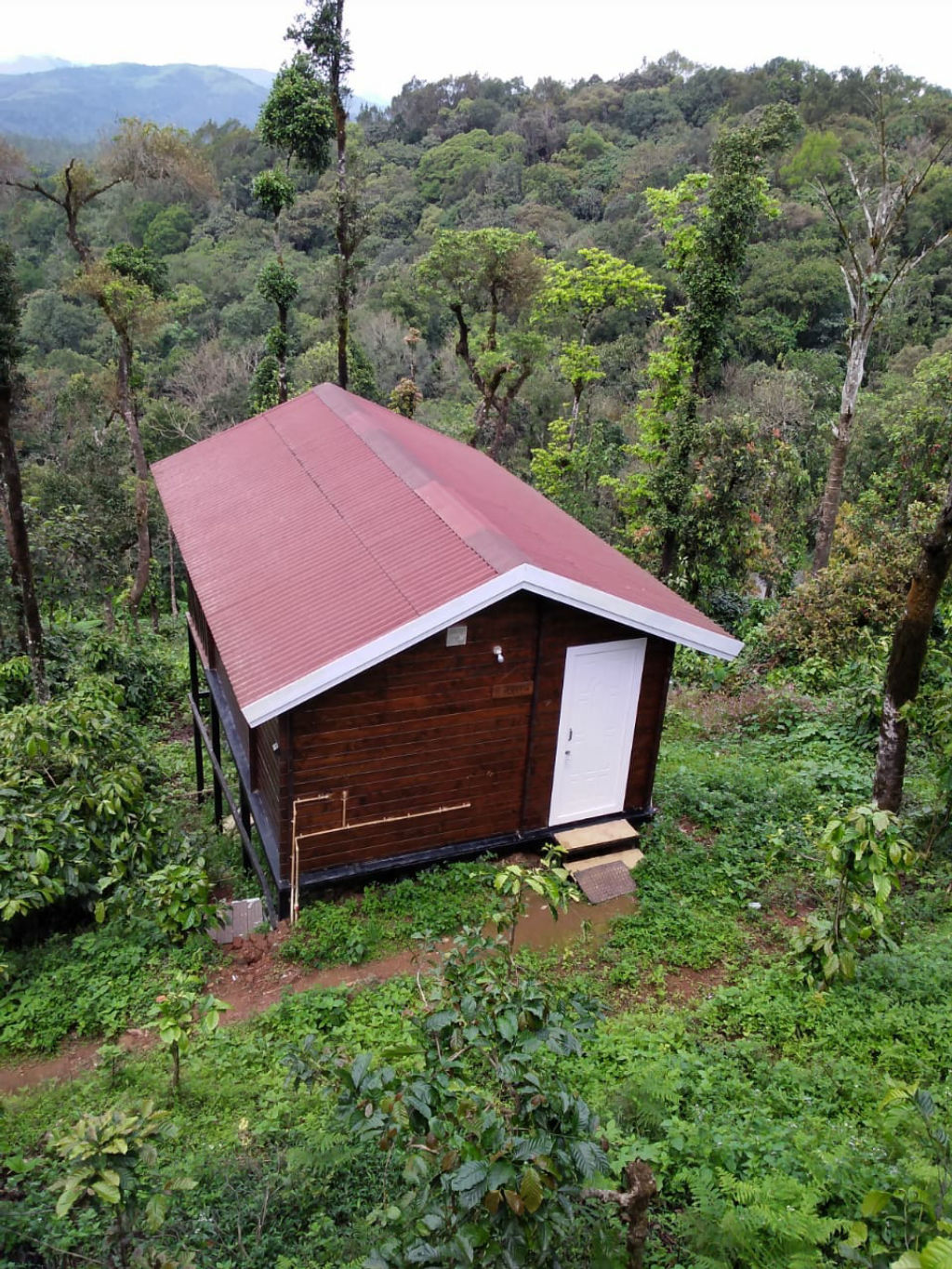
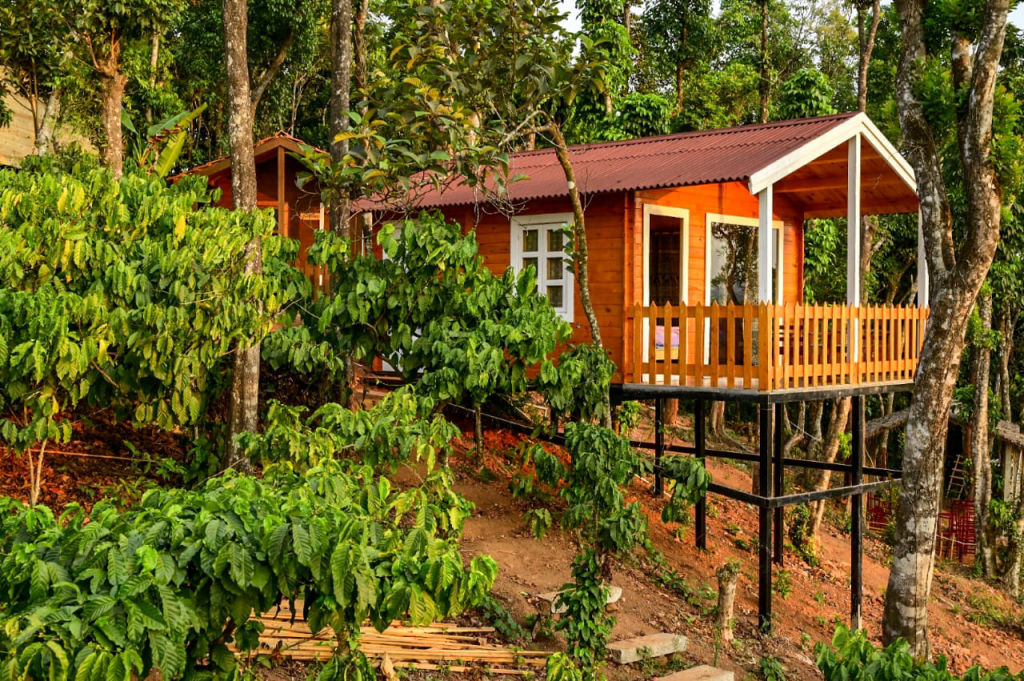
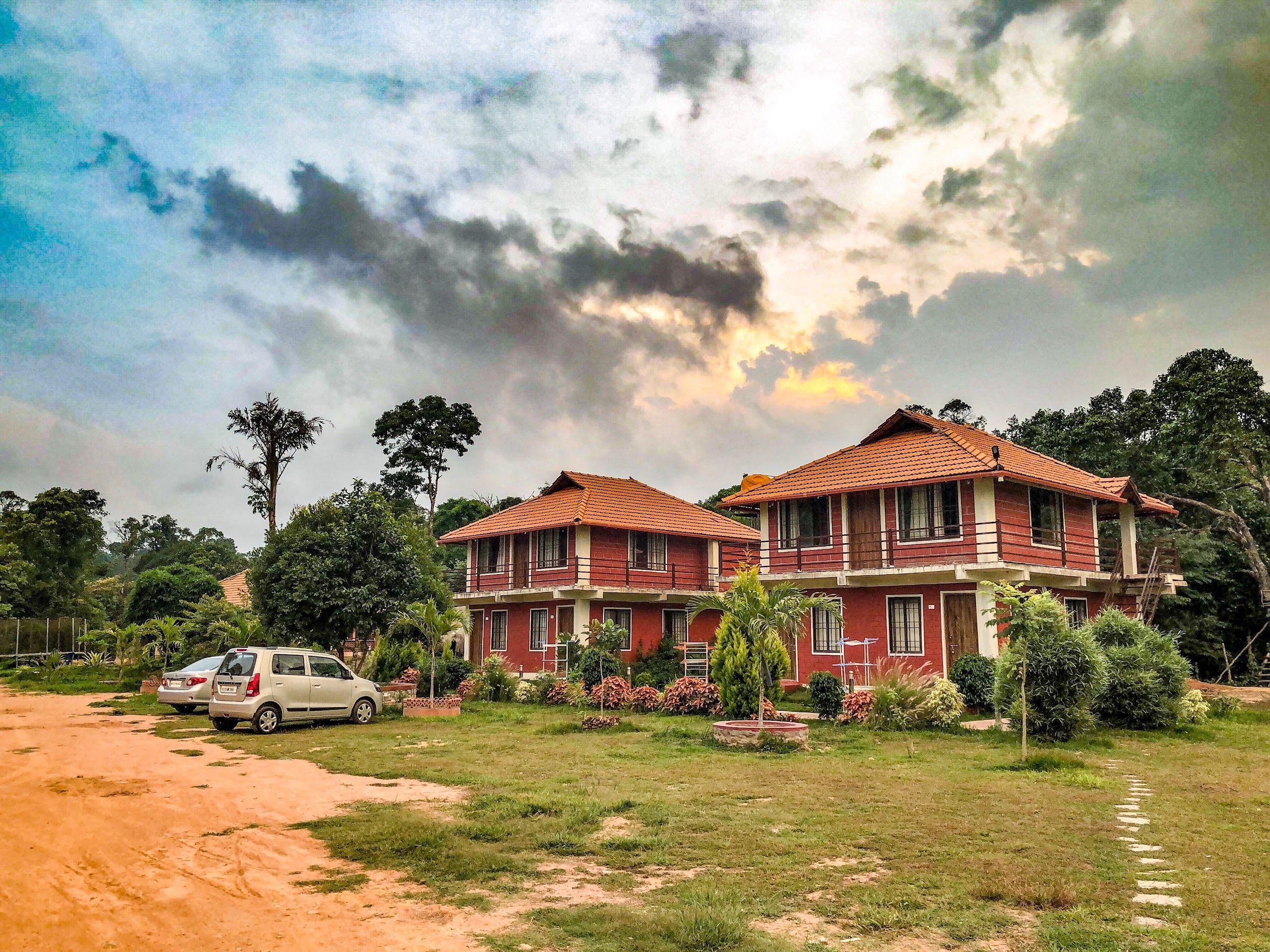
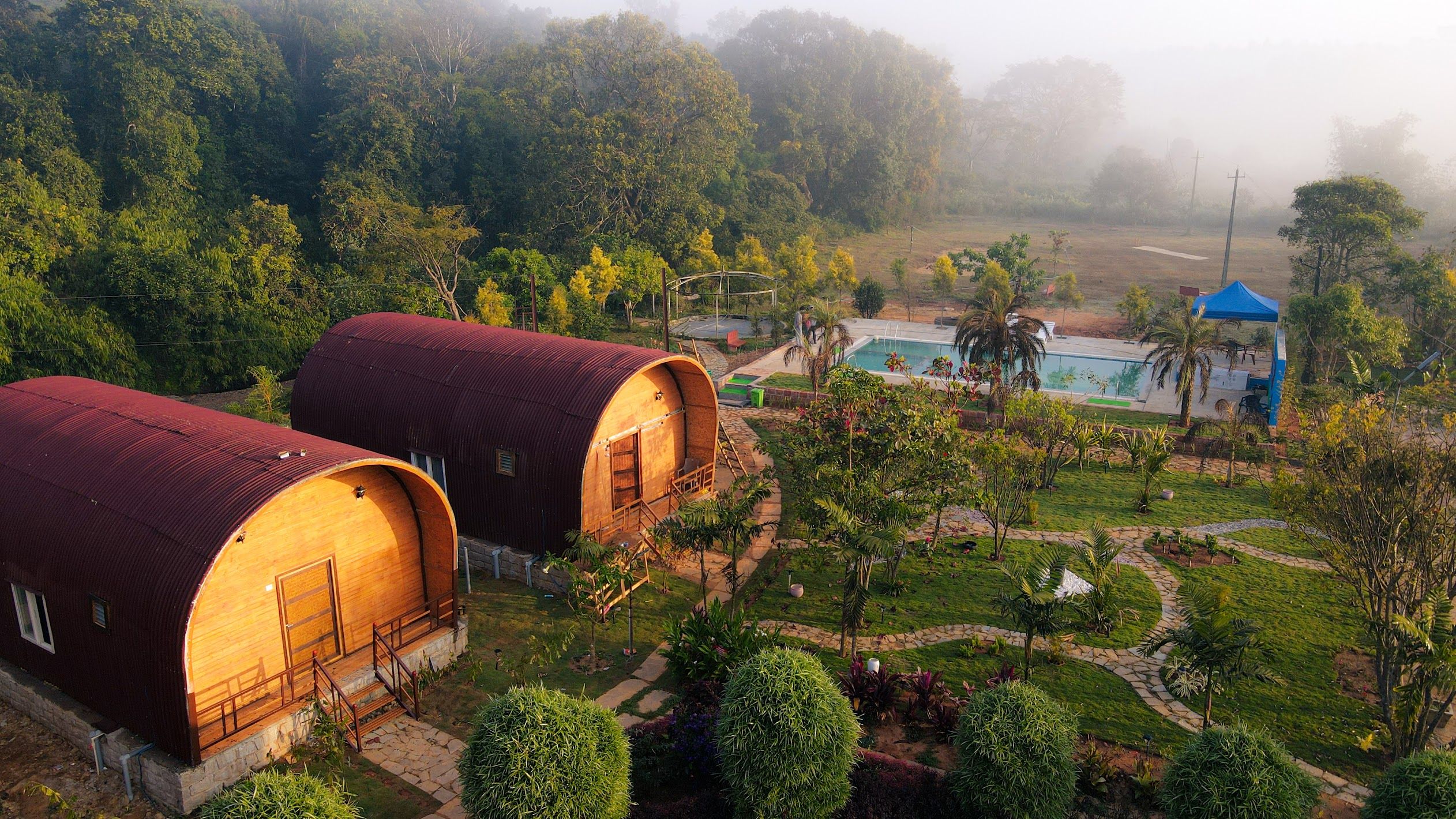
Accommodation options around Dharmasthala cater to different styles of travel. While the town centre provides basic pilgrim lodgings, the surrounding hills and river valleys are home to tranquil alternatives for those who prefer nature and open space.
If you want to wake up to birdsong and plantation views, you can explore coffee estate homestays, nature retreats, and riverside stays scattered throughout the foothills of the Western Ghats. You can find well-curated homestays, rural retreats, and camps near Dharmasthala on HireACamp to suit your travel plans.
Frequently asked questions
What is Dharmasthala famous for?
Dharmasthala is primarily renowned for the Sri Kshetra Dharmasthala Manjunatha Swamy Temple, which uniquely integrates Shaivite, Vaishnavite, and Jain practices. It is also famous for its towering monolithic statue of Lord Bahubali and its long-standing tradition of offering free meals to pilgrims.
Which is the nearest airport to Dharmasthala?
The nearest airport is Mangaluru International Airport, located roughly seventy-five kilometres away. From the airport, visitors can hire private taxis or board regular regional buses to reach the town.
Are there natural attractions near Dharmasthala?
Yes, the town is situated near scenic natural attractions including Ermayi waterfalls and the trekking trails and wilderness of Kudremukh National Park, both reachable within a short drive.
What is the best time of year to visit Dharmasthala?
The most comfortable time to visit is during the post-monsoon and winter months from October to February, when temperatures are moderate and the surrounding countryside remains lush and green.
What dress code is followed at the Dharmasthala temple?
Visitors are expected to dress conservatively in traditional or modest attire. Specific temple inner precincts require men to follow customary attire rules, which can be confirmed upon arrival.
Where you'll be
5 stays nearby shown with prices
Stays near Dharmasthala
Book a place to stay close by
Things to do in Dharmasthala
48 places creators recommend within 30 km


Built from 0 Instagram posts by 0 creators. Every tip links back to the post it came from, and where creators disagree we show both sides.






