
Manjusha Museum
Museum near Dharmasthala, Karnataka
400 m from Dharmasthala
The nearest town, for stays, food and fuel.
Manjusha Museum is a heritage and artifact museum located in the temple town of Dharmasthala near Beltangadi in Karnataka. Established to preserve the cultural and material heritage of southwestern India, it houses an eclectic private collection spanning vintage automobiles, sacred sculptures, ancient manuscripts, and antique household objects. Travellers and history enthusiasts visit the museum to gain a fascinating look into the daily life, technology, and art of past eras in the region.
Getting there
By road
- From DharmasthalaNearest town1 min · 400 m
- From Mangaluru1 hr 35 min · 73 km
- From Mysuru5 hr 5 min · 219 km
- From Bengaluru6 hr 40 min · 336 km
Typical drive times without traffic. Stations and airports from OLA Maps; distances and typical drive times from OpenStreetMap (© OpenStreetMap contributors); notes from creators' Reels.
About Manjusha Museum
Written with AI from map data and general knowledge. Check prices and timings locally before you go.
About Manjusha Museum
Manjusha Museum is situated in Dharmasthala within the Beltangadi taluk of Dakshina Kannada, Karnataka. Conceived through the personal collecting efforts of Dr. D. Veerendra Heggade, the museum was established to safeguard the artistic, spiritual, and domestic heritage of southwestern India. The name Manjusha translates to a treasure chest or casket, which fittingly describes the diverse assortment of historical relics gathered under its roof.
The institution serves as an educational link between traditional South Indian culture and modern visitors. Rather than focusing solely on royal regalia, it presents an eclectic mixture of historical objects that range from everyday rural tools and century-old cooking vessels to sacred temple bronzes and rare ancient manuscripts. A visit provides a captivating window into centuries of craftsmanship, domestic life, and regional history along the foothills of the Western Ghats.
Exhibits and collections at Manjusha Museum
The museum collection is spread across multiple display halls, offering an intriguing variety of historic treasures. One of the primary attractions for travellers is the vintage automobile section. Here, visitors can inspect an array of classic cars meticulously preserved over the decades, including vintage touring vehicles and cars once used by the temple administrators. Alongside these motorized vehicles are traditional wooden chariots, ceremonial palanquins, and historic animal-drawn carts that illustrate the evolution of regional transport.
Beyond mechanical artifacts, the museum displays an extensive array of religious art and daily heritage items. Intricately carved stone idols, brass ritual vessels, lamps of diverse shapes, and temple ornaments show the high level of skill achieved by traditional artisans. Visitors can also view historic palm-leaf manuscripts inscribed with ancient Kannada and Sanskrit scripts, collections of vintage coins, early photography equipment, manual typewriters, and mechanical clocks. Together, these artifacts showcase both sacred traditions and the mundane realities of life in coastal and Malnad Karnataka.
Read more
Best time to visit Manjusha Museum
Because Manjusha Museum is entirely enclosed, visitors can tour its galleries comfortably throughout the year. However, planning your trip around the broader seasons of Beltangadi and the Dakshina Kannada district ensures a far more comfortable overall journey. The post-monsoon and winter months, spanning from October to February, offer the most agreeable conditions. During this period, the humidity drops, daytime temperatures remain moderate, and the surrounding countryside is green and vibrant.
The summer season between March and May brings intense tropical heat and heightened humidity, which can make moving between outdoor temple sites and viewpoints demanding. Meanwhile, the monsoon months from June to September bring substantial and continuous rainfall to the Western Ghats foothills. While the wet season turns the surrounding landscape lush and fills local rivers, heavy downpours can occasionally slow down road travel, so winter remains the ideal window for most visitors.
How to reach Manjusha Museum
Manjusha Museum is located in Dharmasthala, near Beltangadi, and is easily accessible by road from key transit hubs in Karnataka. Due to the spiritual importance of Dharmasthala, regular state-run and private buses connect the town directly to major cities including Bengaluru, Mangaluru, Mysuru, and Hassan. Travellers driving from Mangaluru can reach the museum in approximately two hours, following scenic roads that wind through coastal plains and foothill plantations.
For those travelling by rail, the nearest railway stations are Bantwal and Subrahmanya Road, though Mangaluru Central and Mangaluru Junction serve as the main railheads with extensive connectivity across India. From the railway stations, frequent buses and private taxis run straight to Dharmasthala. Travellers arriving by air will find Mangaluru International Airport to be the closest terminal, situated roughly eighty kilometres away, with taxi services available for the onward road journey.
Places to explore around Beltangadi
A trip to Manjusha Museum can easily be combined with several cultural and outdoor attractions located close by. Directly adjacent to the museum stands the revered Sri Kshetra Dharmasthala Manjunatha Swamy Temple, which draws pilgrims from across the nation. A short drive away on a nearby hill rises the colossal monolithic statue of Shri Bhagwan Bahubali, carved from single granite rock, offering sweeping vistas of the town and the distant ridgelines of the Western Ghats.
Nature lovers can spend time beside the gentle waters of the Netravathi River, which flows through the area. Those interested in short forest drives can explore regional cascades such as Arbi Falls and Ermayi Falls, which are especially scenic in the months immediately following the monsoon. For hikers and history buffs, the imposing rock monolith of Gadaikallu, also known as Jamalabad Fort, stands near Beltangadi, offering an adventurous climb rewarded with panoramic views over the surrounding canopy.
Tips for your visit to Manjusha Museum
Set aside at least one to two hours to wander through the galleries at a relaxed pace so you can appreciate the details of the older artifacts and automobiles. Because the museum is situated within a major pilgrimage destination, visitors are advised to wear modest and culturally respectful attire. Walking is required throughout the exhibits, so wearing comfortable shoes is practical, though visitors should remain prepared to remove footwear if entering connected sacred premises.
Photography rules can vary among the different galleries, so be sure to check locally with the museum staff at the entrance regarding mobile phone and camera guidelines. Dharmasthala experiences significant influxes of visitors during weekends, annual temple fairs, and public holidays. Planning your visit for a weekday morning often yields a quieter experience with ample room to view the exhibits without rush.
Where to stay near Manjusha Museum
The area around Dharmasthala and Beltangadi offers a variety of stay options catering to pilgrims, road-trippers, and outdoor enthusiasts. While the town centre features basic pilgrim guesthouses and hotels, the lush countryside nearby provides peaceful alternatives amidst nature.
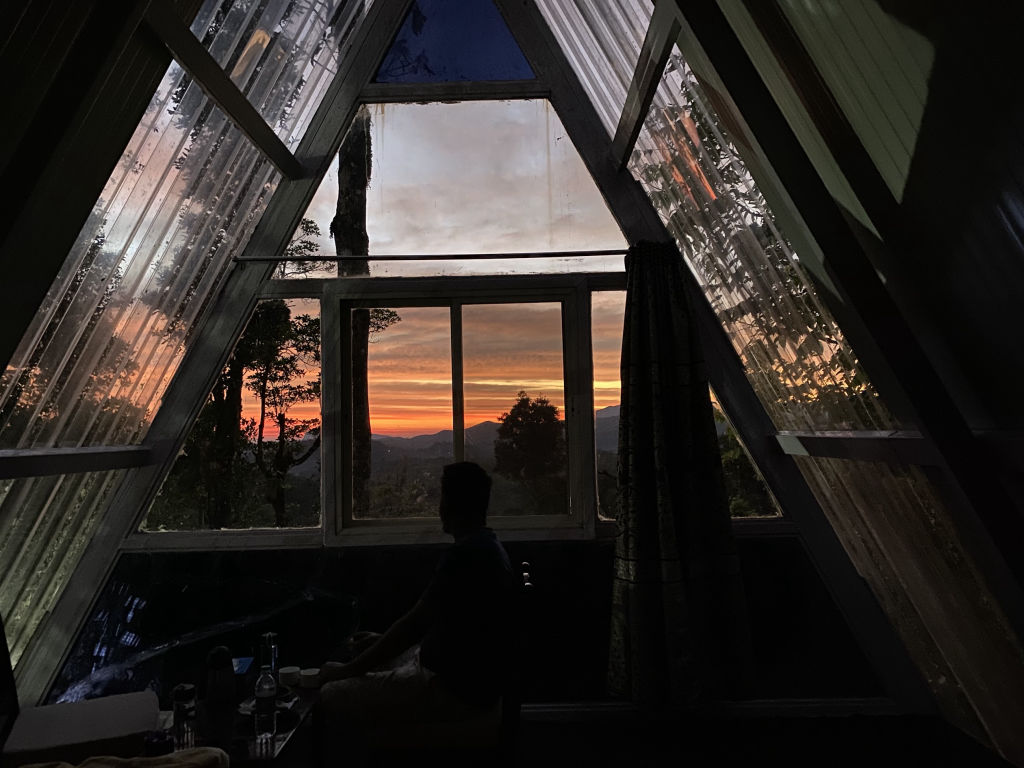
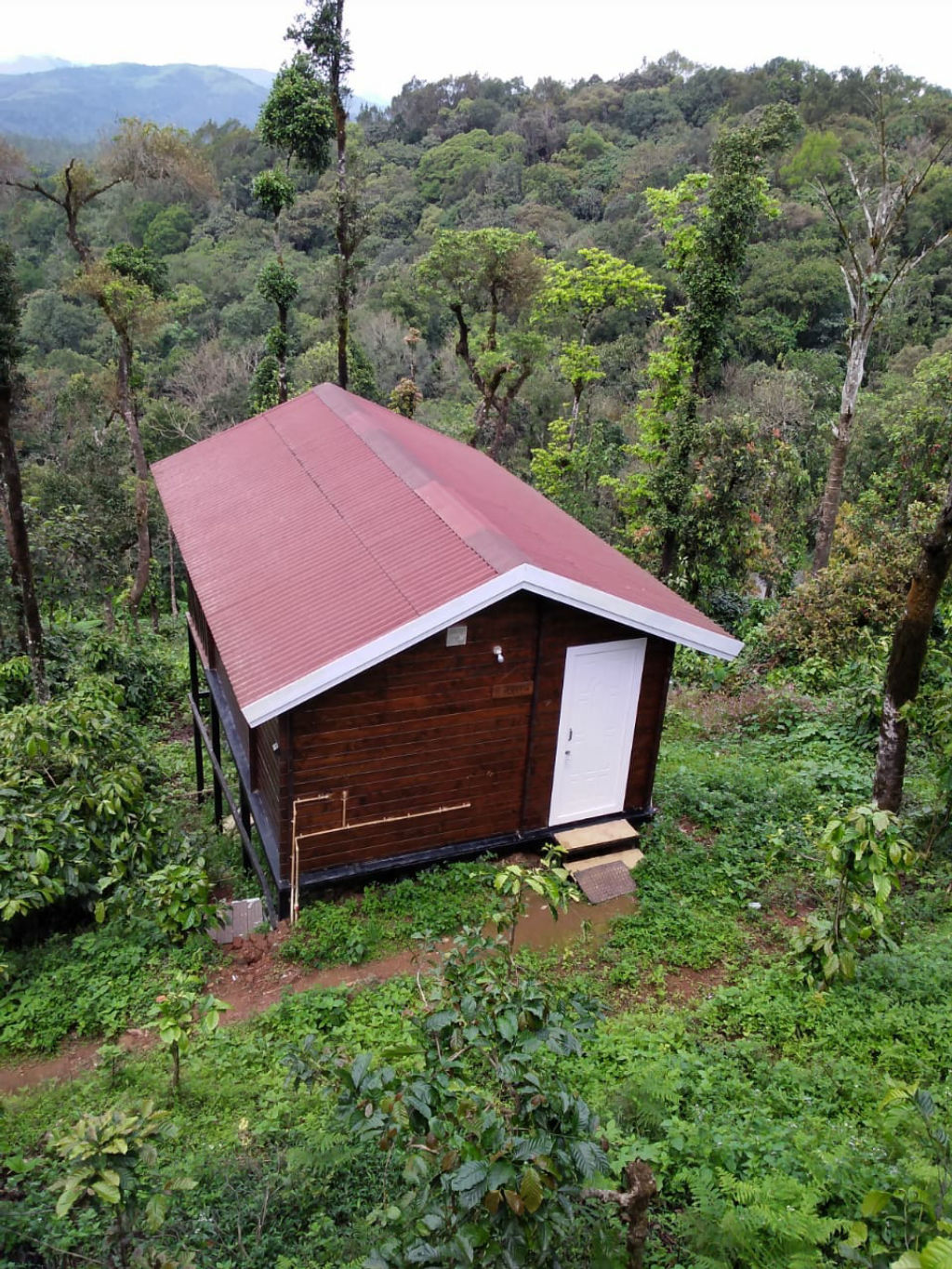
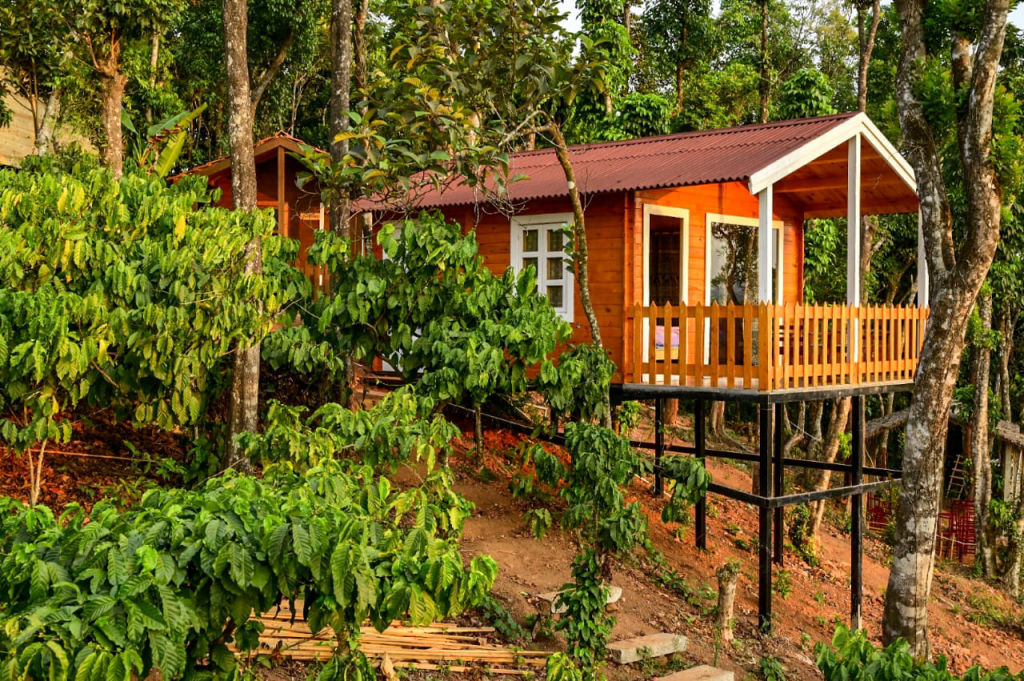
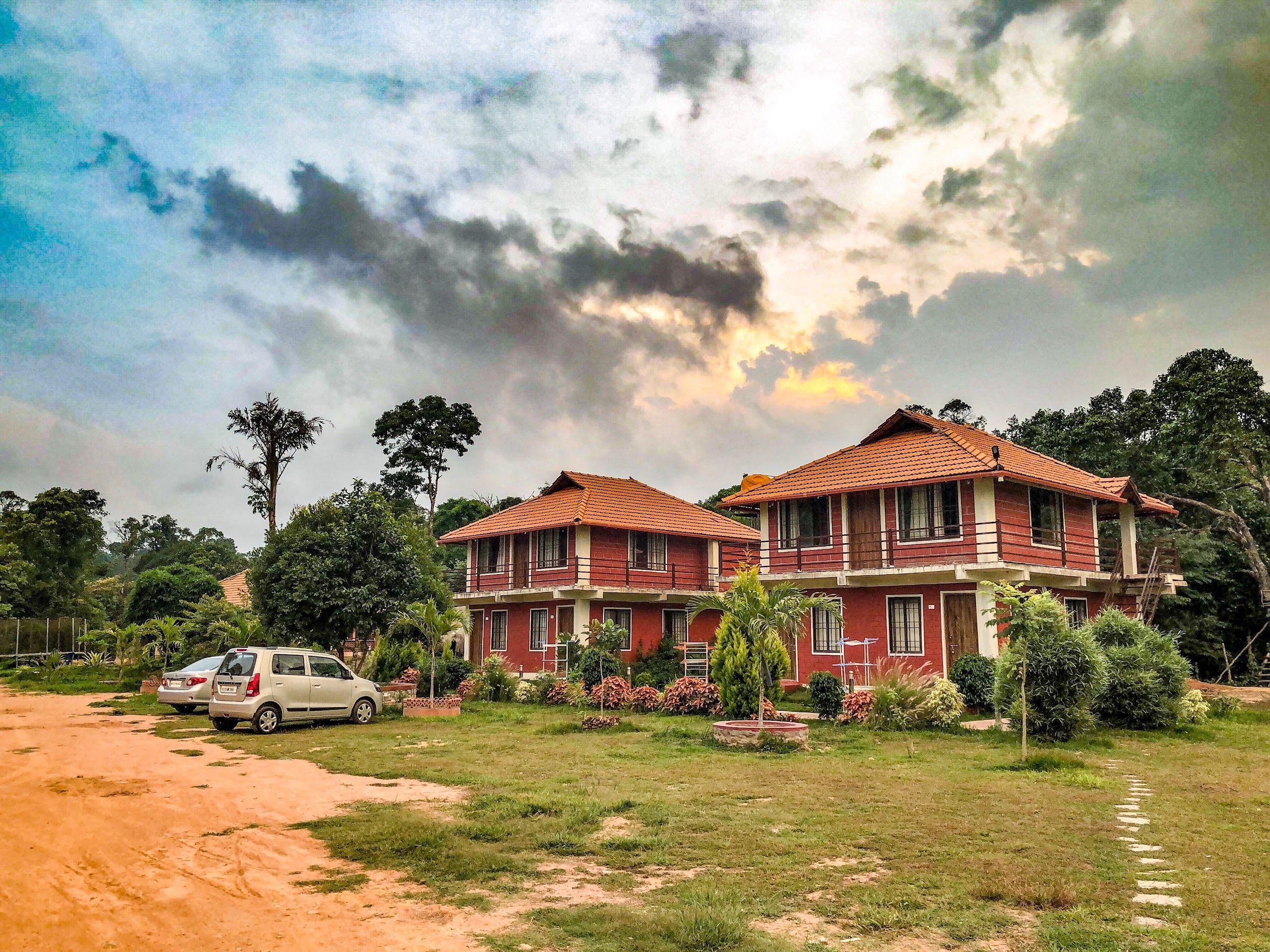
Travellers who prefer quiet rural surroundings, spice estates, and river views can explore homestays, nature lodges, and campsites listed on HireACamp. Staying slightly outside the town centre allows you to experience authentic Malnad hospitality, savour regional cuisine, and unwind in green environments after spending the day exploring the museum and local landmarks.
Frequently asked questions
Where is Manjusha Museum located?
Manjusha Museum is located in Dharmasthala, within the Beltangadi taluk of Dakshina Kannada district in Karnataka, right next to the famous Manjunatha Swamy Temple.
What kind of items are on display at Manjusha Museum?
The museum features an extensive personal collection that includes vintage automobiles, stone sculptures, antique brass lamps, traditional household tools, ancient palm-leaf manuscripts, and early mechanical equipment like cameras and typewriters.
What is the best time of year to visit Manjusha Museum?
The best time to visit is during the post-monsoon and winter months from October to February, when temperatures are pleasant and humidity is comfortable for exploring the area.
How long does a visit to Manjusha Museum take?
Most visitors spend between one and two hours walking through the diverse indoor galleries and vintage vehicle sections.
Is photography allowed inside Manjusha Museum?
Photography policies may vary between different halls and exhibits, so it is best to check locally with the entrance desk and museum attendants when you arrive.
Where you'll be
Beltangadi, KA · 5 stays nearby shown with prices
Stays near Manjusha Museum
Book a place to stay close by
More places near Manjusha Museum
Within 20 km


Built from 0 Instagram posts by 0 creators. Every tip links back to the post it came from, and where creators disagree we show both sides.






