
Durpin Monastery
Monastery near Durpin Dara, West Bengal
1 post
Guide from 1 post by 1 creator
@traveltriangle
200 m from Durpin Dara
The nearest town, for stays, food and fuel.
Durpin Monastery, formally known as Zang Dhok Palri Phodang, is a prominent Tibetan Buddhist monastery perched on Durpin Hill in Kalimpong, West Bengal. Consecrated by the Dalai Lama in the 1970s, it commands sweeping views of the Teesta River valley and the snow-capped Eastern Himalayan range. Travellers and pilgrims visit to admire its vivid traditional murals, peaceful prayer halls, and rare religious manuscripts.
Getting there
By road
- From Durpin DaraNearest town4 min · 1.3 km
- From Kalimpong15 min · 5 km
By train, bus or air
- New JalpaiguriNearest railway station2 hr 50 min · 77 km
- Tenzing Norgay Bus TerminusNearest bus stand2 hr 30 min · 69 km
- Bagdogra AirportNearest airport3 hr · 83 km
Typical drive times without traffic. Stations and airports from OLA Maps; distances and typical drive times from OLA Maps and OpenStreetMap (© OpenStreetMap contributors); notes from creators' Reels.
About Durpin Monastery
Written with AI from creators' posts and map data. Check prices and timings locally before you go.
About Durpin Monastery
Durpin Monastery stands at the highest point of Kalimpong on Durpin Dara hill. Built in the early 1970s and consecrated by His Holiness the Dalai Lama in 1976, this sanctuary belongs to the Gelugpa school of Tibetan Buddhism. Its formal religious name, Zang Dhok Palri Phodang, translates to the celestial abode of Guru Padmasambhava.
The monastery holds significant spiritual importance for the Buddhist community in northern West Bengal. When the monastery was consecrated, the Dalai Lama brought several sacred reliquaries and rare manuscripts from Tibet, including the complete Kangyur scripture containing over a hundred volumes. The structure itself is a classic example of Tibetan Buddhist architectural tradition, decorated with vibrant prayer wheels, intricate ceiling carvings, and three-dimensional mandalas that illustrate Buddhist cosmology.
Art and Architecture inside the Monastery
The two-storey monastery features an imposing central prayer hall adorned with elaborate thangka paintings, detailed wall murals, and tall columns finished in gold leaf and mineral pigments. As you step across the threshold, the quiet chanting of the monks and the soft resonance of prayer bells set a reflective atmosphere.
The ground floor houses large statues of Guru Rinpoche, Buddha Shakyamuni, and other revered figures in Tibetan Buddhism. The walls are covered from base to ceiling in depictions of bodhisattvas, protective deities, and traditional wheels of life. The upper level contains a dedicated room featuring an extraordinary three-dimensional wooden mandala, carefully assembled to depict spiritual dimensions according to ancient Tantric texts. Visitors are welcome to view these sacred areas quietly while respecting ongoing prayers.
Read more
Landscape and Views from Durpin Dara
Beyond its sacred interior, the monastery is celebrated for its elevated location. Durpin Dara hill rises above Kalimpong town, presenting an unobstructed vantage point across the valleys of northern Bengal and neighbouring Sikkim.
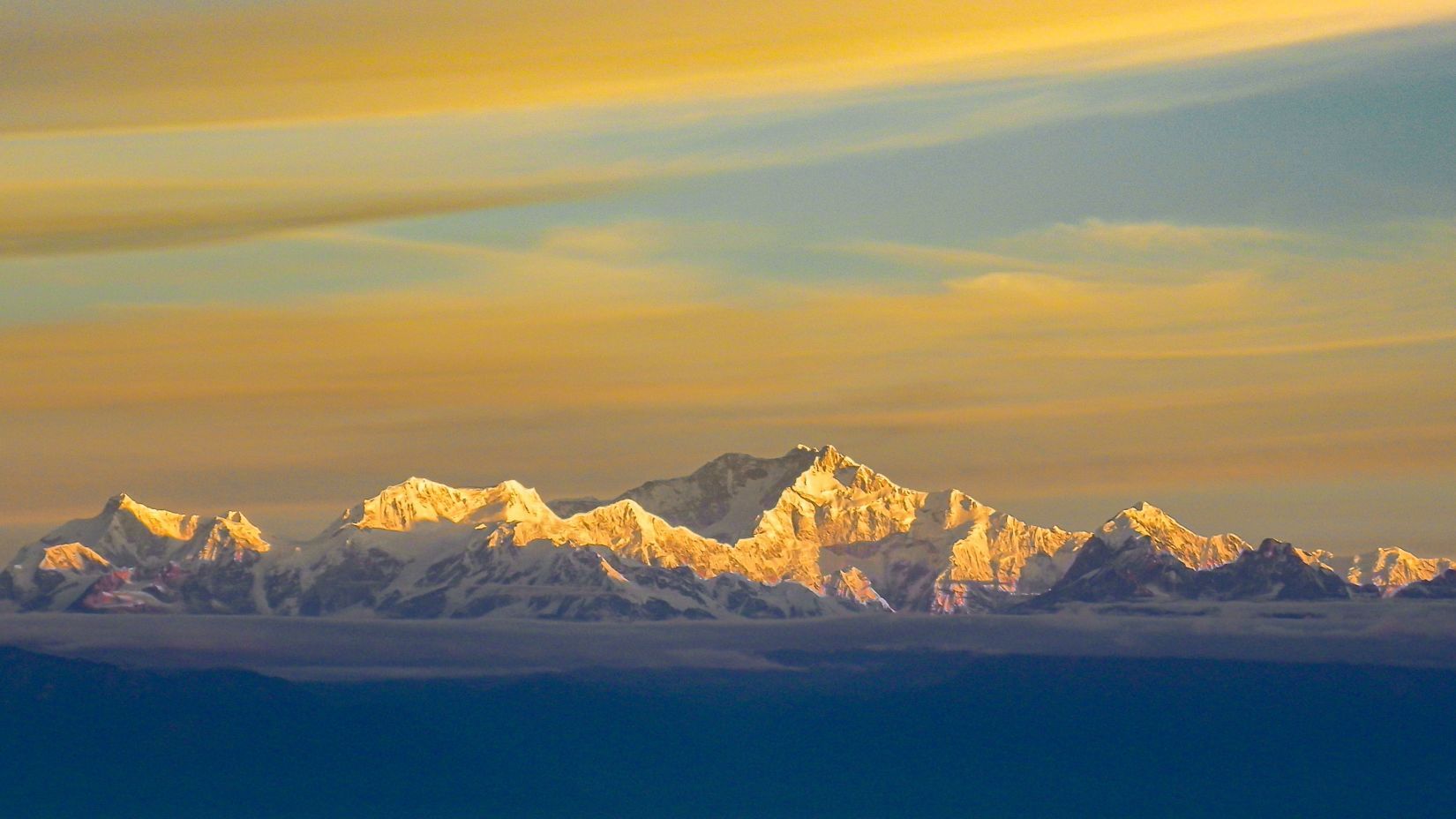
Looking west and north on clear days, you can see the white crest of Mount Kanchenjunga dominating the horizon alongside other prominent peaks of the Eastern Himalayas. Far below the forested ridges, the silver ribbon of the Teesta River winds through steep river valleys. The grounds surrounding the monastery are lined with tall pine and deodar trees, while multi-coloured prayer flags flutter in the mountain breeze, making the outdoor grounds an ideal place for contemplative walks.
Best Time to Visit Durpin Monastery
Kalimpong experiences pleasant weather for most of the year, but the post-monsoon and spring seasons offer the best conditions for visiting Durpin Monastery. Between October and December, the monsoon clouds clear completely, revealing sharp views of snow-draped peaks across crisp blue skies. Temperatures during this window are moderate during the day and comfortably cool at night.
Spring, spanning from March to May, is another delightful time to travel. During these months, the surrounding hillsides burst into colour with blooming rhododendrons, magnolias, and wild mountain flowers. The monsoon season from June to September brings heavy rains and thick fog to the region, which often shrouds the mountain viewpoints, though the monastery itself remains tranquil and enveloped in misty atmosphere. Winter months from late December through February bring chilly winds, but daytime sunshine remains pleasant.
How to Reach Durpin Monastery
Durpin Monastery is located along East Main Road on the outskirts of Kalimpong town. It is easily accessible by road from the town centre via local taxis or shared vehicles in a short drive. Walking uphill from the central bazaar is also possible for those who enjoy mountain walks through quiet residential lanes and pine groves.
If you are arriving from further away, the nearest major railhead is New Jalpaiguri, and the closest domestic airport is Bagdogra near Siliguri. Both transport hubs connect to Kalimpong via scenic mountain highways winding along the Teesta River. Regular shared jeeps, private cabs, and state transport buses run between Siliguri and Kalimpong throughout the day. Travel times vary depending on seasonal weather and mountain road conditions, so it is best to check locally for the most current updates before setting out.
Tips for Visiting Durpin Monastery
Durpin Monastery is an active place of daily worship, and visitors are asked to observe traditional monastery etiquette. Dress modestly by covering your shoulders and knees. You will be required to remove your footwear before entering the indoor prayer hall, so carrying an extra pair of warm socks is helpful, especially during cooler winter mornings.
Always walk around religious shrines, stupas, and prayer wheels in a clockwise direction. Photography is usually allowed in the outdoor courtyard, but you should look for notices or ask a resident monk before taking pictures inside the prayer sanctuary. Keep mobile phones on silent mode and maintain a hushed voice to avoid disturbing the resident monks and novices during their chanting sessions. If you visit in the early morning or late afternoon, carry a light jacket as winds along the hilltop ridge can feel crisp.
Places to Explore Nearby
A visit to Durpin Monastery can easily be combined with other landmarks around Kalimpong and the wider ridge. Down in the valley, the Poomong Barbotey Hanging Bridge offers an engaging glimpse into local suspension bridge engineering across mountain waterways. Further uphill toward Darjeeling, travellers often stop at the serene pine forests of Lamahatta.
Extended excursions into the higher ridgelines of Darjeeling open access to famous vantage points like Tiger Hill, along with cultural landmarks such as the Japanese Buddhist Temple, the Peace Pagoda, and the historic Darjeeling Himalayan Railway loop at Batasia. Wildlife and nature lovers can explore the high-altitude fauna at the Padmaja Naidu Himalayan Zoological Park. For those who enjoy strolling through scenic hills, the regional tea estates scattered across the slopes provide beautiful day trips.
Where to Stay around Kalimpong
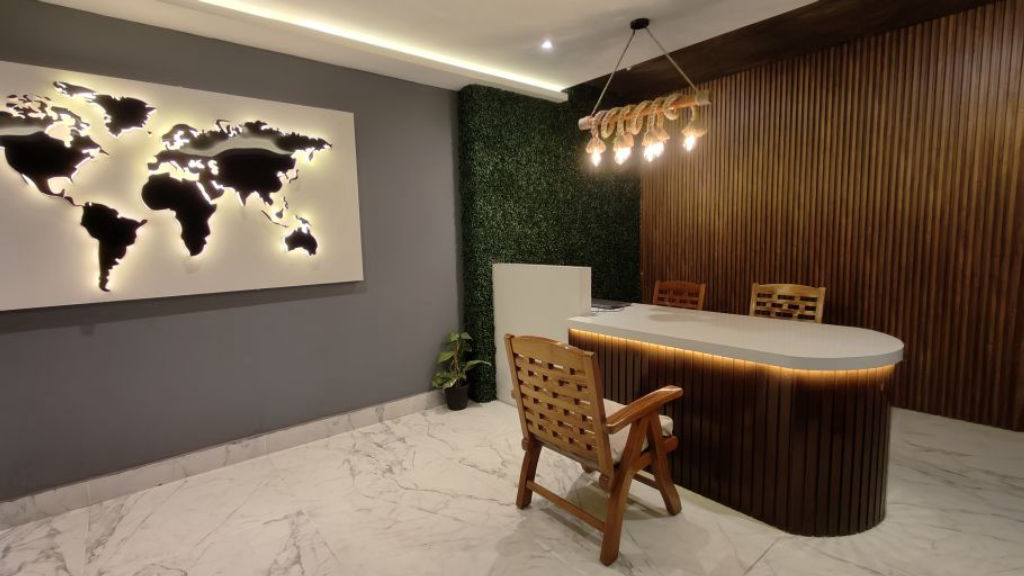
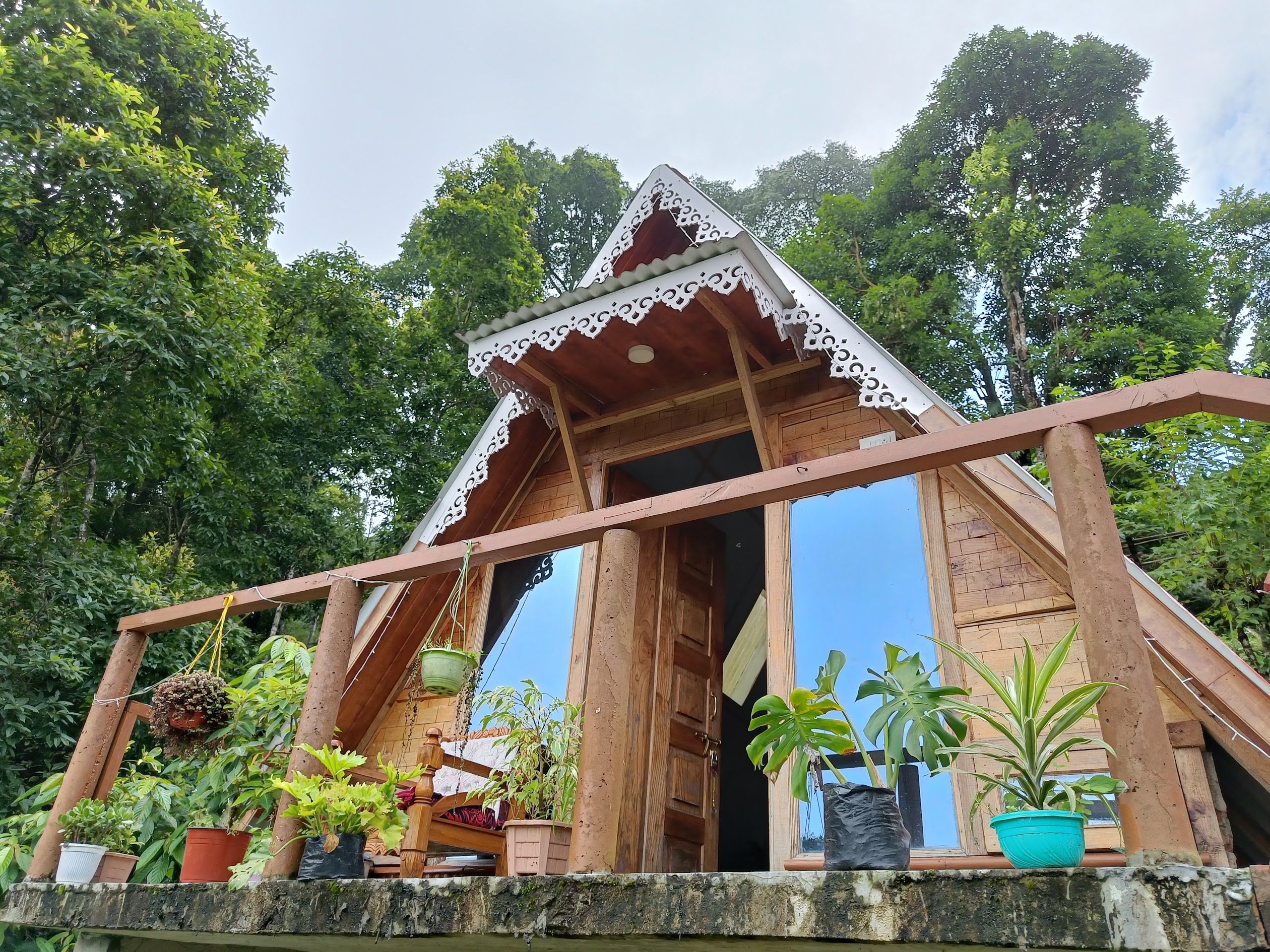
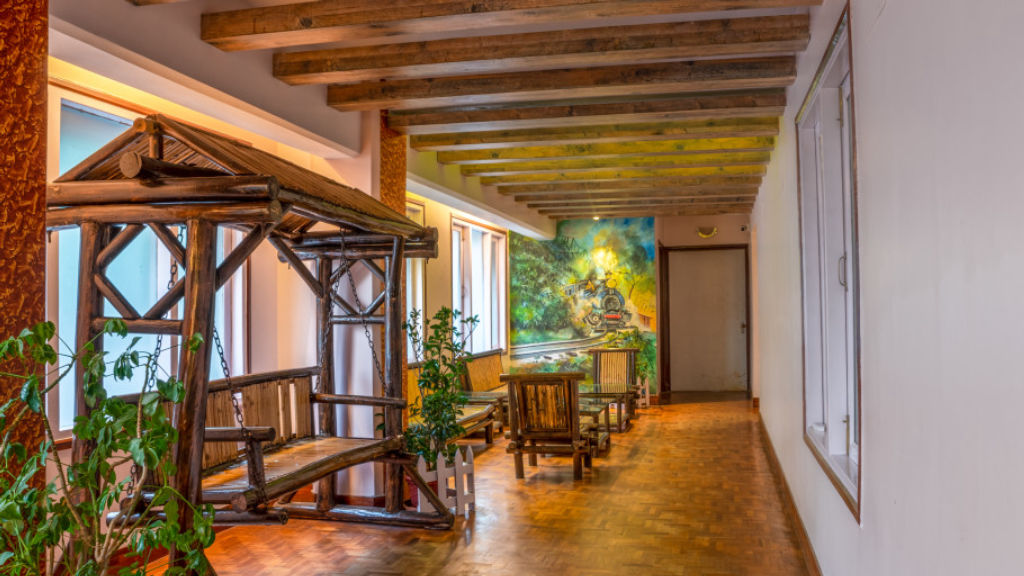
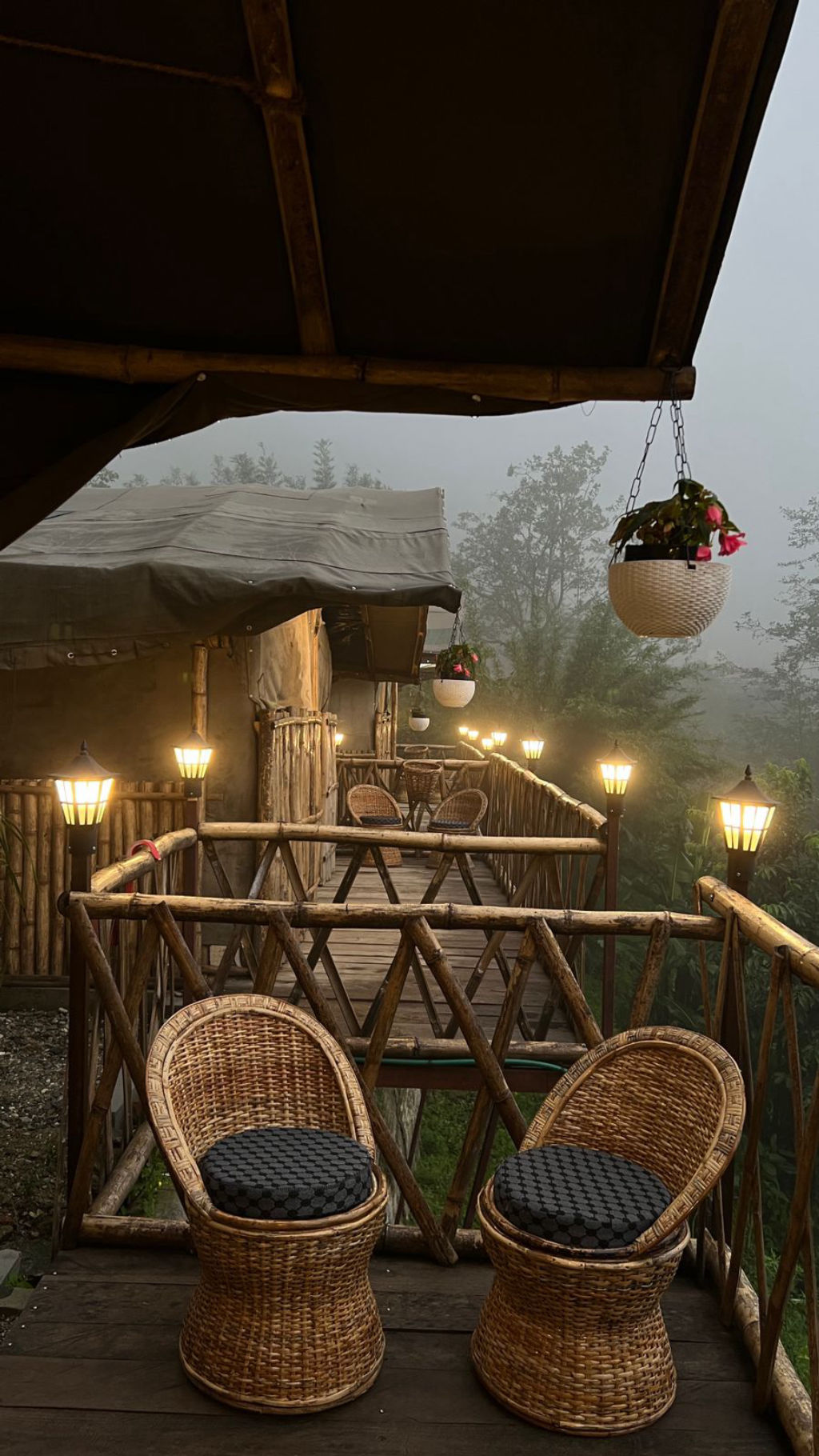
Kalimpong and the hills around Durpin Dara offer a wide choice of accommodation suited to travellers who want to slow down and experience mountain life. The surrounding ridges are dotted with scenic homestays, estate cottages, and rustic campsites that look out over pine forests and terraced farmland.
Staying in a village homestay gives you the opportunity to taste home-cooked Himalayan meals prepared with organic local greens and experience traditional hospitality. For outdoors enthusiasts, camping sites nestled in peaceful orchards and hill meadows provide star-filled night skies and immediate access to walking trails. You can discover vetted homestays and outdoor camps near Kalimpong on HireACamp to plan your ideal stay.
Frequently asked questions
What is Durpin Monastery famous for?
Durpin Monastery is renowned for its collection of rare Tibetan Buddhist manuscripts brought from Tibet, elaborate wall frescoes, and panoramic views of the Teesta River valley and Mount Kanchenjunga.
How far is Durpin Monastery from Kalimpong town?
The monastery is located roughly five kilometres from the central market of Kalimpong on Durpin Dara hill and can be reached by a short taxi drive.
Can tourists enter the prayer hall inside the monastery?
Yes, visitors are permitted inside the main prayer hall to view the sacred statues and murals, provided they remove their shoes and maintain silence.
What is the best time of day to visit Durpin Monastery?
Early mornings and late afternoons are the best times to visit, offering the clearest Himalayan mountain views and the peaceful atmosphere of daily monastic prayers.
Are there places to stay close to Durpin Monastery?
Yes, you can find quiet village homestays, hillside cottages, and nature camps in and around Kalimpong on HireACamp.
Where you'll be
2FQ6+775, E Main Rd, Chandraloke, Kalimpong, West Bengal 734301 · 5 stays nearby shown with prices
As seen on Instagram
The posts this guide is built from
Stays near Durpin Monastery
Book a place to stay close by
Often visited together
Creators who went here also showed these

More places near Durpin Monastery
Within 20 km


Lists for this area
Ranked by how many creators recommend each place


Built from 1 Instagram post by 1 creator. Every tip links back to the post it came from, and where creators disagree we show both sides.






