
Japanese Buddhist Temple, Darjeeling
Temple near Darjiling, West Bengal
2 posts · 1 sourced tip
Guide from 2 posts by 2 creators
@ask.himalaya, @traveltriangle
900 m from Darjiling
The nearest town, for stays, food and fuel.
Loved by 2 creators
2 posts on Instagram.
Visiting the Japanese Buddhist Temple in Darjeeling
Visitors to the Japanese Buddhist Temple in Darjeeling can attend and participate in rhythmic drum chants led by the monks.
Good to know
Tips from creators' posts. Each one links to its source.
Things to Do
Sit in on and join the monks during their rhythmic drum chanting sessions.
Reported by @ask.himalayaSource
Getting there
By road
- From Darjeeling7 min · 1.9 km
- From DarjilingNearest town15 min · 3.7 km
By train, bus or air
- DarjeelingNearest railway station12 min · 2.7 km
- Bagdogra AirportNearest airport2 hr 55 min · 74 km
Typical drive times without traffic. Stations and airports from OLA Maps; distances and typical drive times from OLA Maps and OpenStreetMap (© OpenStreetMap contributors); notes from creators' Reels.
About Japanese Buddhist Temple, Darjeeling
Written with AI from creators' posts and map data. Check prices and timings locally before you go.
About the Japanese Buddhist Temple in Darjeeling
The Japanese Buddhist Temple, also known as the Nipponzan Myohoji Buddhist Temple, stands amid tall pine trees on the quiet slopes of Jalapahar in Darjeeling. Established in the late twentieth century under the guidance of Nichidatsu Fujii, founder of the Nipponzan-Myohoji Buddhist order, the temple stands as a symbol of universal harmony and non-violence. Its design reflects traditional Japanese temple craftsmanship, built primarily of wood with clean geometric lines, pitched eaves, and wide verandas that look out onto the surrounding mountain ridges.
Entering the grounds brings an immediate change of pace from the lively activity of Darjeeling town. The ground floor houses an atmospheric prayer hall containing traditional Buddhist relics, intricate carvings, and an altar dedicated to the Buddha. The upper storey provides further room for meditation and contemplation, along with sweeping vantage points across the forested hills on clear days.
Experiencing the drum chanting prayer sessions
A defining experience for travellers visiting the Japanese Buddhist Temple is sitting in on the daily prayer ceremonies led by the resident monks. Visitors are welcomed into the quiet prayer hall to take part in the rhythmic drum chanting that forms the core of the temple's spiritual practice. The chanting centers on reciting the sacred phrase while maintaining a continuous, hypnotic beat.
Monks frequently hand out small, flat handheld drums and wooden strikers to visitors seated on the floor mats, encouraging everyone to join the rhythm. The synchronized pulse of the drums combined with the reverberating vocal chants creates a deeply meditative and grounding atmosphere. Participating in this communal ritual allows travellers of all backgrounds to pause, slow down, and share in a living tradition of Japanese Buddhist devotional practice.
Read more
Exploring the temple and Peace Pagoda complex
Just a short paved walk from the main temple building stands the towering Darjeeling Peace Pagoda, completing the shared hilltop complex. Conceived as part of a worldwide movement to inspire harmony and unity in the aftermath of modern conflicts, the massive white stupa rises gracefully above the tree canopy. The exterior of the pagoda is adorned with four large gold-polished statues representing key episodes from the life of Gautama Buddha, including his birth, enlightenment, first sermon, and parinirvana.
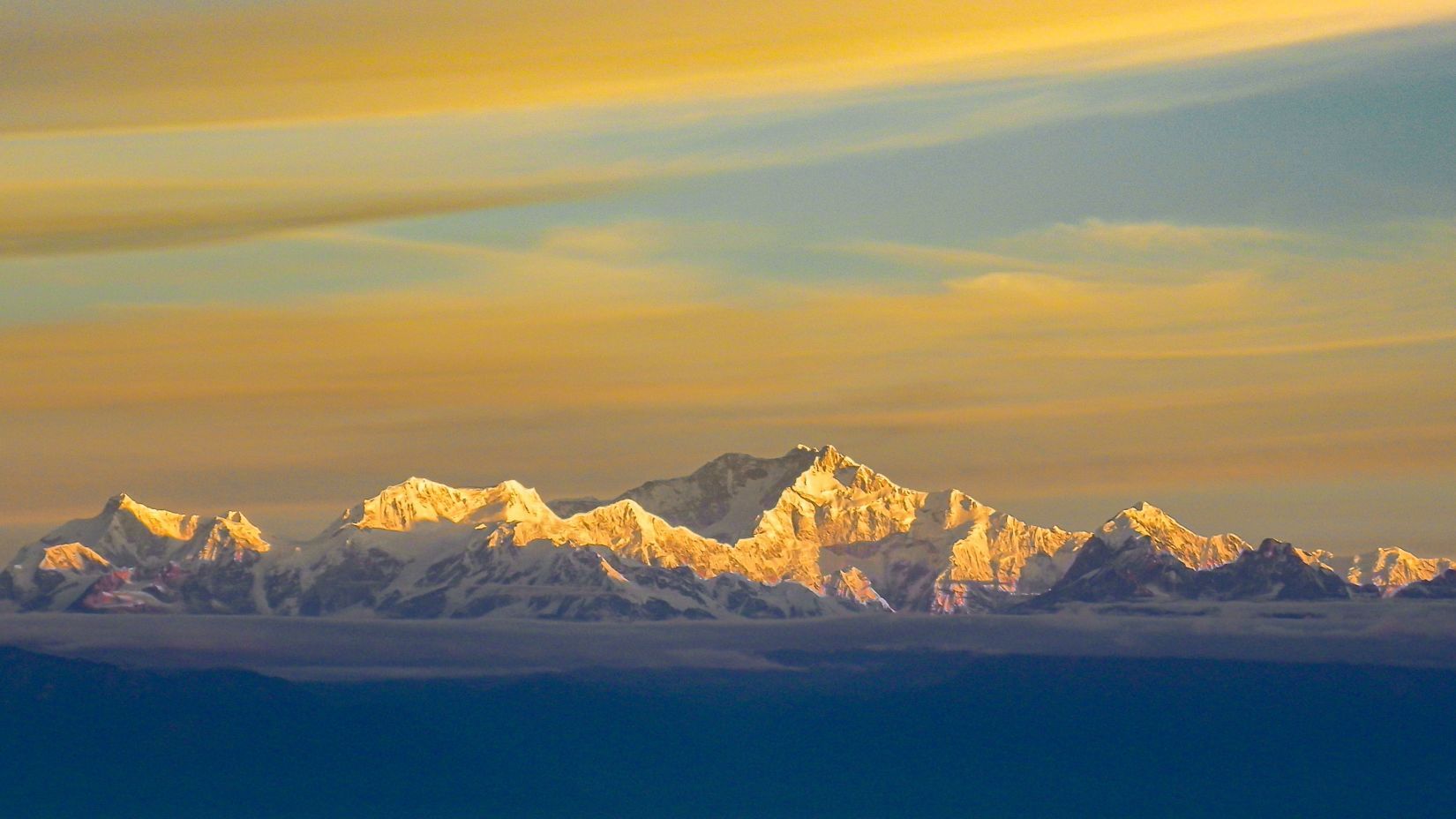
Travellers can follow the circular stone walkways around the base and upper levels of the pagoda for a peaceful walking meditation. The elevated terraces offer expansive views across the valleys of Darjeeling and, on clear mornings, striking panoramas of the snow-crested peaks of the Kangchenjunga range. Landscaped lawns and stone seating around the pagoda provide a calm setting to rest in the mountain air.
Best time to visit Darjeeling
Darjeeling experiences distinct Himalayan seasons, each lending its own character to the temple and its woodland surroundings. Autumn, between October and November, is widely considered the most favourable time to visit. During these months, the air is crisp, visibility is high, and the surrounding peaks often appear sharp against bright blue skies.
Spring, spanning March and April, brings comfortable temperatures and blooming rhododendrons and magnolias across the hillsides. Winter, from December through February, is noticeably cold, particularly in the mornings and evenings, but clear daylight hours make for pleasant sightseeing if you dress warmly. The monsoon season from June to September brings heavy rains and rolling clouds that blanket the pine woods in thick mist; while the moody atmosphere is scenic, travel along winding hill roads can be slower during periods of heavy downpours.
How to reach the Japanese Buddhist Temple
The Japanese Buddhist Temple is located in the Rajbari locality along Jalapahar Road, roughly ten to fifteen minutes by road from the town center of Darjeeling. Local taxis and shared cabs can drop visitors off near the entrance pathway. For those who enjoy walking, the route uphill from the main town winds past pine woods and colonial-era houses, making for a scenic walk.
Darjeeling is connected to the plains through the transit hub of Siliguri in northern West Bengal. The nearest airport is Bagdogra, while the primary broad-gauge railway terminus is New Jalpaiguri. From either transport hub, travellers can take shared jeeps or private cabs into the hills. The scenic climb typically takes around three to four hours depending on mountain road conditions and traffic.
Tips for your visit
To make the most of your time at the temple, try to align your visit with the morning or late afternoon drum chanting sessions. Chanting times can vary through the year, so it is a good idea to check locally for the day's schedule upon arriving in Darjeeling.
Because this is an active sanctuary of worship, guests are asked to observe temple etiquette. Footwear must be removed before entering the indoor prayer hall, and mobile devices should be switched to silent mode. Photography is often restricted during prayer ceremonies, so look for posted guidelines or ask permission before taking pictures. Wearing warm layers is recommended, as the wooden hall can feel cool and breezy during morning hours and throughout the winter months.
Places to explore nearby
Thanks to its setting on the Jalapahar ridge, the Japanese Buddhist Temple serves as an easy starting point for exploring several other attractions in the Darjeeling area. Downhill along the railway tracks is the Batasia Loop, where the narrow-gauge Darjeeling Himalayan Railway loops gracefully around a manicured war memorial garden with broad mountain outlooks.
Further across town, the Padmaja Naidu Himalayan Zoological Park offers the chance to learn about high-altitude wildlife conservation programs focused on red pandas and snow leopards. An early morning trip can take you out toward Tiger Hill for panoramic sunrise views, while a drive into the nearby hills leads to the tranquil pine-lined terraces of Lamahatta.
Where to stay
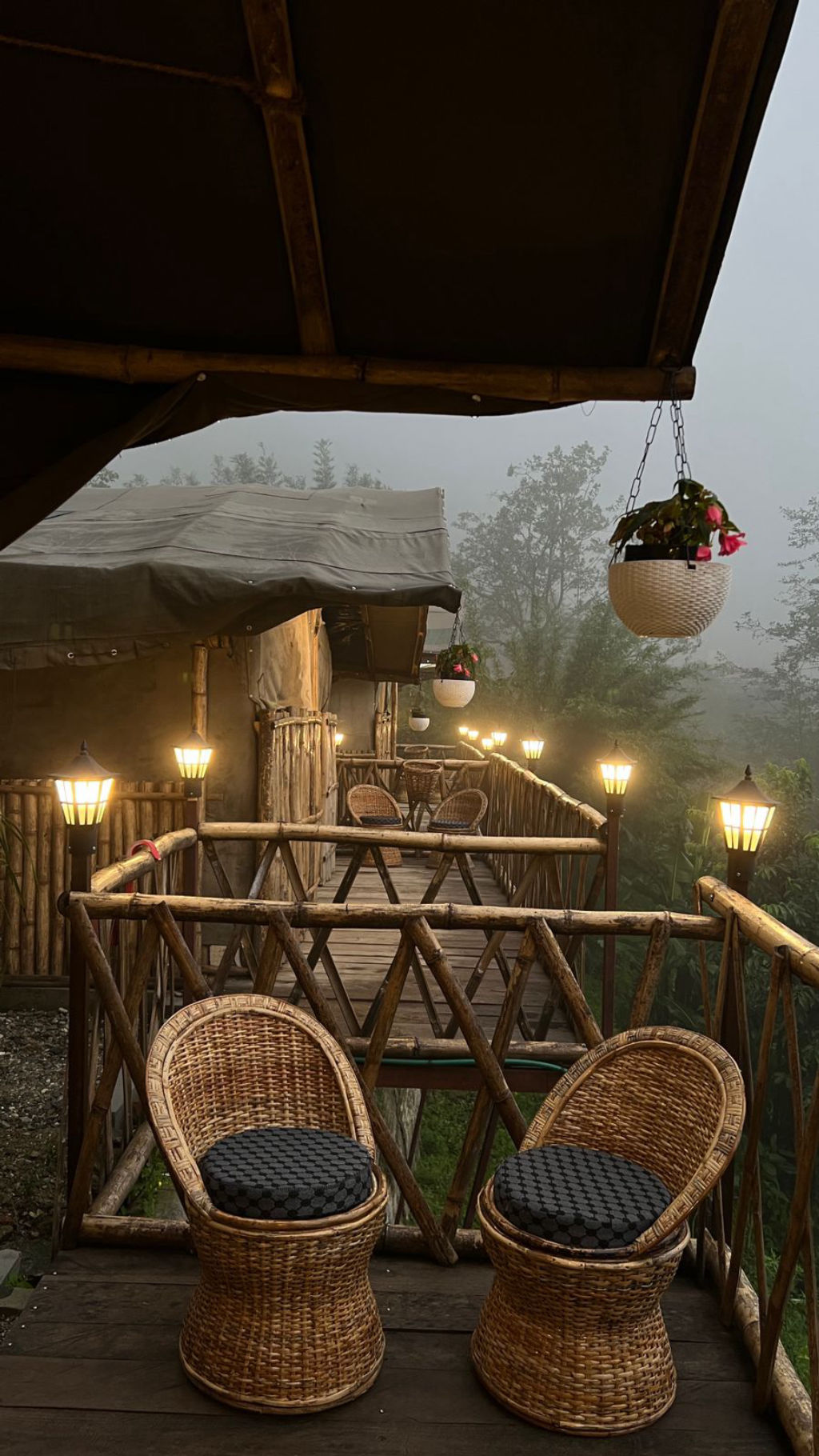
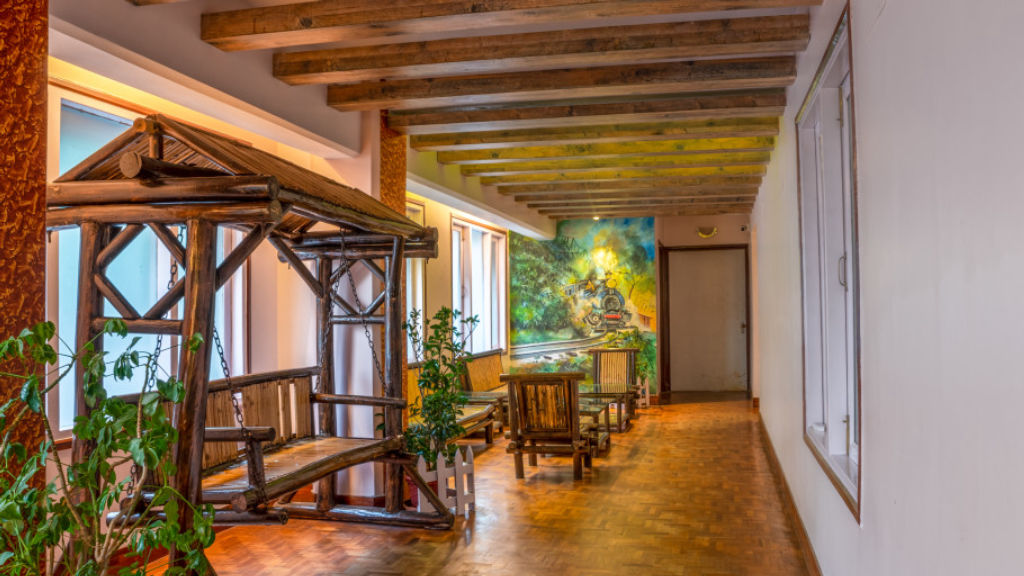
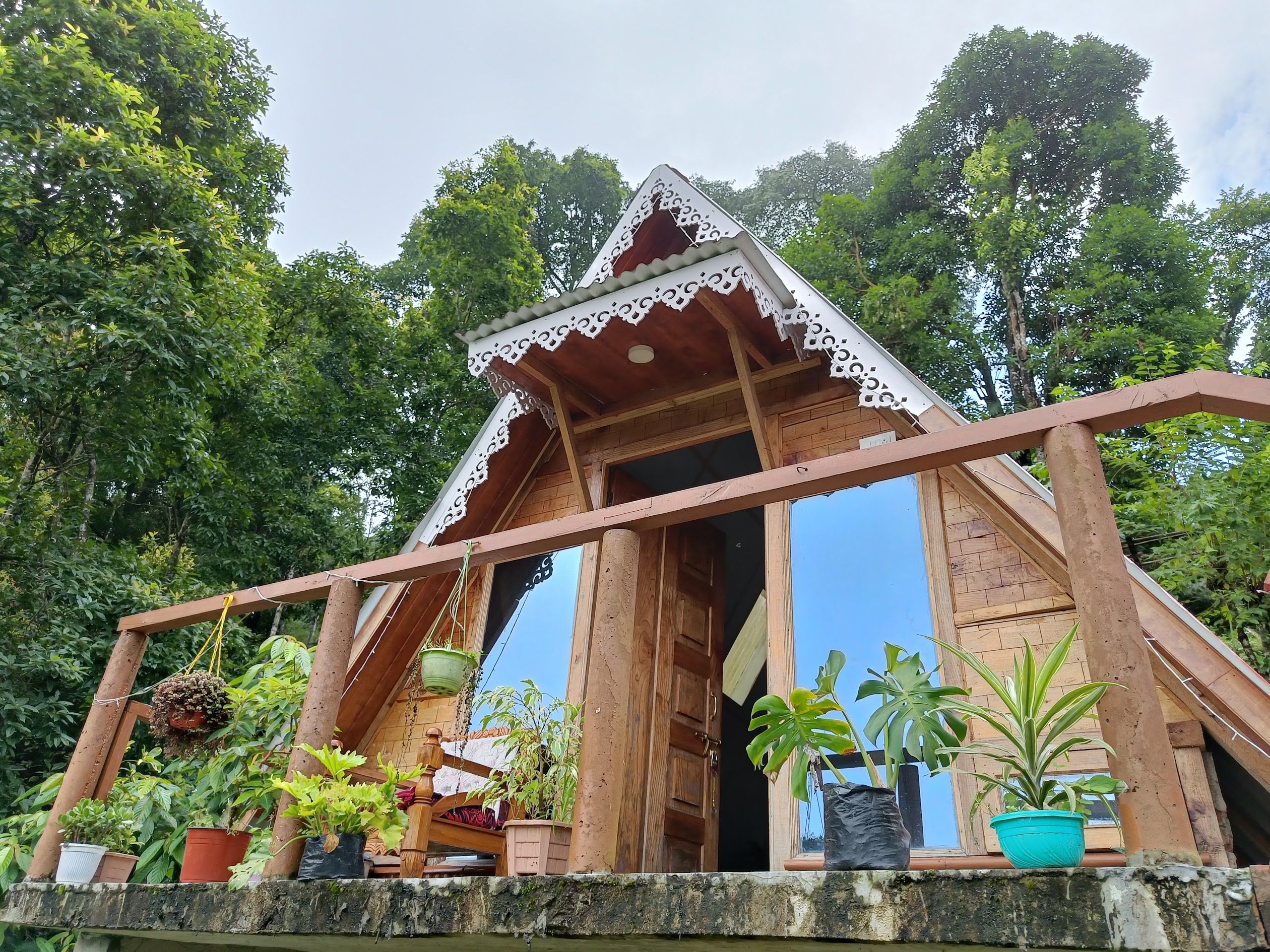
Staying near the Jalapahar ridge allows travellers to enjoy the quiet, wooded environment of the upper hills while remaining within easy reach of central town conveniences. The surrounding slopes host a variety of accommodations, ranging from intimate family-run homestays to peaceful hillside retreats.
A wide selection of homestays, private cottages, and nature getaways across Darjeeling and its neighbouring valleys can be found on HireACamp. Opting for a homestay provides warm hospitality, regional meals, and firsthand insight into daily mountain life.
Frequently asked questions
Can visitors participate in the chanting at the Japanese Buddhist Temple?
Yes, visitors are invited into the prayer hall to sit with the monks and join in the rhythmic drum chanting, often using small handheld drums provided to guests.
Where is the Japanese Buddhist Temple located?
The temple is located in the Rajbari area on Jalapahar hill in Darjeeling, West Bengal, roughly two kilometers from the central town.
Is the Peace Pagoda part of the same complex?
Yes, the white Peace Pagoda is situated on the same grounds, just a short walk up a paved pathway from the temple building.
What is the best time of year to visit the temple?
October and November offer the clearest mountain views, while March and April provide pleasant weather and blooming hillside vegetation.
What rules should travellers follow inside the temple?
Visitors must remove footwear before entering the prayer hall, maintain quiet, dress modestly, and verify photography rules before taking pictures inside.
Where you'll be
27H5+9R2, Rajbari, Darjeeling, West Bengal 734101 · 5 stays nearby shown with prices
As seen on Instagram
The posts this guide is built from
Stays near Japanese Buddhist Temple, Darjeeling
Book a place to stay close by

Often visited together
Creators who went here also showed these


More places near Japanese Buddhist Temple, Darjeeling
Within 20 km


Lists for this area
Ranked by how many creators recommend each place


Built from 2 Instagram posts by 2 creators. Every tip links back to the post it came from, and where creators disagree we show both sides. Guide updated 24 Oct 2026.






