
Dutondya Maruti
Temple near Nashik, Maharashtra
1.1 km from Nashik
The nearest town, for stays, food and fuel.
Dutondya Maruti is a historic riverside shrine dedicated to Lord Hanuman, situated on the sacred banks of the Godavari River at Ramkund in Panchavati, Nashik. Known for its distinct two-faced stone carving, the idol holds immense religious value and acts as an enduring cultural symbol for the city. Travellers and pilgrims visit to offer prayers, experience the lively rituals along the river ghats, and observe an ancient landmark deeply intertwined with the natural rhythm of the Godavari.
Getting there
By road
- From NashikNearest town6 min · 1.5 km
- From Mumbai 3 hr 55 min · 185 km
- From Pune4 hr 45 min · 216 km
- From Surat5 hr · 235 km
Typical drive times without traffic. Stations and airports from OLA Maps; distances and typical drive times from OpenStreetMap (© OpenStreetMap contributors); notes from creators' Reels.
About Dutondya Maruti
Written with AI from map data and general knowledge. Check prices and timings locally before you go.
The Legend and Heritage of Dutondya Maruti
Dutondya Maruti is one of the most distinctive religious landmarks in the historic city of Nashik. The name Dutondya literally translates in Marathi to having two faces or two mouths, describing the unusual sculpture of Lord Hanuman carved with two visible faces. Standing directly along the masonry ghats of the Godavari River, the idol has been revered for generations by local residents and wandering ascetics alike.
According to regional traditions, Lord Hanuman's protective presence is invoked across riverside settlements to shield pilgrims and townspeople from calamities. In Panchavati, an area celebrated for its extensive associations with the Ramayana epic, Dutondya Maruti occupies a central spiritual space. Devotees visit the shrine to perform simple offerings of vermilion, flowers, and mustard oil, pausing to pray before continuing their pilgrimage through the cluster of sacred sites that line the riverfront.
The River Godavari and the Traditional Flood Gauge
Beyond its devotional significance, Dutondya Maruti is renowned across Maharashtra as a natural flood indicator. Because the idol is installed right in the active floodway of the Godavari River at Ramkund, its visibility changes dramatically as river levels fluctuate throughout the year. During the dry season, the deity stands tall and completely dry on the stone platform, surrounded by visiting devotees and priests.
When heavy monsoon downpours saturate the Western Ghats and water is released from upstream reservoirs, the Godavari swells and submerges the steps leading down to Ramkund. The local community has long monitored the intensity of river floods based on how high the water climbs up the Dutondya Maruti sculpture. News of water touching the idol's waist, chest, or neck serves as an informal benchmark for the town, signalling to residents along low-lying riverbanks to prepare for rising waters. Watching the river submerge the idol has become an iconic annual sight in Nashik.
Read more
The Atmosphere Around Ramkund and Panchavati
Visiting Dutondya Maruti places you in the heart of Panchavati, one of the oldest living cultural hubs in western India. The environment surrounding the shrine is vibrant and sensory, defined by the gentle movement of the river, the ringing of temple bells, and the chanting of Sanskrit hymns. Early morning is an especially memorable time to visit, as priests conduct morning prayers and pilgrims gather on the stone steps to take a ritual dip in the sacred waters of Ramkund.
Panchavati itself is dense with old-world architecture, featuring winding alleyways, traditional wadas with wooden carvings, and stalls selling prayer items, brass vessels, and fragrant flowers. Spending time on the ghats near Dutondya Maruti offers travellers a genuine look at everyday life in Nashik, where centuries of spiritual customs continue uninterrupted amid the growth of a modern city.
Best Time to Visit Dutondya Maruti
The winter season, extending from October to February, is generally the most pleasant time to explore Dutondya Maruti and the surrounding ghats. During these months, the weather in Nashik is comfortably cool and sunny, with crisp mornings that make walking through the open riverside areas and narrow temple streets enjoyable.
For those interested in witnessing the dramatic natural spectacle of the Godavari River in full spate, the monsoon months between July and September provide an entirely different perspective. During periods of heavy rainfall, the river surges and surrounds the shrine, drawing crowds of locals who gather safely along the higher parapets to watch the water levels rise against the idol. Summer, from March to May, tends to be dry and warm, though early mornings and late evenings along the river breeze remain relatively comfortable.
How to Reach Dutondya Maruti
Dutondya Maruti is centrally located within Nashik city in the Panchavati neighbourhood, making it easily accessible from all major arrival points. Nashik is well connected by road and rail to primary transit centres such as Mumbai and Pune. Travellers arriving by train can disembark at Nashik Road railway station, from which local buses, shared autorickshaws, and private taxis run directly toward Panchavati.
Those driving from nearby cities can reach Nashik via major national and state highways. Once inside the older quarter of Panchavati, the streets narrow significantly, so it is best to park personal vehicles at one of the municipal parking areas outside the river zone and complete the final stretch on foot. Walking through the neighbourhood allows you to appreciate the heritage buildings and lively street life leading directly to Ramkund.
Tips for Travellers Visiting the Ghats
Because Dutondya Maruti is situated in an active place of worship and ritual, dressing modestly and respectfully is recommended. The stone steps of the ghats can become wet and slippery, particularly during the rainy months or right after ritual bathings, so wearing sturdy, water-friendly footwear with good grip is wise. You may need to remove your shoes before stepping onto specific sanctified platforms near the shrine.
If visiting during high monsoon periods, exercise caution and follow local safety advisories. The river currents can become deceptively swift when upstream dams discharge water, and municipal authorities often barricade lower steps to prevent accidental slips. Early morning visits are ideal for photography and quiet contemplation, before midday crowds gather along the banks.
Places to Visit Near Dutondya Maruti
A trip to Dutondya Maruti can easily be paired with other celebrated destinations in and around Nashik. Within immediate walking distance along the Panchavati riverfront lie Ramkund, where Lord Rama is said to have bathed, and the renowned Shree Kalaram Mandir, an impressive black stone temple dedicated to Lord Rama. The nearby Sita Gufa offers an underground cave chamber revered in regional folklore.
Travellers interested in nature and outdoor excursions can venture slightly further afield. Someshwar Waterfall and Gangapur Dam offer scenic water landscapes within short driving distances. For hill walking and history, the ancient peaks of Anjaneri and Brahmagiri, as well as the dramatic paths of Harihar Fort, provide rewarding day treks in the surrounding Western Ghats. In addition, the sacred pilgrim town of Trimbakeshwar Jyotirling Mandir lies approximately thirty kilometres to the west.
Where to Stay Near Dutondya Maruti
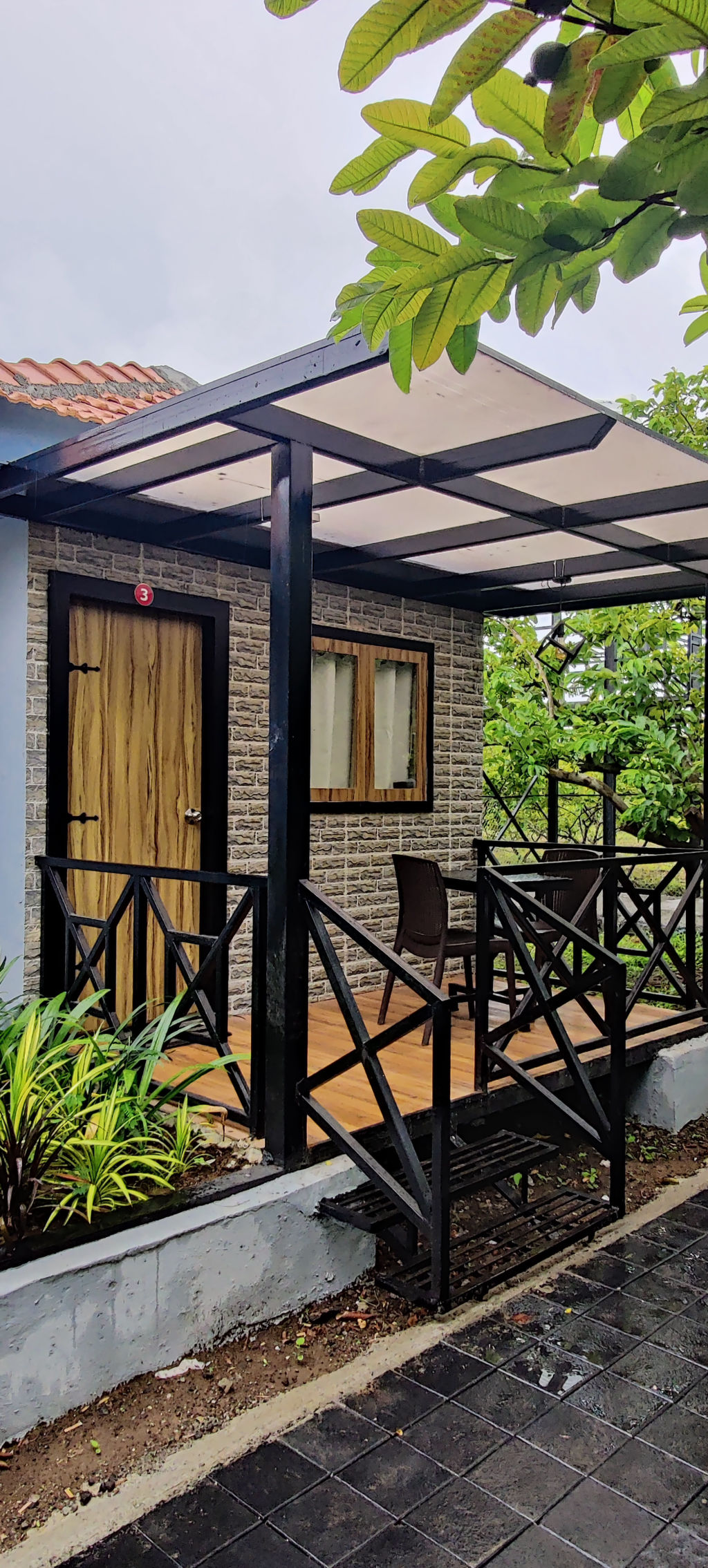
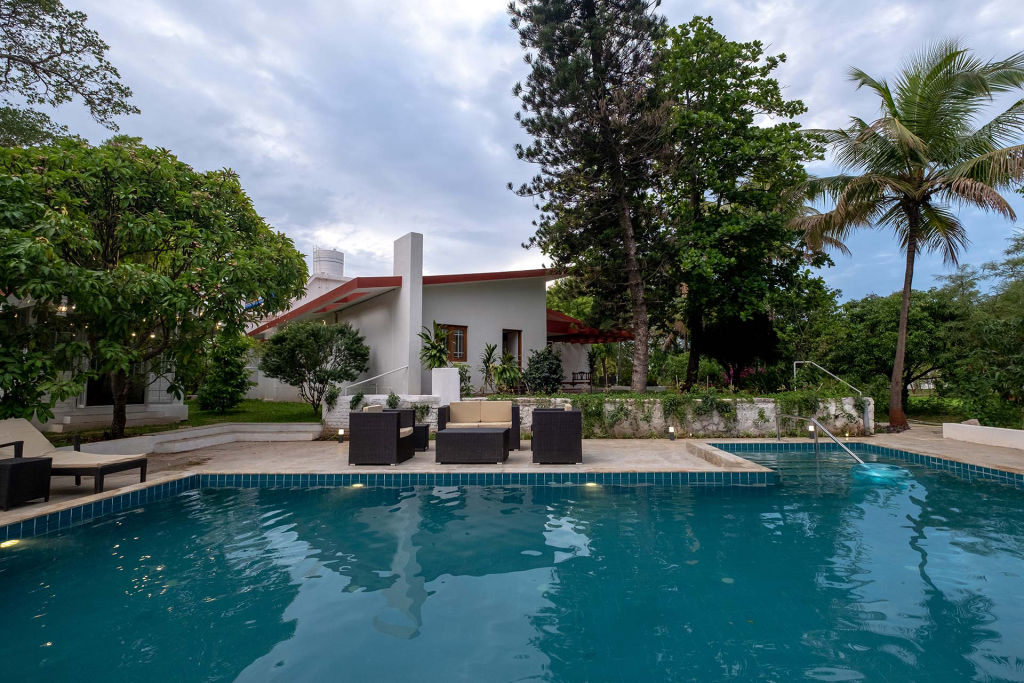
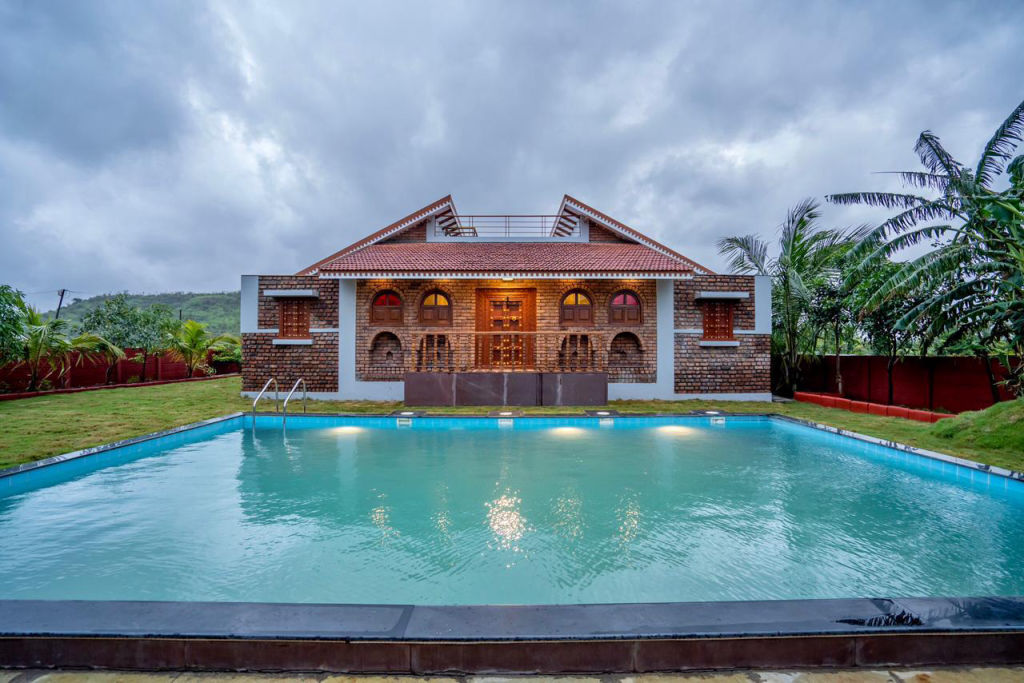
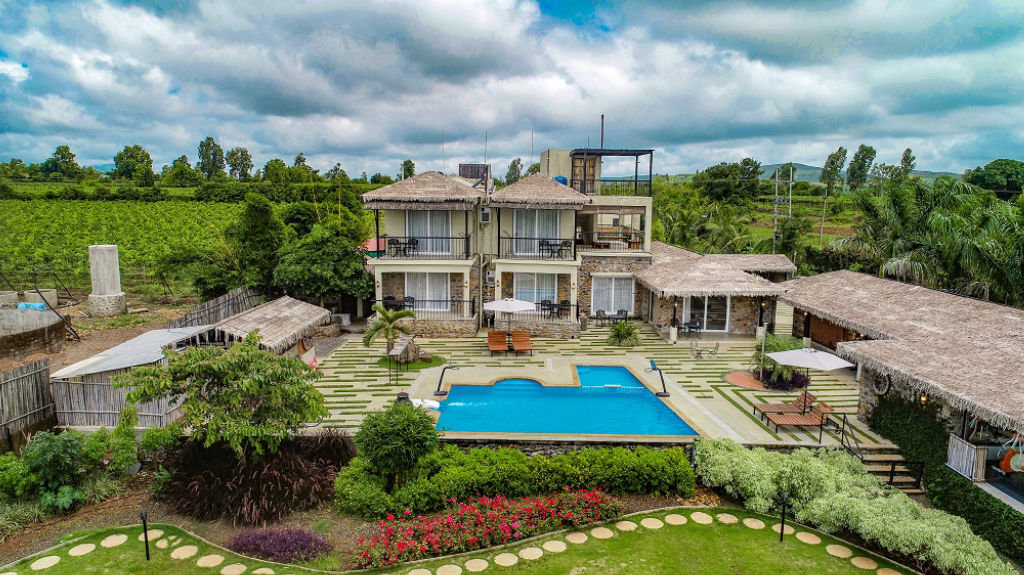
Visitors planning an extended stay in the Nashik region have a wide variety of accommodation styles to choose from, depending on their travel preferences. Those who want to remain immersed in the cultural core of the city often opt to stay close to Panchavati, where city guesthouses and hotels offer easy access to early morning river walks.
For travellers seeking open skies, countryside calm, or lakeside settings, options range from scenic homestays on the outskirts to nature-focused farm stays and rural retreats. Stays, riverside camps, and homestays across Nashik and the surrounding hill country can be discovered and reserved through HireACamp, giving you a comfortable base to return to after a day exploring the city's heritage.
Frequently asked questions
Why is the shrine called Dutondya Maruti?
The name Dutondya comes from the Marathi words for two mouths or two faces, referring to the unique carving of Lord Hanuman that features two distinct faces on the stone sculpture.
What is the connection between Dutondya Maruti and the Godavari floods?
Because the idol is positioned low on the steps of Ramkund, the community uses it as an informal river gauge. When water rises to the idol's waist or completely submerges it during the monsoon, it indicates significant flooding along the Godavari.
Can I visit Dutondya Maruti during the monsoon season?
Yes, visiting during the monsoon offers a dramatic view of the swollen Godavari River, but visitors must heed municipal safety barricades and keep a safe distance from the water's edge.
Is Dutondya Maruti accessible by car?
While you can drive to the Panchavati area, the immediate streets and alleys leading down to the Ramkund ghats are narrow. It is recommended to leave vehicles in designated town parking areas and walk the final distance.
What other landmarks are within walking distance of Dutondya Maruti?
Ramkund, the Shree Kalaram Mandir, Sita Gufa, and the historic bathing ghats along the Godavari River are all located within close walking distance in Panchavati.
Where you'll be
Nashik, MH · 4 stays nearby shown with prices
Stays near Dutondya Maruti
Book a place to stay close by
More places near Dutondya Maruti
Within 20 km


Lists for this area
Ranked by how many creators recommend each place


Built from 0 Instagram posts by 0 creators. Every tip links back to the post it came from, and where creators disagree we show both sides.






